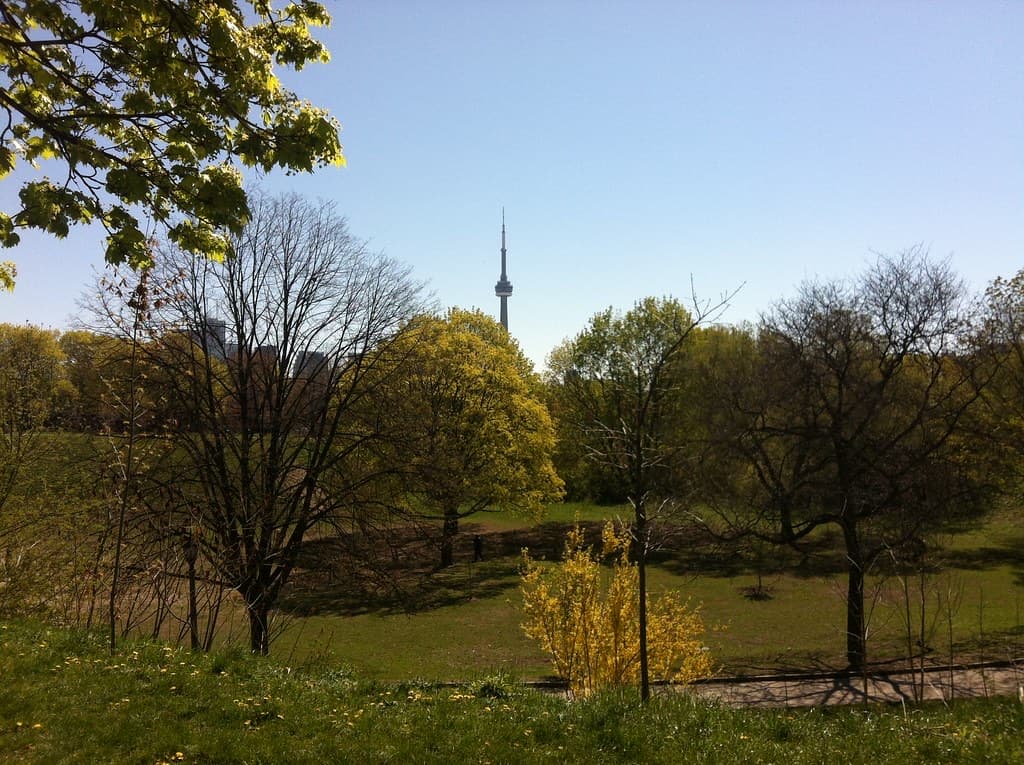
A natural-history walk over a buried river: college gates, rare trees, white squirrels, an evening bird roost and a 1915 bridge still standing under the street.
Start · The Trinity Gates
DirectionsStops
- College Groundssouth, by Queen
- 1
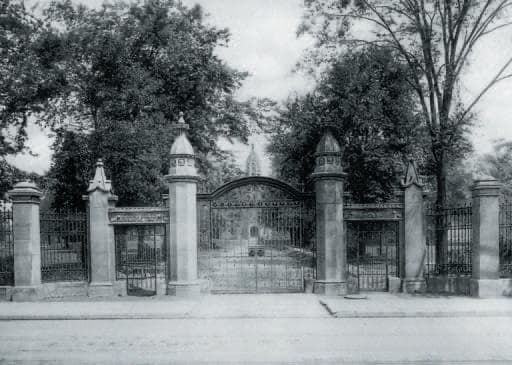
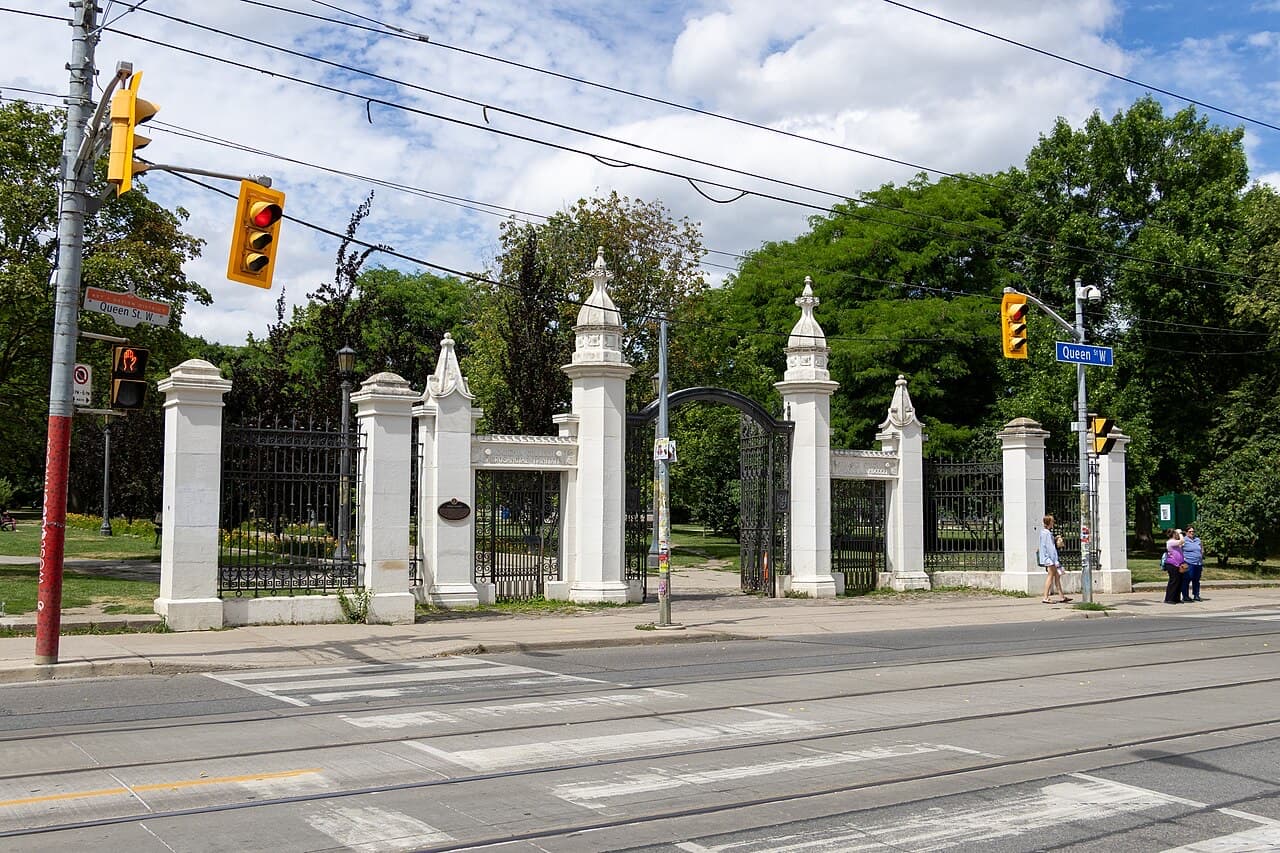
The Trinity Gates
Stone gateposts on Queen Street, all that stands of the college that gave the park its name.
- 2
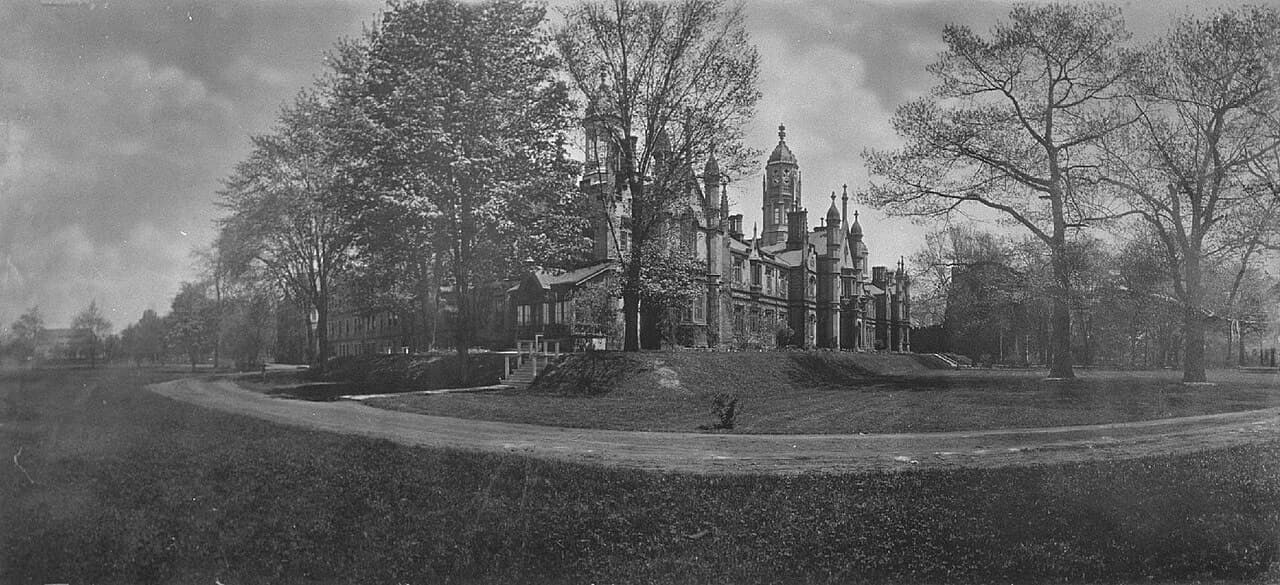
Trinity Circle: Where the College Stood
Rare old trees ring the site of Trinity College, whose foundations are still under the grass.
- 3
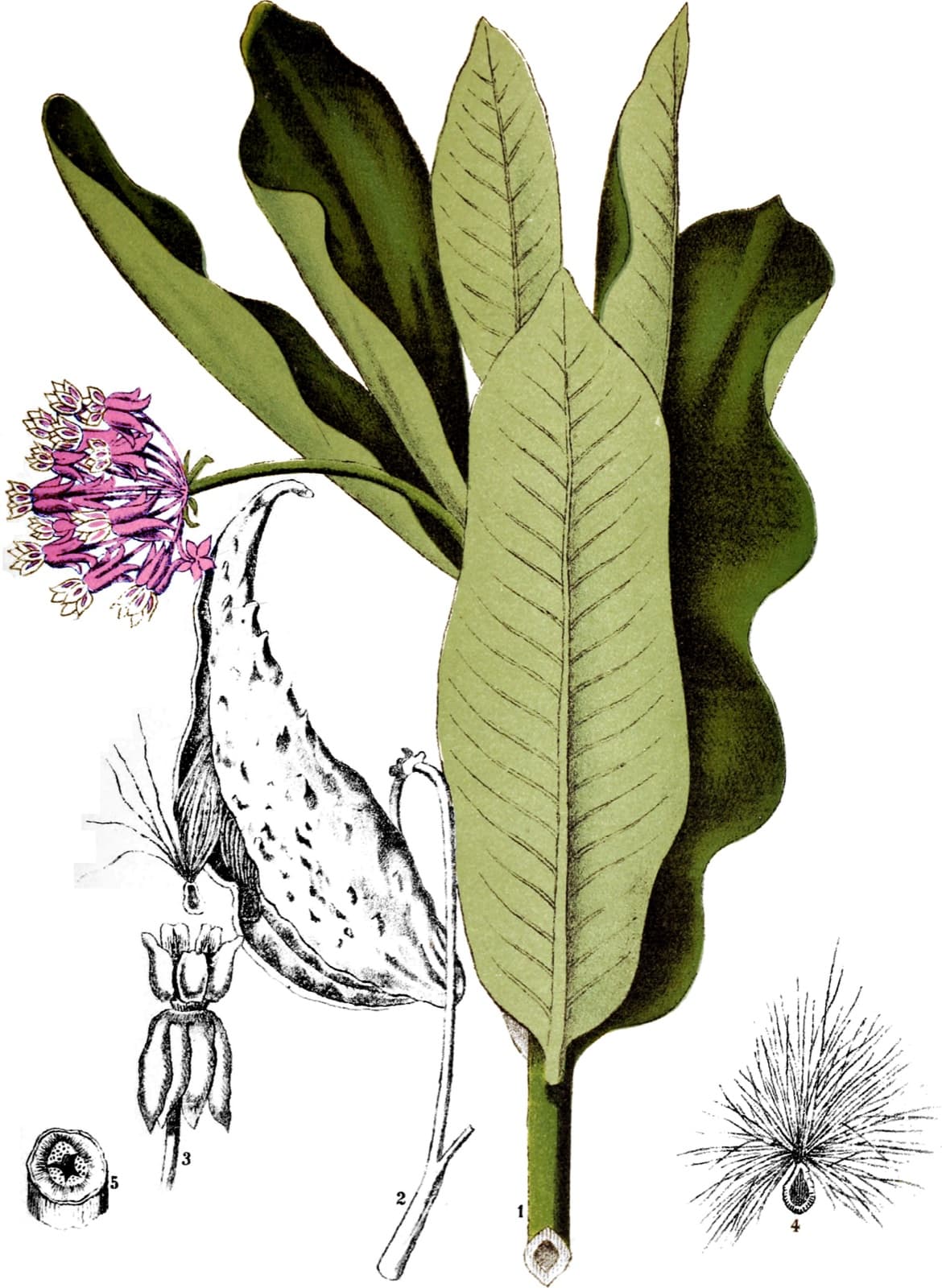
The Greenhouse and the Butterfly Garden
The park's greenhouse and its pollinator planting, part of a city-wide butterfly route.
- 4
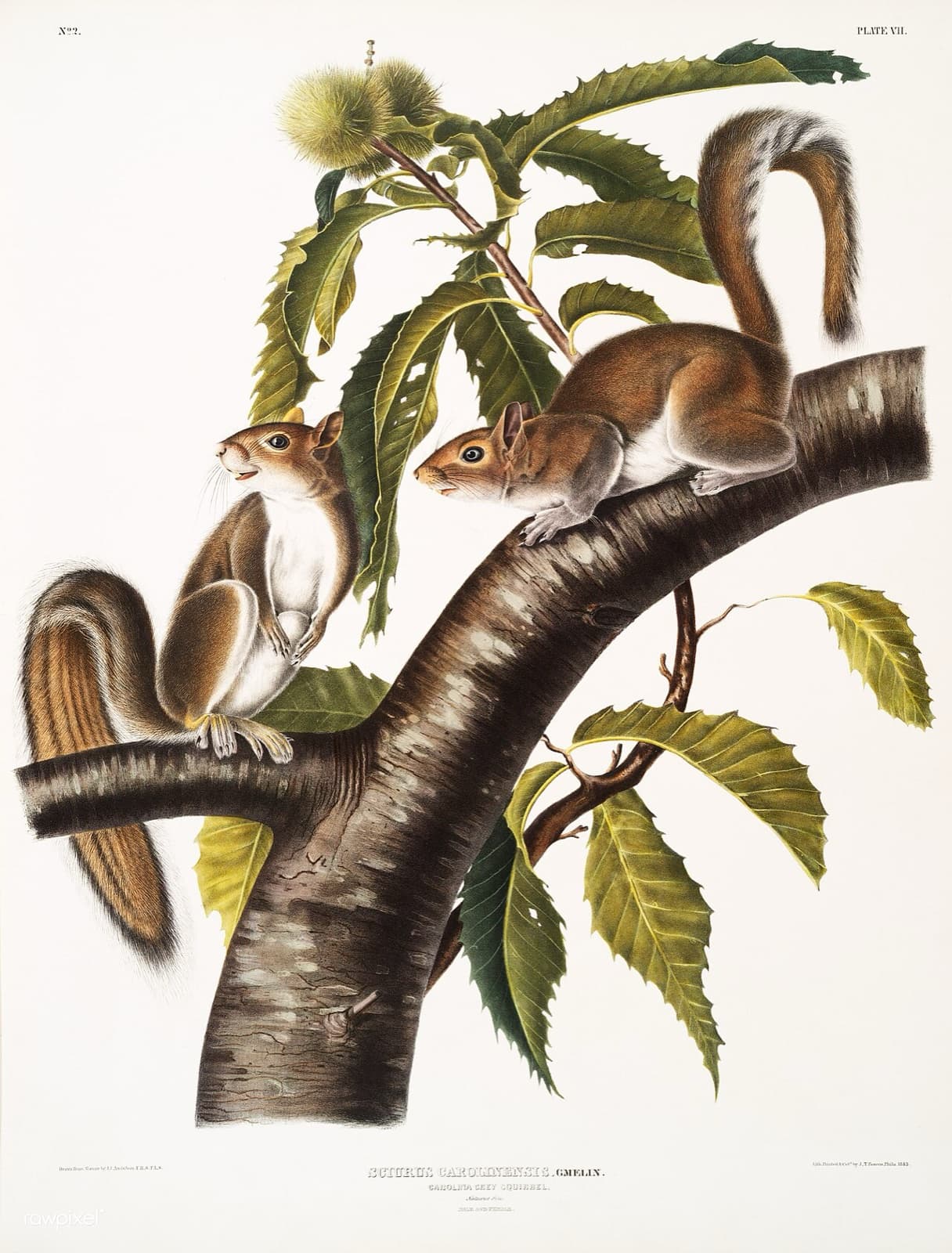
The White Squirrel Trees
The trees south of the recreation centre, where the park's famous white squirrels are most often seen.
- 5
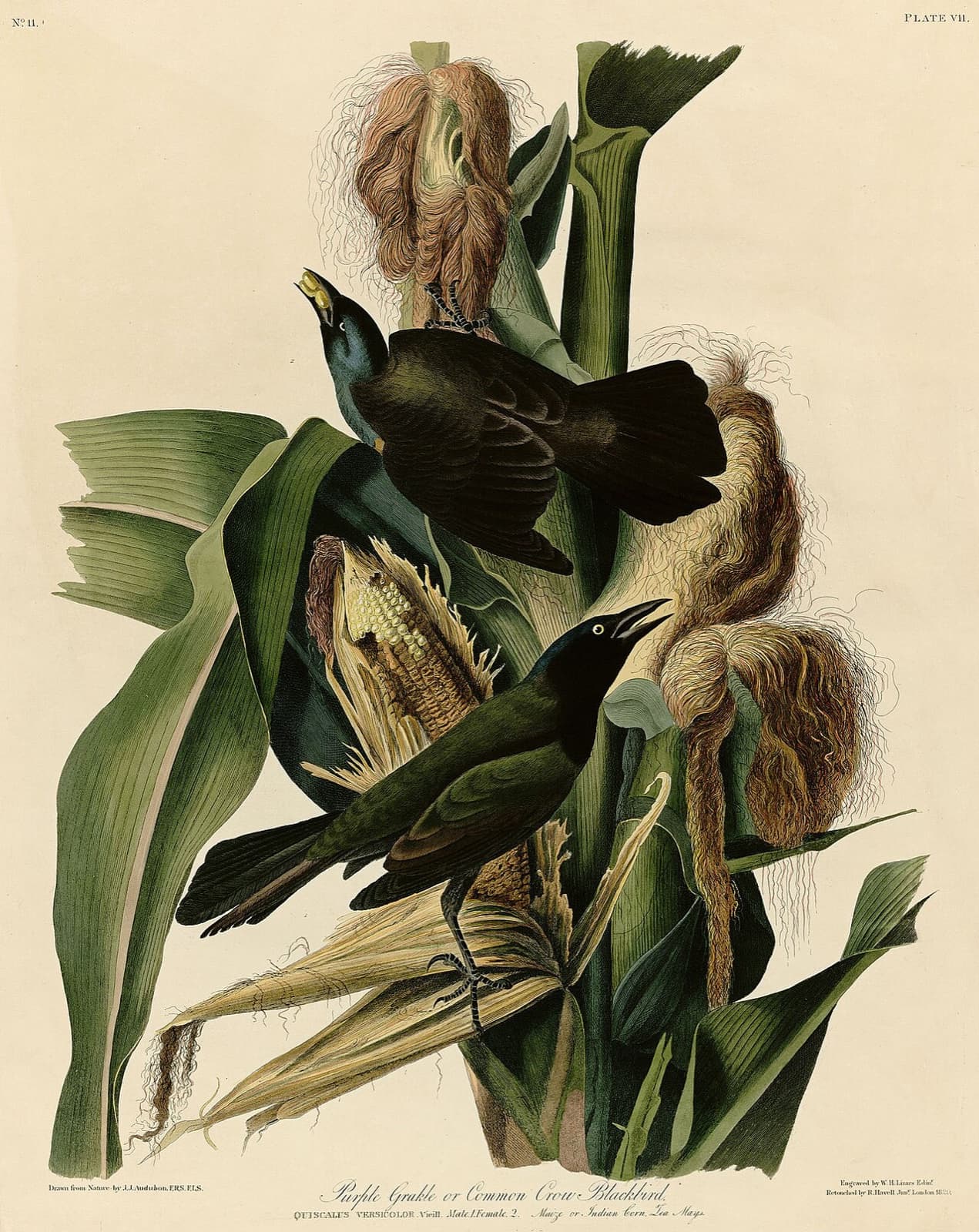
Lobb and Crawford: The Evening Roost
The western edge of the park, where large flocks of blackbirds gather at sunset in late summer and autumn.
- The Bowlthe last of the ravine
- 6
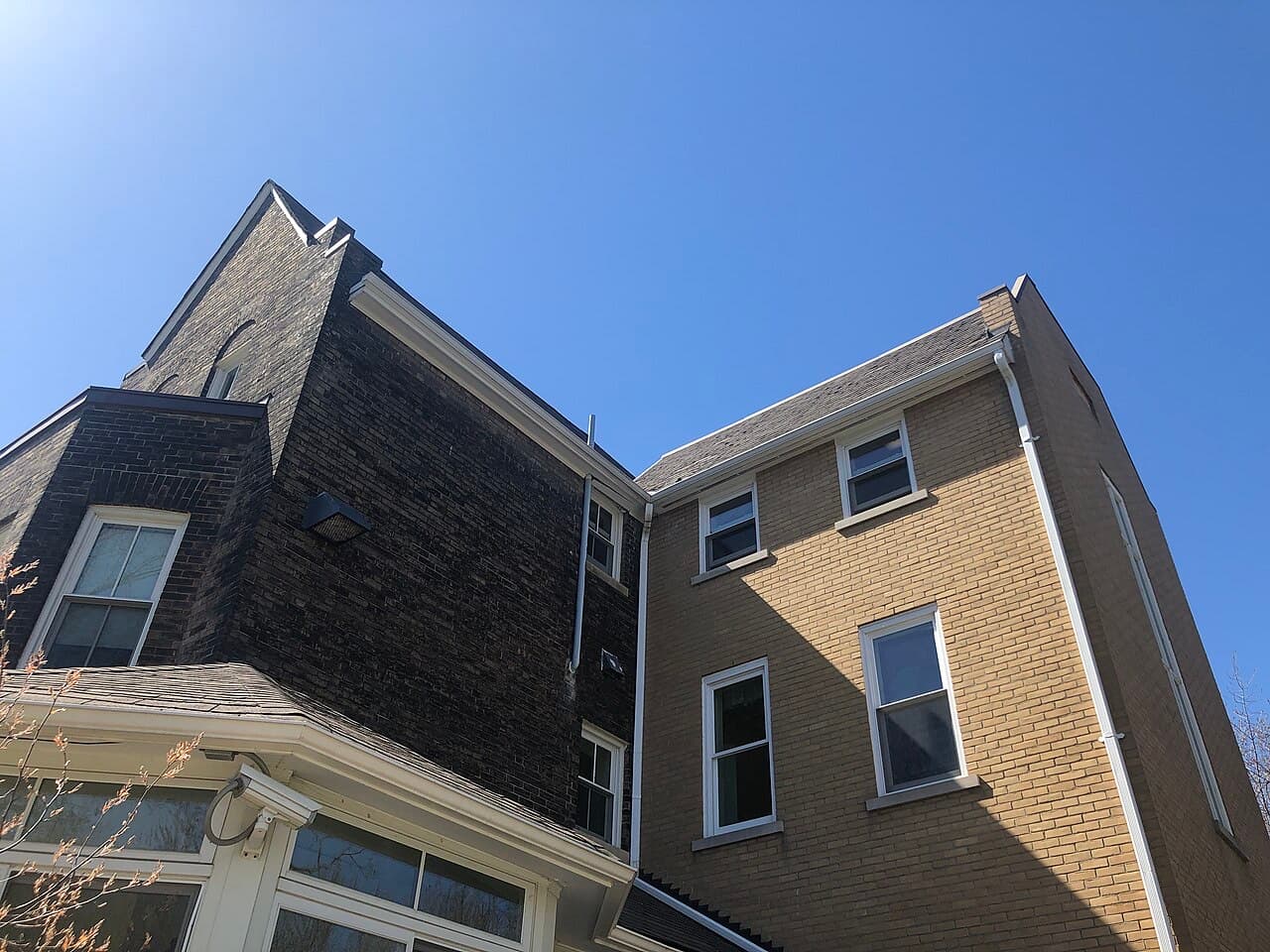
St Hilda's: The Building That Stayed
The one college building still standing in the park, now the John Gibson House seniors' residence.
- 7
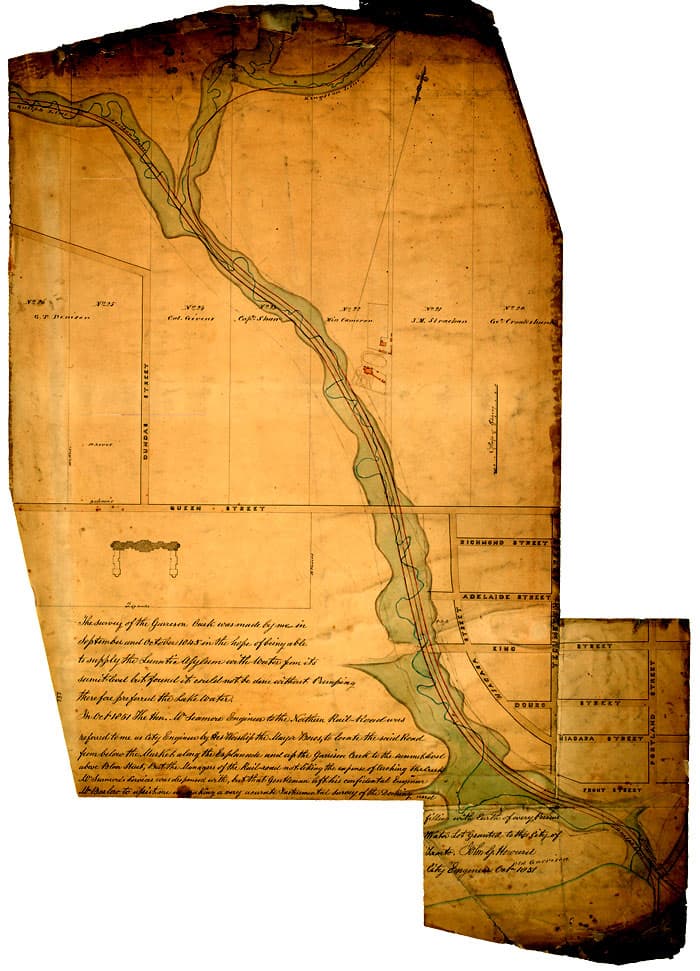
The Bowl: The Last of the Ravine
The steep-sided hollow at the centre of the park, the last open piece of the Garrison Creek ravine.
- 8
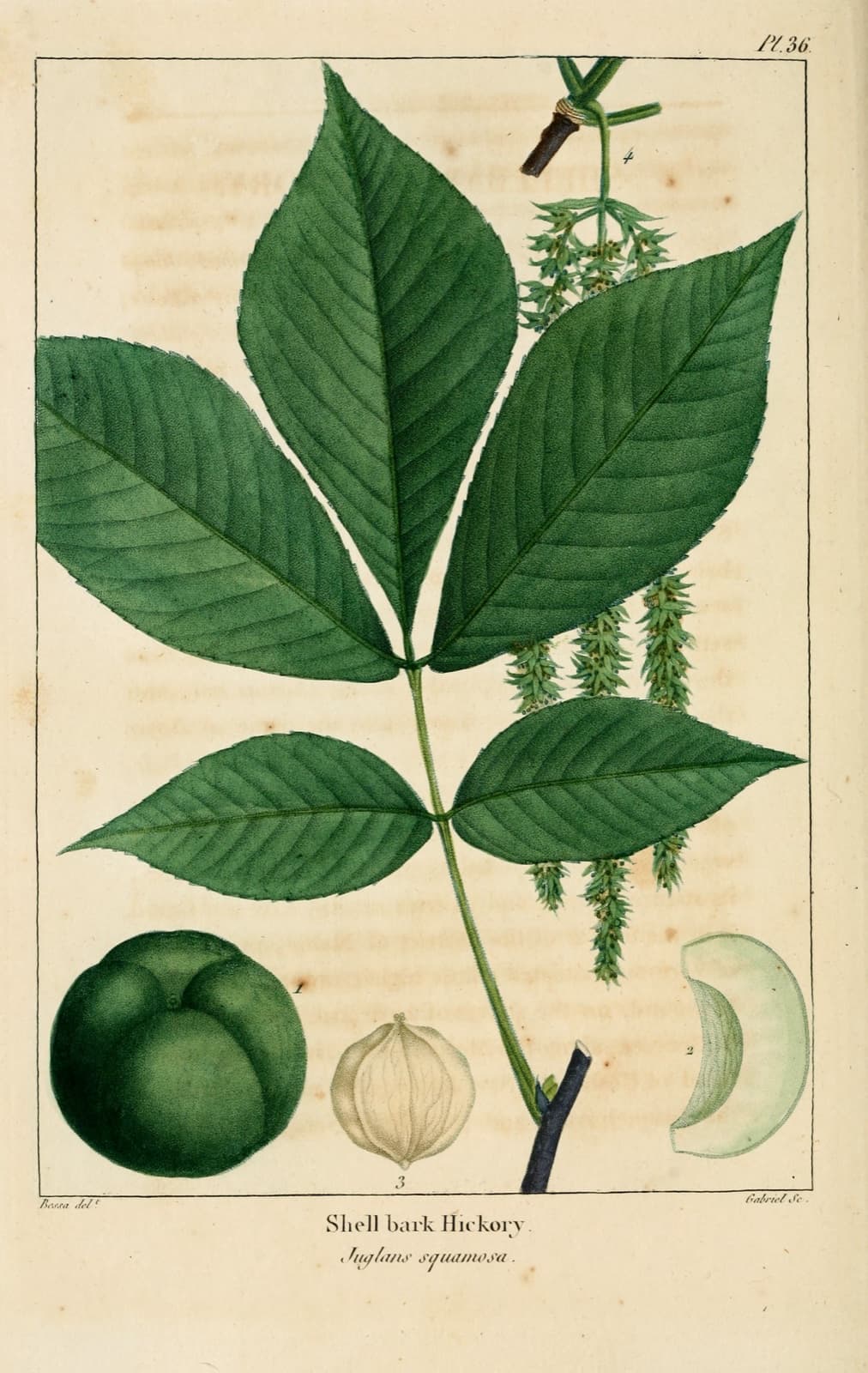
The Last Hickory
An old shagbark hickory north of the bowl, which may be the last tree left from the ravine woodland.
- The Lidmade ground, north
- 9
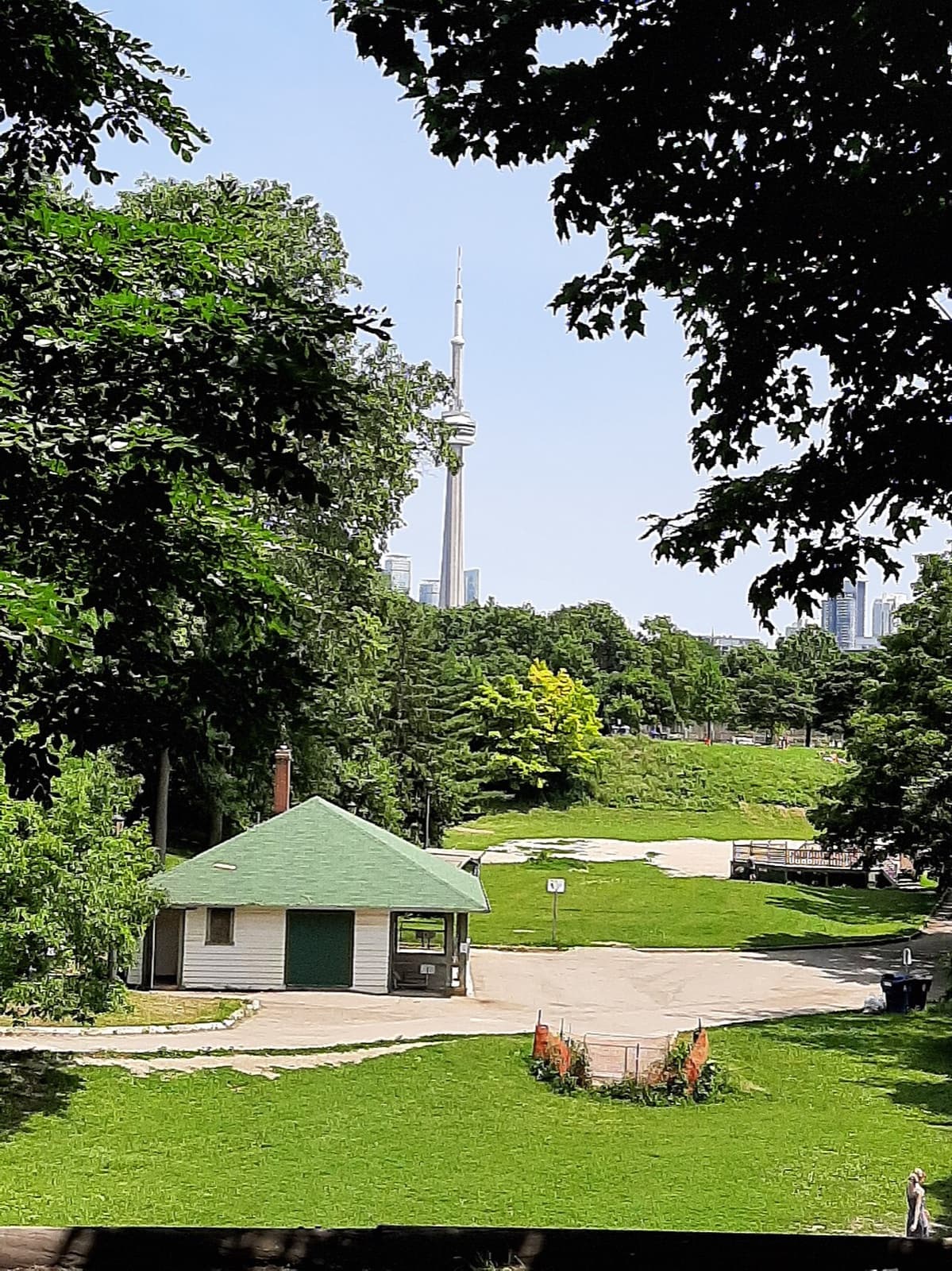
The Made Ground
The high flat north end of the park, built up with earth from the subway and poured into the ravine.
- 10
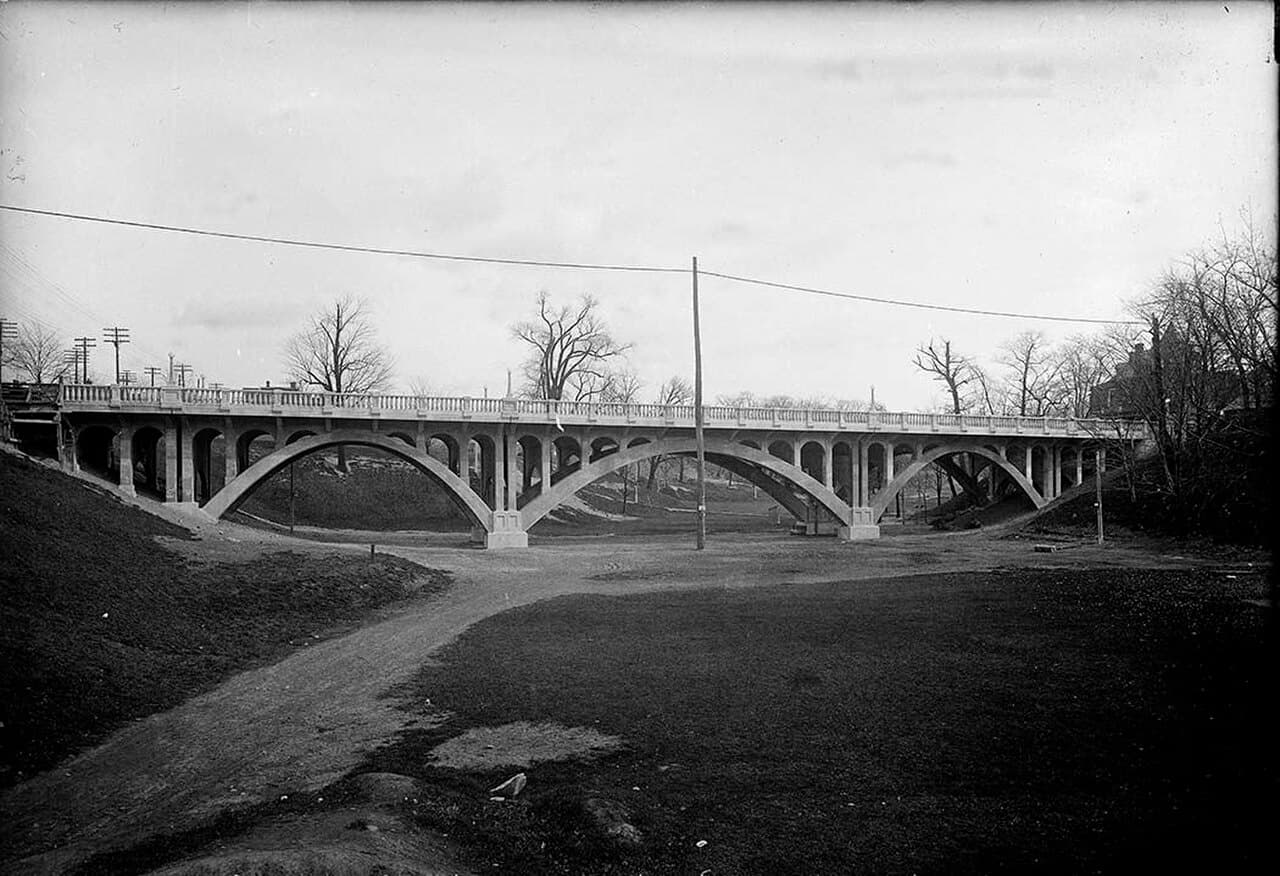
The Buried Bridge
Crawford Street at the park's edge, which crosses the ravine on a 1915 concrete bridge buried in the fill.
Details
Best Time to Visit
Any day in daylight. Late afternoon is best: the light is low over the bowl, and from late August into October the evening bird roost gathers near Lobb Avenue and Crawford Street at sunset. Spring brings blossom and squill on the lawns; autumn brings the ginkgo's yellow.
Pro Tips
- •Start from whichever side of the park you arrive on; every stop stands on its own.
- •Give the trees south of the recreation centre a few minutes if you want to see a white squirrel.
- •In winter, the steep north slope is the toboggan run.
Safety & Precautions
- •The bowl is an off-leash dog area. Expect dogs running free.
- •John Gibson House is a private seniors' residence. Enjoy it from the path.
- •The park's paths are uneven on the bowl's slopes; take care when wet or icy.
Travel advisory: Exercise Normal Precautions (Level 1).
Gallery
Related Reading
Go deeper on what you'll see, hear, and walk through.
Read the walk
The full story of Trinity Bellwoods: The River Under the Lawn, in words. Prefer to listen? Play it narrated, from home or on location.
Introduction
Trinity Bellwoods is about fifteen hectares of lawn and old trees between Queen Street and Dundas Street, in Toronto's west end. It looks like a flat, friendly neighbourhood park. It is really a lid. Under it runs Garrison Creek, buried in brick for well over a century, in a ravine that was filled with earth from the subway. This walk reads the park the way a naturalist would: the ground, the water, the trees and the animals, and the people who kept changing all of them. It runs from the old college gates on Queen Street up through the middle of the park to the north-west corner: ten stops, about one point three kilometres, and around an hour at an easy pace. Each stop stands on its own, so if you came in from another side, start with whichever stop is nearest and the story will still make sense. When you are ready, walk to the stone gates on Queen Street.
1. The Trinity Gates
Stand just inside the stone gates, with Queen Street behind you and the park opening up ahead. These gateposts are older than almost everything you can see from here. In 1851 Bishop John Strachan bought this land for a new college, Trinity, and by 1852 students were walking through a gate on this spot into Gothic buildings designed by Kivas Tully. The college left for the University of Toronto's downtown campus in 1925, and in the 1950s its buildings were pulled down. The stone stayed. Even the iron gates are stand-ins: the originals went east, to Trinity College School in Port Hope. So here is the idea to carry through this park. Almost everything here is sitting on top of something older. A college under the lawn. A ravine under the college. And under the ravine, still running, a creek. Walk straight ahead, north, toward the ring of path and the big trees in the middle of the grass.
2. Trinity Circle: Where the College Stood
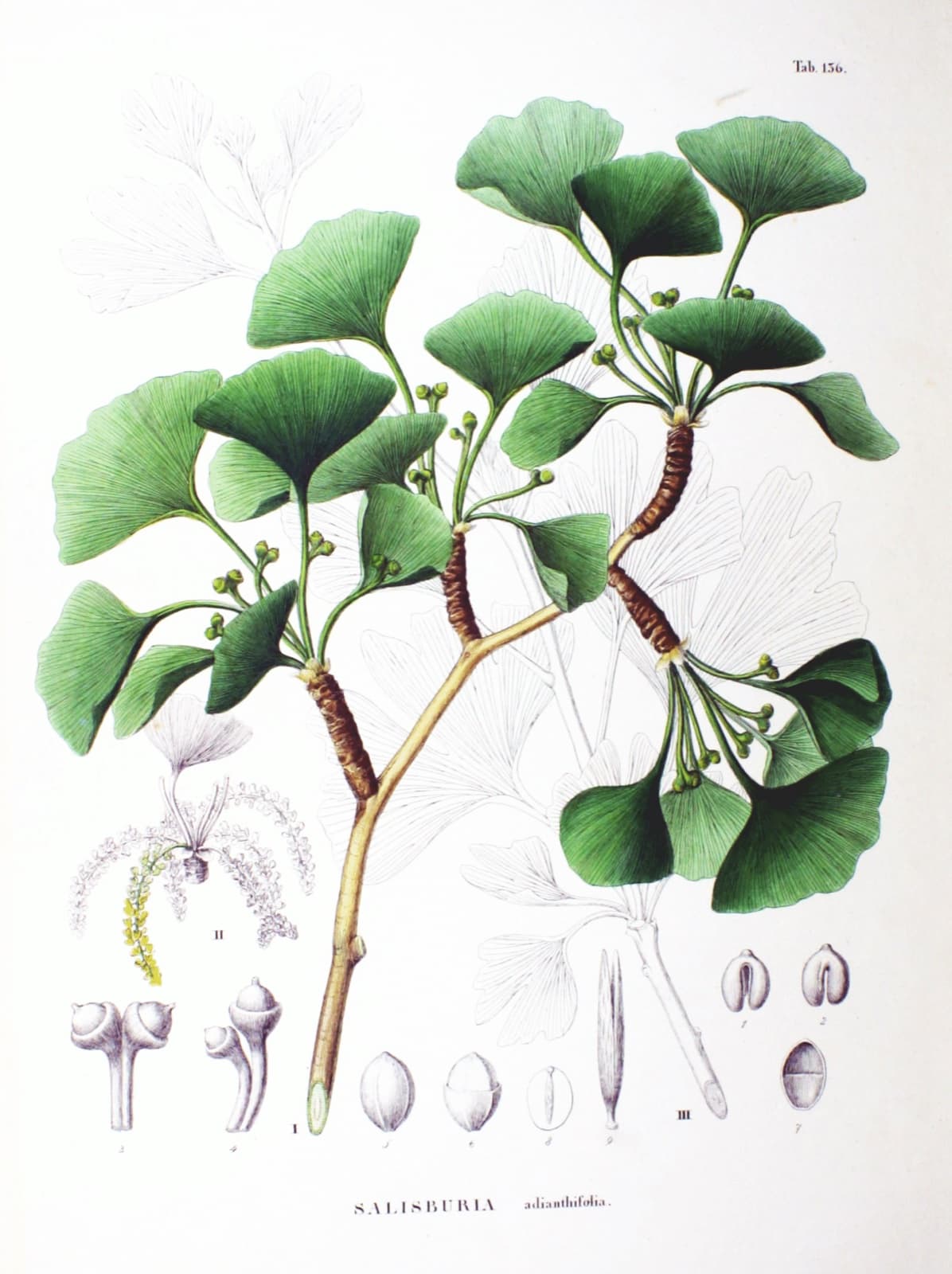
This circle of path is the old heart of the college grounds. Look north, past the ring. The college stood there, a long Gothic front facing Queen Street, until the 1950s, and its foundations are still under that grass. What the college left above ground is trees. The circle holds some unusual ones for a city park: a ginkgo, a dawn redwood, elms, a bronze beech, mulberry and hackberry. The ginkgo is easy to pick out by its leaves, small fans split down the middle. The dawn redwood has a stranger story. For a long time it was known only from fossils, and botanists assumed it was extinct, until living trees were found in China in the 1940s. A tree from the age of fossils, planted on the foundations of a college that is gone. Keep that pairing in mind. Next, head west a short way toward the glass greenhouse.
3. The Greenhouse and the Butterfly Garden
This glass house is the park's greenhouse, where seedlings get their start in spring before they go out into the beds. The planting around here has a job beyond looking good. It is part of the Butterflyway, a chain of pollinator gardens strung across the city so that butterflies and bees can travel from one patch of food to the next. The plant to look for is milkweed, with broad paired leaves and, in early summer, round heads of small pink flowers. The caterpillars of the monarch butterfly eat nothing else, so no milkweed means no monarchs. Between July and September, people who log sightings in this park keep recording monarchs here. If you are standing in the middle of summer, give the low sunny edges a minute. Then walk a few steps further west, toward the brick recreation centre and the tall trees south of it.
4. The White Squirrel Trees
The brick building beside you is the Trinity Community Recreation Centre. The tall trees just south of it are where this park keeps its best-known residents. Trinity Bellwoods has white squirrels. They are believed to be albinos, with red eyes, and nobody knows how many there…
Full narration for this stop unlocks with the tour.
5. Lobb and Crawford: The Evening Roost
You are on the western edge of the park now, near where Lobb Avenue meets Crawford Street. In daylight this corner is quiet. At dusk, from late August into early October, it is not. Large flocks of blackbirds come in at sunset to settle in these trees for the night, and the…
Full narration for this stop unlocks with the tour.
6. St Hilda's: The Building That Stayed
The large brick building in front of you is the one piece of Trinity College that never left. It was built in 1899 as St Hilda's, Trinity's college for women. When the main college buildings were pulled down in the 1950s, this one was spared, and today it is a residence for…
Full narration for this stop unlocks with the tour.
7. The Bowl: The Last of the Ravine
Stand at the rim and look down into the bowl. On most days it is full of dogs, and it is easy to take it for a landscaped hollow. It is not landscaped. It is the last open piece of a ravine. About twelve thousand years ago a glacial lake, Lake Iroquois, stood over this city,…
Full narration for this stop unlocks with the tour.
8. The Last Hickory
Look for the low stone wall north of the bowl, and the old tree inside it. That is a shagbark hickory, and its name tells you how to recognise it. The grey bark comes away in long strips that curl out at the ends, as if the trunk were peeling. This tree may be the oldest living…
Full narration for this stop unlocks with the tour.
9. The Made Ground
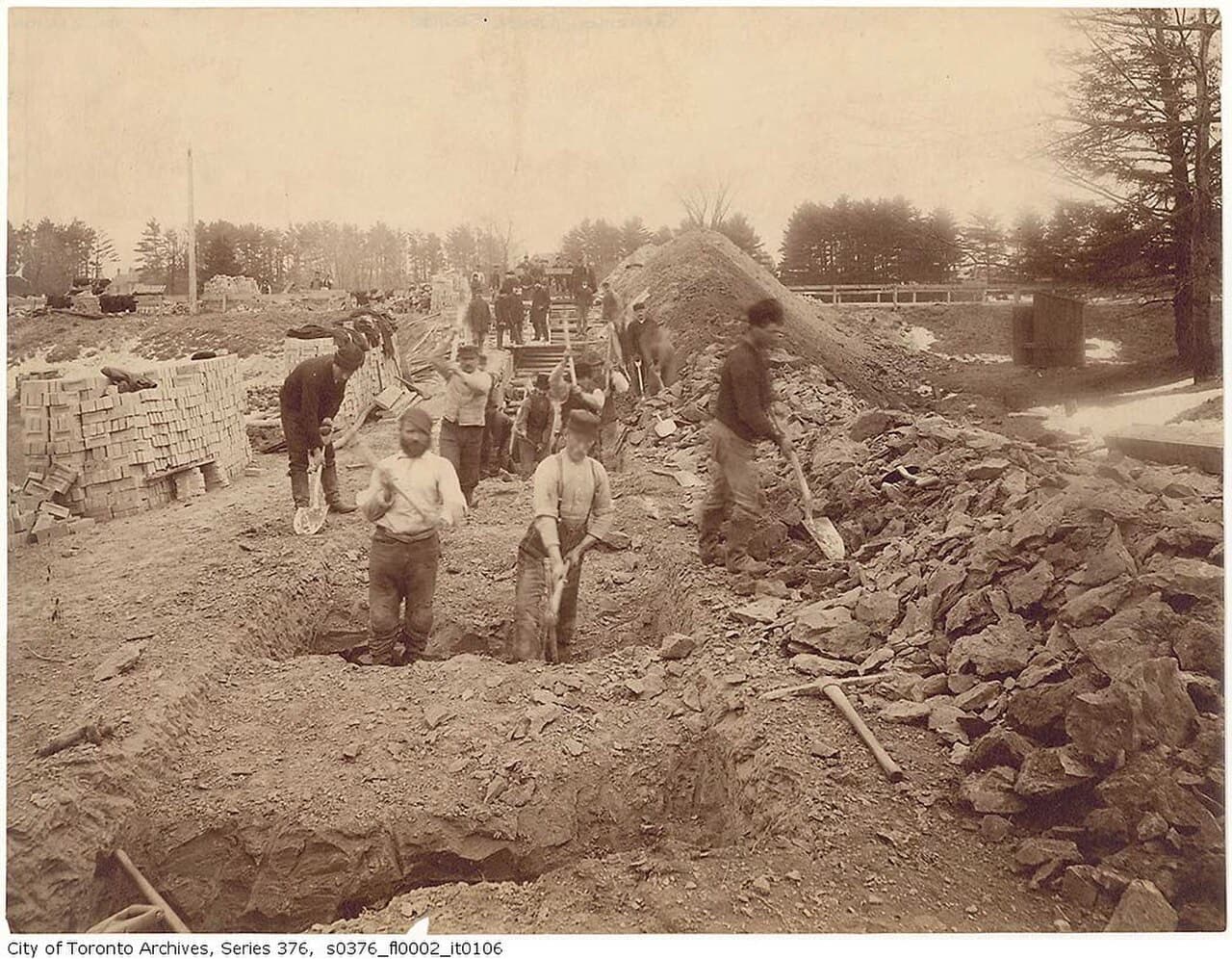
You are standing on made ground. This high, flat stretch at the north end of the park did not come from nature. It came out of the subway. In 1884 the city decided to bury Garrison Creek, and the next year the creek went into a brick sewer. The ravine stayed open for decades…
Full narration for this stop unlocks with the tour.
10. The Buried Bridge
Find the Heritage Toronto plaque here on Crawford Street, and then look at the road. You are standing on a bridge. In 1884 a wooden bridge carried this street across the Garrison Creek ravine. In 1914 and 1915 the city's works commissioner, R.C. Harris, replaced it with a…
Full narration for this stop unlocks with the tour.
- Trinity Bellwoods Park, Toronto — margonaut, CC BY 2.0 · source
- Gates to Trinity-Bellwoods Park along Queen Street West — Dillan Payne, CC BY-SA 4.0 · source
- Carolina Grey Squirrel, The Viviparous Quadrupeds of North America (1845) — rawpixel (after J. W. Audubon), CC BY 2.0 · source
- John Gibson House in Trinity Bellwoods Park — Richard Eriksson, CC BY 2.0 · source
- Trinity Bellwood Park, CN Tower in background — Maniacduhockey, CC BY-SA 4.0 · source
Images may be cropped or resized. Other photos via Unsplash and Pexels.