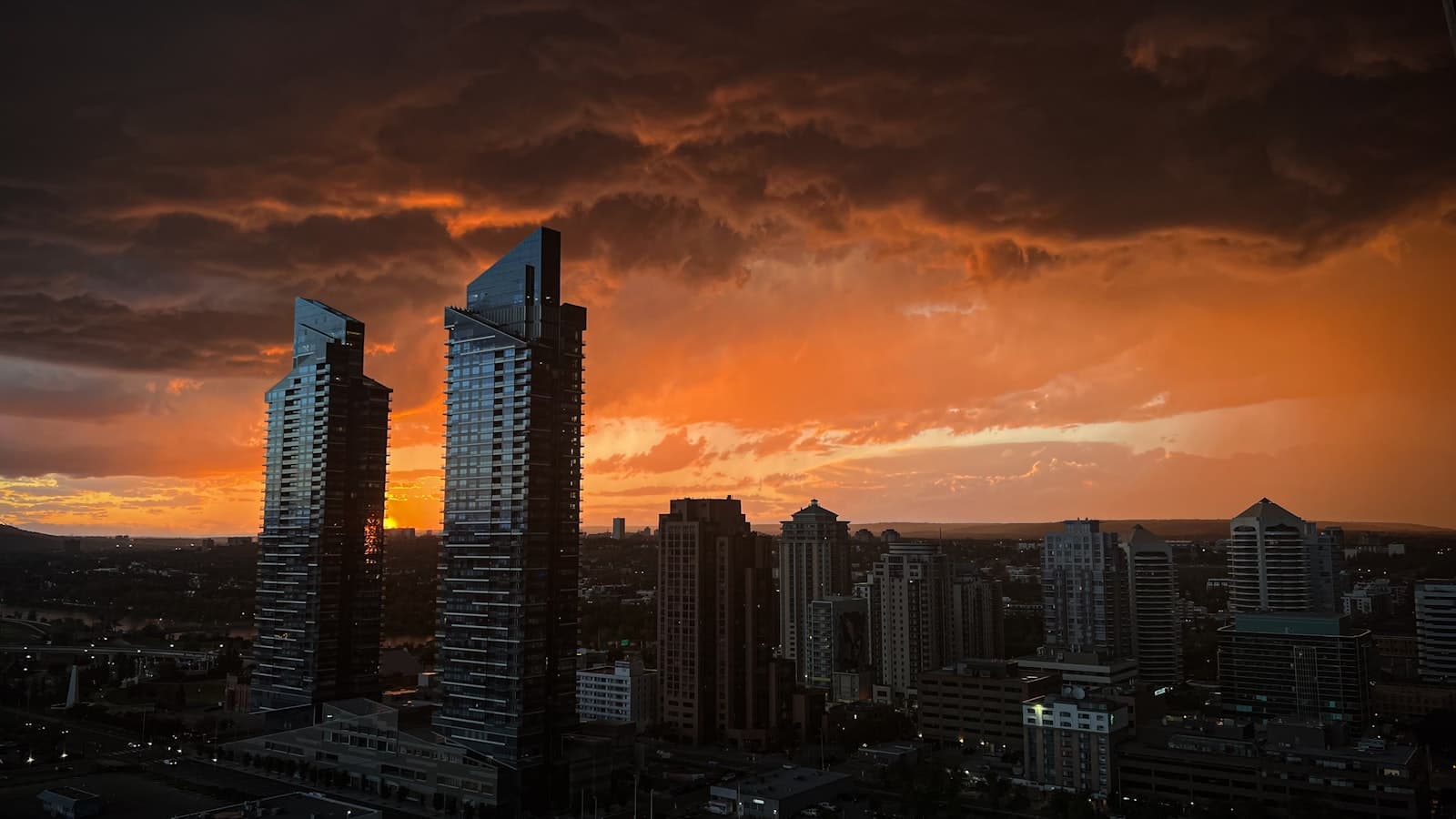
The Balance Sheet Skyline
Read downtown Calgary's skyline as a chart of the oil price. Every major tower was commissioned near a crude-price peak and delivered into the next bust, a lagging indicator drawn in glass and steel.
4.55|83 minutes|3.9 km|8 Stops
Start
The Bow
1
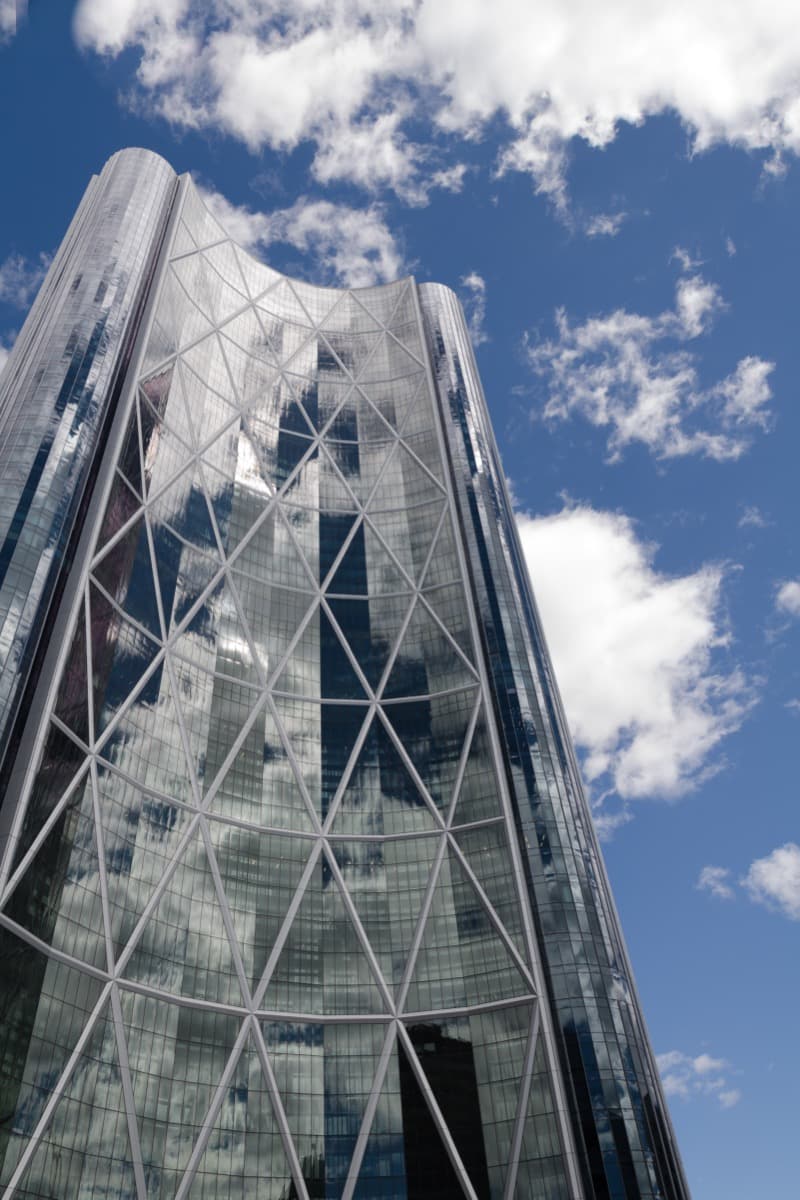
The Bow
A 236-metre, 58-storey crescent completed in 2012, commissioned by EnCana at the height of the oil-sands boom. The tallest bet on the barrel, abandoned by both companies that placed it.
2
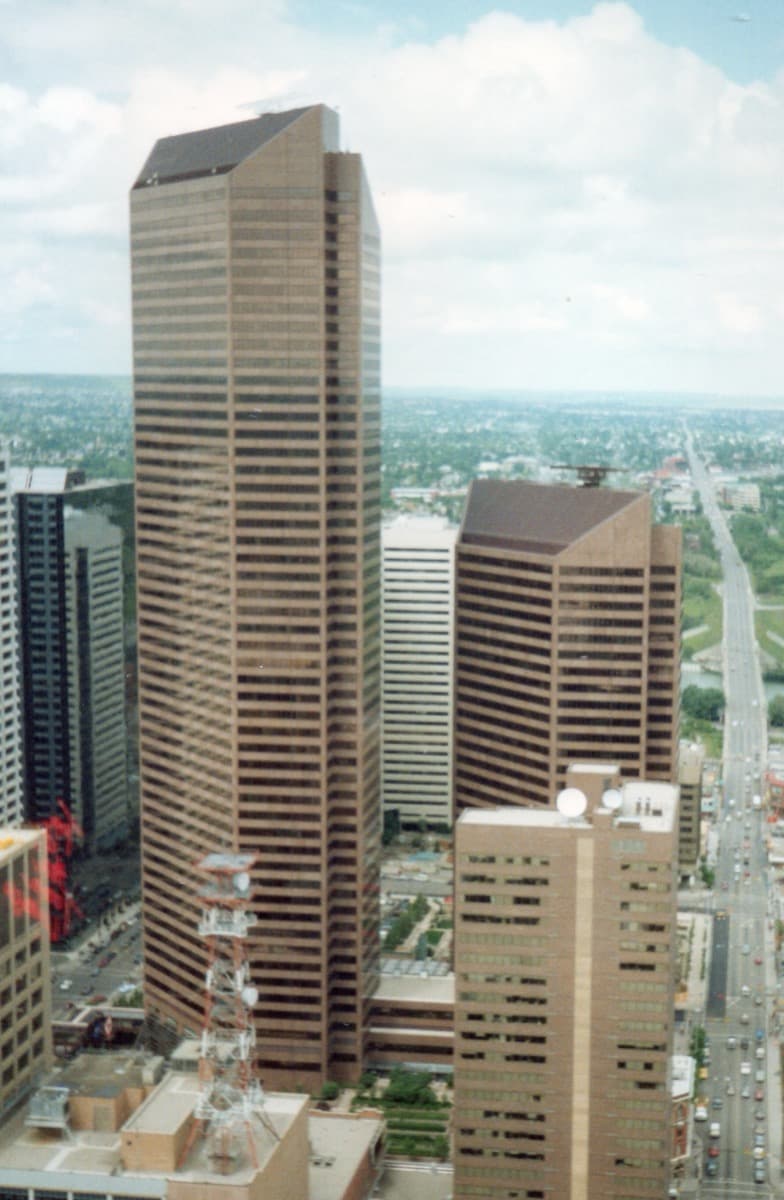
Suncor Energy Centre (formerly Petro-Canada Centre)
The 215-metre west tower completed in 1984 as headquarters for the Crown corporation Petro-Canada. Locals called it Red Square. The origin scar of the boom-and-bust skyline.
3
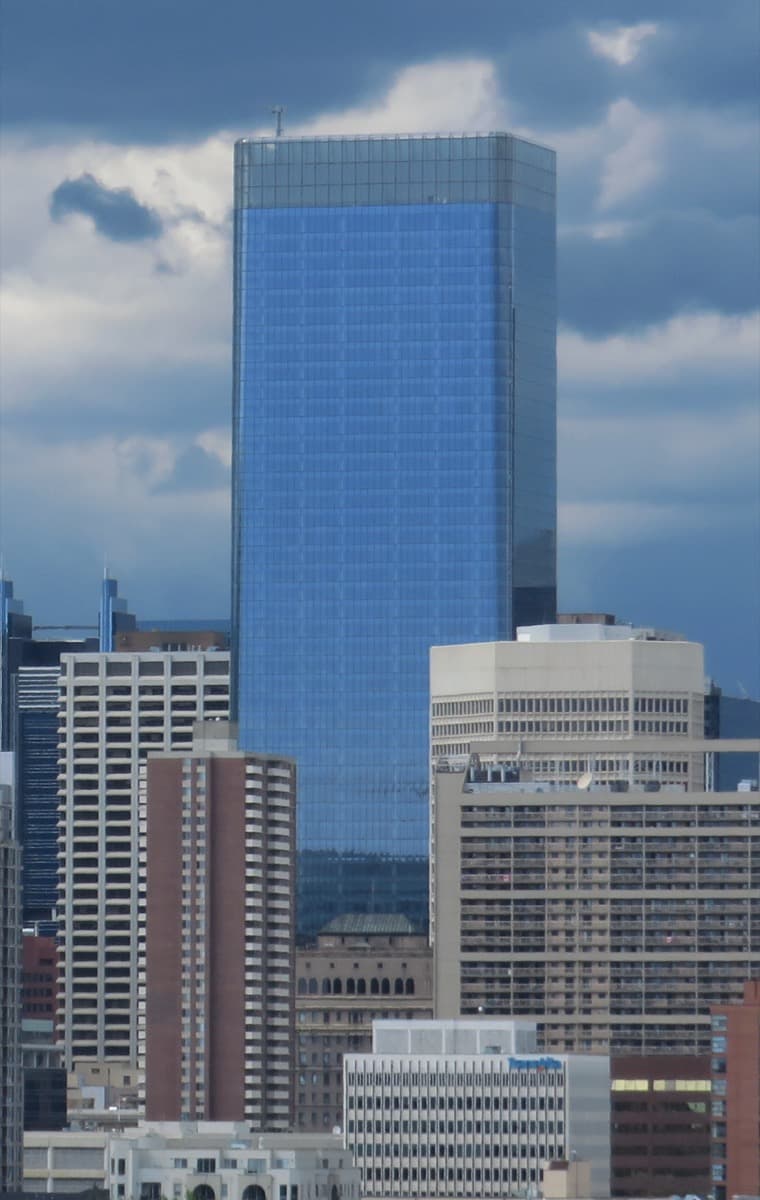
Brookfield Place East
At 247 metres and 56 storeys, the tallest building in Calgary and in Western Canada. Ground broke months before the 2014 price collapse and it topped out into a 20-percent vacancy market. The perfect lag.
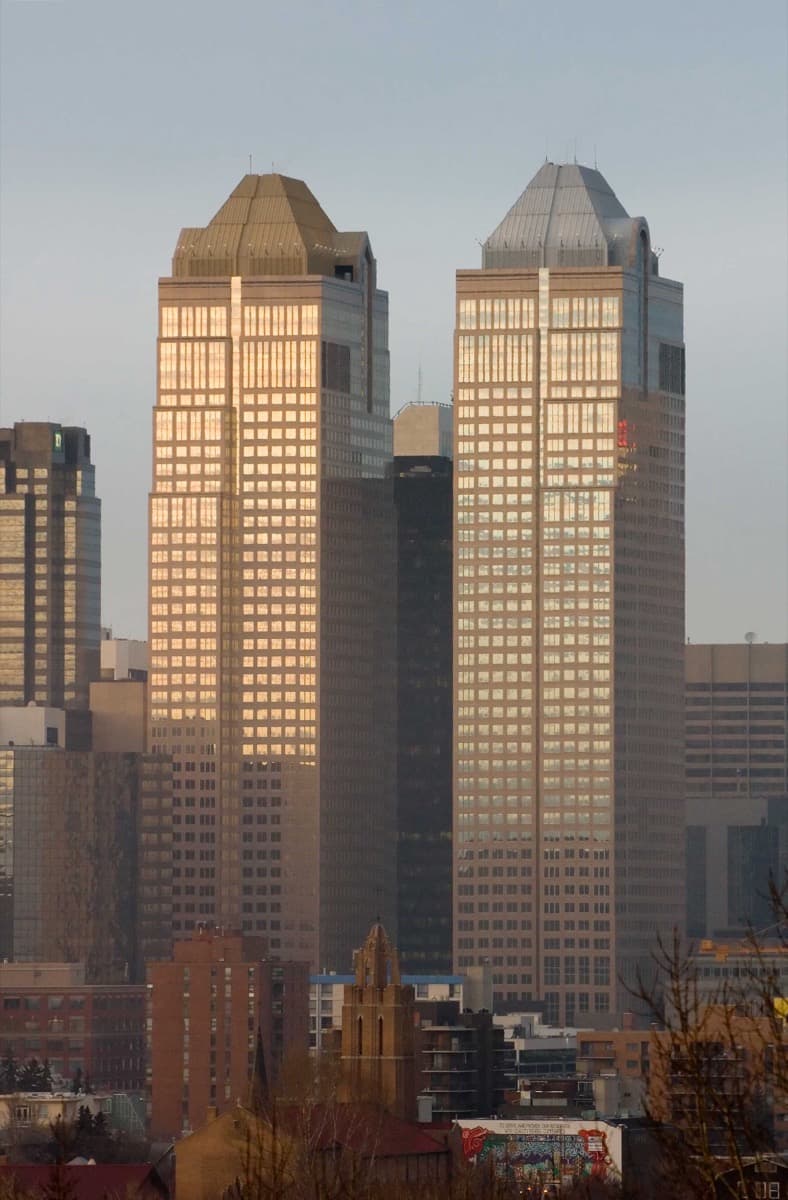
4
Bankers Hall
Two identical 197-metre towers, 52 storeys each, built eleven years apart. Canada's tallest twin buildings, their cowboy-hat crowns the corridor's only postmodern wink. Two recoveries printed as two towers.
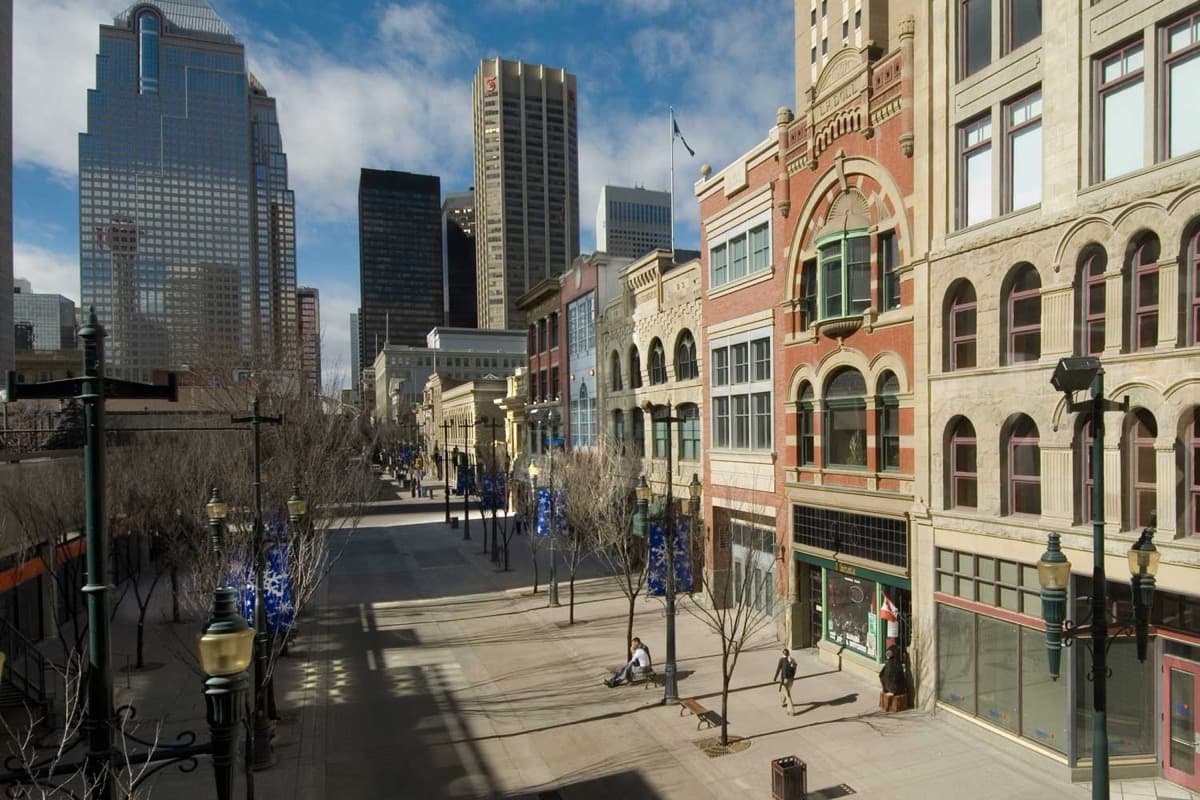
5
Stephen Avenue (8th Avenue canyon)
The floor of the canyon: roughly three dozen sandstone buildings from 1880 to 1930, the city before oil, a National Historic Site. At lunchtime it is where the vacancy rate becomes a street.
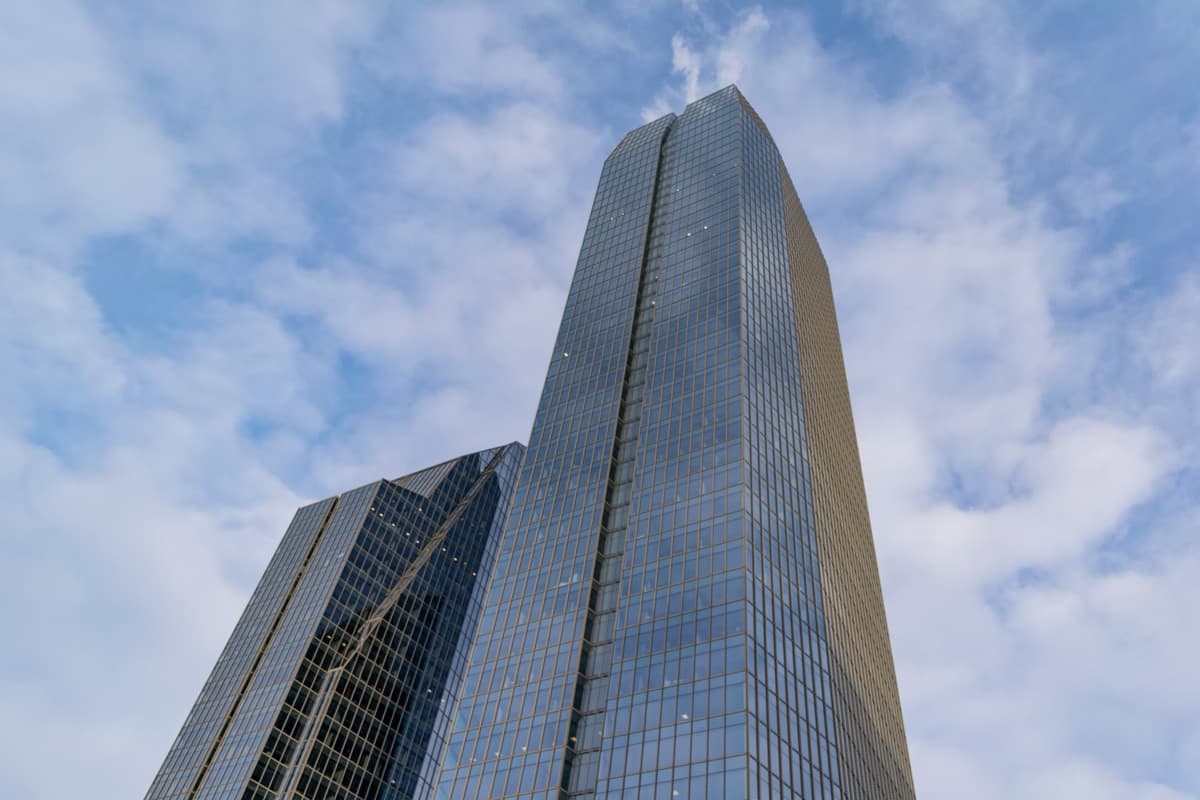
6
Eighth Avenue Place
The last boom tower. A 212-metre east tower opened in 2011, a 177-metre west tower in 2014, the year the oil price began its slide. LEED Platinum glass, delivered as the barrel started falling.
7
Crossing into the Beltline (CPR tracks)
The Canadian Pacific mainline is the hard seam between the office core and the Beltline. Cross it and the thesis turns forward: a 153-million-dollar program converting empty towers into homes.
8
17th Avenue SW, the Red Mile
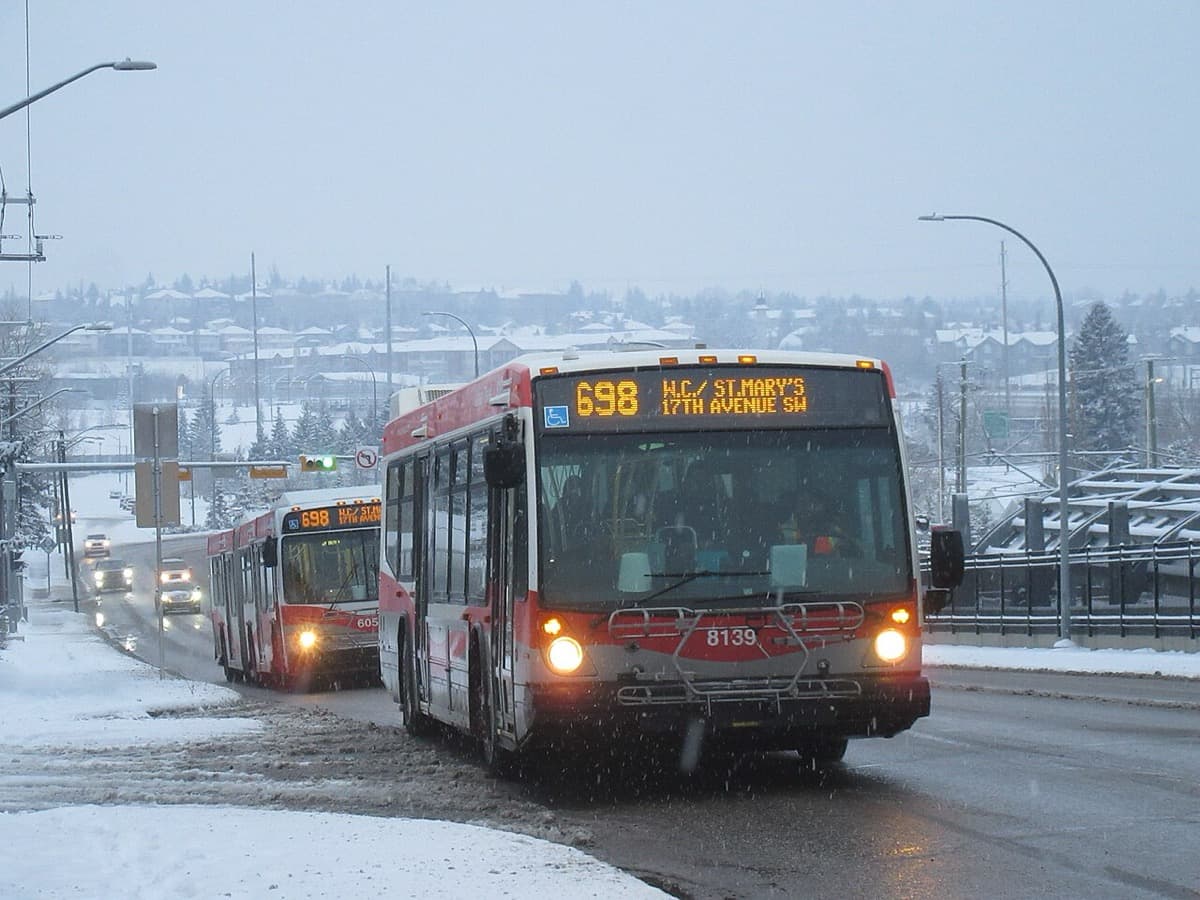
The counter-economy. In 2004 this strip spontaneously filled with up to 55,000 Flames fans and earned its name. The one part of downtown Calgary whose vitality never tracked the oil price.
Best Time to Visit
Weekdays, late morning through early afternoon. The thesis of this walk depends on reading the towers as working office buildings, and Stephen Avenue at lunchtime is where the downtown vacancy rate becomes visible as footfall on the street. Weekends empty the office core almost entirely, which flattens the contrast between the glass towers above and the sandstone street below. Walk in daylight so the completion dates, the setbacks, and the crowns are all legible, and so the glass reads as glass rather than as a dark wall. The Beltline end of the route, Seventeenth Avenue, is liveliest in the late afternoon and evening if you want to end on the counter-economy at full tilt.
Pro Tips
- •The route runs north to south, from The Bow down to Seventeenth Avenue, and the towers get shorter as you go. Read the height as a timeline in reverse: the tallest and newest bets are at the start, the pre-oil sandstone city is in the middle, and the diversified street economy is at the end.
- •Stephen Avenue at Stop 5 is a pedestrian mall, open to vehicles only between 6 p.m. and 6 a.m. Walk it during the day and you have the street to yourself, which is exactly when the lunchtime footfall reading works.
- •The clearest single view of the lag is at Stop 3, Brookfield Place East. Stand back far enough to see both it and The Bow behind you. The two tallest towers in the city both broke ground on optimism and both opened into layoffs.
- •Downtown Calgary's Plus 15 skywalk network connects most of the towers on this route above street level. If the weather turns, you can read the same buildings from the enclosed walkways, though the completion dates and crowns are clearest from the sidewalk.
- •The oil price is the only economic number you need to carry. Everything else on the walk, the height, the floors, the completion date, the vacancy rate, is a reading off that one instrument.
Safety & Precautions
- This is a downtown-core walk that crosses live traffic at several signalized intersections along Sixth and Eighth Avenue. Cross at signals and watch for turning vehicles, especially near the tower entrances at rush hour.
- Stop 7 sits at the Canadian Pacific mainline, active railway tracks that mark the downtown edge. Cross only at the designated street crossings, never on the rail corridor itself.
- The route is about four kilometres, mostly flat and paved, with a gentle downhill drift from the office core into the Beltline. It is easy walking, but wear comfortable shoes for the full length.
- Calgary sits at over a thousand metres of elevation and the weather changes fast. Chinook winds can swing the temperature sharply within a single day. Carry a layer, and in winter check conditions before committing to the outdoor route rather than the Plus 15 skywalks.
Gallery
Related Reading
Go deeper on what you'll see, hear, and walk through.
Overview
Best Self-Guided Walking Tours in Calgary (2026)
4 min
Overview
Calgary Travel Guide: How Many Days, Getting Around, When to Go (2026)
5 min
Thematic
Best Architecture Walking Tours in Calgary (2026)
2 min
Thematic
Calgary: The City the Oil Price Built and Rebuilt
5 min
Companion
The Balance Sheet Skyline: Reading Calgary's Towers as an Oil-Price Chart
3 min