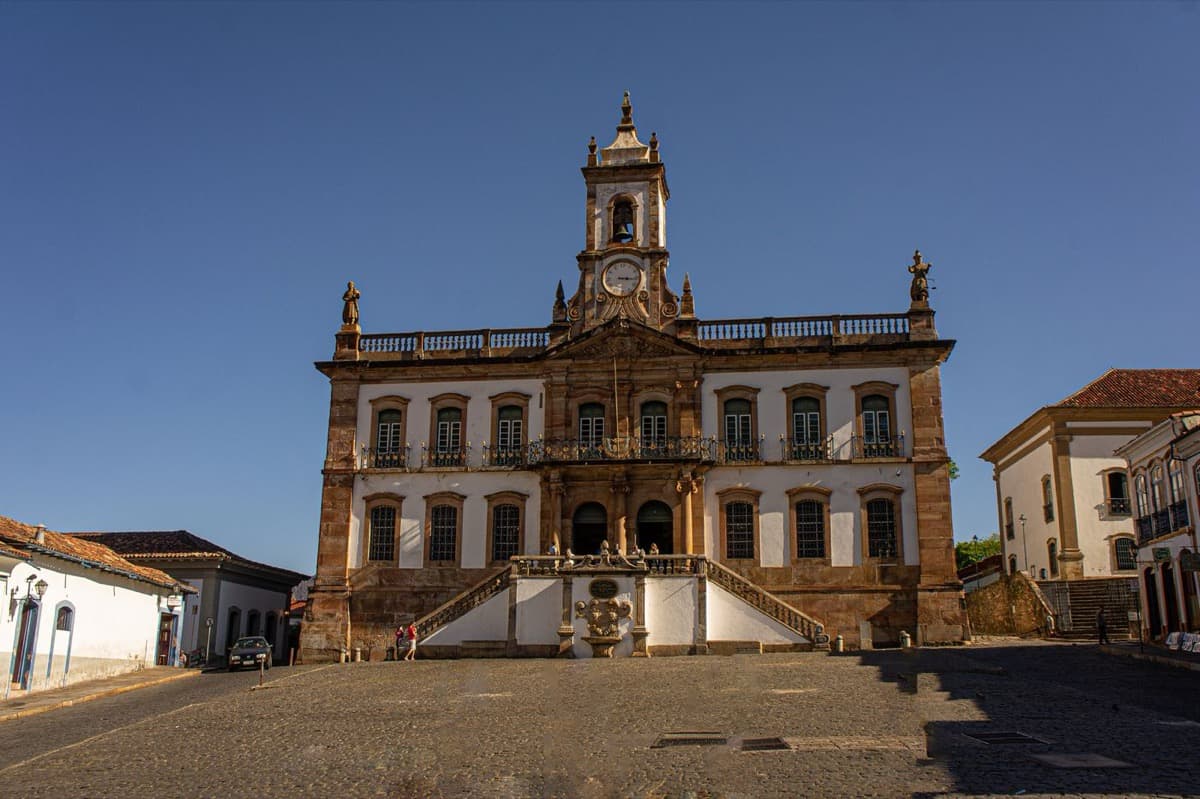
Climb the steep stone streets of a town that gold once made one of the richest places in the Americas, and follow the true story of the Inconfidencia Mineira: the taxes, the plot, the martyr, and the wealth that provoked it all. Six stops trace how a failed conspiracy became Brazil's founding legend.
Start · Praca Tiradentes: Where the Story Ends and Begins
DirectionsStops
- 1
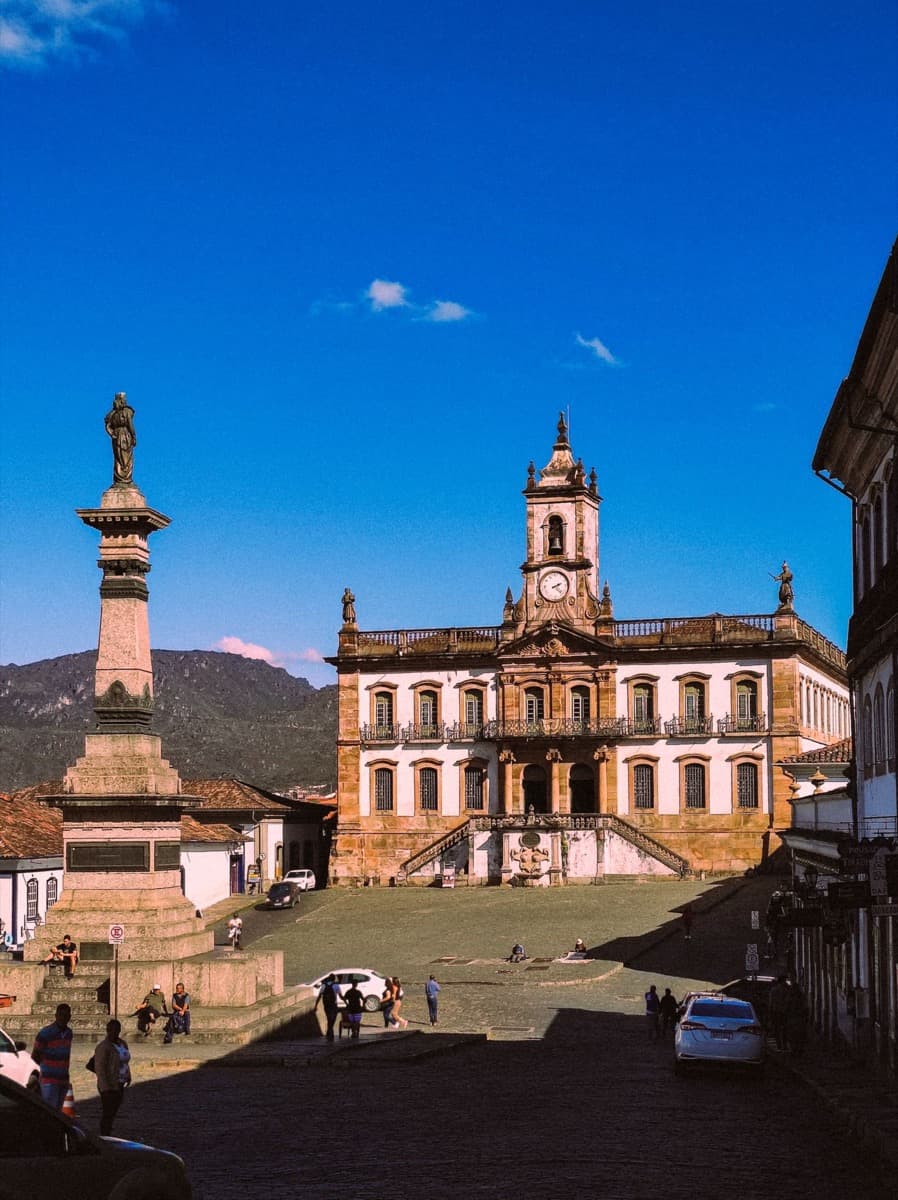
Praca Tiradentes: Where the Story Ends and Begins
The central square where the martyr's severed head was once displayed and where, a century later, his monument was raised.
- 2
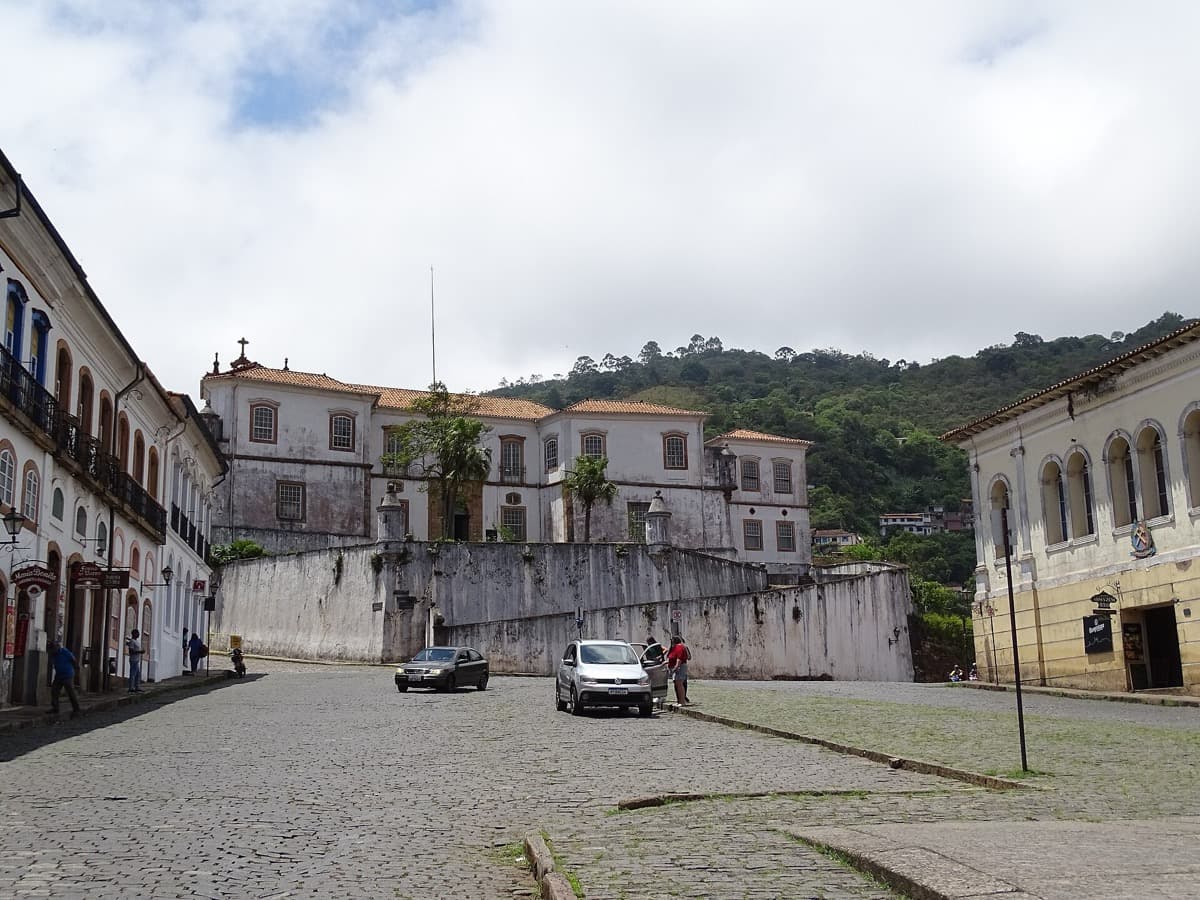
Palacio dos Governadores: Seat of the Crown, School of Mines
The former governors' palace, source of the taxes behind the plot, now home to a famous mining school and its mineral museum.
- 3
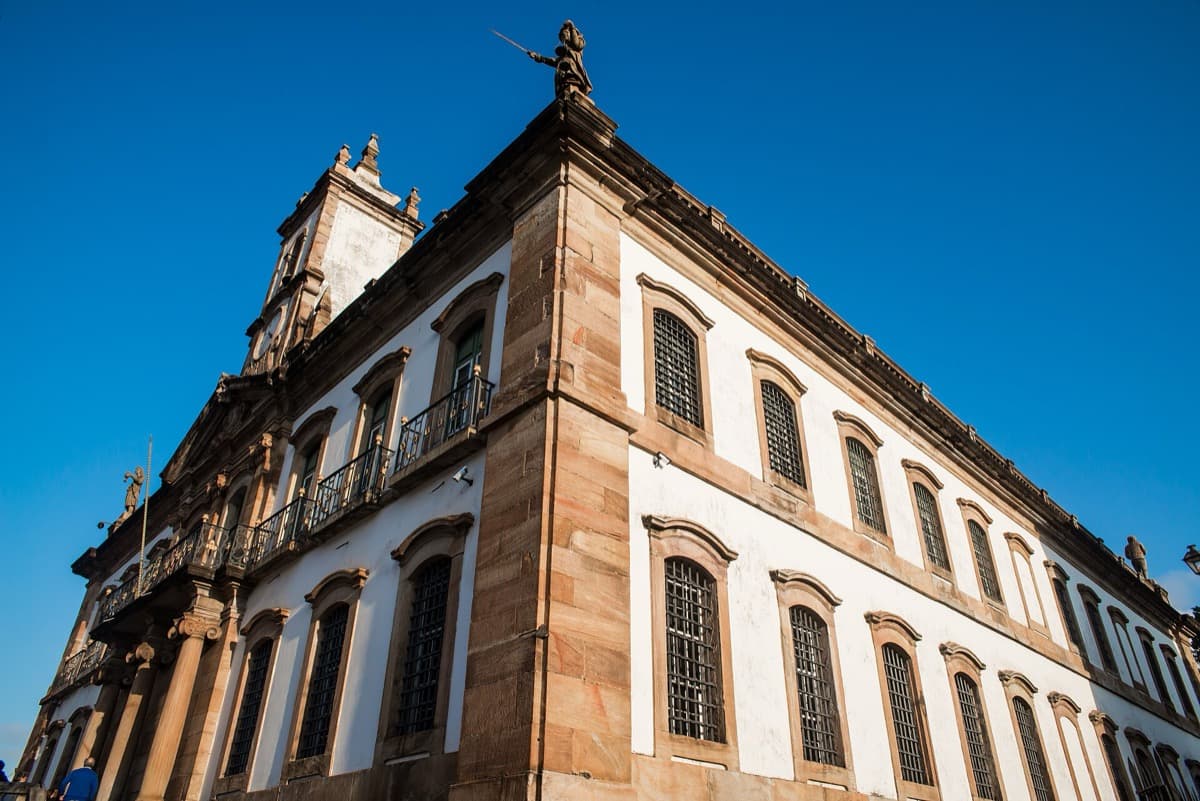
Museu da Inconfidencia: The Jail That Became a Pantheon
The former colonial town hall and jail, where the conspirators were judged and where thirteen of them now lie entombed.
- 4
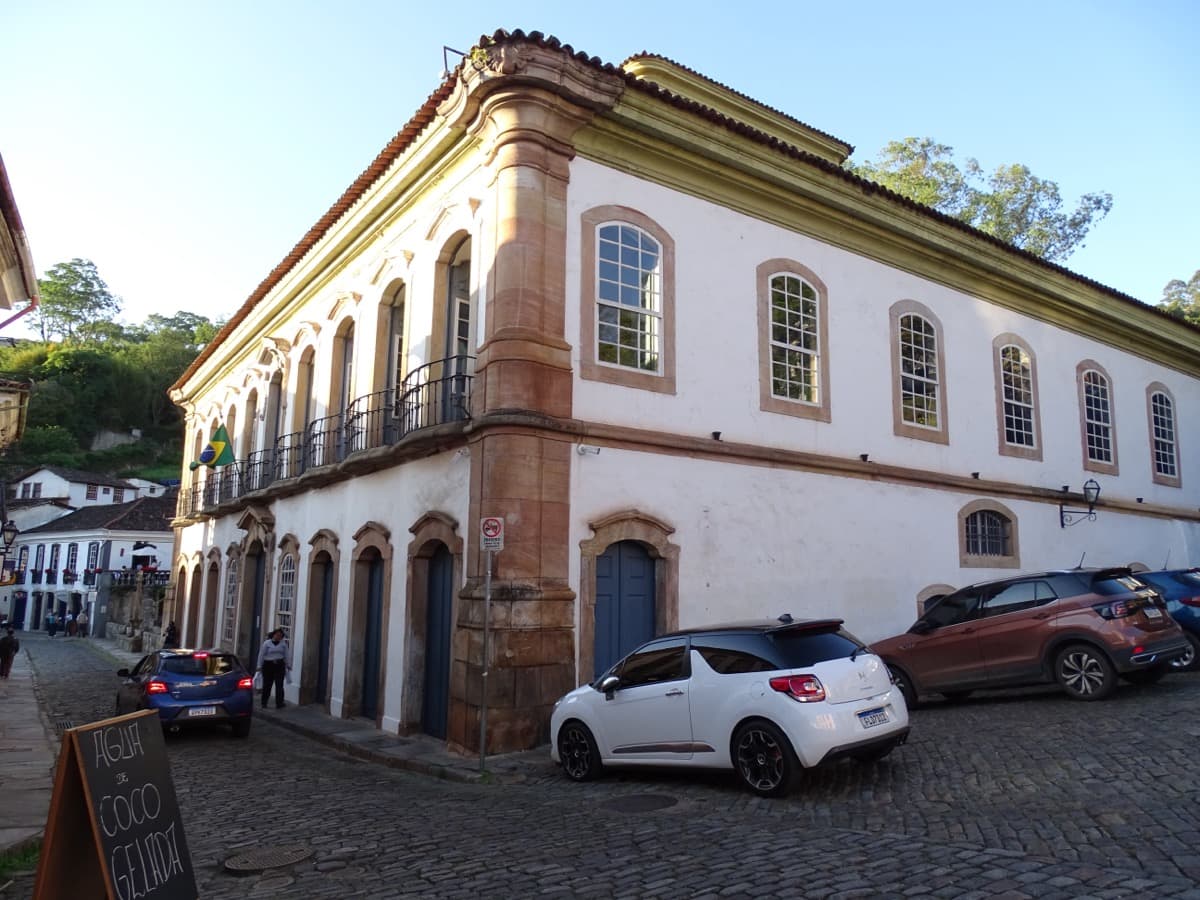
Casa dos Contos: The Treasury and the Cell
The grand treasury and tax house where colonial gold was counted, and where a conspirator-poet died in a cell during the investigation.
- 5
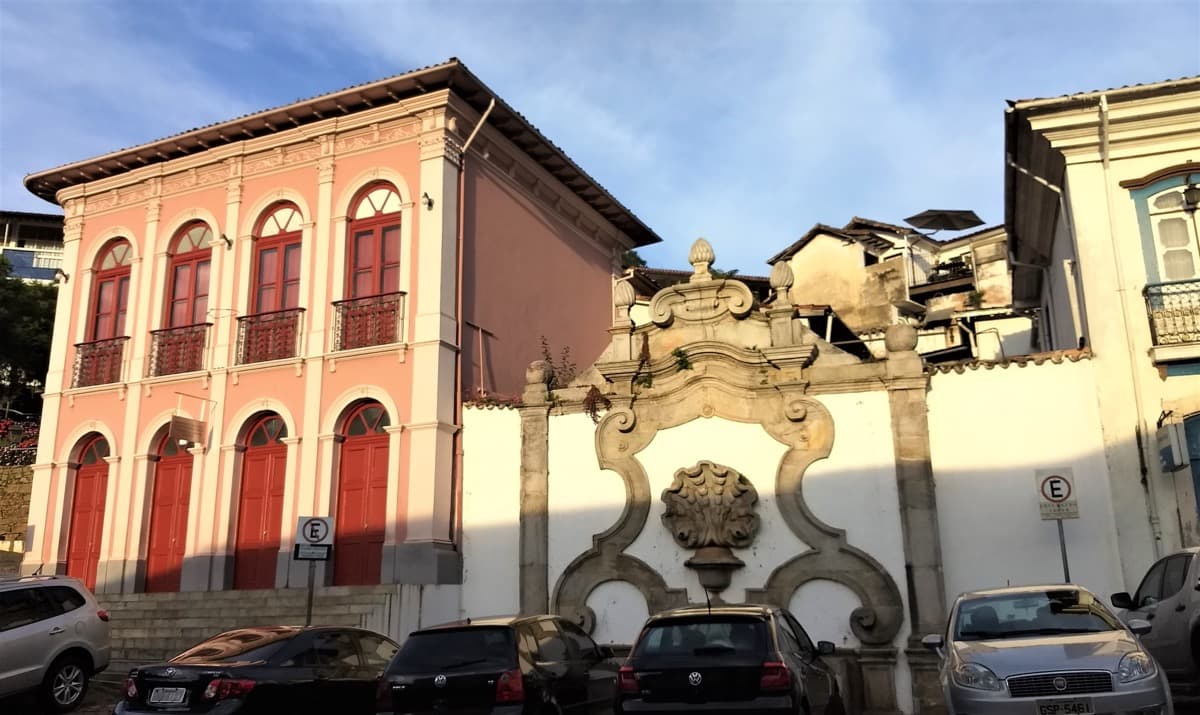
Chafariz dos Contos: A Breath of Everyday Life
A public stone fountain beside the treasury, a reminder of ordinary colonial life amid the money and the plot.
- 6
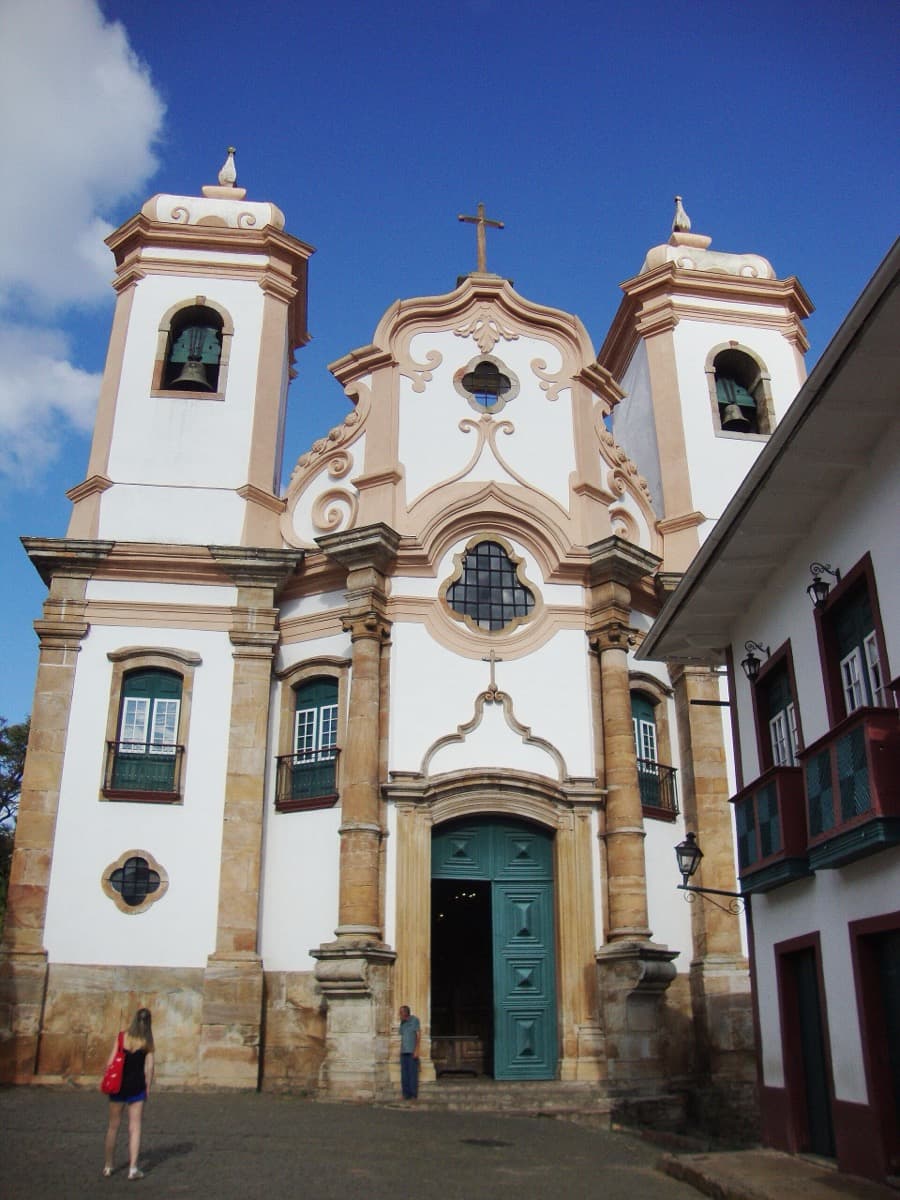
Igreja Matriz do Pilar: Inside the Gold
The parish church of Vila Rica's richest district, its interior sheathed in hundreds of kilograms of gold leaf.
Details
Best Time to Visit
Morning, soon after the churches and museums open, is ideal. The light is gentle on the painted facades, the cobbled climbs are cooler before midday, and you will reach the Matriz do Pilar with time to sit inside the gold. Weekday mornings are the quietest; weekends and Brazilian holidays fill the square with visitors. In the rainy months from roughly November to March, aim for a dry morning window, since heavy afternoon downpours are common.
Pro Tips
- •Wear proper walking shoes with grip. Ouro Preto is built on steep hills, and the old stone streets turn slick, especially after rain.
- •Carry water and go at your own pace. The climbs between stops are short but genuinely steep, and there is no shame in pausing on a corner to catch your breath.
- •Several interiors, including the Museu da Inconfidencia and the Matriz do Pilar, charge admission and keep their own hours, while the Casa dos Contos is free. Check opening times before you set out.
- •Photography is often restricted or prohibited inside the churches, especially near the gilded altars. Look with your eyes first, and check the signs before raising a camera.
- •The route runs mostly downhill from the square to the church, so save a little energy for the climb back up, or arrange your return before you descend.
- •Start early if you want the square and the gilded interior to yourself, since tour groups tend to arrive mid-morning.
Safety & Precautions
- •The sun in these highlands is strong. Bring a hat, sunscreen, and water, and rest in the shade between the steep climbs.
- •From roughly November to March, sudden heavy rain is common, and the stone streets become very slippery. Carry a light rain layer and slow your pace on the descents.
- •Treat the churches as active places of worship and heritage. Dress modestly, keep your voice low, silence your phone, and respect any restrictions on photography or on approaching the altars.
- •Keep to the busier lanes and mind your belongings in the historic center, particularly after dark when the streets empty out. The cobbles are uneven, so watch your footing as carefully as your bag.
Travel advisory: Exercise Increased Caution (Level 2).
Gallery
Related Reading
Go deeper on what you'll see, hear, and walk through.
Overview
Best Self-Guided Walking Tours in Ouro Preto (2026)
3 min
Overview
One Day in Ouro Preto: A Walkable Baroque Itinerary (2026)
5 min
Overview
Ouro Preto Travel Guide: How Many Days, Getting There, When to Go (2026)
5 min
Deep dive
The Ouro Preto Jail That Became a Pantheon: Inside the Museu da Inconfidencia
6 min
Read the walk
The full story of Praça Tiradentes: Gold and the Inconfidencia, in words. Prefer to listen? Play it narrated, from home or on location.
Introduction
In the seventeen hundreds this steep town in the mountains of Minas Gerais, in Brazil, was called Vila Rica, the Rich Village, and it was among the wealthiest places in all the Americas. The gold pried from its hills flowed as tax into the Portuguese crown, and that same wealth is the reason a circle of local elites, poets, priests, and officers, plotted independence in seventeen eighty-nine. The plot, the Inconfidencia Mineira, failed, and its most junior member, Tiradentes, was hanged. A century later the failed traitor became Brazil's national hero. This walk follows that story on the ground where it happened, here in Ouro Preto. Over six stops you will stand where the gold was weighed and taxed, where the conspiracy was judged and jailed, and where the martyr's memory was later rebuilt in bronze. You will begin at the monument in the main square, cross to the old governors' palace that levied the taxes, enter the former town hall and jail that now entombs the conspirators, descend to the treasury where the gold was counted and one plotter died in his cell, pause at a public fountain amid the machinery of empire, and finish inside a church sheathed in gold leaf, the literal wealth the whole conspiracy was about. Expect to walk roughly one and a half kilometres over about ninety minutes, not counting time inside the museums and churches. The route runs mostly downhill from the square, on steep stone streets, so wear good shoes and take it at your own pace. When you arrive at Praca Tiradentes, begin with stop one.
1. Praca Tiradentes: Where the Story Ends and Begins
You are standing where the story ends, which is where we will begin. Look at the bronze figure raised on its granite column at the center of this square. That is Joaquim Jose da Silva Xavier, remembered as Tiradentes, and this is the ground where his severed head was once displayed on a post. In seventeen ninety-two the Portuguese crown ordered that head brought here, to what was then called Vila Rica, the Rich Village, and set up as a warning to anyone who might dream of independence. Tiradentes had been an alferes, an ensign, the most junior member of a circle of local elites who, in seventeen eighty-nine, plotted to break Minas Gerais away from Portugal. That plot, the Inconfidencia Mineira, failed. He was hanged in Rio de Janeiro, not here, on April twenty-first, seventeen ninety-two, his body quartered, and only his head made the long journey back to this square. For a century he was an executed traitor. Then the new republic needed a founding martyr, and the traitor became a hero. The monument you see marks that reversal. Its foundation stone was laid on April twenty-first, eighteen ninety-two, exactly one hundred years after the execution, and it was inaugurated on the same date in eighteen ninety-four. The bronze figure stands about two point eight five metres tall and was cast in Italy, and the whole monument rises roughly nineteen metres, its granite quarried from the Morro da Viuva in Rio. Notice one deliberate detail: the statue's back is turned to the old governors' palace across the square. Hold that image. The gold that made this town glitter is the same gold that taxed men into conspiracy, and we will walk through both truths.
2. Palacio dos Governadores: Seat of the Crown, School of Mines
Face the long building on the high side of the square. In the seventeen-fifties this was the Palacio dos Governadores, the official residence of the governors who ruled the Captaincy of Minas Gerais on behalf of the Portuguese crown. If you want to understand why a conspiracy grew in these hills, understand what was decided behind these walls. The mountains around Ouro Preto gave up extraordinary quantities of gold, and the crown claimed its share through the quinto, the royal fifth, one out of every five parts of gold extracted. When the region could not meet its quota, the crown could order the derrama, a forced collection of the tax that was owed in arrears. That threat, hanging over families who felt the gold running thinner each year, was the central grievance behind the plot of seventeen eighty-nine. So this palace is where the pressure came from. A century later the building changed vocation entirely. Since October twelfth, eighteen seventy-six, it has housed the Escola de Minas, the School of Mines, founded by the French scientist Claude-Henri Gorceix at the request of Emperor Dom Pedro the Second, to teach mineralogy and geology to a new generation. Inside is its Museu de Ciencia e Tecnica, whose mineral collection, by the school's own account, exceeds twenty thousand samples. The school itself moved to a modern campus on the Morro do Cruzeiro in nineteen ninety-five, but the museum stayed here in the old palace. And remember the statue we just left. Its bronze back is turned squarely toward this seat of colonial authority, a quiet posture arranged by the people who raised the monument, a gesture aimed across two centuries.
3. Museu da Inconfidencia: The Jail That Became a Pantheon
On the lower side of the square stands the former Casa de Camara e Cadeia, the colonial town hall and jail, and today the Museu da Inconfidencia. It is a landmark of late Baroque colonial building, commissioned under the governor Luis da Cunha Meneses and begun in seventeen…
Full narration for this stop unlocks with the tour.
4. Casa dos Contos: The Treasury and the Cell
Follow the street downhill, away from the square, toward the stream at the bottom of the valley, and you reach the Casa dos Contos, a grand townhouse in the Minas Baroque manner. It was built between seventeen eighty-two and seventeen eighty-four by a Portuguese contractor named…
Full narration for this stop unlocks with the tour.
5. Chafariz dos Contos: A Breath of Everyday Life
A few steps from the treasury, set into the street, is a public stone fountain, the Chafariz dos Contos. It takes its name from the Casa dos Contos beside it; before that great house was built, people knew this simply as the Chafariz de Sao Jose. For all the gold and ledgers…
Full narration for this stop unlocks with the tour.
6. Igreja Matriz do Pilar: Inside the Gold
The walk ends where the wealth was most visible, inside the Igreja Matriz de Nossa Senhora do Pilar, the parish church downhill and to the southwest. Step through the doors and let your eyes adjust, because the interior is sheathed in gold. This was the church of the richest and…
Full narration for this stop unlocks with the tour.