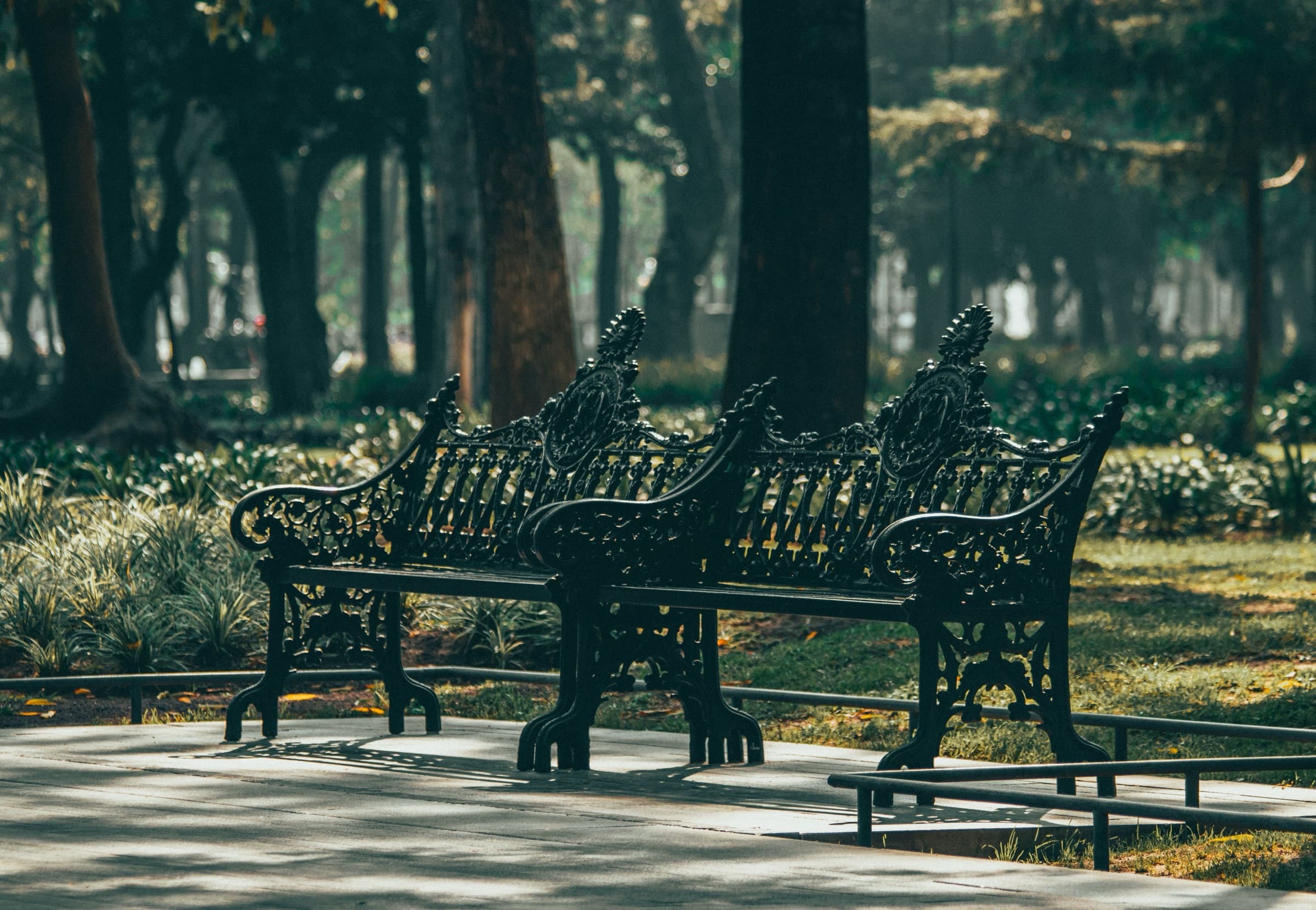
Walk Roma's promenade of copied statues from a concrete Romanesque church and the Witches' House, past the 2017 quake site, to Condesa's racetrack oval, Parque México's Art Deco Foro and the Basurto tower.
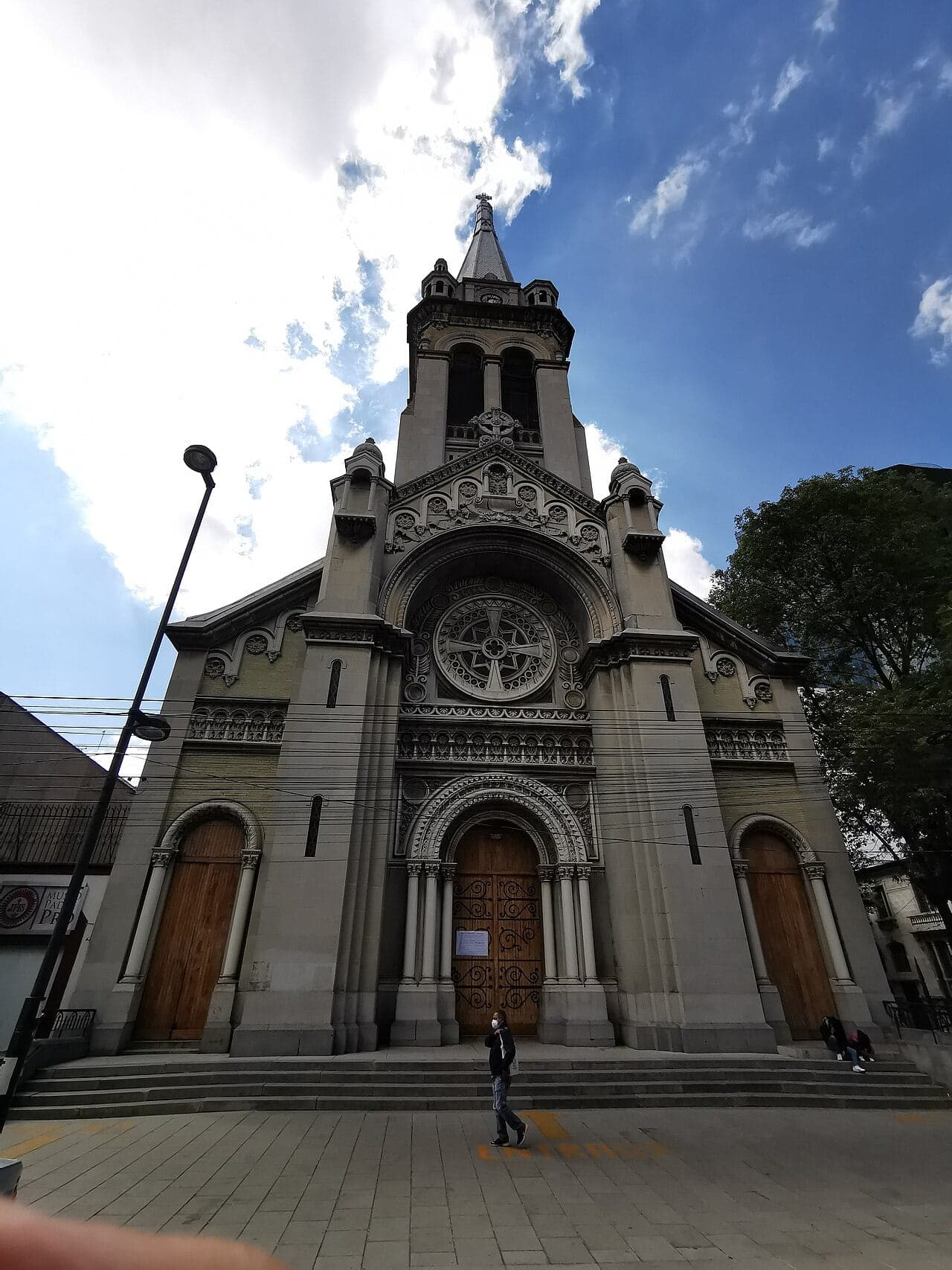
Start · Sagrada Familia: A Romanesque Church Cast in Concrete
DirectionsStops
- 1
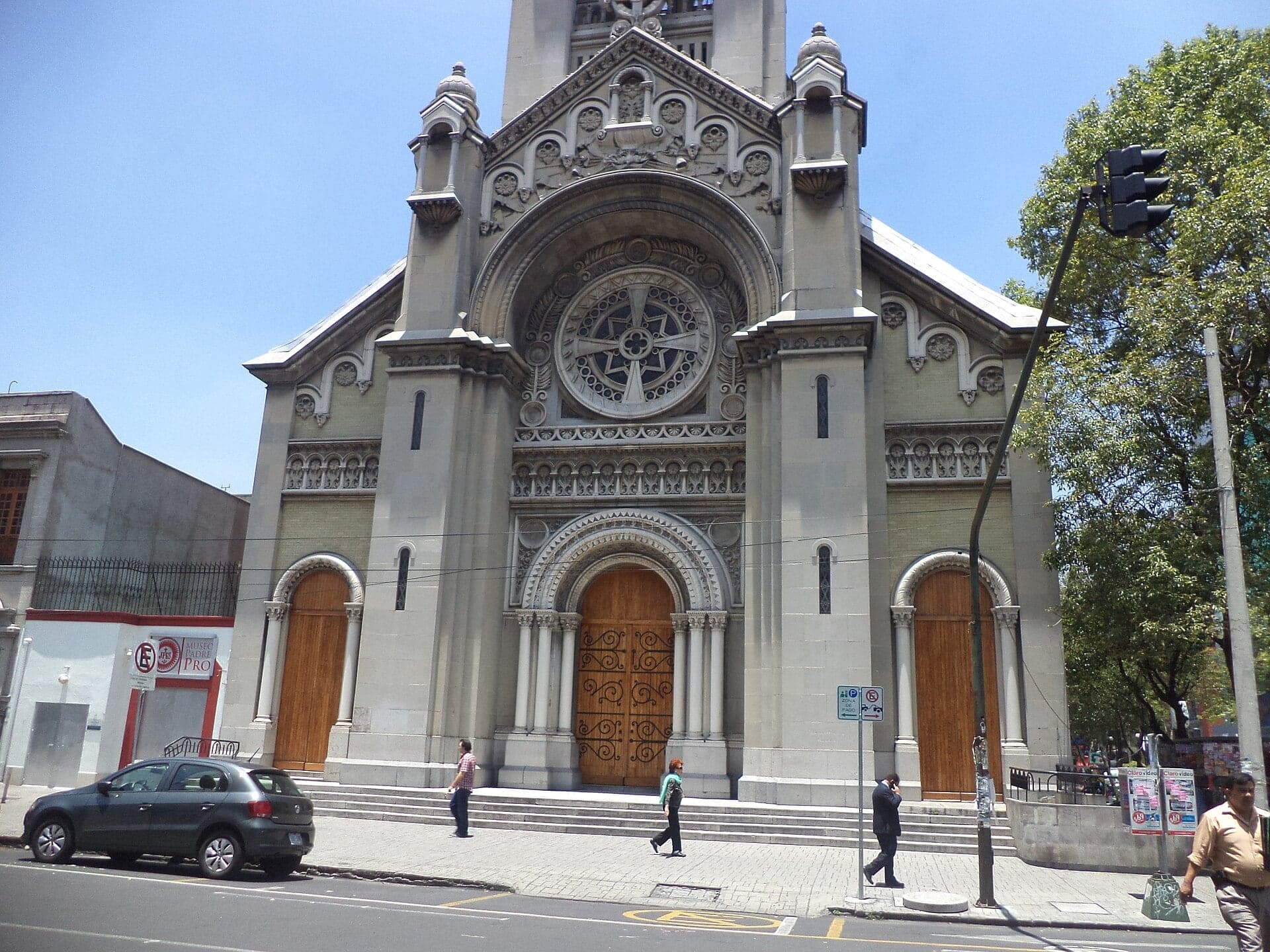
Sagrada Familia: A Romanesque Church Cast in Concrete
A medieval-looking parish church poured in concrete, not carved in stone. It was begun in 1910 on land given by Roma's developers.
- 2
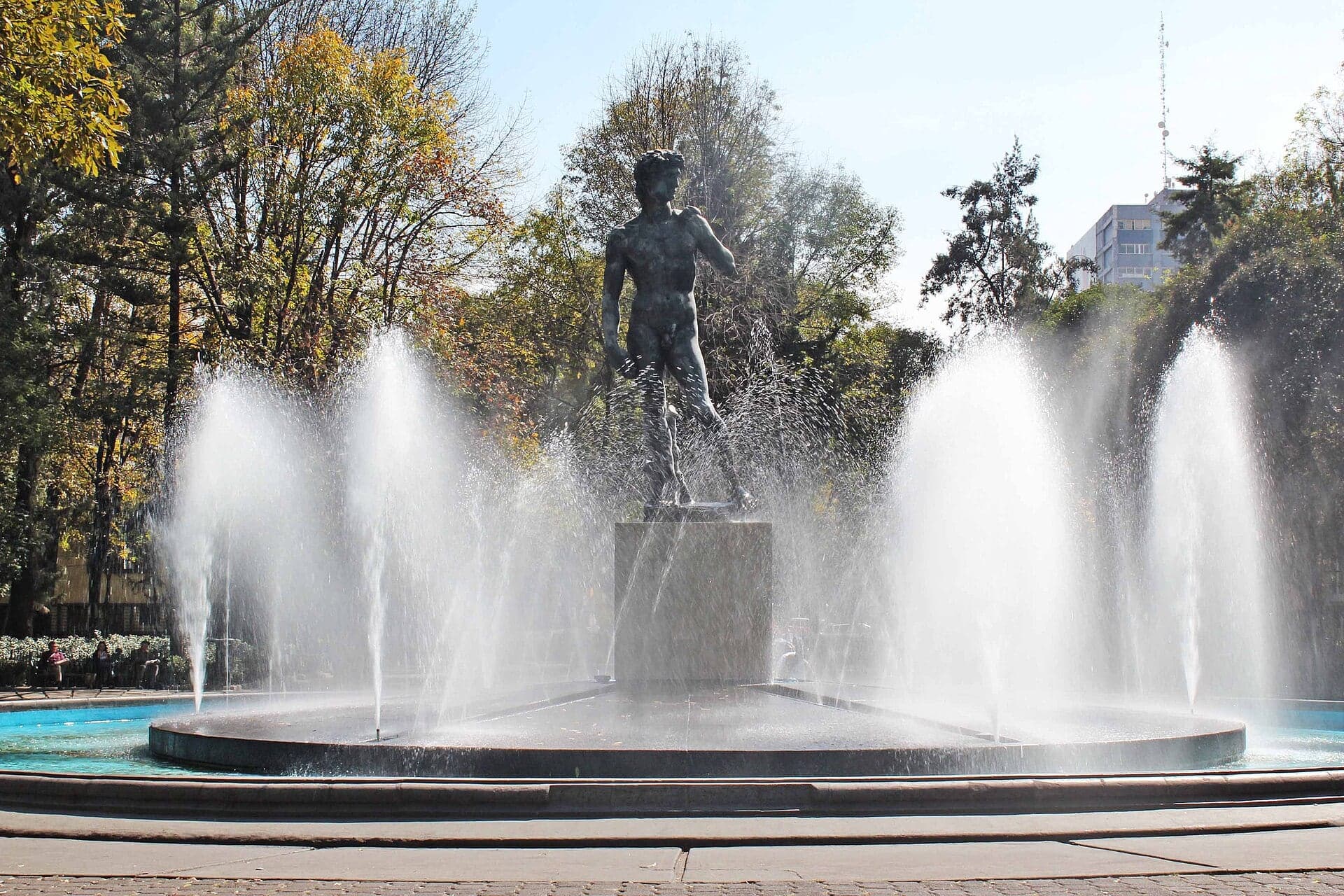
Plaza Río de Janeiro: The David and the Witches' House
A plaza with a bronze David faces the brick Casa de las Brujas. In the 1940s that building filled with Spanish Republican exiles.
- 3
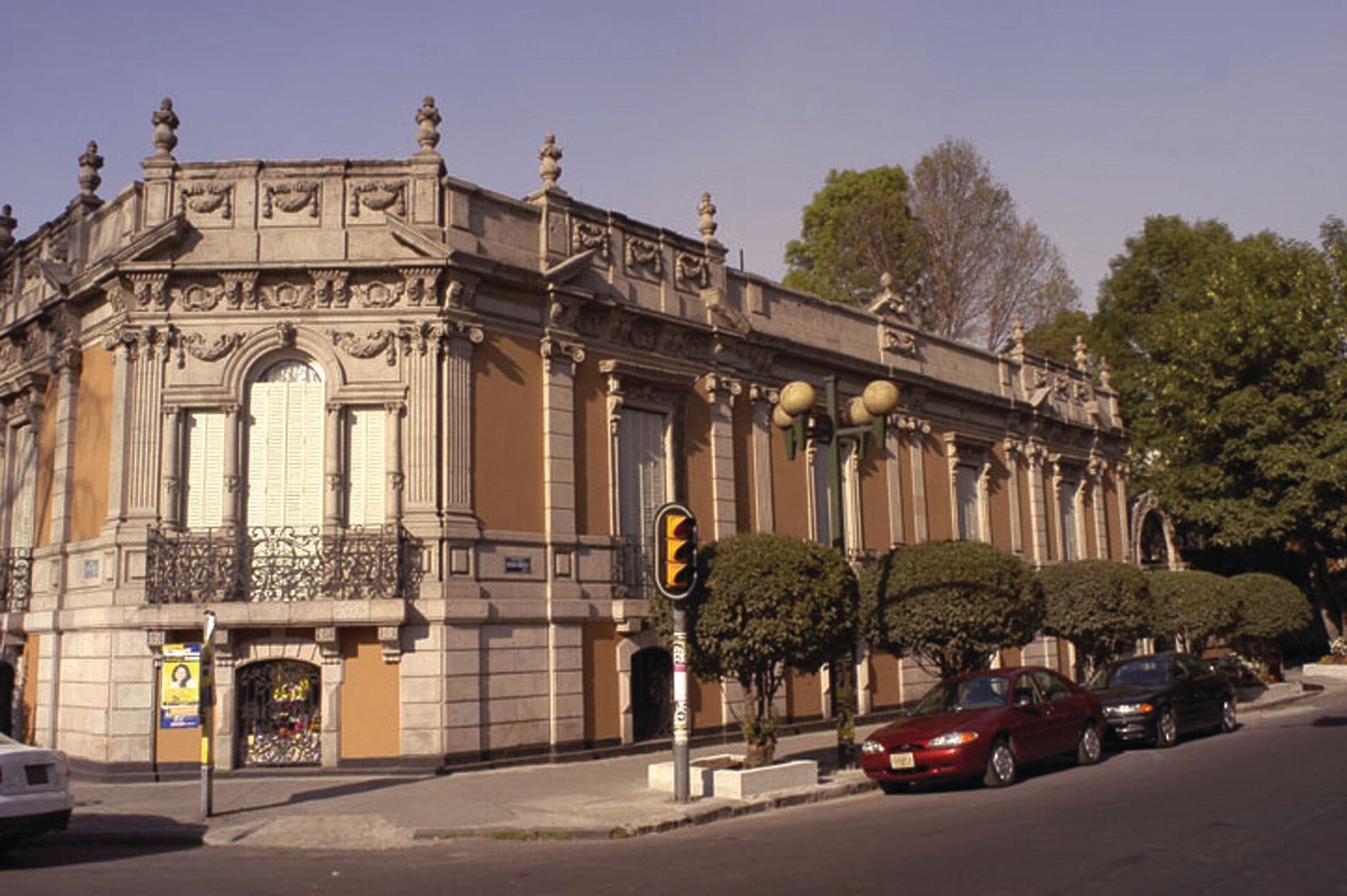
Casa Lamm: The Developer's House Nobody Moved Into
A 1911 mansion built for a developer who never lived there. It became a school, a family home and a center for art.
- 4
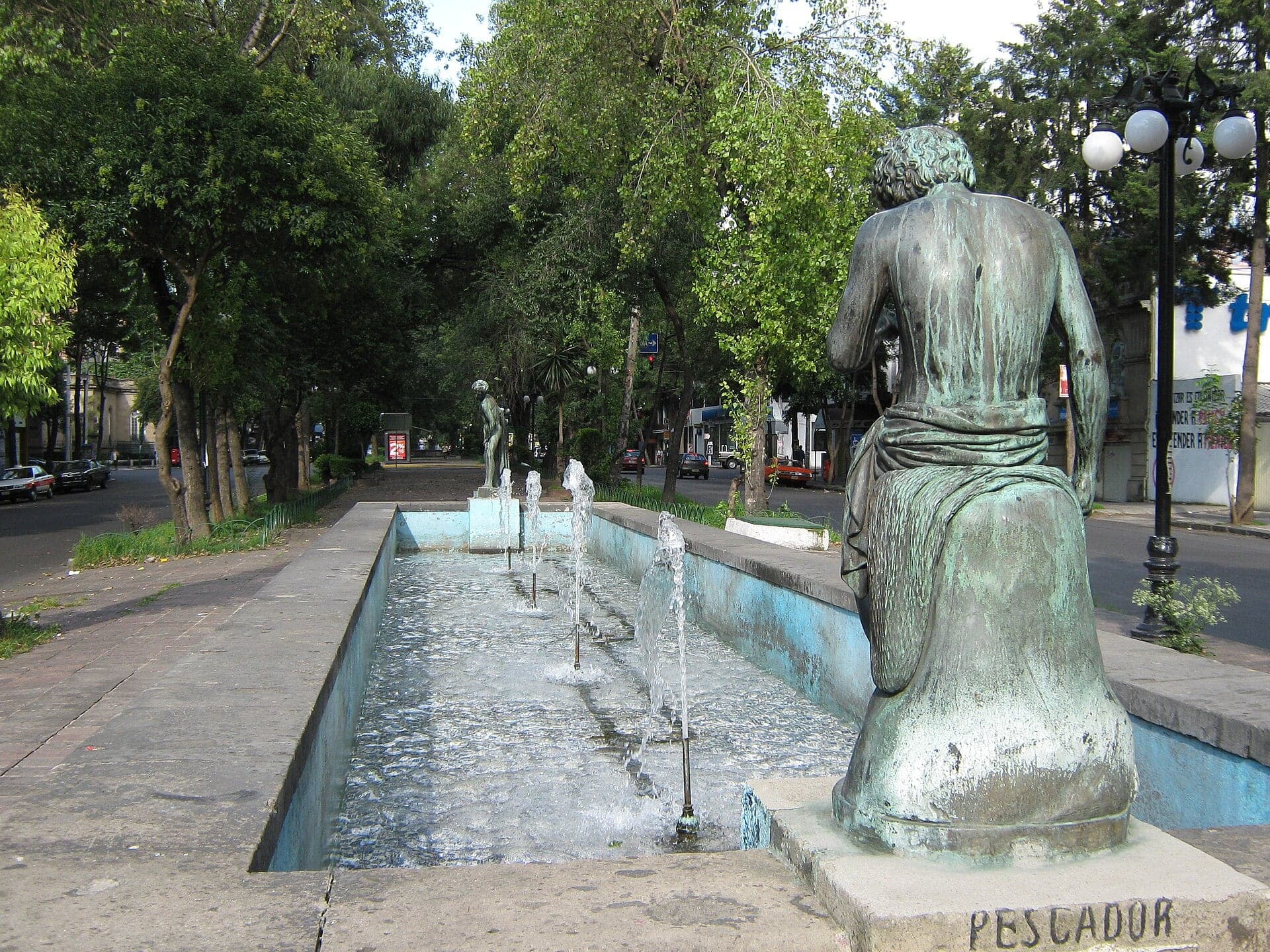
Álvaro Obregón Promenade: Copies of Europe in Bronze
A promenade of bronze copies of classical statues, added in 1976. They arrived more than seventy years after Roma was founded.
- 5
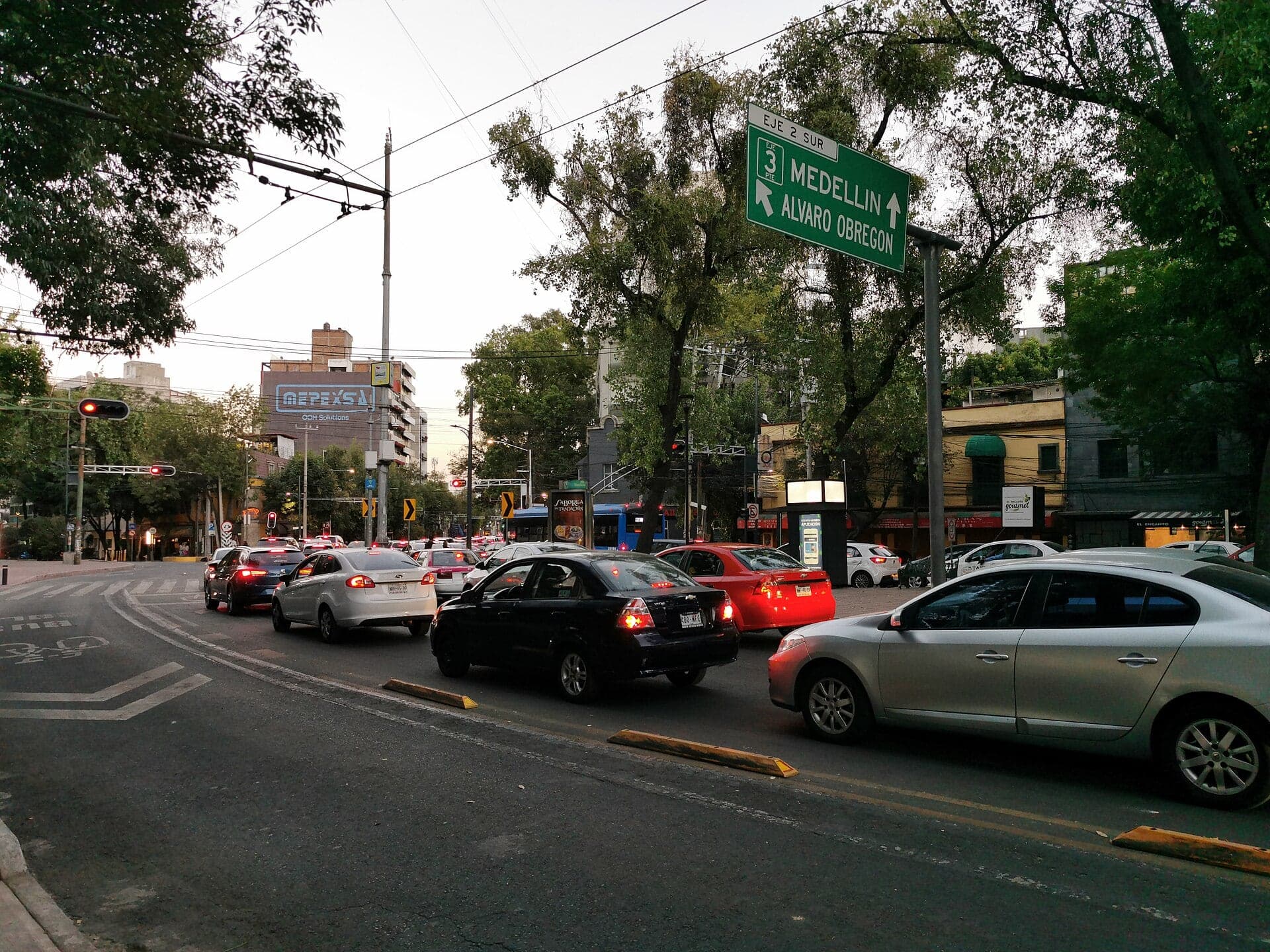
Álvaro Obregón 286: 19 September, Twice
The lot where an office building fell on 19 September 2017. Forty-nine people died; every year rescuers and families gather outside.
- 6
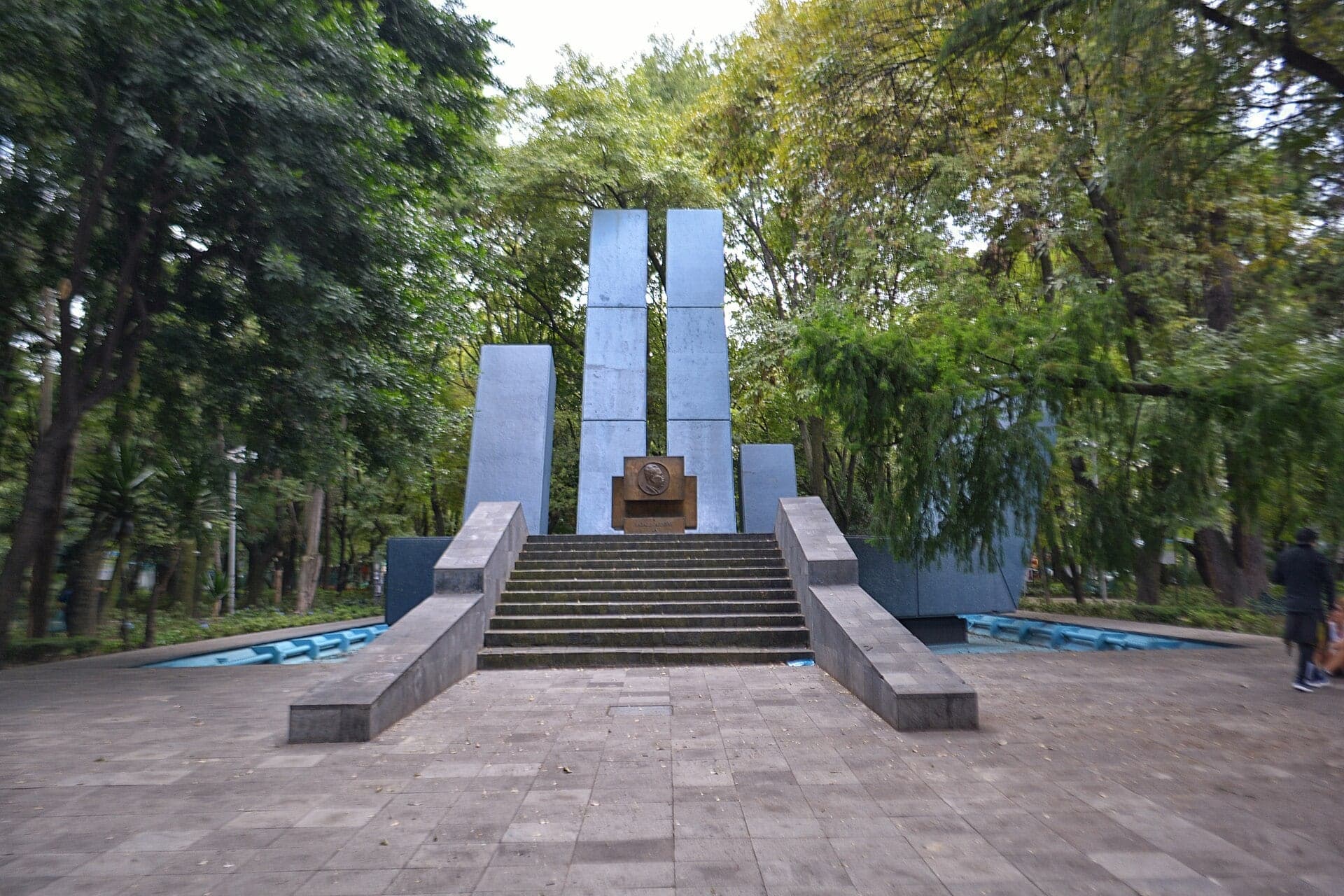
Parque España: An Open Hand for Cárdenas
An open-hand monument given by Spanish Republican exiles in 1974. It thanks the president who took them in.
- 7
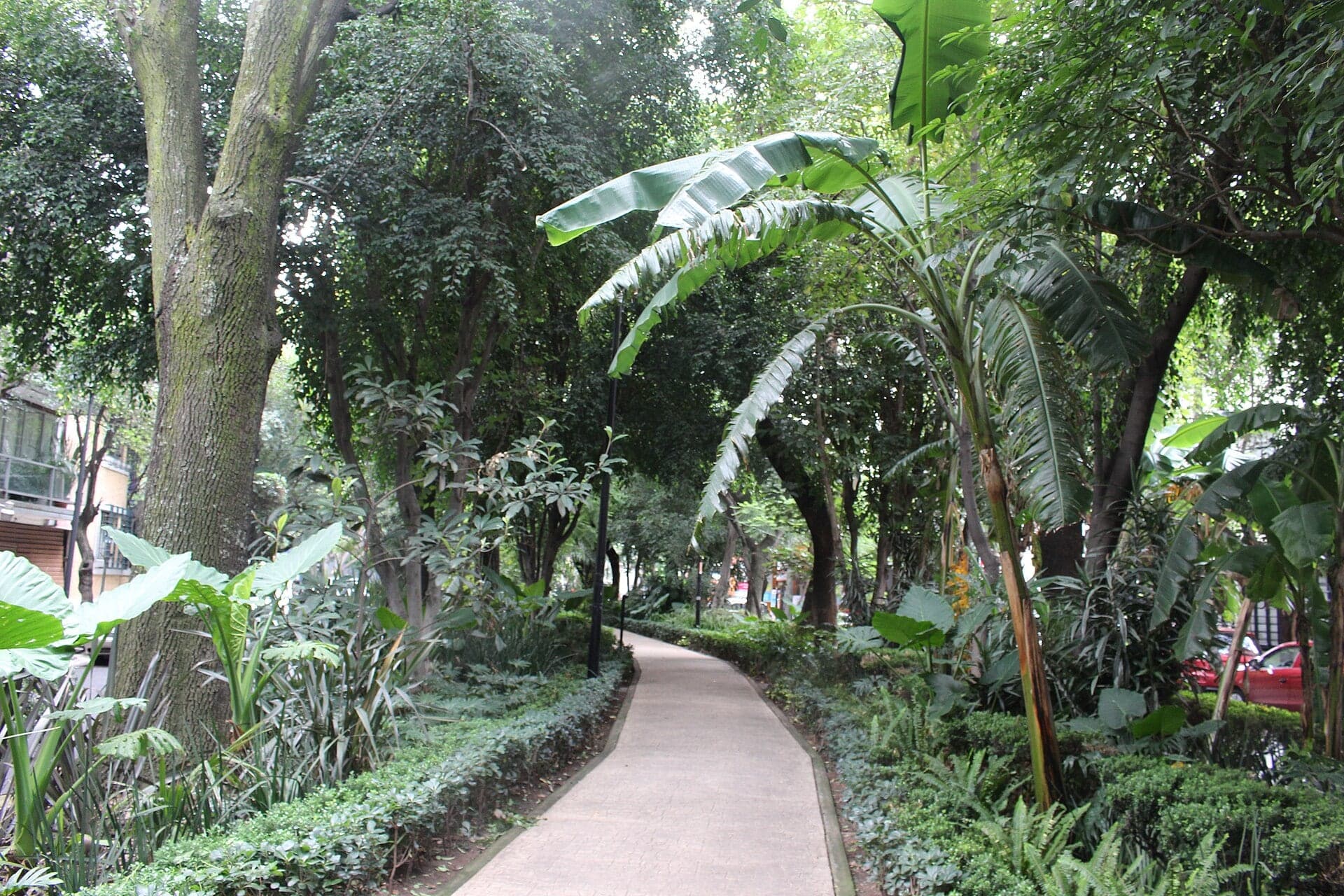
Avenida Amsterdam: The Oval Left by a Racetrack
A tree-lined avenue that curves into an oval. It was laid out in the 1920s on the grounds of a failed racetrack.
- 8
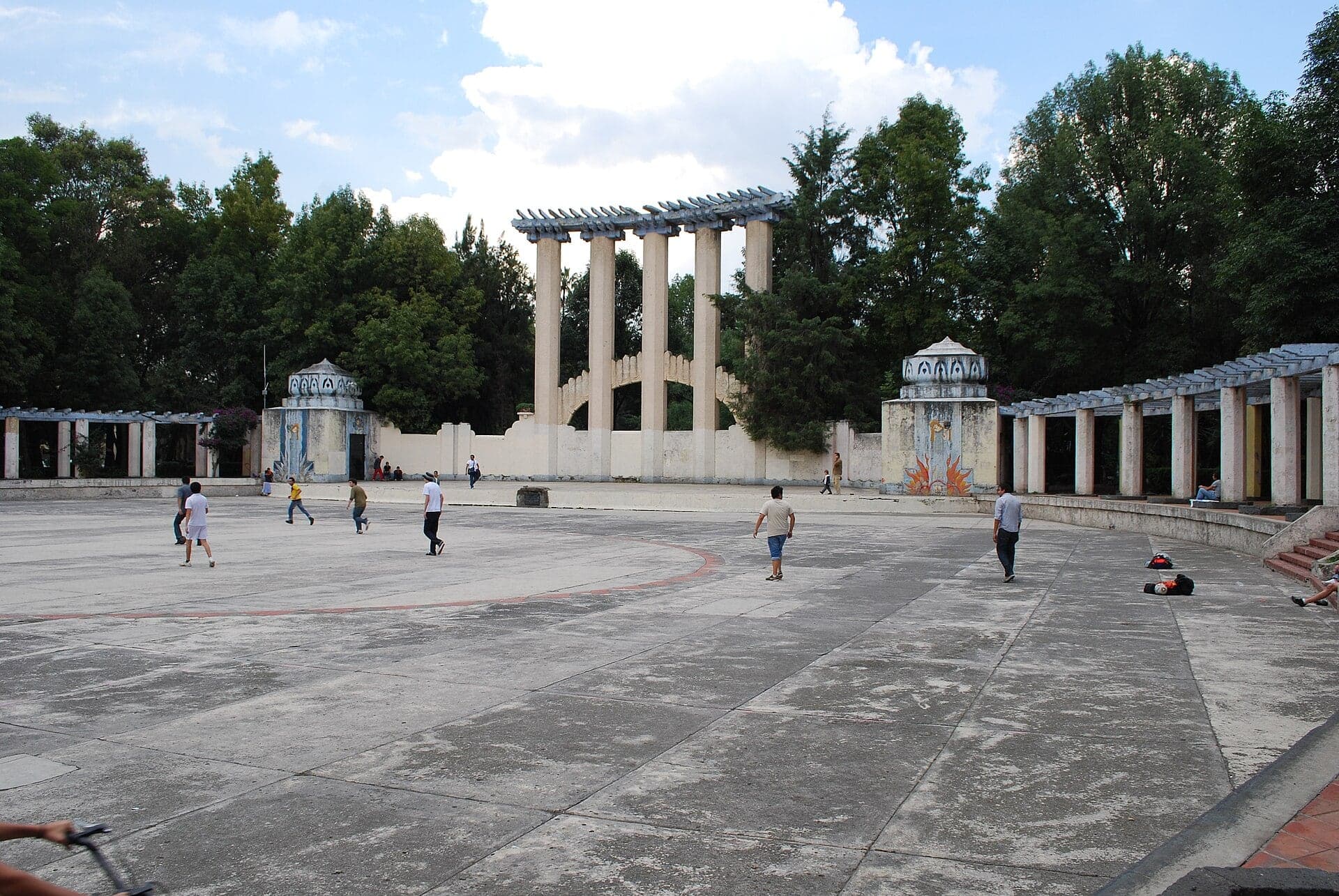
Parque México: The Foro Lindbergh
An Art Deco open-air stage from 1927, in the park at the heart of the oval. It is named for the aviator Charles Lindbergh.
- 9
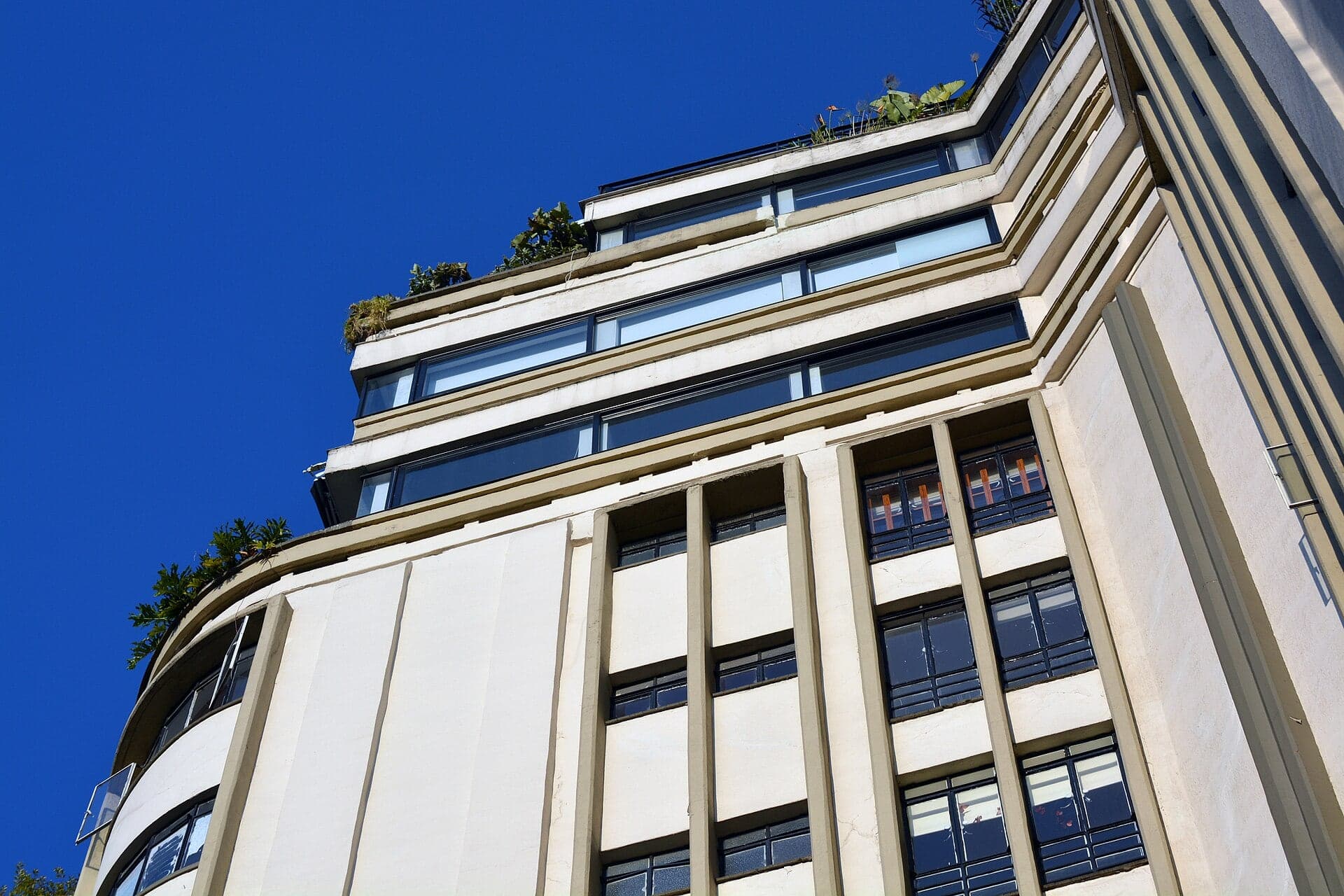
Edificio Basurto: The Tower Its Residents Saved
A fourteen-story 1940s tower on a cross-shaped plan. After 2017 its own residents paid to repair it.
- 10
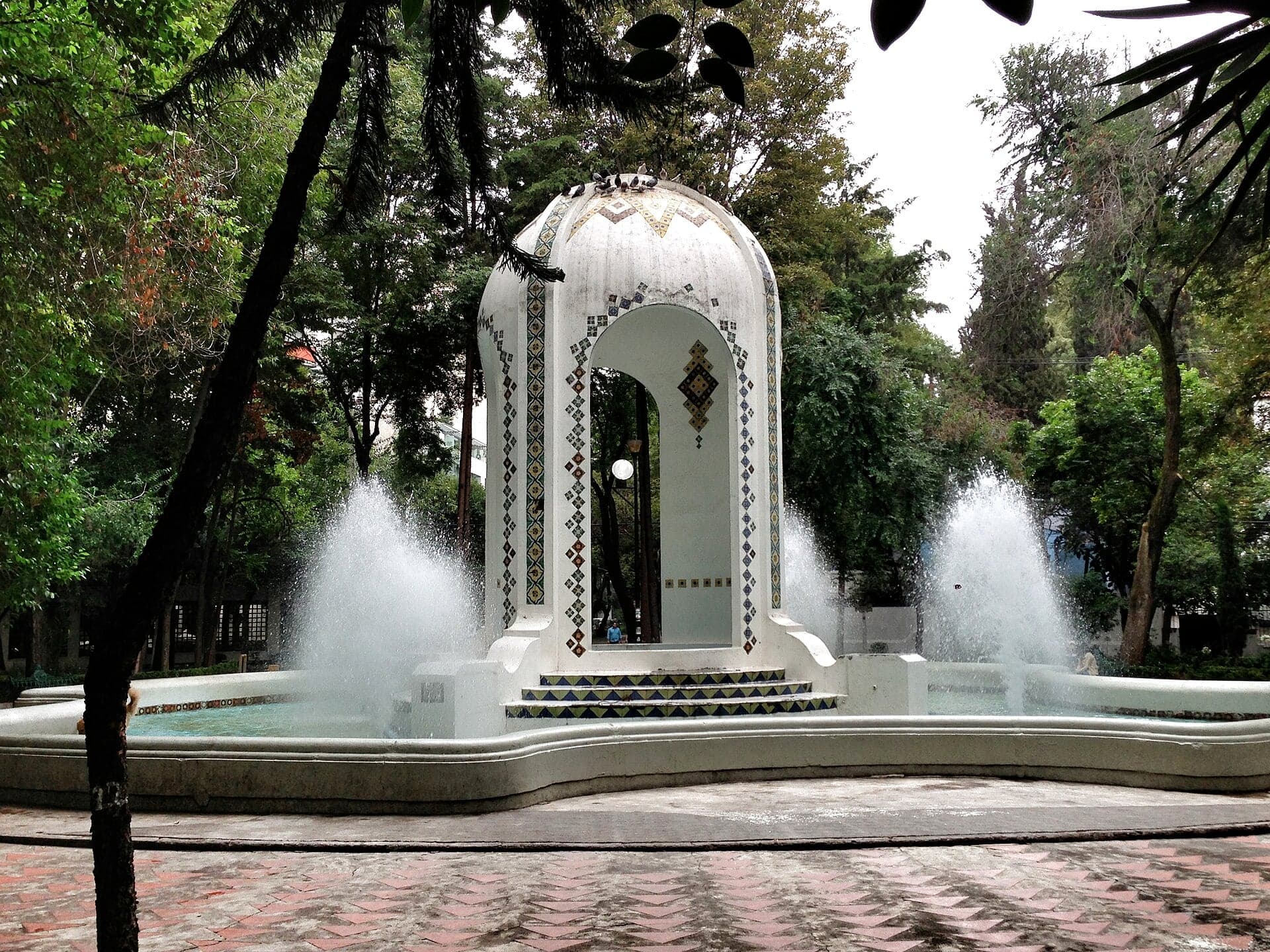
Plaza Popocatépetl: The Fountain on the Oval
A round plaza with an Art Deco fountain from the 1920s. It sits on the edge of the old racetrack grounds.
Details
Best Time to Visit
Any day in daylight, starting mid-morning; all ten stops are outdoors and public. Weekday mornings are calmer; on weekends Parque México, the Foro Lindbergh and Plaza Río de Janeiro fill with dog walkers, classes and markets, and Álvaro Obregón's terraces get busy from lunch on. Allow about an hour and forty minutes, more with a café stop.
Pro Tips
- •To reach stop 1, take Metro Line 1 to Insurgentes, at the Glorieta de Insurgentes, and walk about 400 m to Orizaba and Puebla. Metrobús Line 1 along Insurgentes also stops nearby.
- •The walk ends at Plaza Popocatépetl, about 300 m from the Metrobús Line 1 stop Sonora on Insurgentes. Metro Chilpancingo (Line 9) is about 1 km away.
- •Casa Lamm is now a private school of arts and humanities (LAMM educación); its office hours are Monday to Friday, 10:00 to 18:00. Checked 15 October 2026. Gallery hours are not published, so treat it as a stop to see from outside.
- •The route uses a few steps down into the Foro Lindbergh and a few steps up out of it; a level path runs around them for wheelchairs and strollers.
- •The Álvaro Obregón promenade between stops 3 and 5 is the walk's longest stretch: walk it slowly and look for the bronze copies in the fountains.
Safety & Precautions
- •Cross Insurgentes (between stops 4 and 5) only at the lights: there are three lanes each way with the Metrobús lanes in the middle.
- •After stop 5, the five-way junction of Álvaro Obregón, Oaxaca and Sonora has heavy traffic and bus lanes: wait for the walk signal.
- •After stop 6, Avenida Nuevo León (four fast one-way lanes) is crossed at a zebra with no traffic lights. Wait for a clear gap.
- •After stop 8, Avenida Sonora is crossed at Avenida México with no traffic lights. Cross with care.
- •Álvaro Obregón 286 is a site of mourning. Every 19 September, rescuers and families gather outside the lot; please give them space.
- •The Casa de las Brujas and the Edificio Basurto are private homes: view them from the street and do not photograph residents.
- •The Sagrada Familia is a working parish church: do not visit during mass.
- •Keep phones and wallets secure in weekend crowds in Parque México and on the Álvaro Obregón terraces. Pavements can be uneven and tree roots lift the paving.
- •Mexico City is about 2,240 m above sea level. On your first day, walk slowly and drink water.
Travel advisory: Exercise Increased Caution (Level 2).
Gallery
Related Reading
Go deeper on what you'll see, hear, and walk through.
Read the walk
The full story of Roma and Condesa: Borrowed Europe on Lakebed Ground, in words. Prefer to listen? Play it narrated, from home or on location.
Introduction
Mexico City, the capital of Mexico, grew beyond its old center in the early twentieth century, onto pasture and the grounds of a racetrack. Two neighborhoods grew there, Roma and Condesa, and both were built to look like Europe. The first, Roma, began in nineteen oh two as a private development, full of borrowed styles and, much later, borrowed statues. The second, Condesa's Hipódromo, was laid out in the nineteen twenties on the old racetrack, in an oval you can still follow. Then, from nineteen thirty-nine, real Europeans arrived: Spanish Republicans who had lost their civil war. And twice, on the same date, the nineteenth of September, in nineteen eighty-five and in twenty seventeen, the soft ground under the city shook.
Three people come up along the way: Edward Orrín, a British circus impresario, who founded Roma; José Luis Cuevas, the planner who drew Condesa's parks and its oval; and Lázaro Cárdenas, the president who took the Spanish exiles in.
There are ten stops over just over three kilometers, just under two miles, taking about an hour and forty minutes. Mexico City sits more than two thousand meters above sea level, so on a first day it is worth going slowly and drinking water. The streets between the stops are part of the walk too: tree-lined promenades, Porfirian mansions and Art Deco fronts.
The first stop is on Calle Puebla, at the corner of Orizaba, a short walk from Metro Insurgentes.
1. Sagrada Familia: A Romanesque Church Cast in Concrete
Welcome to Roma, and to the first stop on this walk, at the corner of Orizaba and Puebla, across the street from the church of the Sagrada Familia, the Holy Family. It is a working parish church. If it is open and no mass is under way, you can step inside to see its painted interior; the walk itself stays outside.
Look at the front: a tall central tower, a round rose window, and rows of round arches. It has the look of a Romanesque church from medieval Europe. But those arches were never carved from stone. The church stands on a frame of reinforced concrete, and its ornament was cast in molds. In the middle of the twentieth century, critics called it an anachronism: an old style imitated in a new material, because casting was cheaper than carving. A historian writing for Mexico's national institute of anthropology and history called it a piece of its time, worth conserving. Which do you see?
The land for the church was given by two of the men behind this neighborhood. One was Edward Orrín, a British circus impresario, who bought pasture land here in nineteen oh two and turned it into Colonia Roma. The first stone was laid in nineteen ten. Then the upheaval of the Revolution stopped the work from nineteen thirteen to nineteen seventeen, and in nineteen twenty-one the parish priest took it over still a bare shell. He painted the murals inside himself, with a helper.
Now check the street signs at this corner. Both Orizaba and Puebla are Mexican places, a city and a state, and so are most of the streets of Roma. Mexican names, on a European front: you will see a lot more of Europe borrowed on this walk.
Follow the route along Puebla and down Orizaba to a plaza with a fountain.
2. Plaza Río de Janeiro: The David and the Witches' House
Walk on into Plaza Río de Janeiro and stop by the round fountain in the middle, with its tall bronze nude.
The plaza is public and open at all hours. The developers of Roma laid it out in nineteen oh three as Parque Roma, and in the nineteen twenties it was renamed for the Brazilian city of Rio de Janeiro. The figure in the fountain is a bronze copy of Michelangelo's David, whose original stands in Florence. It arrived here in nineteen seventy-six. And keep that year in mind.
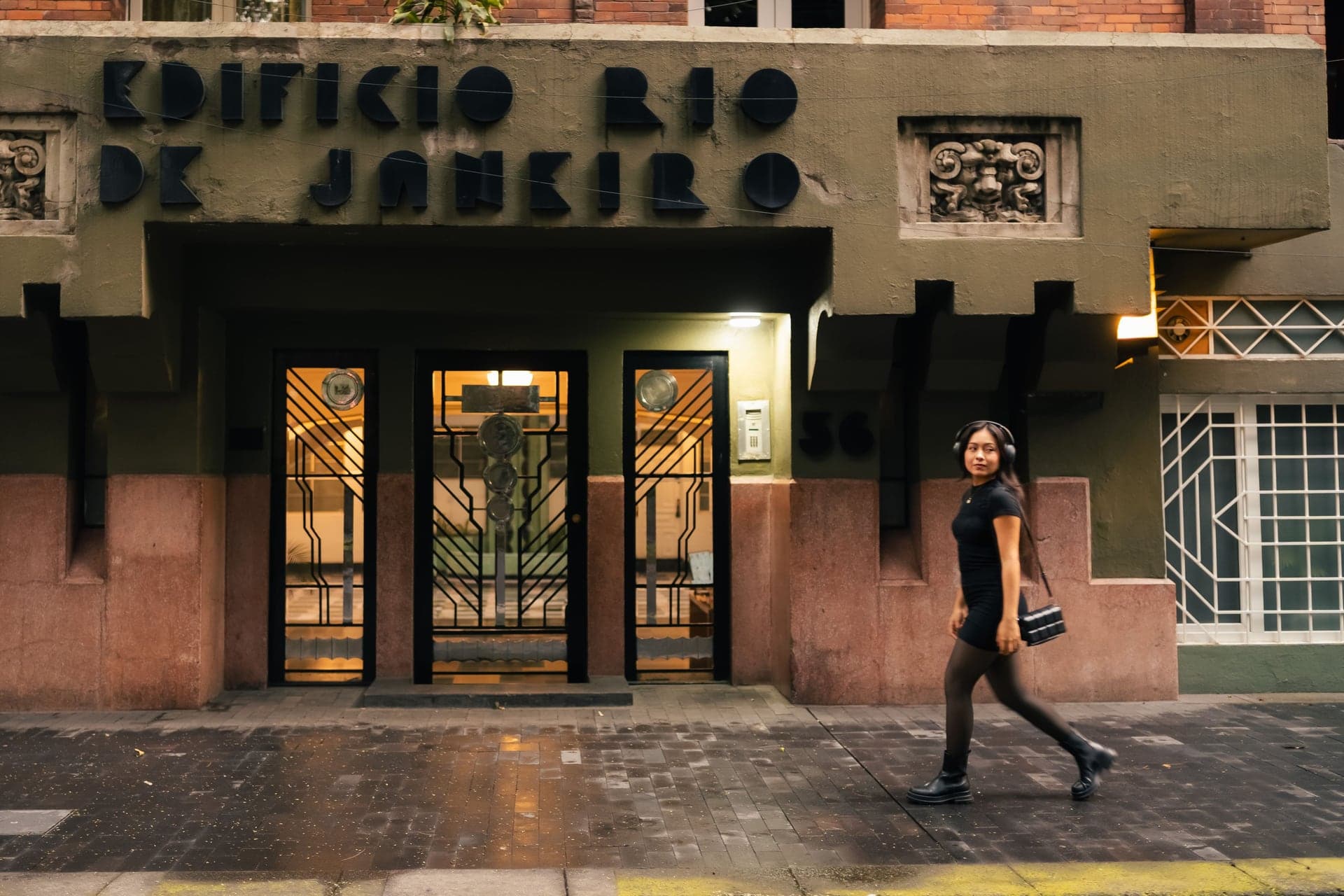
Now find the red brick building with a pointed, cone-shaped roof on its corner tower; in summer the trees may hide part of it. That is the Edificio Río de Janeiro, built in nineteen oh eight, and nearly everyone calls it the Casa de las Brujas, the Witches' House. The cone is the witch's hat, and the two openings below it make her face. Can you see her? It began as a luxury hotel and is now apartments: private homes, seen only from outside.
So here is a plaza named for Brazil, in a neighborhood called Roma, with a copy of a Florentine statue facing a brick building designed, the city says, by a British engineer. Roma was built to look European.
Then, in the nineteen forties, real Europeans moved in. Spanish Republicans, who had lost their civil war, filled this building. The poet Concha Méndez lived here with her husband, also a poet, and their daughter, from nineteen forty-four to nineteen fifty-four. Decades later the novelist Sergio Pitol set a novel about exile life in this very building. Hold on to the exiles. They return at Parque España, where they left a monument of their own.
Follow the route out of the plaza and down Orizaba to the broad Avenida Álvaro Obregón.
3. Casa Lamm: The Developer's House Nobody Moved Into
Walk on to the tip of the promenade that runs down the middle of Avenida Álvaro Obregón, by Orizaba, and stop there.
Across the avenue, on the far corner, stands a large house. This is Casa Lamm. Today it is a private school of art and the humanities, seen from outside.
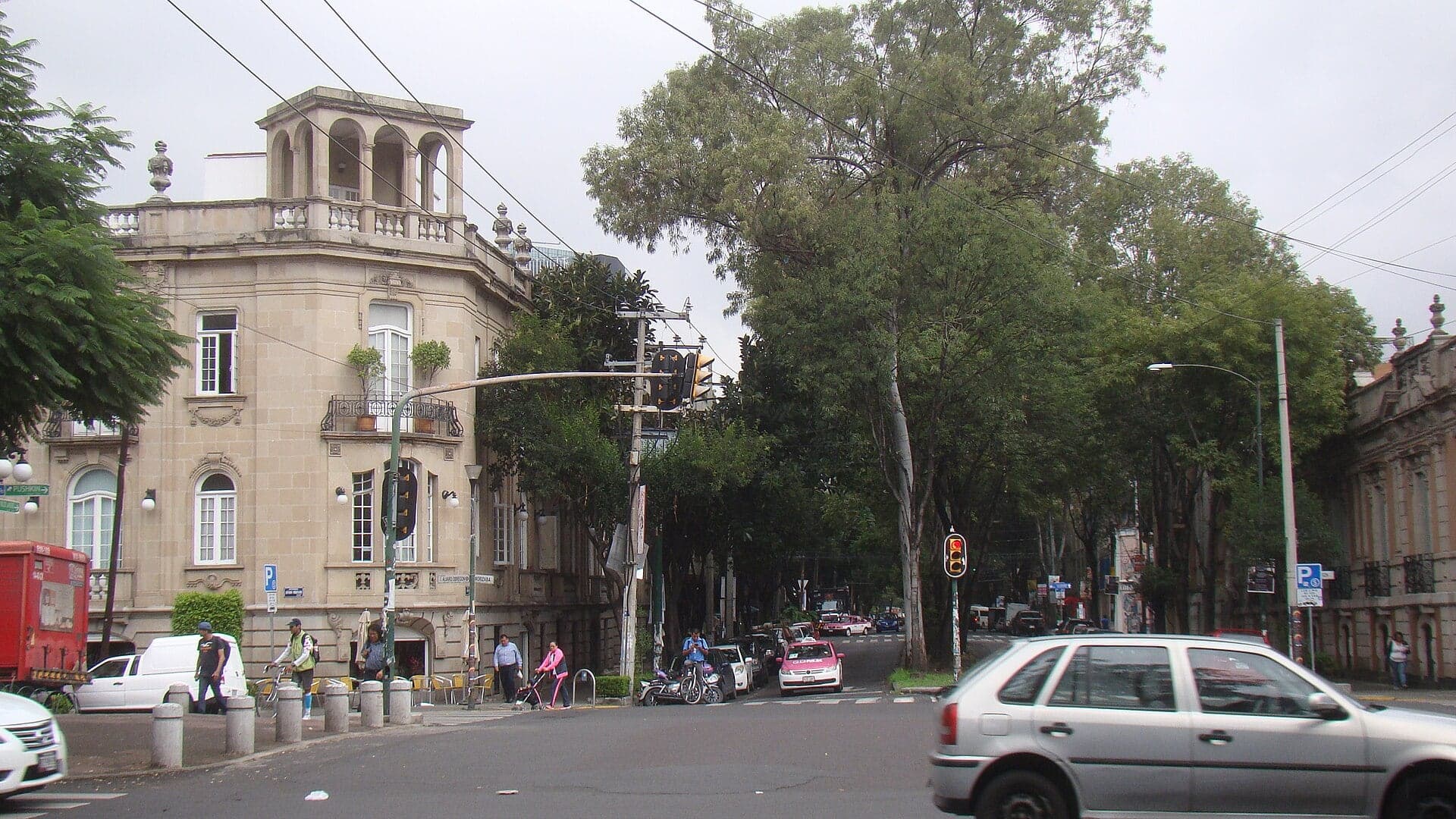
It was built in nineteen eleven for Lewis Lamm, one of the partners in Orrín's development company; Orrín was the circus man from the first stop. Its style mixes European models, in the taste Mexicans call Porfirian, after Porfirio Díaz, the president of those years. Yet the Lamm family never lived in it. It was rented instead to the Marist Brothers for a school, the Colegio Francés. Later it was a family home, until nineteen ninety. In nineteen ninety-three a group of art historians opened it as a cultural center. A house built for a developer was kept alive by a school, then a family, then a school again. How many lives can one house have?
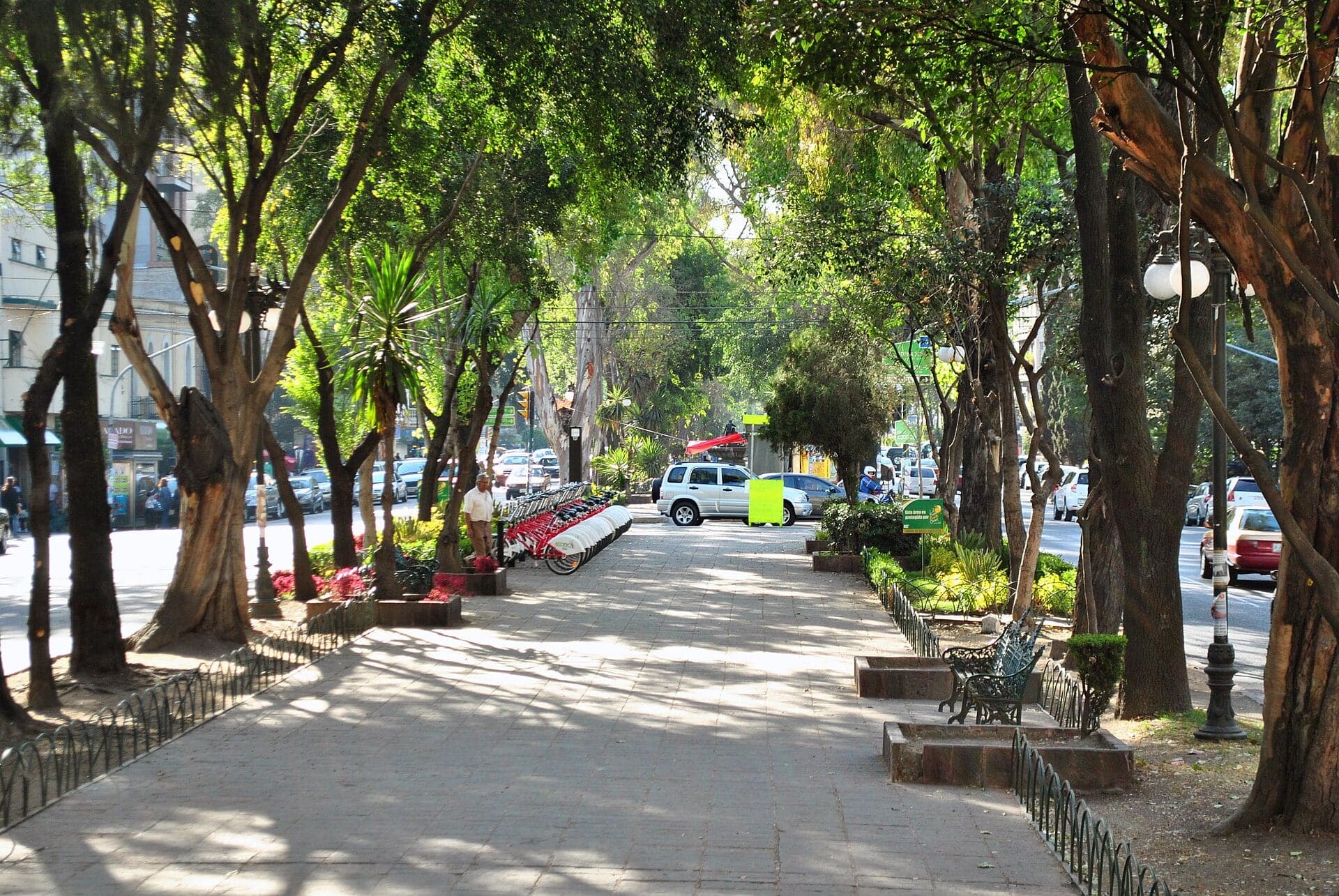
Now look along the avenue itself. It was laid out as Avenida Jalisco, so wide that it could carry a promenade down the middle, with trees, lamps and benches. That promenade is your path for the next stretch.
Follow the route along the promenade, under the trees.
4. Álvaro Obregón Promenade: Copies of Europe in Bronze
Walk on along the promenade to the next fountain and stop there. The promenade is public and open at all hours. The fountains along this promenade are a set. In nineteen seventy-six, twelve fountains were built down the middle of the avenue, each with a bronze sculpture, many…
Full narration for this stop unlocks with the tour.
5. Álvaro Obregón 286: 19 September, Twice
Walk on to the promenade in the middle of the avenue, opposite number two eighty-six, between numbers two eighty-four and two ninety, and stop there. Across the avenue is a place of mourning: the lot at number two eighty-six. It is closed, and you see it from the…
Full narration for this stop unlocks with the tour.
6. Parque España: An Open Hand for Cárdenas
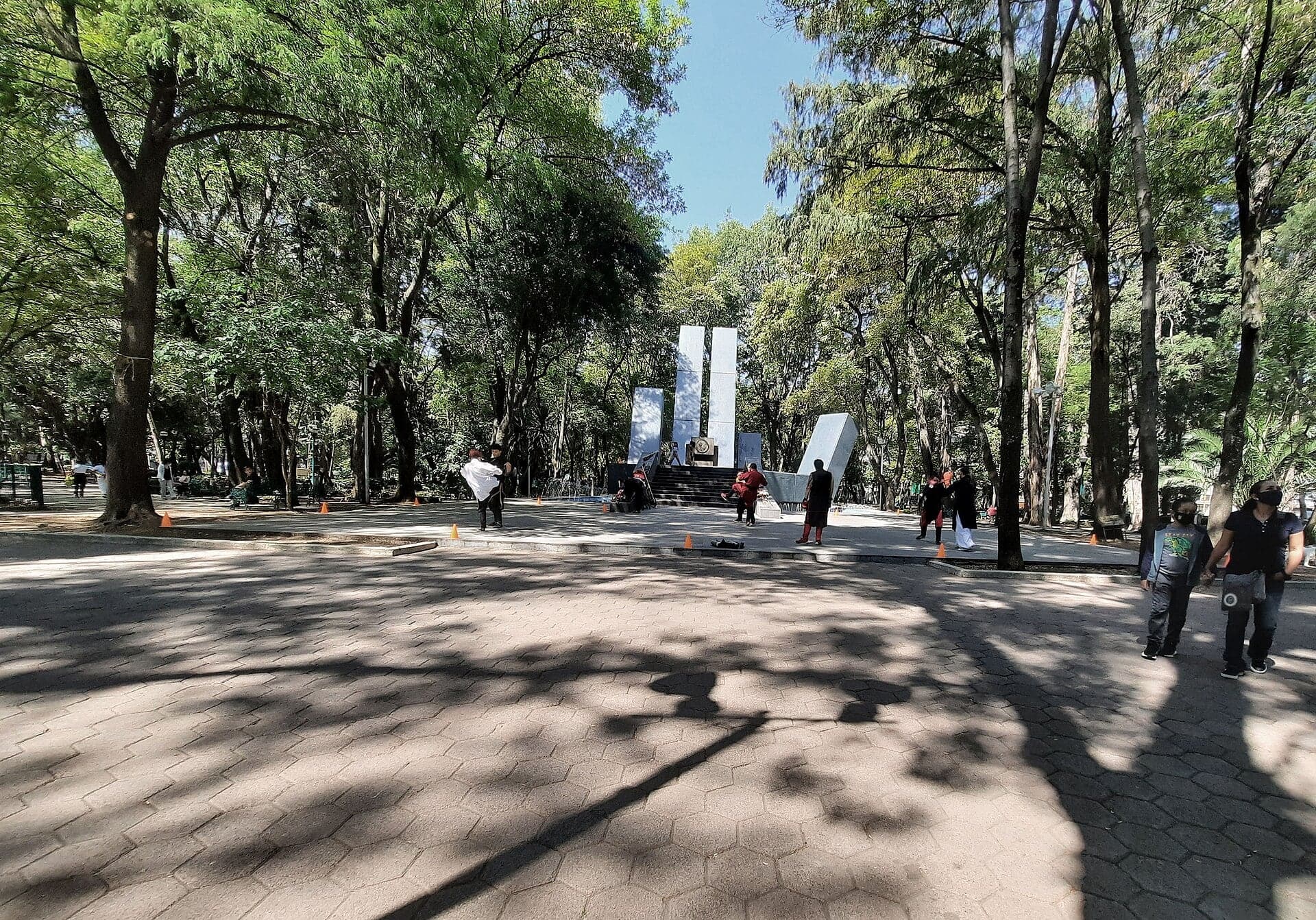
Walk on into Parque España and stop by the monument shaped like a great open hand. The park is public and open at all hours, with a playground and a busy dog run. It opened in nineteen twenty-one, the centenary of the end of Mexico's War of Independence, on land that had been…
Full narration for this stop unlocks with the tour.
7. Avenida Amsterdam: The Oval Left by a Racetrack
Walk on along the tree-lined path in the middle of Avenida Amsterdam and stop there. The path is public and open at all hours. Look ahead along it, then back. It bends, and it keeps on bending. Why would a street in a city of straight grids curve like this? Because the land…
Full narration for this stop unlocks with the tour.
8. Parque México: The Foro Lindbergh
Walk on to the open-air stage of the Foro Lindbergh and stop there, facing its tall pillars. The park is public and open at all hours, and the Foro is often in use: a dance class, a rehearsal, a weekend market. Parque México opened in nineteen twenty-seven at the heart of…
Full narration for this stop unlocks with the tour.
9. Edificio Basurto: The Tower Its Residents Saved
Walk on along Avenida México and stop on the sidewalk across from the tall apartment tower, the Edificio Basurto. It is private homes, seen only from the street, so please leave the residents in peace. You will need to look up: it rises fourteen stories. The tower carries the…
Full narration for this stop unlocks with the tour.
10. Plaza Popocatépetl: The Fountain on the Oval
Walk on into Plaza Popocatépetl and stop by the fountain at its center. The plaza is public and open at all hours, and it is named for the volcano. The fountain is Art Deco, from the nineteen twenties, the same years as the Foro you have just left: the same Art Deco language of…
Full narration for this stop unlocks with the tour.
- This is a photo of a monument in Mexico, identified by ID — Dge, CC BY-SA 4.0 · source
- The Sagrada Familia Church, Colonia Roma, Mexico City. — Nanahuatl, CC BY-SA 4.0 · source
- Réplica del David de Miguel Ángel en la Plaza Río de Janeiro de la Colonia Roma, Ciudad de México. Donación GLAM Universidad de la Comunicac — Jake Galán, CC BY-SA 3.0 · source
- Casa Lamm, localized in Alvaro Obregon 99, colonia Roma. Lewis Lamm, builded in 1911. Image donated as a GLAM collaboration between Wikimedi — Jake Galán / Corredor Cultural Roma Condesa, CC BY-SA 3.0 · source
- Álvaro Obregón avenue and Orizaba street with the Balmori building on the left side — Raul21940, CC BY-SA 4.0 · source
- Fuente del pescador — Carlos Perez Chavez, CC BY-SA 3.0 · source
- Álvaro Obregón avenue, Colonia Roma, Mexico City — ProtoplasmaKid, CC BY-SA 3.0 · source
- Crossroads of Yucatán and Álvaro Obregón avenues, colonia Roma, Mexico City. — ProtoplasmaKid, CC BY-SA 4.0 · source
- Monumento to Lázaro Cárdenas - Parque España - Mexico City — ProtoplasmaKid, CC BY-SA 4.0 · source
- Sábado 22 de mayo de 2021 — Secretaría de Cultura CDMX, CC BY 2.0 · source
- in Amsterdam Avenue, Colonia Condesa, Mexico City. — Stellarc, CC BY-SA 4.0 · source
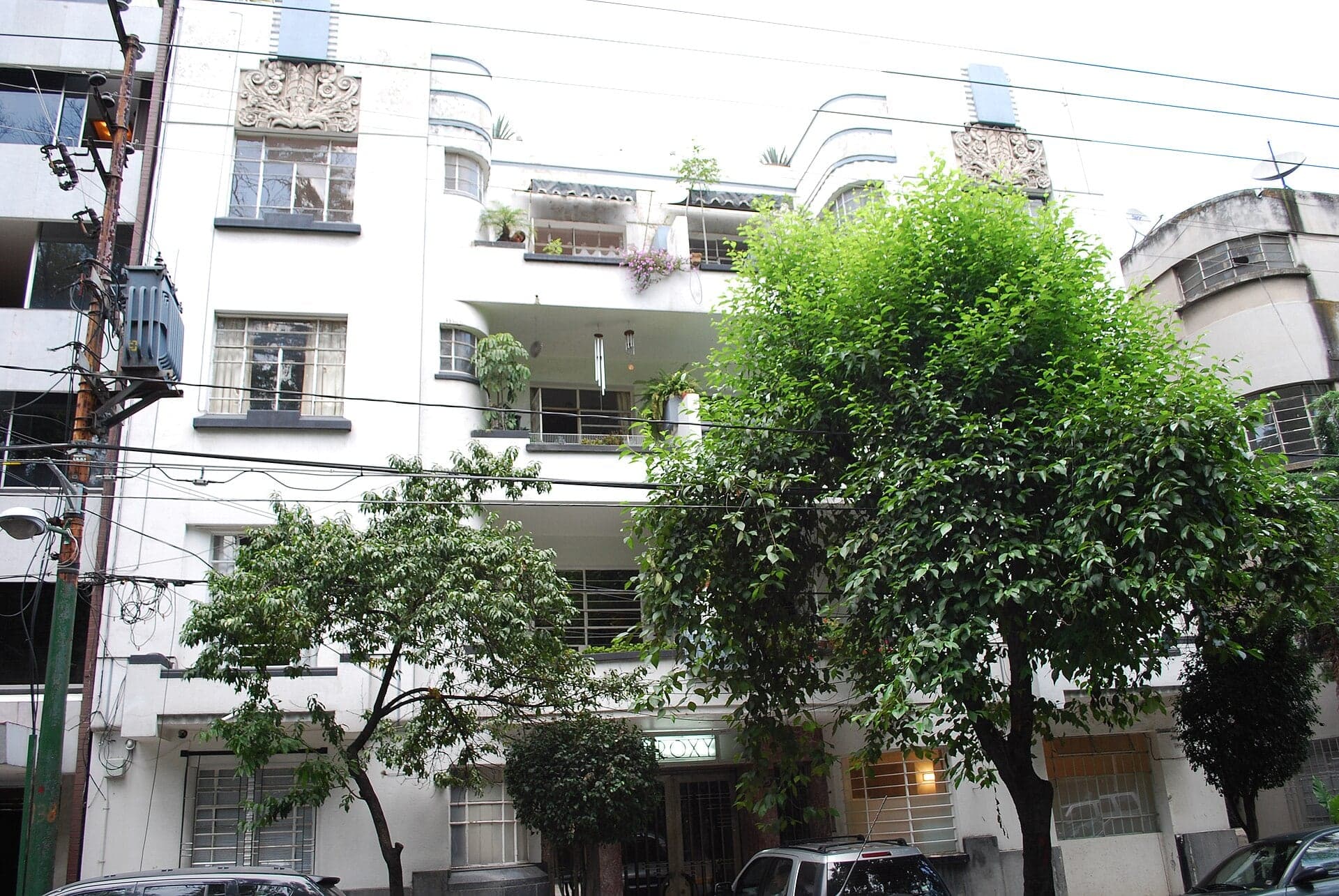
- The Roxy — an Art Deco style building in Colonia Hipodromo in Condesa, Mexico City. — Thelmadatter, CC BY-SA 3.0 · source
- View of the Lindbergh Theater in Parque Mexico in Mexico City — Thelmadatter, CC BY-SA 3.0 · source
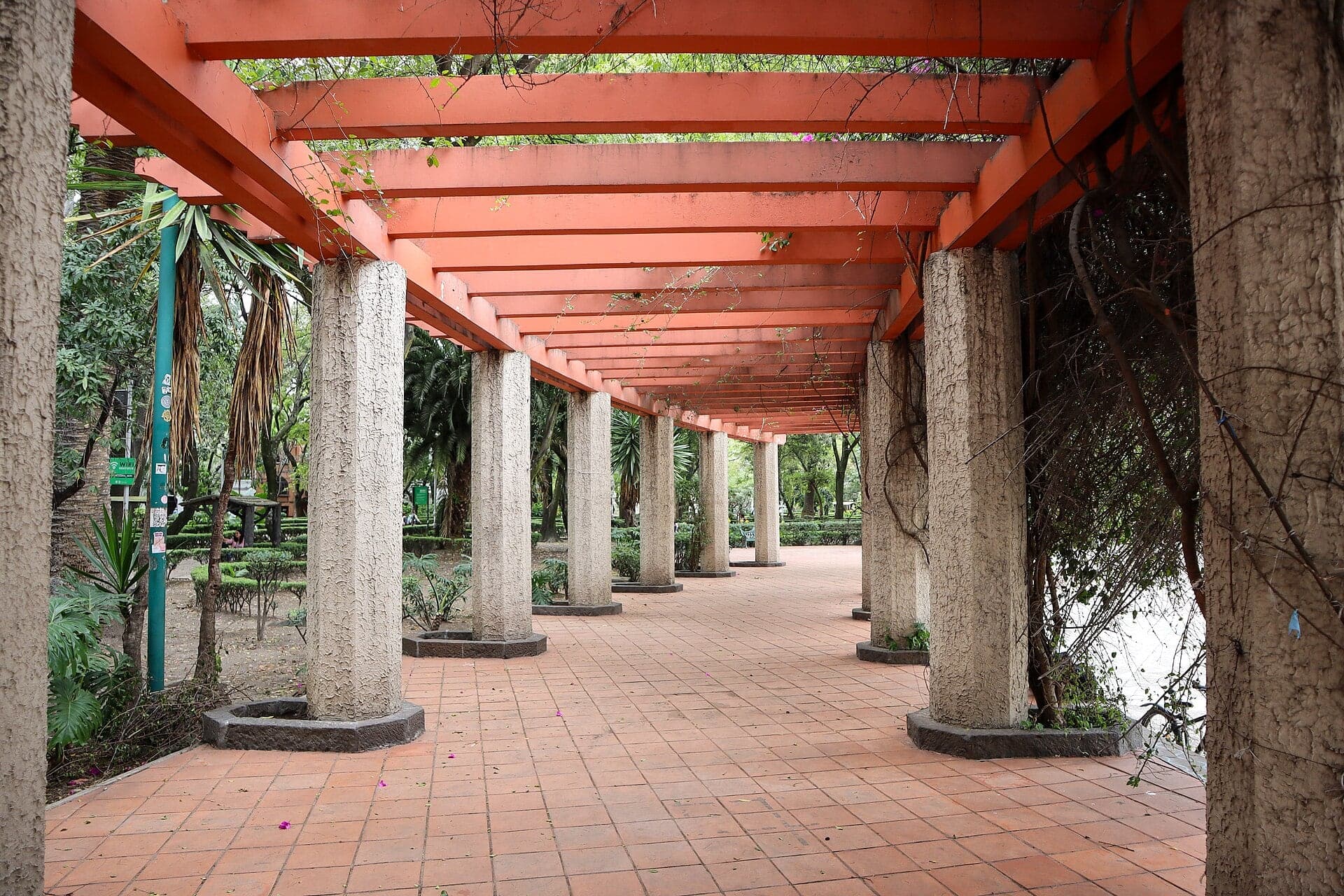
- Pergola at the Lindbergh Forum. Images of Mexico Park, Condesa neighborhood, Mexico City, Mexico. — ProtoplasmaKid, CC BY-SA 4.0 · source
- Edificio Basurto, built between 1941 to 1945 by Francisco J. Serrano. — ProtoplasmaKid, CC BY-SA 4.0 · source
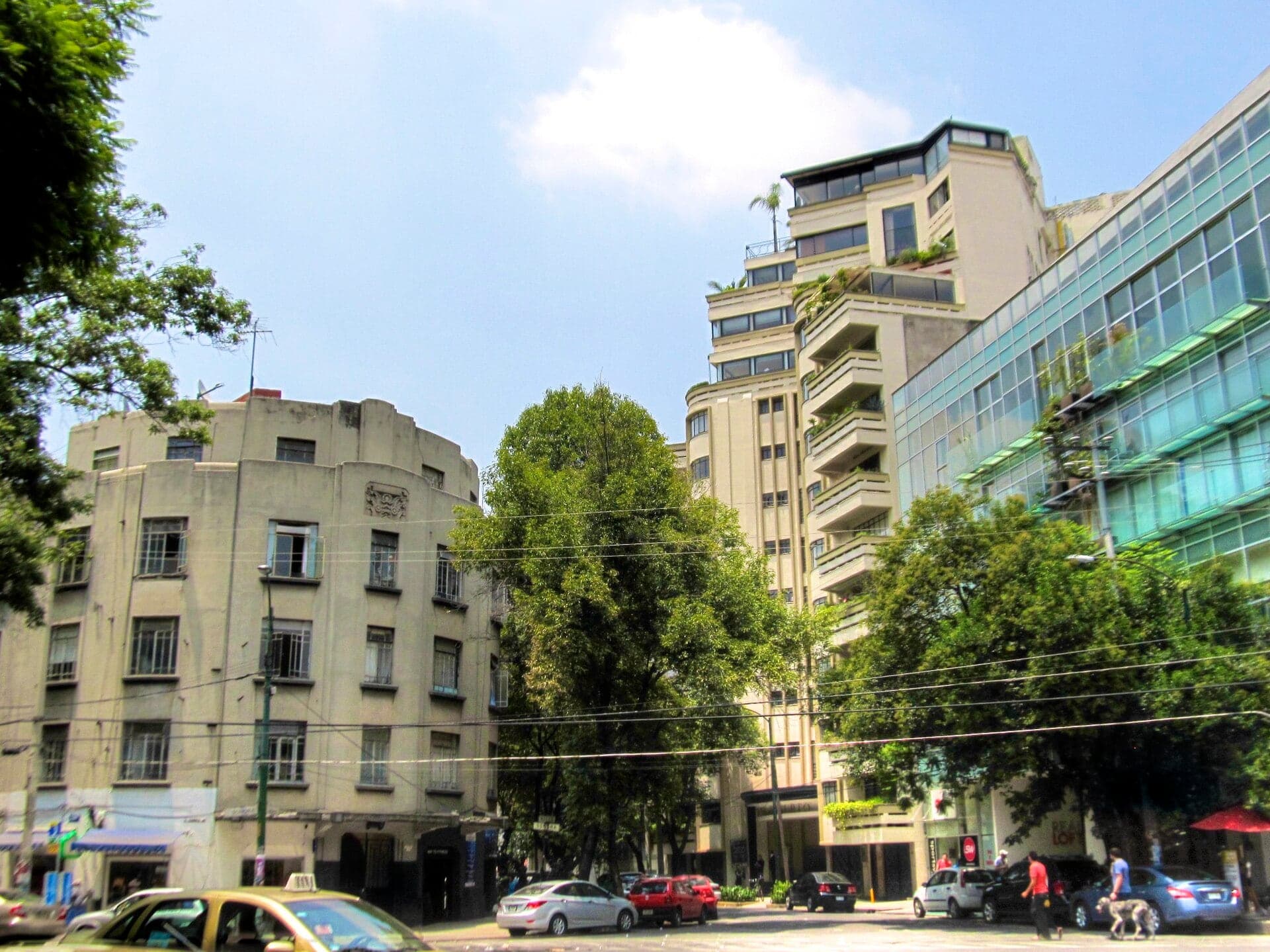
- Art Deco y Minimalismo en la colonia Condesa. — Octavio Alonso Maya …, CC BY-SA 3.0 · source
- Fountain at Plaza Popcatépetl, col. Hipódromo, Condesa, Mexico City — Keizers, CC BY-SA 3.0 · source
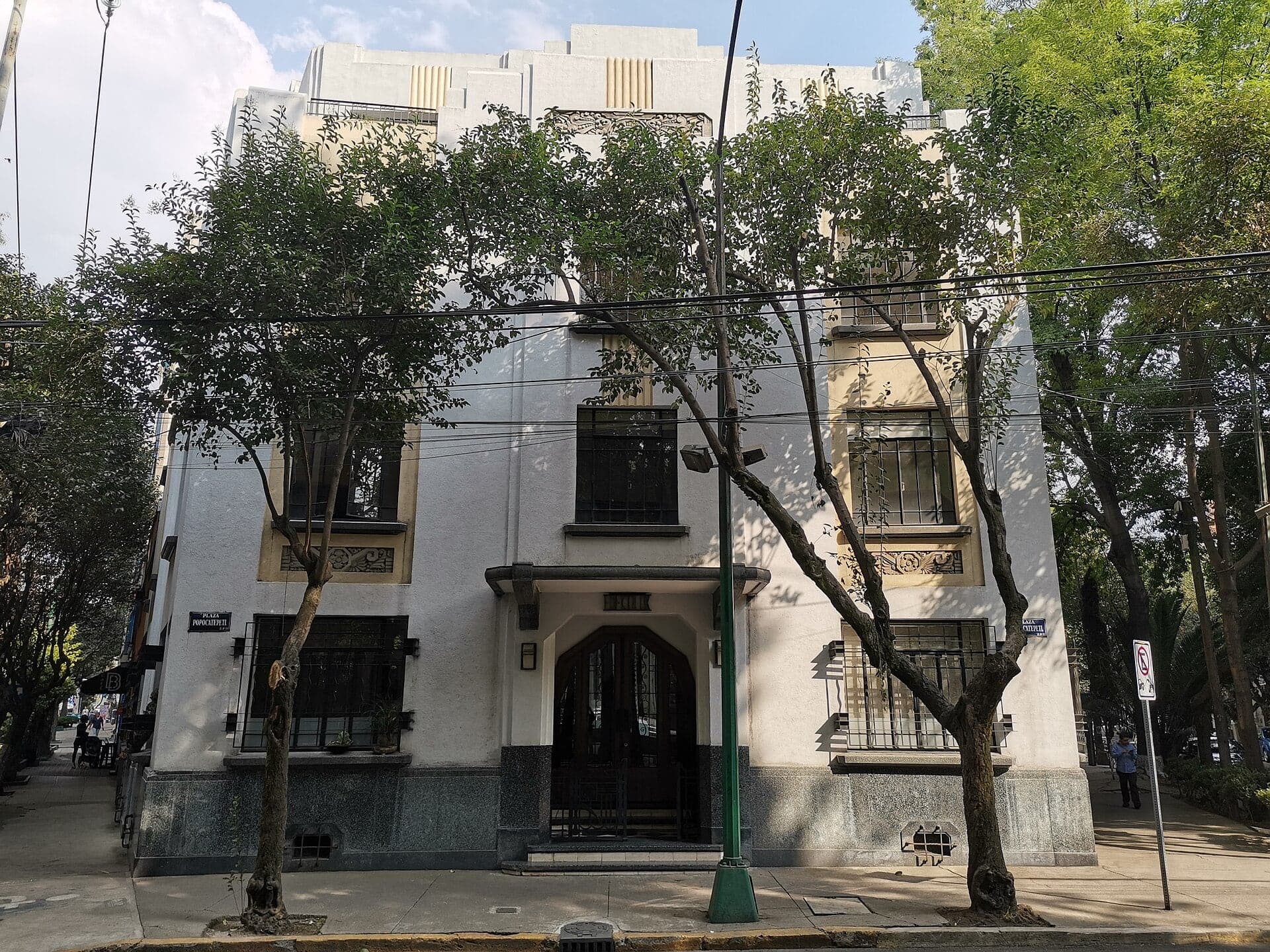
- Casa estilo art deco en Plaza Popocatépetl,colonia Condesa, Ciudad de México. — ProtoplasmaKid, CC BY-SA 4.0 · source
Images may be cropped or resized. Other photos via Unsplash and Pexels.