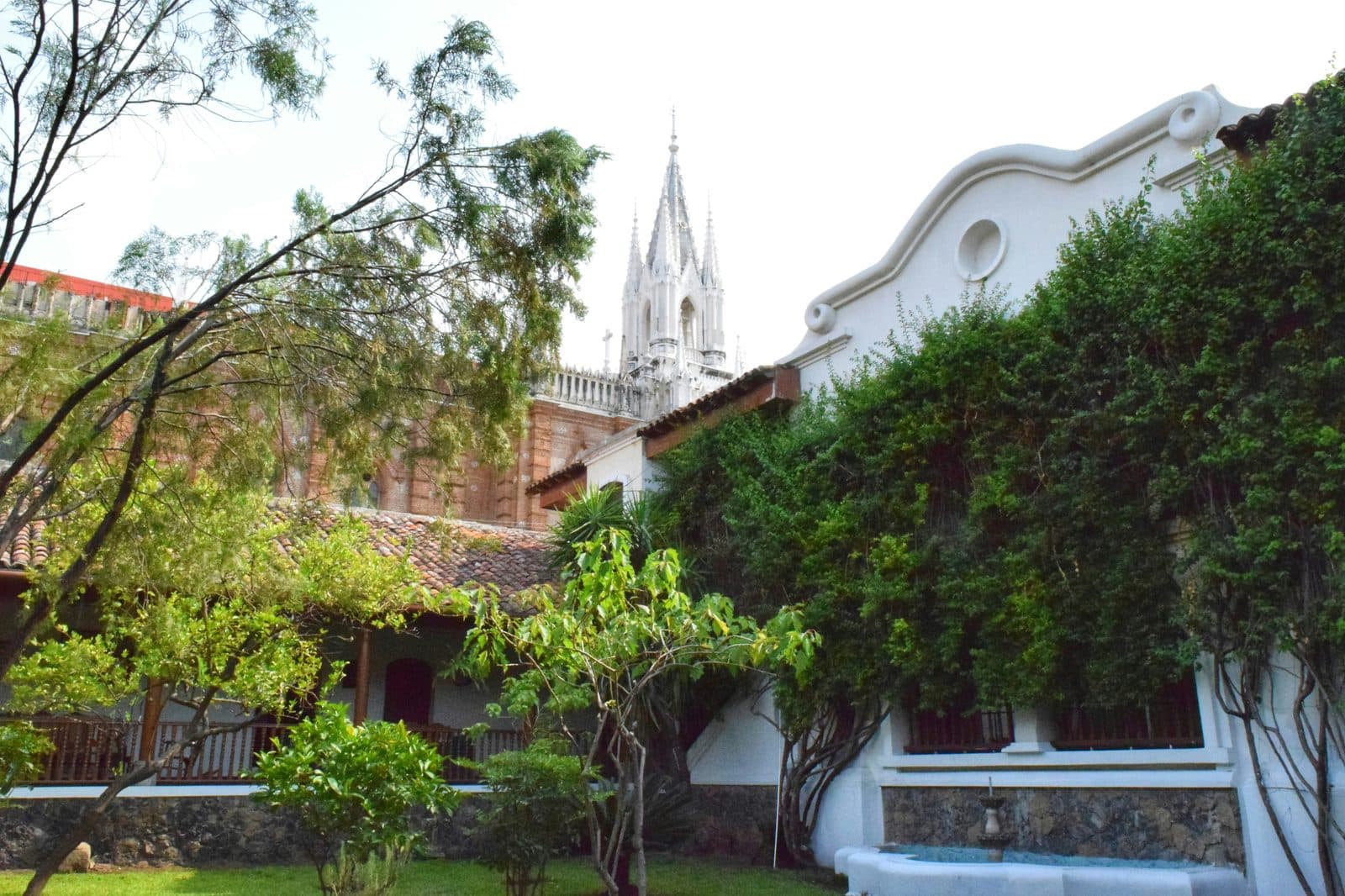
If San Salvador is El Salvador's restless heartbeat, Santa Ana is its quieter, more refined sibling. Sitting at 665 meters in the western highlands, the country's second-largest city has something the earthquake-ravaged capital largely lost: a coherent colonial center where 19th-century grandeur still lines the streets.
The Coffee Aristocracy's Legacy
Santa Ana owes its architectural splendor to coffee. In the late 1800s and early 1900s, the volcanic slopes surrounding the city produced some of Central America's finest beans. The coffee barons who controlled this trade channeled their wealth into buildings designed to rival anything in Guatemala City or San José.
The result is a compact downtown where nearly every significant building dates from the coffee boom era. Unlike cities that grew and demolished their historic cores, Santa Ana's relatively stable economy, along with fewer catastrophic earthquakes, preserved what the coffee elite built.
The Three Anchors
Hear a stop from this walk
Iglesia El Carmen
Santa Ana's historic center revolves around three buildings that face the central plaza, each exceptional in its own right.
The Cathedral
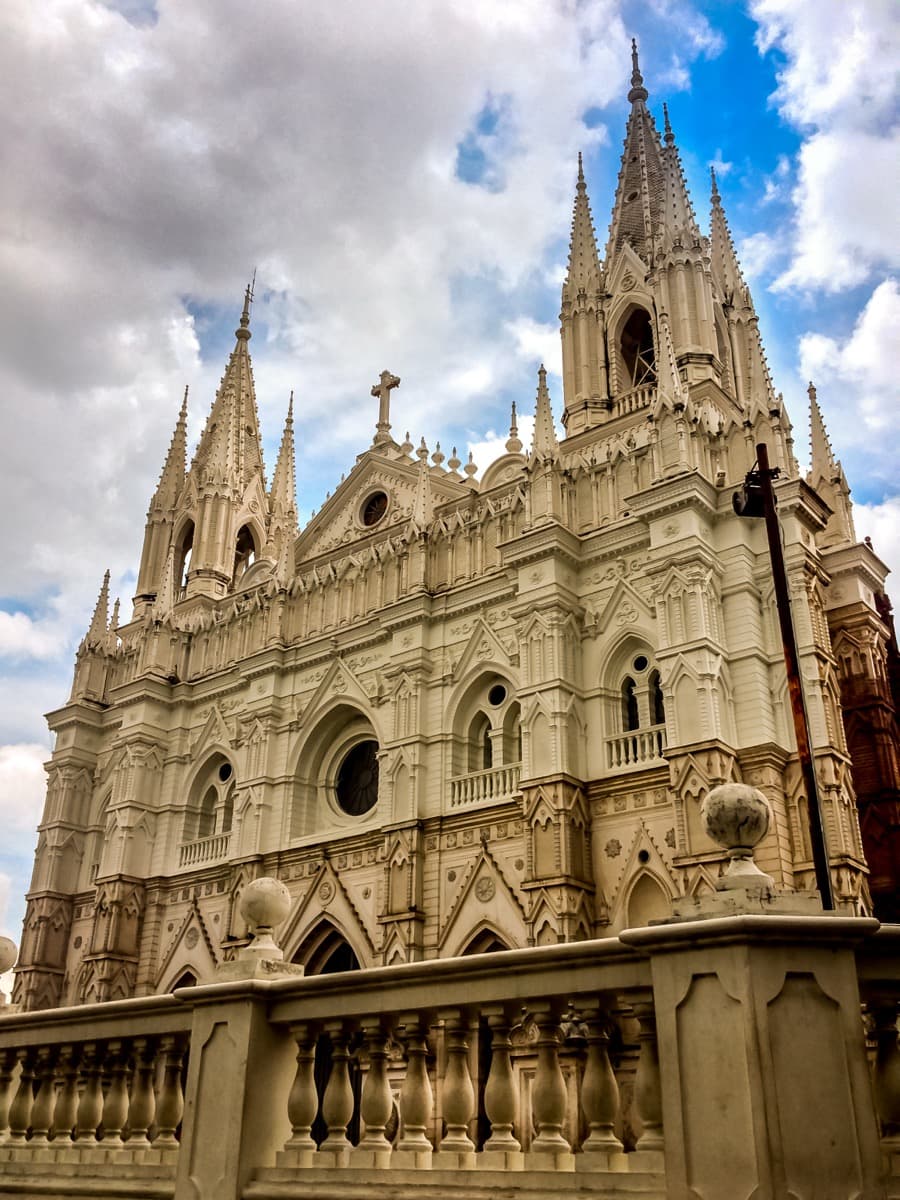
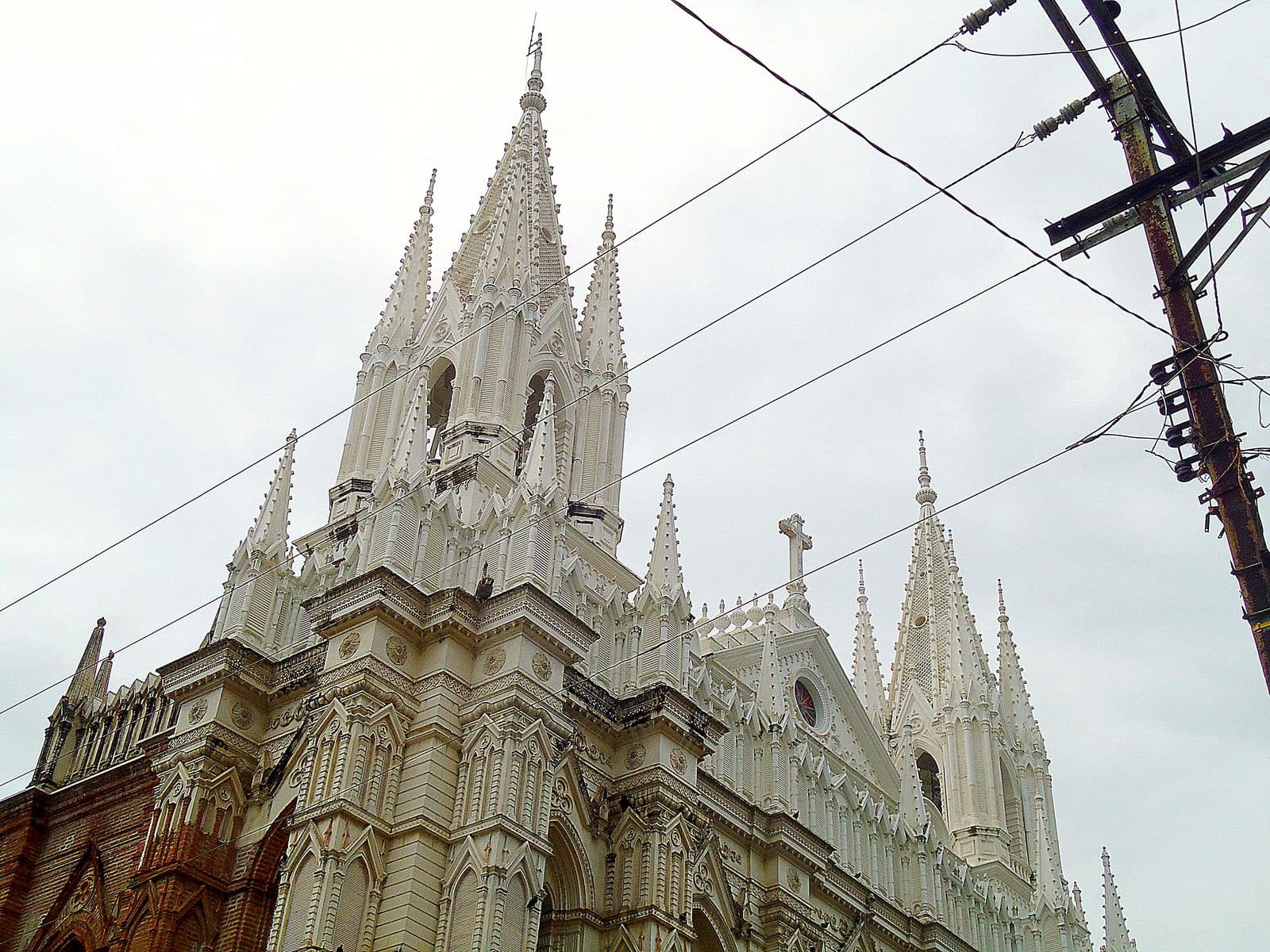
The Catedral de Santa Ana is a neo-Gothic masterpiece, unusual for Central America where Baroque and neoclassical styles dominate. Begun in 1906 and consecrated in 1913, its twin towers, pointed arches, and detailed facade draw from European Gothic traditions. The interior features impressive vaulted ceilings and a main altar that glows with gold leaf.
The Teatro Nacional
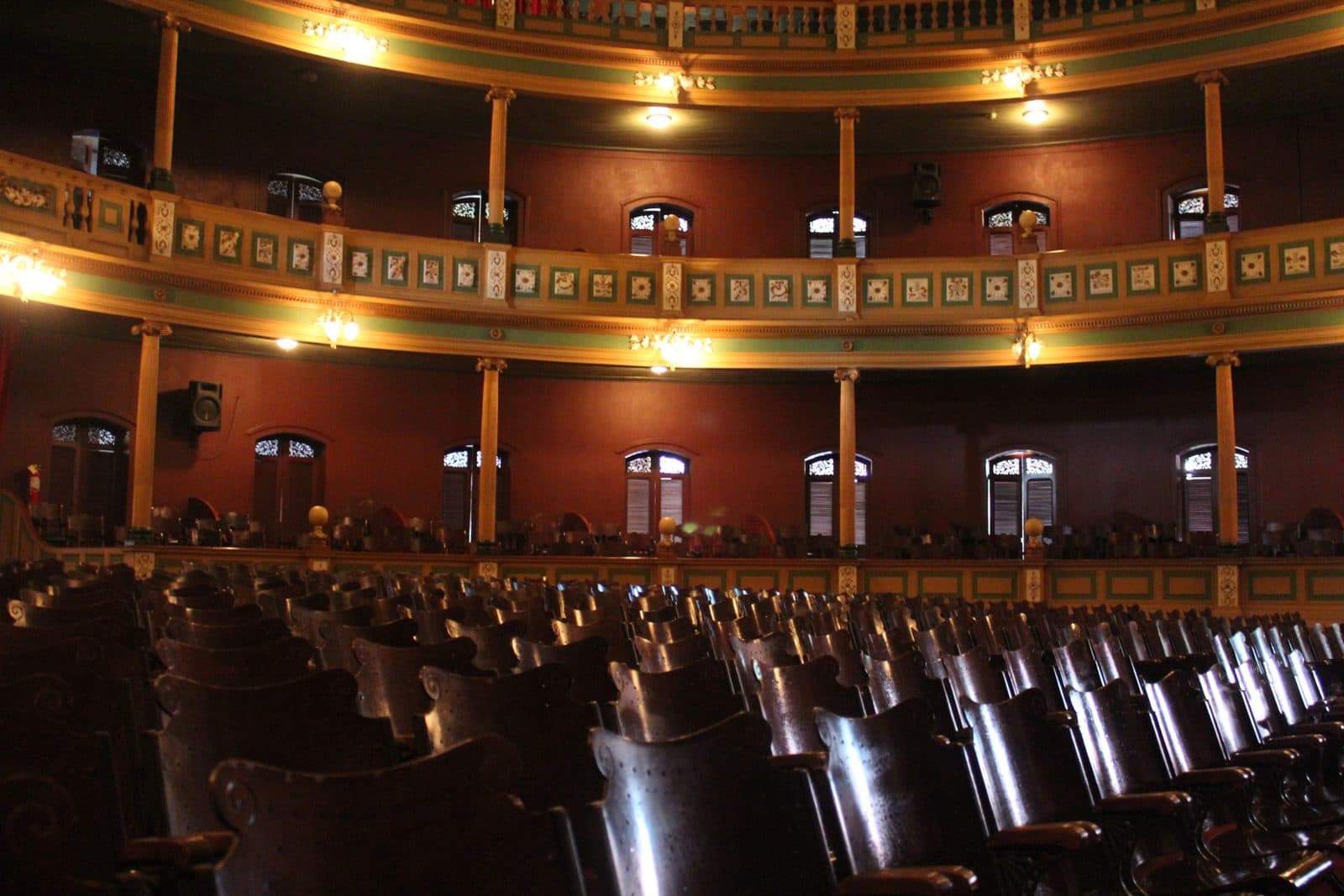
Inaugurated in 1910, Santa Ana's theater is widely considered the finest in Central America. Its Renaissance Revival exterior conceals an intimate, horseshoe-shaped interior decorated with frescoes, gilded moldings, and a painted ceiling depicting cherubs and muses. It remains an active performance venue, and catching a show here is one of the great cultural experiences in El Salvador.
The Palacio Municipal
Completing the trio around the central plaza, the municipal palace is a dignified neoclassical building that houses city government offices. Its columned facade and central clock tower give the plaza a European formality rare in Central American cities of this size.
Beyond the Plaza
The neighborhoods surrounding the center reward slow exploration. Pastel-painted houses with iron balconies line streets that slope gently toward the surrounding hills. The Mercado Central, a sprawling, loud, and wonderful market, offers the best pupusas in the western highlands and a genuine slice of daily Salvadoran life far from any tourist circuit.
Santa Ana is also the gateway to some of El Salvador's most dramatic natural landscapes. The Santa Ana (Ilamatepec) volcano, the country's highest at 2,381 meters, offers a challenging hike to a vivid turquoise crater lake. The Cerro Verde national park and the crystalline waters of Lago de Coatepeque are both within a short drive.
The Right Pace
Santa Ana is not a city that demands a packed itinerary. Its pleasures are atmospheric: a coffee in the plaza at golden hour, the echo of footsteps in the theater's marble lobby, the shock of color inside the cathedral after the bright highland sun. It is a city best experienced at walking pace, with enough time to sit, look, and let the details accumulate.
For travelers who know only San Salvador, Santa Ana is a revelation. For those who have never visited El Salvador at all, it may be the most persuasive argument for putting the country on your list.
Frequently asked questions
- Why does Santa Ana have such well-preserved colonial architecture?
- Santa Ana's relatively stable economy and fewer catastrophic earthquakes preserved what the coffee elite built.
- What are the main buildings in Santa Ana's historic center?
- Santa Ana's historic center revolves around three buildings that face the central plaza, each exceptional in its own right.
- How tall is the Santa Ana volcano and what is at its summit?
- The Santa Ana (Ilamatepec) volcano is the country's highest at 2,381 meters, and a challenging hike leads to a vivid turquoise crater lake.
Ready to experience it?
Santa Ana: The Coffee-Built Capital
75 min · 1.8 km · easy
More from Santa Ana
Explore more at your own pace.
How to See Santa Ana: A City the Coffee Money Built and the Coffee Money Left
How to See Santa Ana: Coffee, the Fourteen Families, and the Town Built on a Massacre
One Day in Santa Ana, El Salvador: A Walkable Center Itinerary (2026)
Santa Ana Travel Guide: How Many Days, Getting Around, Is It Safe (2026)
What to Eat in Santa Ana, El Salvador: A Food Guide (2026)