El Salvador is one of the smallest coffee-producing countries in the world, and yet its beans consistently rank among the most prized at international auctions. The western highlands around Santa Ana sit at the heart of this story. It is a region where volcanic soil, precise altitude, and over 150 years of cultivation knowledge converge in the cup.
Why Salvadoran Coffee Stands Out
The Bourbon Legacy
While most Central American countries have diversified into modern hybrid varieties, El Salvador remains one of the last strongholds of Bourbon coffee, an heirloom Arabica variety known for its sweet, complex flavor profile. Bourbon plants produce less fruit than modern hybrids, but what they produce is extraordinary: notes of caramel, stone fruit, and chocolate with a silky body.
El Salvador's coffee farmers chose to preserve Bourbon because the variety thrives in their specific conditions. It was an economic risk, since lower yields mean less income per hectare, but the quality premium has vindicated the decision.
The Volcanic Advantage
The Santa Ana (Ilamatepec) volcano and its neighbors create ideal growing conditions. Volcanic soil is rich in minerals such as phosphorus, potassium, and calcium that feed the coffee plant and contribute to flavor complexity. The altitude (1,200 to 1,800 meters) slows the maturation of the coffee cherry, allowing sugars to develop more fully. Cool nights and warm days create a temperature differential that stresses the plant just enough to concentrate flavors in the bean.
The Coffee Regions
Hear a stop from this walk
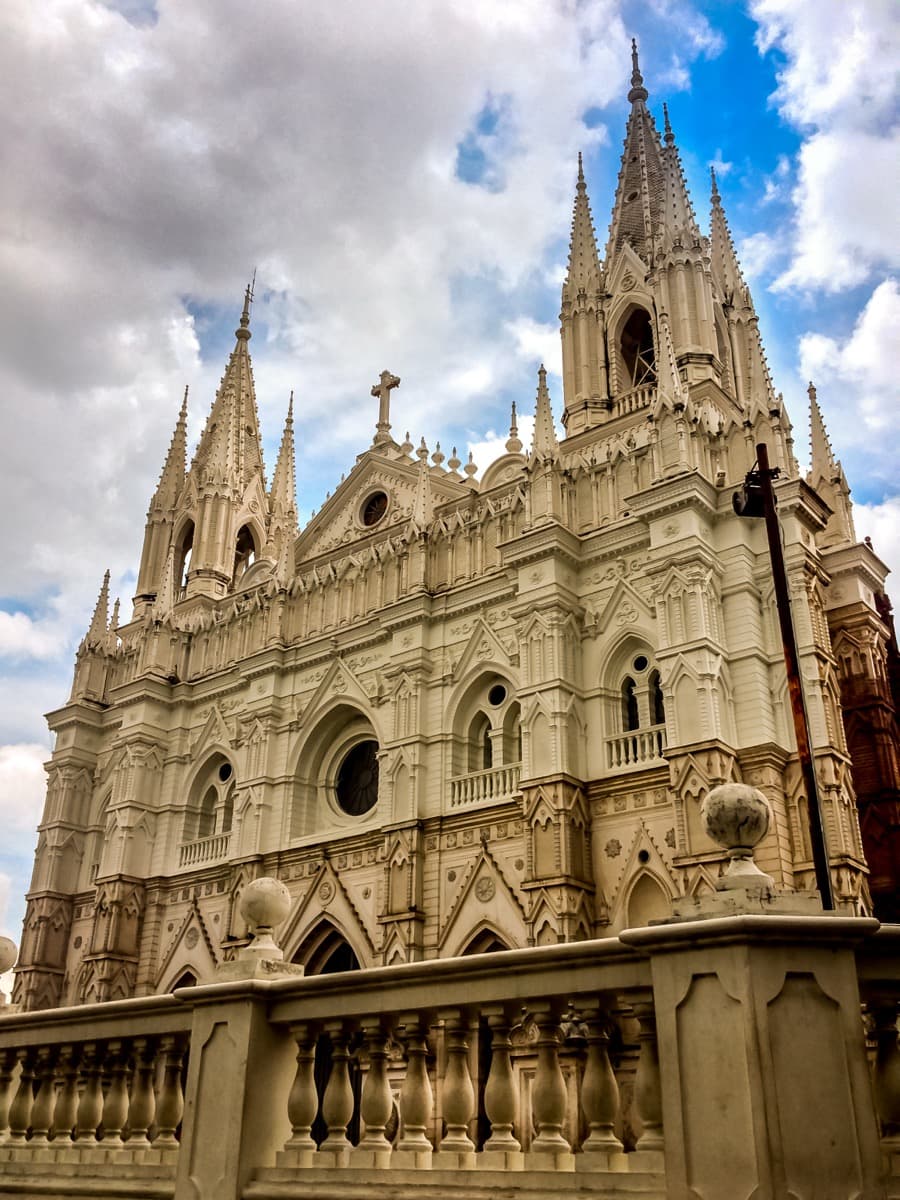
Iglesia El Carmen
Apaneca-Ilamatepec
This is El Salvador's most celebrated coffee zone, stretching along the volcanic cordillera west of Santa Ana. The town of Apaneca, at 1,450 meters, is the unofficial capital of Salvadoran specialty coffee. Small fincas dot the slopes, many family-owned for four or five generations.
The Ruta de las Flores, a scenic route connecting Apaneca, Juayúa, Ataco, and other highland towns, passes through the heart of this region. Weekend food festivals in Juayúa and artisan markets in Ataco attract visitors, but the real draw is the landscape: rolling green slopes covered in shade-grown coffee, punctuated by flowering trees that give the route its name.
El Bálsamo and Quetzaltepec
Closer to San Salvador, these smaller regions produce excellent coffee at slightly lower altitudes. The microclimate variations between volcanic slopes create distinct flavor profiles from farm to farm. Coffee professionals call this phenomenon terroir, borrowing the term from wine.
Coffee Culture in Santa Ana
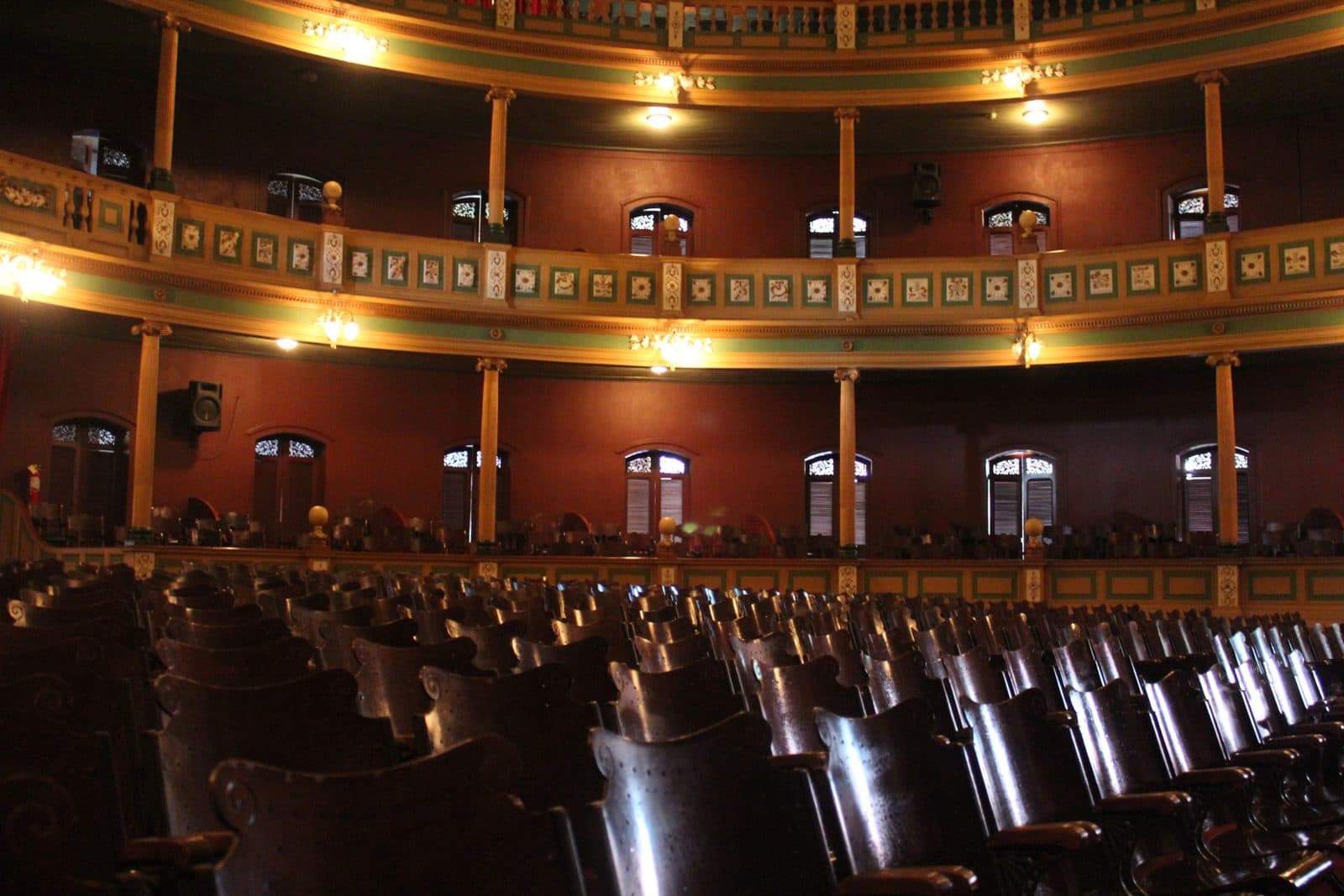
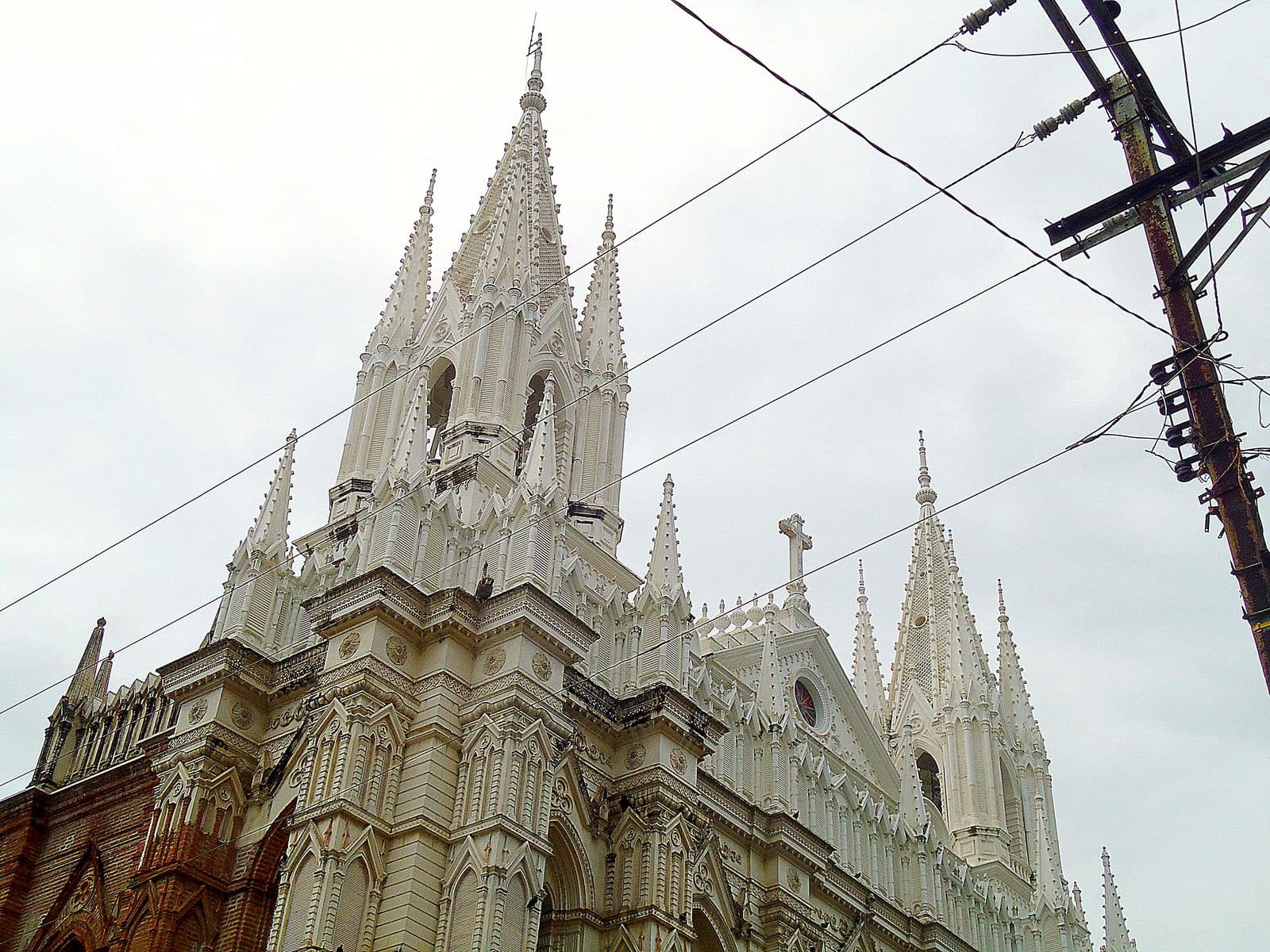
Santa Ana's relationship with coffee is not just agricultural. It is architectural, social, and emotional. The city's grand buildings, from the Teatro Nacional to the cathedral to the colonial homes, were built with coffee money. The social hierarchies, the political dynamics, even the layout of the city reflect the industry that created it.
Today, a new generation of Salvadoran coffee professionals is reclaiming the narrative. For decades, El Salvador exported its best beans and drank instant coffee domestically. That has changed dramatically. Specialty coffee shops have opened across Santa Ana and San Salvador, staffed by trained baristas who cup, source, and roast with the same rigor as their counterparts in Portland or Melbourne.
Where to Drink
In Santa Ana: Look for specialty cafes near the central plaza that source directly from nearby fincas. Ask for a pour-over or Chemex of a single-origin Bourbon. The preparation method lets the bean's natural sweetness and complexity shine.
On the Ruta de las Flores: Several fincas offer tours and tastings. These are not theme-park experiences. They are working farms where you can see the full process from cherry to cup and taste the difference that altitude, variety, and processing make.
In the market: For the traditional Salvadoran coffee experience, order a café de olla at any market stall or comedor. Brewed in a clay pot with cinnamon and piloncillo (raw cane sugar), it is worlds away from specialty coffee, and perfectly delicious in its own right.
The Bigger Picture
Salvadoran coffee faces real challenges. Climate change is shifting viable growing zones upward. Labor shortages make harvest increasingly difficult. The global commodity market punishes small producers who cannot compete on volume.
But the quality movement offers a path forward. As international buyers and consumers increasingly value traceability, sustainability, and flavor complexity, El Salvador's small-scale, heirloom-variety approach becomes an asset rather than a limitation. Every cup of Salvadoran Bourbon you drink is a small vote for that future.
Frequently asked questions
- Why is Salvadoran coffee from around Santa Ana so prized?
- El Salvador remains one of the last strongholds of Bourbon coffee, an heirloom Arabica variety known for its sweet, complex flavor profile.
- What is the Apaneca-Ilamatepec coffee region?
- It is El Salvador's most celebrated coffee zone, stretching along the volcanic cordillera west of Santa Ana. The town of Apaneca, at 1,450 meters, is the unofficial capital of Salvadoran specialty coffee.
- What is the Ruta de las Flores?
- The Ruta de las Flores is a scenic route connecting Apaneca, Juayua, Ataco, and other highland towns that passes through the heart of the coffee region.
Ready to experience it?
Santa Ana: The Coffee-Built Capital
75 min · 1.8 km · easy
More from Santa Ana
Explore more at your own pace.
How to See Santa Ana: A City the Coffee Money Built and the Coffee Money Left
How to See Santa Ana: Coffee, the Fourteen Families, and the Town Built on a Massacre
One Day in Santa Ana, El Salvador: A Walkable Center Itinerary (2026)
Santa Ana Travel Guide: How Many Days, Getting Around, Is It Safe (2026)
What to Eat in Santa Ana, El Salvador: A Food Guide (2026)