Sixth Avenue was dying. By the early 2000s, Guatemala City's once-grand commercial corridor had become a gridlocked mess of buses, cars, and exhaust fumes. The elegant art deco buildings that lined its blocks were obscured by tangled electrical wires and oversized signage. Pedestrians squeezed along narrow sidewalks, dodging vendors and traffic. Businesses were leaving for the suburbs. The historic center was bleeding out.
Then, beginning in 2009 and completed in 2010, the city did something radical: it kicked the cars out.
A Street Reclaimed
The pedestrianization of Sexta Avenida, rechristened Paseo de la Sexta, was Guatemala City's boldest urban experiment. Blocks of Sixth Avenue, from Parque Central south toward 18th Street, were permanently closed to vehicle traffic and rebuilt as a pedestrian promenade. New paving, street lighting, benches, planters, and public art replaced asphalt and parking lanes.
It joined a broader wave of Latin American pedestrianizations that produced streets like Bogota's Carrera Septima and Buenos Aires' Calle Florida, adapted for Guatemala City's particular challenges. Skeptics predicted economic collapse for avenue businesses. Supporters argued that foot traffic, not car traffic, drives commerce.
The supporters were largely right. Paseo de la Sexta is now among the most transited streets in the country, drawing large daily crowds. Street performers, food vendors, and small businesses have flourished. Buildings that were scheduled for demolition found new life as restaurants, galleries, and shops. The promenade became a gathering space for families, protesters, street artists, and everyone in between.
What You'll See: Block by Block
Hear a stop from this walk
Mercado Central: The Invisible Economy
Walking Paseo de la Sexta from north to south, the direction our Guatemala City Historic Center Tour follows, unfolds as a progression from colonial grandeur to art deco elegance to commercial bustle.
Parque Central to 8th Street: The Civic Core
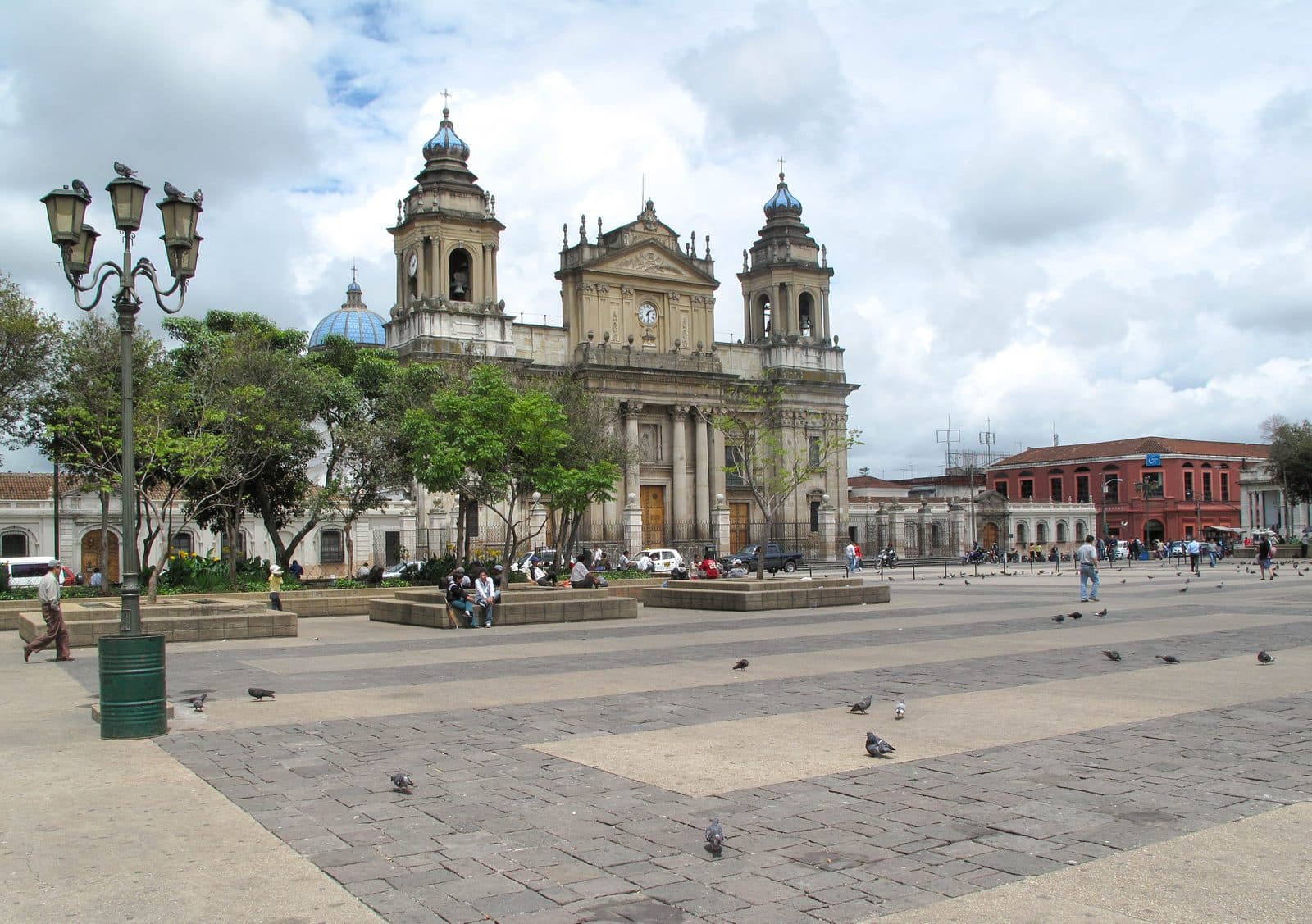
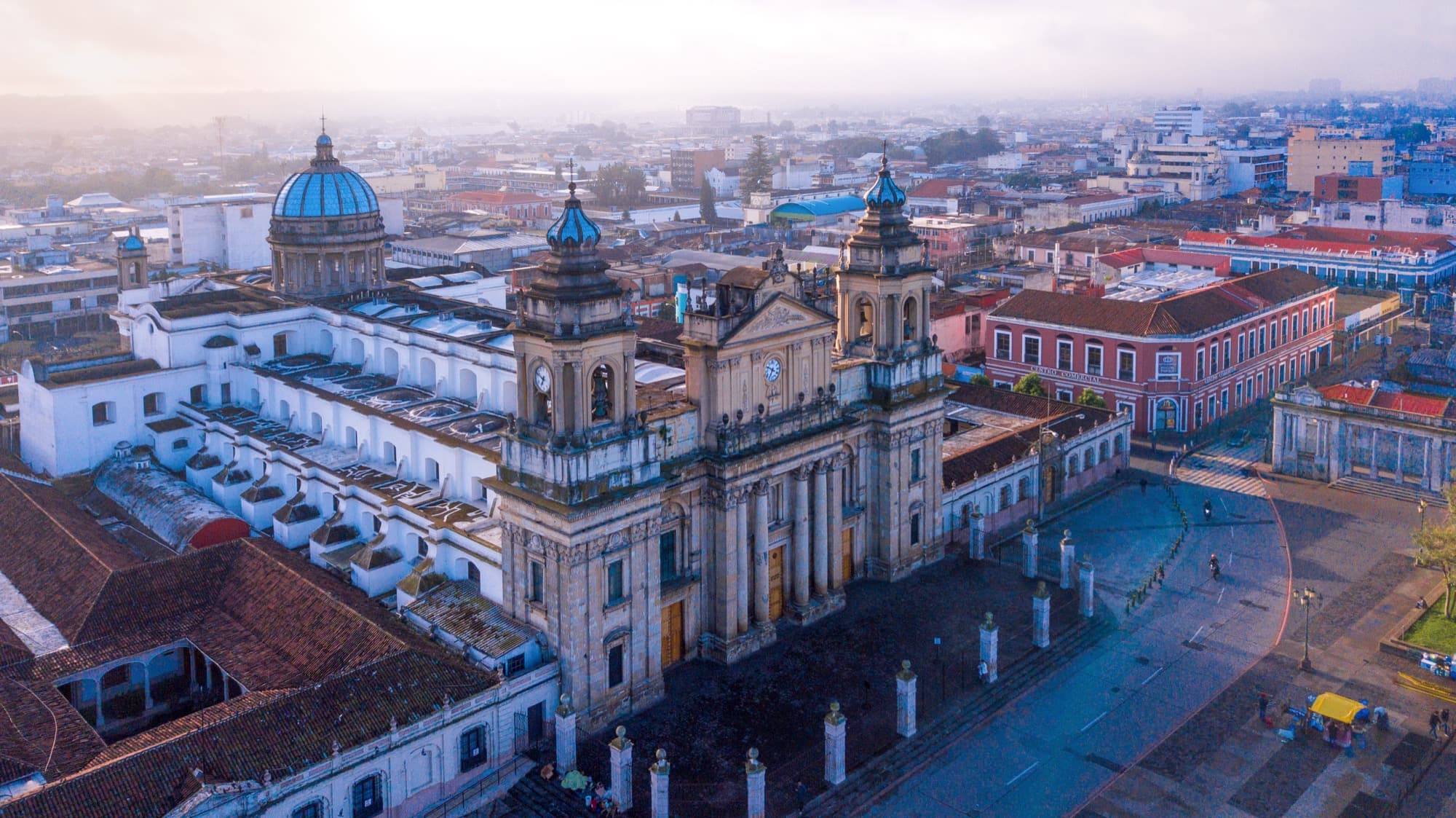
The promenade begins at Parque Central, the ceremonial heart of the city since its founding in 1776. The Metropolitan Cathedral's neoclassical facade anchors the eastern view. Nearby stands the Portal del Comercio, a colonnaded arcade that has sheltered merchants and shoppers for generations. The ground floors house small shops selling everything from religious items to cell phone accessories. Above them, look for ornate cornices and iron balconies that hint at the avenue's former elegance.
8th to 12th Street: The Art Deco District
This stretch contains Paseo de la Sexta's architectural treasures. Several buildings from the 1920s and 1930s display the geometric ornamentation, stepped facades, and stylized lettering characteristic of art deco. The style arrived in Guatemala City during a period of modernization and relative prosperity, and Sixth Avenue became its showcase.
Look for the former cinema facades. Guatemala City once had a thriving movie theater culture along Sixth Avenue, with ornate lobbies and marquees. Most have been converted to other uses, but their facades remain, frozen in mid-century glamour. The Lux and Capitol theaters are particularly notable for their preserved decorative elements.
12th to 18th Street: The Commercial Corridor
The southern stretch is the most commercially active, with clothing stores, electronics shops, and food vendors creating a dense, energetic atmosphere. The architecture here is more mixed: some colonial remnants, some mid-century modern, some generic commercial construction. But the street life is intense and authentic: families shopping, teenagers gathering, evangelical preachers sermonizing, marimba players performing for tips.
The Sounds of the Paseo
One of the unexpected pleasures of walking Paseo de la Sexta is its soundscape. Without traffic noise, the human sounds of the city emerge clearly.
Marimba, Guatemala's national instrument, is played by small ensembles who set up at various points along the promenade. The instrument's wooden resonance carries well in the open air, creating pockets of music that drift across the avenue. Other performers include solo guitarists, break dancers, mime artists, and occasionally full brass bands.
Vendors call out their wares in distinctive rhythmic patterns: "helados, helados" for ice cream, "lustrar zapatos" for shoe shines. These calls haven't changed much in decades and give the street an acoustic texture that feels rooted in time.
The Food
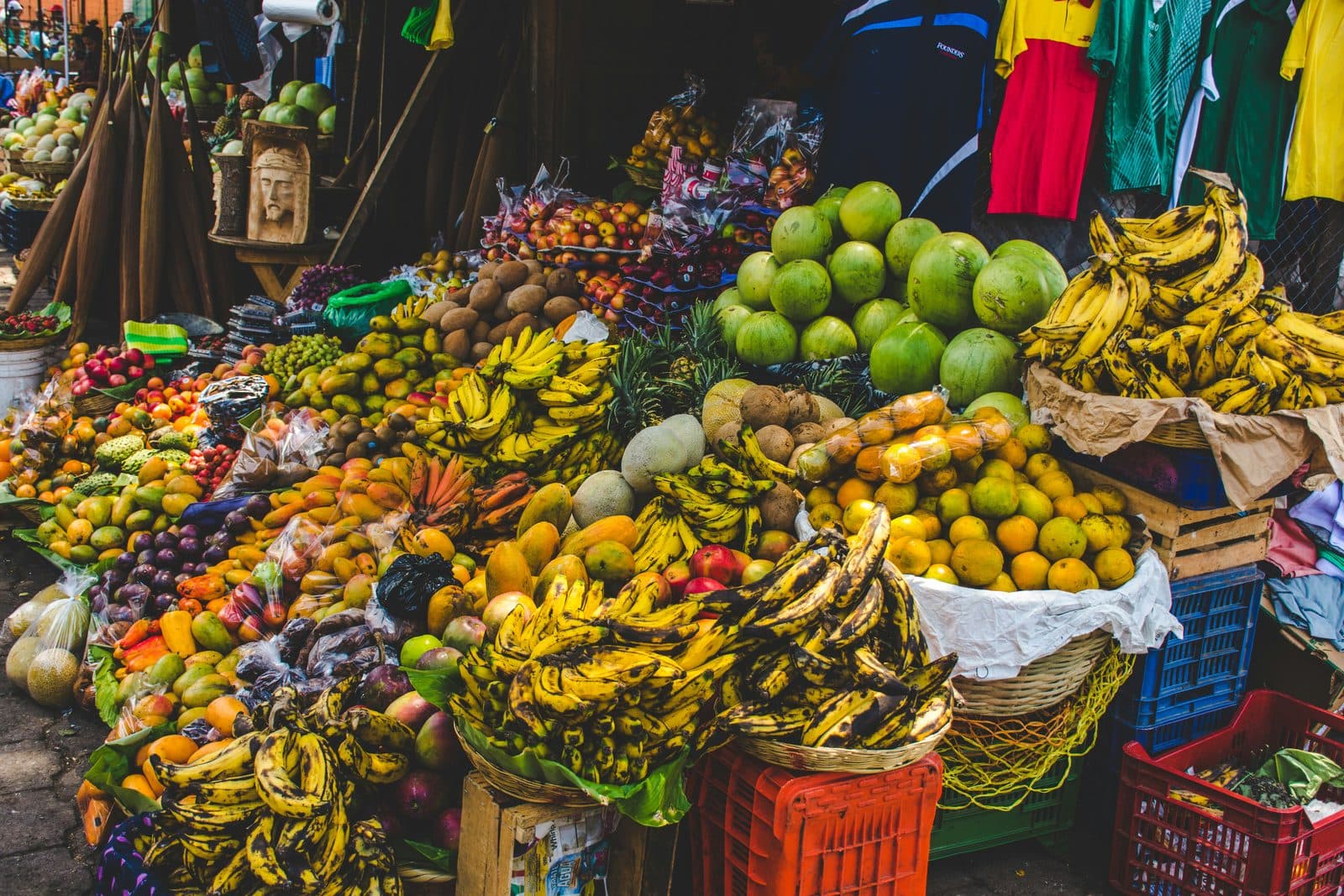
Paseo de la Sexta is a grazing paradise. Walk slowly and you'll encounter:
- Tostadas: crispy tortillas piled with guacamole, salsa, and shredded chicken, sold from glass-fronted carts
- Atol de elote: warm, sweet corn drink served in plastic bags with straws
- Granizadas: shaved ice with fruit syrups, perfect for afternoon heat
- Rellenitos: fried plantain balls stuffed with sweetened black beans, sold from trays
- Churros: fried dough sticks, often filled with cajeta (caramel) or chocolate
The comedores (small restaurants) along side streets off the promenade serve full meals for Q25-40 ($3-5 USD). Look for the ones packed with office workers at lunch. They're serving the best food at the fairest prices.
What the Revival Means
Paseo de la Sexta isn't just urban planning. It represents a philosophical shift in how Guatemala City sees itself. For decades, the capital's wealthier residents and businesses migrated south and west to Zones 10, 14, and 15, leaving the historic center to decay. The pedestrianization was a statement that the center still matters, that public space belongs to everyone, and that a city's oldest neighborhood can be its most vital.
The project has its critics. Some argue it merely displaced problems like street crime, informal commerce, and homelessness rather than solving them. Others point out that the renovation hasn't extended to residential buildings on the avenue, many of which remain in poor condition above street level. The gleaming promenade and the crumbling upper floors create a visible contrast between public investment and private neglect.
These tensions are part of what makes walking the Paseo interesting. It's not a sanitized tourist zone. It's a working public space where Guatemala City's complexities (wealth and poverty, preservation and decay, ambition and reality) play out in real time.
Practical Tips for Walking the Paseo
- Best time: Weekday mornings (9-11am) for architecture appreciation with fewer crowds. Saturday afternoons for maximum street life and performances.
- Photography: The art deco facades photograph best in morning light, when the sun hits the eastern side of the avenue. Shoot upward to capture architectural details above the visual noise of street-level signage.
- Safety: The promenade itself is well-patrolled and busy during daylight hours. Stay on the main avenue rather than venturing down side streets alone. Keep valuables secure but accessible, since you'll want your phone for photos.
- Duration: A leisurely walk from Parque Central to 18th Street takes 30-45 minutes. Add time for food stops, photography, and ducking into shops.
The Guatemala City Historic Center Tour includes Paseo de la Sexta as a key segment, providing audio commentary on the architecture, history, and ongoing transformation of each block. It's the difference between walking past a building and understanding why it's there.
Ready to experience it?
Historic Center: Who Rebuilt This City
75 min · 2.33 km · easy
More from Guatemala City
Explore more at your own pace.
Best Self-Guided Walking Tours in Guatemala City (2026)
Guatemala City Travel Guide: How Many Days, Getting Around, Is It Safe (2026)
One Day in Guatemala City: A Walkable Itinerary (2026)
Best History Walking Tours in Guatemala City (2026)
What to Eat in Guatemala City: A Food Guide (2026)