Guatemala City has a reputation problem. Search for it online and you'll find travel forums dominated by warnings: don't go, skip it, take the shuttle straight to Antigua. The capital of Central America's most populous country gets reduced to a transit hub, a place to endure between the airport and wherever you actually want to be.
This is a mistake. Not because Guatemala City is paradise. It's gritty, chaotic, and unapologetically urban. But it's also the cultural engine of the country, home to world-class museums, a thriving street art scene, ambitious public space projects, and food that represents every region of Guatemala concentrated into a few walkable zones.
The Zones You Need to Know
Guatemala City is divided into 22 numbered zones that spiral outward from the historic center. Not all are created equal, and knowing which zones to explore makes the difference between a great experience and a stressful one.
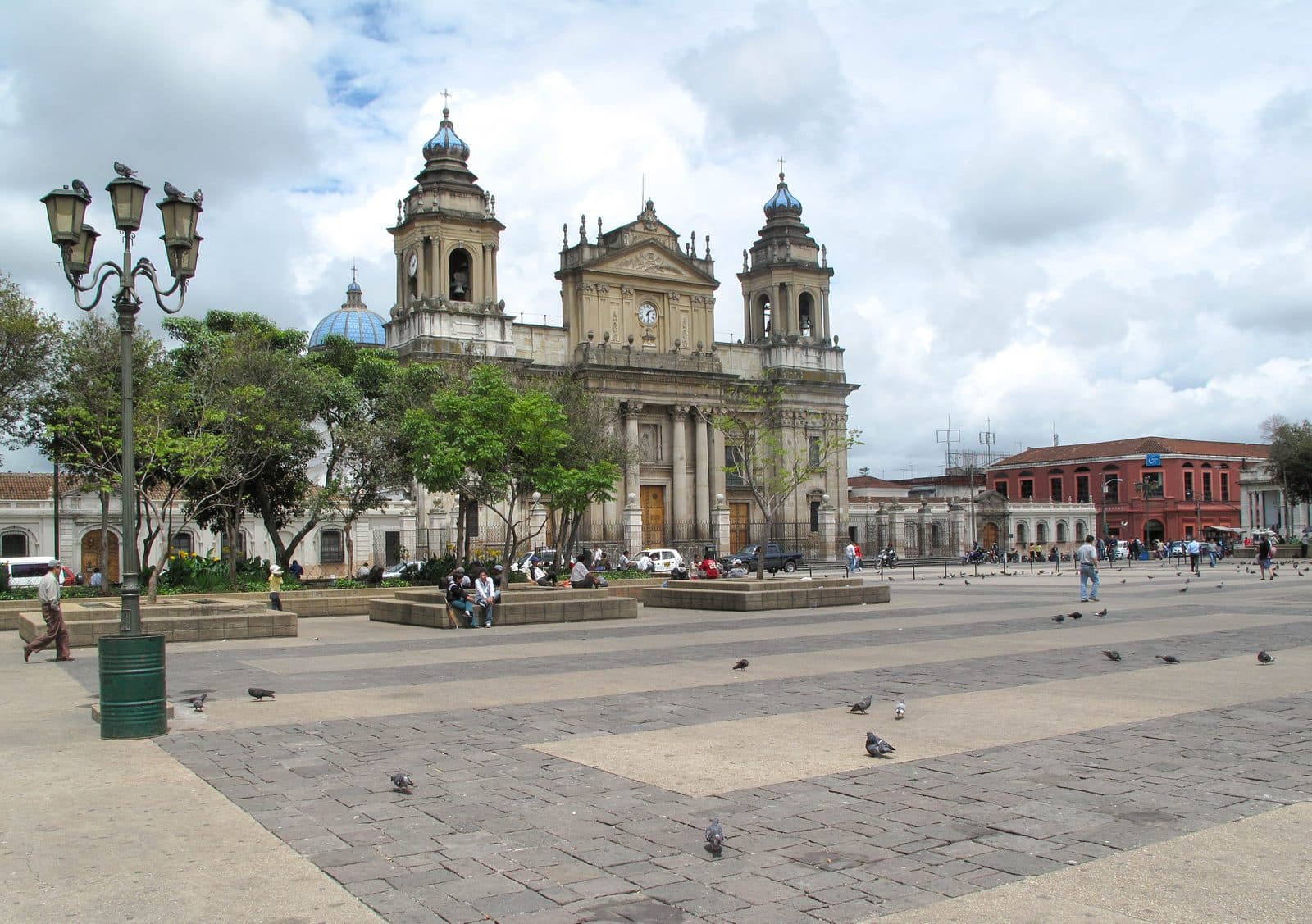
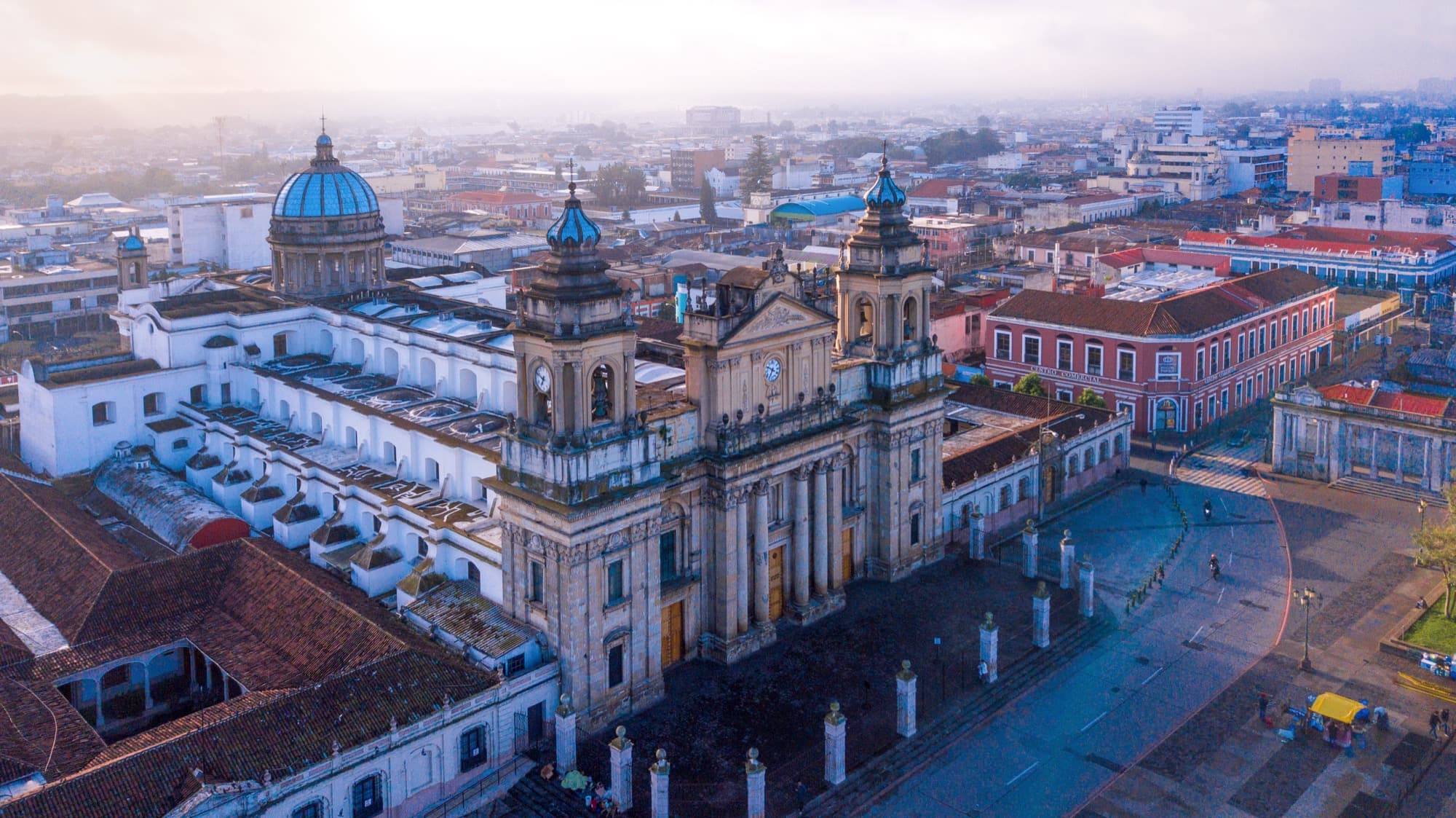
Zone 1 (Centro Historico): The colonial heart. This is where you'll find the National Palace, Metropolitan Cathedral, Paseo de la Sexta (a pedestrianized shopping street), and the Mercado Central. It's gritty but fascinating, with ongoing restoration projects transforming neglected blocks into cultural spaces. Daytime walking here is straightforward. Our Historic Center Tour covers the essential landmarks.
Zone 4 (Cuatro Grados Norte): Guatemala City's hipster district. Converted warehouses house galleries, restaurants, bars, and coworking spaces. Street art covers nearly every surface. It's walkable, young, and safe during the day and evening. Our Historic Center Tour covers the nearby colonial core.
Zone 10 (Zona Viva): The upscale commercial district. International restaurants, shopping malls, luxury hotels, and the Ixchel Museum of Indigenous Textiles. It feels like a different country from Zone 1: manicured, modern, corporate. Worth visiting for the museums.
Zone 13 (La Aurora): Home to the airport and, more importantly, several excellent museums clustered in La Aurora Park: the National Museum of Archaeology and Ethnology, the Museum of Modern Art, and the Natural History Museum. All within walking distance of each other.
What to Actually Do
Hear a stop from this walk
Mercado Central: The Invisible Economy
Start at Parque Central. The main plaza anchors Zone 1 and provides orientation. The Metropolitan Cathedral (built 1782-1815 after the capital moved from Antigua) dominates the east side. The National Palace of Culture, a green-painted behemoth from the 1940s, fills the north. The flag ceremony happens here daily, and the plaza buzzes with shoe shiners, food vendors, and families.
Walk Paseo de la Sexta. Sixth Avenue was pedestrianized in 2010, transforming a congested commercial street into a promenade lined with restored art deco buildings, street performers, and affordable shopping. It runs from Parque Central south to 18th Street. The architecture alone is worth the walk. Look up to see ornate facades that most pedestrians ignore.
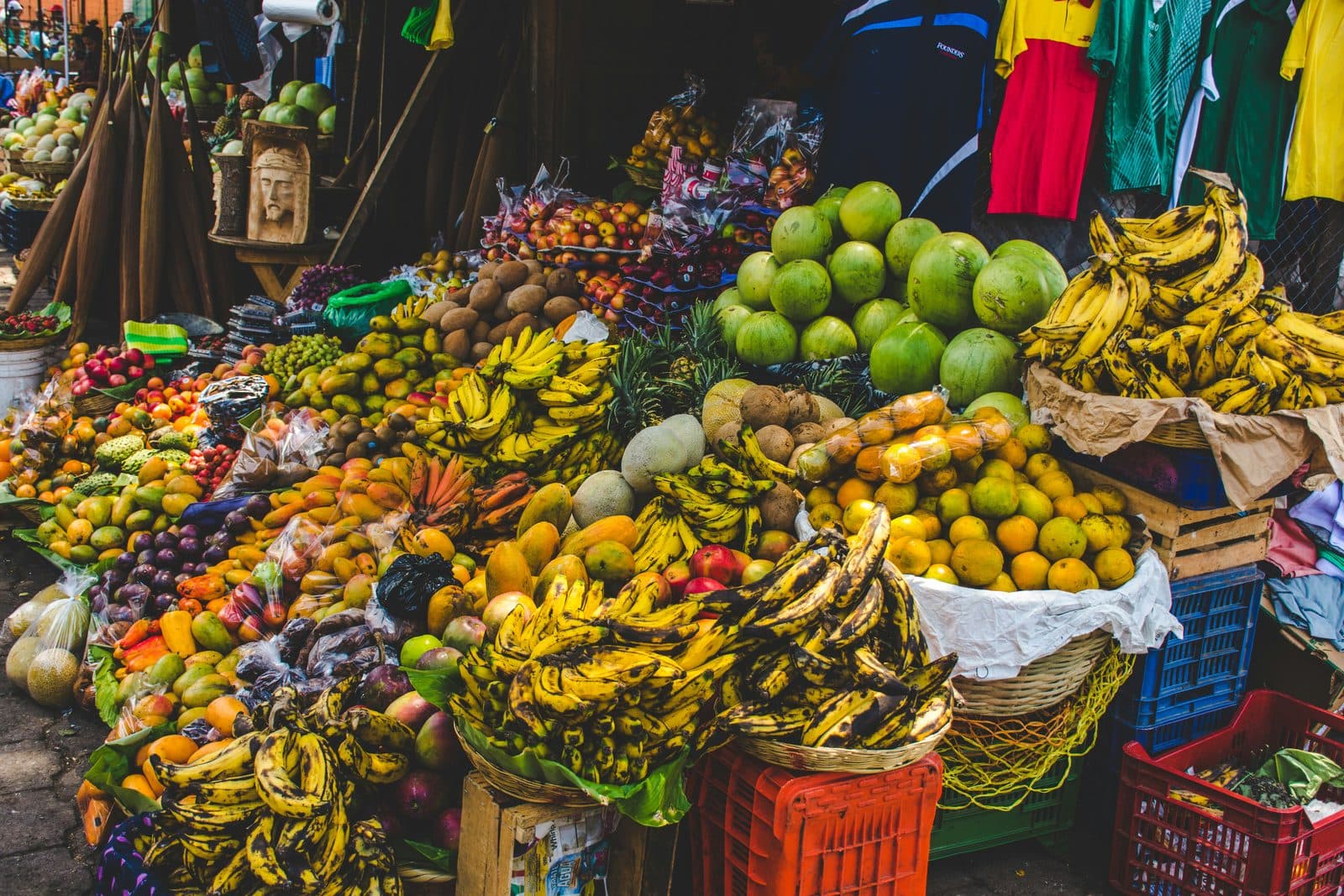
Visit Mercado Central. Below Parque Central (literally underground), this market specializes in handicrafts, textiles, and leather goods. It's more curated than highland markets and prices are fixed, making it lower-pressure for first-time visitors. The food stalls on the upper level serve excellent, affordable Guatemalan dishes.
Explore Zone 4's street art. The Cuatro Grados Norte area transformed from an industrial zone into a cultural corridor starting around 2010. Murals by Guatemalan and international artists cover entire building facades. The subject matter ranges from Maya mythology to political commentary to pure abstraction. Walking these blocks is like visiting an open-air gallery.
See the Ixchel Museum. Located in Zone 10 on the campus of Universidad Francisco Marroquin, this museum houses the country's most important collection of Maya textiles. The exhibits explain weaving techniques, pattern meanings, and regional variations with a depth that transforms how you see textiles for the rest of your trip.
Eating in the Capital
Guatemala City concentrates the country's regional cuisines in one place. A partial list of what to try:
- Jocon: a green sauce of tomatillos and cilantro over chicken, a specialty of the Kaqchikel highlands
- Kak'ik: a turkey soup with red chili, from the Q'eqchi' Maya region of Alta Verapaz
- Shucos: Guatemala's answer to the hot dog: a grilled sausage in a toasted bun with guacamole, cabbage, mustard, and mayonnaise. Shucos stands appear citywide at night.
- Platanos en mole: fried plantains in chocolate-chile sauce, a dish with pre-Columbian roots
Zone 1's comedores serve the cheapest lunches. Zone 4 has the most creative restaurants. Zone 10 has international options for when you need a break from tortillas.
Safety: Practical, Not Paranoid
Yes, Guatemala City has high crime rates. No, that doesn't mean you can't visit safely. The distinction that matters is between targeted crime, which affects residents more than tourists, and opportunistic crime, which affects anyone not paying attention.
Do: Stay aware of your surroundings. Keep valuables hidden. Use Uber instead of street taxis. Stick to recommended zones during the day. Ask your hotel about current conditions in specific areas.
Don't: Walk alone after dark outside Zone 10. Flash expensive electronics. Wander into unfamiliar neighborhoods without guidance. Ignore local advice.
The zones mentioned above (1 by daytime, 4, 10, 13) are well-patrolled and accustomed to visitors. The historic center has police presence throughout and active foot traffic during business hours.
Why It Matters
Skipping Guatemala City means missing the country's most dynamic cultural space. It's where Maya and mestizo and immigrant communities converge, where traditional markets operate next to contemporary art galleries, where colonial architecture meets brutalist government buildings meets glittering modern towers. The contradictions are the point.
Antigua is beautiful and easy. Guatemala City is complicated and real. Both are Guatemala. Experiencing only one gives you half the picture.
Give the capital a full day, two if you're interested in museums and food. Walk the historic center with context (our walking tours help). Eat at a comedor. Look at the street art. Then decide for yourself whether the headlines told the whole story.
Frequently asked questions
- Which zones of Guatemala City should visitors explore?
- The zones recommended for visitors are Zone 1 (the historic center, by day), Zone 4, Zone 10, and Zone 13. These zones are well-patrolled and accustomed to visitors.
- Is Guatemala City safe to visit?
- Guatemala City has high crime rates, but that doesn't mean you can't visit safely. The key is distinguishing targeted crime, which affects residents more than tourists, from opportunistic crime, so stay aware, keep valuables hidden, and stick to recommended zones during the day.
- What is there to do in Guatemala City's historic center?
- Zone 1, the Centro Historico, is home to the National Palace, Metropolitan Cathedral, the pedestrianized Paseo de la Sexta shopping street, and the Mercado Central.
Ready to experience it?
Historic Center: Who Rebuilt This City
75 min · 2.33 km · easy
More from Guatemala City
Explore more at your own pace.
Best Self-Guided Walking Tours in Guatemala City (2026)
Guatemala City Travel Guide: How Many Days, Getting Around, Is It Safe (2026)
One Day in Guatemala City: A Walkable Itinerary (2026)
Best History Walking Tours in Guatemala City (2026)
What to Eat in Guatemala City: A Food Guide (2026)