For decades, El Salvador barely registered on the travel radar. Overshadowed by Guatemala's Maya ruins and Costa Rica's eco-lodges, the smallest country in Central America was known primarily for its troubled past. That story is changing fast.
A Country Rewriting Its Narrative
El Salvador has undergone a remarkable transformation. Security improvements, infrastructure investment, and a growing pride in local culture have opened the doors to a country that rewards the curious traveler with experiences you simply cannot find next door.
What strikes most first-time visitors is the scale. El Salvador is roughly the size of Massachusetts. You can drive from the Pacific coast to a colonial highland town in under two hours. This compactness means a single week can include volcanoes, surf breaks, colonial architecture, indigenous markets, and world-class coffee, without the exhausting transit days that define travel in larger neighbors.
What Makes El Salvador Different
Hear a stop from this walk
Iglesia El Rosario: The Rainbow in Concrete
The People
Salvadorans are famously warm. The country sees far fewer tourists than Guatemala or Costa Rica, which means interactions feel genuine rather than transactional. Ask for directions and you may end up with a lunch invitation.
The Food
Pupusas, thick corn tortillas stuffed with cheese, beans, or chicharrón, are the national obsession, and for good reason. Every town has its own pupusería culture, and debates about the best one are a national sport. Beyond pupusas, look for yuca frita, sopa de pata, and the refreshing horchata de morro, made from jícaro seeds rather than rice.
The Surf
El Salvador's Pacific coast produces some of Central America's most consistent waves. El Tunco and El Zonte draw surfers from around the world, while quieter breaks like Punta Roca offer uncrowded perfection.
The Volcanoes
Twenty-three volcanoes punctuate the landscape. Santa Ana (Ilamatepec) offers a stunning crater lake hike. Izalco, once called the "Lighthouse of the Pacific" for its constant eruptions, now sits dormant and climbable. The volcanic soil feeds the country's legendary coffee crop.
The Cities Worth Exploring
San Salvador is chaotic, energetic, and full of surprises. Its historic center mixes crumbling grandeur with bold modern murals, and landmarks like the surreal Iglesia El Rosario challenge every assumption about what a church can be. The city's food scene is evolving rapidly, with a new generation of chefs drawing on Salvadoran traditions.
Santa Ana, the country's second city, preserves a colonial elegance that San Salvador lost to earthquakes. Its neo-Gothic cathedral and the ornate Teatro de Santa Ana rank among the finest buildings in all of Central America.
Suchitoto, perched above Lake Suchitlán, has reinvented itself as an art town. Cobblestone streets, weekend art markets, and a thriving cultural scene make it feel like a Central American San Miguel de Allende, at a fraction of the price.
The Right Moment
El Salvador is in that sweet spot travelers dream about: developed enough to be comfortable, undiscovered enough to be authentic. The infrastructure is solid, the costs are low, and the crowds have not yet arrived.
Whether you start with the street art and revolutionary history of San Salvador's center or the cobblestone calm of Suchitoto, the best way to discover El Salvador is on foot, at your own pace, with a local story in your ear.
Frequently asked questions
- How big is El Salvador and how easy is it to get around?
- El Salvador is roughly the size of Massachusetts. You can drive from the Pacific coast to a colonial highland town in under two hours.
- What food is El Salvador known for?
- Pupusas, thick corn tortillas stuffed with cheese, beans, or chicharron, are the national obsession, and every town has its own pupuseria culture.
- Is El Salvador good for surfing?
- Yes. El Salvador's Pacific coast produces some of Central America's most consistent waves. El Tunco and El Zonte draw surfers from around the world, while quieter breaks like Punta Roca offer uncrowded perfection.
Ready to experience it?
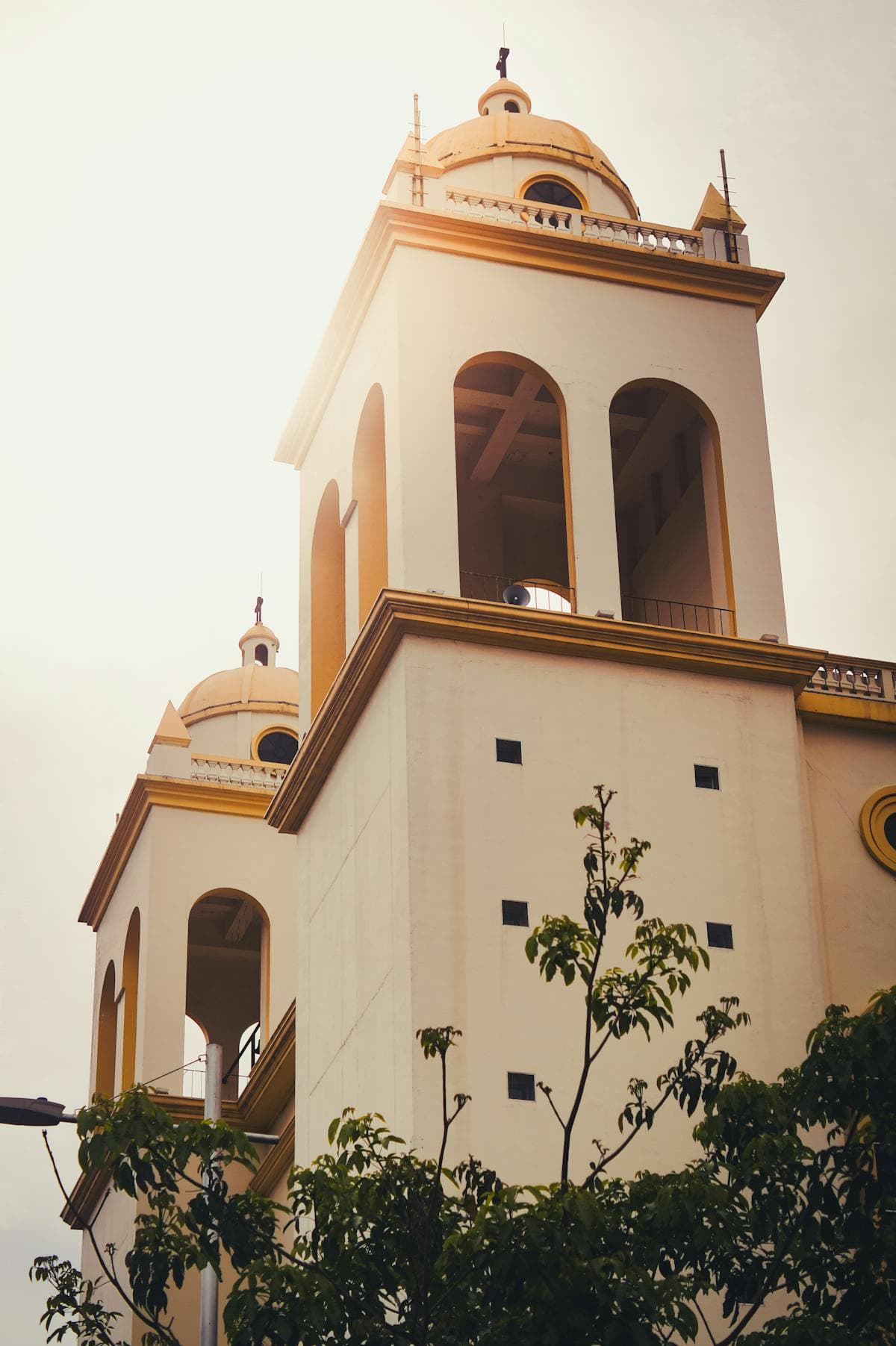
Historic Center: The City That Keeps Coming Back
65 min · 1.1 km · easy
More from San Salvador
Explore more at your own pace.
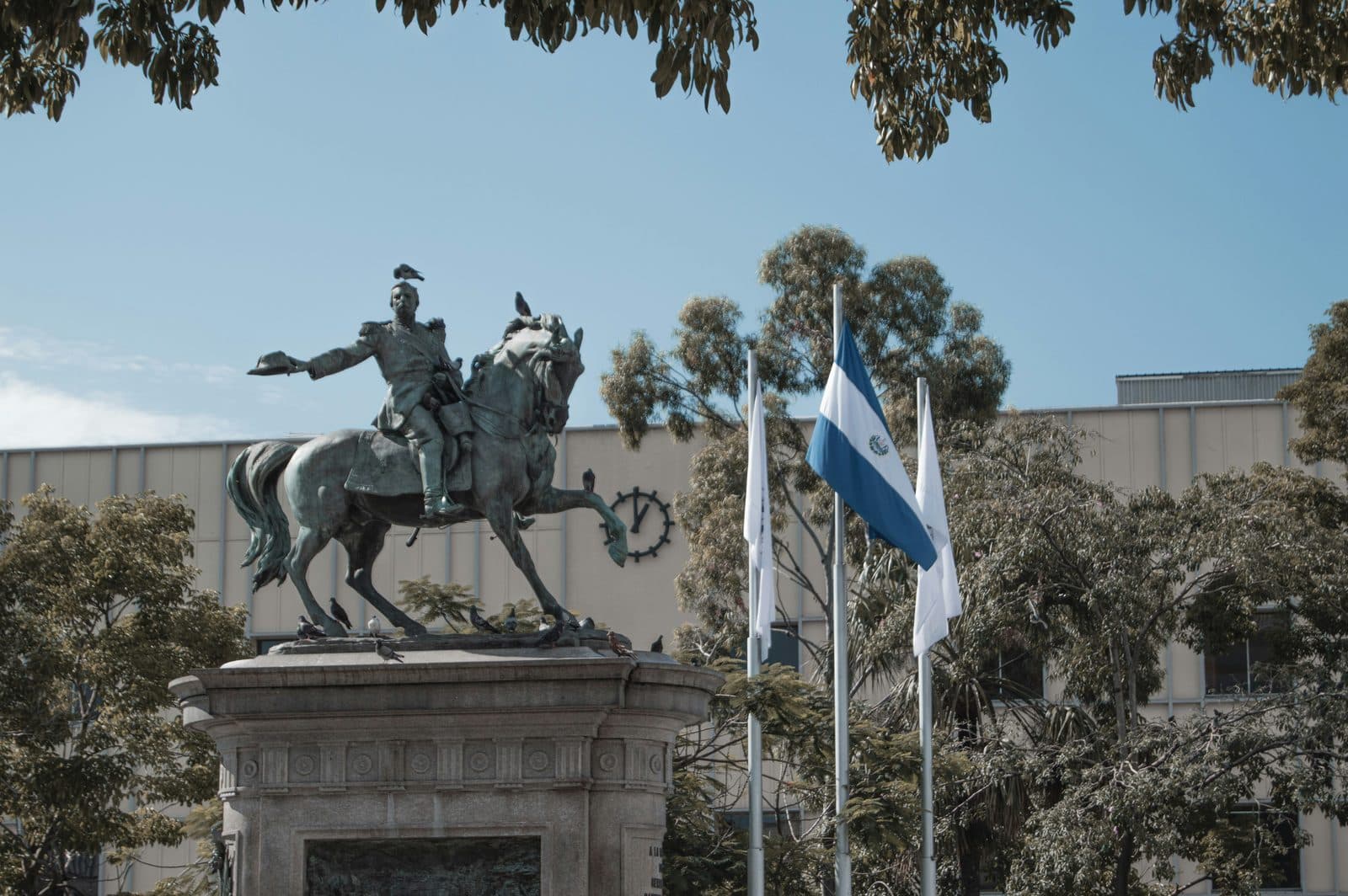
Best Self-Guided Walking Tours in San Salvador (2026)
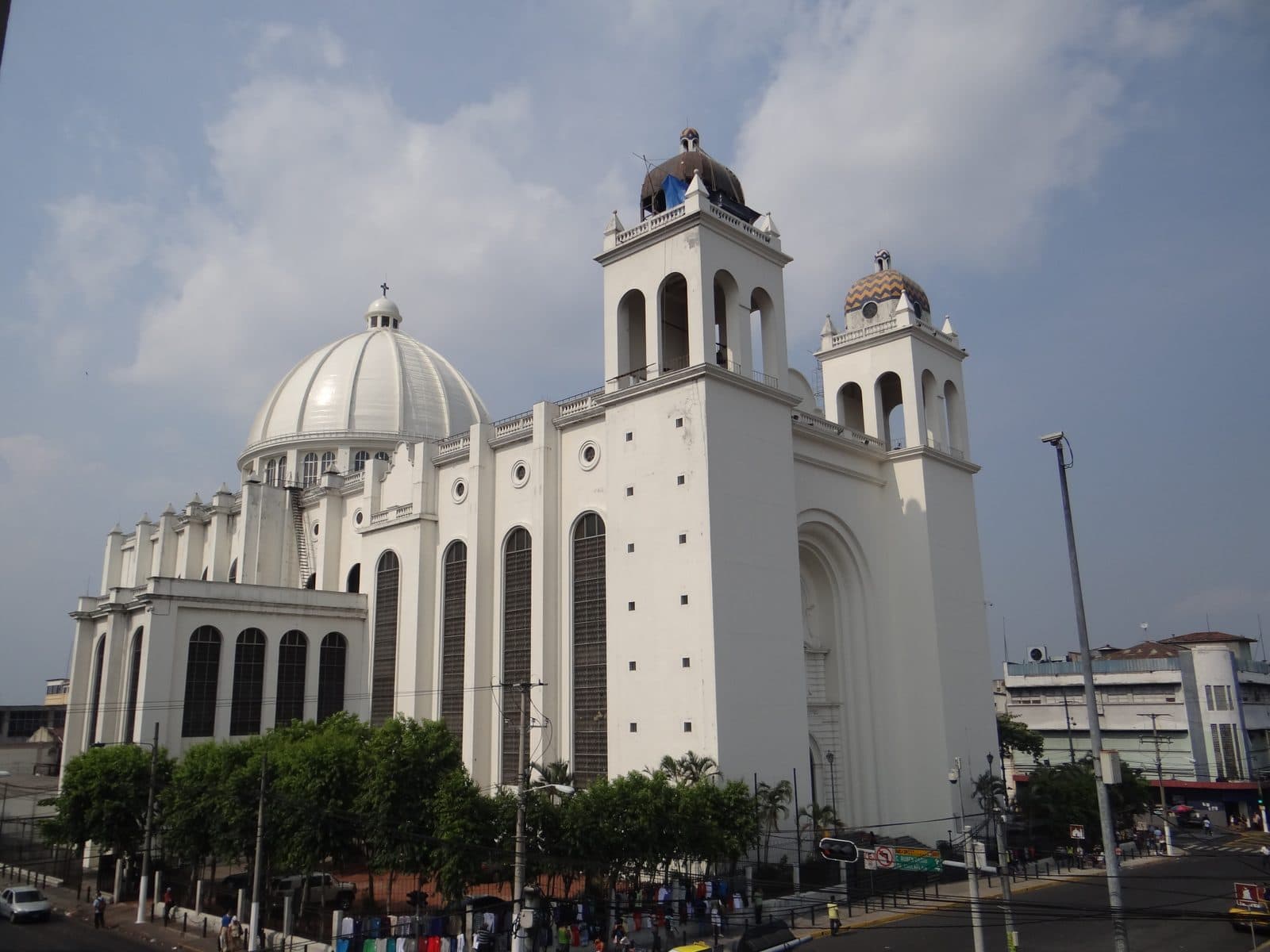
How to See San Salvador: A Capital That Aspired to Be a Capital
One Day in San Salvador: A Walkable Historic-Center Itinerary (2026)
San Salvador Travel Guide: How Many Days, Getting Around, Is It Safe (2026)
Best History Walking Tours in San Salvador (2026)