Old Town: The Way the Water Runs
100 min · 2.3 km · moderate
One Country, Three Climates
Ecuador sits on the equator (the clue is in the name), but that single geographic fact barely scratches the surface. Within roughly 283,000 square kilometers (about the size of Colorado), the country contains three radically different worlds: a tropical Pacific coast, the soaring peaks of the Andes, and the dense western edge of the Amazon Basin.
You can wake up at sea level, lunch above 3,000 meters, and fall asleep to the sound of howler monkeys in the jungle. Few countries on earth compress that much variety into so little distance.
La Costa: Ecuador's Pacific Edge
Hear a stop from this walk
Plaza de Santo Domingo: Sucre's Square
The coastal lowlands stretch from the Colombian border to Peru, a ribbon of mangroves, fishing villages, and cacao plantations. This is where Ecuador grows the fine-aroma cacao that ends up in high-end chocolate bars worldwide. Towns like Montañita draw surfers, while the port city of Guayaquil has reinvented itself with a gleaming riverside boardwalk.
The coast is also where you'll find the oldest archaeological evidence of civilization in the Americas. The Valdivia culture, dating back to 3500 BCE, produced some of the earliest known pottery in the Western Hemisphere.
La Sierra: Life Among Volcanoes
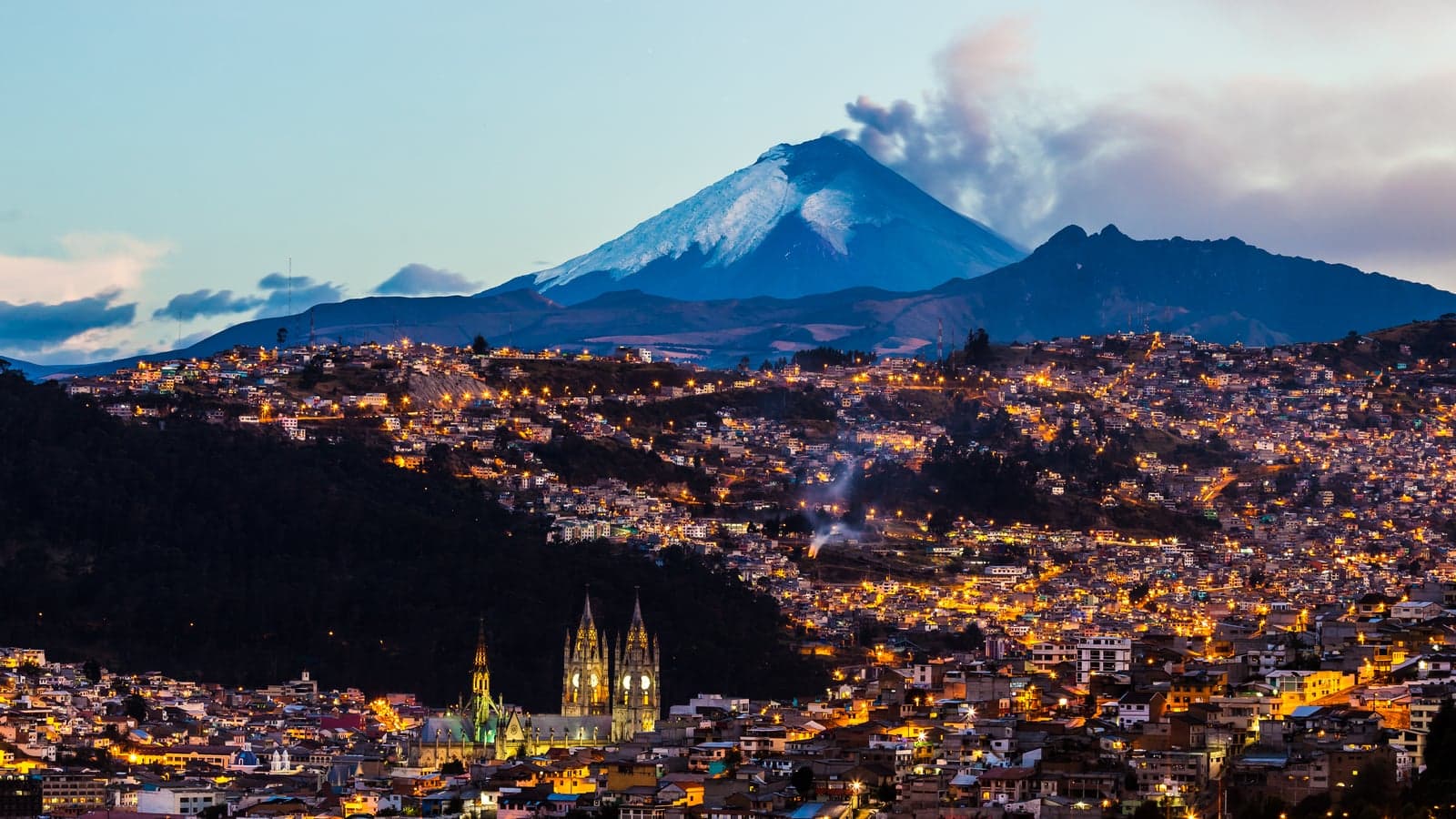
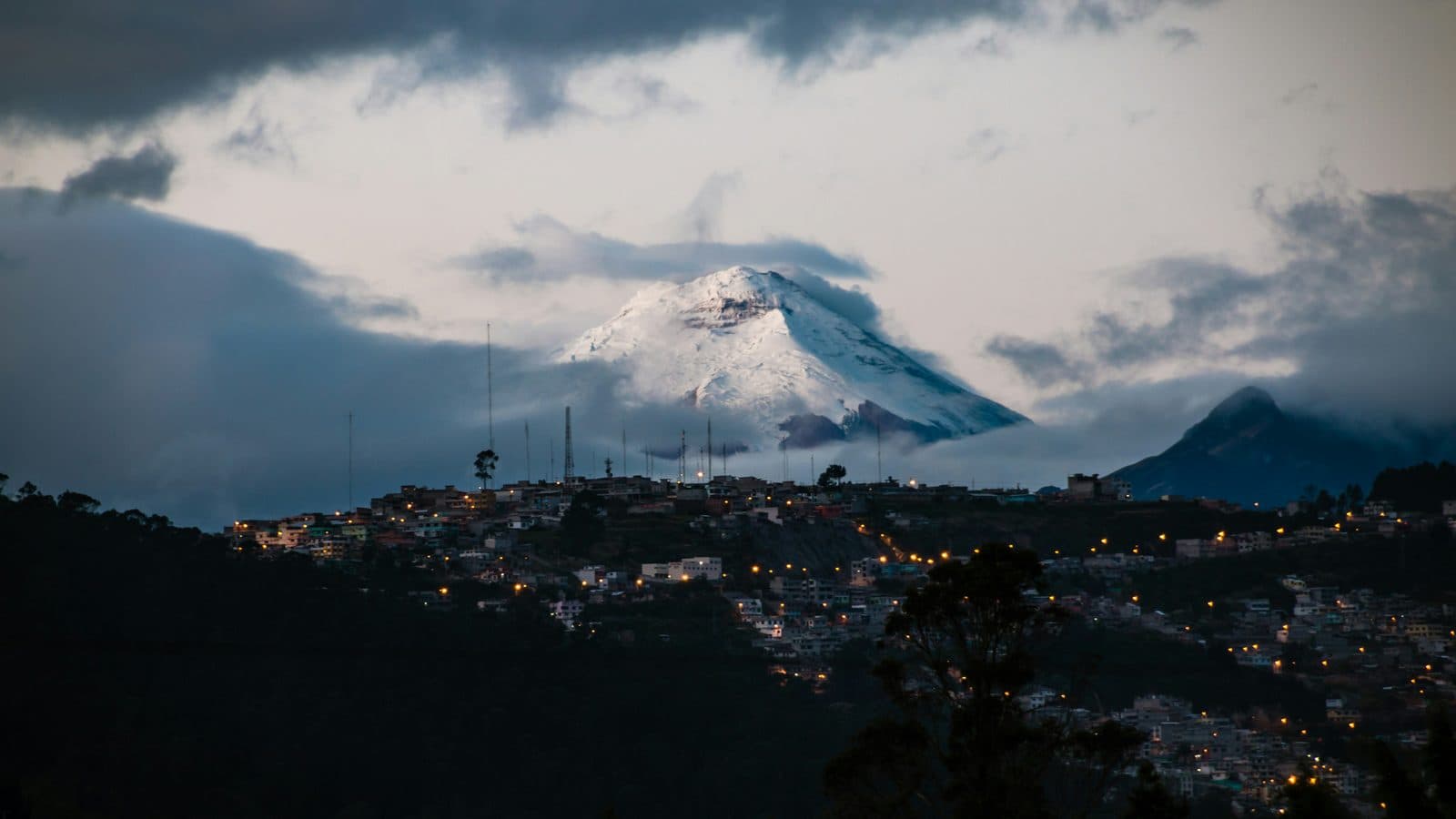
The Andean highlands, la sierra, run like a spine down the center of the country. Alexander von Humboldt called this corridor the "Avenue of the Volcanoes," and the name stuck. Cotopaxi, Chimborazo, and dozens of other peaks line the horizon in both directions.
Quito sits at 2,850 meters in a narrow valley between volcanic ridges. In 1978 it was one of the first twelve places named a UNESCO World Heritage Site, and with Krakow one of the first two historic cities, and walking its colonial center feels like stepping through centuries of layered history. The altitude takes some adjustment, but the reward is cool, spring-like weather year-round and sunsets that light up snowcapped summits.
Highland Culture
Sierra life revolves around markets, festivals, and a cuisine built on potatoes, corn, and roasted guinea pig (cuy). Indigenous Kichwa communities maintain traditions that predate the Inca conquest, and weekly markets, like the famous one in Otavalo, are social events as much as commercial ones. In Otavalo you can follow the market through the town on the Plaza de los Ponchos: The Market That Keeps Moving self-guided walk.
El Oriente: The Amazon Frontier
East of the Andes, the land drops sharply into the Amazon basin. Ecuador's slice of the rainforest, known as el Oriente, covers about a third of the country's territory but holds less than five percent of its population. The biodiversity here is staggering: Yasuní National Park alone contains more tree species per hectare than all of North America combined.
Indigenous nations, including the Waorani, Shuar, Achuar, and others, have lived in these forests for millennia. Their knowledge of medicinal plants and sustainable land use is increasingly recognized as essential to conservation efforts.
Why It Matters for Travelers
Ecuador's compact geography means you don't need weeks to experience its diversity. A trip that starts in Quito's colonial plazas can include cloud forest hikes, highland markets, and Amazon lodges, all without a single domestic flight if you prefer overland travel.
The country's three worlds aren't just geographic zones. They're distinct cultural ecosystems, each with their own food, music, languages, and rhythms of daily life. Understanding that Ecuador is really three countries in one changes how you experience every city and trail.
Start in the Sierra
Quito is the natural starting point for most travelers, and its historic center, one of the largest and best-preserved in the Americas, is the perfect introduction to Ecuador's layered identity. A Spanish city founded in 1534 on the ruins of an Inca city, its grid laid square across a volcano's slope, tells the story of a place where worlds have been colliding and blending for centuries.
Frequently asked questions
- What are Ecuador's three worlds?
- Ecuador contains three radically different worlds: a tropical Pacific coast, the soaring peaks of the Andes, and the dense western edge of the Amazon Basin.
- Why is Ecuador good for travelers short on time?
- Ecuador's compact geography means you don't need weeks to experience its diversity. A trip that starts in Quito's colonial plazas can include cloud forest hikes, highland markets, and Amazon lodges, all without a single domestic flight if you prefer overland travel.
- Why is the Ecuadorian Andes called the Avenue of the Volcanoes?
- Alexander von Humboldt called this corridor the Avenue of the Volcanoes, and the name stuck. Cotopaxi, Chimborazo, and dozens of other peaks line the horizon in both directions.
Ready to experience it?
Old Town: The Way the Water Runs
100 min · 2.3 km · moderate
More from Quito
Explore more at your own pace.
Best Self-Guided Walking Tours in Quito (2026)
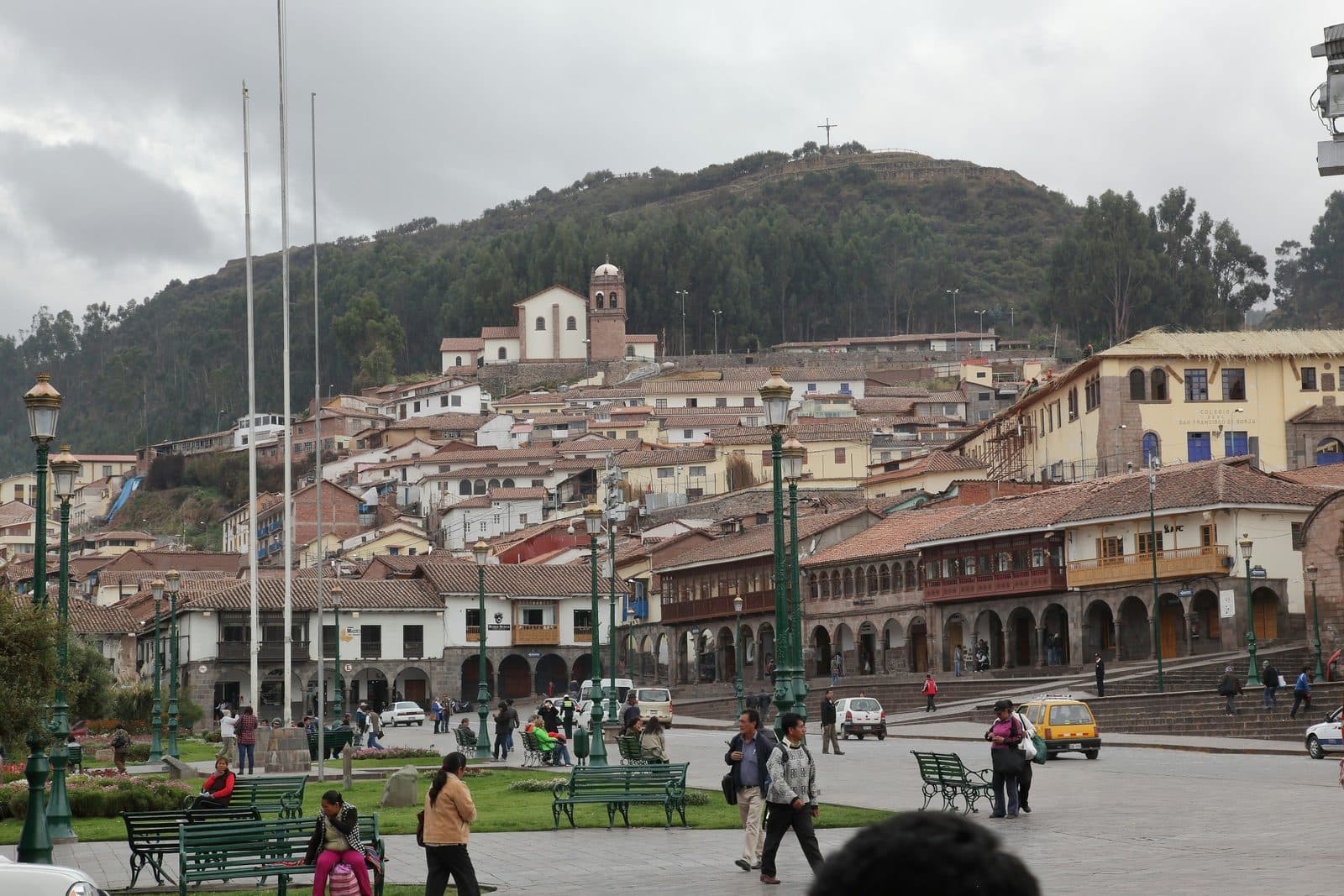
How Quito's Old Town Kept Its Shape: A Grid Laid on a Mountain
One Day in Quito: A Walkable Old-Town Itinerary (2026)
Quito Travel Guide: Altitude, How Many Days, Getting Around, Safety (2026)
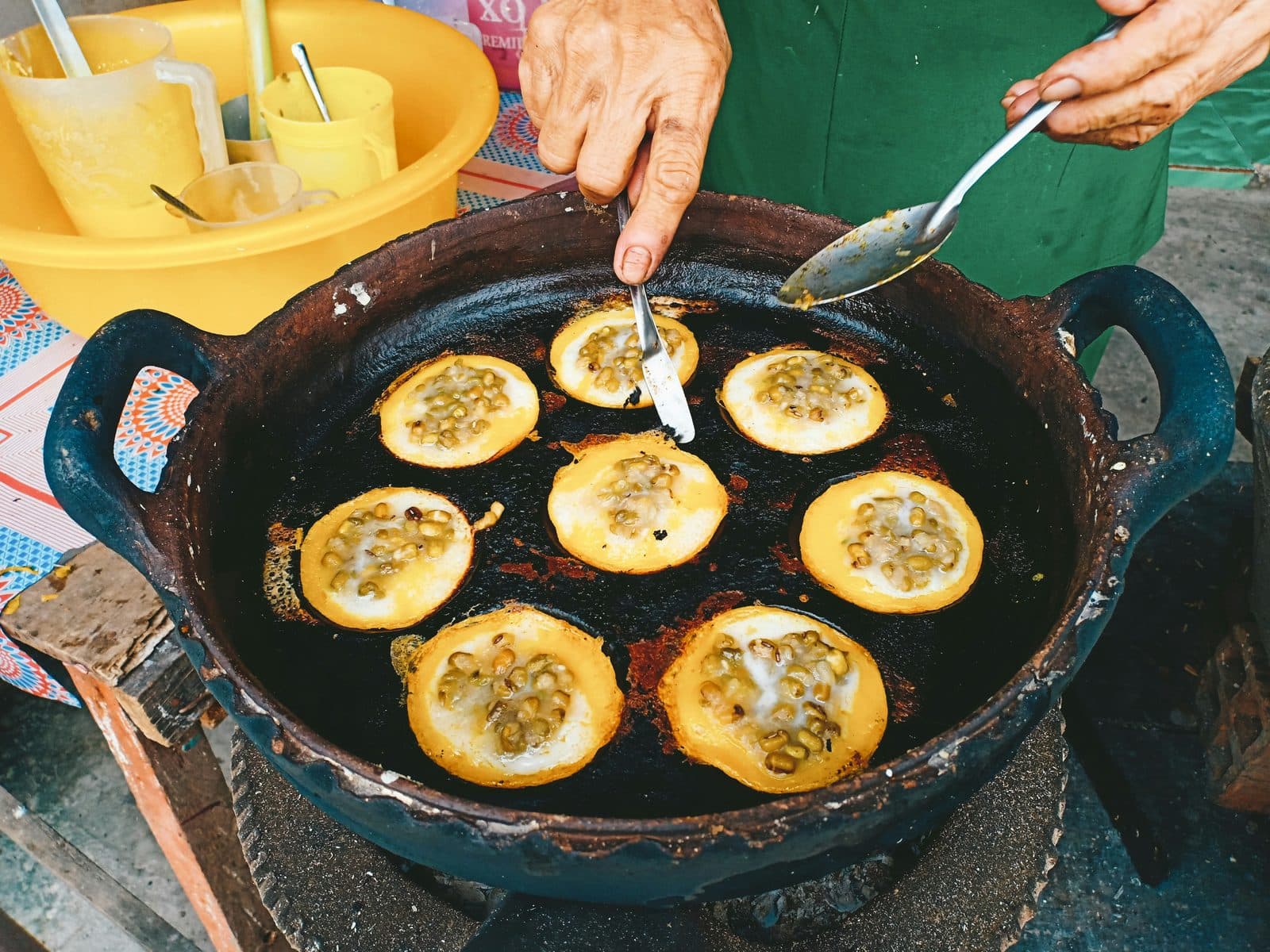
What to Eat in Quito: An Ecuadorian Highland Food Guide (2026)