Roma & Condesa: Earthquake, Exile, Reinvention
90 min · 2.3 km · easy
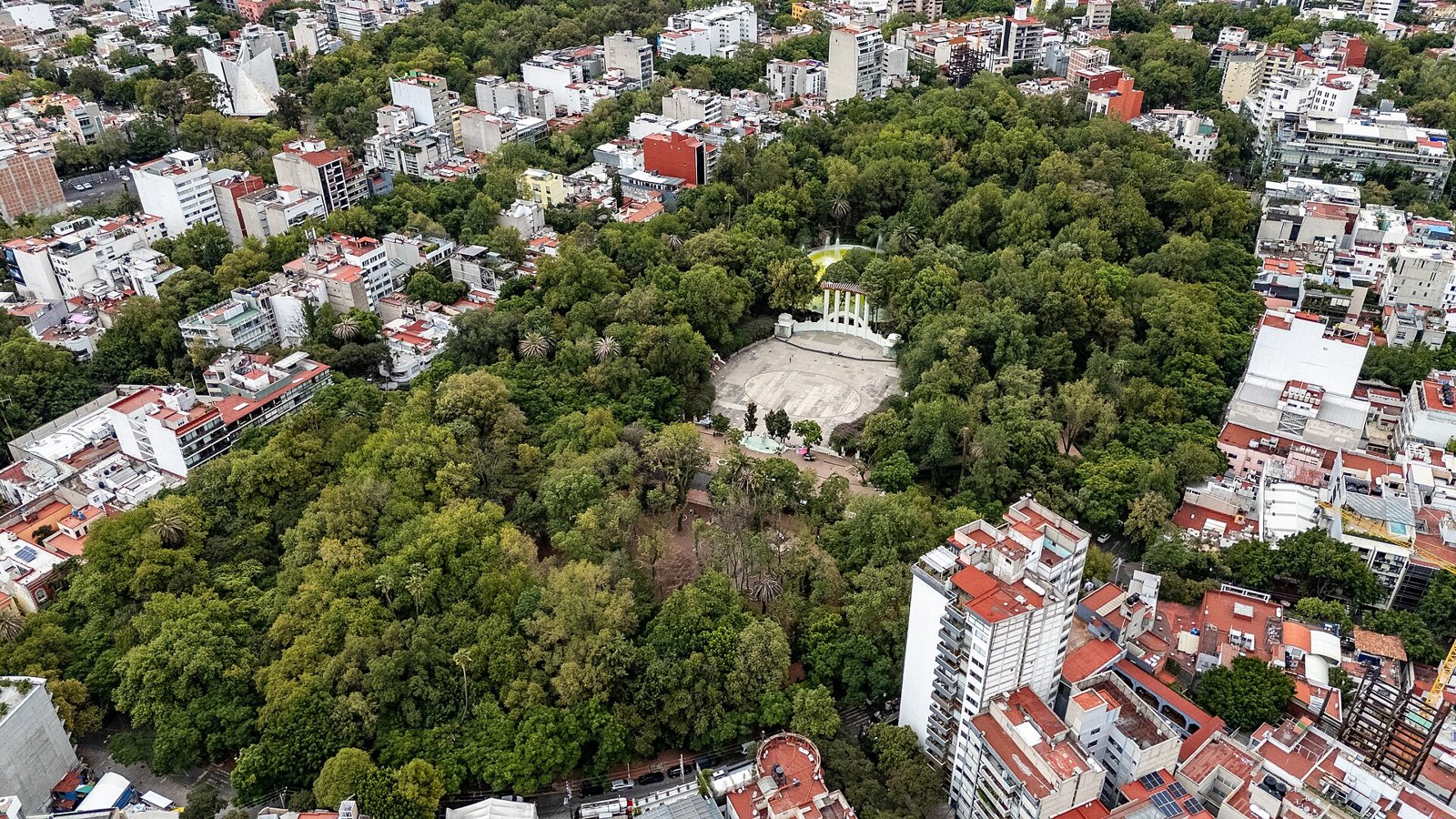
Parque México occupies roughly nine hectares of central Condesa, bounded by Avenida México on the outside ring and Avenida Michoacán on the south. The official name is Parque General San Martín, in honour of the Argentine liberator, but nobody in the city has used that name in living memory. The park is oval. It is shaped like an oval because it sits on the footprint of a horse racing track. The track is what built Condesa, and the park is what survives of it. To stand at the Foro Lindbergh in the middle of the park, look up at the Art Deco pillars, and hear English, Spanish, and the occasional fragment of a fourth language is to stand inside roughly a century of overlapping inheritance, all of it captured on a single piece of ground.
This is a deep look at how that ground accumulated its meanings.
The track that the park preserves
The land was originally part of a rural hacienda owned by the Countess of Miravalle, whose Spanish title gives Condesa its name. By the late nineteenth century the property had been turned over in part to the Jockey Club de México, an aristocratic sporting institution that operated a formal horse racing track on the site under the name Hipódromo de la Condesa. The Porfirian elite raced thoroughbreds there. The track had grandstands, a clubhouse, and a stable complex.
The Mexican Revolution that began in 1910 destroyed the social class that sustained the track. By the time the fighting ended, the Jockey Club had effectively dissolved. The land sat largely unused for more than a decade. In 1925, the architect Jose Luis Cuevas was hired to design an entirely new colonia on the site. Cuevas had already designed the nearby Parque España in 1921, and his work in central Mexico City had given him a reputation for what was, at the time, a radically modern approach to urban planning.
Cuevas's design for the new Hipódromo colonia made one decision that everything else followed. He preserved the outline of the racetrack as the central street of the new neighbourhood. The curve of the track became Avenida Amsterdam, an elliptical street that loops back on itself. The infield of the track, the green inner oval where horses had warmed up before races, became Parque México. The new colonia radiated outward from that central park along streets that Cuevas laid out in a network of avenues, plazas, and short blocks designed to give the new neighbourhood the feel of a European garden suburb.
The radial design has held. A century later you can walk Avenida Amsterdam and arrive where you started without retracing your steps. The shape of the racetrack is the shape of the neighbourhood.
The Art Deco master plan
Hear a stop from this walk
Plaza Rio de Janeiro: The Circus Owner's Stage
The park was completed in 1927. Cuevas worked with two collaborators on the central elements: the architect Leonardo Noriega and the engineer Javier Francisco Stavoli. The style was Art Deco, in the years when Art Deco was the dominant aesthetic of new construction in Mexico City. Condesa as a whole contains roughly two hundred and seventy-five Art Deco buildings, one of the densest concentrations anywhere in the world, and Parque México is the central public element of that ensemble.
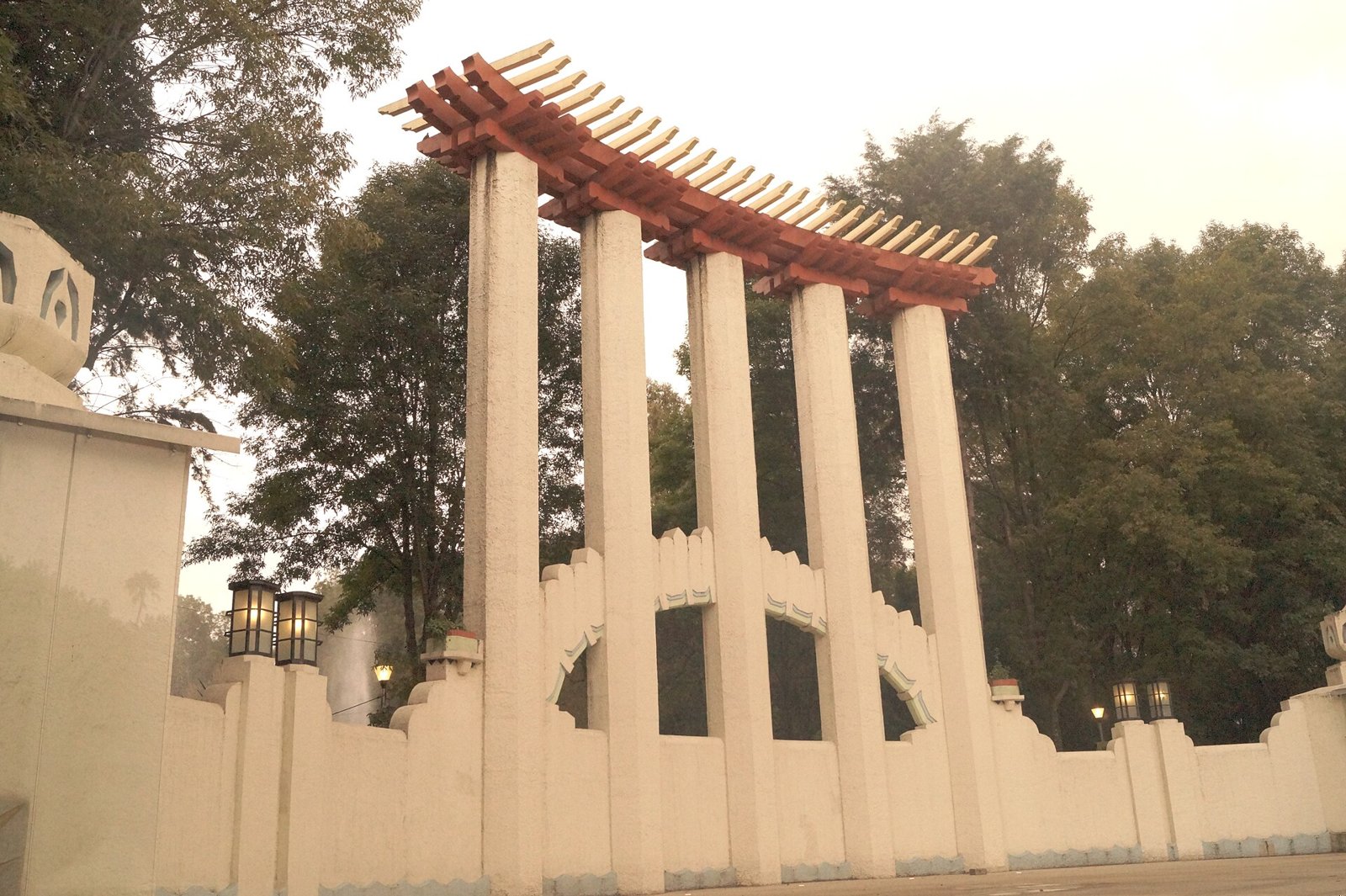
The park's signature feature is the Foro Lindbergh, an open-air amphitheatre in the southeast quadrant of the park. Five monumental pillars rise from the back of the stage, each topped with a flat concrete canopy called a marquesina. A serpentine pergola wraps around the amphitheatre. Polychromatic concrete reliefs by the muralist Roberto Montenegro decorate the wall behind the stage. A fountain at the front of the foro features a figure holding two urns. The whole composition is one of the clearer surviving examples of Mexican Art Deco at scale.
The amphitheatre has been used continuously since the late 1920s for outdoor concerts, dance performances, and political gatherings. It was restored between 2013 and 2015, and again in 2023, after roughly ninety years of weathering. The concrete is repaired. The Montenegro reliefs are repainted in the original palette. The pergola is intact.
Why it was named for an American aviator
The naming of the foro is a small story with larger political stakes. In May 1927, Charles Lindbergh became the first person to complete a solo non-stop transatlantic flight, from Long Island to Le Bourget Field outside Paris, in the Spirit of Saint Louis. In December of that same year, Lindbergh flew his aircraft from Washington to Mexico City as a Good Will Ambassador. The flight had been organised by Dwight Morrow, the American ambassador to Mexico, as a deliberate diplomatic gesture during a period of significant friction in the bilateral relationship over Mexican oil expropriation policy and the religious conflict known as the Cristero War.
Morrow was looking for ways to soften the American posture toward the Mexican government and to give the Mexican government a face-saving way to receive American goodwill in public. Lindbergh, in 1927, was probably the most famous American alive. His arrival in Mexico City was greeted by a crowd of perhaps a hundred thousand people. He stayed for two weeks. During his stay he met Anne Morrow, the ambassador's daughter, whom he later married. The Foro Lindbergh in the newly completed Parque México was inaugurated in January 1928, weeks after Lindbergh's visit, and the name was a Mexican diplomatic reciprocation.
The name has survived. There have been periodic suggestions to rename the amphitheatre in light of Lindbergh's later isolationist and pro-German political activities in the 1930s and 1940s, including his America First Committee speeches. The renaming has never happened. The official name remains Foro Lindbergh, and the bronze plaque at the foot of the central pillar still credits the 1927 transatlantic flight as the occasion.
Yiddish in the trees
The most consequential community history of the park began almost as soon as it opened. Beginning in the late 1920s and accelerating through the 1930s, Ashkenazi Jewish families from Eastern Europe, who had been arriving in Mexico in significant numbers since the early 1920s, concentrated their settlement in Condesa. The Nidje Israel synagogue, the central institution of the Yiddish-speaking community, was inaugurated in 1941 at Acapulco 70, three blocks east of the park, and remained the community's central religious building until the 1960s.
The reason this matters for Parque México specifically is that the park became the de facto social commons of the Ashkenazi community in Condesa during the 1930s and 1940s. Families gathered there on Sabbath afternoons and on holidays. Children played there. Older immigrants who had not yet learned Spanish met other older immigrants who had not yet learned Spanish. For roughly two decades, Yiddish was the working language of the park's benches and pathways during the afternoons and weekends.
The fact is documented in oral histories collected by the Centro de Documentación e Investigación Judío de México, the Jewish cultural institution that operates near the synagogue. The historian Adina Cimet has written extensively about the spatial geography of Ashkenazi Mexico City, and the centrality of Parque México to that geography. The park was not a planned community institution. It was an inherited public space that the community adopted because it was where they lived.
A smaller wave of refugees from Nazi-occupied Europe arrived in the late 1930s and during the war, roughly two thousand additional Jewish immigrants, most of whom joined existing family networks already established in Condesa. By the late 1940s, the Yiddish-speaking generation began to give way to a Spanish-speaking second generation born in Mexico. The use of Yiddish in the park declined gradually through the 1950s. By the 1970s it was rare. By the 2000s it was the kind of thing older neighbourhood residents recalled in interviews but did not encounter directly.
The community moved, in part. Many families relocated to Polanco and Las Lomas as they accumulated wealth. The synagogue at Acapulco 70 still operates, and the Centro de Documentación maintains the archives. The Jewish presence in Condesa today is documented and visible at the institutional level. The Yiddish presence on the park benches is historical.
President Claudia Sheinbaum, elected in 2024, is a granddaughter of the Ashkenazi migration. Her family came from Lithuania and Bulgaria. The park is part of her family geography in the literal sense.
What you are walking through
To stand in the Foro Lindbergh today and look outward is to see four overlapping histories in the same field of view. The oval shape of the park is the racetrack the Porfirian aristocracy abandoned. The Art Deco amphitheatre is the master plan that Jose Luis Cuevas drew in 1925, executed in concrete by Noriega and Stavoli, painted in reliefs by Roberto Montenegro. The name on the bronze plaque is a Cold War diplomatic exchange between Dwight Morrow and Plutarco Elías Calles, performed in poured concrete in the southeast corner of a new park. The benches under the trees on the north side of the park are where Yiddish was the working language for two decades of the twentieth century.
The park is not unusual in Mexico City for being layered. Most older public spaces in the city carry multiple histories. The park is unusual for the density of the layers and for how legible they remain. The racetrack is visible in the shape. The Art Deco is visible in the foro. The diplomacy is visible in the name. The Yiddish is preserved in the archives three blocks away.
Walk it once at the start of the tour and you have the central thesis of Roma and Condesa in a single oval: a place built for one community and inherited by every community that followed.
Mexico eSIM· 10% off with ROAMER10
Ready to experience it?
Roma & Condesa: Earthquake, Exile, Reinvention
90 min · 2.3 km · easy
More from Mexico City
Explore more at your own pace.
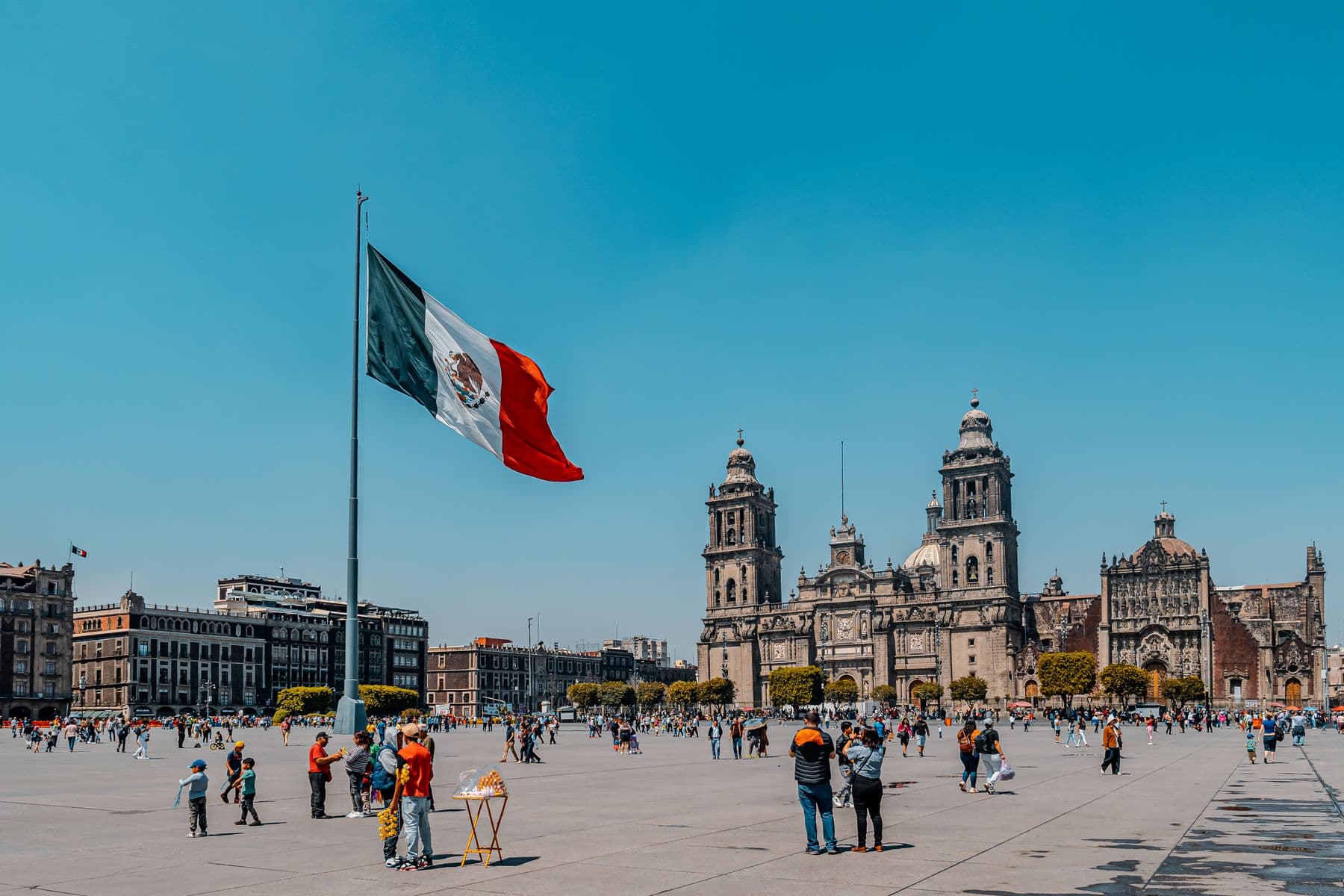
Chapultepec Park Guide: Hill, Lakes and Museum Row
Coatlicue: The Statue That Was Buried Twice
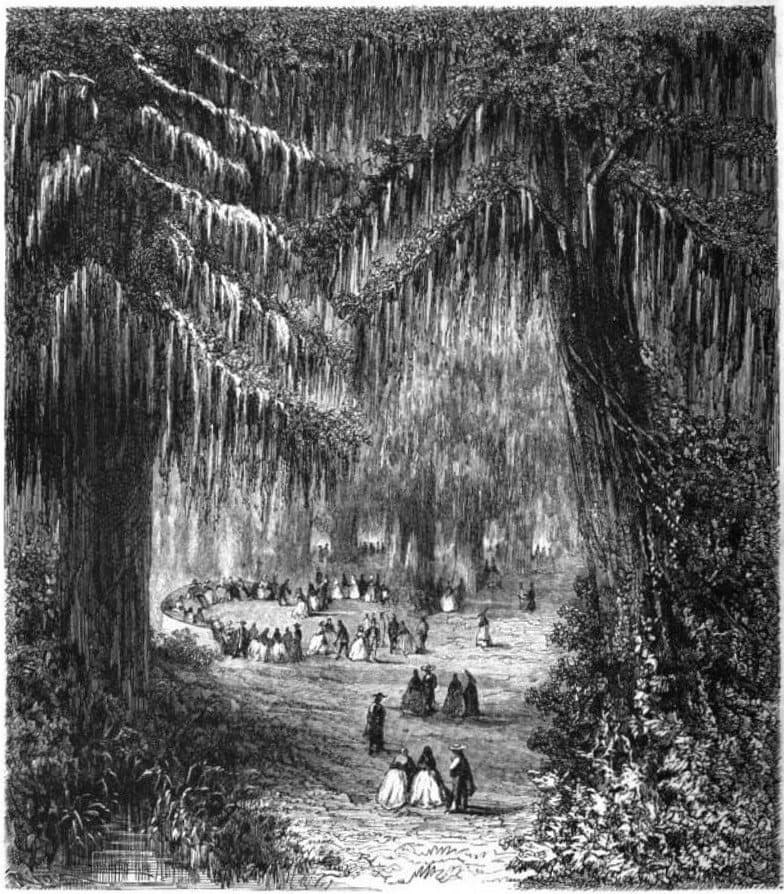
El Sargento: The Dead Ahuehuete Tree of Chapultepec
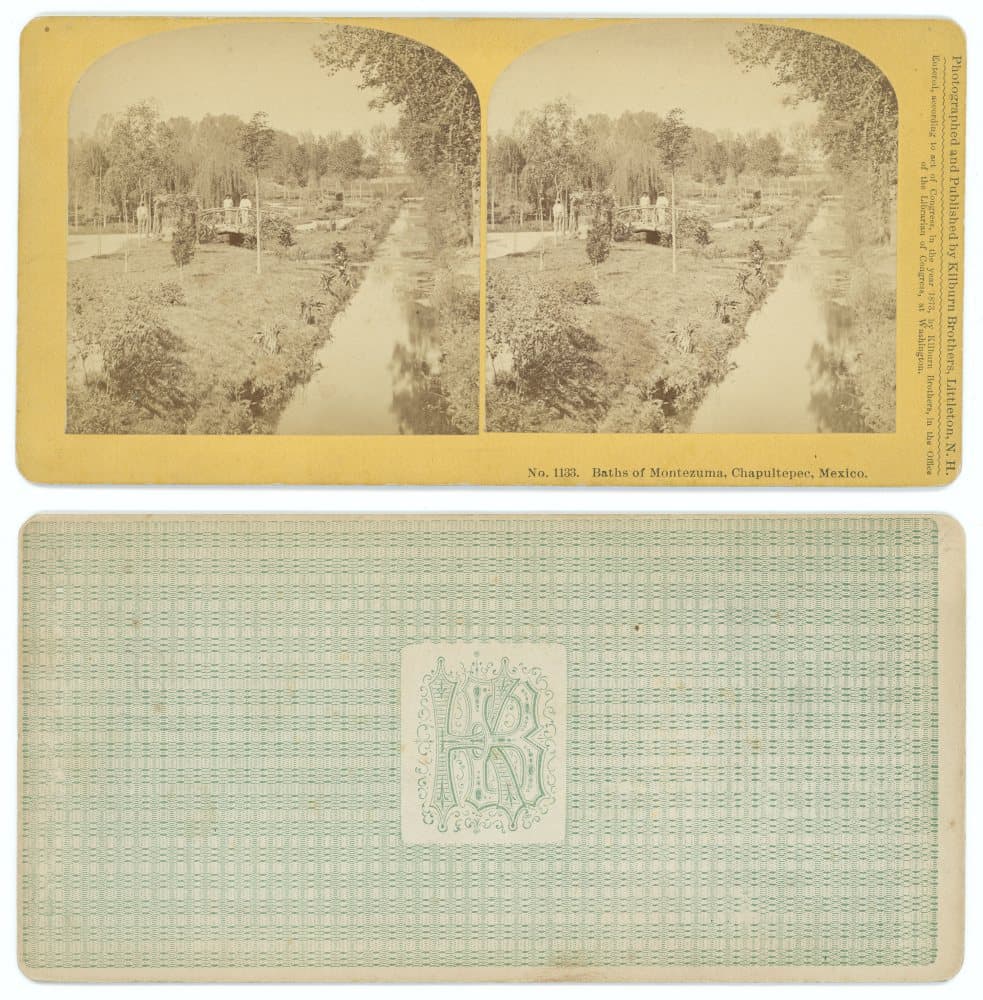
The Baños de Moctezuma: The Bath That Was Never Moctezuma's
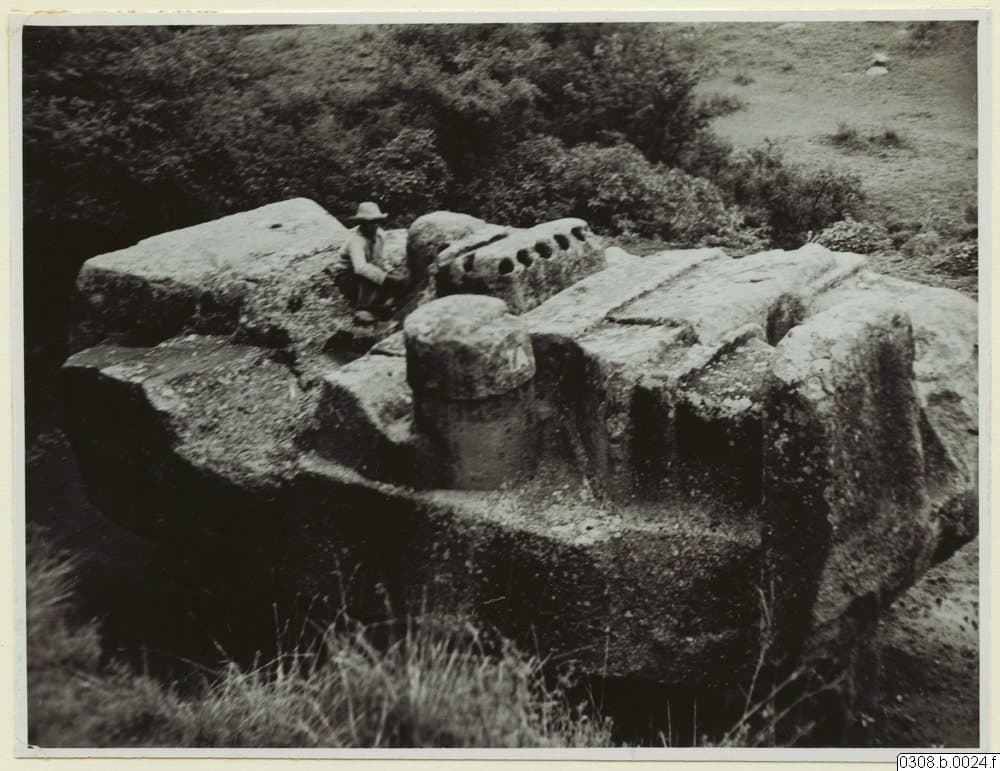
The Tlaloc Monolith: The Stone That Crossed Mexico City in 1964