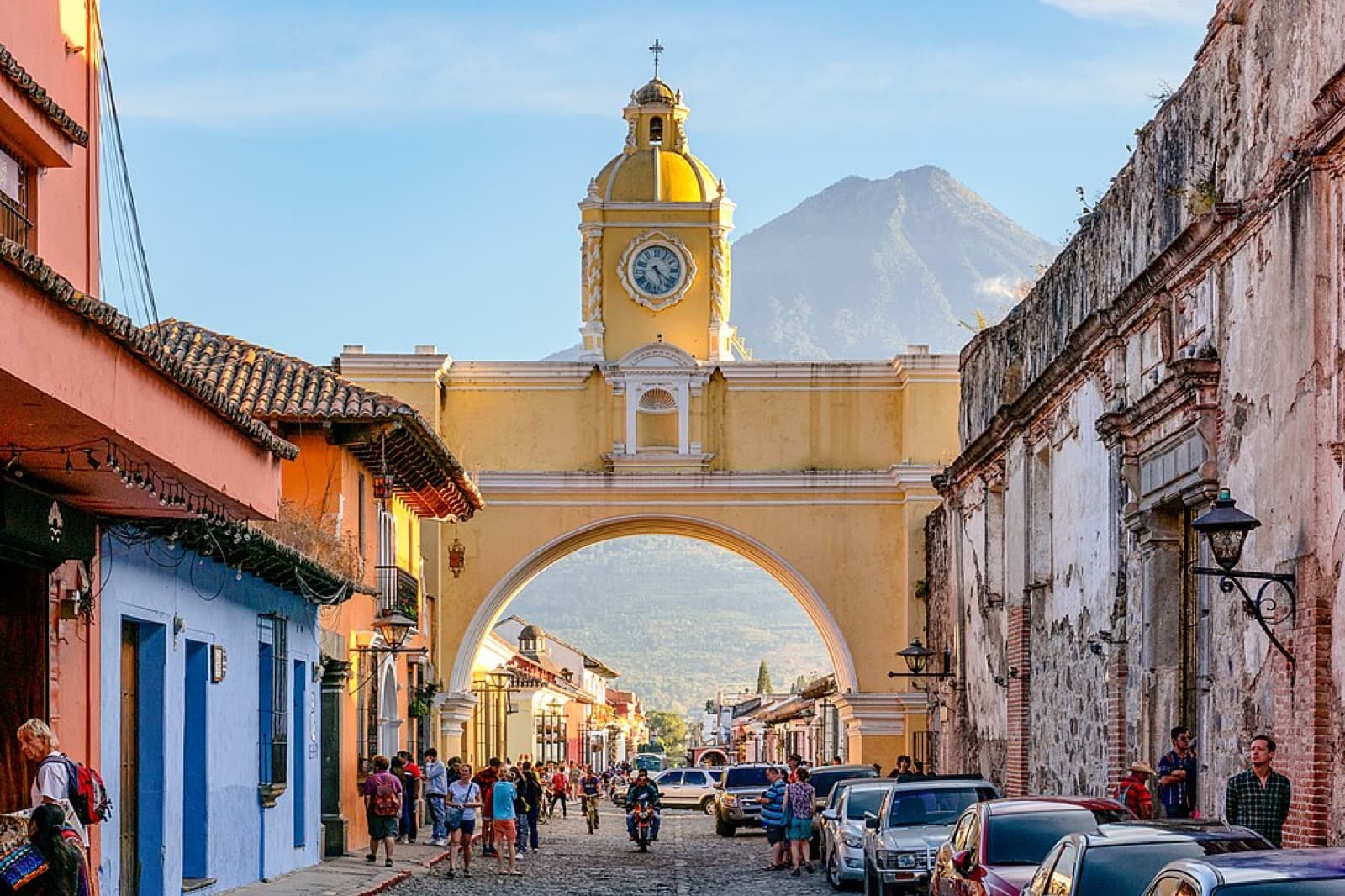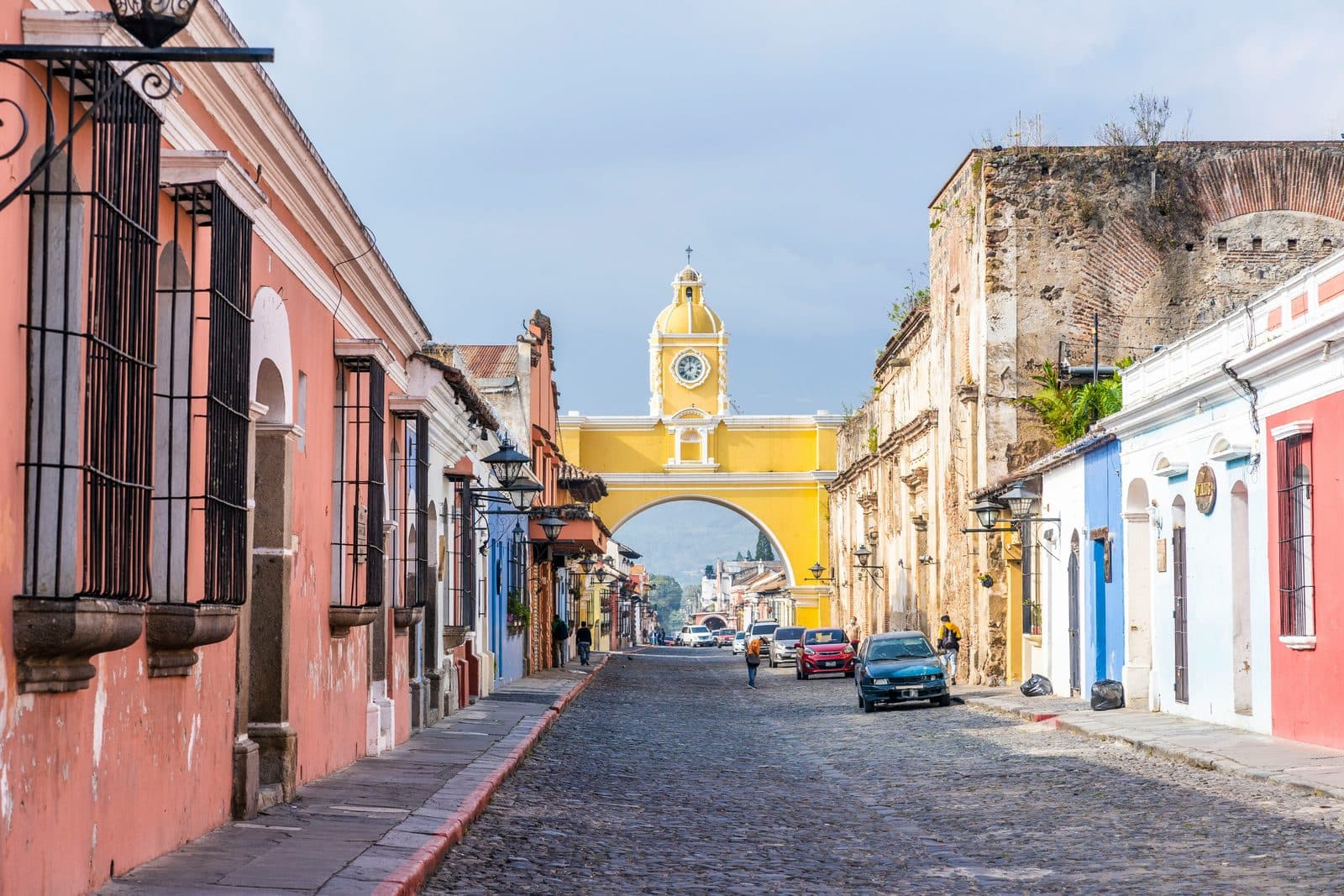
On July 29, 1773, at approximately 3:45 in the afternoon, the ground beneath Santiago de los Caballeros de Guatemala began to shake. The event became known as the Santa Marta earthquakes, striking in a devastating sequence around the feast day of Saint Martha. The shaking lasted for nearly a minute. When the dust settled, the third capital of the Captaincy General of Guatemala lay in ruins. Churches collapsed. Government buildings crumbled. Thousands of homes became rubble. The colonial government declared the city uninhabitable and ordered the capital relocated to the Valley of the Hermitage, where Guatemala City stands today.
But not everyone left. And what they left behind, and what they rebuilt, created the architectural landscape that makes Antigua one of the most visually distinctive cities in the Americas.
Before the Quake: A Baroque Capital
To understand what the earthquake destroyed, you have to understand what existed before it. By 1773, Santiago de los Caballeros had been Guatemala's capital for over two hundred years and was one of the most important cities in the Spanish colonial world. Its population exceeded 60,000, larger than most European cities at the time.
The city was a showcase of Spanish Baroque architecture, adapted for seismic reality. Antiguan Baroque, as architectural historians now call it, was already a response to earlier earthquakes in 1717 and 1751. Builders had learned to construct lower, thicker walls and wider arches. Churches featured massive buttresses. Columns were squat and heavy rather than soaring and slender.
These adaptations helped, but they weren't enough for the Santa Marta earthquakes, which seismologists estimate reached magnitude 7.5, far beyond what the colonial builders had engineered for.
What Fell and What Stood
Hear a stop from this walk
San Francisco: Reading Material, and the Whole City
The pattern of destruction reveals the physics of earthquake engineering before the concept formally existed.
Tall, ornate churches suffered worst. Their high naves, heavy vaulted ceilings, and ornate facades concentrated mass at height, the worst possible configuration in a seismic zone. The Cathedral of San Jose lost its roof and most interior walls. The Convent of Santa Clara, with its extensive second-story cloisters, pancaked downward. La Merced, by contrast, came through with only limited damage because it had just been completed in 1767 using deliberately earthquake-resistant methods: lower ceilings, thick walls, and stout buttresses.
Government and residential buildings fared better. Their lower profiles, single-story layouts, and thick adobe walls were inherently more earthquake-resistant. Many suffered damage but remained standing. The Palacio de los Capitanes Generales, stretching an entire block along the south side of Parque Central, cracked and shifted but kept its essential structure. It was rebuilt and still stands today.
The most revealing survivors are the buildings that combined low profiles with massive construction. Low, ground-hugging structures with heavy walls and little mass at height rode out the shaking best. Residential homes with traditional interior courtyards, where thick perimeter walls supported relatively light roof beams, weathered the earthquake far better than ornate public buildings.
Walk through Antigua today with this lens, and the architectural logic becomes visible. The buildings that look oldest and most damaged were often the most ambitious. The buildings that look most intact were the most pragmatic.
The Rebuilders' Dilemma
After the Spanish Crown ordered the capital moved, Antigua entered a strange period. The government, church hierarchy, and wealthy families relocated to the new capital. But thousands of residents, particularly indigenous and mestizo communities, refused to leave. They began repairing homes and businesses with whatever materials were available.
This created Antigua's distinctive architectural layering. You'll see colonial walls from the 1600s supporting rooflines from the 1800s. Original stone arches frame modern concrete additions. A single facade might contain volcanic stone blocks from three different centuries, distinguishable by their color and cut.
The rebuilders also developed new techniques. Post-1773 construction in Antigua favored:
- Lower ceiling heights, reducing the mass above head level
- Thicker corner walls, providing more resistance to lateral forces
- Wooden roof beams instead of stone vaults, lighter and more flexible
- Smaller window openings, maintaining wall integrity
- Interior courtyards, allowing walls to brace each other in a rectangular circuit
These innovations weren't written in engineering textbooks. They were learned through disaster and passed down through building practice. Antiguan masons developed an empirical understanding of seismic design centuries before the formal science existed.
Reading the Ruins
Antigua's church ruins aren't just picturesque backdrops. They're readable documents of structural failure. Here's what to look for:
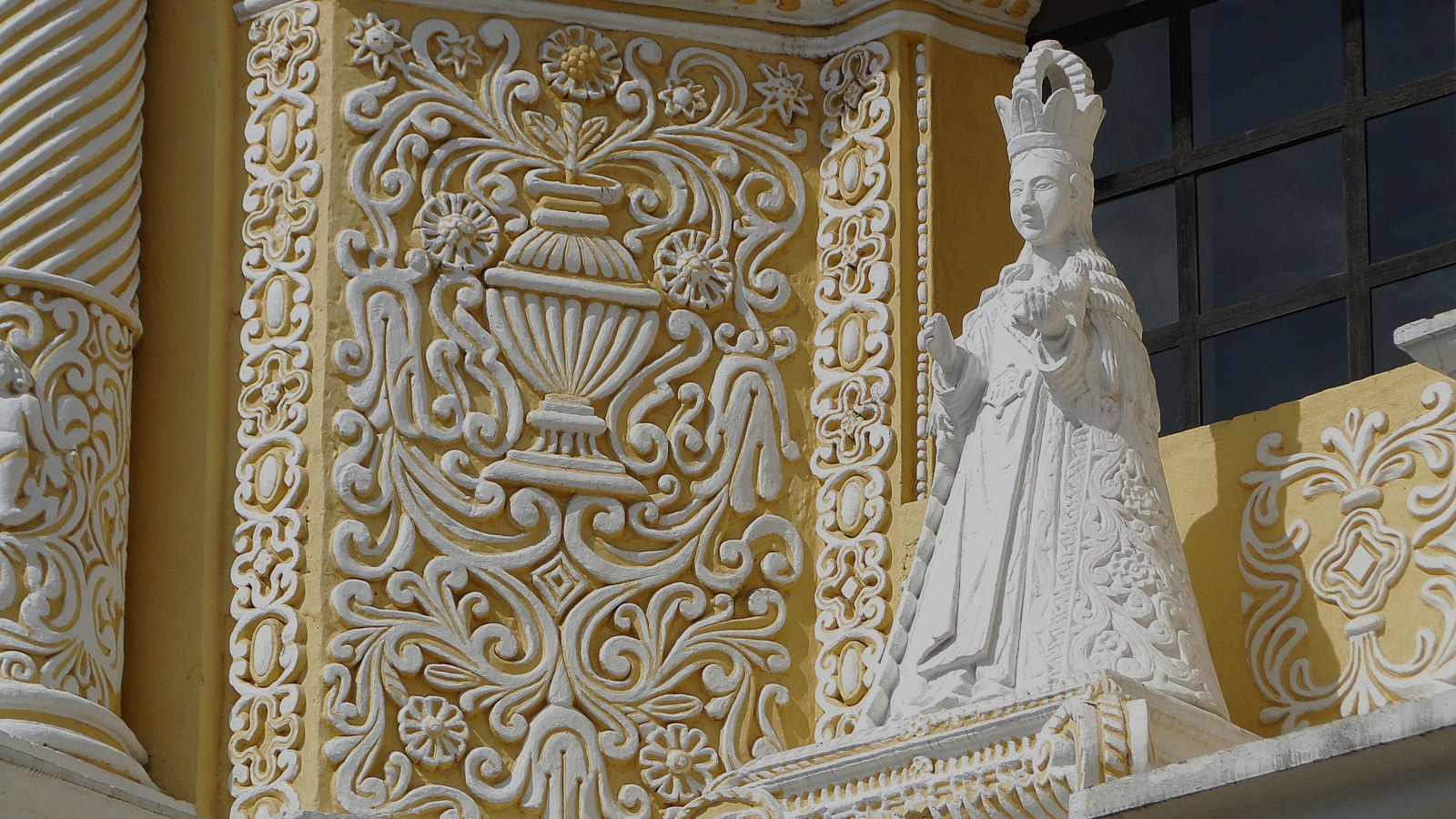
La Merced: The counter-example that proves the rule. Completed in 1767, just six years before the disaster, its architect deliberately lowered the ceilings, thickened the walls, and reinforced the buttresses. When the Santa Marta earthquakes struck, La Merced came through with only limited damage while grander churches fell around it. Stand before its bright yellow facade and note how squat and heavy it sits compared to the ruined naves elsewhere in the city.
Cathedral of San Jose: Only the front portion was rebuilt after 1773. Walk around to the rear to see the original collapsed sections, where massive stone columns lie where they fell. The contrast between the restored front and the ruined rear is Antigua's most dramatic architectural juxtaposition.
Santa Clara Convent: The double-arcade cloister collapsed because the upper columns transmitted earthquake forces directly downward through the lower columns, creating a cascading failure. The single-story sections of the same complex survived. It's a textbook demonstration of why height kills in earthquakes.
San Francisco Church: Partially rebuilt and still functioning as a parish church, San Francisco shows the full spectrum: restored sections, stabilized ruins, and active religious use coexisting in one complex. The tomb of Hermano Pedro, the first saint of Guatemala and Central America, draws pilgrims who worship among earthquake scars.
The Aesthetic of Ruin
Over time, what was catastrophe became beauty. Antigua's ruins, draped in bougainvillea, invaded by fig tree roots, and open to sky, developed a romantic quality that attracted artists, writers, and eventually tourists. By the 20th century, the ruins weren't just historical artifacts; they were the core of Antigua's identity.
This created a preservation paradox. The ruins are beautiful precisely because they're incomplete. Rebuilding them would destroy the aesthetic. But leaving them unprotected means continued deterioration. Guatemalan conservation authorities and UNESCO (which designated Antigua a World Heritage Site in 1979) have navigated this tension by stabilizing structures without restoring them. They shore up walls and prevent further collapse, but do not replace what's missing.
The result is a city that exists in architectural suspension. Neither fully ruined nor fully restored. Each building frozen at whatever point its collapse stopped and its stabilization began. Few colonial cities in the Americas occupy this middle ground. Many were either destroyed and rebuilt or preserved largely intact, while Antigua sits between the two.
Walking Through Layers
The Antigua Architecture Tour traces this earthquake legacy through the city's streets, stopping at buildings that illustrate different chapters of the story: pre-earthquake Baroque ambition, the physics of collapse, post-earthquake pragmatism, and modern preservation. Each stop reveals how seismic forces shaped not just buildings but an entire urban aesthetic.
Pay attention to the walls as you walk. Run your hand along them (where permitted). The rough volcanic stone, the smooth plaster patches, the places where old mortar crumbles and new mortar holds: these textures tell the story of a city that has been shaking and rebuilding for five hundred years. The 1773 earthquake was the most dramatic chapter, but it wasn't the last. Antigua sits between three volcanoes on an active fault zone. The next chapter is always being written.
Ready to experience it?
Earthquake Baroque: How Antigua Was Built to Survive
105 min · 2.89 km · easy
More from Antigua
Explore more at your own pace.
Antigua Guatemala Travel Guide: How Many Days, Getting There, When to Go (2026)
Best Self-Guided Walking Tours in Antigua Guatemala (2026)
One Day in Antigua Guatemala: A Walkable Itinerary (2026)
What to Eat in Antigua Guatemala: A Food Guide (2026)
The People Who Stayed: A Companion to the Historic Center Walk