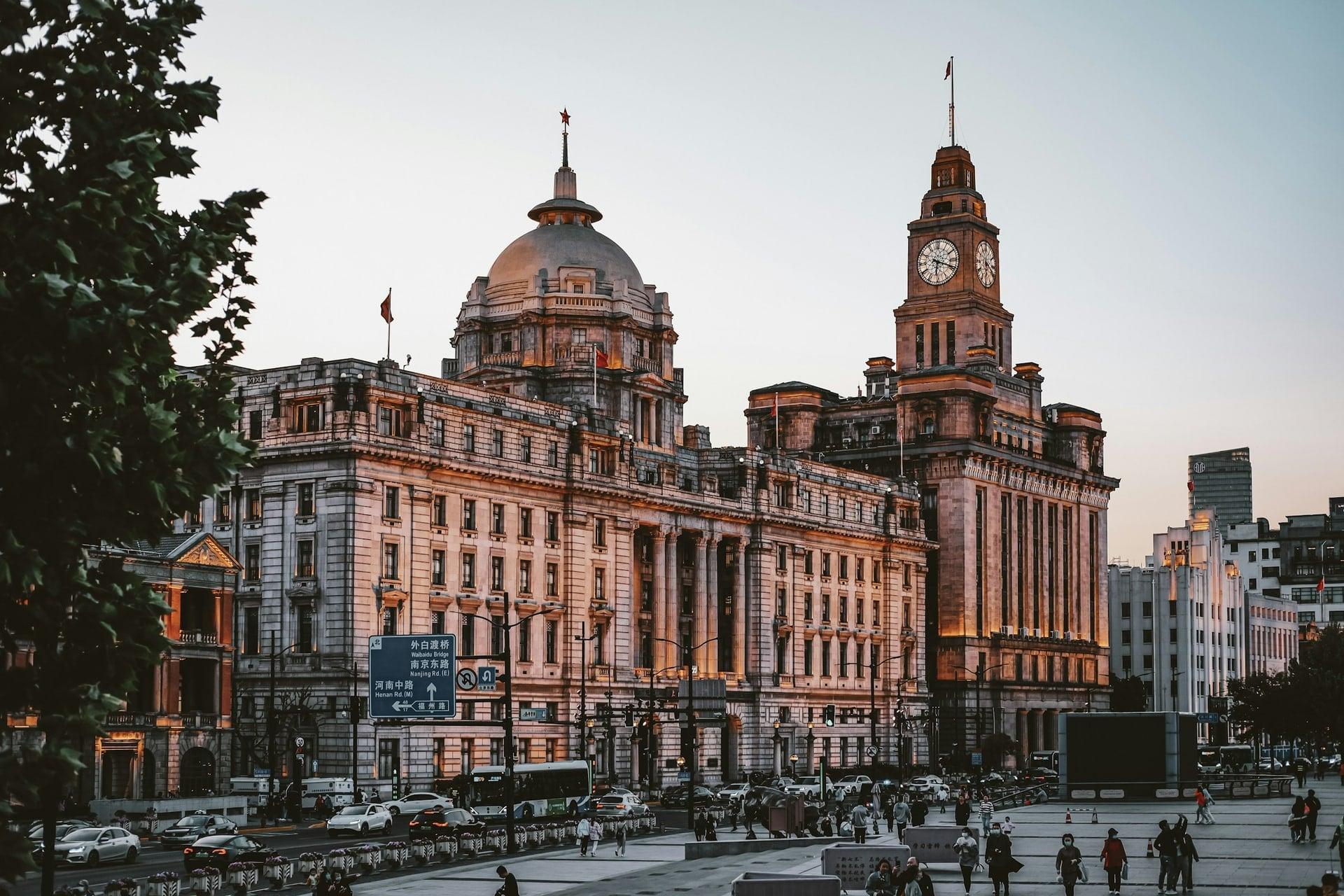
Shanghai's treaty-port waterfront read as a measuring stick of power: the Royal Asiatic Society on Huqiu Road, Yuanmingyuan Road, Waibaidu Bridge, the former British Consulate, Jardine's frontage, the Bank of China's height, the Peace Hotel, the Customs House, the former HSBC building, the flood wall and the signal tower that moved.
Start · Former Royal Asiatic Society (亚洲文会大楼)
DirectionsStops
- 1
Former Royal Asiatic Society (亚洲文会大楼)
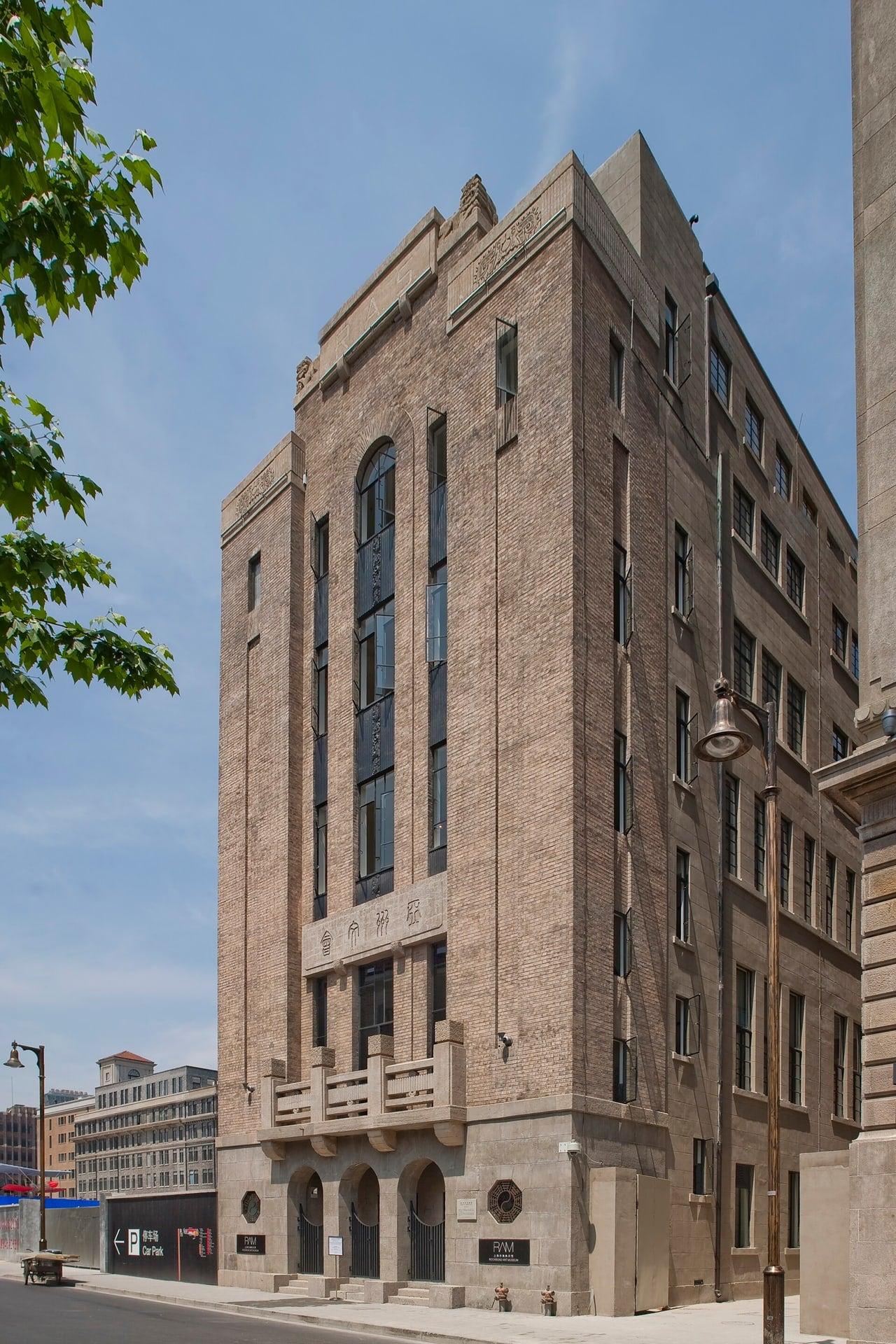
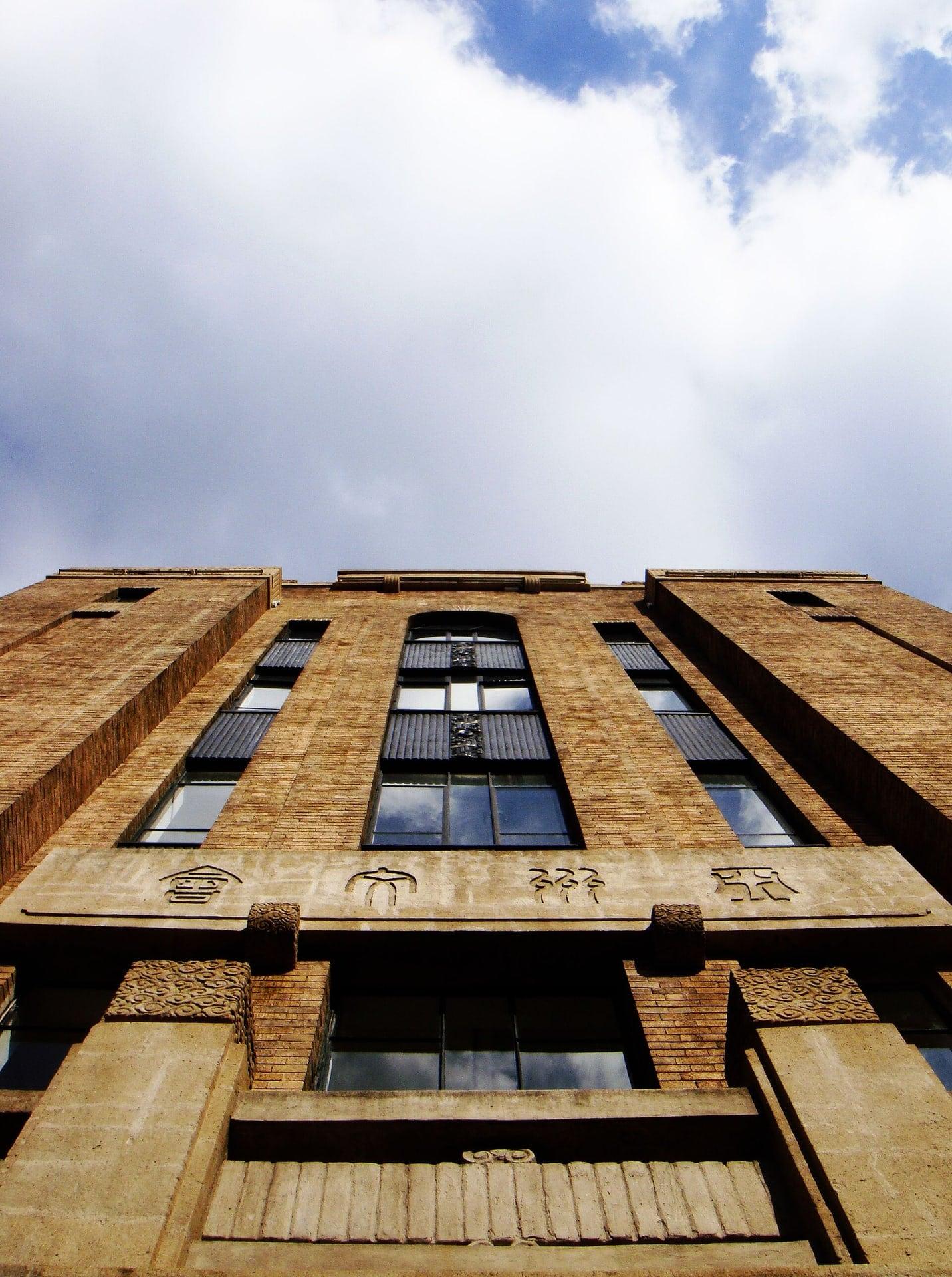
A learned society's Art Deco home. Number 20 Huqiu Road, opened in 1933 for the Royal Asiatic Society's North China Branch, carved with motifs from ancient Chinese bronzes, now the Rockbund Art Museum.
- 2
Yuanmingyuan Road (圆明园路)
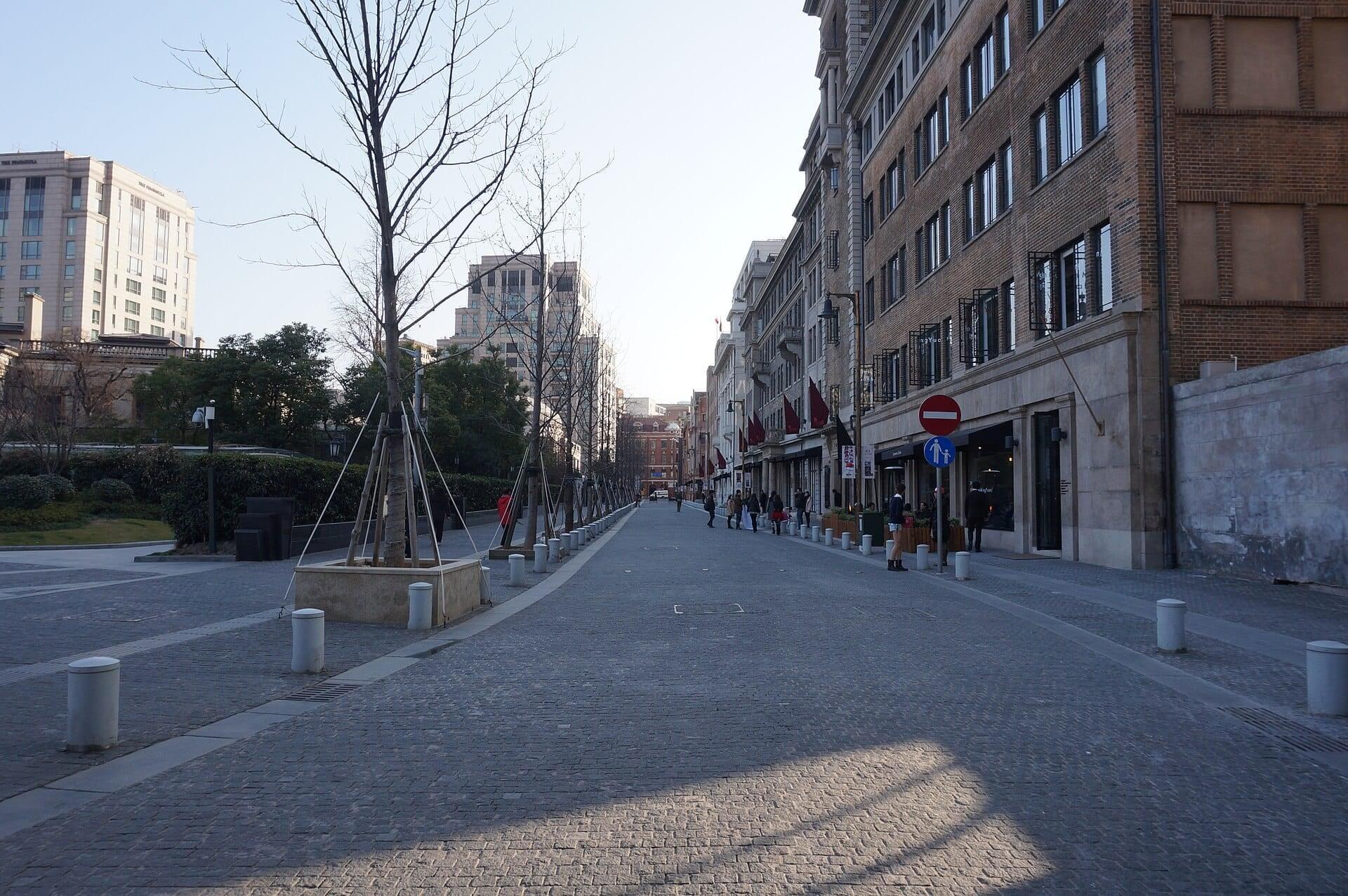
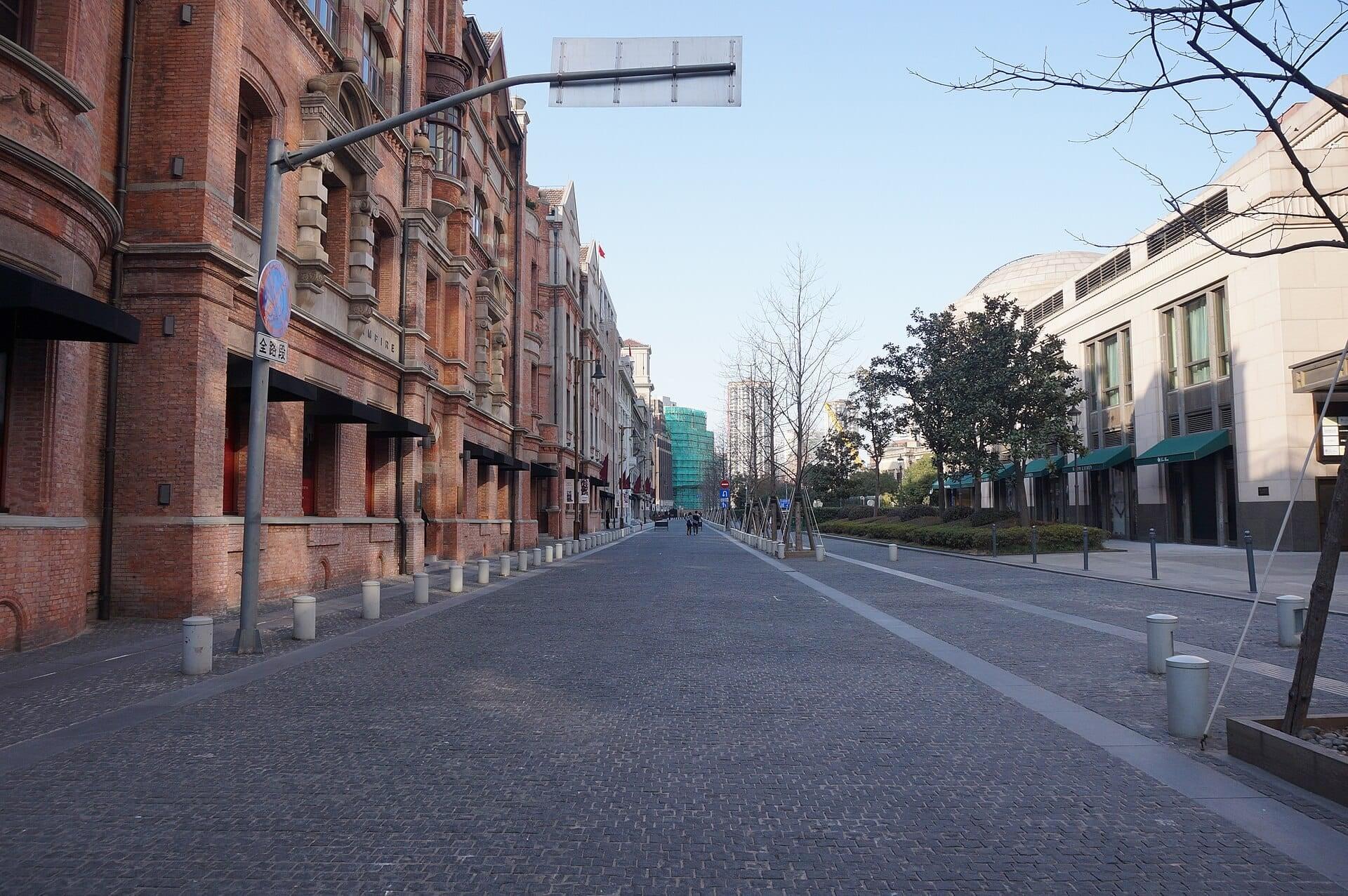
The cultural street behind the banks. Yuanmingyuan Road's restored red brick: the 1927 Lyceum Building named after a lost theater, the 1924 Missions Building, and the former Union Church at the creek.
- 3
Waibaidu Bridge (外白渡桥)
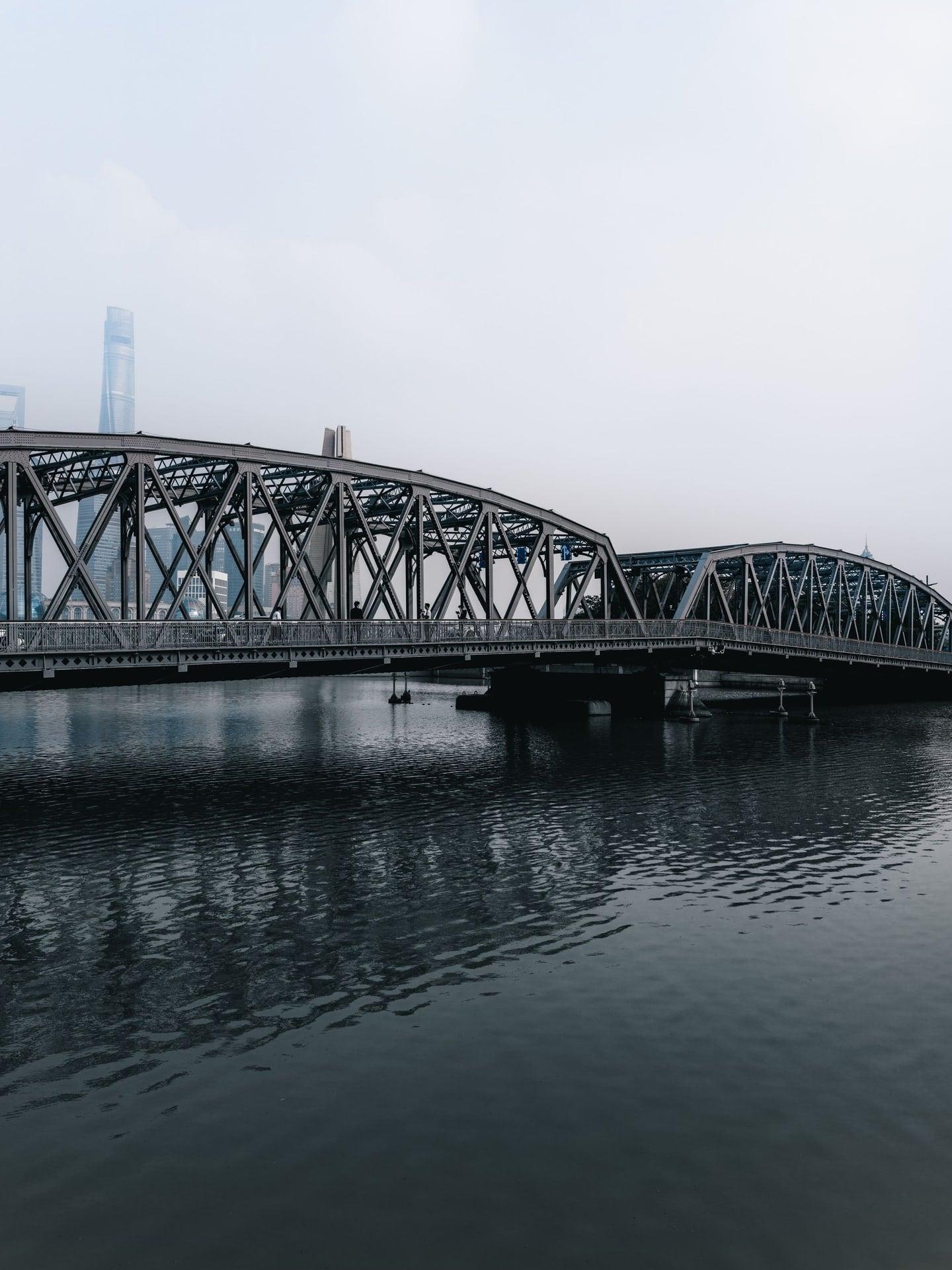
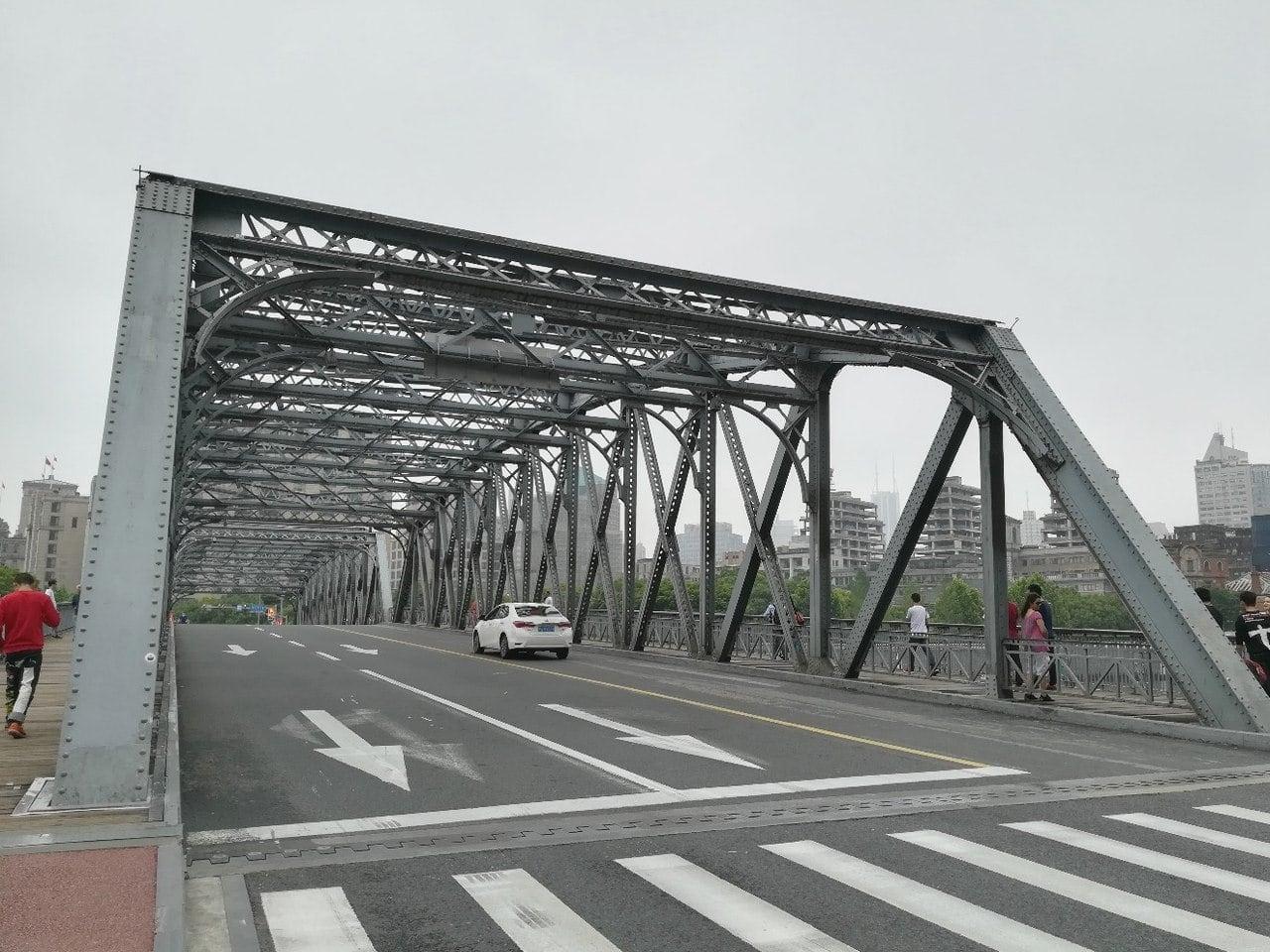
A steel bridge on new foundations. Waibaidu Bridge, the riveted steel truss of 1907 over the mouth of Suzhou Creek, taken away for repair in 2008 and set back on concrete piles 67 m deep.
- 4
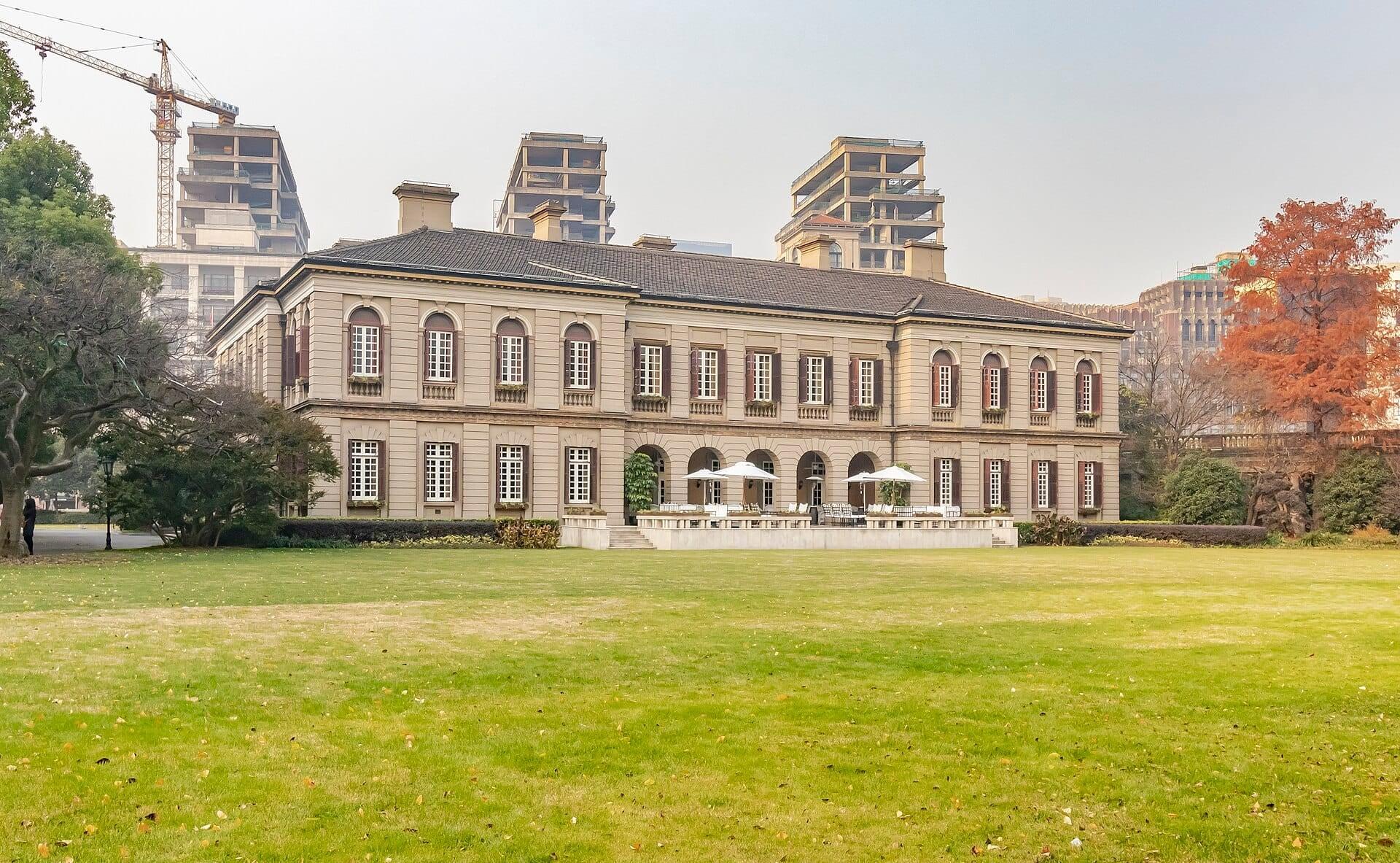
Former British Consulate (原英国领事馆)
A consulate rebuilt after an 1870 fire. The former British Consulate at No. 33, rebuilt in 1872 to 1873 after an 1870 fire on a site in use since 1849, raised on a high base above the low ground.
- 5
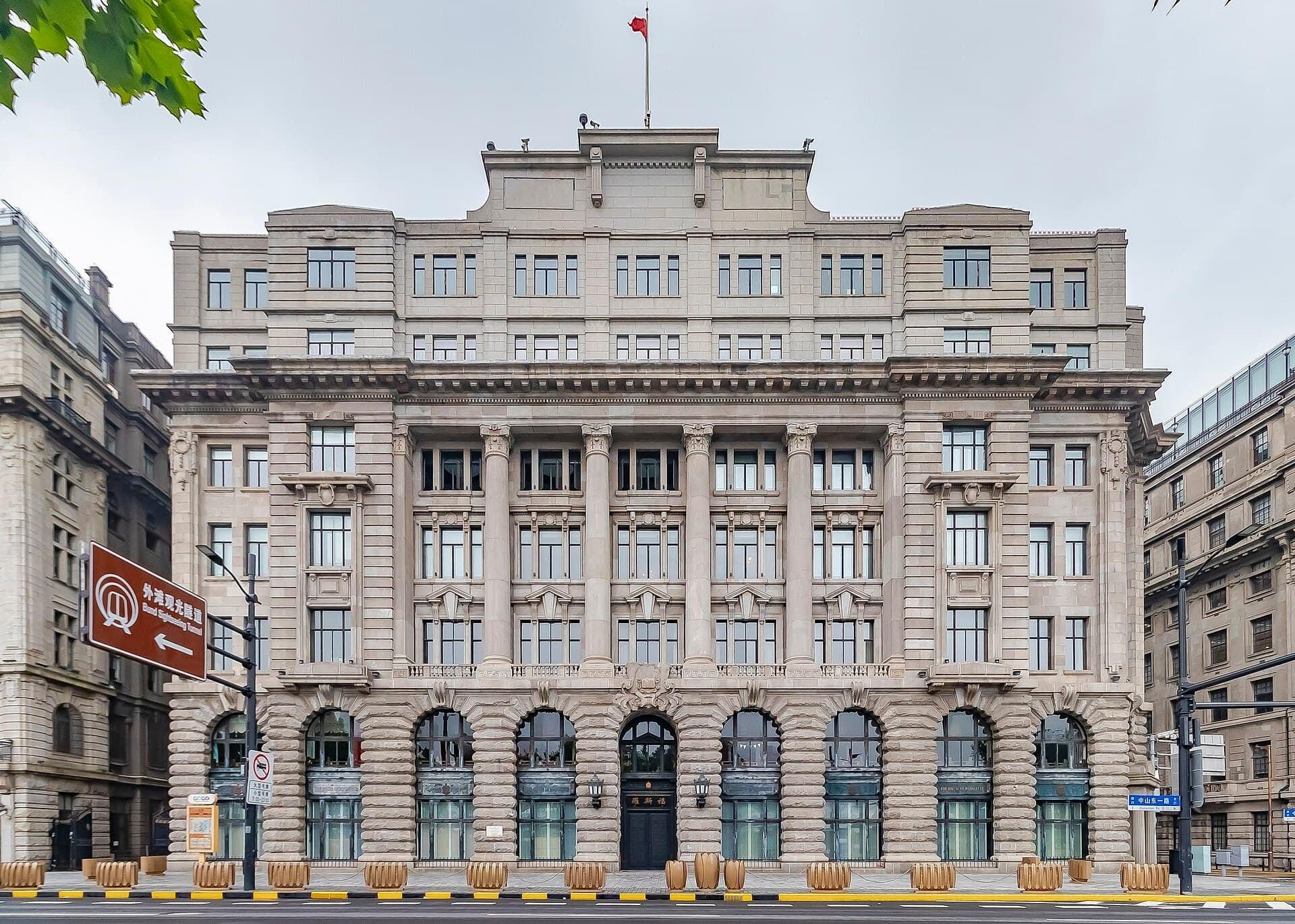
Jardine Matheson Building (怡和洋行大楼)
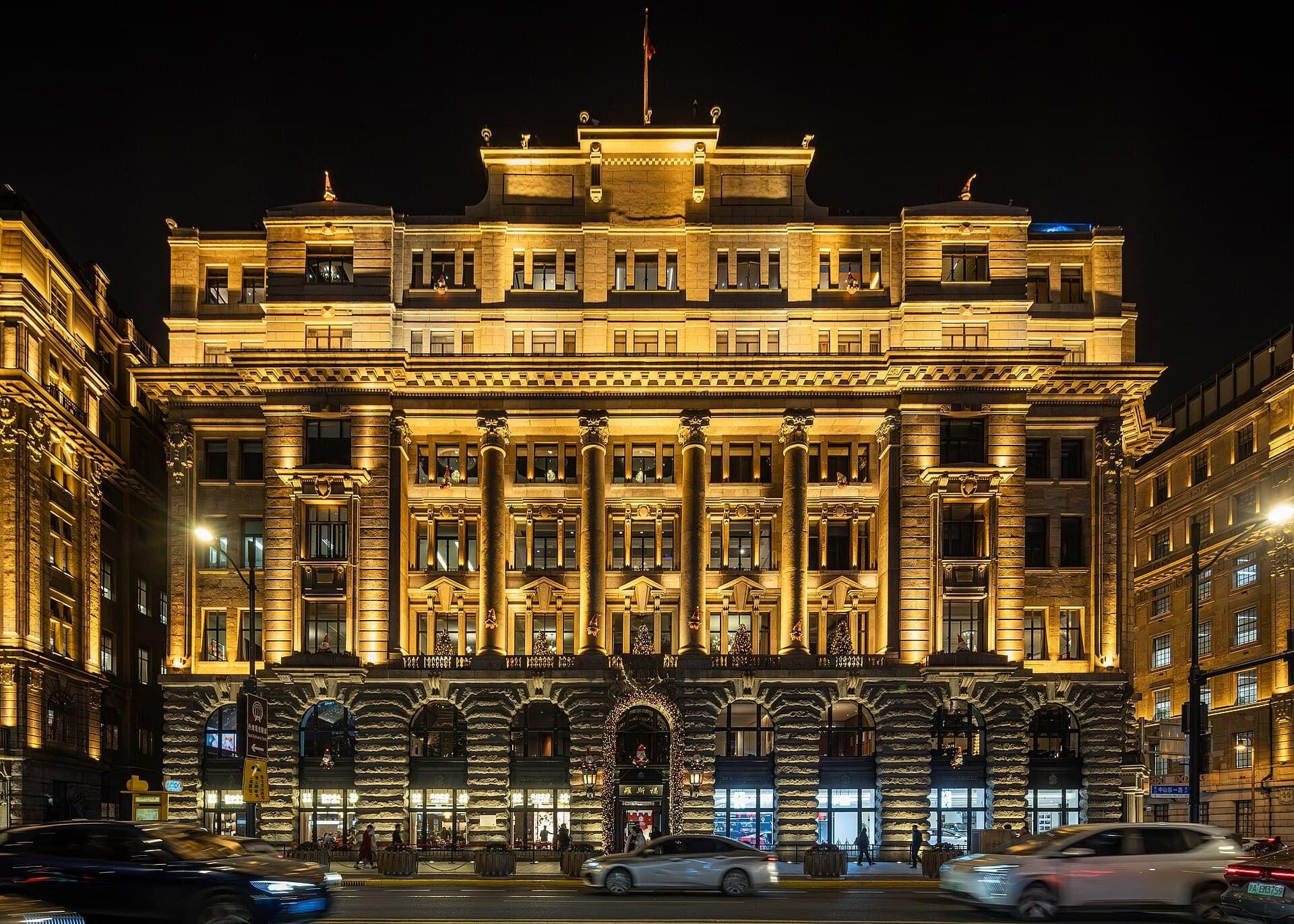
Frontage measured a firm's rank. No. 27, built in 1922 for Jardine, Matheson and Co. on Lot 1 of the Bund, with 51 m of frontage, second only to the HSBC building.
- 6
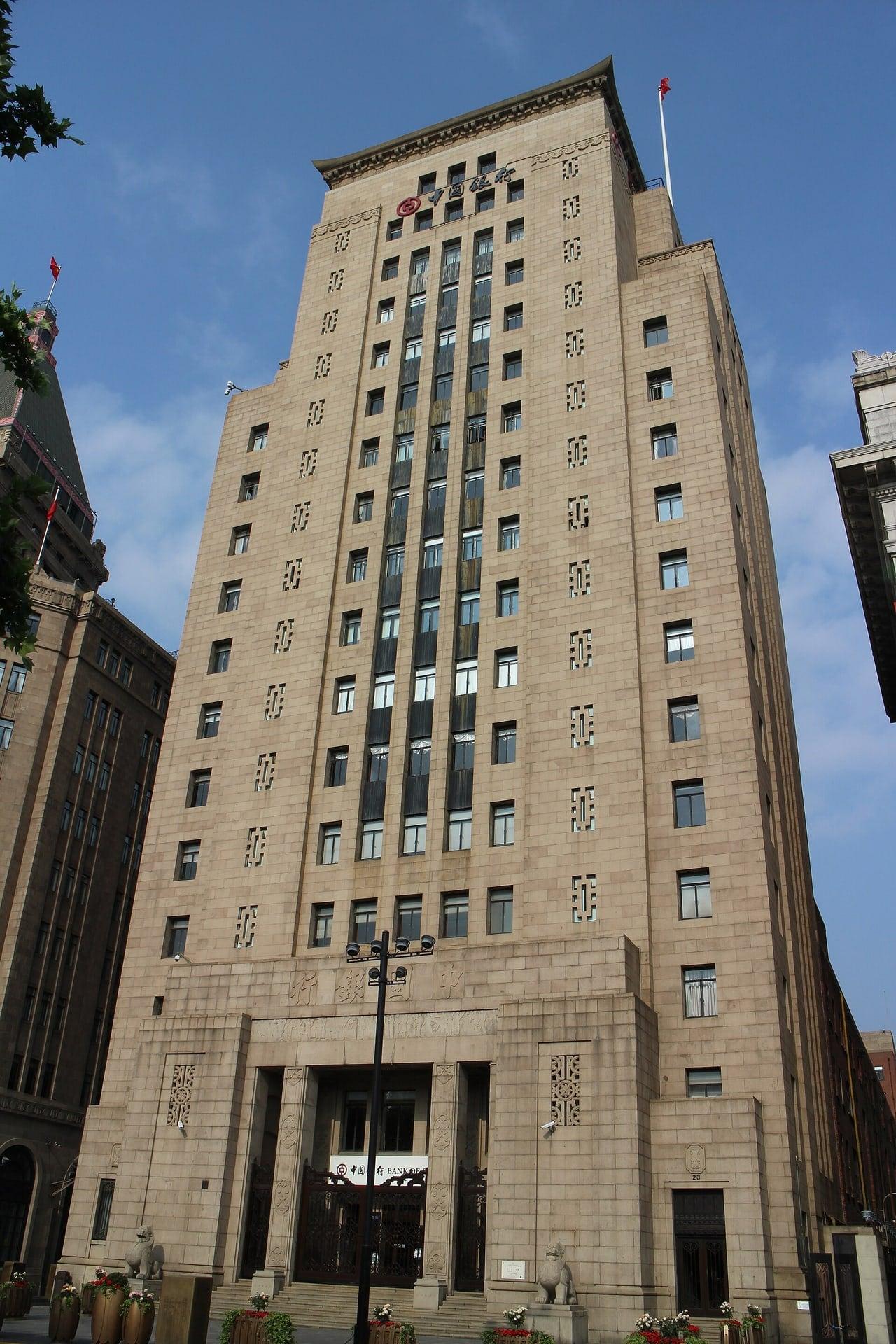
Bank of China Building (中国银行大楼)
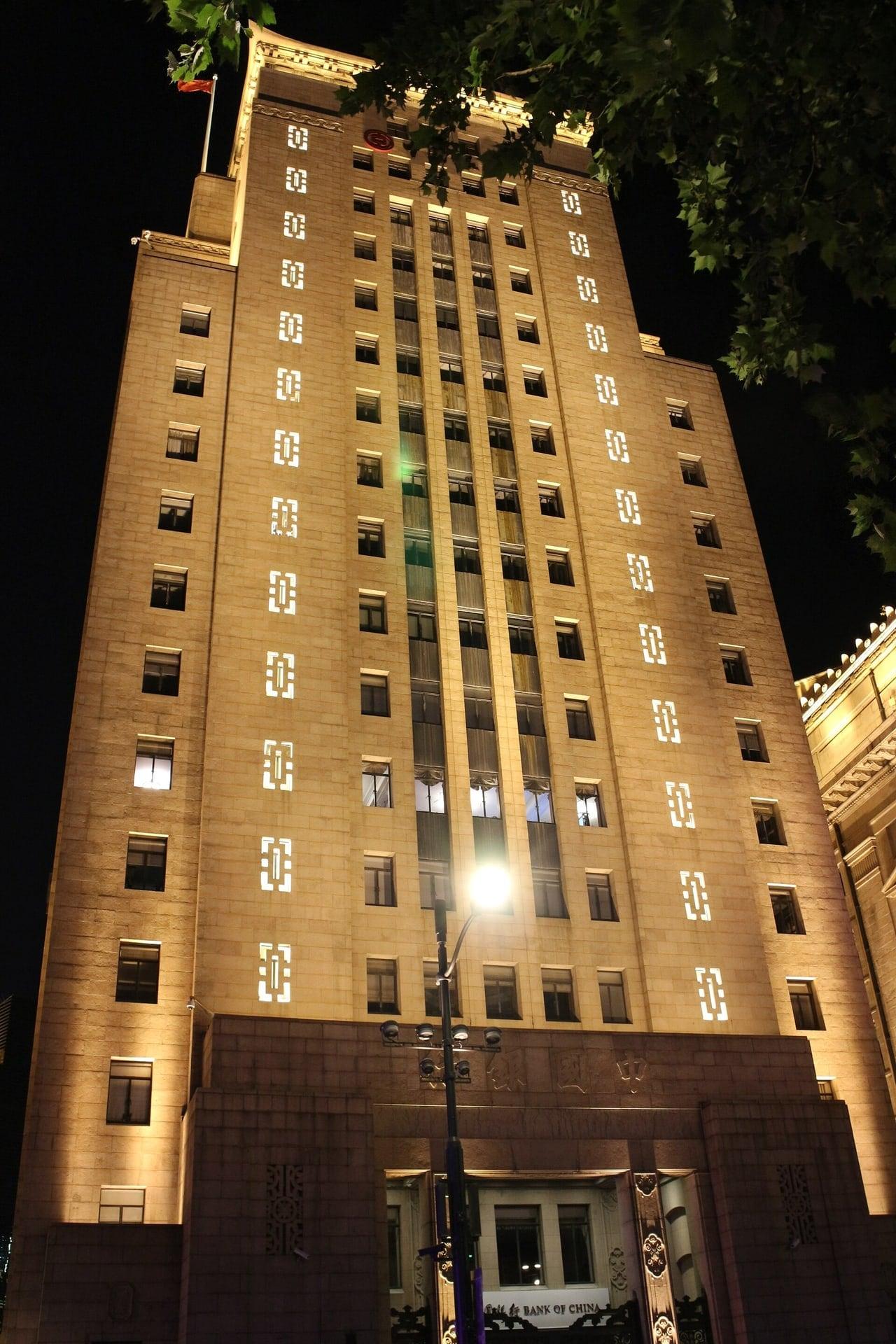
A tower cut to half its height. The Bank of China Building at No. 23, completed in 1937: an Art Deco tower under a glazed Chinese roof, drawn at 34 stories and built at 17.
- 7
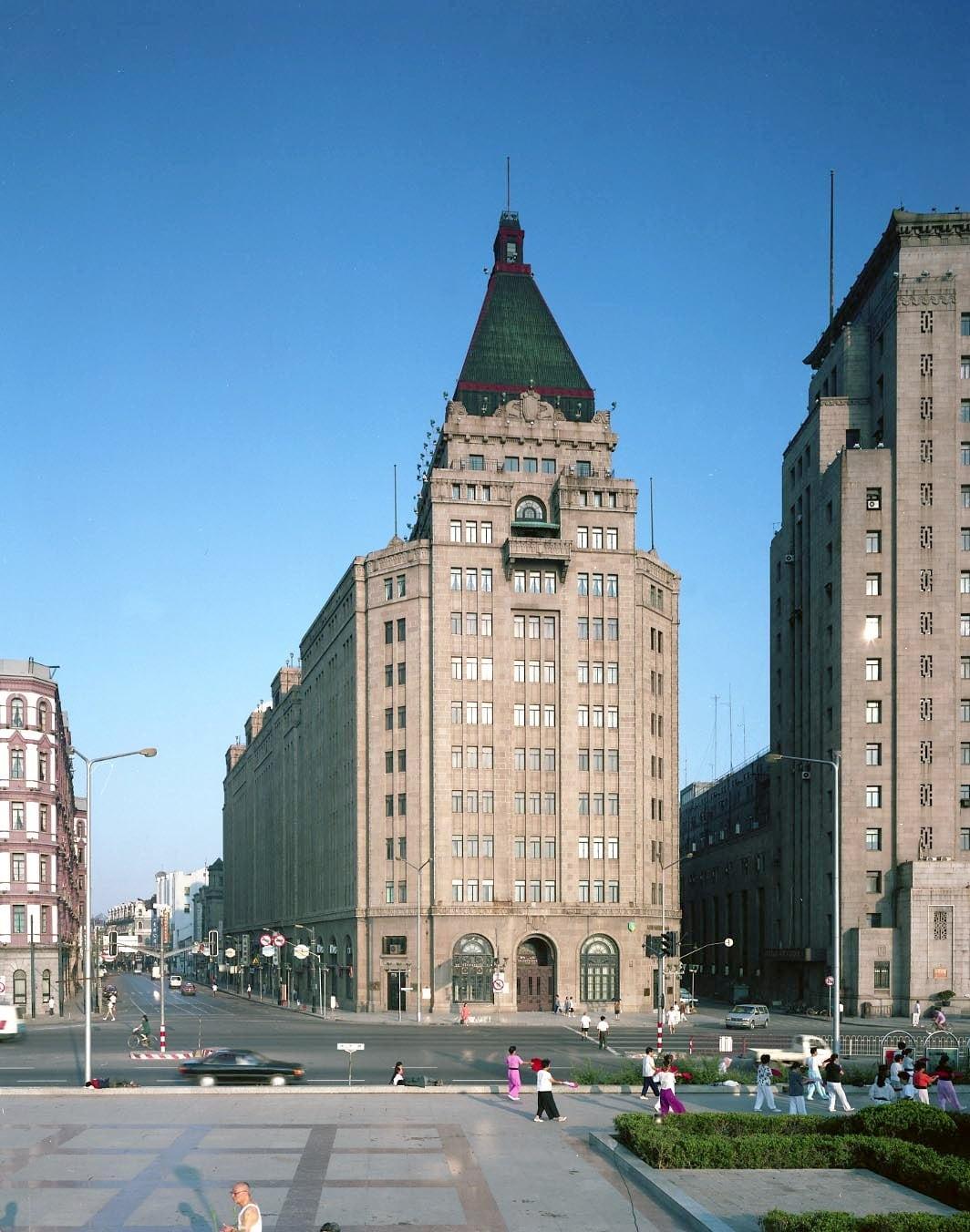
Peace Hotel (和平饭店)
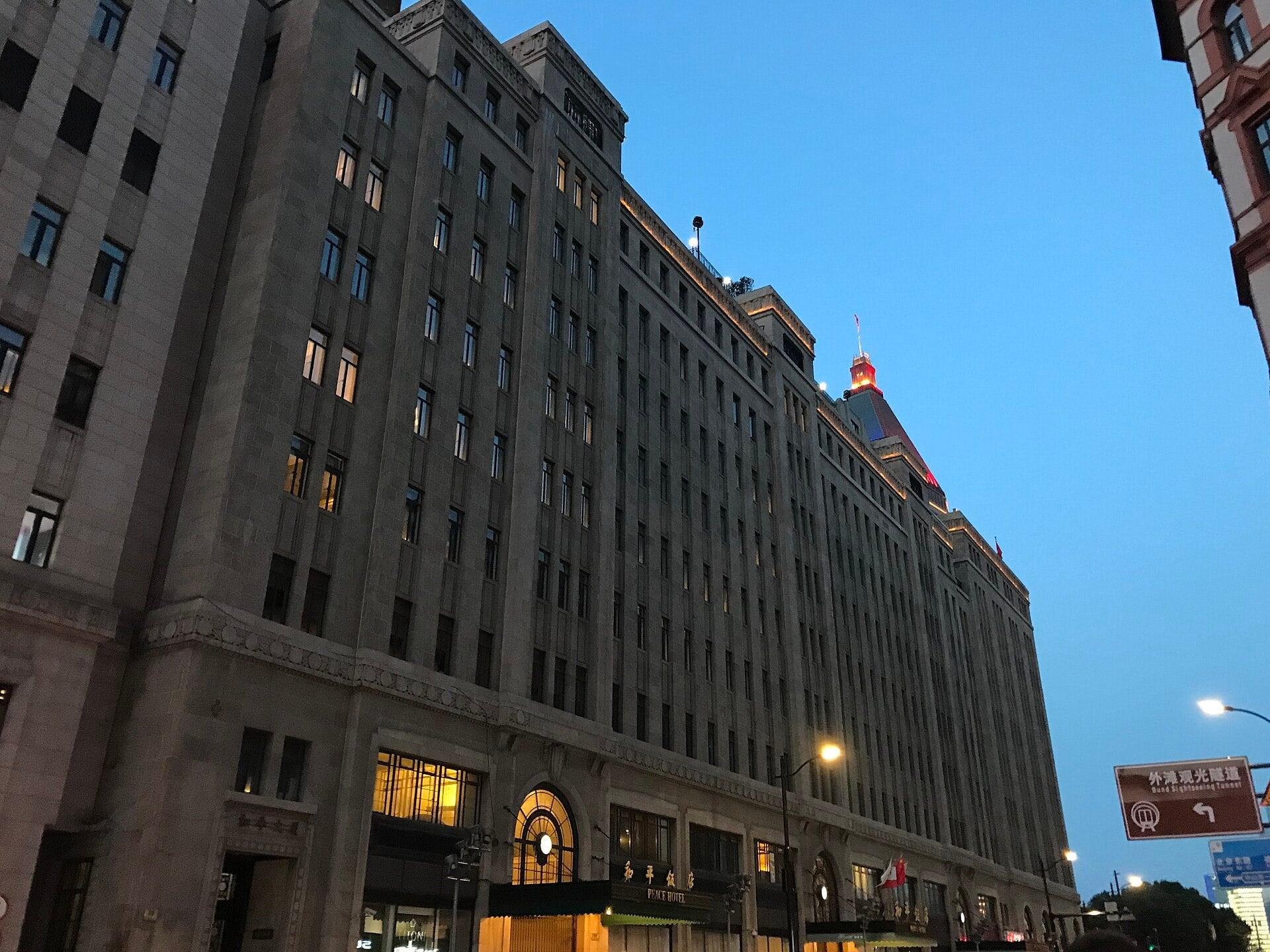
Two hotels a generation apart. Sassoon House at No. 20, the Cathay Hotel of 1929 under its green copper pyramid, faces the older red brick Palace Hotel at No. 19 across Nanjing Road.
- 8
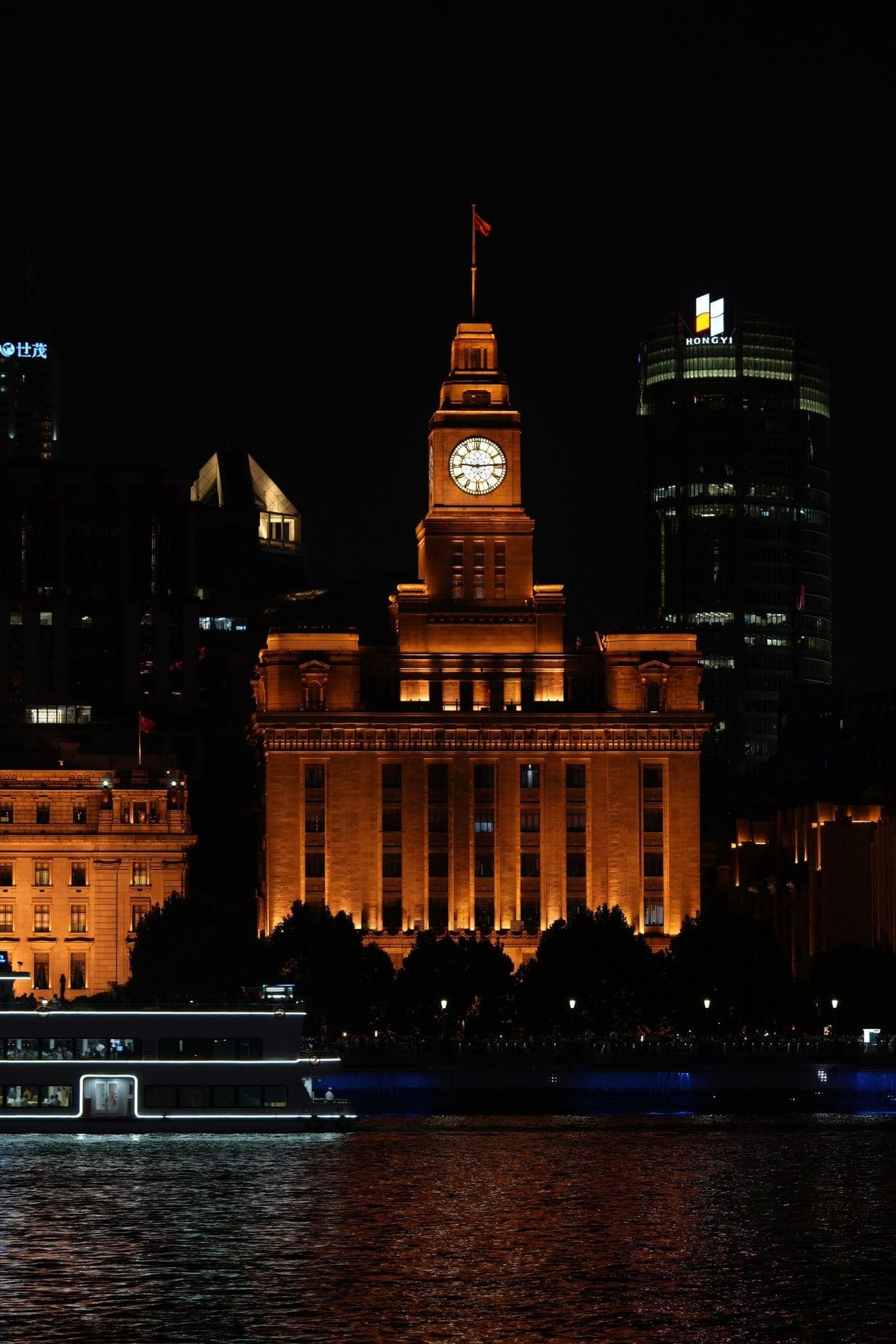
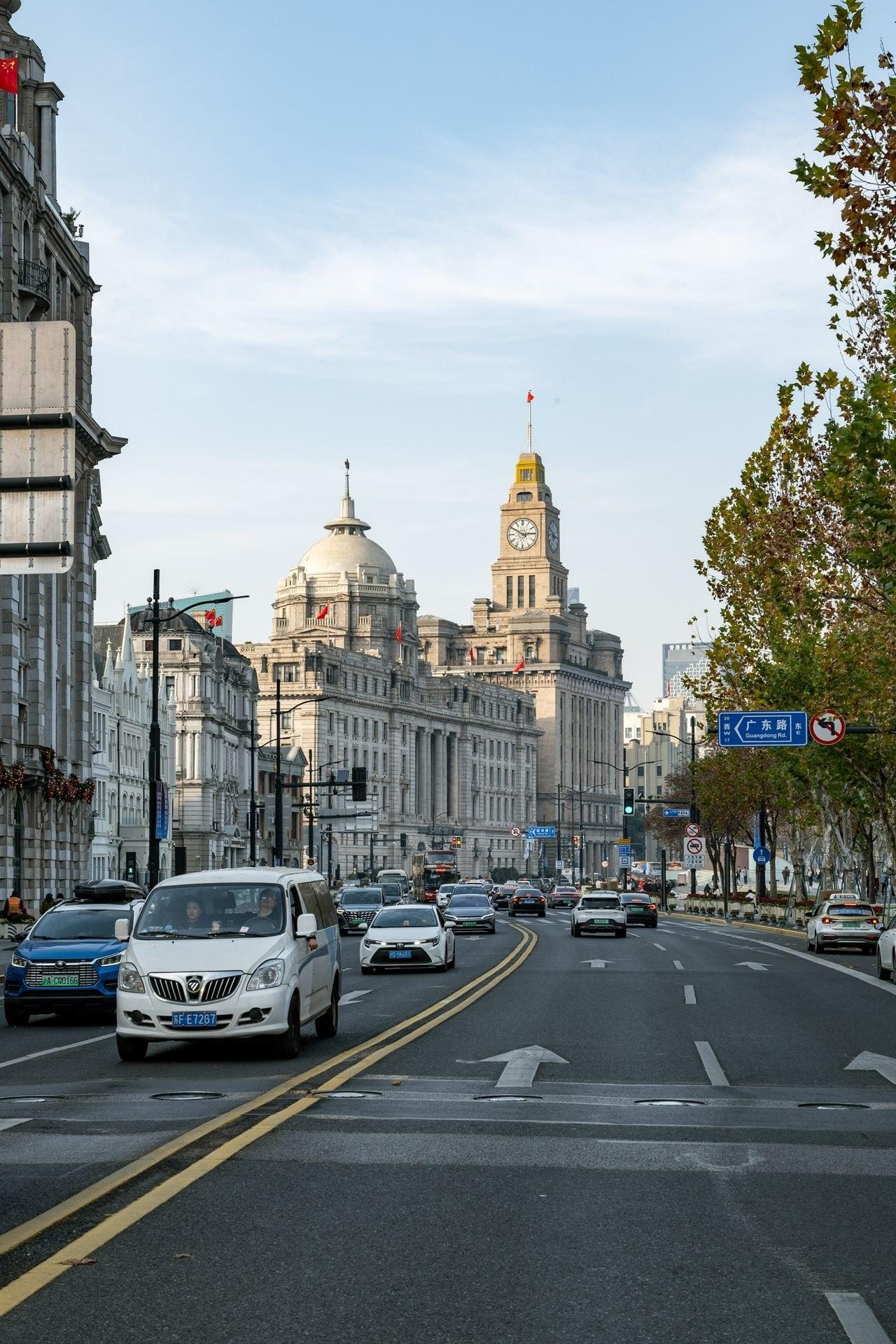
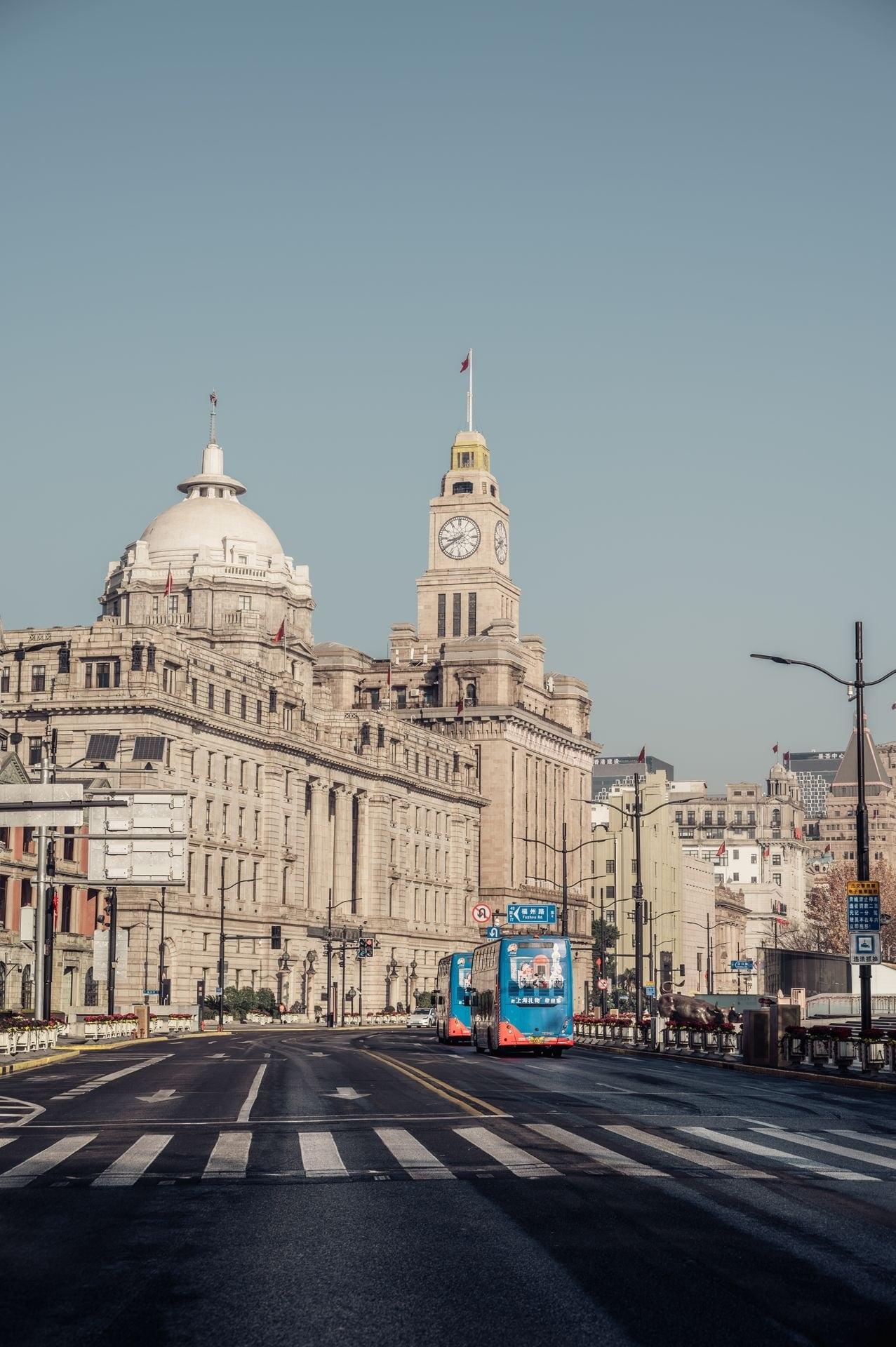
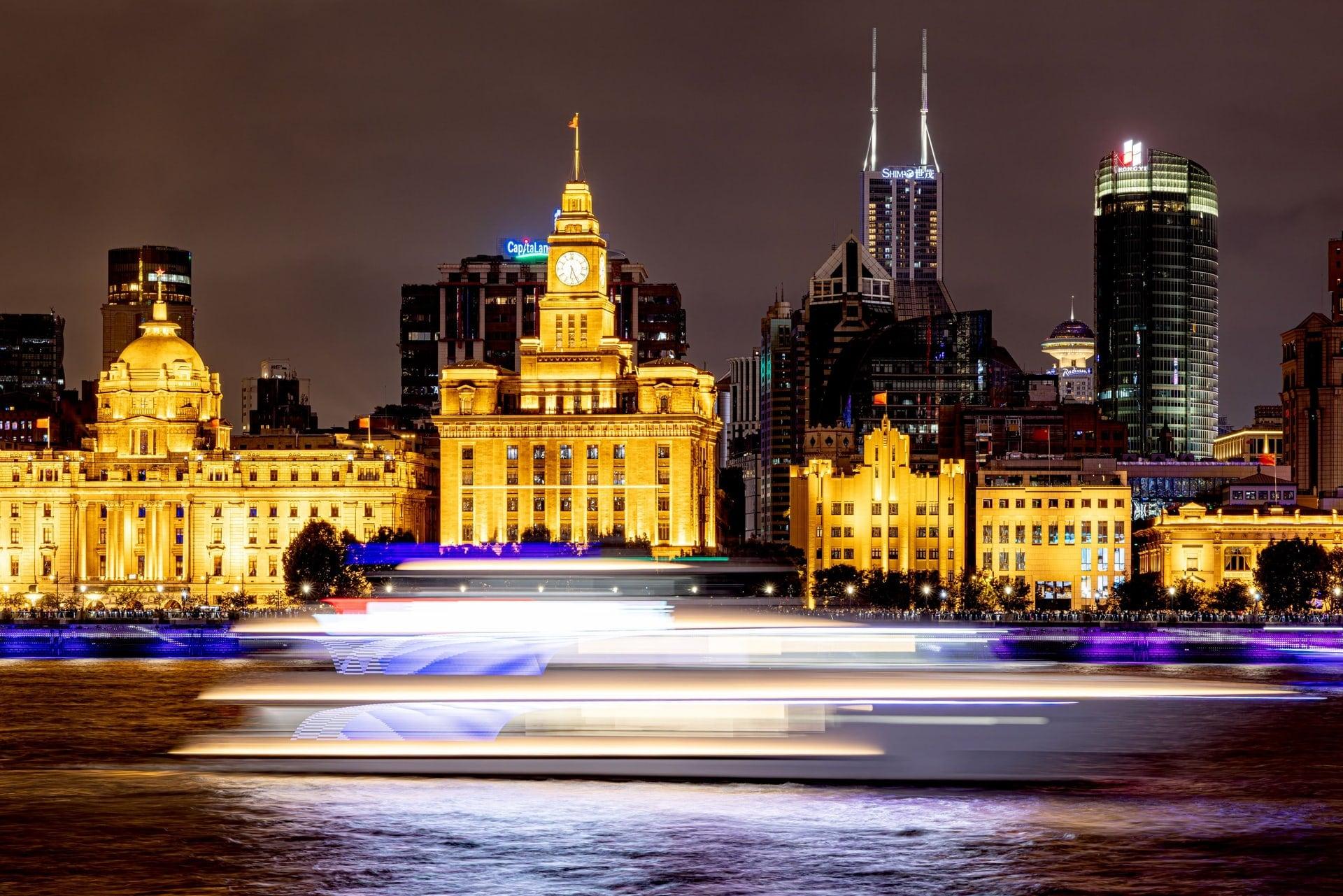
Customs House (江海关大楼)
One address held three customs houses. The Customs House at No. 13, finished in 1927 on the site of an 1891 brick predecessor and a temple-style first one, with a clock made in England.
- 9
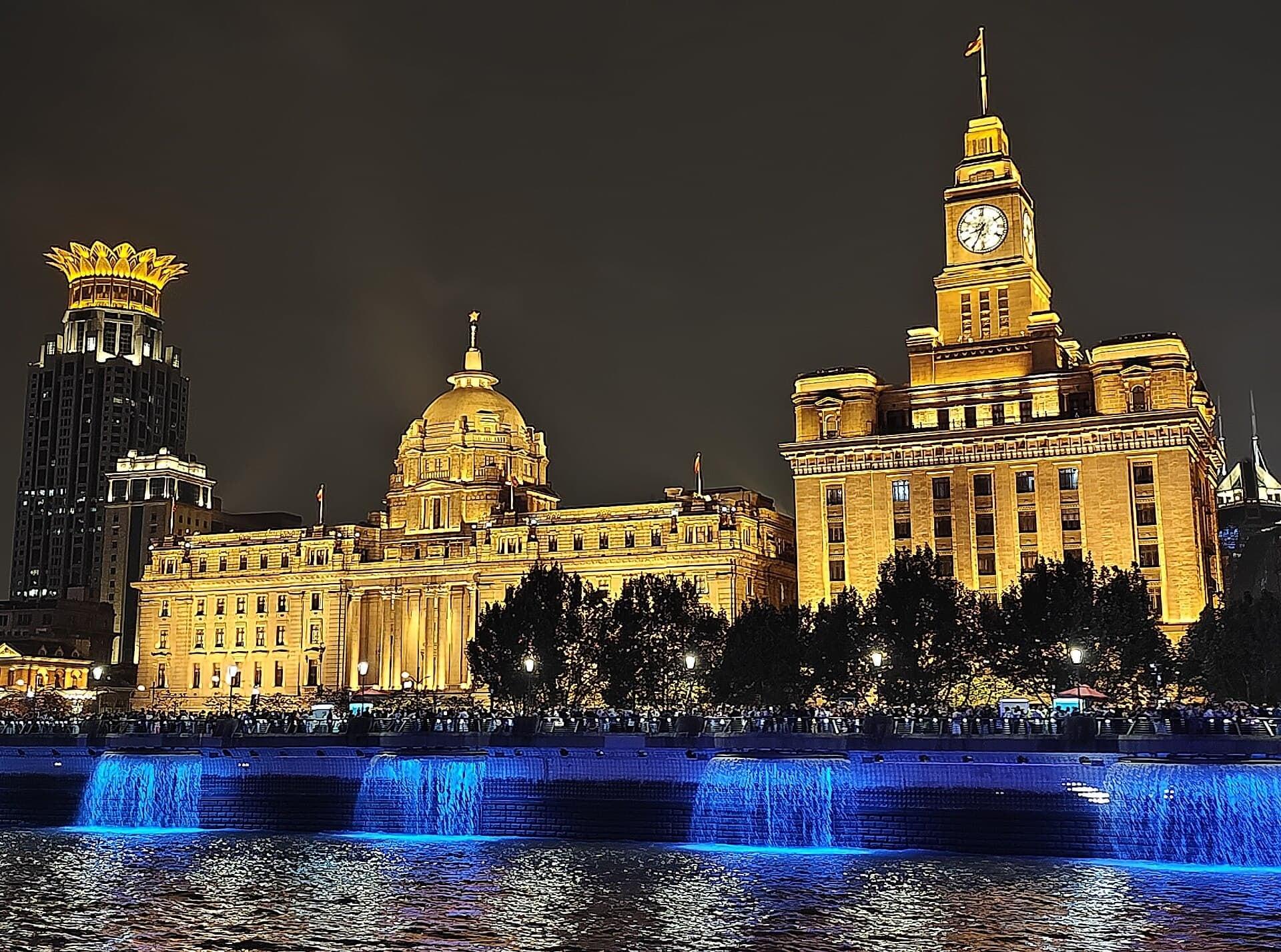
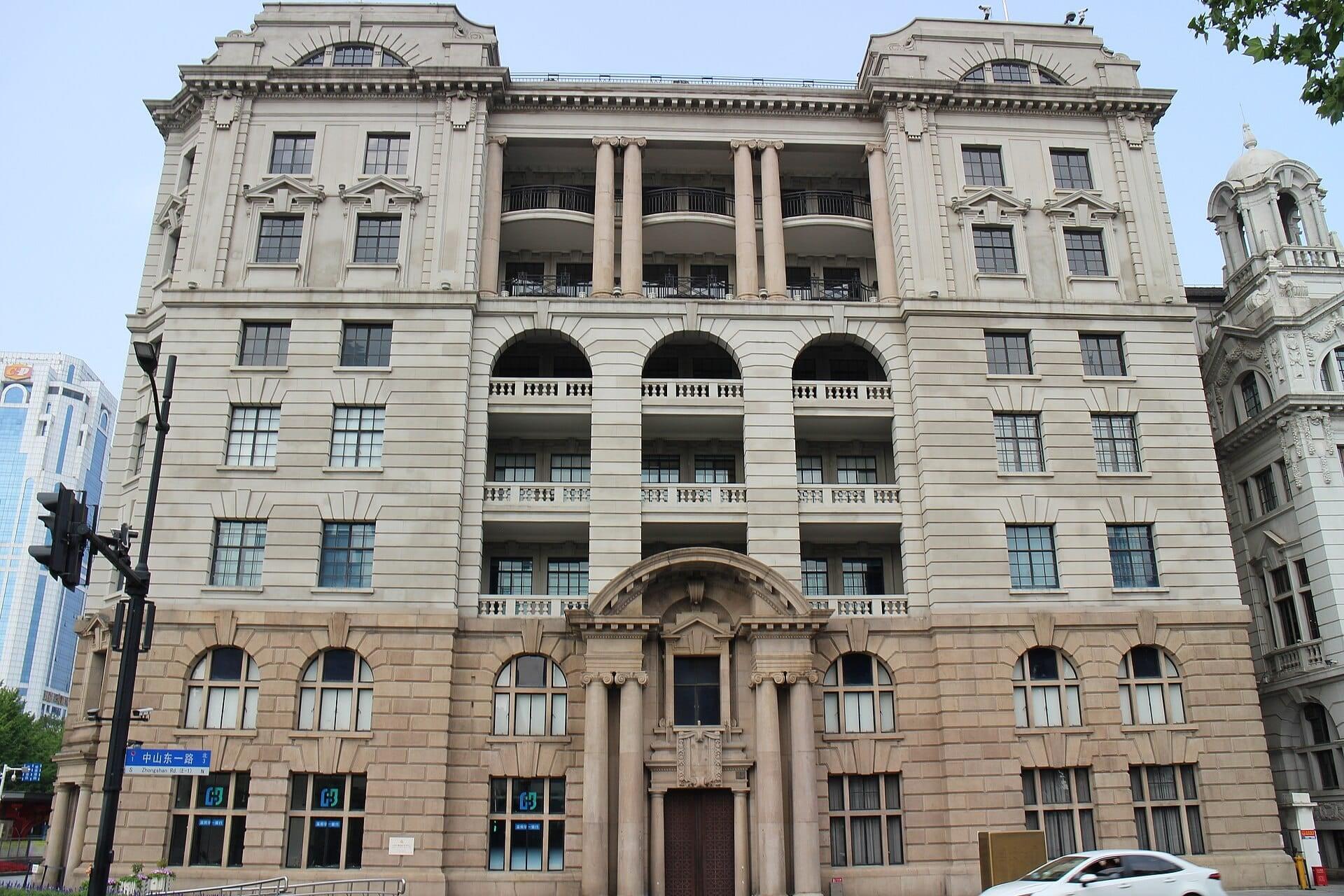
Former HSBC Building (前汇丰银行大楼)
A bank told to dominate the Bund. The former HSBC building at Nos. 10 to 12, opened in 1923 with the longest front on the row, a granite dome and a mosaic hall uncovered in 1997.
- 10
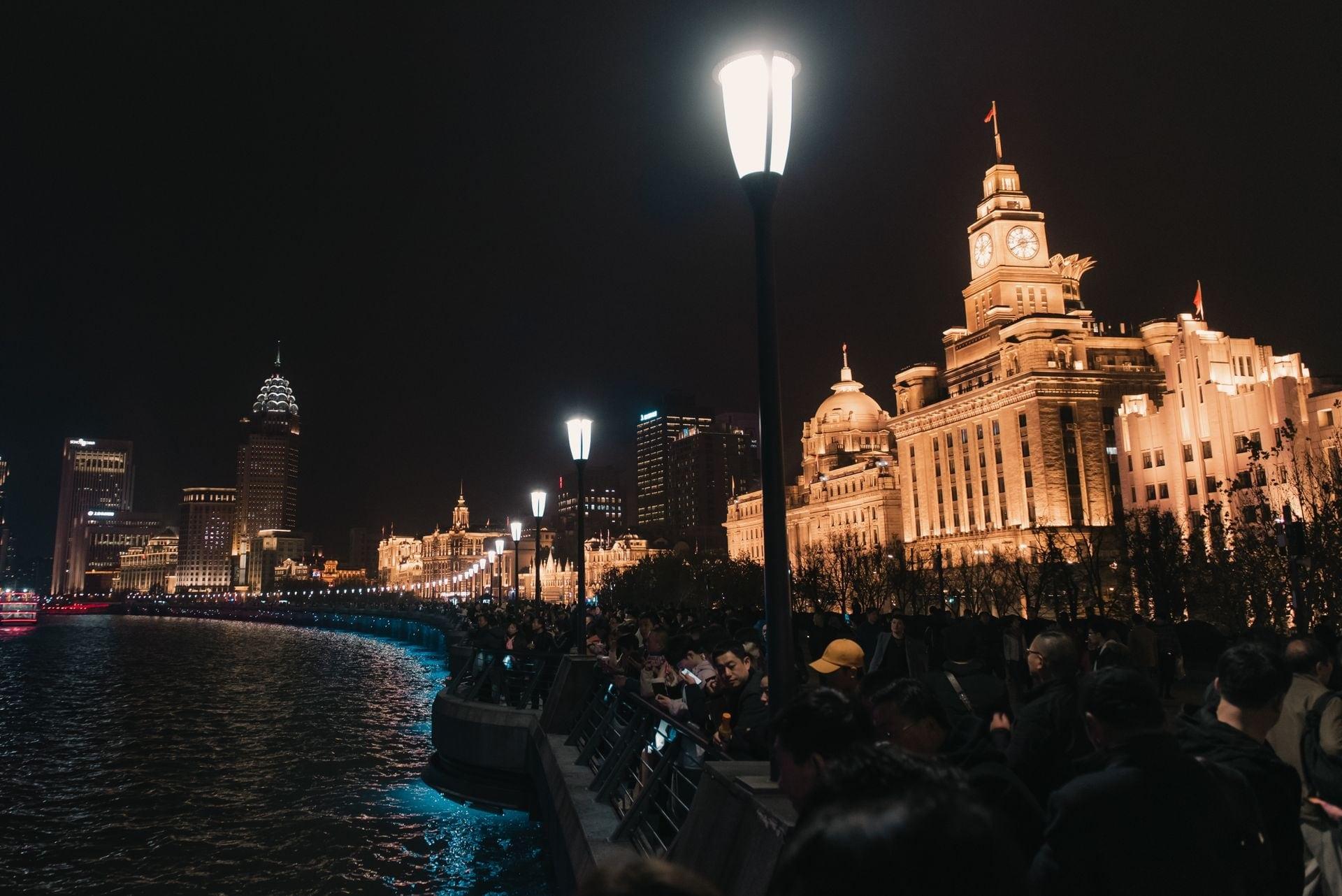
Flood Wall and the River (防汛墙)
Where the city holds back the river. The Bund's riverside terrace over the Huangpu, with Lujiazui across the water and the 2010 rebuild that sent most traffic into a tunnel under the row.
- 11
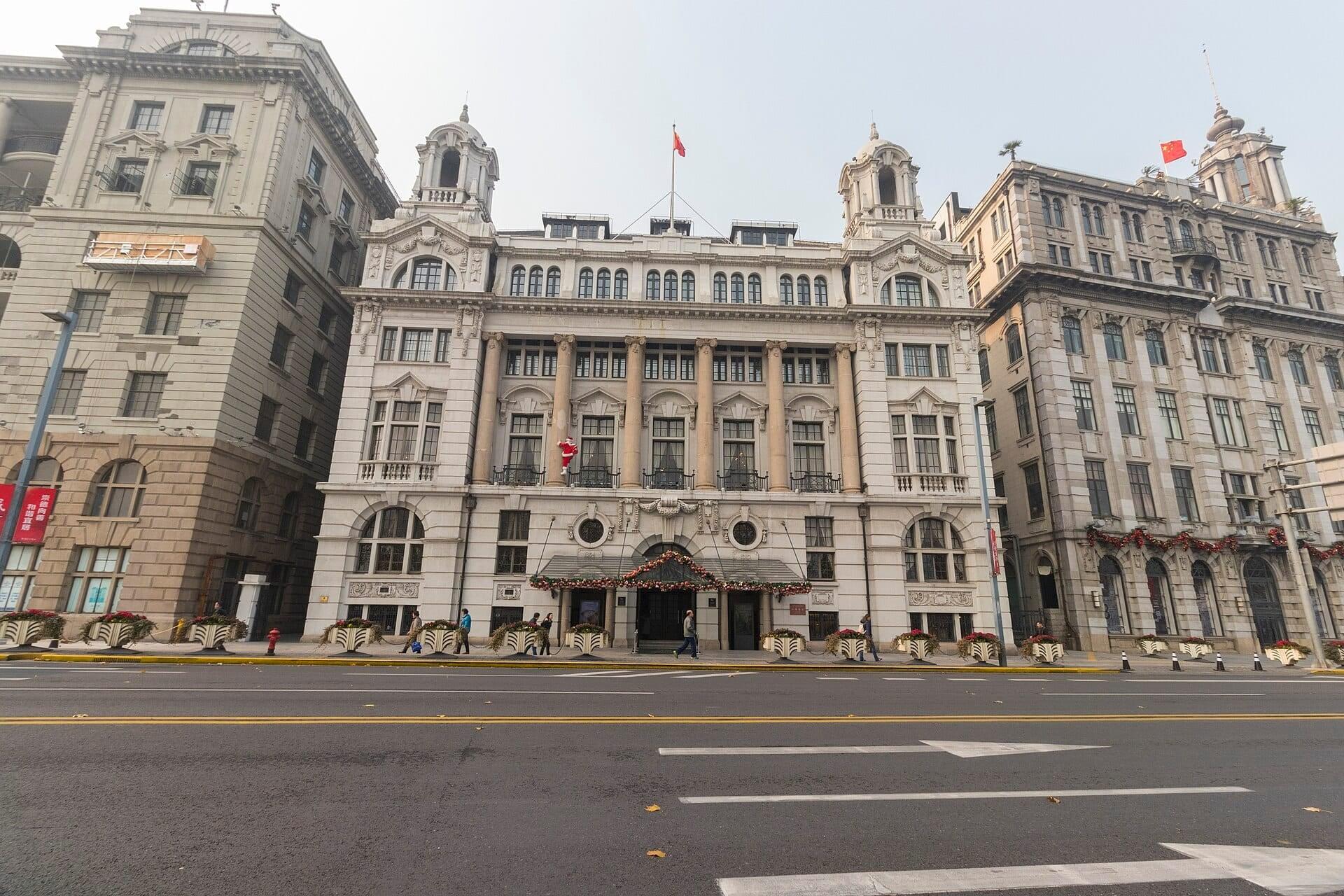
Shanghai Club and Asia Building (上海总会大楼, 亚细亚大楼)
Where the Bund's numbering begins. No. 2, the Shanghai Club's building of about 1910 with its Long Bar, and No. 1, the Asia Building, on the Yan'an Road corner.
- 12
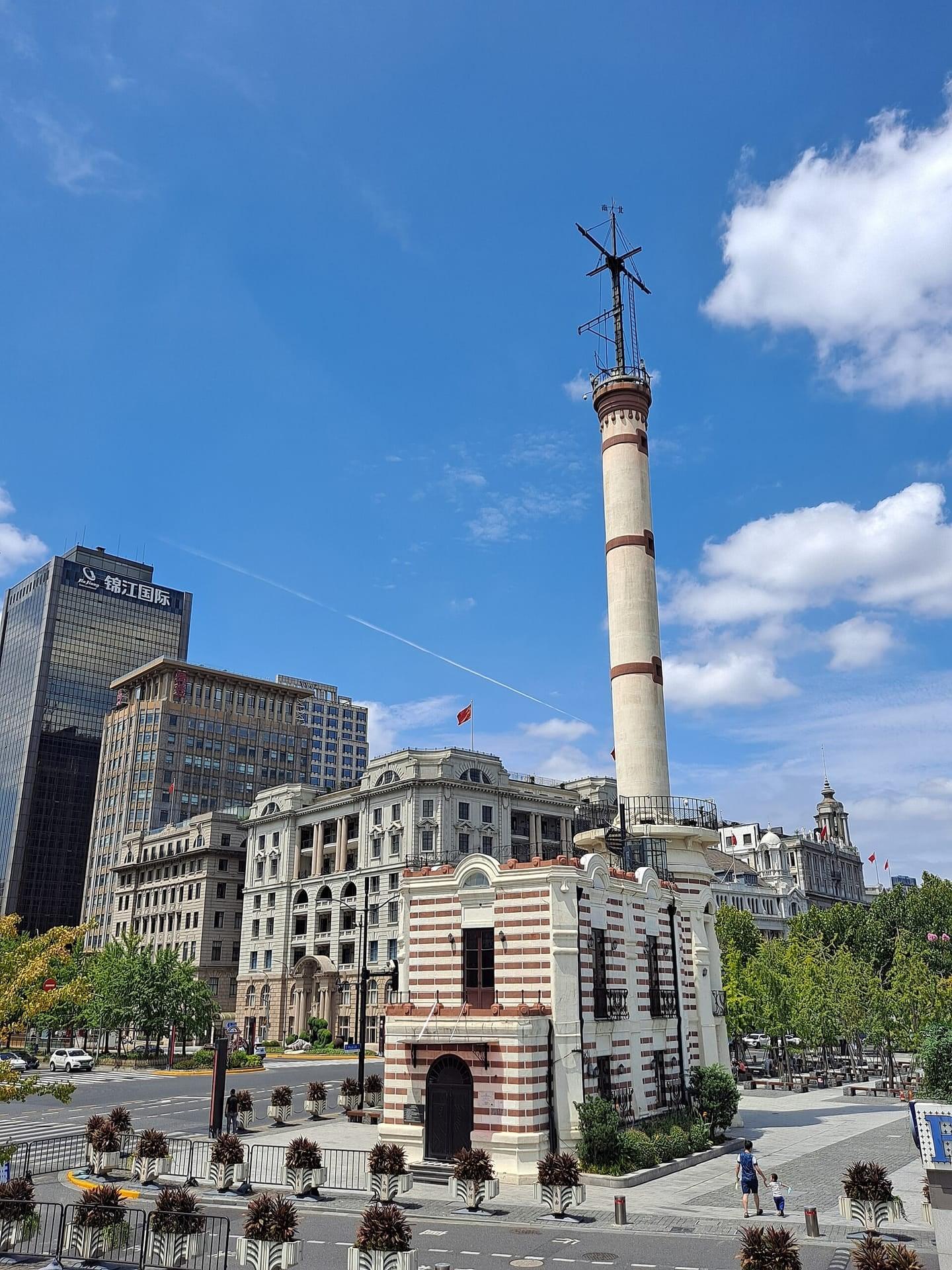
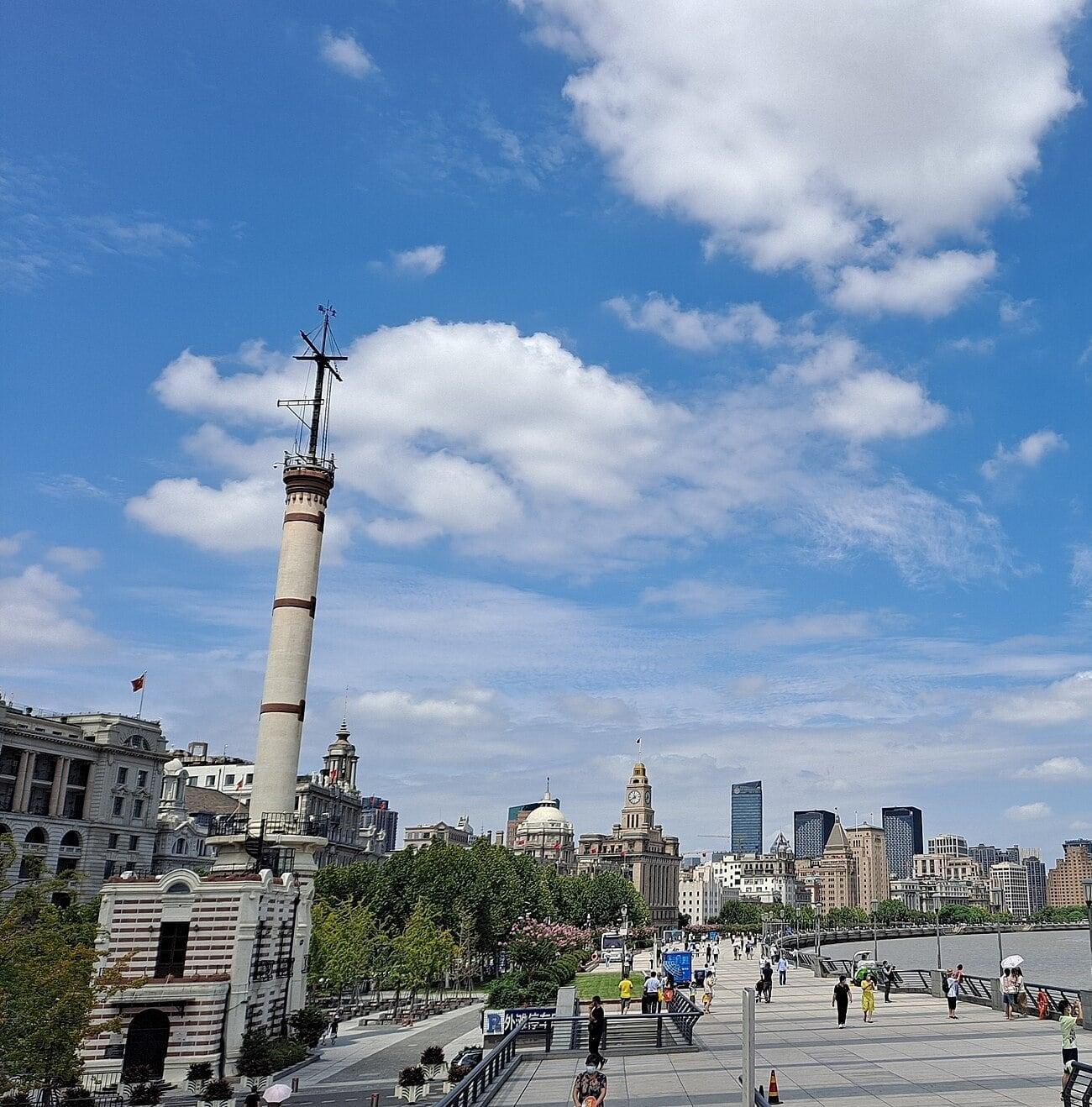
Gutzlaff Signal Tower (外滩信号台)
A tower that moved for the road. The Gutzlaff Signal Tower, rebuilt in 1907 to give ships the time and weather, slid 22.4 m toward the river in 1993.
Details
Best Time to Visit
Any day; about 75 minutes. The fronts read best by daylight, and the waterfront is busiest at sunset and in the evening, when the buildings are lit (about 18:00 to 22:00 on ordinary nights, later on holidays). Sunset is about 16:51 on 1 December and 17:00 on 31 December. Do not plan the walk for the evening of 31 December (New Year's Eve crowd control and road closures around the Bund) or for the evenings of public holidays: New Year 1 to 3 January 2027, Spring Festival 5 to 13 February 2027 (Chinese New Year's Day is 6 February), and the National Day holiday in early October. December afternoons average about 11 °C (52 °F) and January about 8 °C (46 °F), with nights near freezing; June brings the plum rains; July and August average highs about 32 °C (89 °F). The Rockbund Art Museum (stop 1, optional) is open Wednesday to Sunday, 11:00 to 18:00. Checked 25 November 2026.
Pro Tips
- •Getting to the start: metro lines 2 and 10 to Nanjing East Road station. Walk east along Nanjing East Road toward the river, then north on Sichuan Middle Road, east on Beijing East Road and left into Huqiu Road: about 700 m, 10 minutes. Number 20 is on the right. Checked 25 November 2026.
- •Carry your passport, and set up Alipay or Weixin Pay with your own card before you travel; carry some cash as well. Have mobile data that works in mainland China and download this tour before you set out.
- •The Rockbund Art Museum (stop 1) is open Wednesday to Sunday, 11:00 to 18:00, last admission 17:30, if you want to see the inside. It is not needed for the walk.
- •The Fairmont Peace Hotel's Peace Museum (stop 7, ground floor) lists daily hours of 9:00 to 19:00. Its guided tours, including the 128 yuan heritage tour, are for hotel guests; other visitors can book tour and dining packages at least one day ahead. Optional, not part of the walk. Checked 25 November 2026.
- •If the promenade is barriered or one-way on a busy night, walk stops 5 to 12 on the west sidewalk of Zhongshan East 1st Road instead, crossing to it at the lights at Beijing East Road: look up at each building from its own sidewalk, and skip stop 10.
- •The walk ends at the Gutzlaff Signal Tower. The East Jinling Road ferry to Lujiazui leaves from the pier a short way on along the promenade; Nanjing East Road station is about 10 minutes back inland.
Safety & Precautions
- •Mainland China drives on the right. At the one zebra without lights (Nansuzhou Road, after stop 2) look left first, then right. At the lights at the foot of Waibaidu Bridge, cars turning right do not stop for walkers on green. Huqiu Road (leg 1 to 2) is one-way with traffic coming toward you and no marked sidewalk: keep to the edge.
- •Silent electric scooters and e-bikes ride on sidewalks, in lanes and against the traffic, especially on Huqiu Road and Nansuzhou Road. Listen less, look more.
- •Between stops 4 and 5 the route crosses the exit lane of an underground parking garage on the promenade: cars come from your left, the river side.
- •If a friendly stranger invites you to a tea house or a bar, decline politely: these invitations can end in a very large bill.
- •The end of Nanjing Road, the foot of the bridge and the river rail are crowded at sunset and in the evening: keep bags closed. Do not photograph security staff.
- •The promenade has steps and ramps between the road level and the riverside terrace; stone paving is slippery in rain.
Gallery
Read the walk
The full story of The Bund: Built on Mud, Measured by Power, in words. Prefer to listen? Play it narrated, from home or on location.
Introduction
The Bund is Shanghai's old waterfront, a row of banks, trading houses, hotels and a customs house facing the Huangpu River, and it was built on a low, muddy riverbank. On this row, power had a measure. Firms competed for frontage, the length of their front on the water; for height, against their neighbors; and for the stone they could stand on piles in soft ground. This walk reads that measuring stick, from the quiet lanes behind the row to the river itself.
There are twelve stops over about one point seven five kilometers, just over a mile, and it takes about seventy five minutes. It is flat, with steps and ramps up to the riverside terrace.
In mainland China traffic keeps to the right, so at a crossing without lights look left first, and watch for cars turning right on green, which do not stop for walkers. Silent electric scooters ride on sidewalks and narrow lanes, sometimes against the traffic. The walk crosses one main road, at the lights by the bridge.
No ticket is needed for any stop. The banks, hotels and the customs house are told from outside; the interiors are not part of the walk. Carry your passport. Have mobile data that works in mainland China, and download this tour before you set out.
The waterfront is busiest at sunset and in the evening, when the buildings are lit. On New Year's Eve and on public holiday evenings the riverside is packed, with barriers and one way flows: choose another time. Winter afternoons are about eight to eleven degrees Celsius, the mid forties to low fifties Fahrenheit; summers are hot and humid.
The walk starts on Huqiu Road, about ten minutes on foot from Nanjing East Road station on metro lines two and ten, and ends at the river by Yan'an Road. When you arrive at the former Royal Asiatic Society, begin with stop one.
1. Former Royal Asiatic Society (亚洲文会大楼)
Across this narrow lane stands number twenty Huqiu Road, and it rewards a long look up. High on the front, carved in stone, are beasts, dragons and birds taken from the patterns on ancient Chinese bronze vessels, and a pair of granite lions sits on the top. It is an Art Deco building of the nineteen thirties, the fashionable Western style of its day, dressed in ornament from China's bronze age.
It was built for a learned society. The society began in eighteen fifty seven as the Shanghai Literary and Scientific Society and became the North China Branch of the Royal Asiatic Society, a society for the study of China. It had its first home on this site from eighteen seventy one, and in eighteen seventy four it opened a museum on the second floor, mostly of stuffed birds. The street took its name from it: in eighteen eighty six this lane was renamed Museum Road.
The old building did not last. In nineteen twenty eight the members found live termites in their bookcases. The new building went up in nineteen thirty two and opened on the fifteenth of November nineteen thirty three. Its architect was George Wilson of the firm Palmer and Turner, a long time member who led the fund raising. You will meet his firm's work again on the waterfront: the domed bank and the hotel with the green pyramid roof are theirs too. Inside, each floor was given a different staircase, and the washroom signs were written in ancient seal characters.
Since twenty ten the building has been the Rockbund Art Museum, restored with its coffered ceiling and steel framed windows kept.
The waterfront ahead measured power in frontage, in height, and in how much stone its owners could stand on soft ground. This back lane is where the people who studied China built.
Follow the route north up Huqiu Road. It is one way, and the traffic comes toward you, so keep to the edge and watch for silent scooters from either direction. Next is the street behind the banks.
2. Yuanmingyuan Road (圆明园路)
This paved street is Yuanmingyuan Road, the back street of the banking row. Turn to look down it to the south. From the nineteen twenties to the nineteen forties more than thirty religious organizations had offices along here, and scholars have since called it the cultural Bund, to set beside the commercial Bund on the river.
The building with brown tiles on the corner beside you is the Lyceum Building of nineteen twenty seven, seven stories of steel and concrete. It was named after a theater. An Amateur Dramatic Club was founded in eighteen sixty six, and on the first of March eighteen sixty seven it opened a wooden theater called the Lyceum, here behind the British Consulate, on ground that had been part of the consular grounds. At the end of eighteen seventy it burned down, and it was not insured. A second Lyceum stood from eighteen seventy four until nineteen twenty nine, and the office block kept the name.
Across the street, the Missions Building was finished in nineteen twenty four, designed by the Mission Architects Bureau and paid for largely by a gift made in nineteen thirteen.
Look further down the street, about a block south, to the red brick fronts. When this quarter was restored, from two thousand seven, the restorers matched the old bricks with the help of Tongji University's conservation laboratory and had new ones fired in Yixing. The original bricks, the restoring architects say, came out from England as ship's ballast.
Behind you, at the street's north end by the creek, stands the tower of the former Union Church, built in eighteen eighty six in bands of grey and red brick.
Follow the route north to the creek. Cross Nansuzhou Road on the zebra, which has no lights: look left first, then right. At the foot of the bridge, cross the main road at the lights, and watch for cars turning right on green: they do not stop.
3. Waibaidu Bridge (外白渡桥)
Here at its south end, the steel trusses of Waibaidu Bridge arch away north over Suzhou Creek, just where the creek runs into the Huangpu River. It was built in nineteen oh seven, of steel held together by almost one hundred sixty thousand rivets, and it is often called China's first steel bridge.
Look along the bridge to the tall brick block behind its far end. That is Broadway Mansions, from nineteen thirty four, a marker on this skyline for almost a century.
The bridge shows the Bund's oldest problem in a single object: soft ground. For about a hundred years it stood on nearly eight hundred wooden pillars, sunk eleven meters into the mud of the riverbed. In two thousand eight it was shipped away for repair by Shanghai Shipyard. Over ten months about sixty riveters replaced up to sixty three thousand rusted or damaged rivets with exact copies of the originals, heating each one to between nine hundred and a thousand degrees Celsius, and the wooden sidewalks were restored. Meanwhile the timber pillars came out of the riverbed, and the bridge's three piers were set instead on thirty six concrete supports, each a meter wide, reaching sixty seven meters down. In February two thousand nine the bridge came back, heavier than before, at over a thousand tons.
Every building on the waterfront ahead was raised on the same mud.
Follow the route south along the riverside sidewalk, with the park railings on your left. Next is the old British Consulate.
4. Former British Consulate (原英国领事馆)
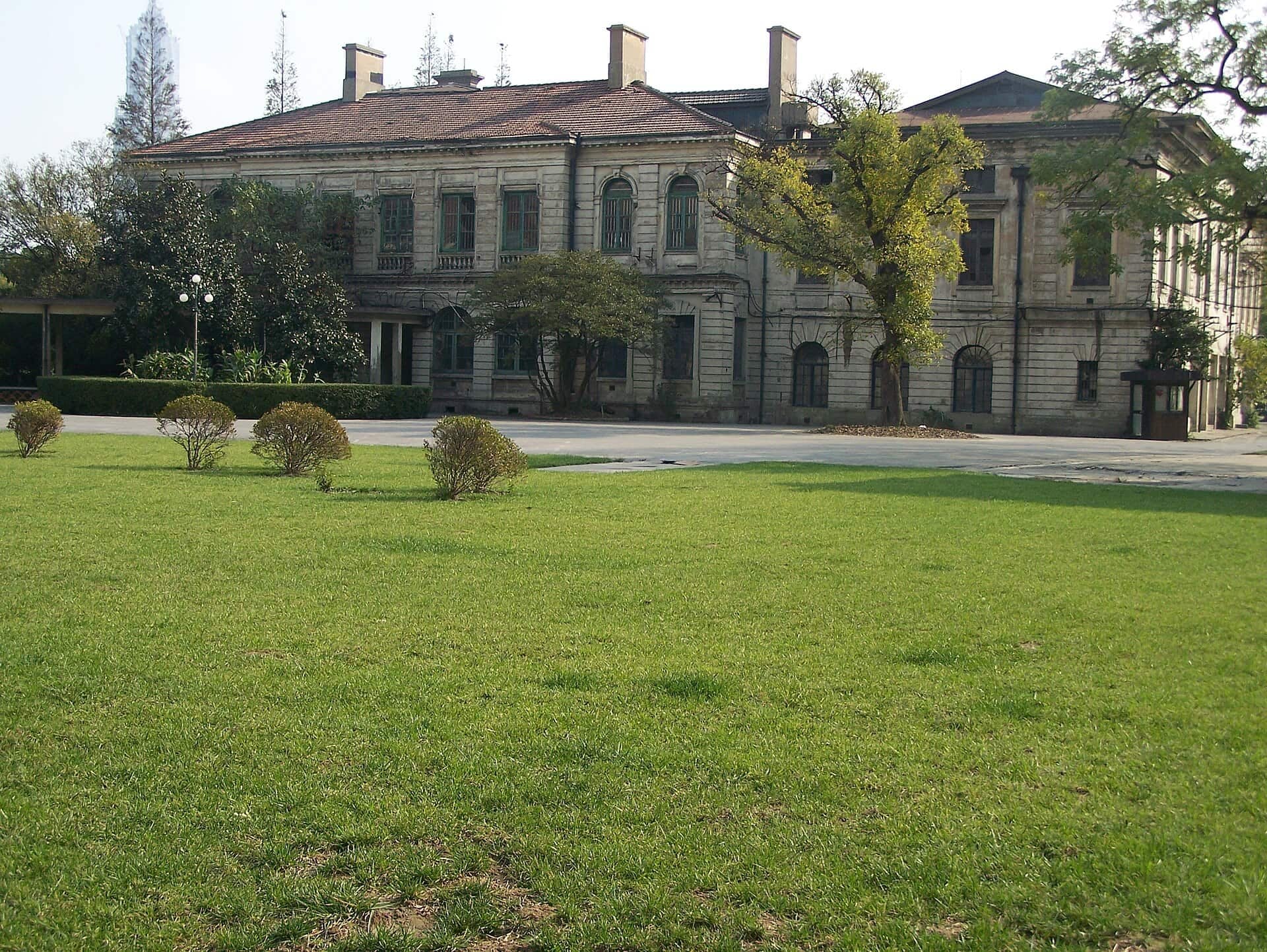
Turn to your right and look back across the road, past the railings and the lawn, to the two story building among the old trees, with a row of arches below and a verandah above. This is the former British Consulate, number thirty three.
Shanghai opened its port to foreign trade in eighteen forty three. In eighteen forty nine, according to the city's housing commission, the British consul built a consulate on this ground at the mouth of the creek. It burned down in eighteen seventy and was rebuilt in eighteen seventy two and eighteen seventy three, and the commission calls this building the oldest Western building surviving on the Bund.
Its design answers the ground and the weather. The Bund is low lying, so the building stands on a raised base. Below is an arcade of five arches, above it a verandah, and the roof is laid with small grey Chinese tiles, which the commission notes suited Shanghai's rainy climate. It is built of brick and timber, under a hipped roof.
The consular grounds were once larger. The first Lyceum theater, on the street you just left, went up behind the consulate on part of its old ground.
Today the building is a venue for art exhibitions, talks and small concerts, and some rooms open to the public at set times. The walk tells it from here, across the road.
Follow the route south onto the wide promenade. Just before the next stop you cross the exit lane of an underground parking garage: cars climb out from your left, the river side, toward the road. Look left.
5. Jardine Matheson Building (怡和洋行大楼)
Across the road, a row of giant columns rises through three stories above a heavy stone base. This is number twenty seven, built in nineteen twenty two for Jardine, Matheson and Company, the trading firm. On the Bund, the length of a building's frontage told you how important…
Full narration for this stop unlocks with the tour.
6. Bank of China Building (中国银行大楼)
Straight across the road, a square stone tower wears a Chinese roof. This is number twenty three, the Bank of China Building, completed in nineteen thirty seven. It has been described as the only building on this heritage row that was paid for by Chinese investors, co designed…
Full narration for this stop unlocks with the tour.
7. Peace Hotel (和平饭店)
Turn to face the buildings across the road. Ahead and to your right, on the far side of the road, rises a steep green copper pyramid. Under it is Sassoon House, number twenty, seventy seven meters high, and today the Fairmont Peace Hotel. Two hotels face each other here across…
Full narration for this stop unlocks with the tour.
8. Customs House (江海关大楼)
Ahead and to your right, across the road, stands the clock tower of the Customs House, number thirteen, finished in nineteen twenty seven by Palmer and Turner. At its foot is an entrance portico in plain Doric style, and the whole river front of the building is faced in…
Full narration for this stop unlocks with the tour.
9. Former HSBC Building (前汇丰银行大楼)
Across the road, the long granite front with the dome is the former HSBC building, numbers ten to twelve, opened on the twenty third of June nineteen twenty three for the Hongkong and Shanghai Banking Corporation. The bank's instruction to its architects, Palmer and Turner, was…
Full narration for this stop unlocks with the tour.
10. Flood Wall and the River (防汛墙)
This is the river side of the Bund. Step to the river rail. In front of you now is the Huangpu River, and across it the towers of Lujiazui, which has a walk of its own. Behind you is the row you have been walking past. This waterfront began as a low, muddy bank on a tidal…
Full narration for this stop unlocks with the tour.
11. Shanghai Club and Asia Building (上海总会大楼, 亚细亚大楼)
Across the road is number two, built for the Shanghai Club in about nineteen ten, and today the Waldorf Astoria hotel. Inside is the Long Bar, a bar of raw mahogany thirty four meters long, which, the hotel says, once held the title of the longest bar in the Far East. When the…
Full narration for this stop unlocks with the tour.
12. Gutzlaff Signal Tower (外滩信号台)
Look back over your right shoulder: the slim round tower on the river side of the junction, with an open mast on top, is the Gutzlaff Signal Tower. It was built to talk to ships. In the eighteen hundreds a wooden signal mast stood here, a single pole carrying a wind vane and an…
Full narration for this stop unlocks with the tour.
- File:RAM building.jpg | Rockbund Art Museum — Rockbund Art Museum, CC BY 3.0 · source
- File:North China Branch of the Royal Asiatic Society' Building.jpg | North China Branch of the Royal Asiatic Society' Building — Legolas1024, CC BY-SA 3.0 · source
- File:Yuanmingyuan Rd. Shanghai 2.JPG | 上海圆明园路街景(南望) — Livelikerw, CC BY-SA 3.0 · source
- File:Yuanmingyuan Rd. Shanghai.JPG | 上海圆明园路街景 — Livelikerw, CC BY-SA 3.0 · source
- File:Garden Bridge in Shanghai.jpg | Garden Bridge in Shanghai — Bgelo777, CC BY-SA 4.0 · source
- File:Shanghai British Consulate, Dec 2017 (1).jpg | 33, The Bund, Former Consulate of British Consulate — ScareCriterion12, CC BY-SA 4.0 · source
- File:上海外滩怡和洋行大楼2021.jpg | Jardine Matheson Building, No.27 The Bund, Huangpu District, Shanghai — ScareCriterion12, CC BY-SA 4.0 · source
- File:Jardine Matheson Building 20251127.jpg | The Jardine Matheson Building (怡和洋行大楼) is a seven-storey historical building on the Bund in Sh — This Photo was taken by Supanut Arunoprayote. Feel free to use any of my images, but please mention me as the author and may send me a message. (สามารถใช้ภาพได้อิสระ แต่กรุณาใส่เครดิตผู้ถ่ายและอ, CC BY 4.0 · source
- File:The Peace Hotel.jpg | The Peace Hotel, formerly the Sassoon House, photographed in July 1994. The photograph was taken early in the mor — Paul Pak-hing Lee, CC BY-SA 4.0 · source
- File:Peace Hotel at dusk 20180924.jpg | 外灘の近くにある和平飯店 — そらみみ, CC BY-SA 4.0 · source
- File:Shanghai Club Dec 2017.jpg | Shanghai Club, 2 The Bund — ScareCriterion12, CC BY-SA 4.0 · source
- File:Gutzlaff Signal Tower.jpg | Gutzlaff Signal Tower — 钉钉, CC BY-SA 4.0 · source
- File:Gutzlaff Signal Tower & The Bund.jpg | Gutzlaff Signal Tower & The Bund — 钉钉, CC BY-SA 4.0 · source
Images may be cropped or resized. Other photos via Unsplash and Pexels.