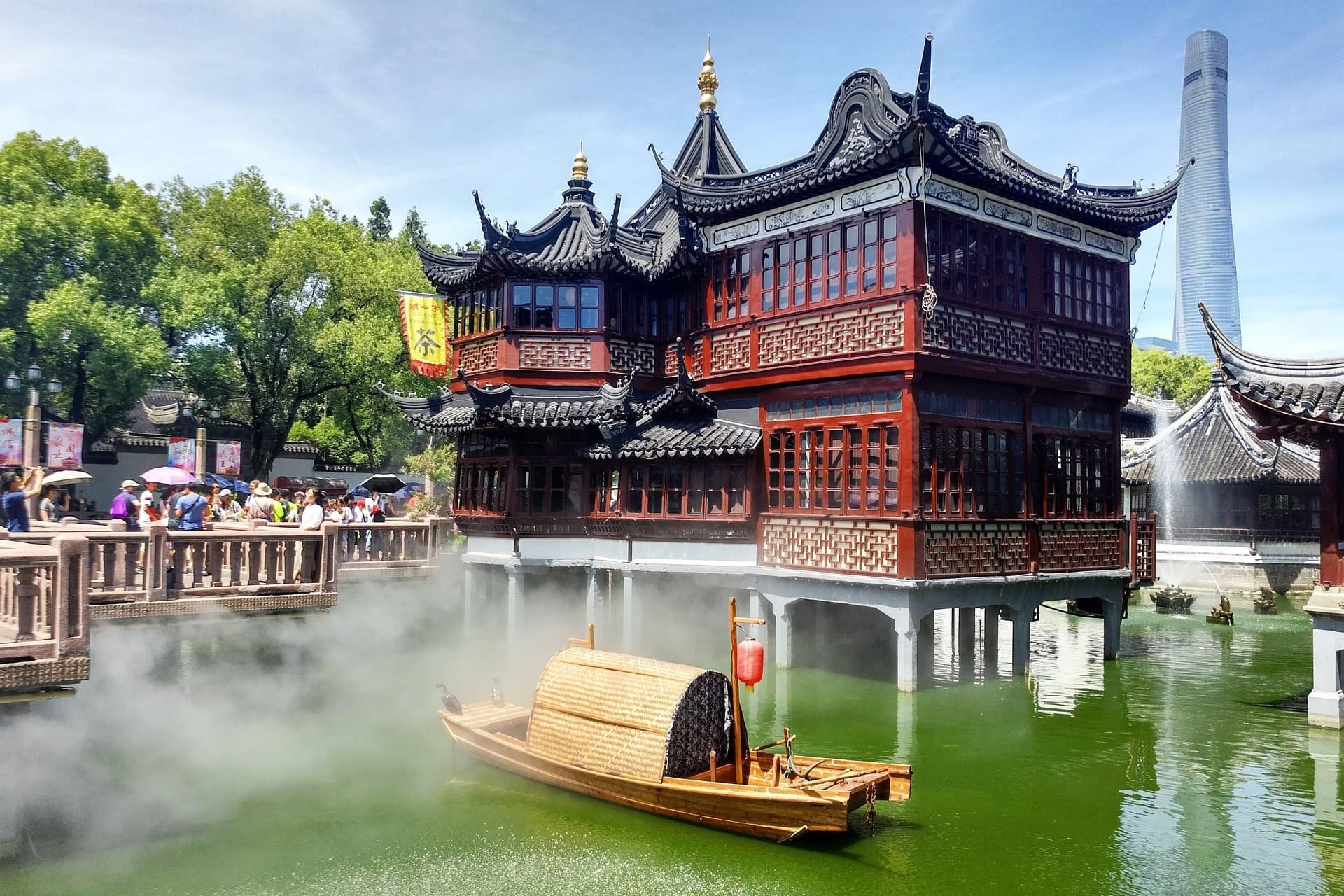
Shanghai before the Bund: a walled county town you can still trace, from the last stretch of its 1553 wall past the Old North Gate, a Qing-style mosque, the bazaar, the Nine-Turn Bridge and Yu Garden's gate to the City God Temple and Old Street, the filled-in creek that leads to the Little East Gate.
Start · Dajing Pavilion (大境阁)
DirectionsStops
- 1
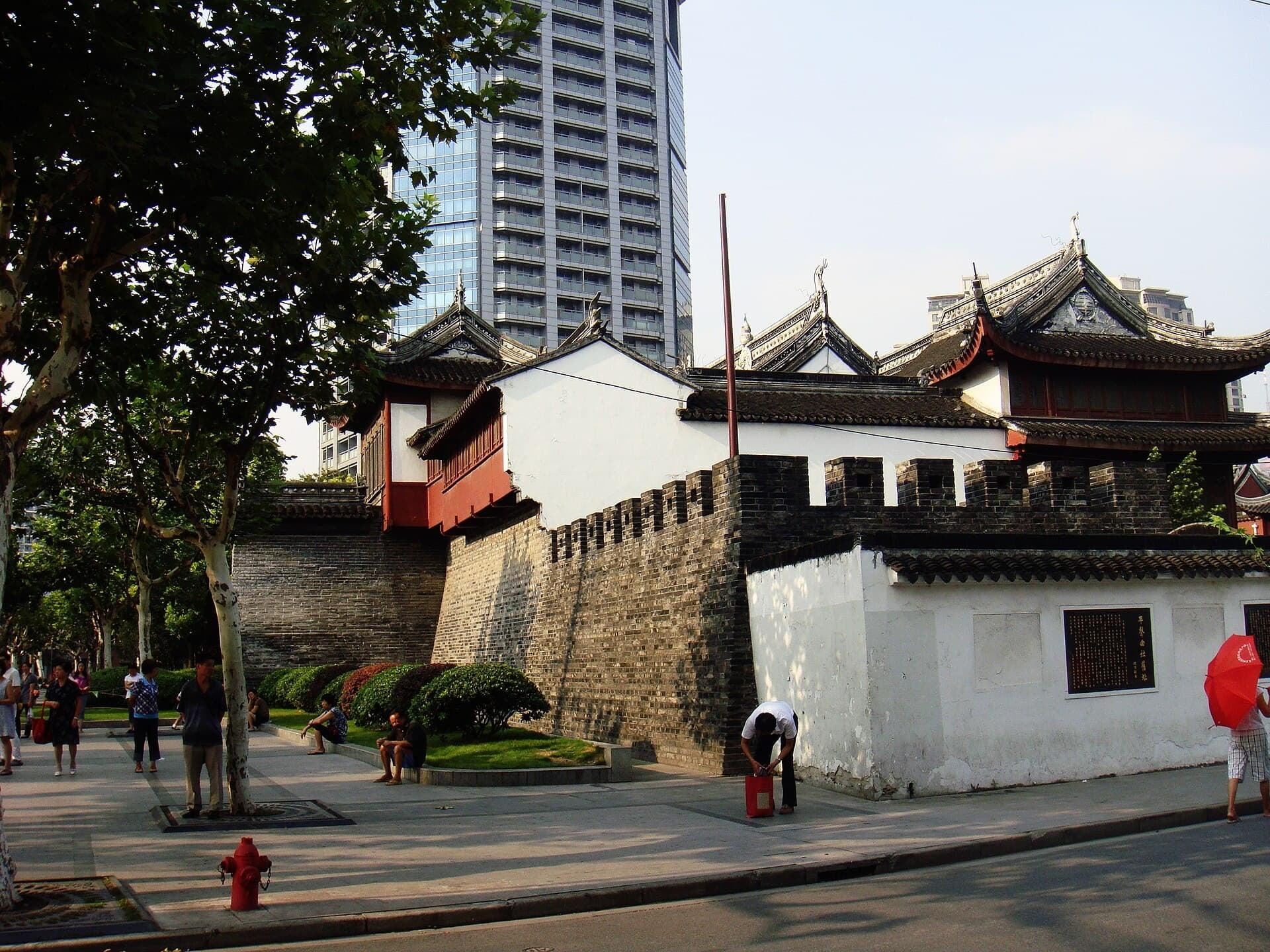
Dajing Pavilion (大境阁)
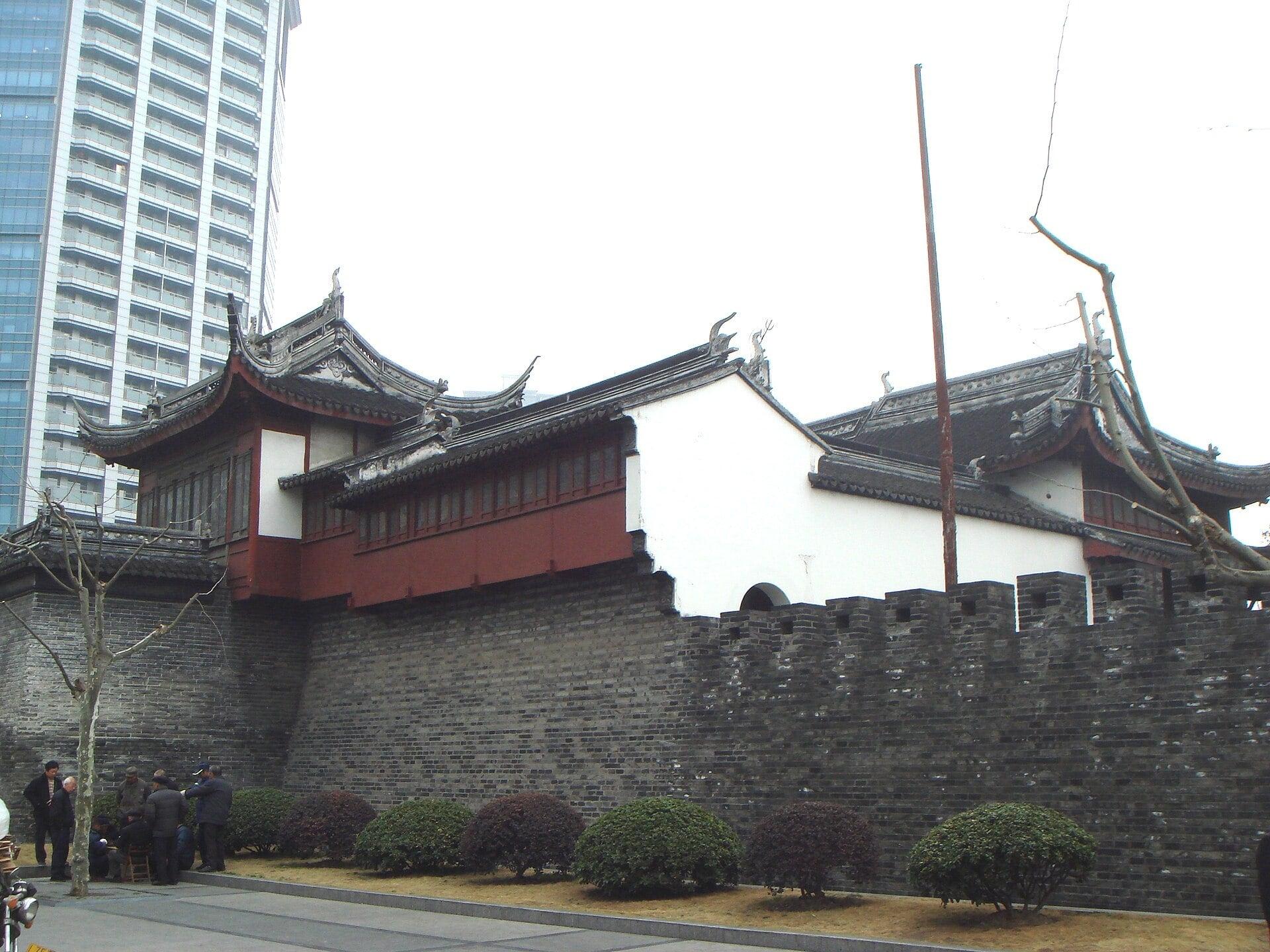
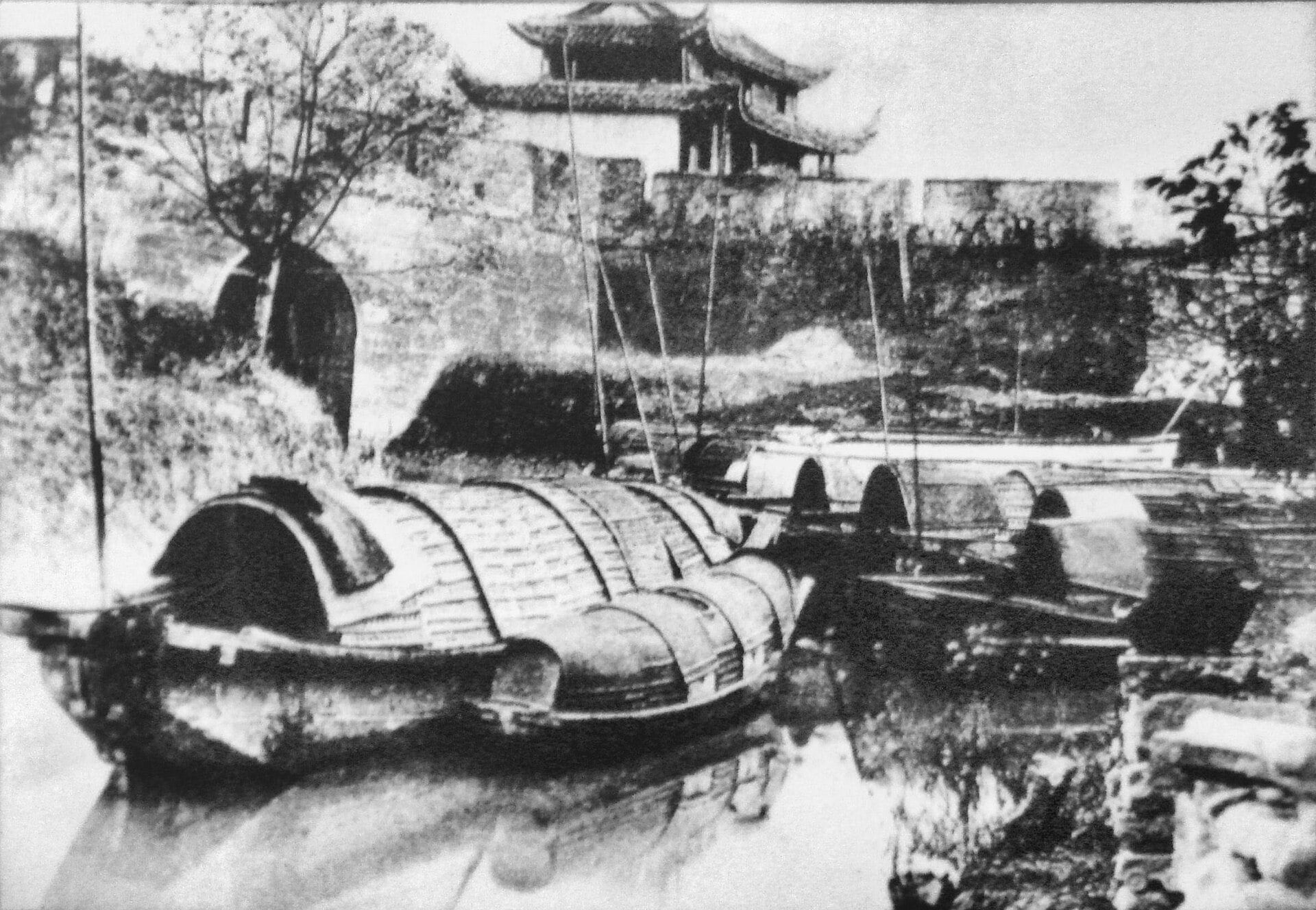
The last piece of the wall. Dajing Pavilion stands on the only stretch left of the city wall Shanghai built in 1553, beside the ring road that took the wall's place.
- 2
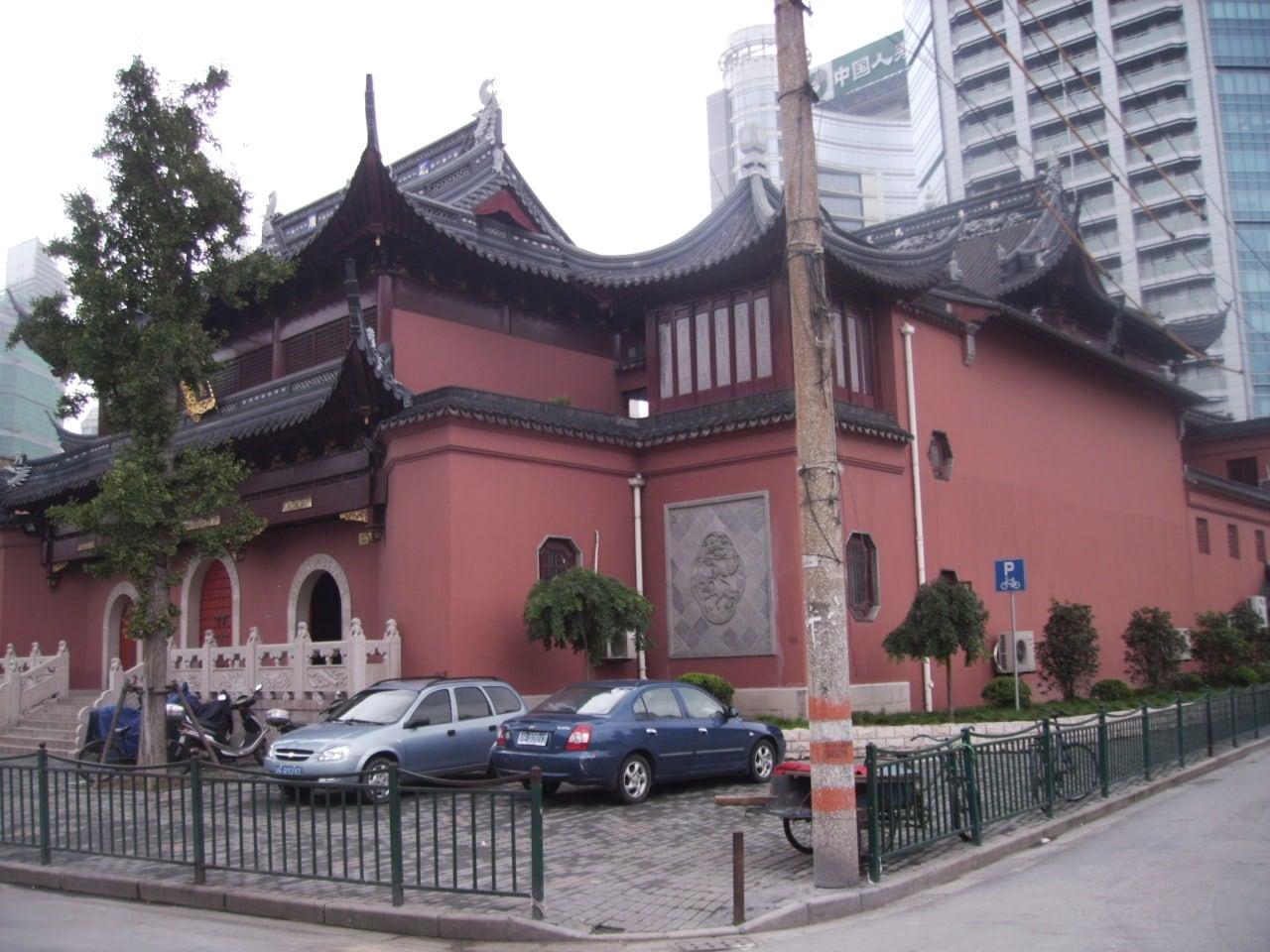
Baiyun Temple (海上白云观)
The wall's neighbor is a temple. The Baiyun Temple, a working Taoist temple with its gate on Dajing Road, a few steps from the last piece of the wall.
- 3
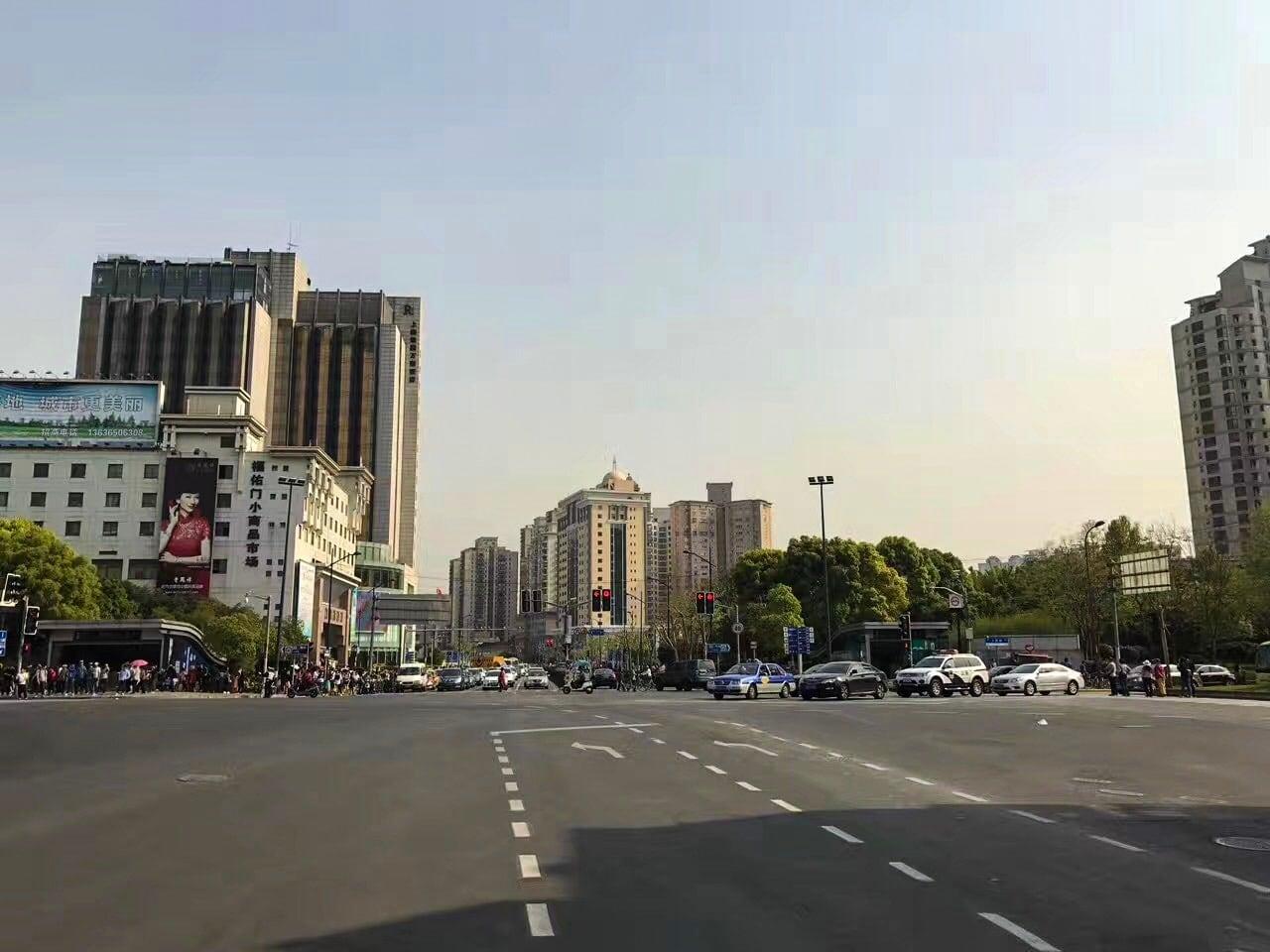
Old North Gate (老北门)
A metro station on a gate. The corner where the Old North Gate stood, the walled town's busiest way in, now a junction on the ring road.
- 4
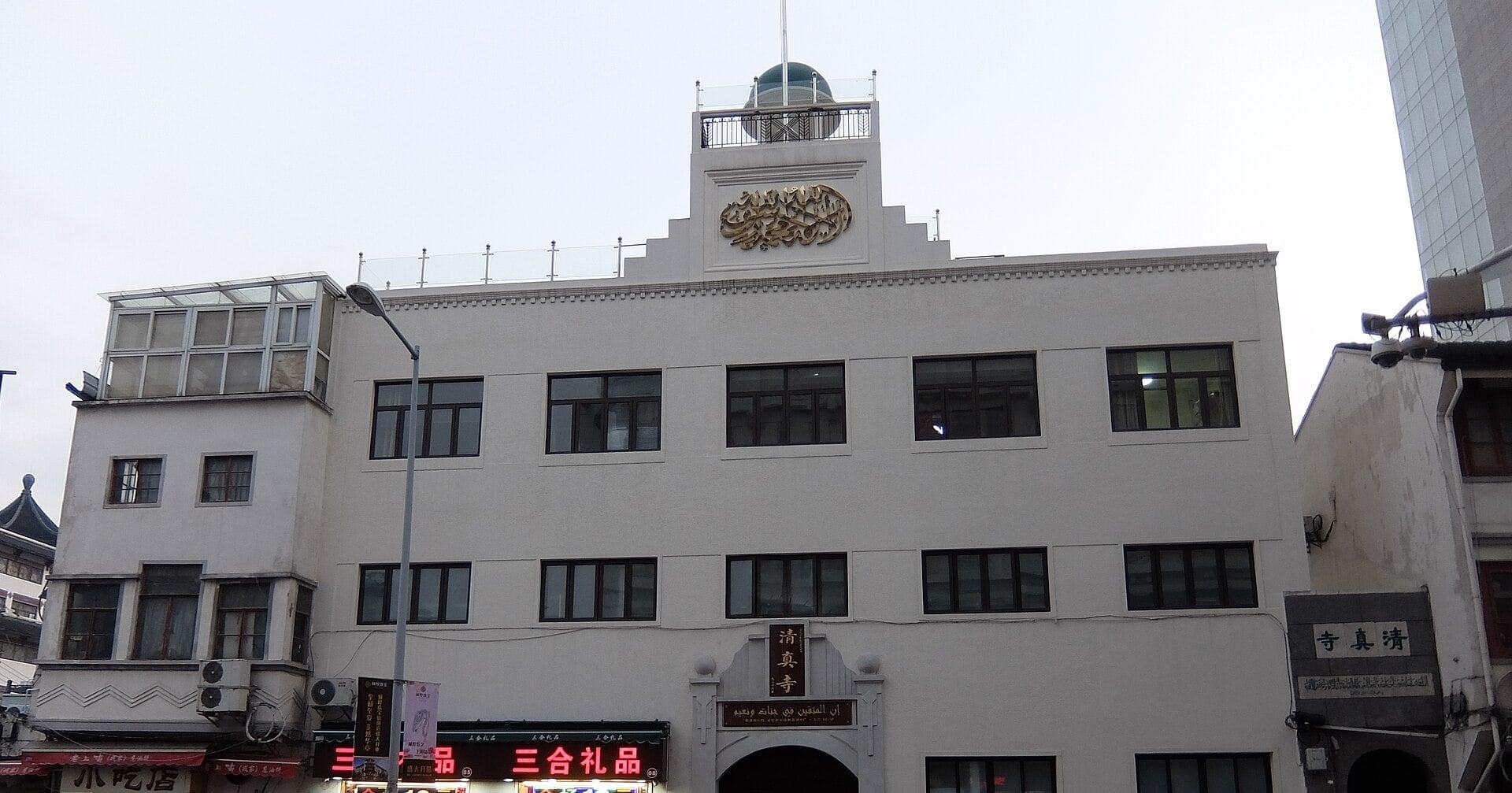
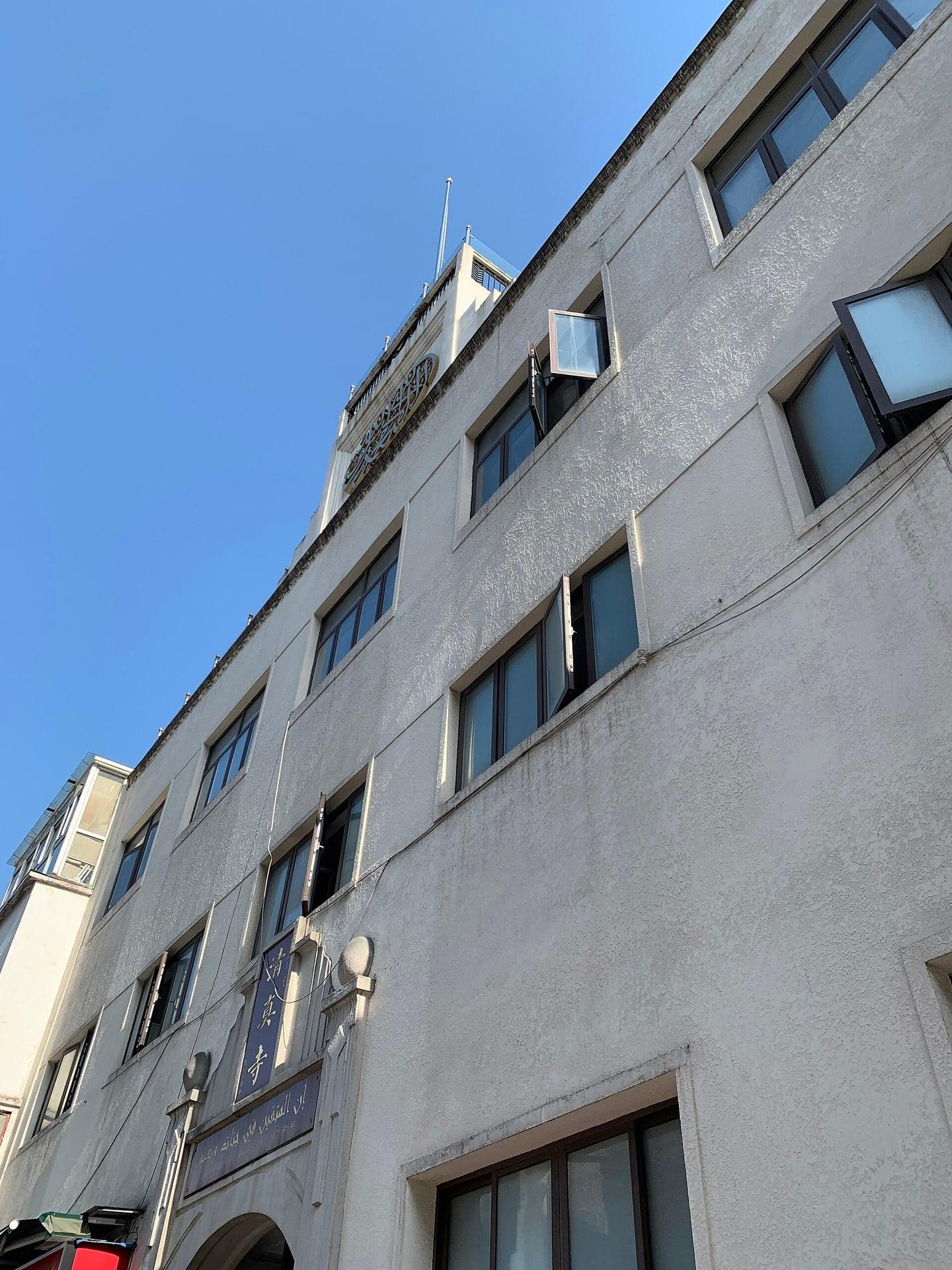
Fuyou Road Mosque (福佑路清真寺)
A mosque with Qing-style doors. The Fuyou Road Mosque, built by local Chinese Muslims in the Qing dynasty, with Qing-style doors, windows and prayer niche.
- 5
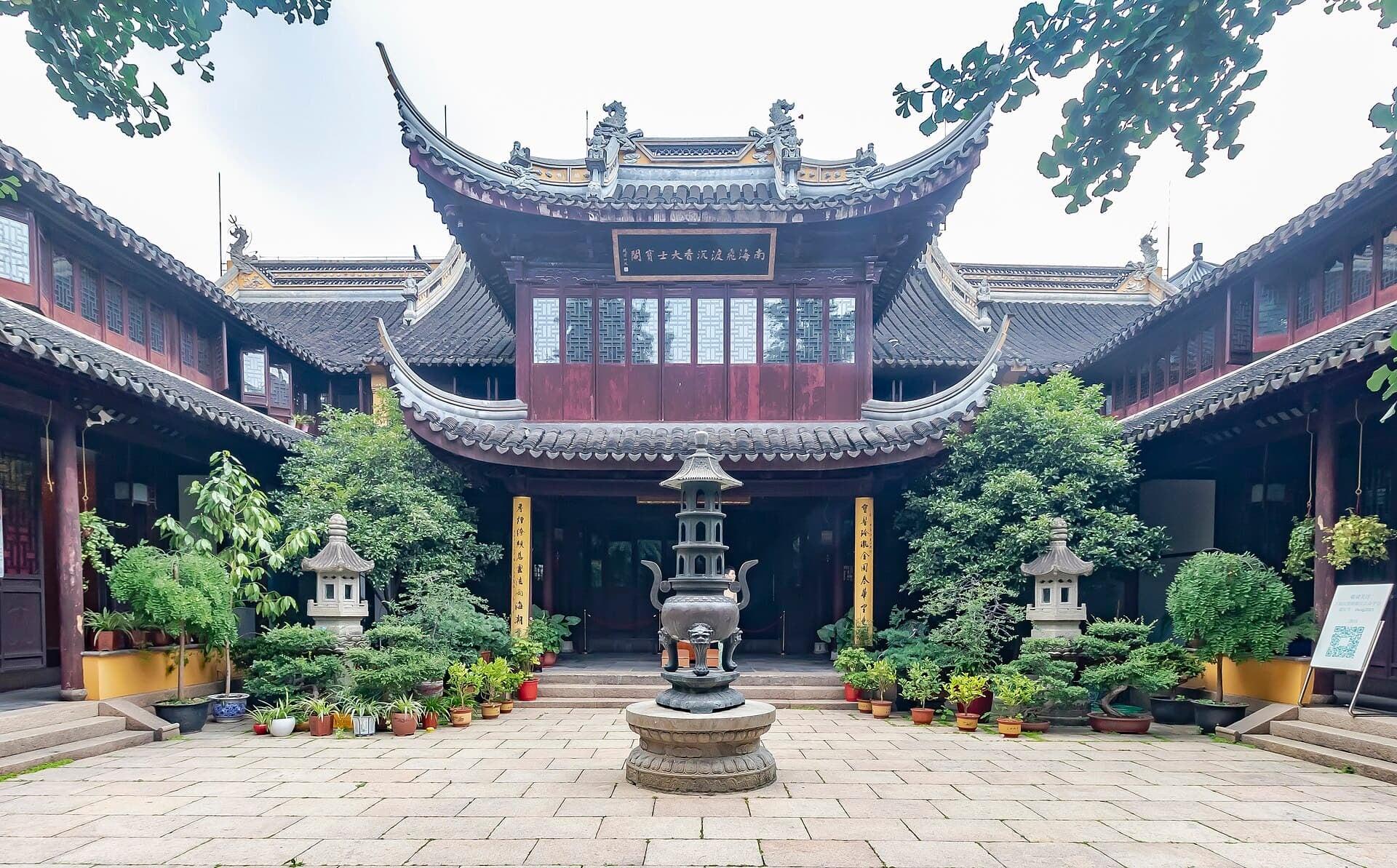
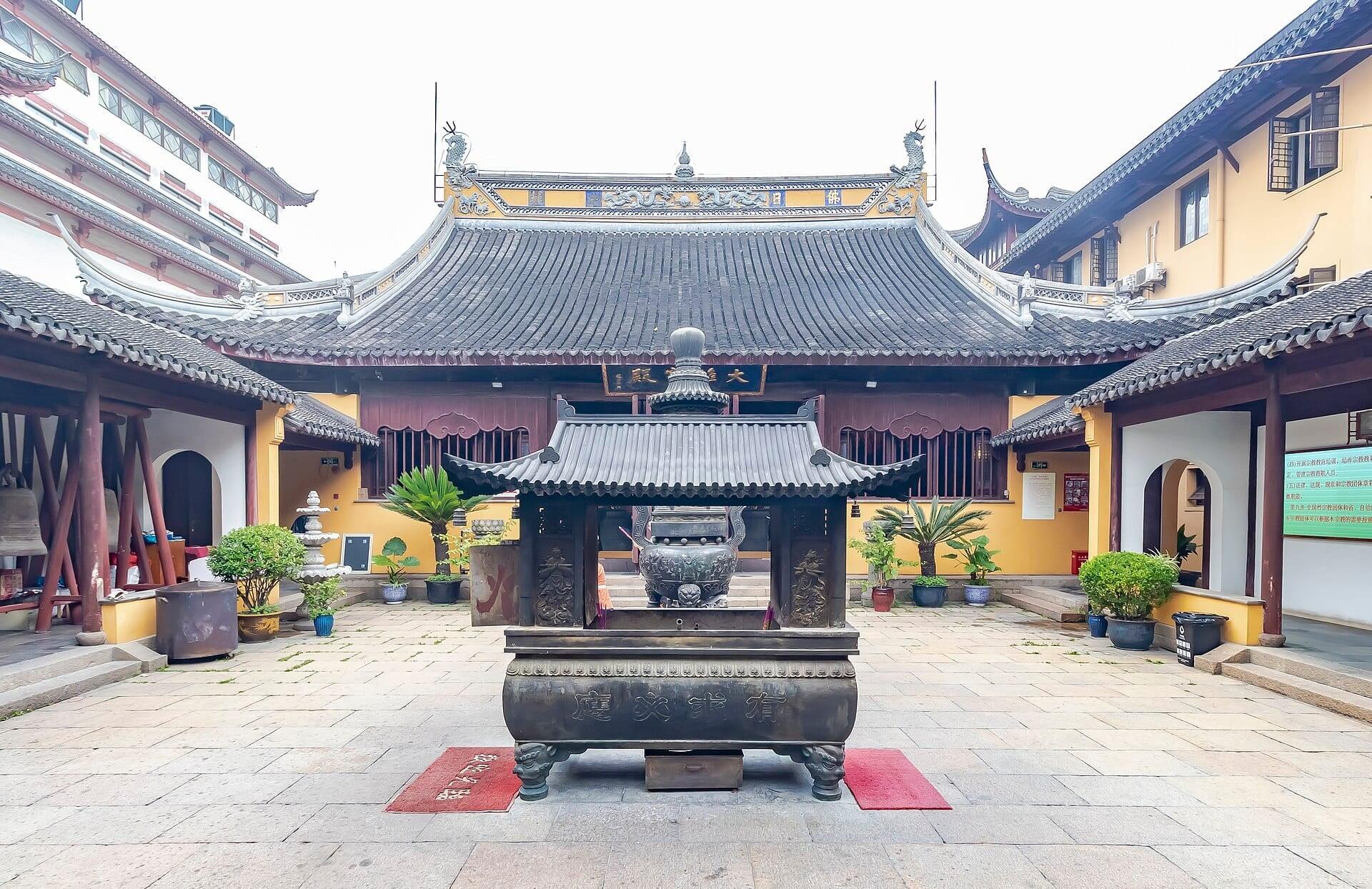
Chenxiangge Nunnery (沉香阁)
A nunnery named for a fragrant wood. Chenxiangge, the Agarwood Pavilion, a working Buddhist nunnery on the edge of the bazaar.
- 6
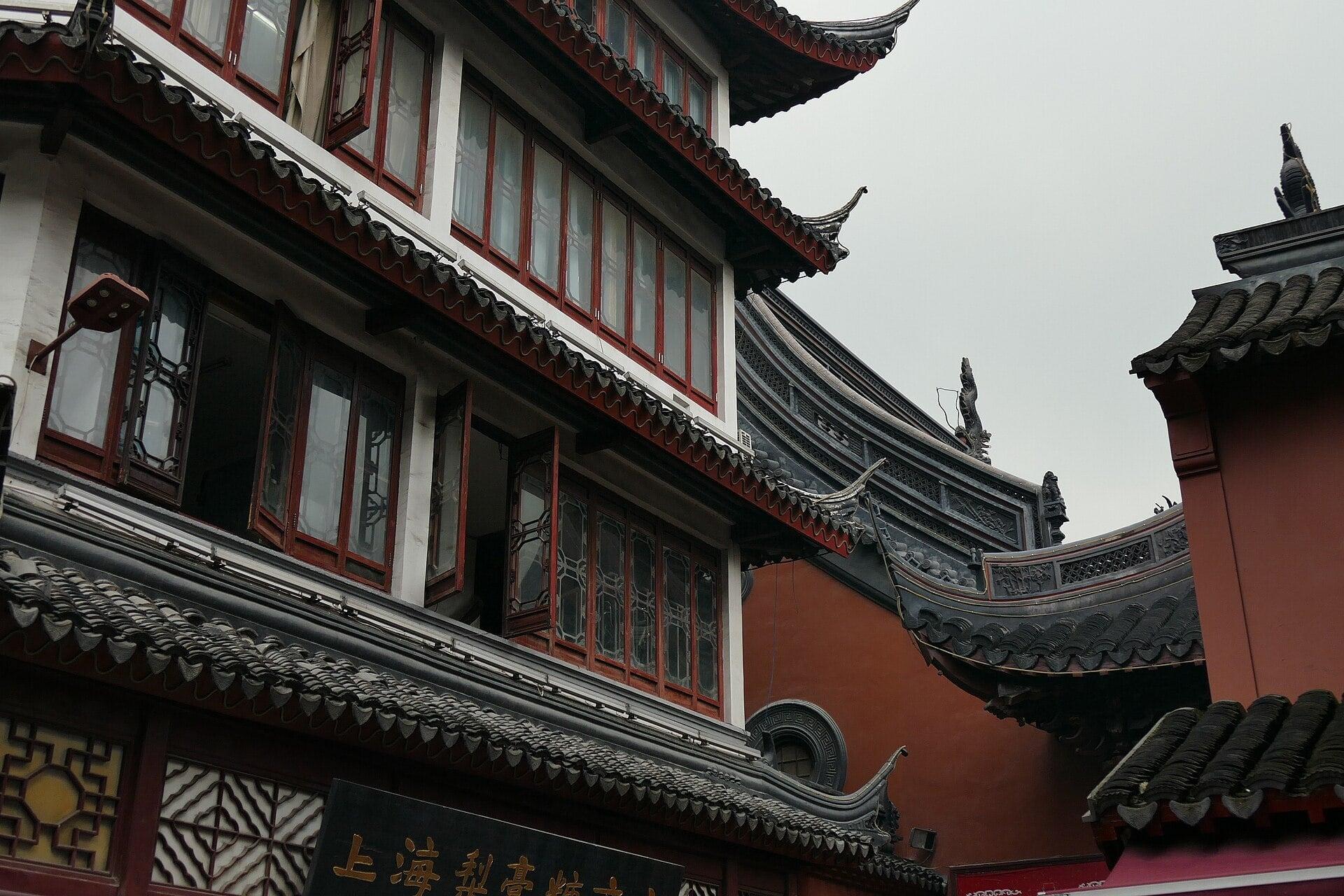
Yuyuan Bazaar (豫园商城)
The temple made the market. The Yuyuan Bazaar's arcades and curling roofs, modern buildings in the old style for a trade that began with the temple crowds.
- 7
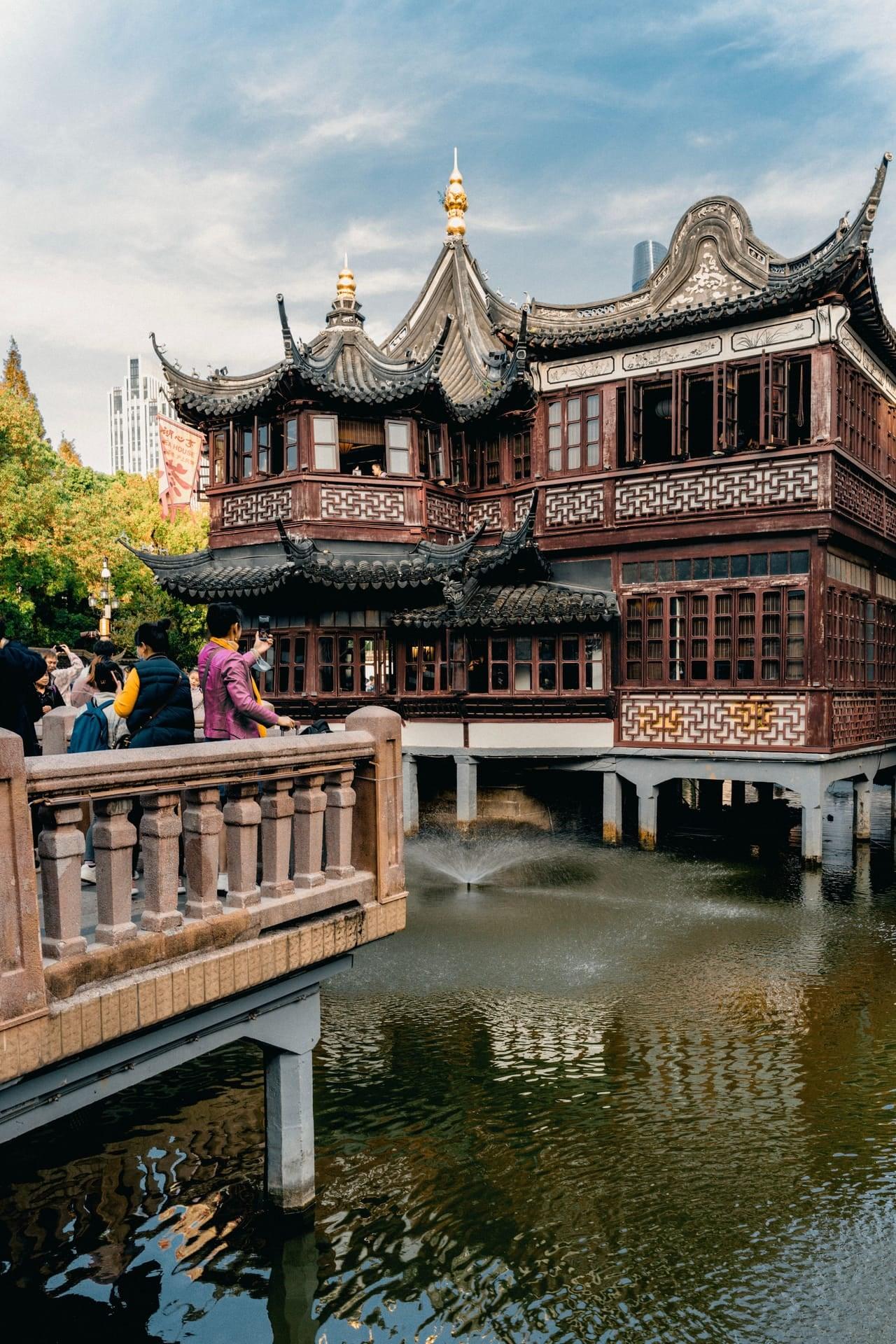
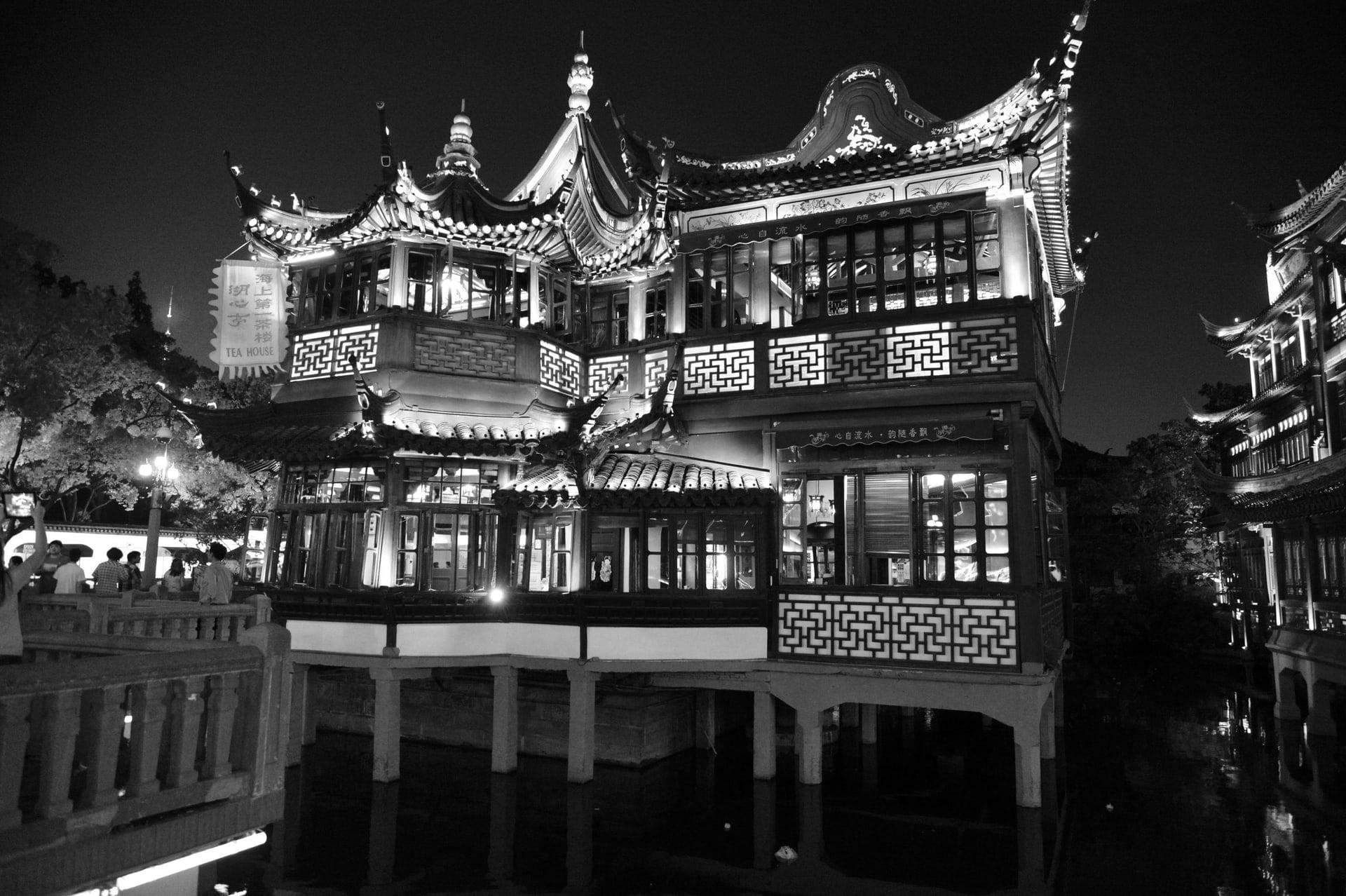
Nine-Turn Bridge (九曲桥)
The bridge that everyone photographs. The Nine-Turn Bridge zigzags across the pond to the Huxinting Teahouse, more than 240 years old and reopened in July 2025.
- 8
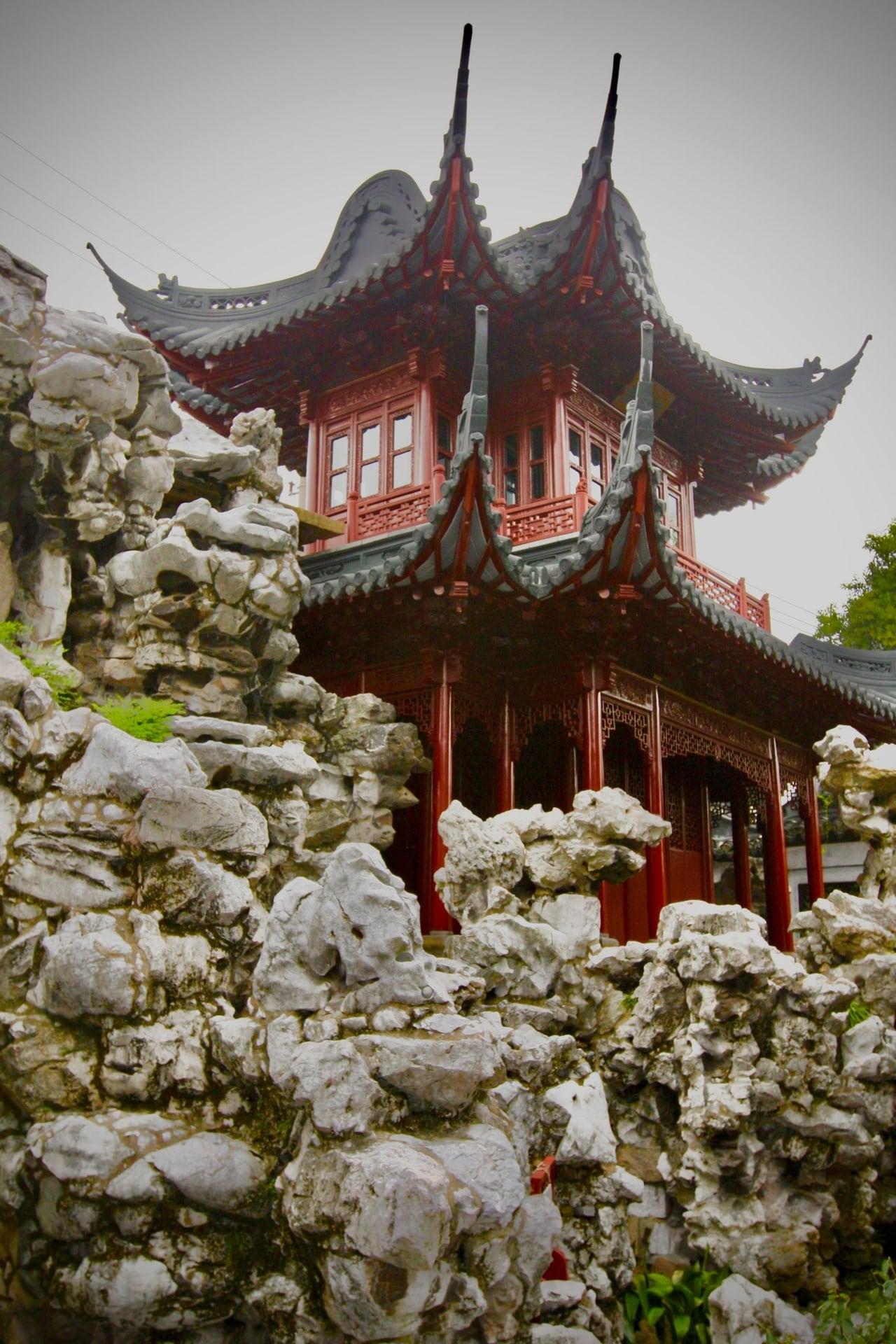
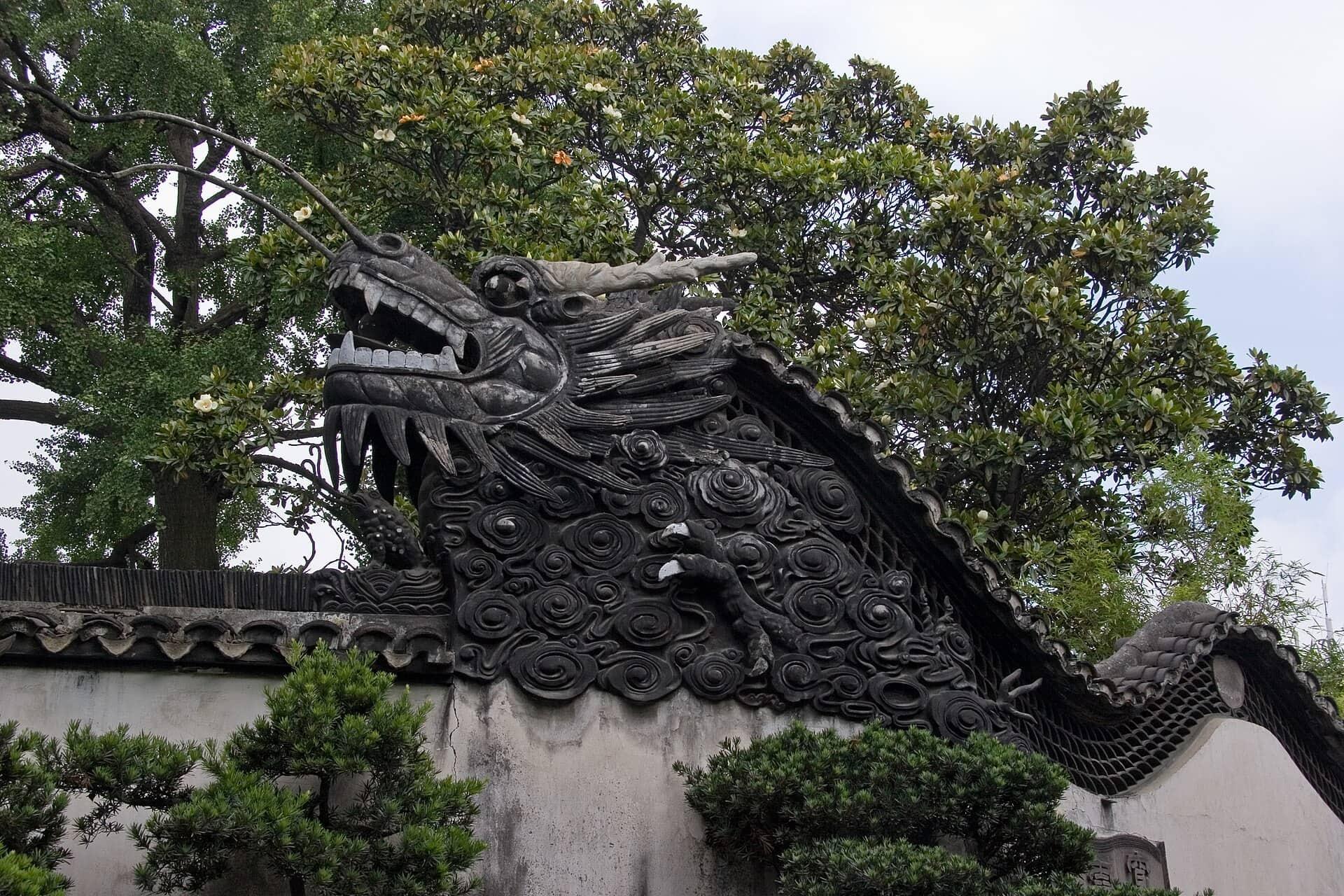
Yu Garden Gate (豫园)
A son's garden for his father. The south gate of Yu Garden, begun in 1559 by Pan Yunduan, later carved into guild halls and opened to the public in 1961.
- 9
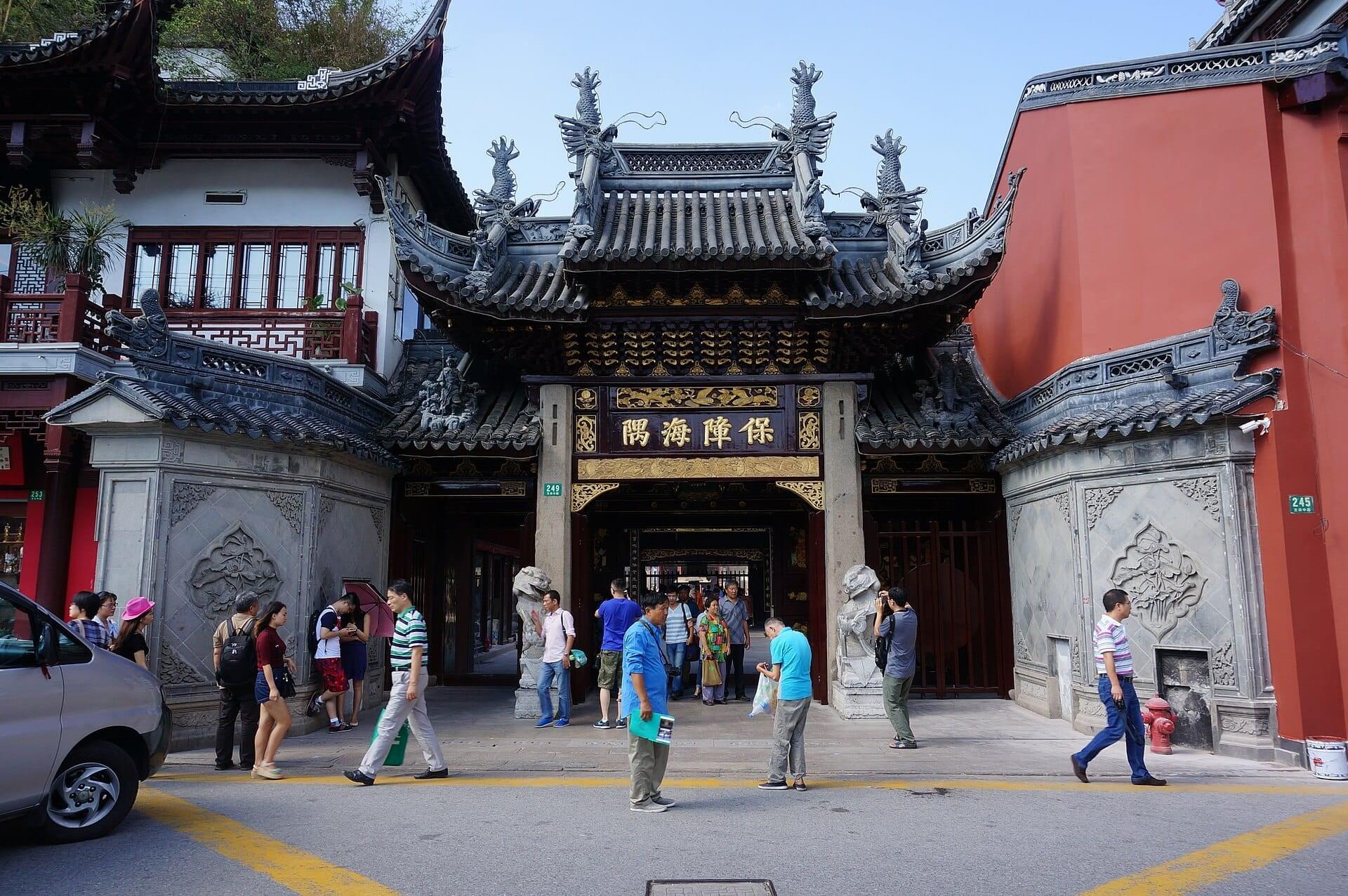
City God Temple (上海城隍庙)
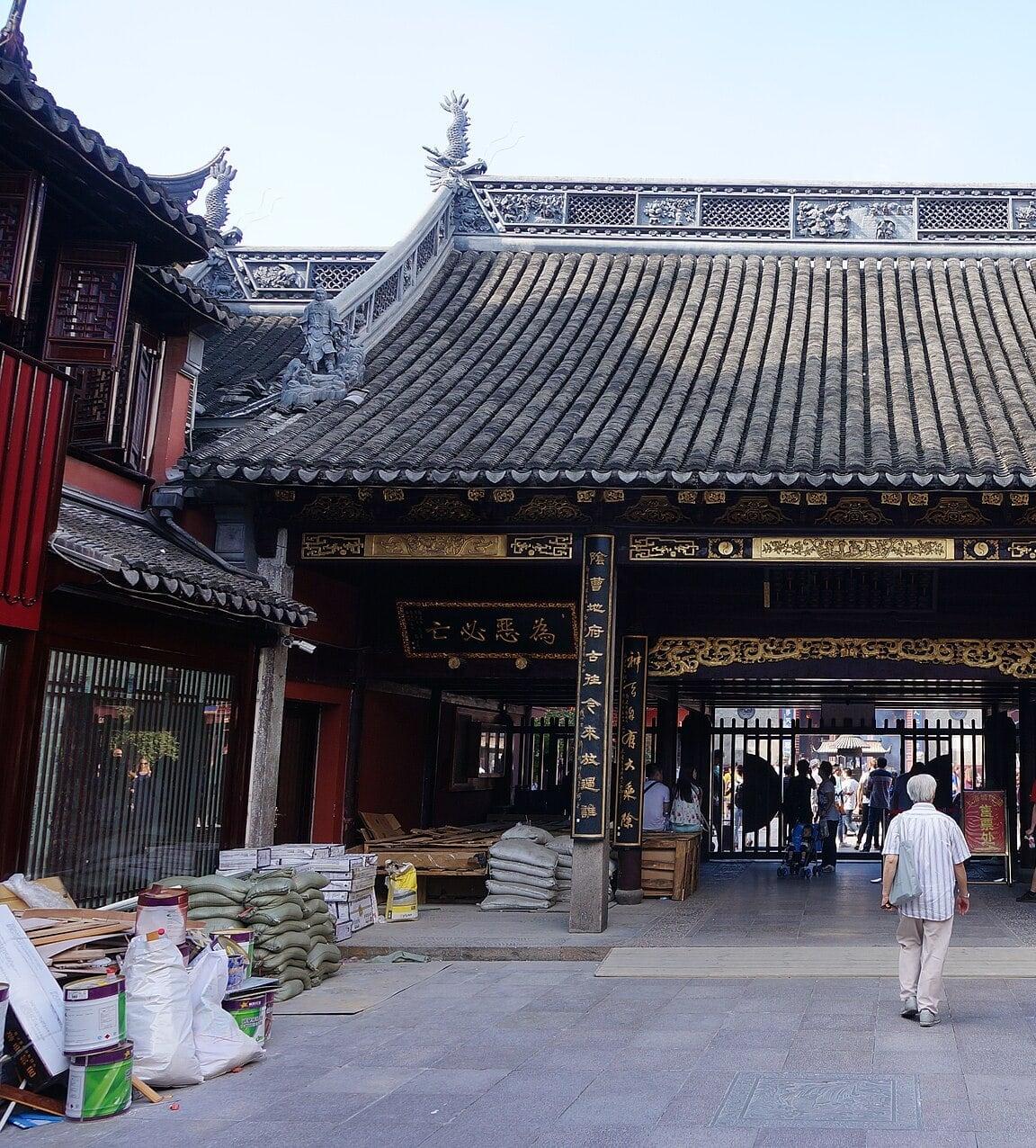
A concrete temple dressed as wood. The City God Temple, home of the god of the wall and moat; its main hall burned in 1924 and was rebuilt in reinforced concrete.
- 10
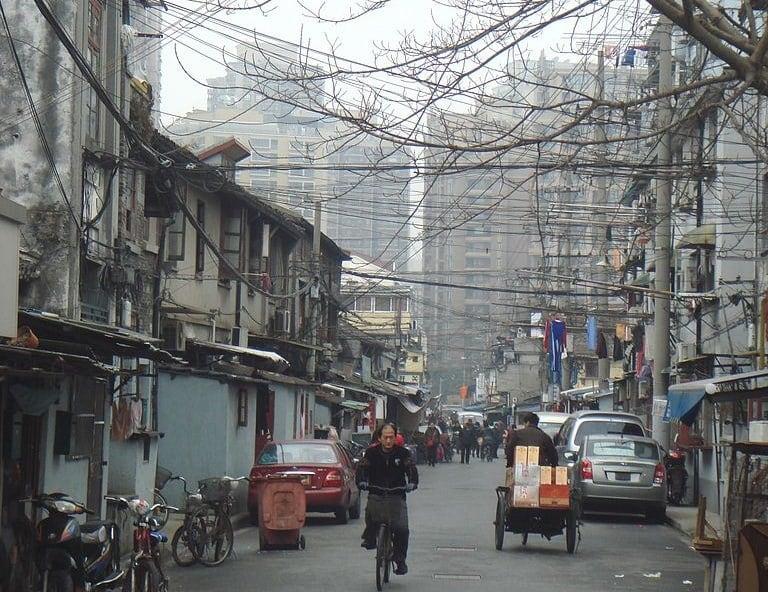
Guangqi Road (光启路)
A street with a scholar's name. Guangqi Road carries the given name of Xu Guangqi, the Ming scholar who took up Western science, one of the walled town's best known sons.
- 11
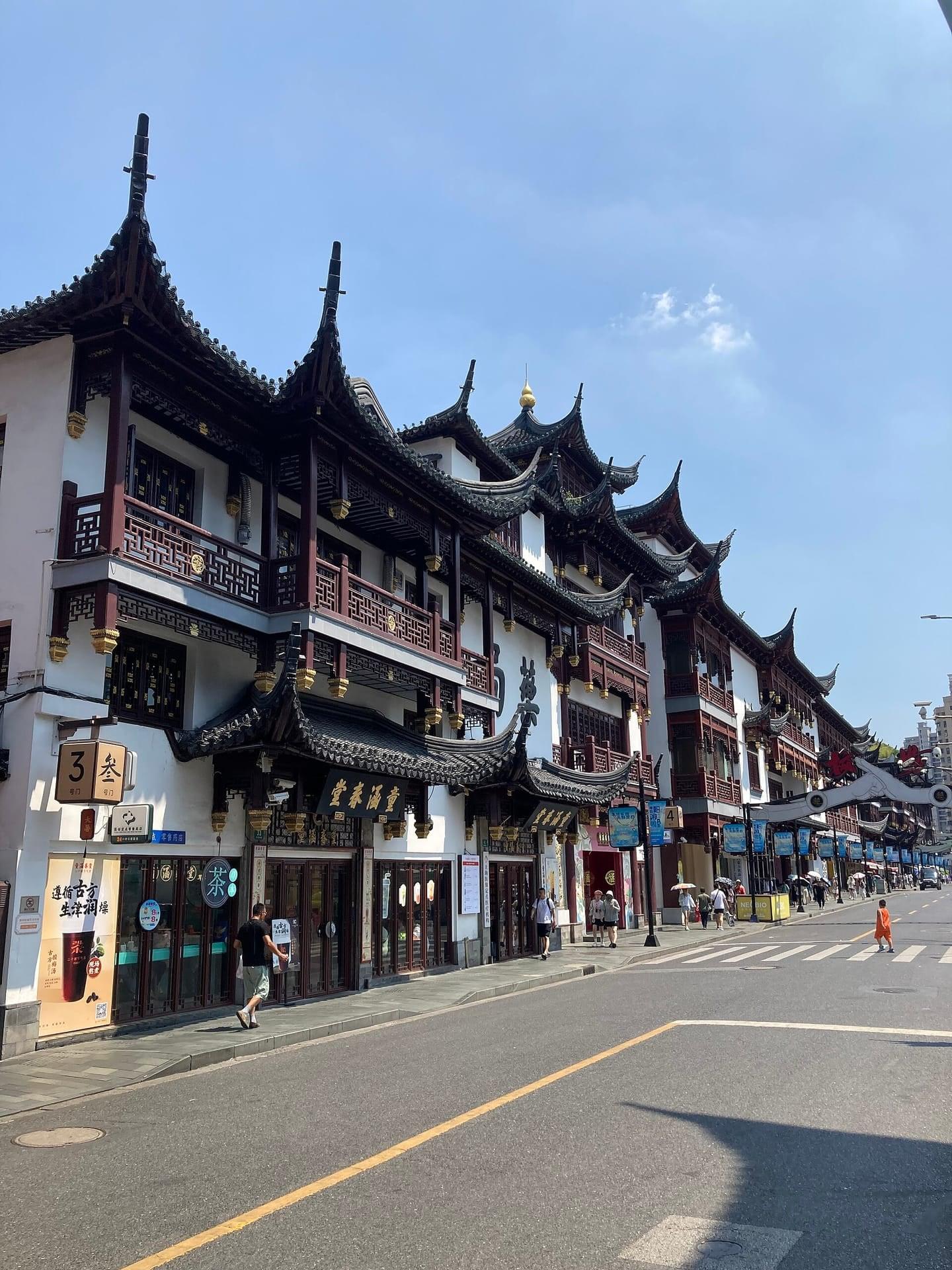
Shanghai Old Street (上海老街)
A street laid over a creek. Shanghai Old Street follows the filled-in Fang creek; its west half was rebuilt in old style in 1999, its east half kept older fronts.
- 12
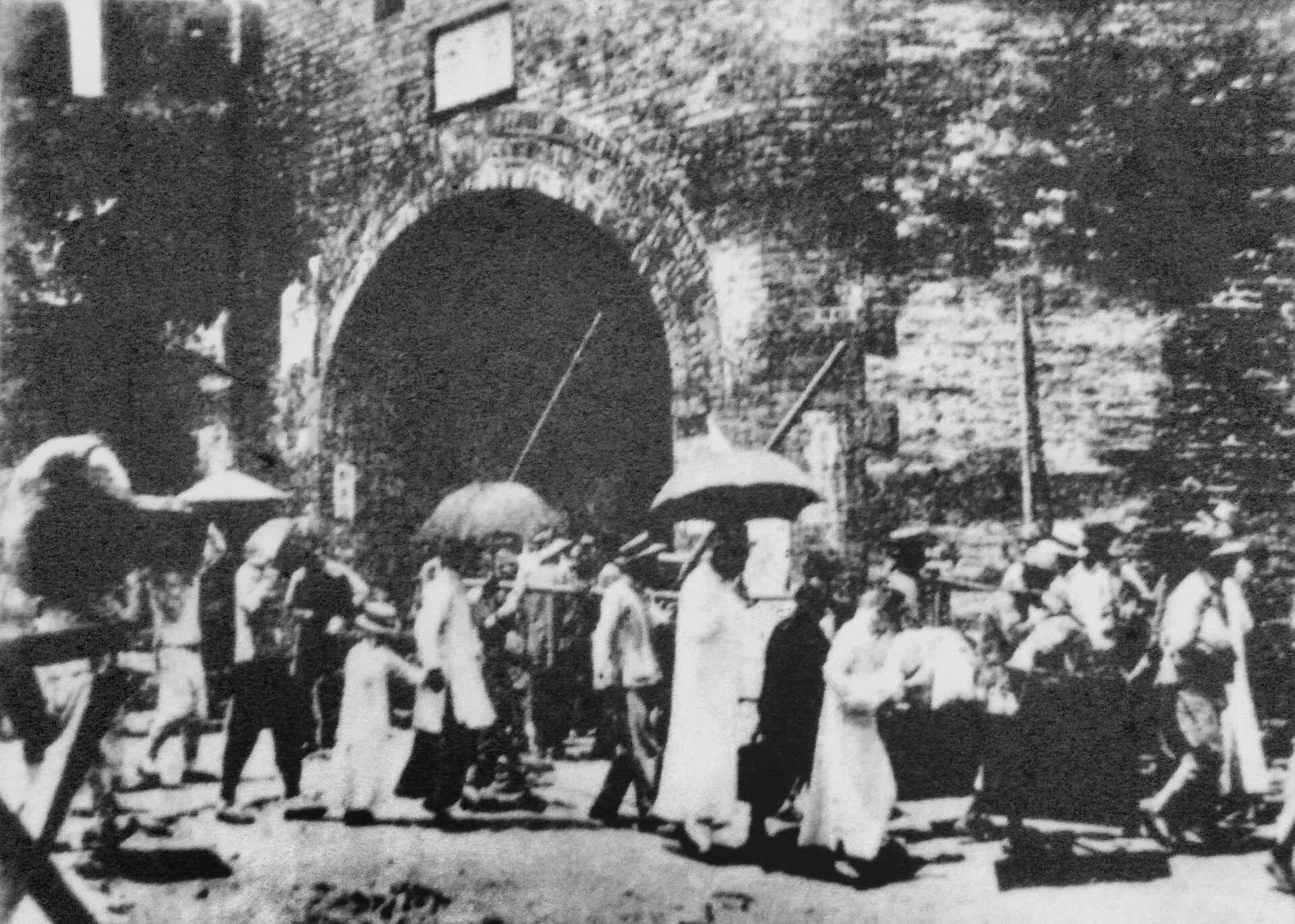
Little East Gate (小东门)
Where the creek came in. The end of Old Street at the ring road, where the Little East Gate and its water gate let the Fang creek into the town.
Details
Best Time to Visit
Tuesday to Sunday by day if you want to go into Yu Garden (9:00 to 16:30, last entry 16:00, closed Mondays except public holidays): start by about 14:00 in winter; about 80 minutes. The City God Temple opens 9:00 to 17:00 from May to September and 8:30 to 16:30 from October to April, from 6:00 on the 1st and 15th of each lunar month, when it is crowded early. Sunset is 16:51 on 1 December and 17:00 on 31 December. The bridge and the bazaar are packed at weekends and in the lantern festival (2026: 26 January to 3 March, timed tickets for the core zone; 2027 dates not announced, expected late January to early March around Chinese New Year, 6 February 2027). Avoid the national holiday weeks: 1 to 3 January, 5 to 13 February, 1 to 5 May and 1 to 7 October 2027. Summers are hot and humid, with the plum rains in June. Checked 25 November 2026.
Pro Tips
- •Getting to the start: Shanghai Metro lines 10 and 14 to Yuyuan Garden station, then about 10 minutes (650 m) west along Renmin Road on the Old City side to Dajing Road. Laoximen station (lines 8 and 10) is about 12 minutes south. Checked 25 November 2026.
- •Yu Garden tickets: at the windows of the south gate (stop 8, individual visitors only) or the north gate at 168 Fuyou Road, or through the official 上海豫园 WeChat mini program. Adults 40 yuan (April to June, September to November) or 30 yuan (December to March, July and August); half price for students and visitors 60 and over with ID. Checked 25 November 2026.
- •If the bazaar's lanes are closed for the night, skip stops 7 and 8: from stop 6 keep south down Jiujiaochang Road to Old Street and turn east for the City God Temple (stop 9), about 350 m; play the two skipped stops by hand.
- •Paying for a snack or a teahouse: set up Alipay or Weixin Pay with your own card before you travel, and carry some cash.
- •GPS can drift in the narrow lanes at stops 1, 2, 5, 6 and 9 to 11; if a stop has not started, tap it on the map.
- •The walk ends at the east end of Old Street. Yuyuan Garden station is about 15 minutes back west. For the Bund, take line 10 to Nanjing East Road, or walk east to the river and north along it for about 20 minutes to the Bund's southern end, crossing the ring road only at a signal.
Safety & Precautions
- •Mainland China drives on the right: at a crossing without lights, look left first. Dajing Road, Jiucang Street, Fuyou Road and Chenxiangge Road are two-way lanes without separate sidewalks; on the eastern half of Old Street cars run one way, from behind you.
- •Electric scooters and bikes are almost silent and ride both ways on every lane here, whatever the one-way signs say. Look both ways at every lane mouth and crossing.
- •South Henan Road is crossed at the lights (between stops 3 and 4): right-turning cars do not stop for walkers, even on green.
- •The Fuyou Road Mosque, Chenxiangge, the Baiyun Temple and the City God Temple are working places of worship: dress modestly, keep your voice down, and do not photograph people at prayer.
- •The bridge and the bazaar are crowded at weekends and festivals: keep bags closed. Decline invitations from friendly strangers to a teahouse or a bar, which can end in a very large bill.
- •Carry your passport: it is expected anywhere in mainland China. Checked 25 November 2026.
Gallery
Read the walk
The full story of Old City and Yu Garden: The Walled Town Before the Bund, in words. Prefer to listen? Play it narrated, from home or on location.
Introduction
Before Shanghai had its waterfront of banks, it was a walled county town beside the Huangpu River, and you can still walk its outline. The wall is now a ring road, the town's main creek is now a street, a family garden became guild halls, and a market grew up around a god's temple. This walk crosses the old town once, from the last piece of its wall in the west to the site of its Little East Gate.
There are twelve stops over about two point one kilometers, about one point three miles, and it takes about eighty minutes. The ground is flat.
Traffic in mainland China drives on the right, so at a crossing without lights, look left first. Most of the walk is on narrow lanes and car-free streets, but electric scooters and bikes are almost silent and ride both ways: look both ways every time. You cross one big road, South Henan Road, at the lights.
Every stop is told from the street. Yu Garden and the City God Temple charge for entry, and neither is included. Yu Garden opens at nine, takes its last visitors at four, and is closed on Mondays except public holidays, so if you want to go in, start by early afternoon. The bazaar's lanes may close late in the evening; the way around is given when you reach them. The temples and the mosque on the way are living places of worship.
December afternoons reach about eleven degrees Celsius, fifty two Fahrenheit. Carry your passport, as you should anywhere in mainland China. Have mobile data that works in mainland China, and download this tour before you set out.
To reach the start, take Metro line ten or fourteen to Yuyuan Garden station and walk about ten minutes west along Renmin Road. When you arrive at Dajing Pavilion, begin with stop one.
1. Dajing Pavilion (大境阁)
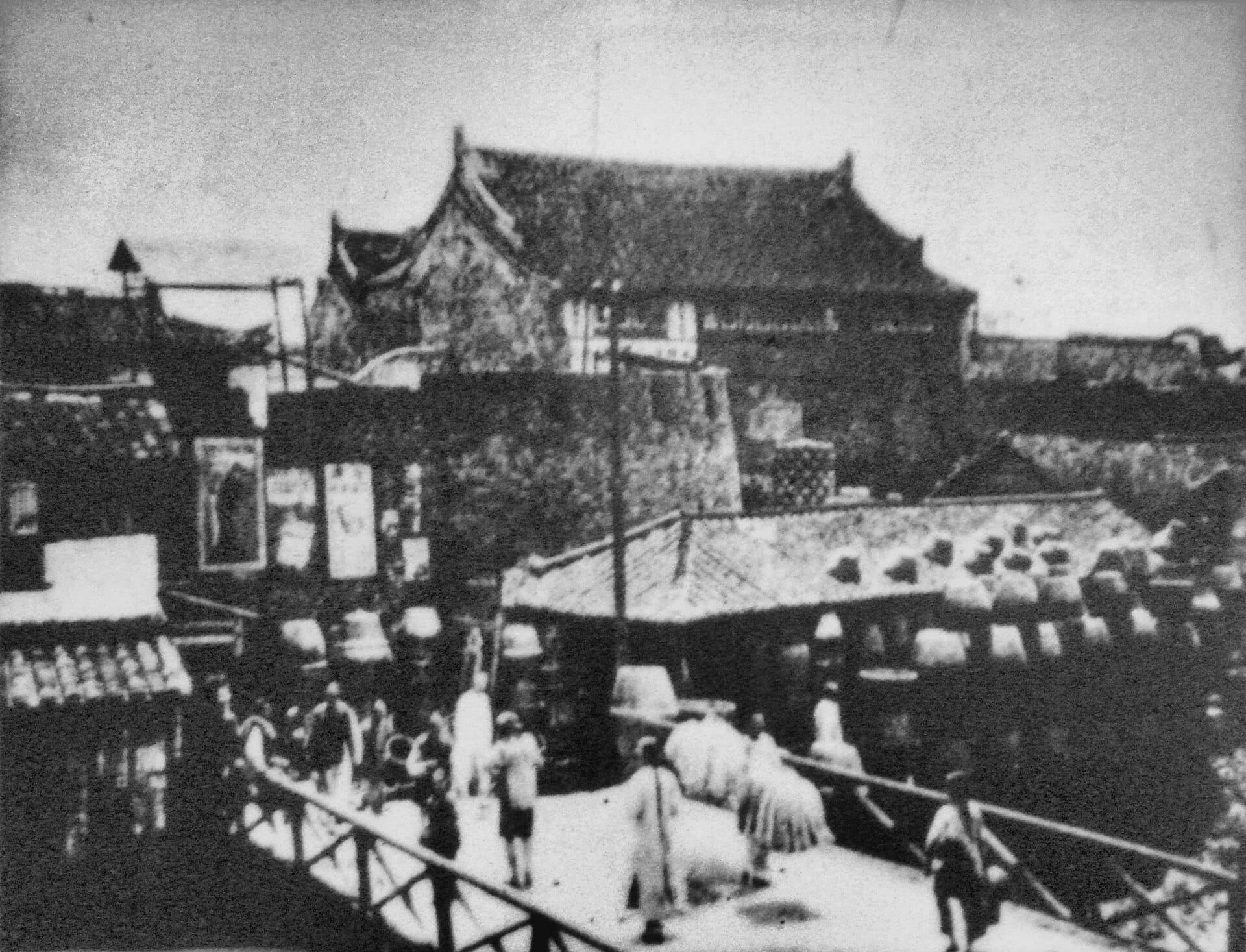
Across the lane, a pavilion with curving tiled roofs sits on top of a short stretch of old wall. This is Dajing Pavilion, and the wall under it is the only piece left of the wall that once ringed the whole of Shanghai.
The town built its wall in fifteen fifty three, in the Ming dynasty, against raiders who had been attacking the coast. It ran about five kilometers around the town, and by the time it came down it had ten gates. On its northern side stood four watchtowers, and one of them was called Dajing. The pavilion and the lane you are standing on still carry that tower's name.
For more than three hundred and fifty years, Shanghai meant the town inside this wall. Then, in nineteen twelve, the year the Qing dynasty ended, the wall was pulled down to make way for roads and trade. About fifty meters survived, here. Just beyond the pavilion, a little to your left, runs Renmin Road. The wall's line and its moat became a broad road that circles the old town: Renmin Road on the north side, Zhonghua Road on the south. Keep that ring in mind. Every stop on this walk is inside it, and the last one is at its edge.
The pavilion holds a small museum with its own ticket and opening hours. It is not part of this walk.
Follow the route east along Dajing Road. The next stop is a few steps away, at the gate of a Taoist temple.
2. Baiyun Temple (海上白云观)
Beside the old wall stands the Baiyun Temple. Its name means White Cloud, and it is a working Taoist temple, with its gate here on Dajing Road.
Notice how close the two neighbors are: a piece of the town's defenses and a house of worship, side by side on one short lane. Later on this walk you will reach the most important temple of the walled town, the City God Temple, whose god guarded the wall and the moat themselves.
If you step up to the gate, keep your voice down, and do not photograph people at prayer.
Follow the route east along Dajing Road, then north up Jiucang Street and east along Fuyou Road, on narrow lanes where scooters come both ways. The next stop is the corner where the town's busiest gate stood.
3. Old North Gate (老北门)
This is a busy corner. To your left, South Henan Road runs north to meet Renmin Road, the ring road on the old wall's line. Where the two roads cross stood the Old North Gate, and the area around it is still called Laobeimen, which means just that.
The north gate faced the foreign settlements that lay north of the walled town. In the eighteen sixties, thousands of people squeezed through this one gate to get in and out of the town, until a second gate was opened nearby.
A gate site under a busy junction is the pattern of this walk. The wall is gone, but its openings still decide where the roads meet, and the metro station on this corner, Yuyuan Garden, sits right on the line.
Follow the route across South Henan Road at the lights. Right turning cars do not stop for walkers, even on green. The next stop is a mosque a short way along Fuyou Road.
4. Fuyou Road Mosque (福佑路清真寺)
Across Fuyou Road is the Fuyou Road Mosque. Look at its front: the doors and windows are in the style of a Chinese building of the Qing dynasty, unlike the Arabic style of many mosques.
It was built by local Chinese Muslims in the Qing dynasty, and it has been renovated and enlarged three times, in eighteen ninety seven, nineteen oh five and nineteen thirty six. It is also known as the North Mosque. The first Islamic school in Shanghai's modern history, the Wu Ben Primary School, was founded here. Even the mihrab inside, the niche that shows the direction of prayer, is in the Qing style.
This is a working mosque. If you step to the gate, dress modestly, keep your voice down, and stay on the street at prayer times.
Follow the route east along Fuyou Road, then down a short lane beside a temple wall. The next stop is a Buddhist nunnery.
5. Chenxiangge Nunnery (沉香阁)
Across the lane is the gate of Chenxiangge, a Buddhist nunnery. The name means Agarwood Pavilion, after the fragrant, resinous wood. Yu Garden, the old town's most famous garden, is a few minutes' walk from here, and you will reach its gate in three stops. Today it is a…
Full narration for this stop unlocks with the tour.
6. Yuyuan Bazaar (豫园商城)
Along this car-free street the roofs curl up at the corners, and arcades of shops run beneath them. This is the Yuyuan Bazaar, the market quarter wrapped around the City God Temple and Yu Garden. The market is older than any building you can see. By the Ming dynasty, teahouses,…
Full narration for this stop unlocks with the tour.
7. Nine-Turn Bridge (九曲桥)
Find the bridge that zigzags out across the pond to a pavilion standing in the water. The bridge is the Nine Turn Bridge, and the pavilion is the Huxinting Teahouse, whose name means the pavilion in the heart of the lake. The Xinhua news agency gives the teahouse's age as more…
Full narration for this stop unlocks with the tour.
8. Yu Garden Gate (豫园)
Here, at the end of the bridge, is the south gate of Yu Garden, with its ticket window. Behind the wall is the private garden that gave this whole quarter its name. Pan Yunduan, an official who had served as provincial administration commissioner of Sichuan, began it in fifteen…
Full narration for this stop unlocks with the tour.
9. City God Temple (上海城隍庙)
Across Old Street is the gate of the City God Temple, usually wreathed in incense smoke. A city god is a town's guardian, and the temple's own guide explains the name: cheng is the city wall, and huang is the moat. So this is the god of the wall and the moat you met at the…
Full narration for this stop unlocks with the tour.
10. Guangqi Road (光启路)
Here a side street runs south from Old Street: Guangqi Road. Guangqi is the given name of Xu Guangqi, one of the best known people ever to come from the walled town. Xu Guangqi lived from fifteen sixty two to sixteen thirty three. He was a Ming dynasty scholar and…
Full narration for this stop unlocks with the tour.
11. Shanghai Old Street (上海老街)
You are standing on a creek. This street, Middle Fangbang Road, which English signs call Shanghai Old Street, follows the line of the Fang creek, the old town's main waterway. Huangpu District's history of the street tells how it worked. The creek drew water from the Huangpu…
Full narration for this stop unlocks with the tour.
12. Little East Gate (小东门)
Old Street ends here, at the ring road. Ahead, where Renmin Road comes in from the north and Zhonghua Road from the south, stood the Little East Gate, one of the town's first gates. This was the creek's door. At the gate was the water gate where the Fang creek came in from the…
Full narration for this stop unlocks with the tour.
- File:人民路旁的大境閣.jpg | 人民路邊上的大境閣 — Legolas1024, CC BY-SA 3.0 · source
- File:Dajing Ge Pavillion.jpg | Dajing_Ge_Pavillion Shanghai — World Imaging, CC BY-SA 3.0 · source
- File:Shanghai - panoramio - HALUK COMERTEL (2).jpg | shanghai海上白云观 — HALUK COMERTEL, CC BY 3.0 · source
- File:TempleNuageBlancShanghai05.jpg | White Cloud Temple in Shanghai - "Financial Center" in the background — Philippe Brouillard, CC BY-SA 3.0 · source
- File:Laobeimen.jpg | 上海县城老北门位置 — Fayhoo, CC BY-SA 3.0 · source
- File:Fuyou Road Mosque.JPG | Fuyou Road Mosque, Huangpu District, Shanghai, China — Chongkian, CC BY-SA 4.0 · source
- File:Fuyou Road Mosque, Shanghai (2024) - img 01.jpg | Fuyou Road Mosque, Shanghai in 2024 — Chainwit., CC BY 4.0 · source
- File:上海沉香阁2019.jpg | Chenxiangge Nunnery, Huangpu District, Shanghai — ScareCriterion12, CC BY-SA 4.0 · source
- File:上海沉香阁大殿2019.jpg | Chenxiangge Nunnery, Huangpu District, Shanghai — ScareCriterion12, CC BY-SA 4.0 · source
- File:Dragon wall (584452907).jpg | Dragon wall — KimonBerlin, CC BY-SA 2.0 · source
- File:The Temple of the Town Deity in Shanghai 01 2015-09.jpg | 上海城隍庙,山门南侧。 — 猫猫的日记本, CC BY-SA 4.0 · source
- File:The Temple of the Town Deity in Shanghai 02 2015-09.jpg | 上海城隍庙,仪门南侧。 — 猫猫的日记本, CC BY-SA 4.0 · source
- File:Shanghai Old City street.jpg | Shanghai_Old_City_street学院路(光启路至四牌楼路段,近可爱里) — World Imaging, CC BY-SA 3.0 · source
- File:Ming Xuguangqi Guju.JPG | 徐光启故居——九间楼 乔家路234-244号 明嘉靖四十一年(1562年) — Fayhoo, CC BY-SA 3.0 · source
- File:Old City of Shanghai, China (December 2015) - 06.JPG | Old City of Shanghai, China (December 2015)方浜中路119号、121弄、123号 — Another Believer, CC BY-SA 4.0 · source
Images may be cropped or resized. Other photos via Unsplash and Pexels.