A walk up the market streets of Yau Ma Tei and Mong Kok in Kowloon, from the arch over Temple Street to the Yuen Po Street Bird Garden: the Tin Hau Temple left inland by reclamation, the 1913 fruit market on Reclamation Street, the 1895 Red Brick Building and the 1930 Yau Ma Tei Theatre, Shanghai Street's kitchenware, Langham Place and the 1920s verandah row it did not replace, then the Ladies' Market, Goldfish Street, the Flower Market and the garden built for the bird sellers of the old Bird Street.
Start · Temple Street Gateway (廟街牌樓)
DirectionsStops
- 1
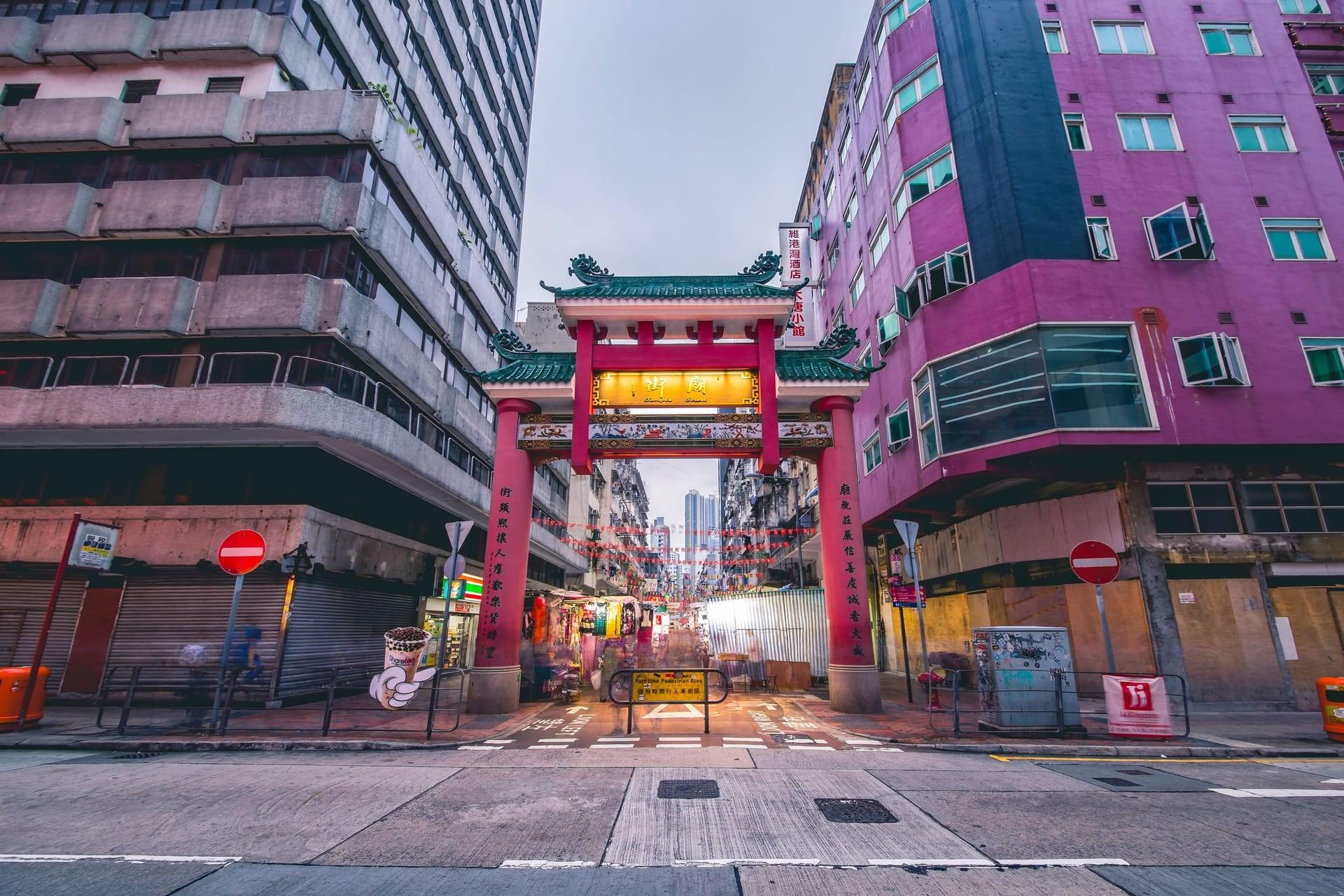
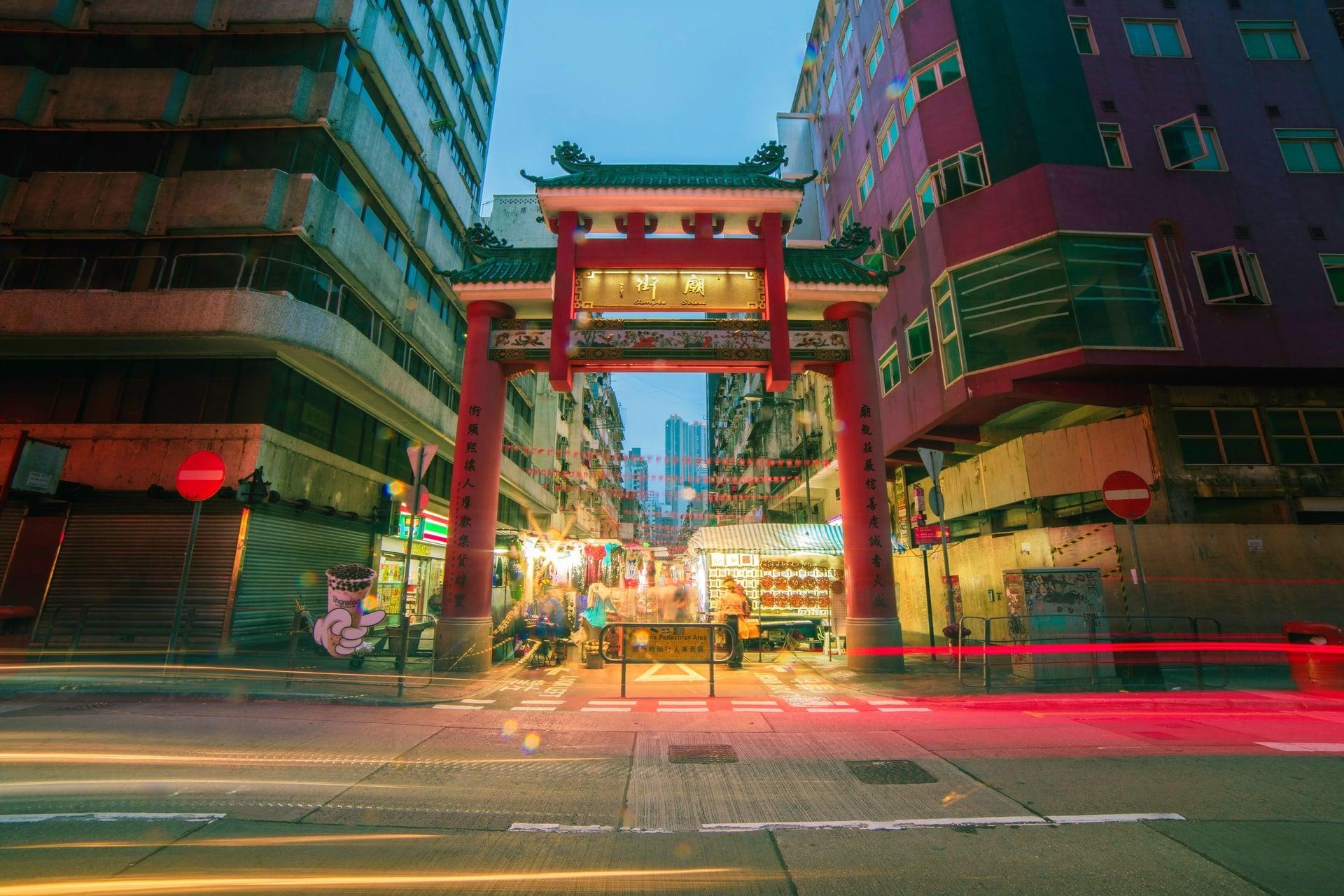
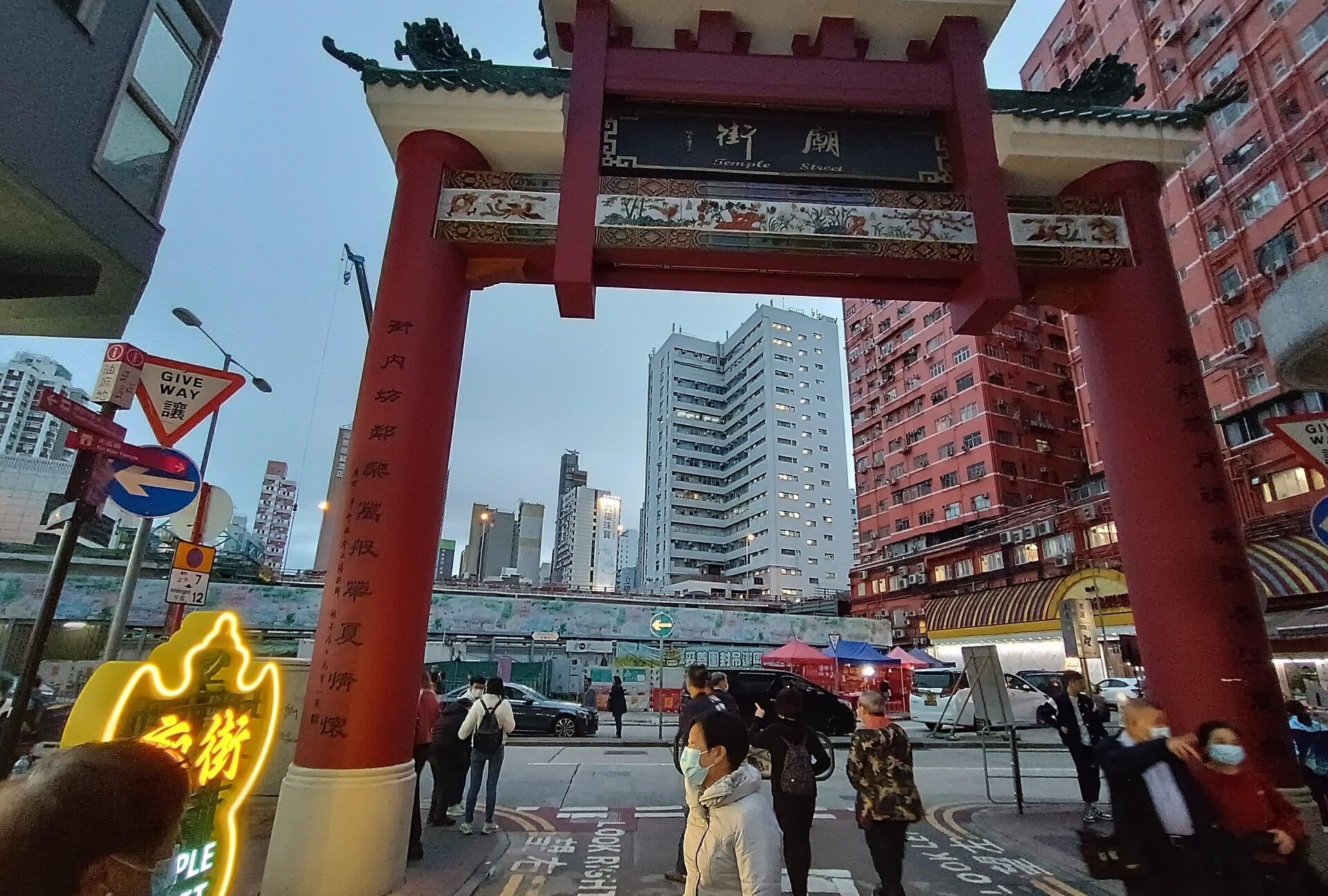
Temple Street Gateway (廟街牌樓)
A street named for a temple. The arch over Temple Street on Jordan Road, the start of the night-market street, in a grid of cross streets that were numbered First to Sixth until a government notice renamed them in 1909.
- 2
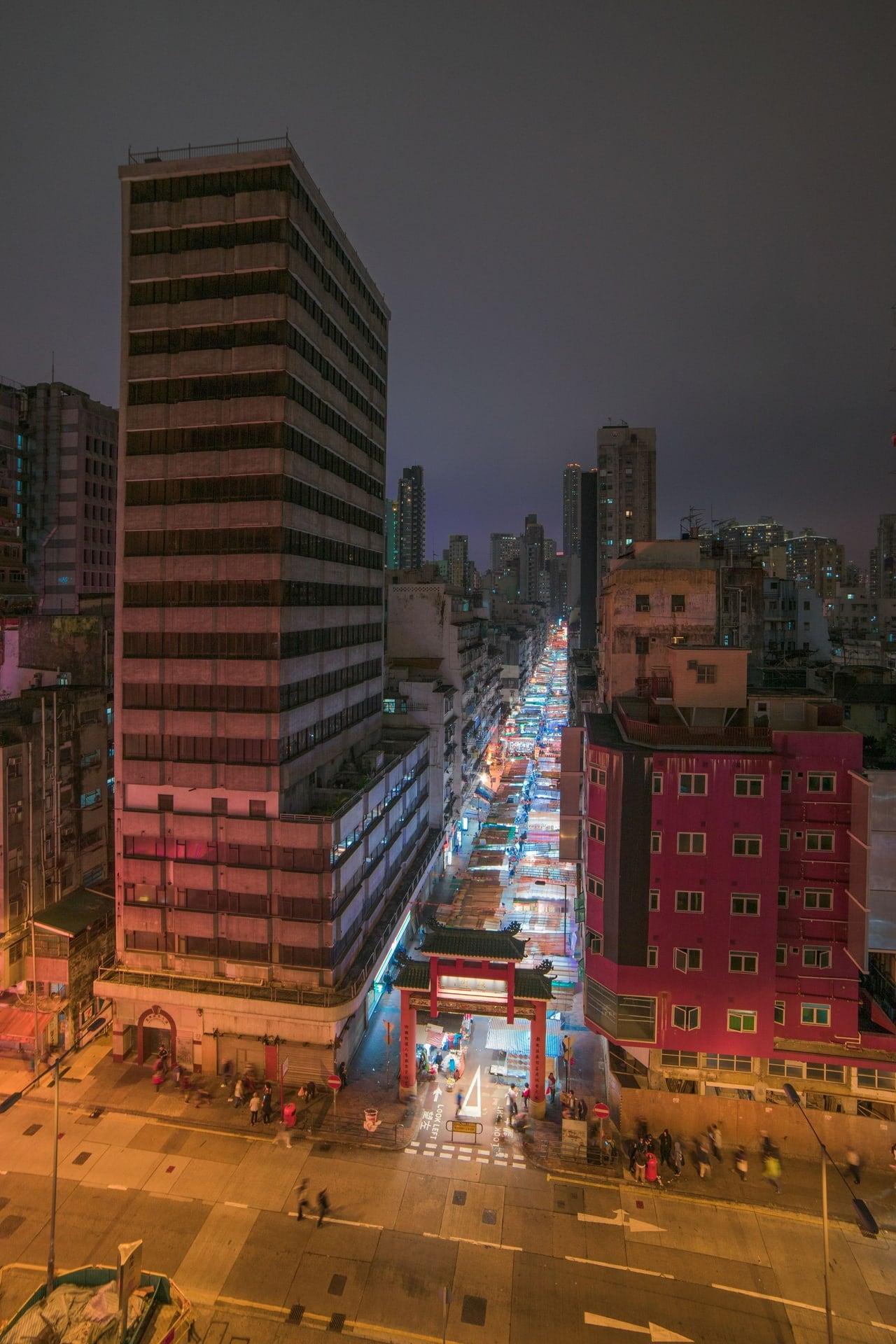
Temple Street at Pak Hoi Street (廟街 / 北海街)
The first temple stood near here. An ordinary junction where Yau Ma Tei's first Tin Hau Temple was probably built in 1865, close to the coastline, before a typhoon and a move north.
- 3
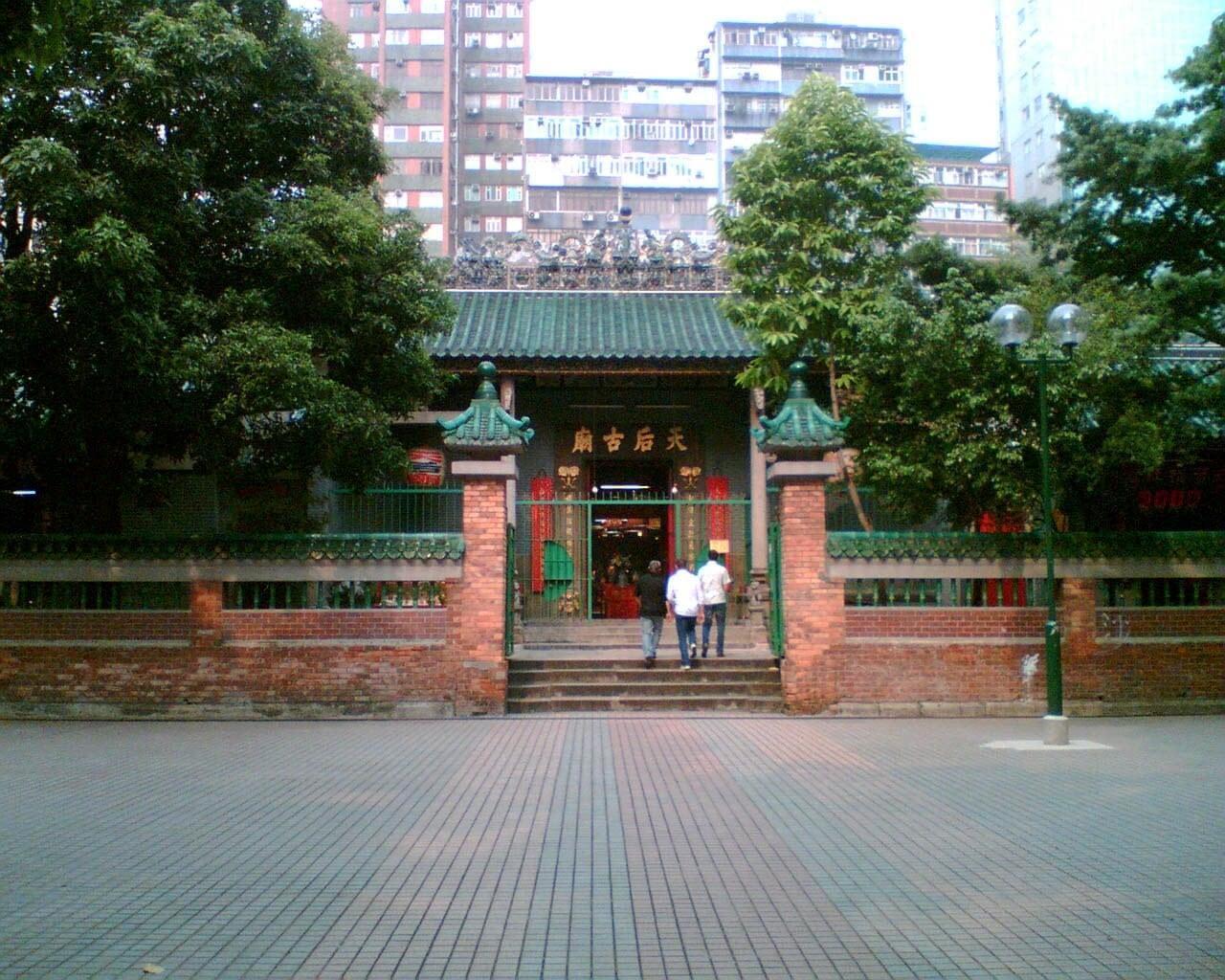
Tin Hau Temple (油麻地天后廟)
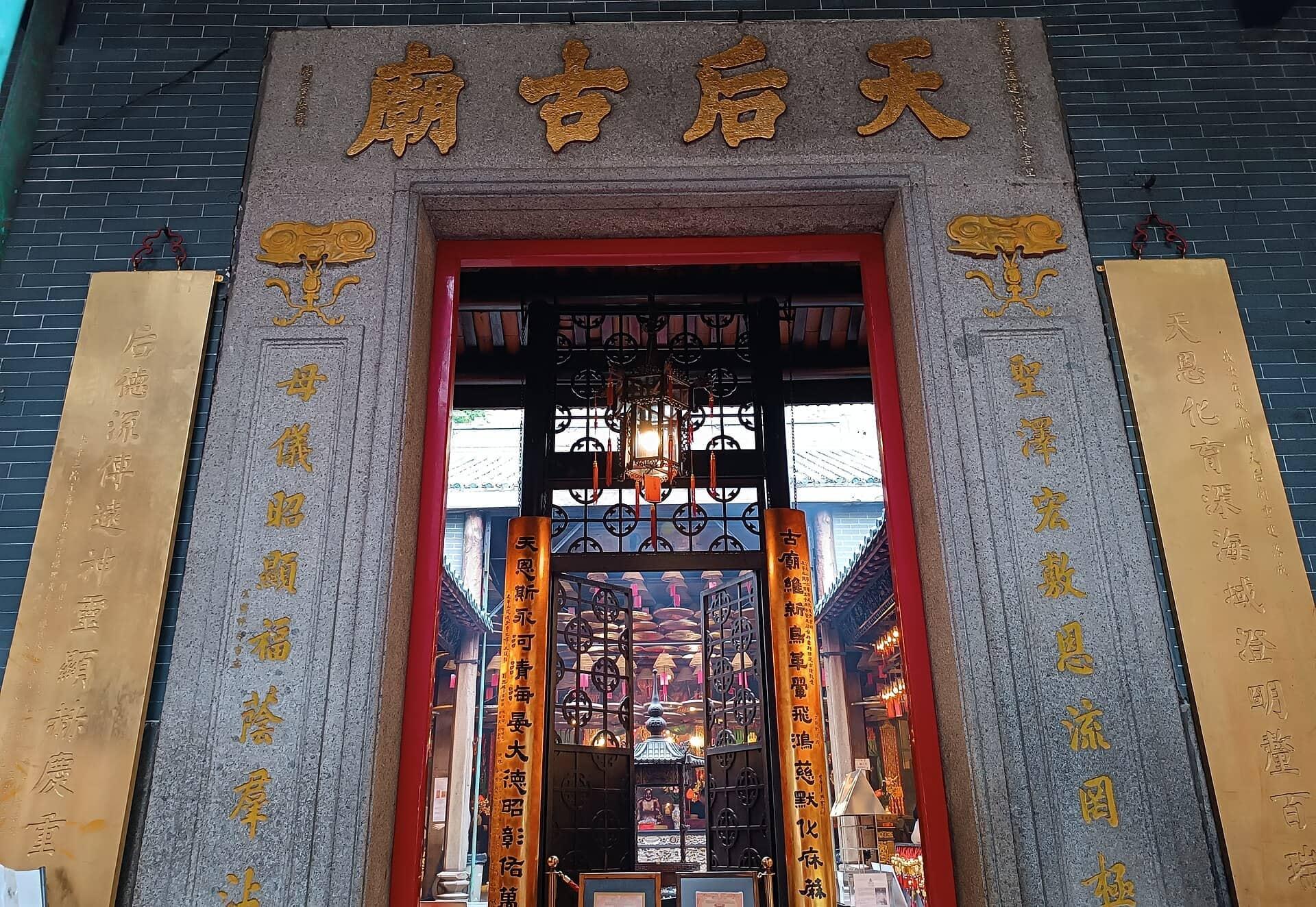
A sea goddess's temple, now inland. The 1870s Tin Hau Temple and its halls for meetings, disputes and schooling, a declared monument since 2020, facing the banyan square called Yung Shu Tau.
- 4
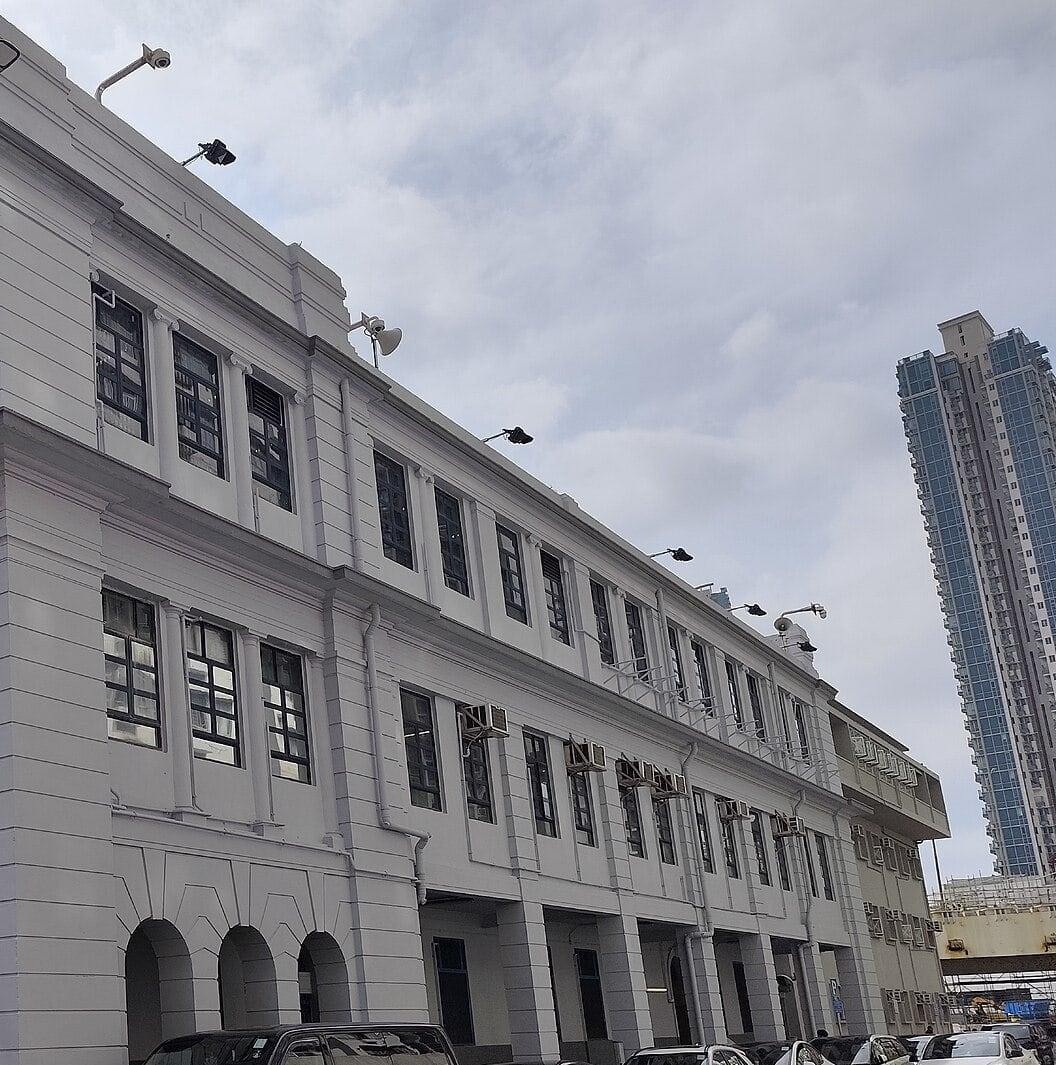
Old Yau Ma Tei Police Station (舊油麻地警署)
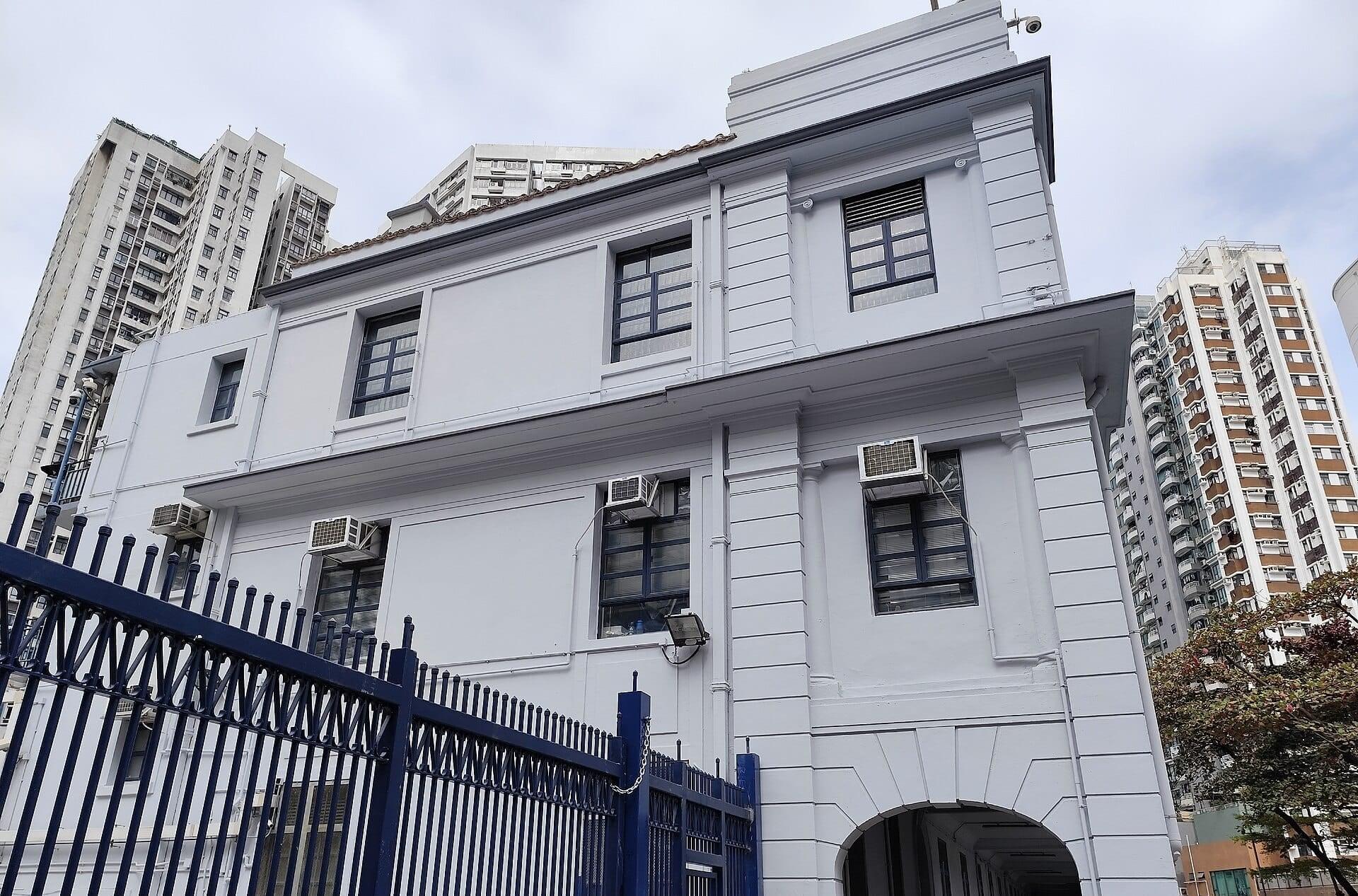
An Edwardian building of 1922. The old station on Canton Road, a Grade 2 historic building, now holds a ticketed exhibition on Hong Kong film; told here from outside.
- 5
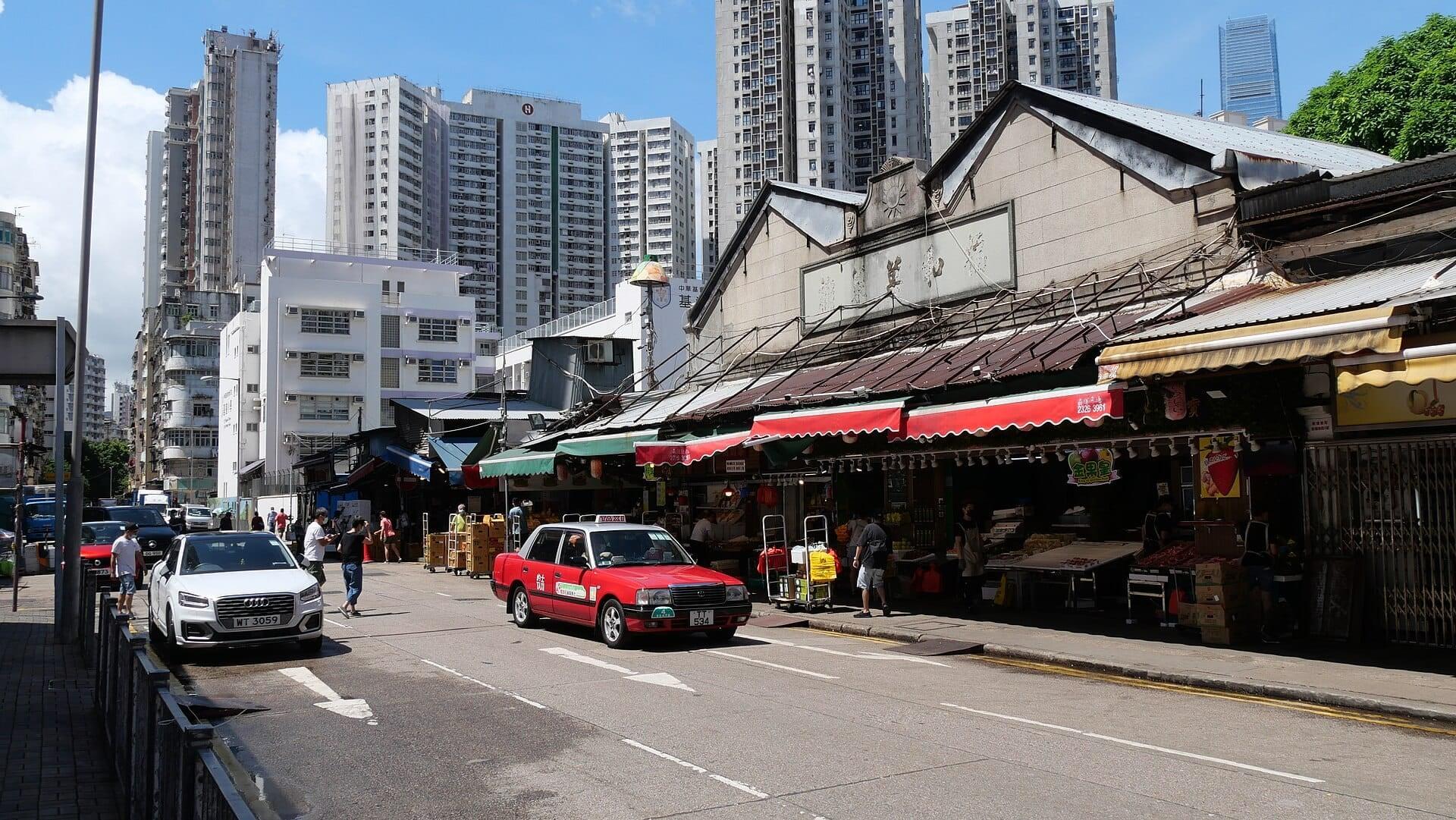
Yau Ma Tei Wholesale Fruit Market (油麻地果欄)
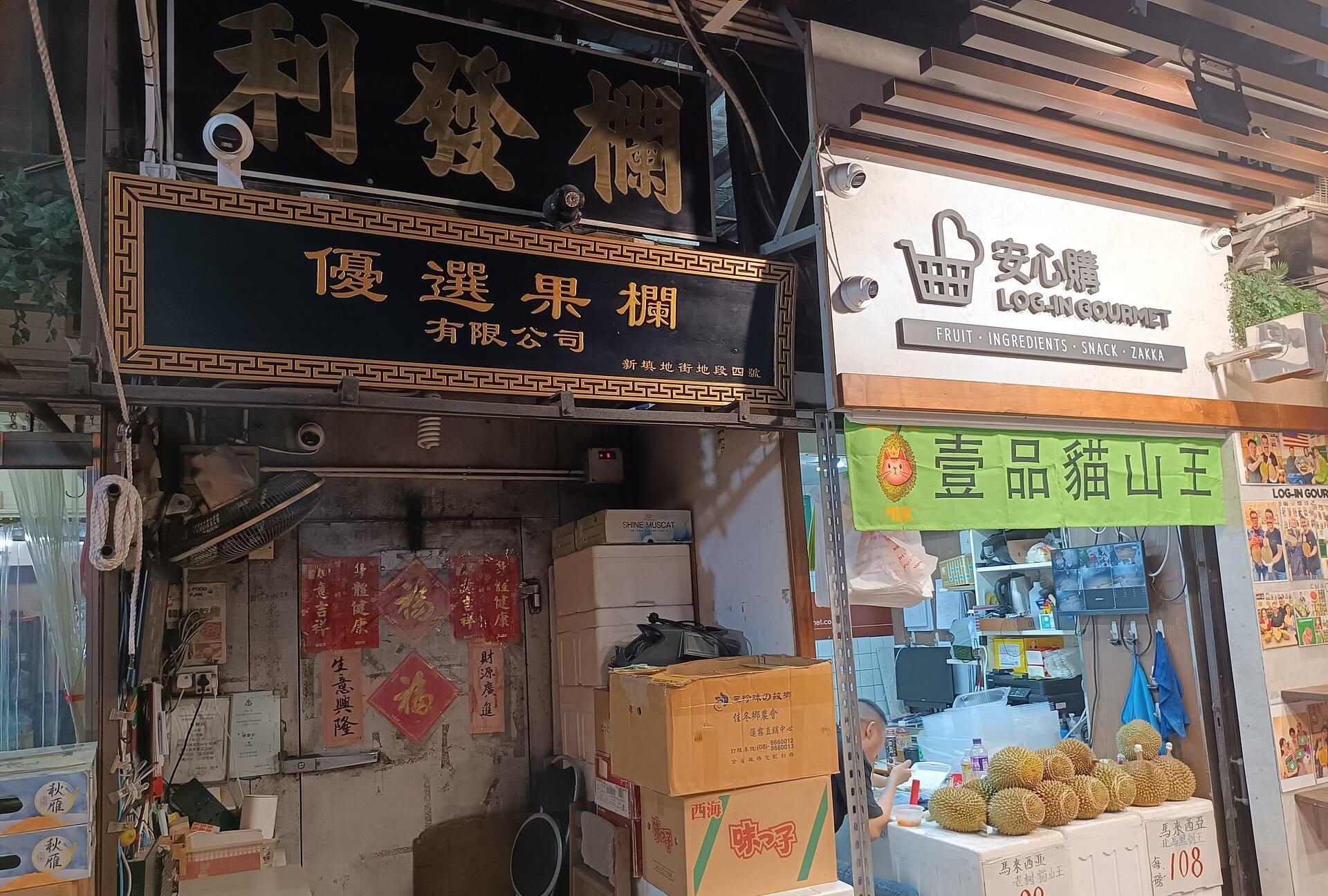
The city's fruit, in 1913 stone sheds. Sixteen low pre-war stone buildings on Reclamation Street, the street of newly filled land, where more than two hundred fruit stalls trade through the night.
- 6
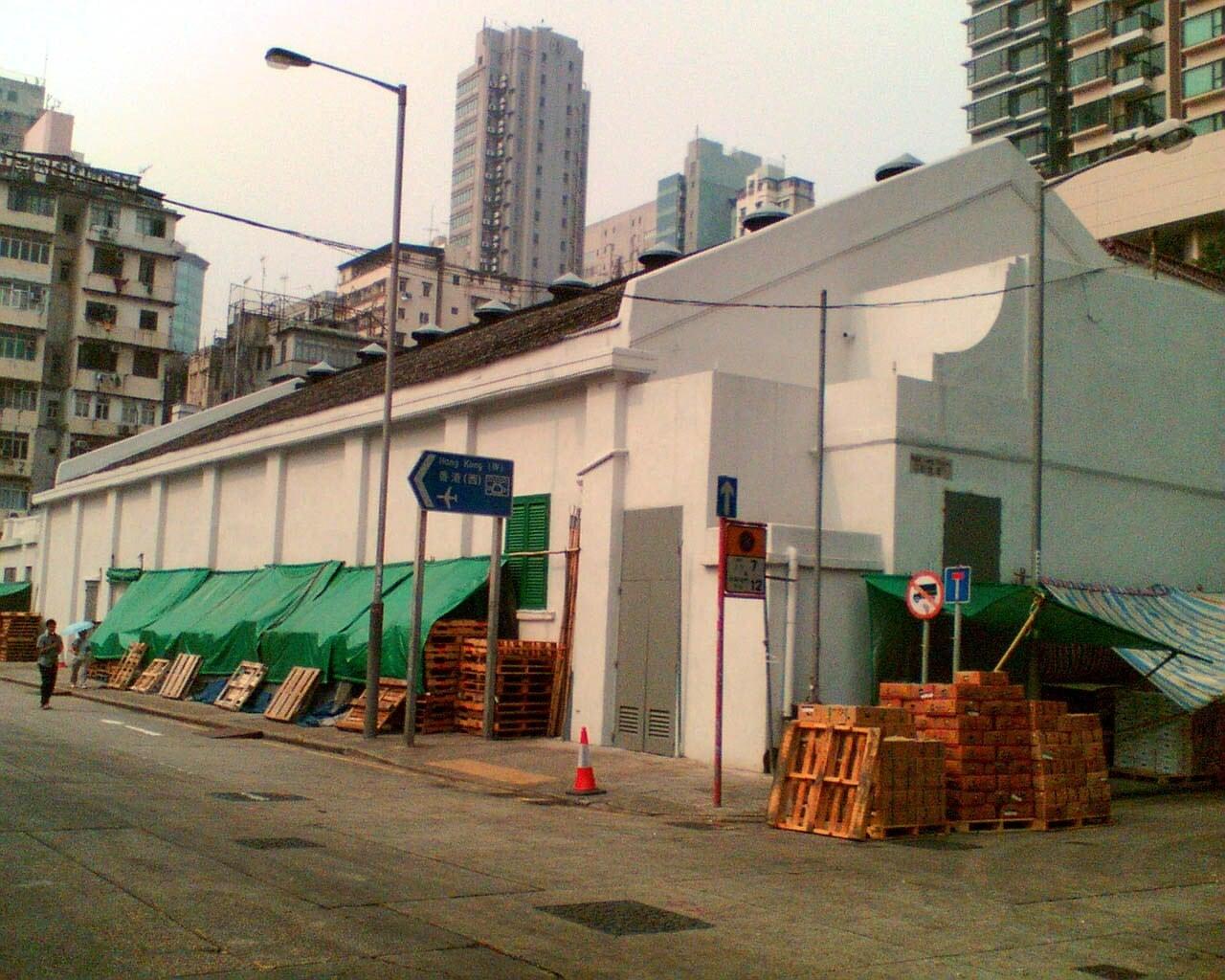
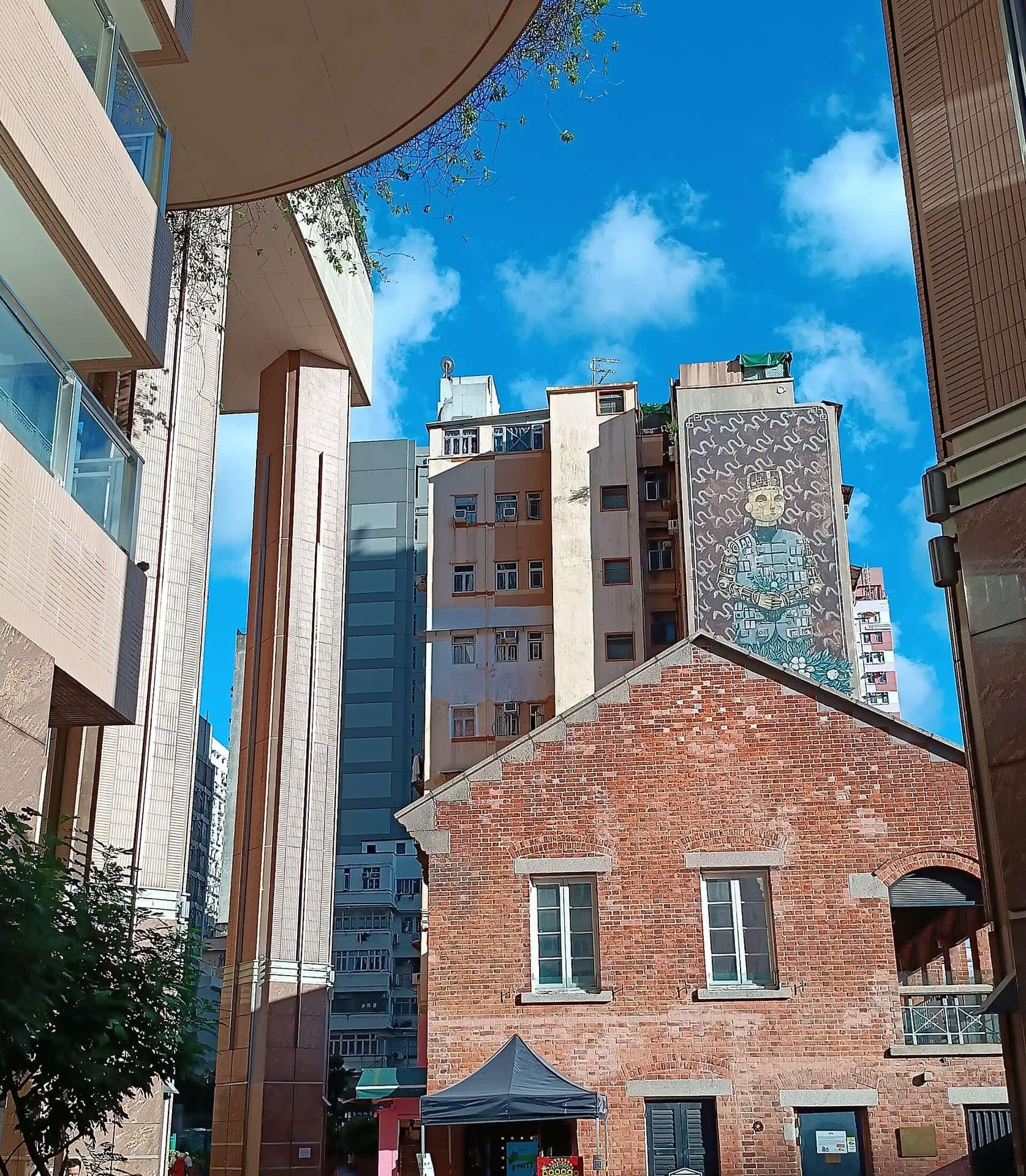
Yau Ma Tei Theatre and Red Brick Building (油麻地戲院 / 紅磚屋)
Water, then opera, on one corner. An 1895 pumping station office in red brick, the one building of its station kept, faces the 1930 Yau Ma Tei Theatre, reopened in 2012 for Cantonese opera.
- 7
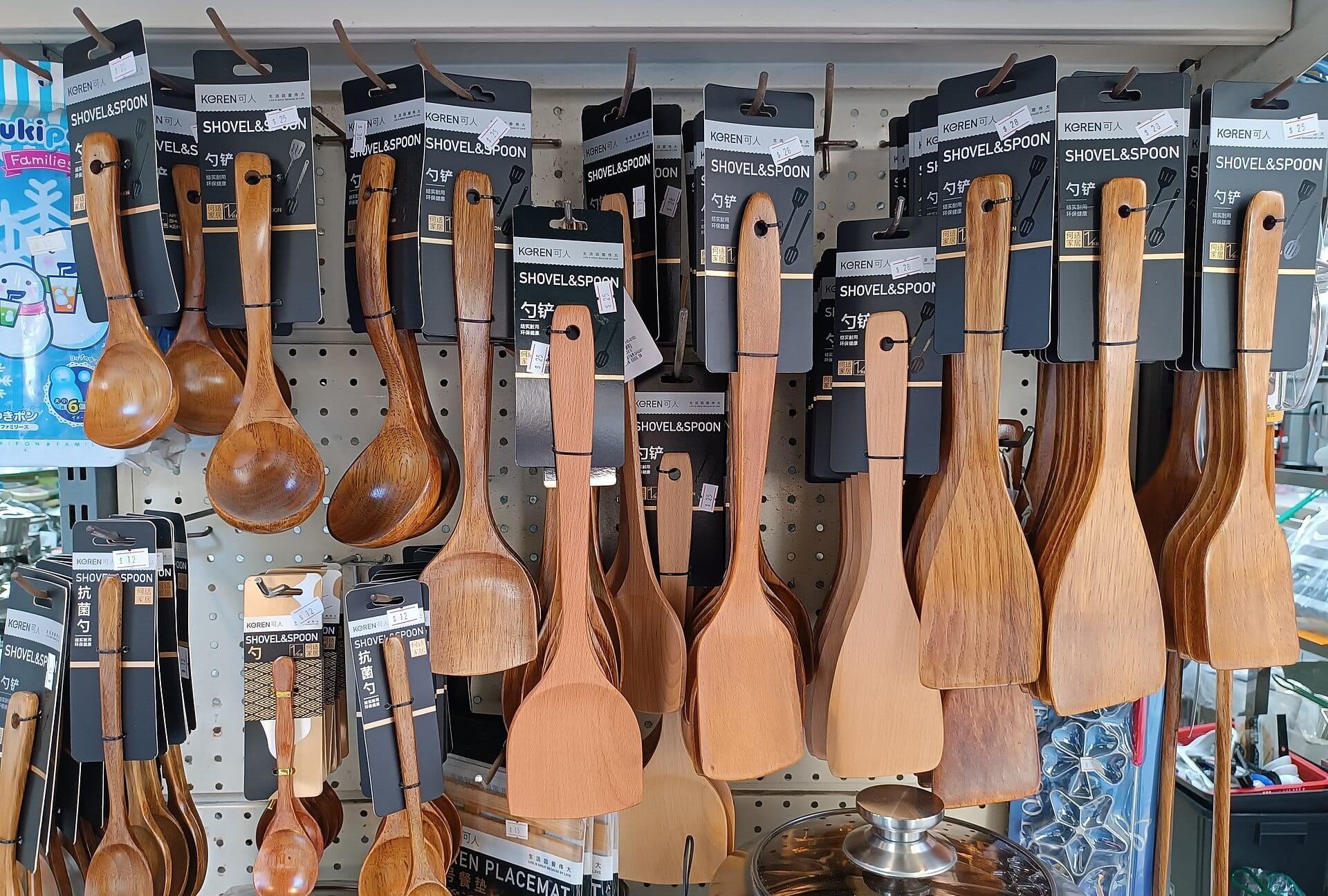
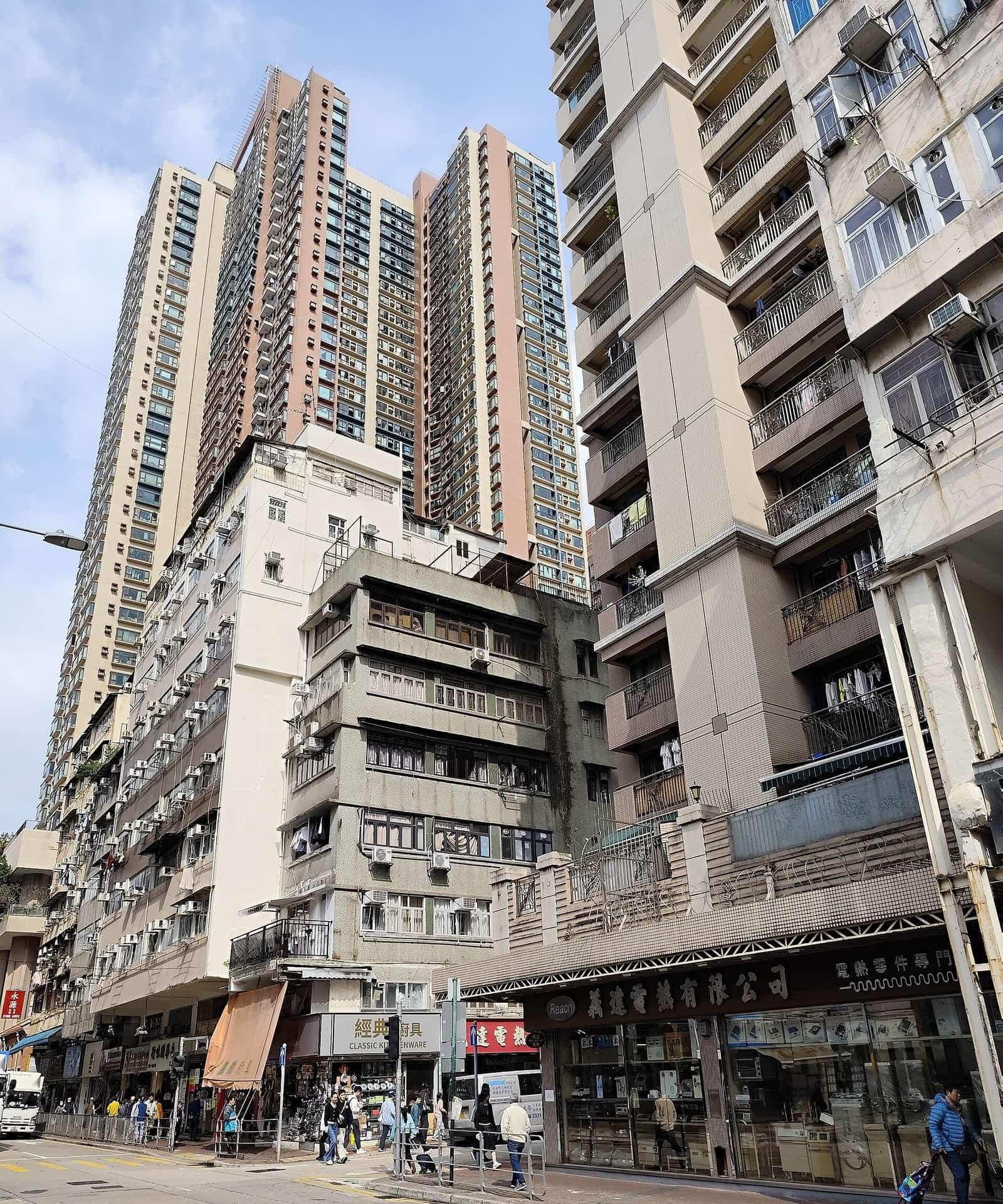
Shanghai Street Kitchenware (上海街)
The kitchen tools of a city. Shanghai Street's restaurant-supply shops, with woks, cleavers, chopping boards and bamboo steamers on the pavement, on a street called Station Street until 1909.
- 8
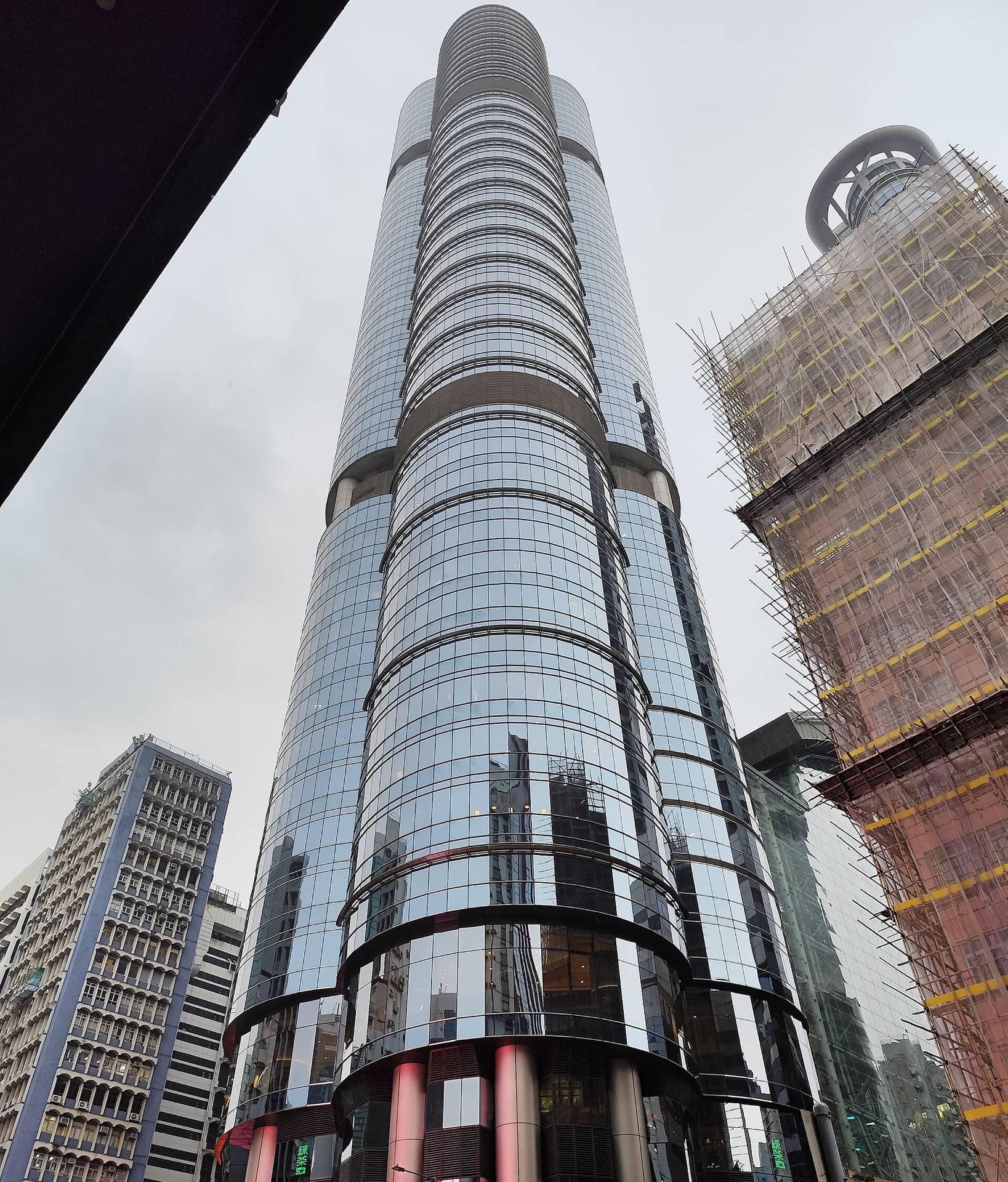
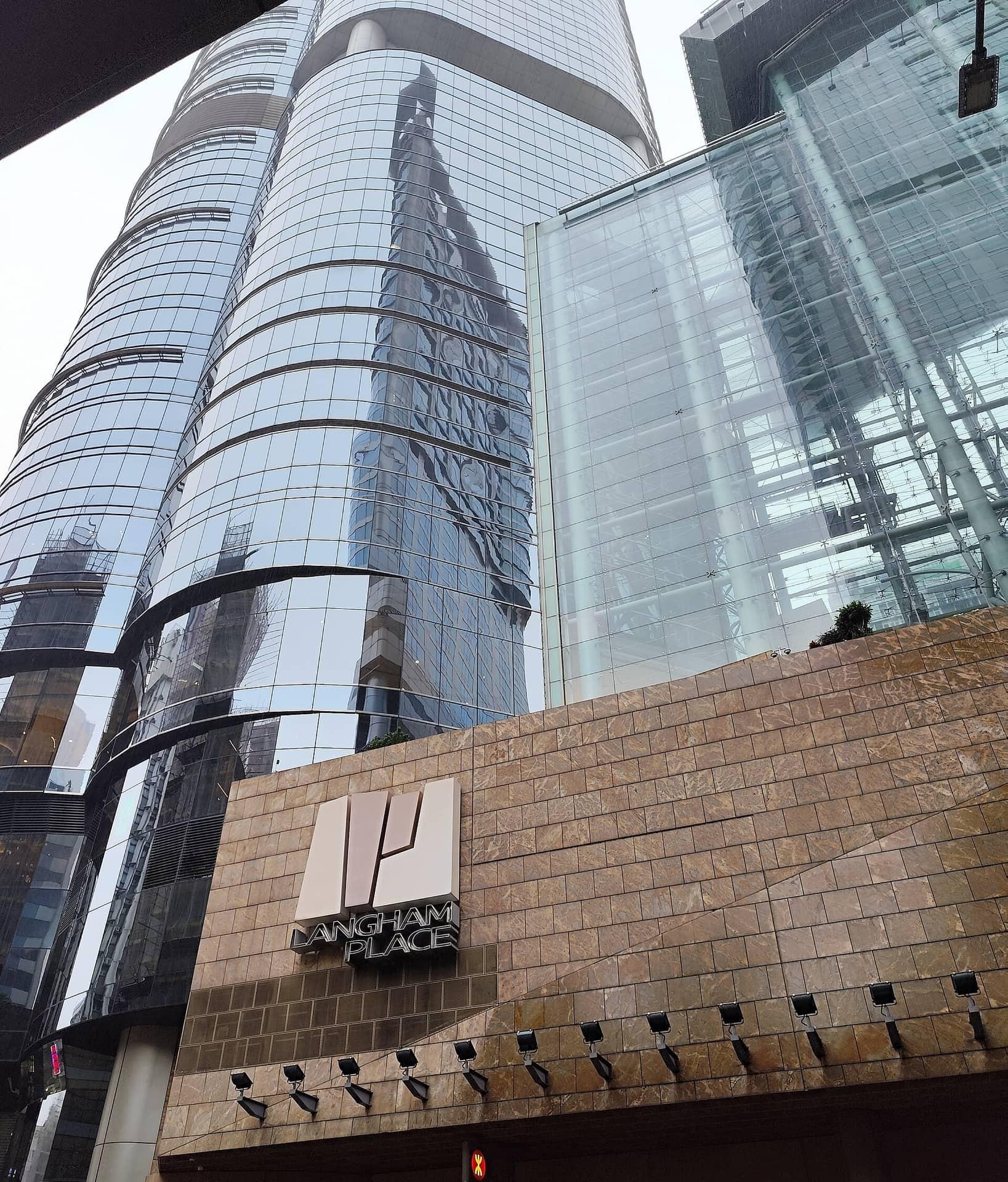
Shanghai Street at Shantung Street (上海街 / 山東街)
One way Hong Kong rebuilds. The towers of Langham Place fill a block cleared by a redevelopment that took down the stalls of Hong Lok Street, the old Bird Street, whose bird sellers were given a garden of their own.
- 9
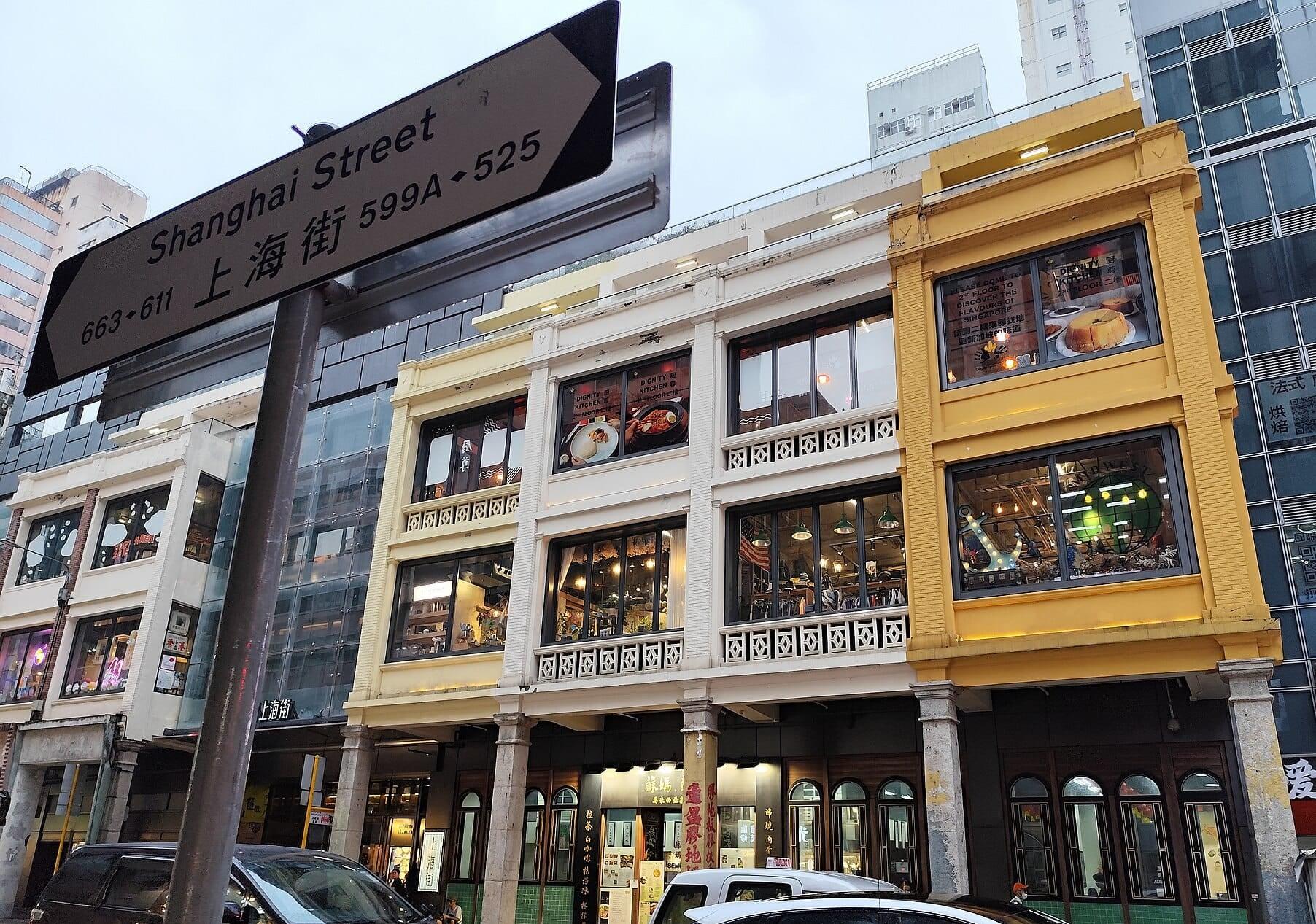
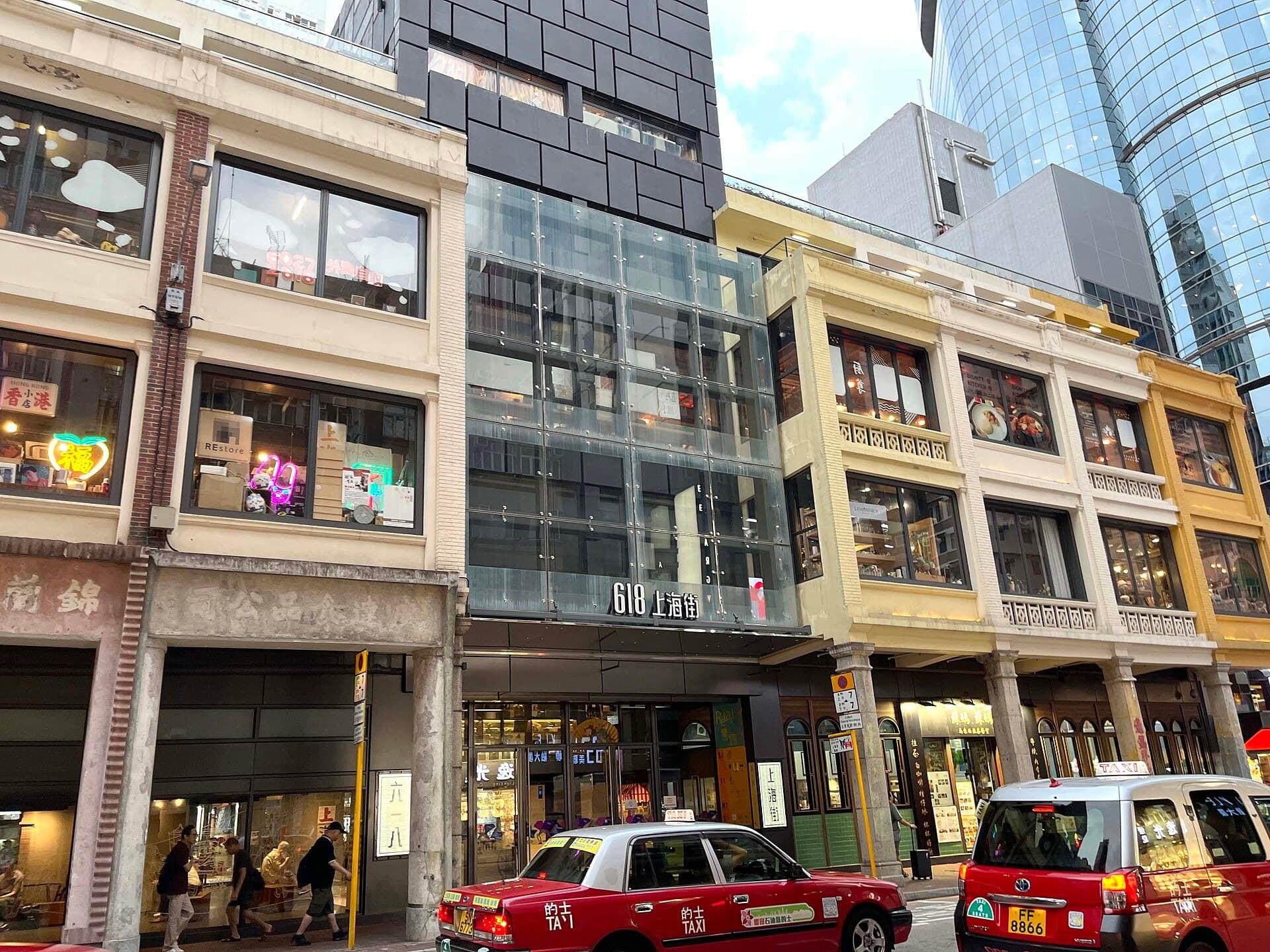
618 Shanghai Street (上海街600-626號)
The other way: a verandah row kept. Fourteen shophouses, ten from the 1920s, whose upper floors stand on columns over the pavement, restored by the Urban Renewal Authority and finished in 2019.
- 10
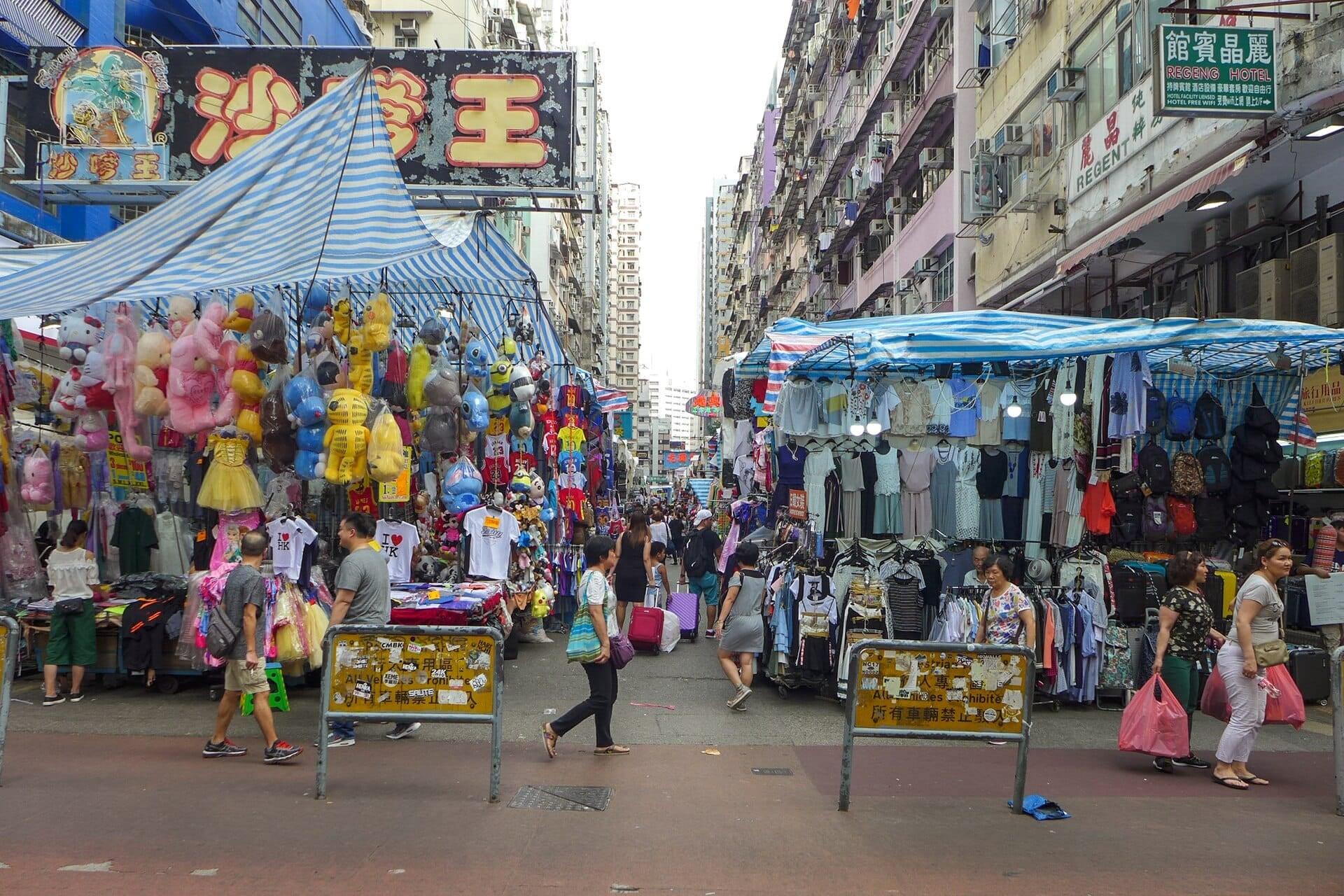
Ladies' Market (女人街)
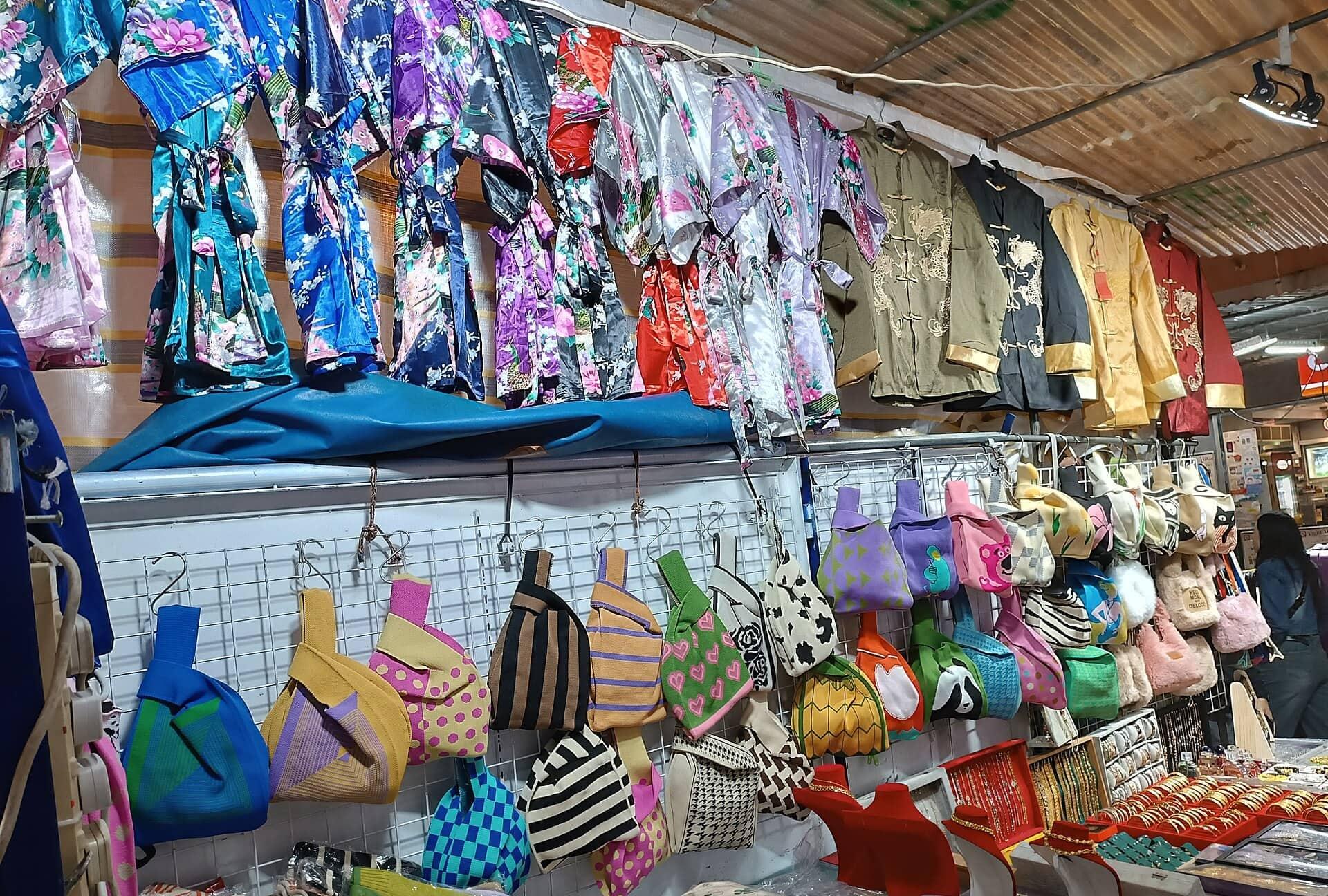
A street that becomes a market. The head of the Ladies' Market on Tung Choi Street, where stalls of clothing, accessories and souvenirs open out down the street from about midday.
- 11
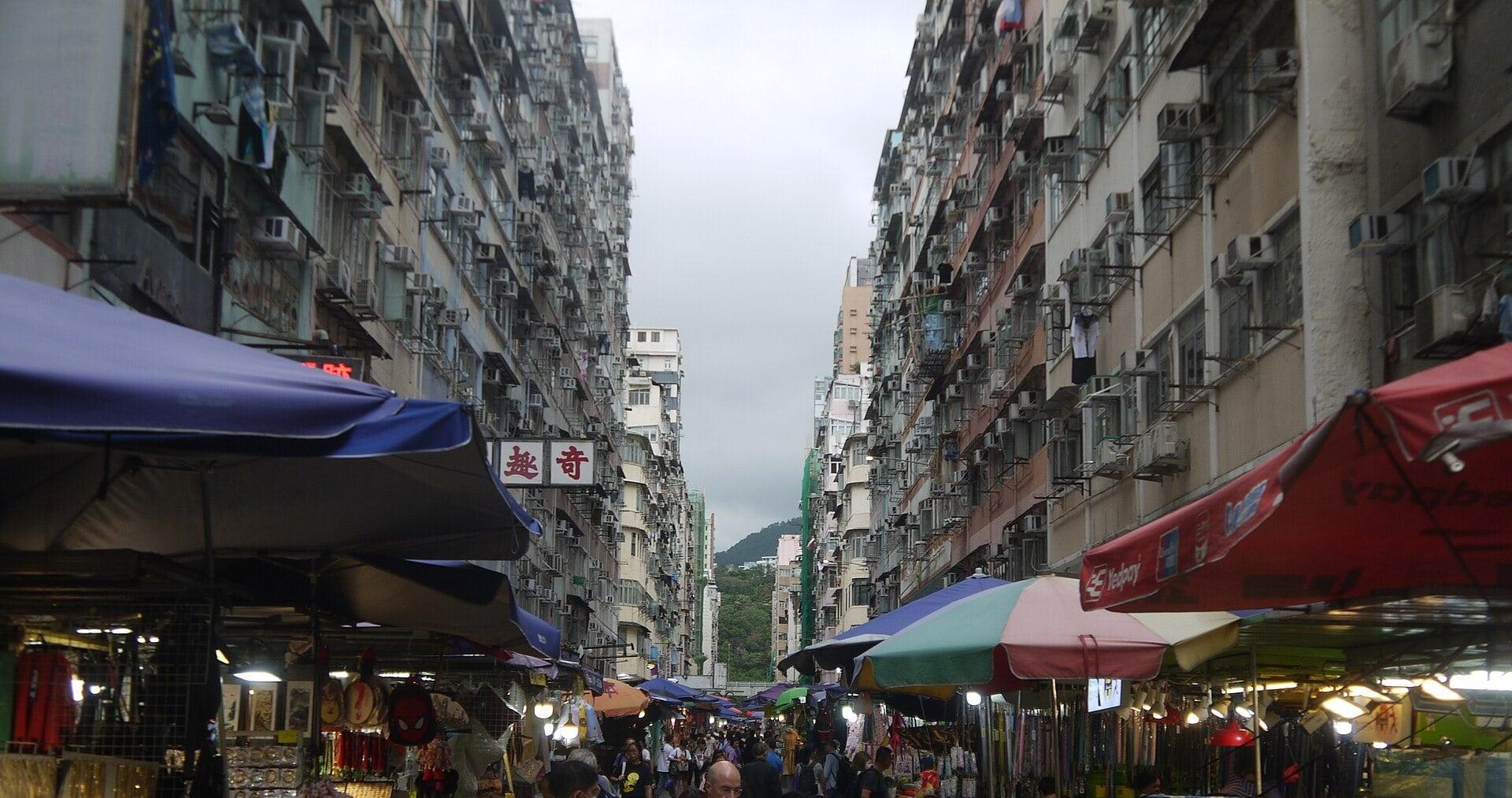
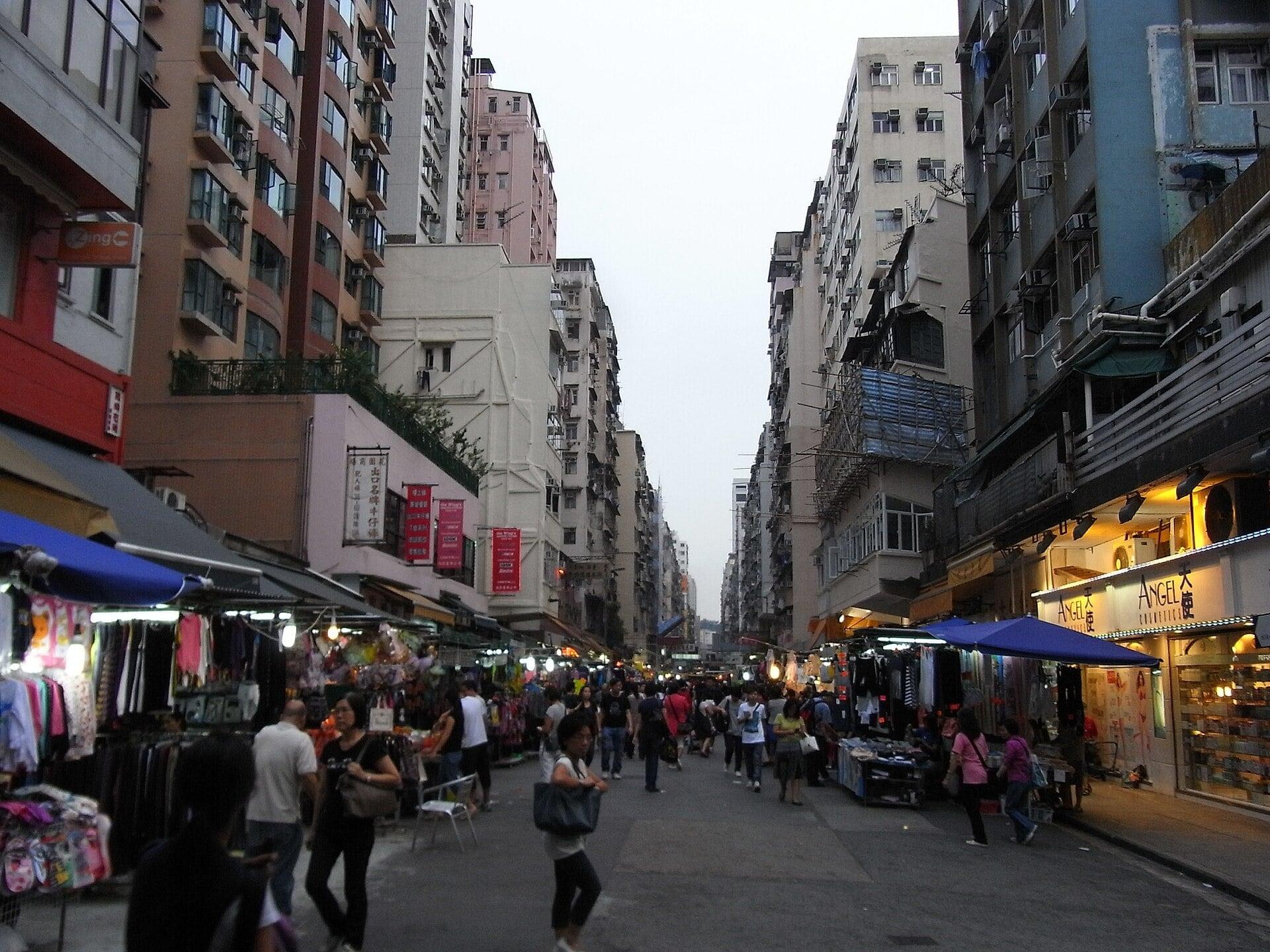
Fa Yuen Street (花園街)
The neighborhood's own everyday market. Fruit and vegetable stalls on Fa Yuen Street beside its municipal market building: a residents' market in two layers, one street from the visitors' market.
- 12
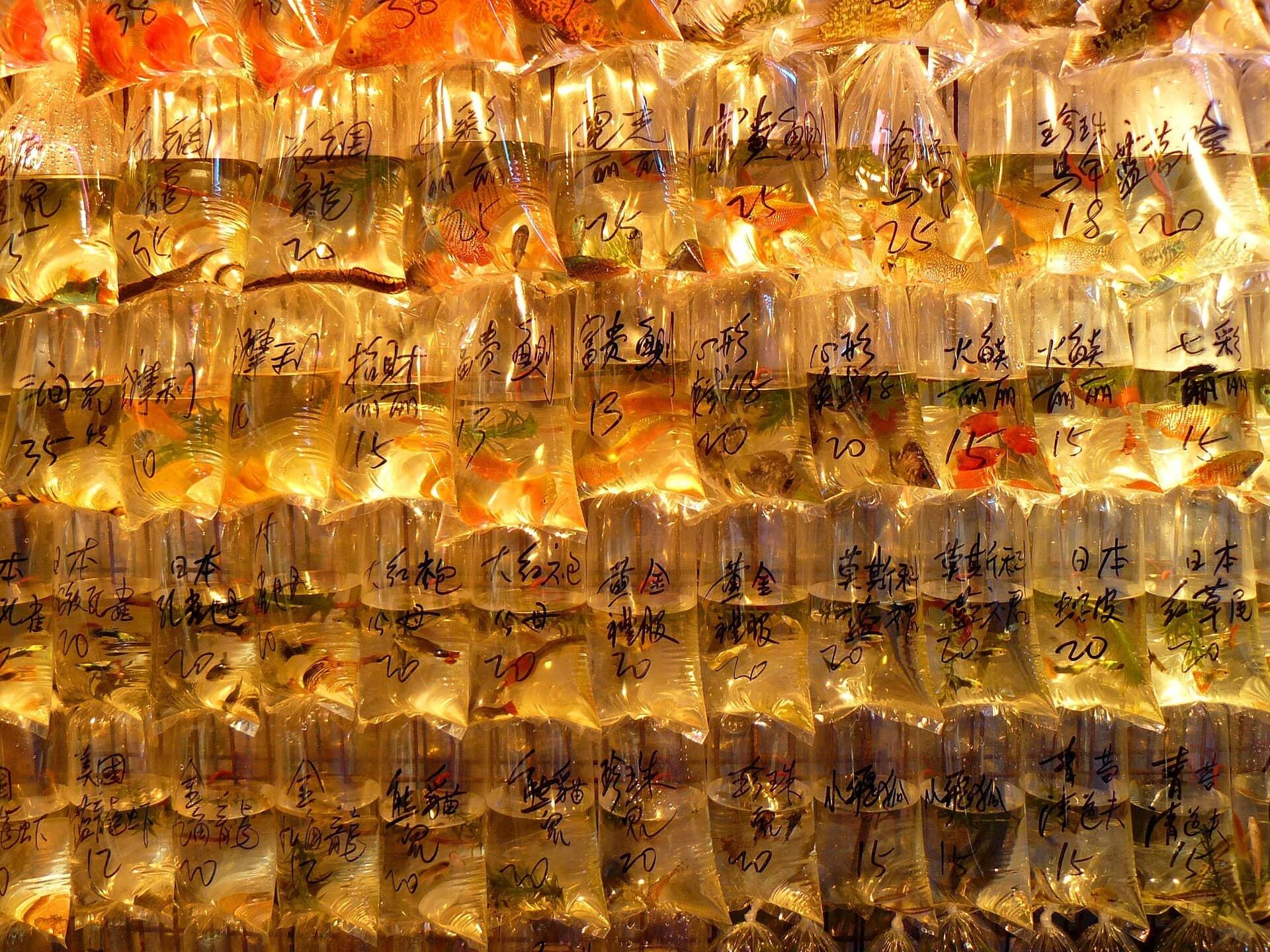
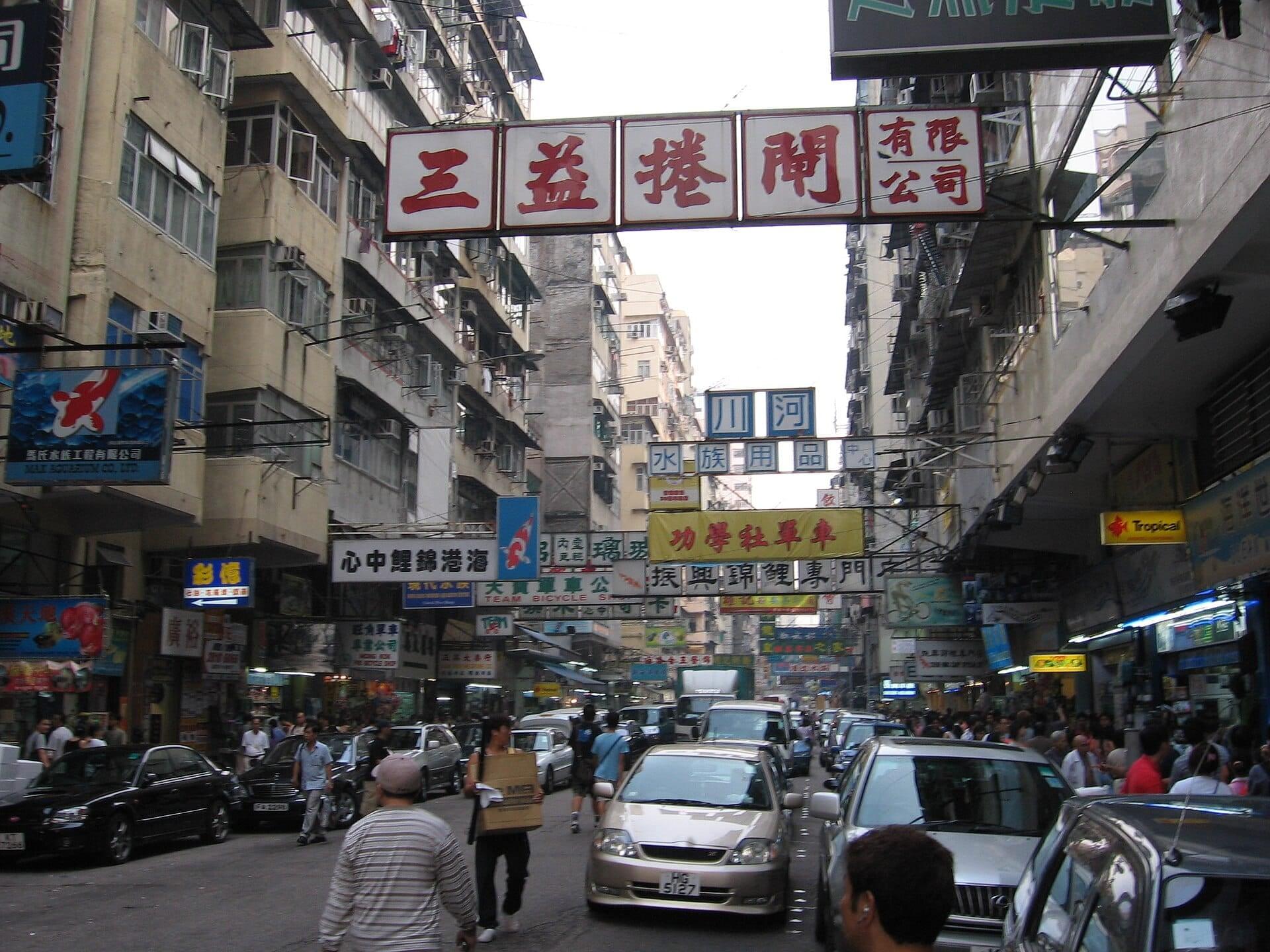
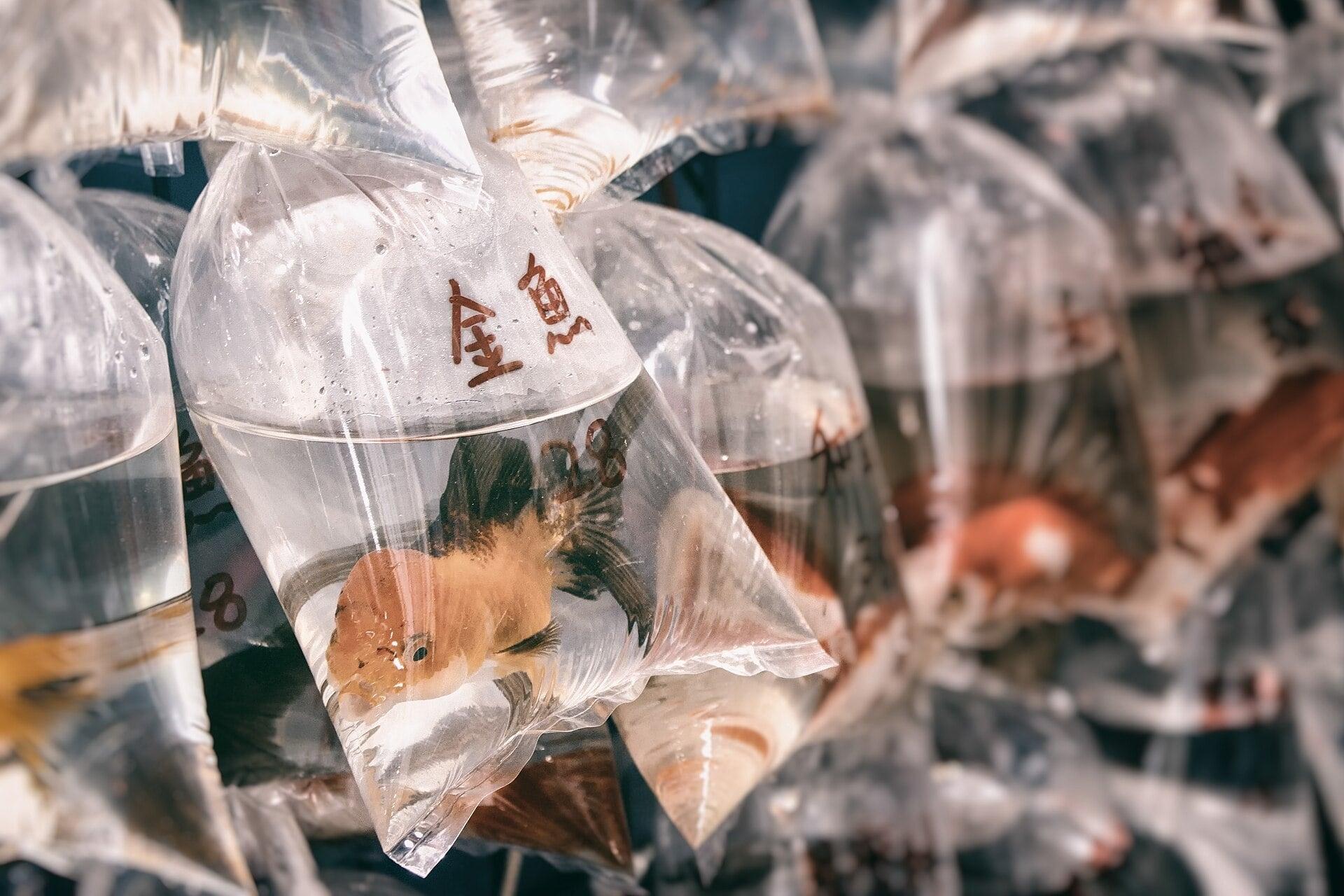
Goldfish Street (金魚街)
A wall of fish in bags. The stretch of Tung Choi Street where Hong Kong people buy luck-bringing goldfish and other aquarium pets, hung in bags over the shop fronts.
- 13
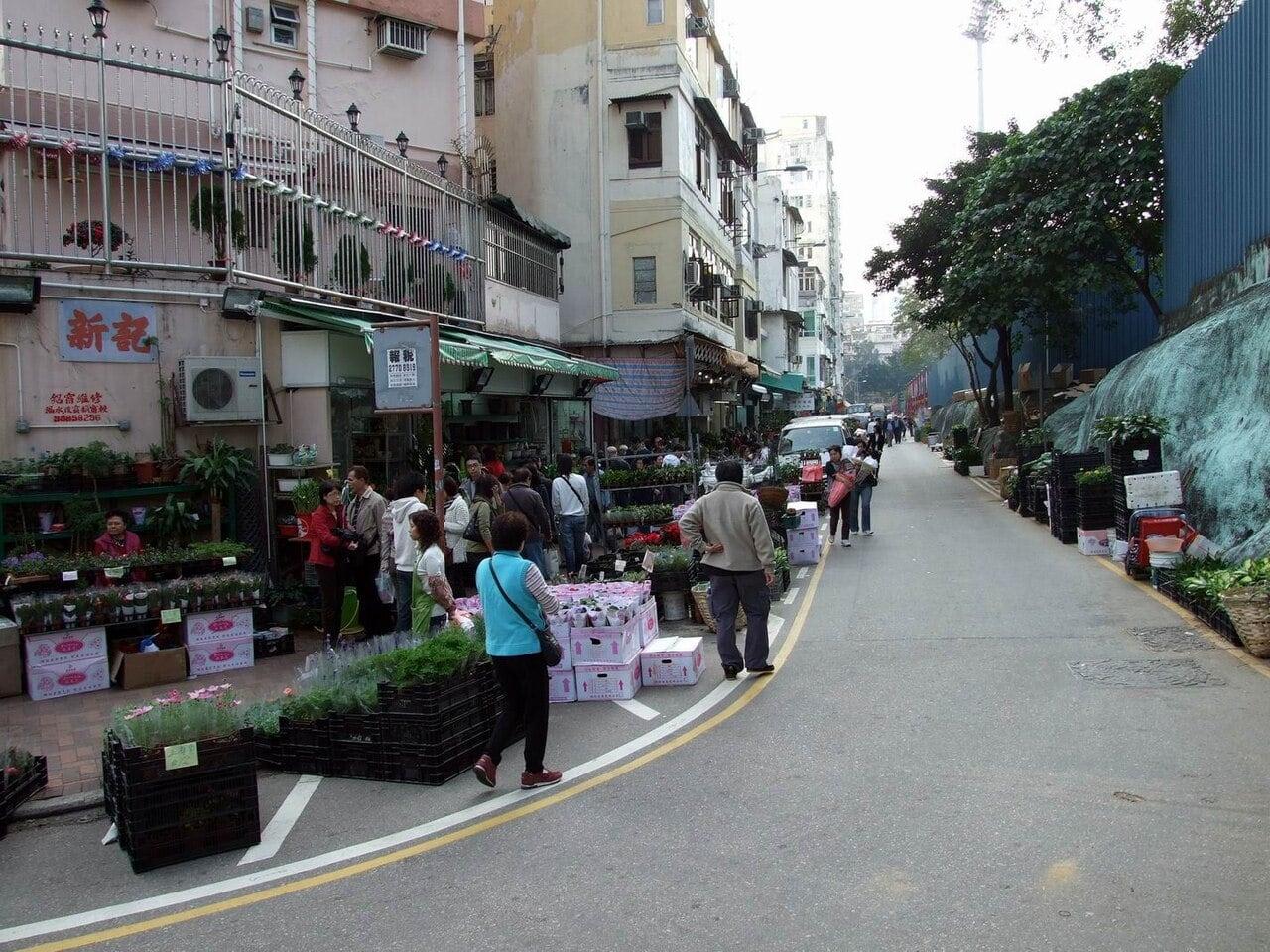
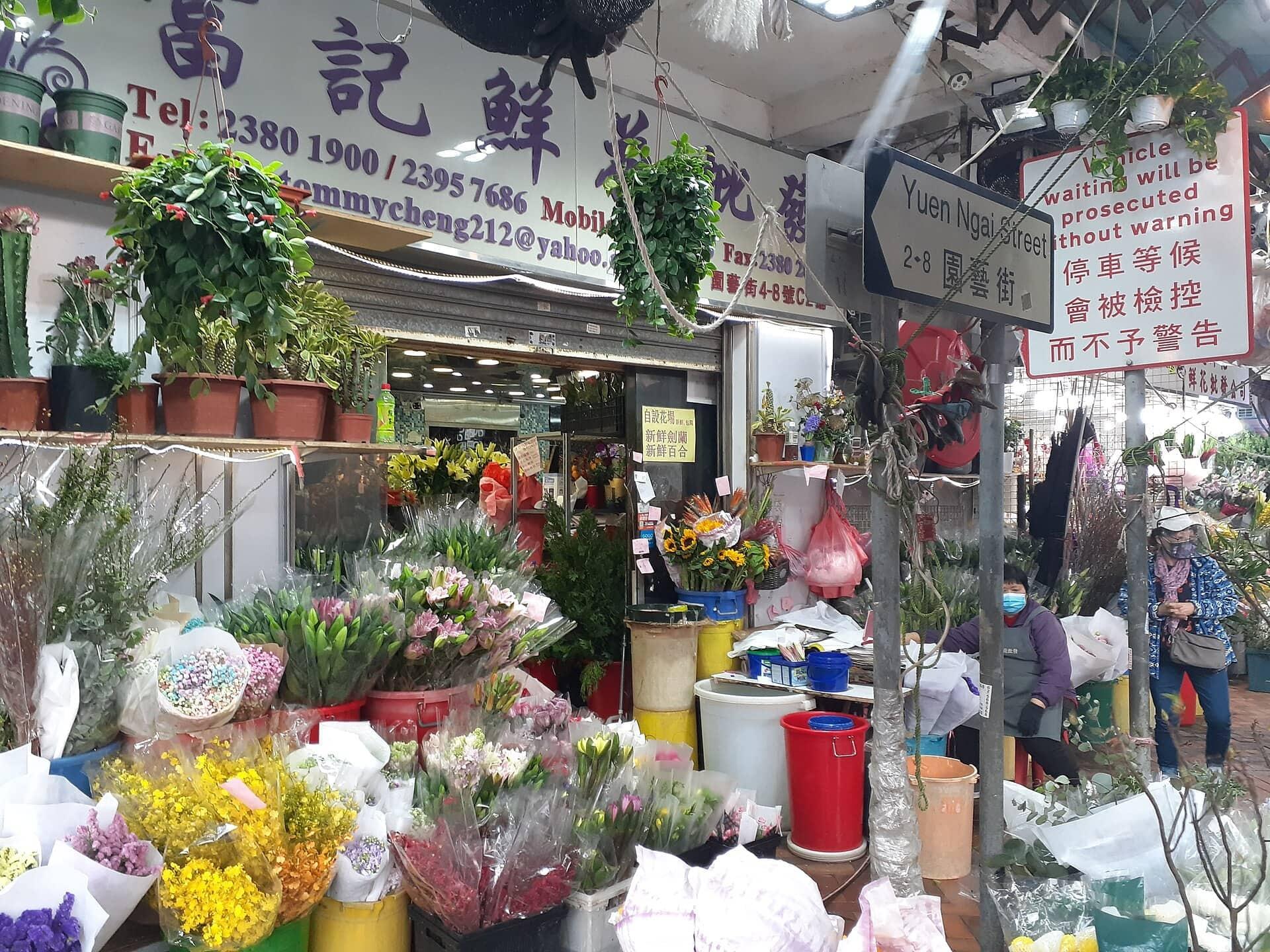
Flower Market Road (花墟道)
Where Hong Kong buys its luck in plants. Flower and plant shops fill both pavements of Flower Market Road, busiest in the days before Chinese New Year.
- 14
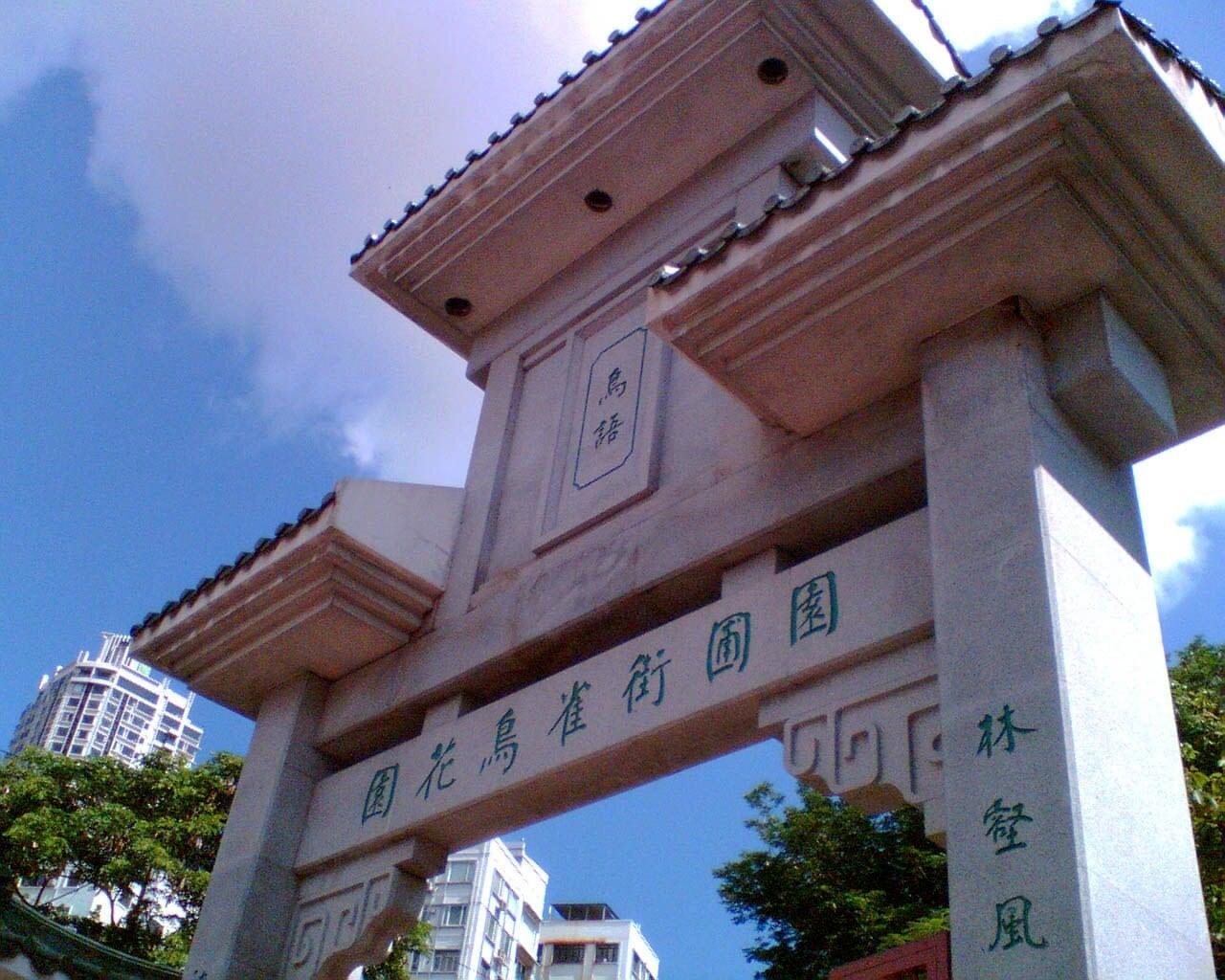
Yuen Po Street Bird Garden (園圃街雀鳥花園)
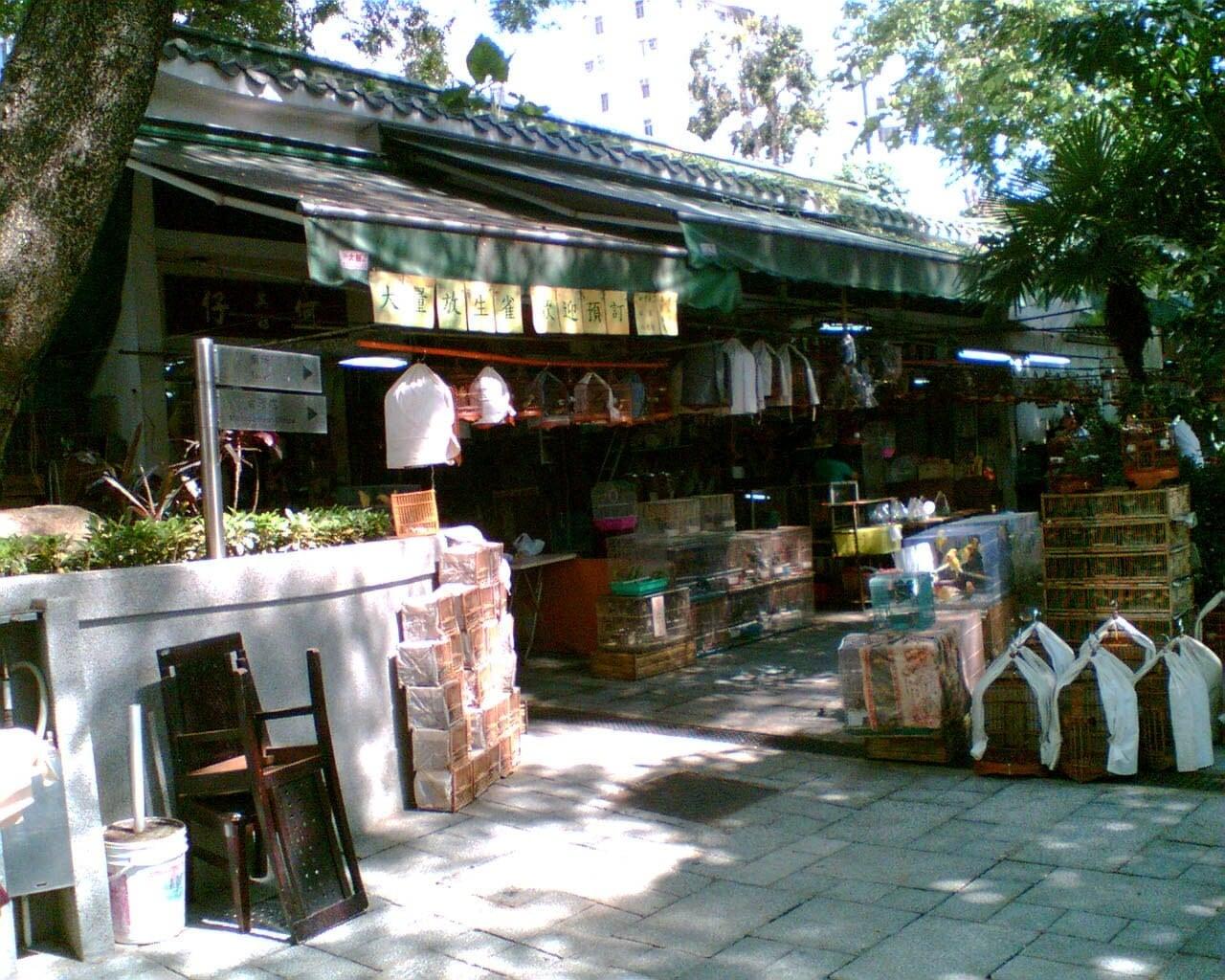
Where the birds of Bird Street went. The garden built with seventy stalls for the bird traders moved off Hong Lok Street, with songbirds, seed and handmade cages; free, 7 am to 8 pm.
Details
Best Time to Visit
Start about 13:30 to 14:00 and allow about two hours: Temple Street's stalls are going up (from about 14:00; hours are by stall), the jade bazaar is still open for a look, and Goldfish Street, the Flower Market and the Bird Garden (LCSD, 07:00 to 20:00 daily, free; its shops close earlier) are open. Morning walkers see shutters on the market streets; every stop still works. Sunset is about 17:40 in December, and every street is lit after dark. Weekend evenings are crowded on Argyle Street and in the Ladies' Market, and the temple square fills at the Tin Hau Festival (the 23rd day of the third lunar month). Avoid the first three days of Chinese New Year (from 6 February 2027), when many stalls and shops shut; the Flower Market is busiest in the days before. The holiday weeks of 1 to 5 May and 1 to 7 October bring heavy crowds. Do not walk while a No. 8 typhoon signal or a black rainstorm warning is up. Checked 25 November 2026.
Pro Tips
- •Getting to the start: MTR Jordan station (Tsuen Wan line), exit A on Nathan Road at Jordan Road, then about 160 m (two minutes) west along Jordan Road's north pavement to the arch over Temple Street. Yau Ma Tei station is near the market street's north end. The walk ends about 550 m east of Prince Edward station (Tsuen Wan and Kwun Tong lines); Mong Kok East (East Rail line) is about 500 m south. Exit letters are from OpenStreetMap: check the station signs. Checked 25 November 2026.
- •Hong Kong dollars throughout; an Octopus card or a contactless bank card pays for the MTR.
- •Jade: the jade traders are in a temporary Jade Hawker Bazaar at G/F, 251 Shanghai Street, at the Kansu Street corner, about 50 m off the route between stops 2 and 3 (the old site under the flyover is gone). Stalls keep roughly 10:00 to 16:00 by most guides. Checked 25 November 2026.
- •The walk meets the Ladies' Market at its north end (stop 10). To walk through it, go south down Tung Choi Street for several blocks and come back up to the Argyle Street corner.
- •To finish at the night market lit, start at about 16:00 and, after the Bird Garden, walk back south to Temple Street as evening falls.
- •The film exhibition in the old police station (stop 4) is not part of the walk: HKD 30, HKD 10 concession, booked online only (none sold on site), closed Mondays except public holidays (organiser's page; news.gov.hk, 26 December 2025). Checked 25 November 2026.
Safety & Precautions
- •Hong Kong drives on the left, but most side streets on this walk are one way, so look toward the oncoming traffic, not always right: from your right at Ning Po, Saigon, Hamilton and Bute Streets; from your left at Pak Hoi, Fife and Yuen Ngai Streets and the end of Fa Yuen Street at Argyle Street; Kansu Street has two carriageways (right, then left). Directions are from OpenStreetMap's one-way tags: check the arrows on the road. Delivery vans and minibuses turn in fast; service lanes, such as those into Langham Place, also carry vehicles.
- •Cross the big roads only at the lights: Waterloo Road (after stop 6), Nathan Road (after stop 9), Argyle Street (after stop 10), Mong Kok Road (after stop 11) and Prince Edward Road West (after stop 12), which has a central island where you may need to wait.
- •Pavements are narrow and often full of goods, crates and stall frames, especially on Shanghai Street; at the fruit market, forklifts and trolleys cross the pavement at all hours.
- •Argyle Street and the Ladies' Market are crowded in the evenings and at weekends: keep your bag in front of you.
- •The Tin Hau Temple is a working place of worship: speak quietly and ask before photographing anyone at prayer. At Goldfish Street the Tourism Board asks for no flash and no blocking of the shops.
- •If a No. 8 typhoon signal or a black rainstorm warning is up, do not walk: wait until it is lowered. Shops and stalls close.
- •The Urban Renewal Authority's Sai Yee Street and Flower Market Road scheme (approved April 2025, completion targeted for 2035 to 2036) may put hoardings around blocks near stops 13 and 14: follow any signed diversion. Checked 25 November 2026.
Gallery
Read the walk
The full story of Temple Street and Mong Kok: The Markets That Moved, in words. Prefer to listen? Play it narrated, from home or on location.
Introduction
Yau Ma Tei and Mong Kok, on the Kowloon side of Hong Kong, are a district of market streets: night stalls, fruit, woks and cleavers, goldfish, flowers, songbirds. Many of those markets have moved. In Yau Ma Tei the shore moved first: a temple to the goddess of the sea was built close to the coastline, and land was filled in until it stood inland, with a harbor town's trades set along the new streets. In Mong Kok, rebuilding did the moving, and a street of bird sellers was given a garden of its own. The shore moved, and the markets moved with it.
There are fourteen stops over about three point four kilometers, about two point one miles, and the walk takes about two hours, flat all the way, ending near Prince Edward station.
Hong Kong drives on the left, but most side streets here are one way, so look toward the oncoming traffic, from either side; each stop says which way. The big roads are crossed only at the lights. There are no trams on this side of the harbor.
Winter is mild and mostly dry, with highs around twenty degrees Celsius. If a number eight typhoon signal or a black rainstorm warning is up, do not walk.
Start in the early afternoon if you can, when the night market's stalls go up and the fish, flower and bird shops are open. The Bird Garden is free, from seven in the morning to eight at night. The old police station on the route is now a ticketed exhibition, not included; the walk tells it from outside. The temples are places of worship.
To reach the start, take the MTR to Jordan station, leave by exit A on Nathan Road, and walk about two minutes west along Jordan Road to the arch over Temple Street. When you arrive at the Temple Street Gateway, begin with stop one.
1. Temple Street Gateway (廟街牌樓)
Stop on the paving just inside the arch, with the market street running ahead of you between old tenements. This is Temple Street, and it is named after a temple you cannot see yet. The government paper that declared that temple a monument in twenty twenty puts it plainly: the temple is so well known that the street beside it is named after it.
Behind you, the arch frames Jordan Road. Until nineteen oh nine, this stretch of Jordan Road had a plainer name: Sixth Street. The cross streets of Yau Ma Tei were numbered, First Street to Sixth Street, and a government notice of March nineteen oh nine renamed them all, to end the confusion of the same names on Hong Kong Island and in Kowloon. First Street became Kansu Street. Second Street became Pak Hoi Street. The same notice ordered Temple Street extended north. The numbers are gone, but their order is not: in the next few minutes you cross the old Fifth, Fourth and Third Streets, now Nanking, Ning Po and Saigon Streets.
Temple Street is best known for its night market. The stalls go up down the middle of the street in the afternoon and trade into the night, selling clothing, souvenirs, jade, antiques and food, in the Tourism Board's list. In the morning you see only folded frames and shuttered shops. Either way, keep to the paving between the stalls.
Follow the route north up Temple Street. The side streets are one way: at Ning Po Street and Saigon Street the traffic comes from your right, so look right, and watch for delivery vans turning in.
2. Temple Street at Pak Hoi Street (廟街 / 北海街)
Stop at the crossing with Pak Hoi Street, the old Second Street. There is little here to look at: a junction of tenements, shop signs and stall frames. That is the point. About here, probably in eighteen sixty five, the local community built the first Tin Hau Temple of Yau Ma Tei.
Tin Hau is a goddess of the sea, and in Hong Kong her temples were typically built close to the coastline. This one was no different. The government's heritage paper takes its date from a small stone lion now in front of the present temple, inscribed with a date in the old imperial calendar that works out to eighteen sixty five. A tablet of eighteen seventy five adds the next part: a typhoon in eighteen seventy four badly damaged the temple, and it was restored the following year. Then, in eighteen seventy six, it was moved a short way north, to the site of the next stop.
Since then, the paper says, the coastline of Yau Ma Tei has been filled in several times, and the temple now stands inland. How far the shore has moved, the sources do not agree, so we will not give a number. What you can take from this corner is simple: an ordinary crossing in the middle of Kowloon was once near the water's edge. The streets ahead carry the story in their names. One of them is called Reclamation Street.
At the temple, look for that stone lion. It is believed to have been carried there from the first temple.
Follow the route north. At Pak Hoi Street the traffic comes from your left. Kansu Street, next, has two carriageways: look right for the first and left for the second. Then on to the square in front of the temple.
3. Tin Hau Temple (油麻地天后廟)
Stop in the square, under the banyan trees, with the row of temple fronts along its edge. This is the Tin Hau Temple compound of Yau Ma Tei. The square has its own name, Yung Shu Tau, after the big banyans that grow here.
The temple in the middle was moved to this site in eighteen seventy six and completed in eighteen seventy eight; the inscription over its door records both. The buildings beside it went up in phases between eighteen ninety four and nineteen twenty: a communal hall, a hall for the Earth God, and two schools. When the government declared the whole compound a monument in twenty twenty, it called it a place for worship, arbitration and study. People came here to pray, to have their disputes settled, and to learn. The same paper calls it the largest surviving Tin Hau temple compound in Kowloon, established by boat people and land dwellers together.
Look up at the ridge of the entrance hall. Its ceramic figures were made in Shiwan in nineteen fourteen: two dragons with a pearl between them, and at the ends, the God of the Sun and the Goddess of the Moon. Then look for the small stone lion in front.
Since nineteen twenty eight the temple has been run for the Chinese Temples Committee by Kwong Wah Hospital, now part of the Tung Wah Group of Hospitals, and its surplus went to the hospital's work. So the temple helped pay for a hospital's labor room.
The square has a nickname too: the Poor Man's Nightclub, for the fortune tellers and Cantonese opera singers who have long gathered here at night.
This is a working temple. Speak quietly, and ask before you photograph anyone at prayer.
Follow the route west along Public Square Street, and cross Shanghai Street at the lights.
4. Old Yau Ma Tei Police Station (舊油麻地警署)
Stop at the corner of Public Square Street and Canton Road. Across the junction stands a three story building from nineteen twenty two: the old Yau Ma Tei Police Station. It is no longer a police station.
It was designed in an English Edwardian style, and it is graded today as a Grade Two historic building. It stands on Canton Road, which until nineteen oh nine was called Macdonnell Road. When it was built it stood near Yau Ma Tei's waterfront, and reclamation has since pushed the shore further out. A public building of nineteen twenty two, set on the new streets of a harbor town: that is the piece of the story it holds.
Its later fame came from the screen: the exhibition's organizers say many classic Hong Kong films were shot outside it. Since the second of January twenty twenty six its ground floor has held a ticketed exhibition on Hong Kong film. Tickets are booked online only, at thirty Hong Kong dollars standard, none are sold at the door, and it is closed on Mondays. It is not part of this walk, and nothing here needs a ticket.
Follow the route across Public Square Street at the lights and north up Reclamation Street. At Tung Kun Street the traffic comes from your right.
5. Yau Ma Tei Wholesale Fruit Market (油麻地果欄)
Stop beside the low stone and brick buildings. This is the Yau Ma Tei Wholesale Fruit Market, known in Cantonese as Gwo Laan. Before you look at the market, look at the street sign. You are on Reclamation Street, and its Chinese name says it even more plainly: the street of newly filled land. This was harbor once.
The market is sixteen two story stone houses from before the Second World War, standing since nineteen thirteen and graded as historic buildings. Look along the gable walls for the names of traders carved into them; the Tourism Board calls the carvings stylish.
More than two hundred fruit stalls trade here, and they trade through the small hours. Come by day and much of the market is shuttered and quiet; it is busiest before dawn. On screen, these streets were a backdrop for Wong Kar-wai's film As Tears Go By, of nineteen eighty eight.
Forklifts and fruit trolleys use these pavements at every hour. Keep to the building line and give them room.
Follow the route north across Shek Lung Street, which runs both ways: look right, then left. At Waterloo Road, cross Reclamation Street at the lights.
6. Yau Ma Tei Theatre and Red Brick Building (油麻地戲院 / 紅磚屋)
Stop on the corner. Just along this pavement stands a building of red brick with arched verandahs. Across Shanghai Street is a low hall with a pitched Chinese roof. The red brick building came first. It was built in eighteen ninety five as the engineer's office of a water…
Full narration for this stop unlocks with the tour.
7. Shanghai Street Kitchenware (上海街)
Stop among the shops, wherever the woks and steamers begin to crowd the pavement. This is Shanghai Street, and its trade is the kitchen. The Tourism Board's list runs from meat cleavers to woks to solid wood chopping boards and bamboo steamers: everything you need to cook…
Full narration for this stop unlocks with the tour.
8. Shanghai Street at Shantung Street (上海街 / 山東街)
Stop on Shanghai Street's pavement, with the old line of low tenements behind you and the towers of Langham Place ahead, rising on both sides of the street and joined by bridges overhead. This block was rebuilt by the former Land Development Corporation, in what it called the…
Full narration for this stop unlocks with the tour.
9. 618 Shanghai Street (上海街600-626號)
Stop on the corner of Argyle Street, back from the curb. Across the junction, on the far corner, a row of old shophouses runs north along Shanghai Street, their upper floors carried on columns over the pavement. This is six hundred to six twenty six Shanghai Street, which is now…
Full narration for this stop unlocks with the tour.
10. Ladies' Market (女人街)
Stop at the corner of Tung Choi Street, where the stalls begin and run away from Argyle Street down the middle of the street. This is the Ladies' Market. Its Chinese name means women's street. It is a street that turns into a market every day. From about midday the frames are…
Full narration for this stop unlocks with the tour.
11. Fa Yuen Street (花園街)
Stop on Fa Yuen Street, looking up the street of fruit and vegetable stalls. The visitors' market is back across Argyle Street, one street to your left. This one belongs to the neighborhood. Its name in Chinese means flower garden street, but what it sells is the daily…
Full narration for this stop unlocks with the tour.
12. Goldfish Street (金魚街)
Stop among the bags of fish. This stretch of Tung Choi Street is Goldfish Street, where, in the Tourism Board's words, Hong Kong people go to buy luck-bringing goldfish and other tropical aquarium pets. Look for fish sold in clear plastic bags, hung in rows on boards along the…
Full narration for this stop unlocks with the tour.
13. Flower Market Road (花墟道)
Stop at the start of Flower Market Road, with flower and plant shops filling both pavements ahead. Even the road's name is its trade. This is where people in Hong Kong come to buy auspicious plants, the Tourism Board says, especially at Chinese New Year. Plants and flowers…
Full narration for this stop unlocks with the tour.
14. Yuen Po Street Bird Garden (園圃街雀鳥花園)
Stop outside the garden, where Yuen Po Street becomes a lane, and listen. This is the Yuen Po Street Bird Garden, and it is where the bird sellers of Bird Street went. The city's leisure and culture department tells it simply. The garden was built because of the Argyle Street…
Full narration for this stop unlocks with the tour.
- File:Old Fruit Market in Yau Ma Tei.jpg | Old Fruit Market in Yau Ma Tei — Peachyeung316, CC BY-SA 4.0 · source
- File:618 Shanghai Street 2025.jpg | 618 上海街,位於旺角的購物中心。 — Tombus20032000, CC BY-SA 4.0 · source
- File:Tung Choi Street 201705.JPG | Tung Choi Street — Wpcpey, CC BY-SA 4.0 · source
- File:HK Mong Kok Fa Yuen Street evening view Sept-2012.JPG | zh:旺角 花園街, Fa Yuen Street, Mongkok, Hong Kong — Popesalamiad, CC BY-SA 3.0 · source
- File:Goldfish Market, Hong Kong (2052812058).jpg | Goldfish Market, Hong Kong — yeowatzup, CC BY 2.0 · source
- File:Hong Kong Goldfish Market.jpg | Hong Kong's Goldfish Market in Mong Kok — Stevenliuyi, CC BY-SA 4.0 · source
- File:HK MK 旺角 Mongkok 花墟道 Flower Market Road March 2021 SS2 615.jpg | HK MK 旺角 Mongkok zh:花墟道 Flower Market Road in March 2021 — FAIUOKAMEI NgaU, CC BY-SA 4.0 · source
Images may be cropped or resized. Other photos via Unsplash and Pexels.