Sheung Wan, the old Chinese town of Hong Kong Island, walked downhill from Hollywood Road: PMQ on the Central School's site, the Man Mo Temple, the plague laboratory and Blake Garden, Kwong Fook I Tsz and the Tung Wah Hospital, Cat Street, Possession Street, the herb and dried seafood streets, and Western Market on the old Harbour Office site.
Start · PMQ (元創方)
DirectionsStops
- 1
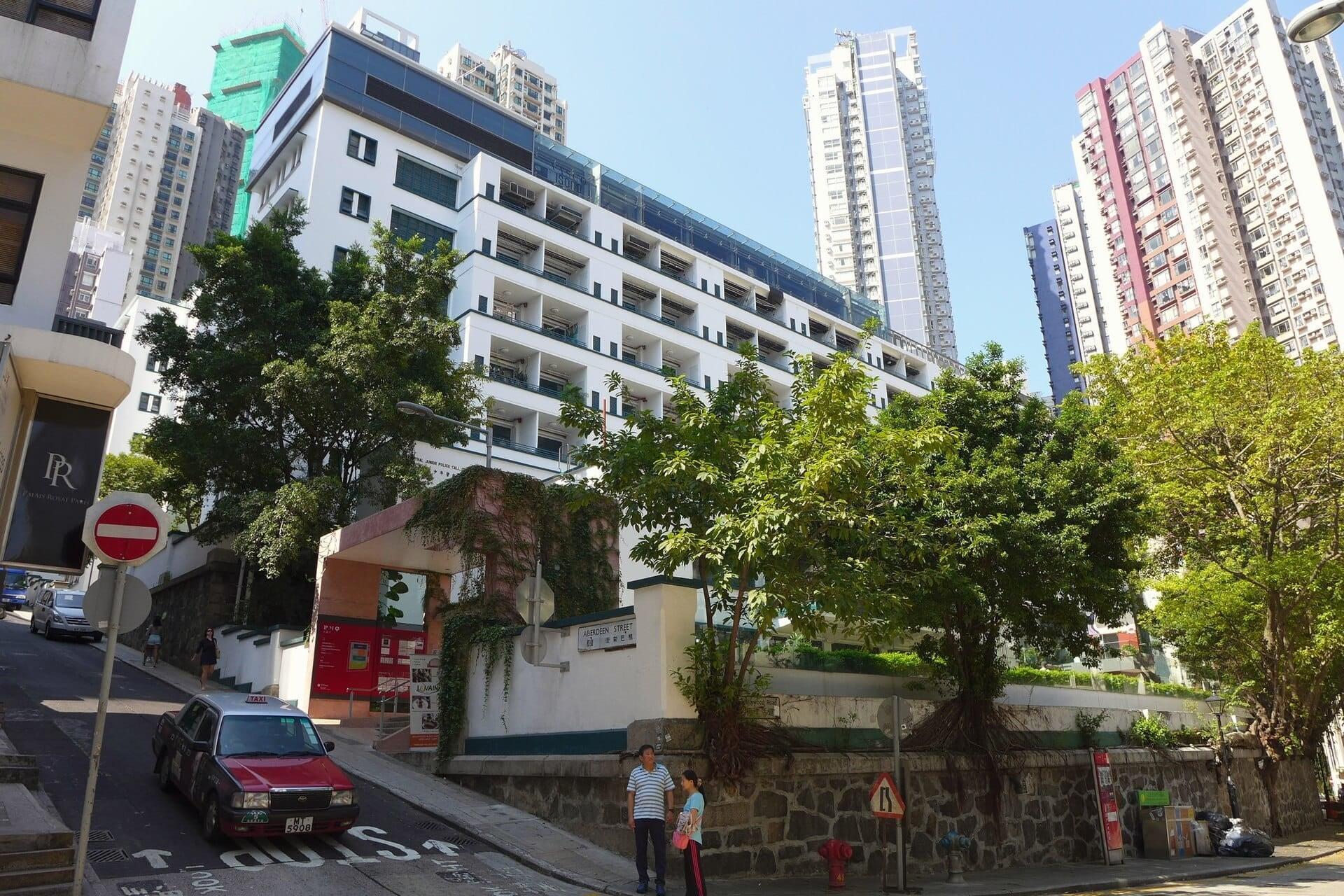
PMQ (元創方)
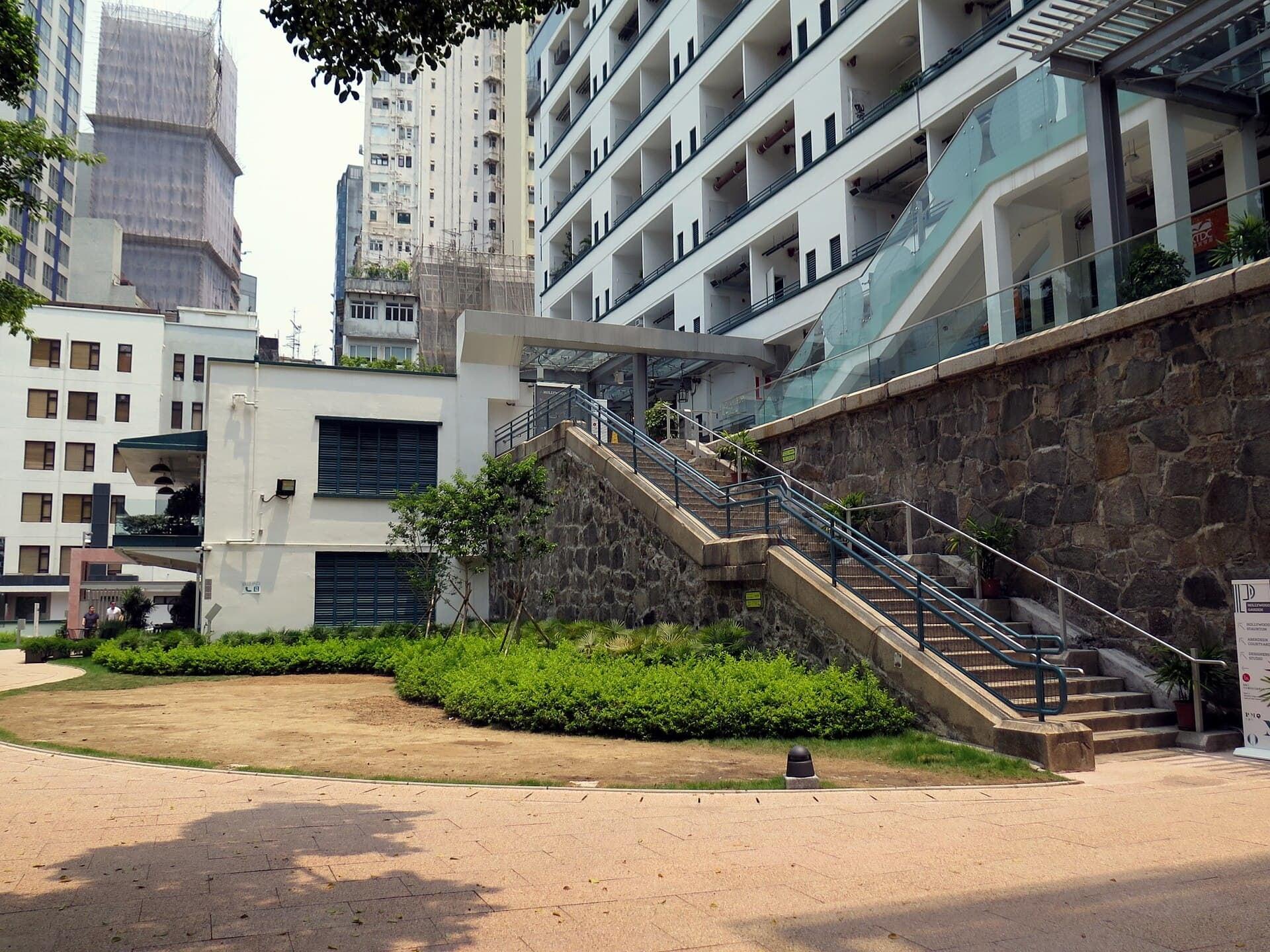
A school hill that became family flats. PMQ's granite steps and stone wall date from the Central School of 1889; the blocks above were built in 1951 and are now design studios.
- 2
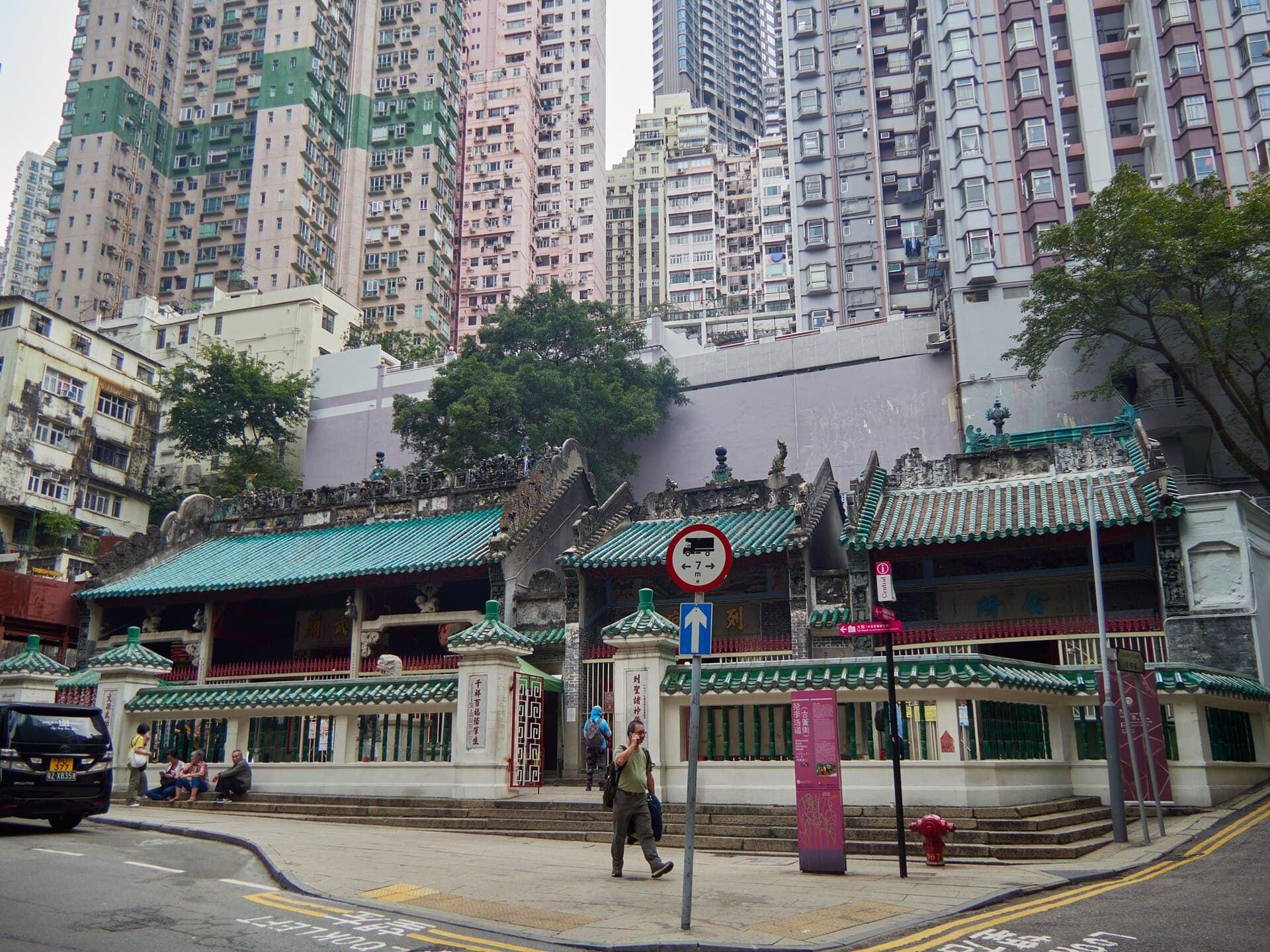
Man Mo Temple (文武廟)
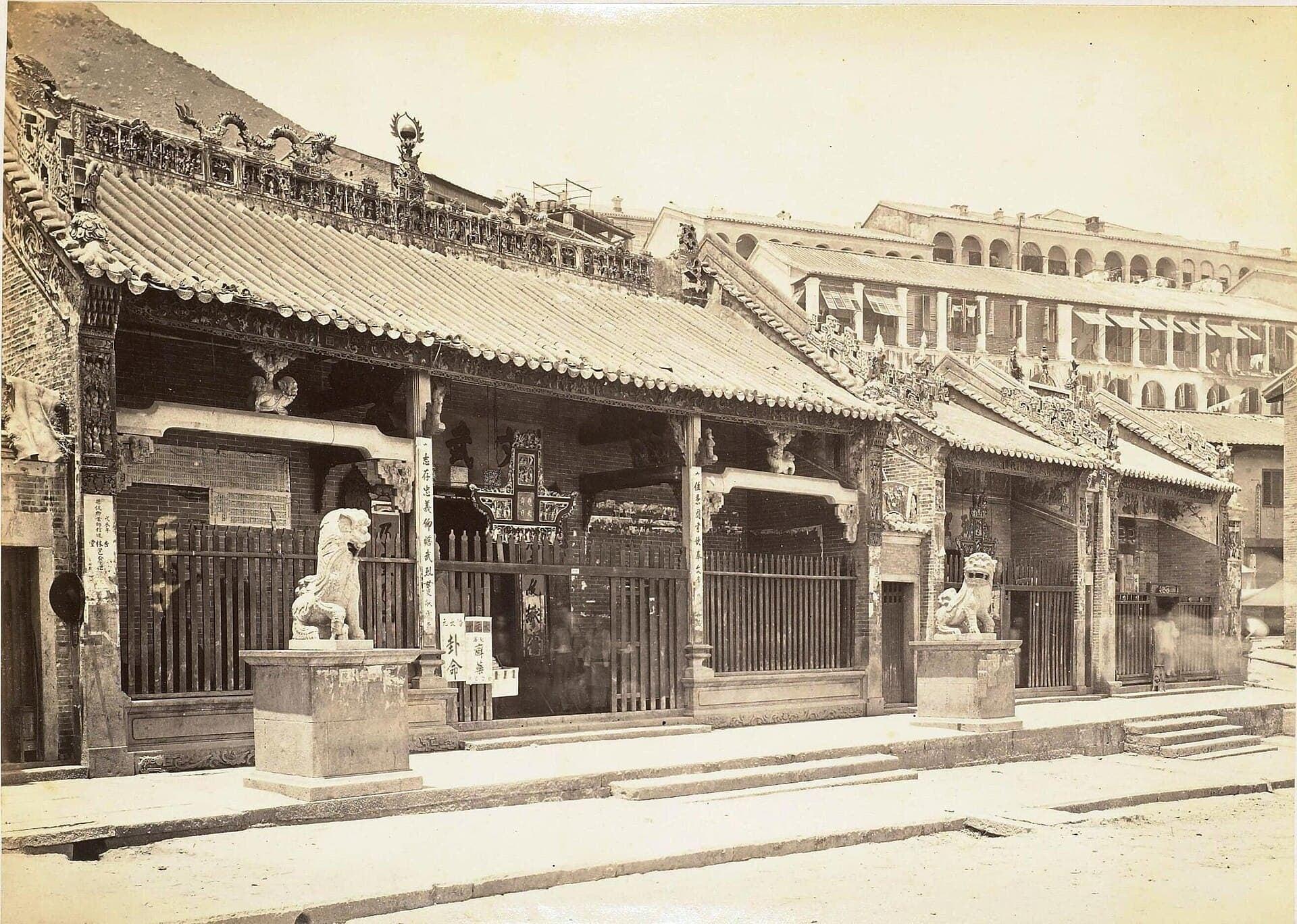
A temple that was also a meeting hall. Man Mo Temple, Lit Shing Kung and Kung Sor, built 1847 to 1862 by two merchants, with a Shiwan ceramic opera stage of 1893 on the ridge.
- 3
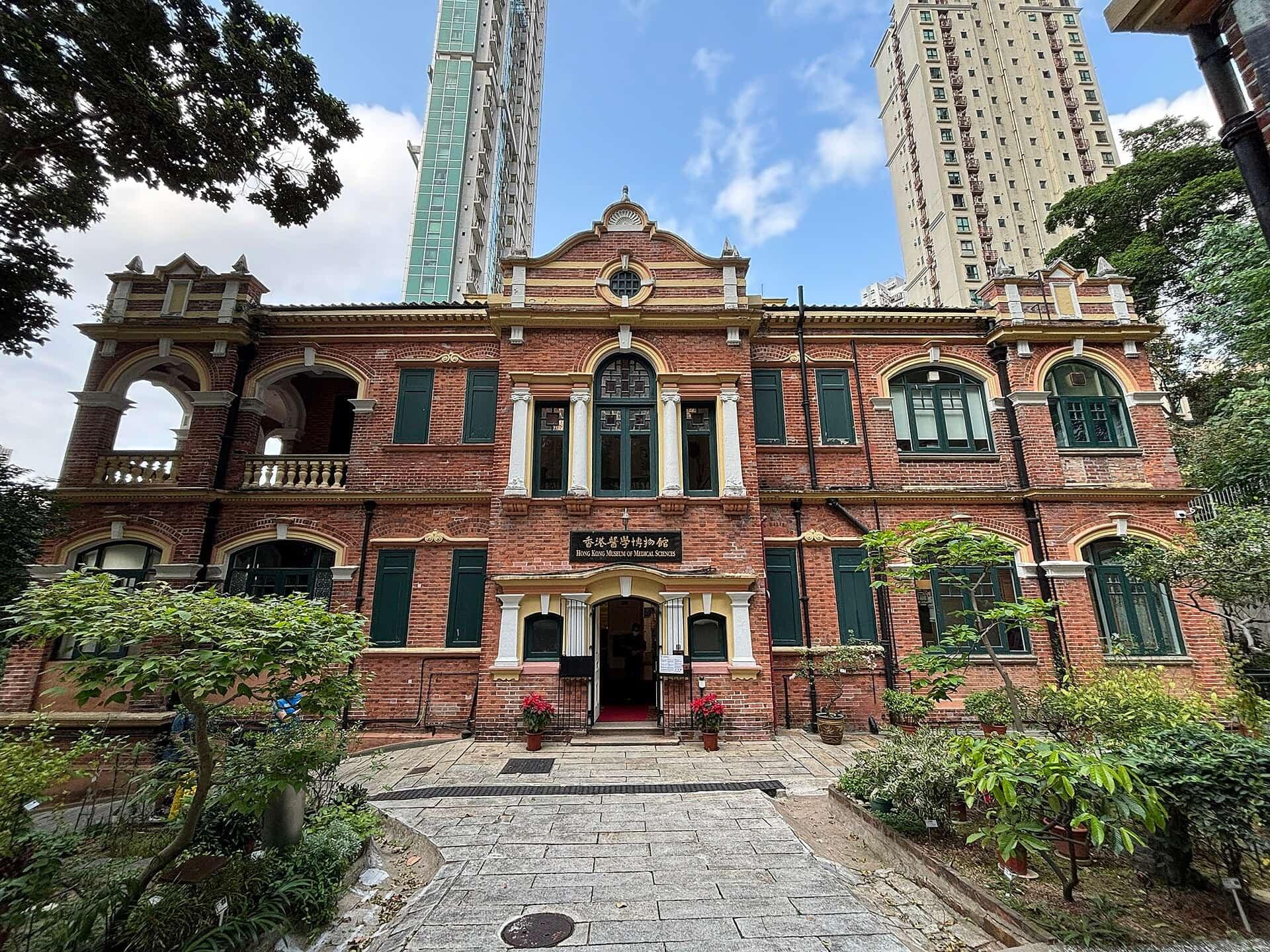
Hong Kong Museum of Medical Sciences (香港醫學博物館)
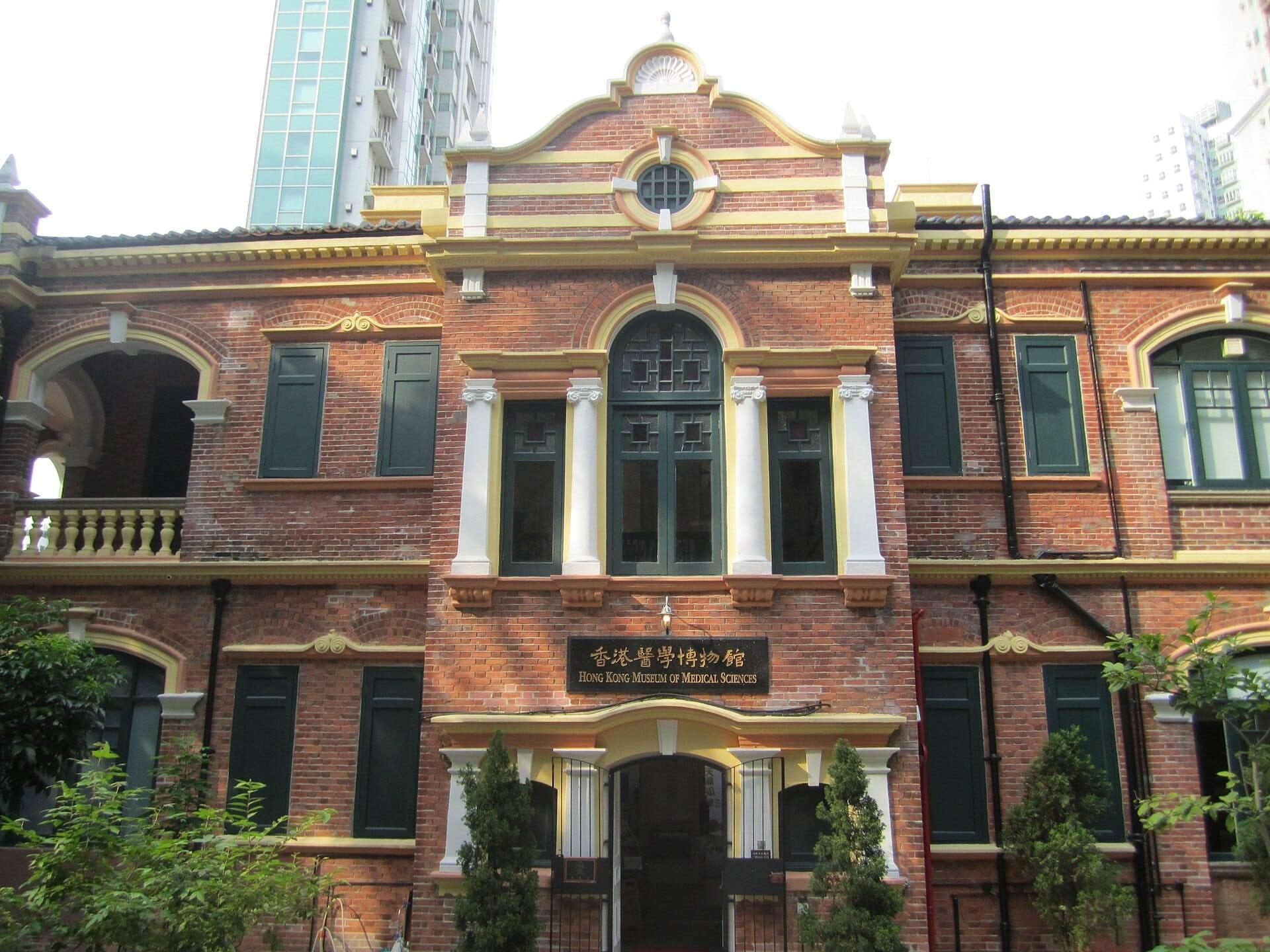
A laboratory built because of plague. The Bacteriological Institute of 1906, Hong Kong's first purpose built public health laboratory, now the Museum of Medical Sciences.
- 4
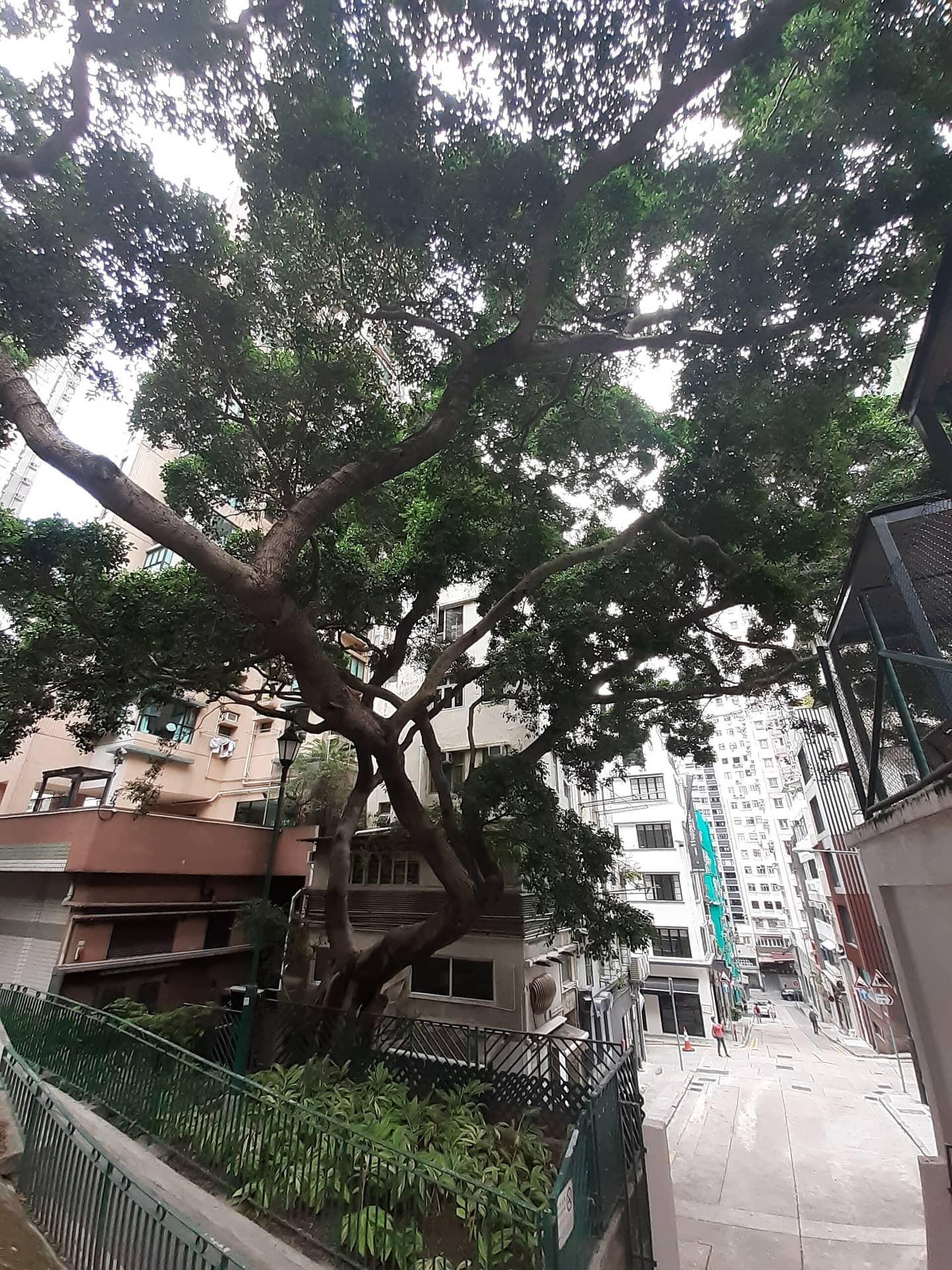
Blake Garden (卜公花園)
The open ground the plague left. Blake Garden fills the Tai Ping Shan blocks that the government bought and demolished after the plague of 1894.
- 5
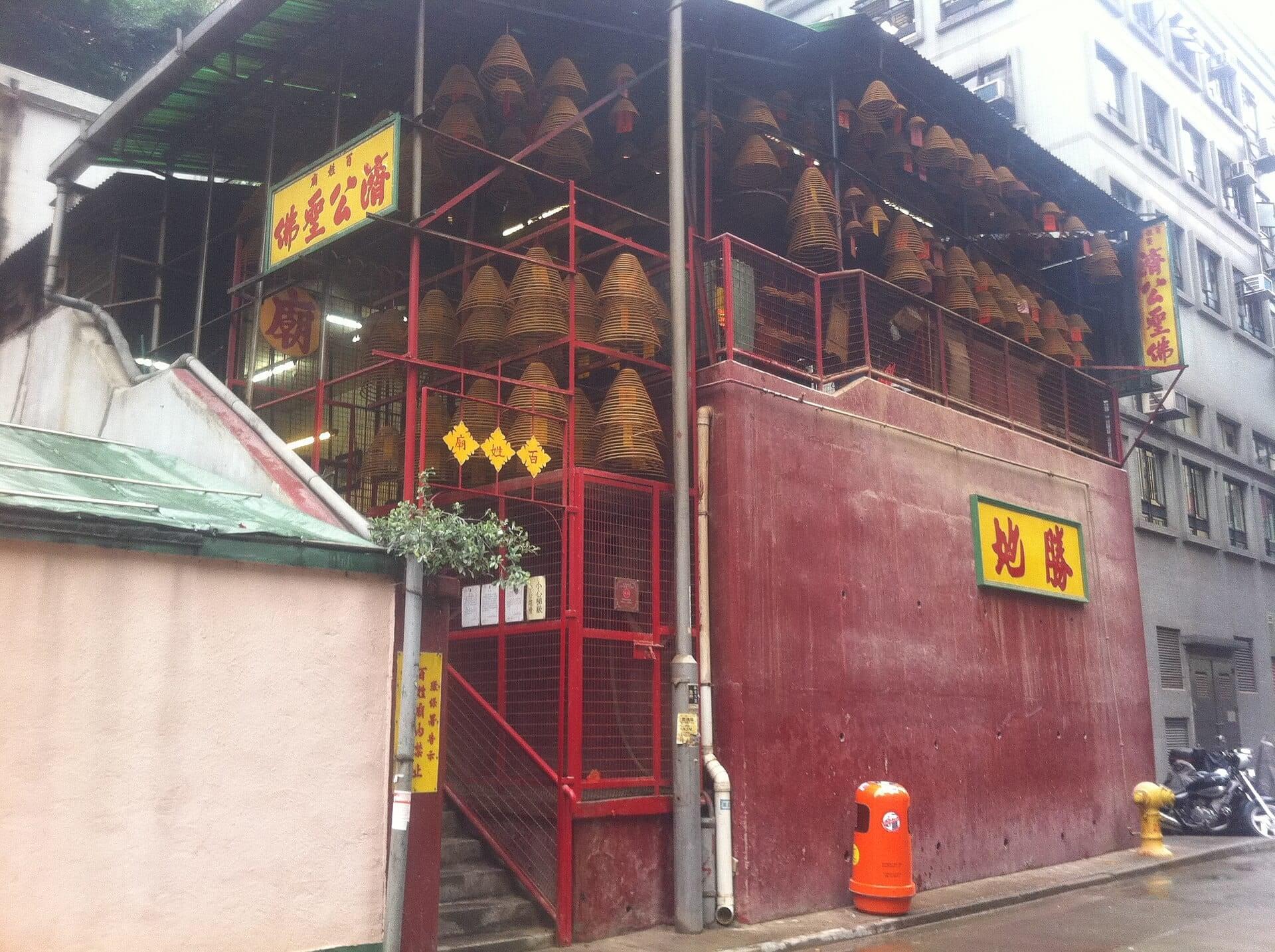
Kwong Fook I Tsz (廣福義祠)
A room for the dead led to a hospital. Kwong Fook I Tsz, founded in the 1850s for the tablets of people who died far from home; its condition led to the Tung Wah Hospital.
- 6
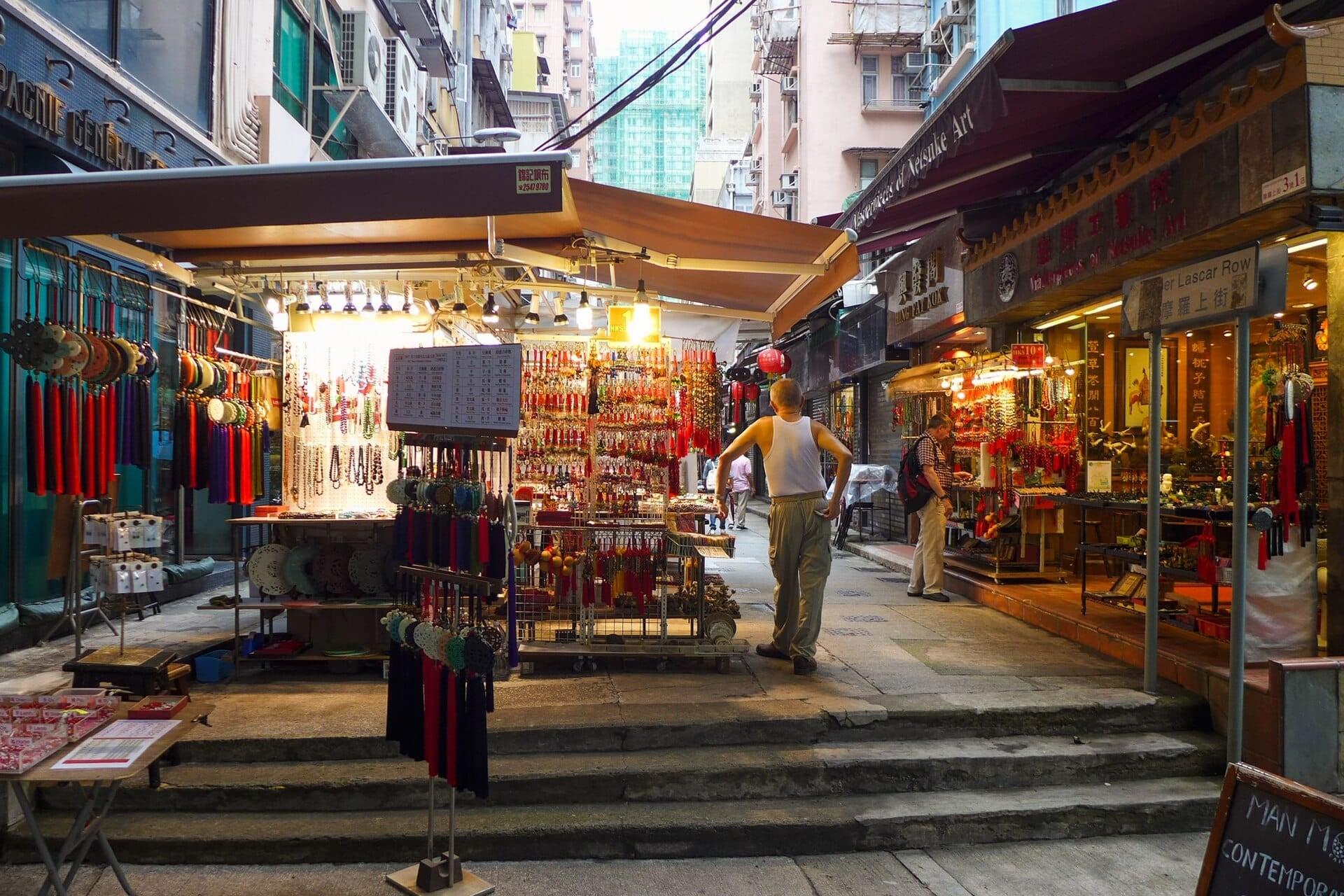
Upper Lascar Row (摩羅上街)
Nobody agrees why it is Cat Street. Upper Lascar Row, the pedestrian street of stalls and curio shops on the terrace below Hollywood Road.
- 7
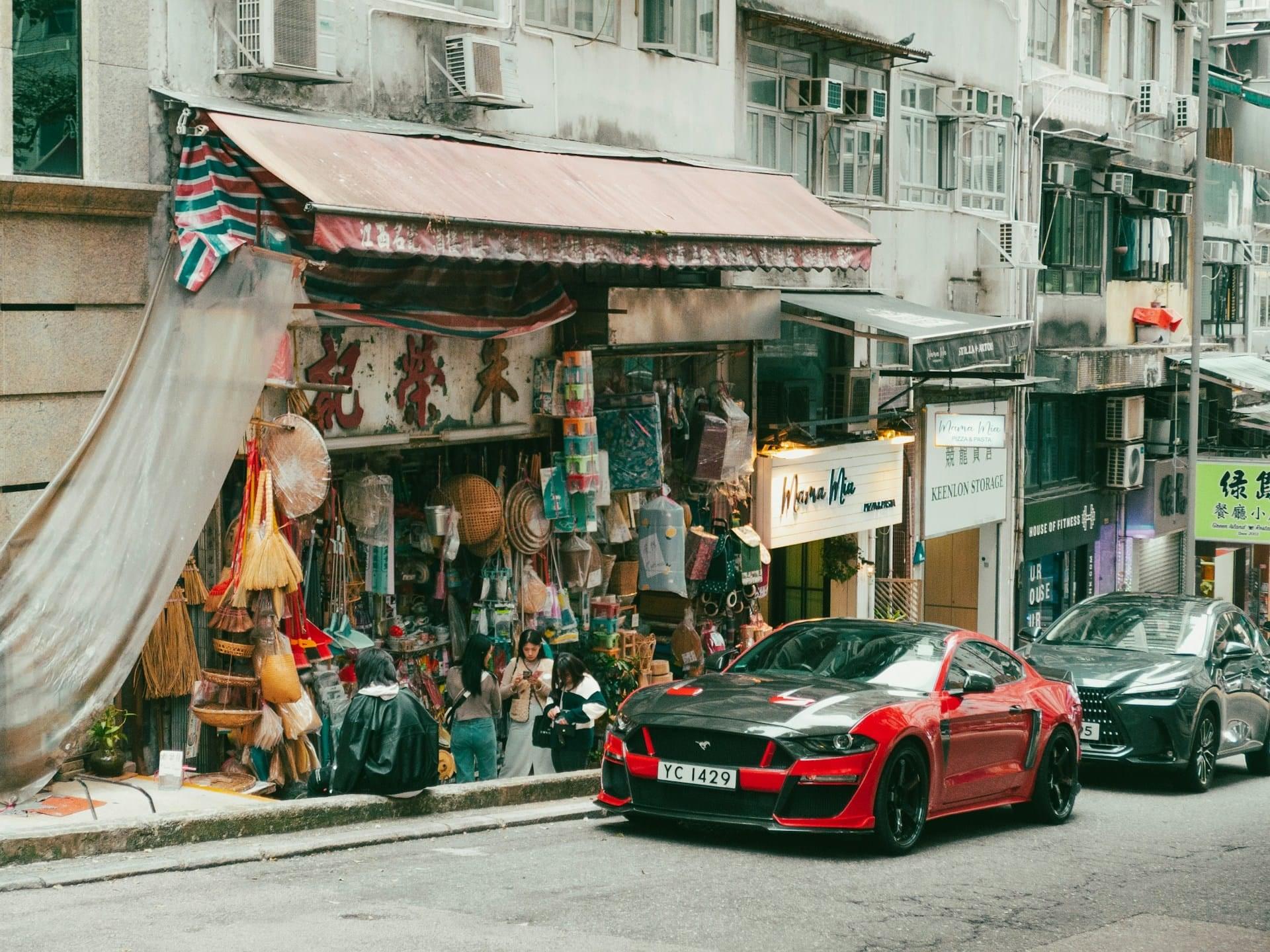
Possession Street (水坑口街)
Where a stream met the old shore. Possession Street was built over a filled pool at the mouth of a stream; its Chinese name means the mouth of the water channel.
- 8
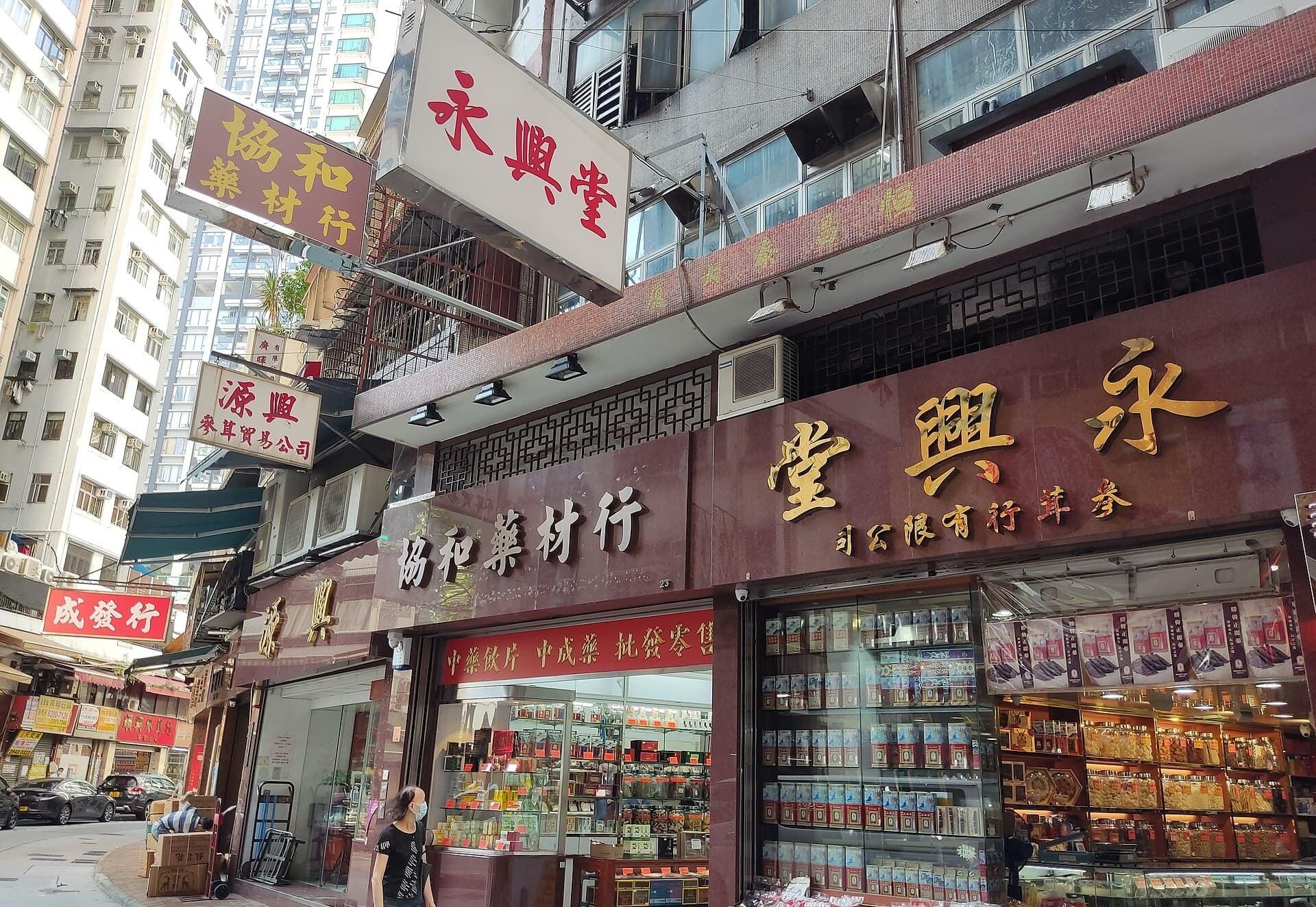
Ko Shing Street (高陞街)
The street of Chinese herbal medicine. Ko Shing Street, the narrow lane of herb traders that Radio Television Hong Kong calls the Herbal Medicine Street.
- 9
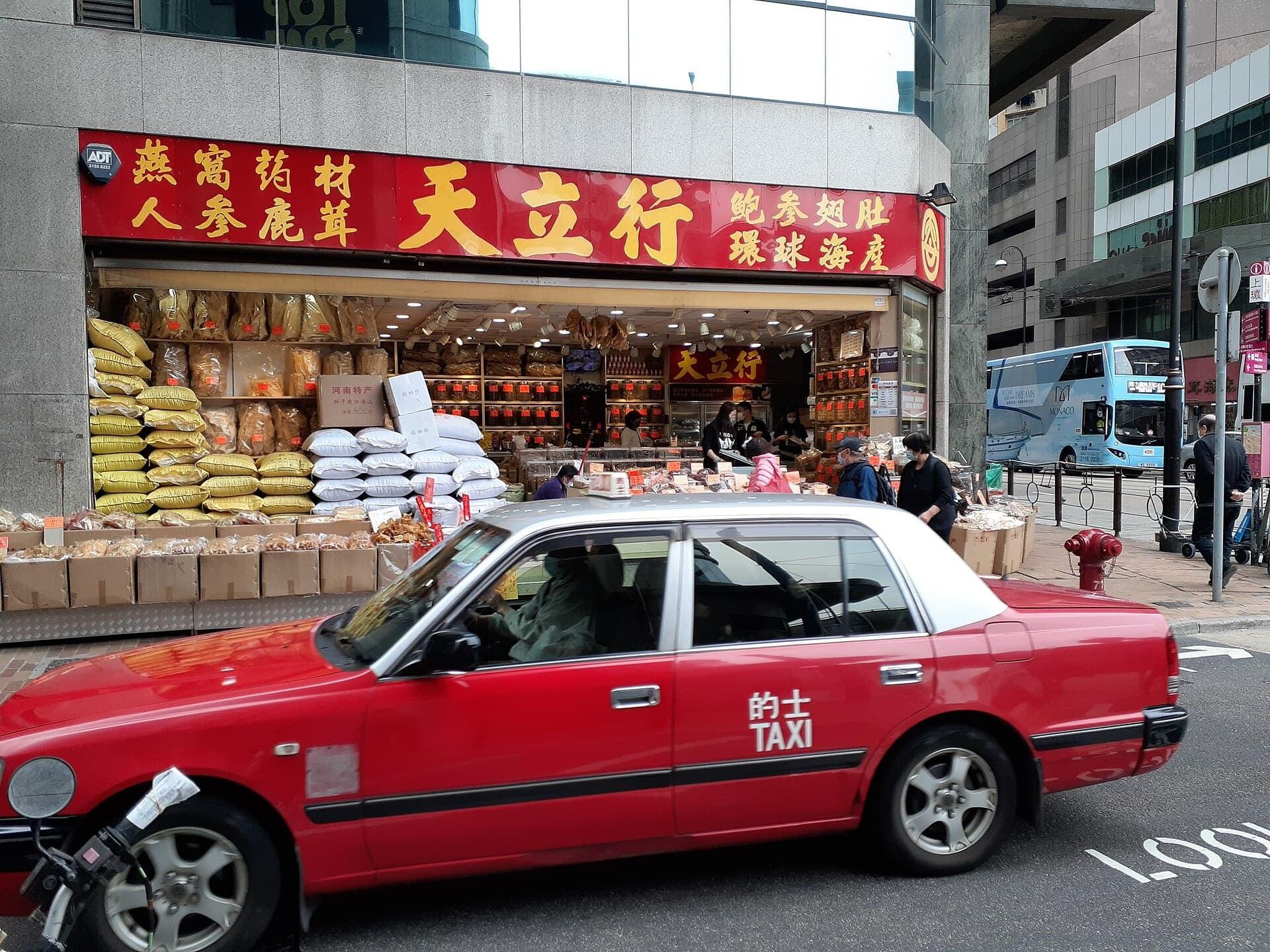
Des Voeux Road West (德輔道西)
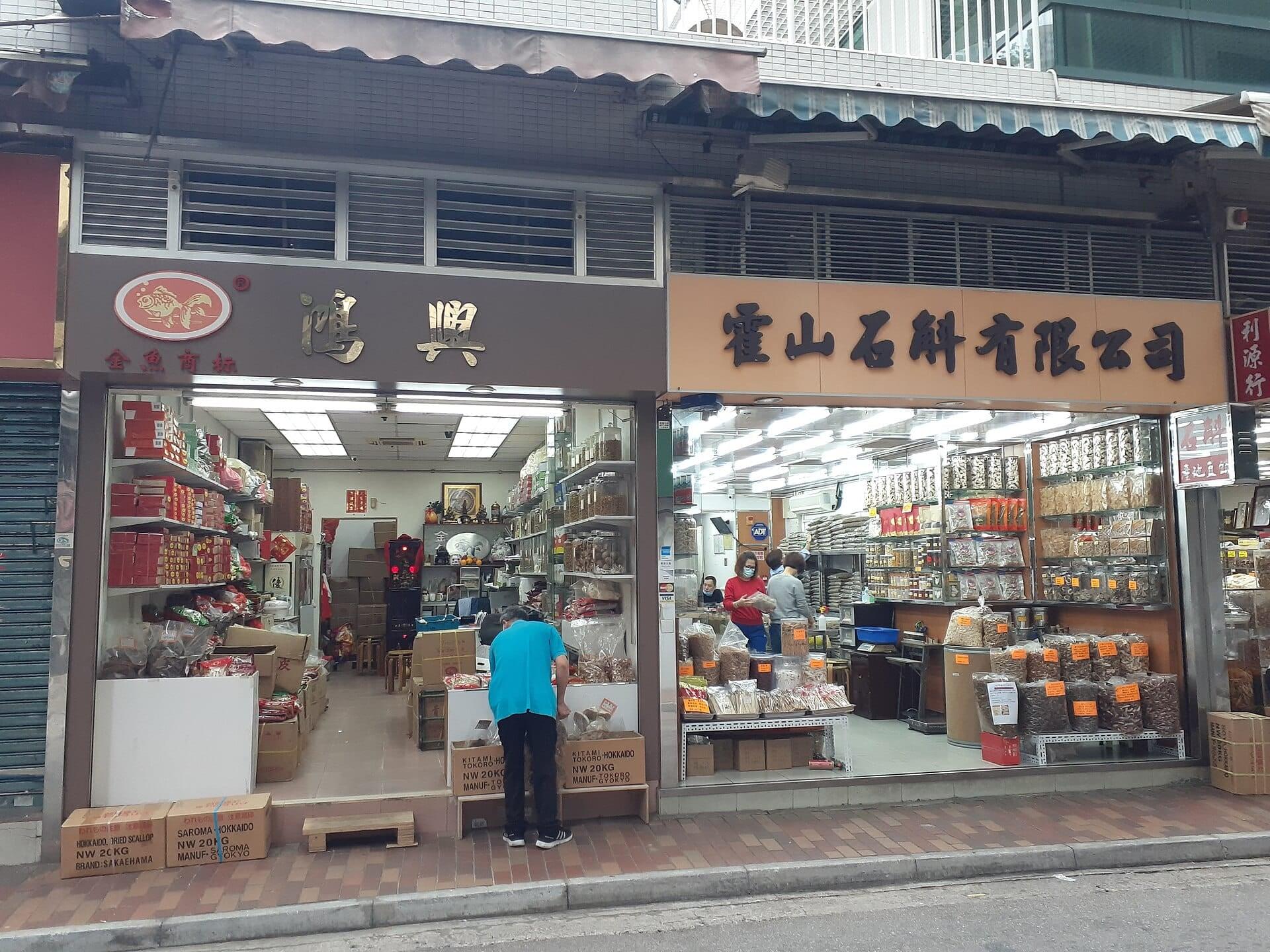
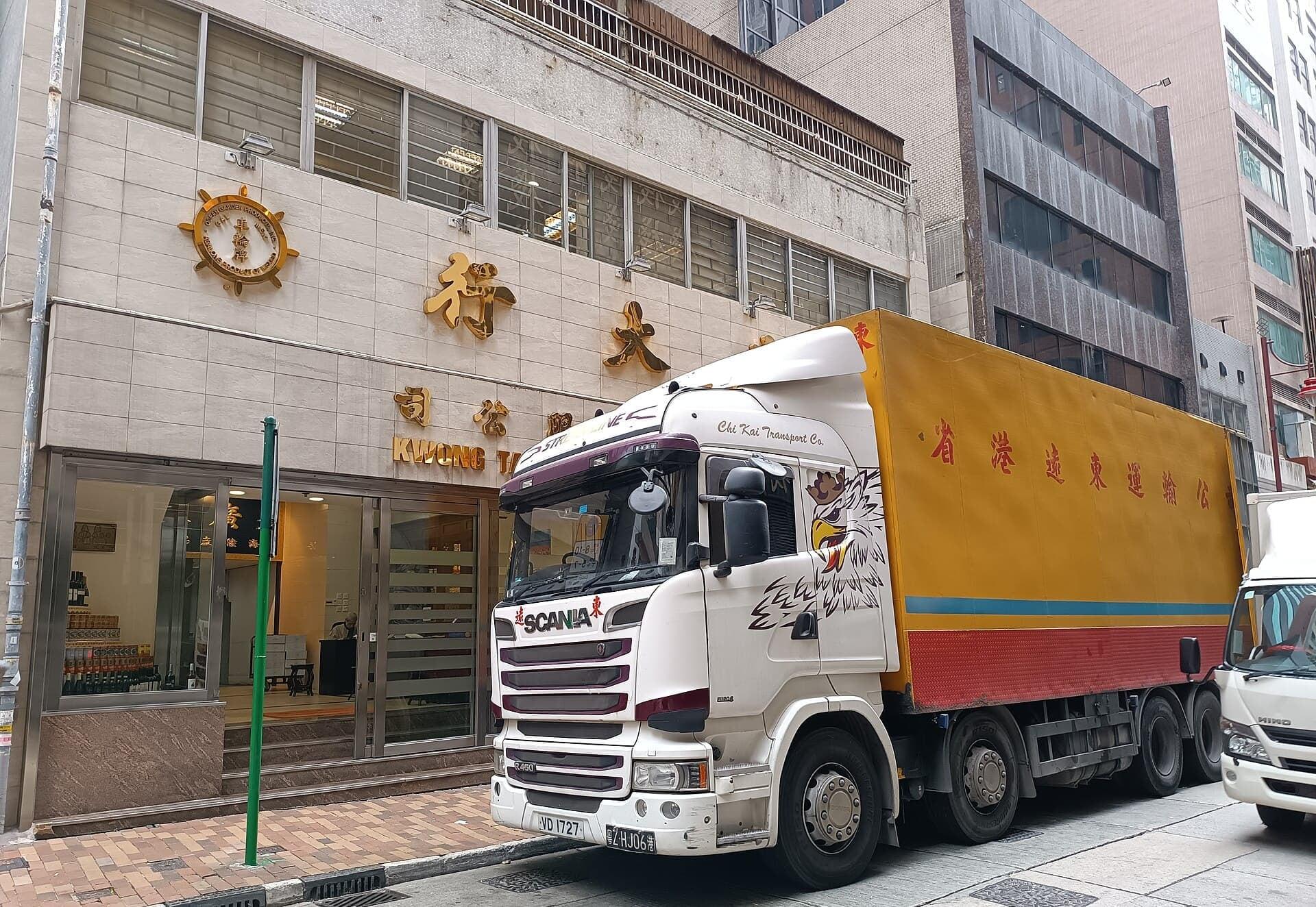
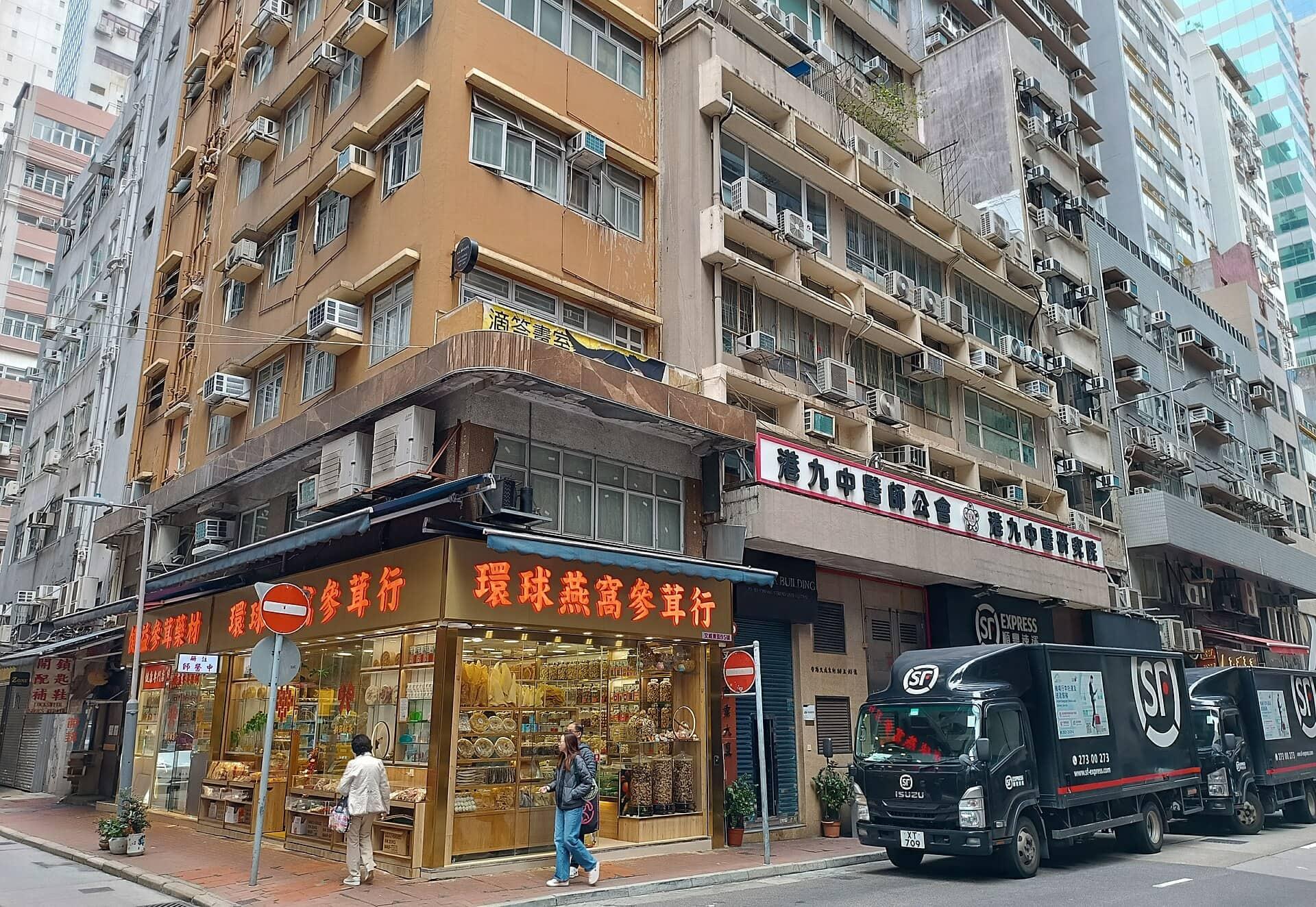
Salted fish came before dried seafood. Des Voeux Road West, named Dried Seafood Street in 2000, whose old shophouses were shop, workshop, home and drying roof in one.
- 10
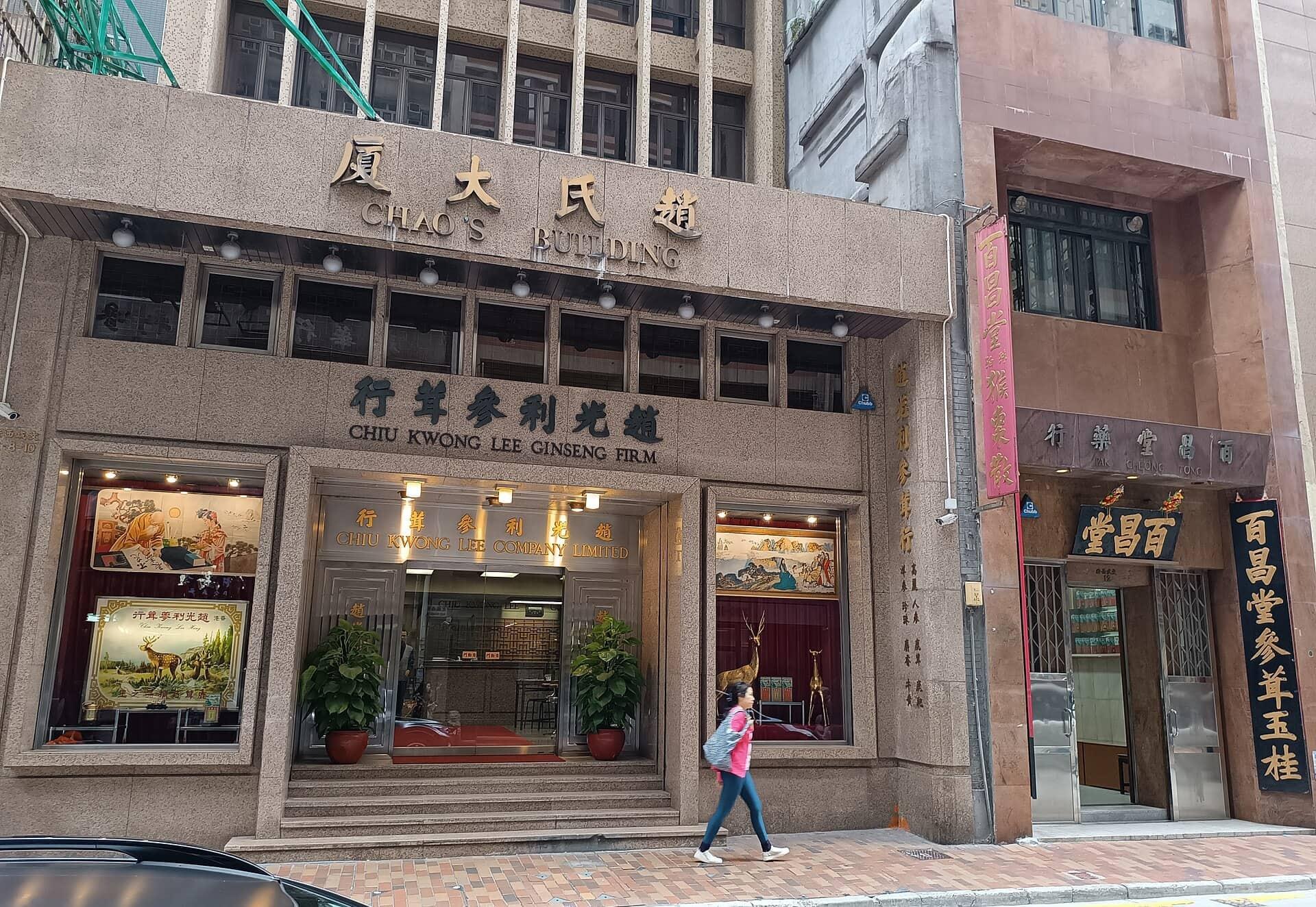
Bonham Strand West (文咸西街)
The street of north and south. Bonham Strand West, laid on the stone beach in 1851 and known as Nam Pak Hong Street for its traders in goods from south and north.
- 11
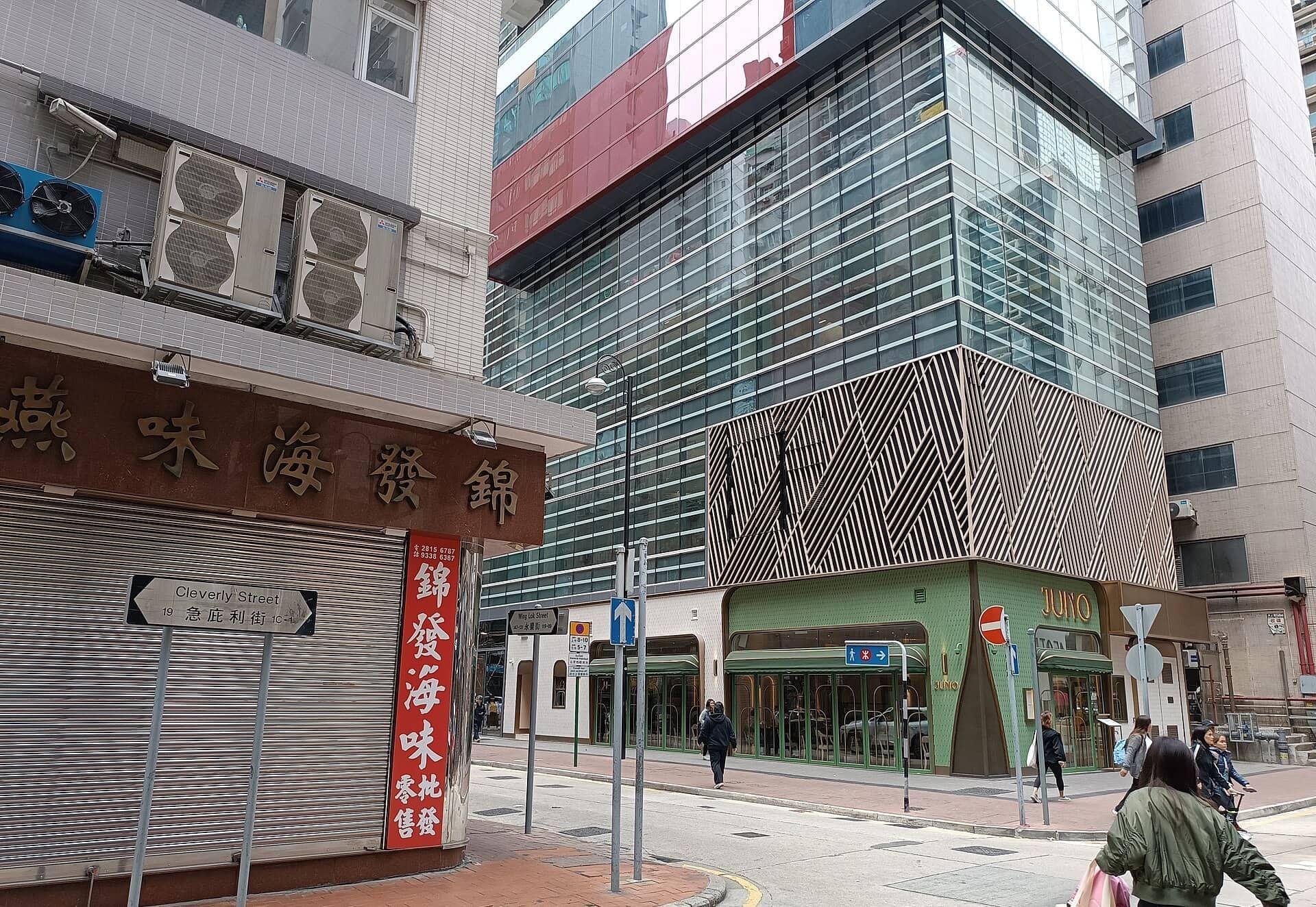
Bonham Strand (文咸東街)
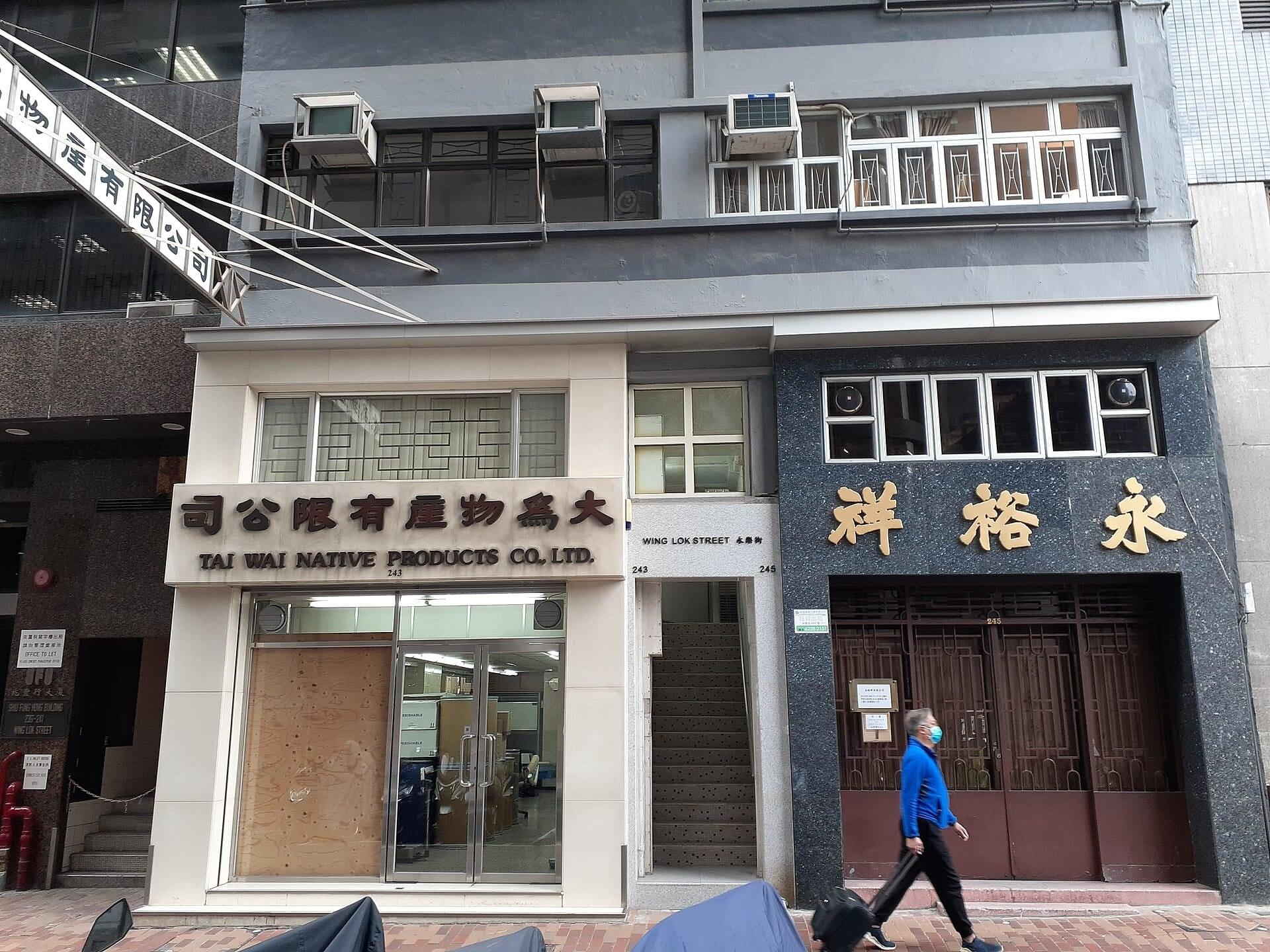
Three trading streets meet here. The junction of Bonham Strand West, Bonham Strand and Wing Lok Street, at the heart of the old dried seafood trade.
- 12
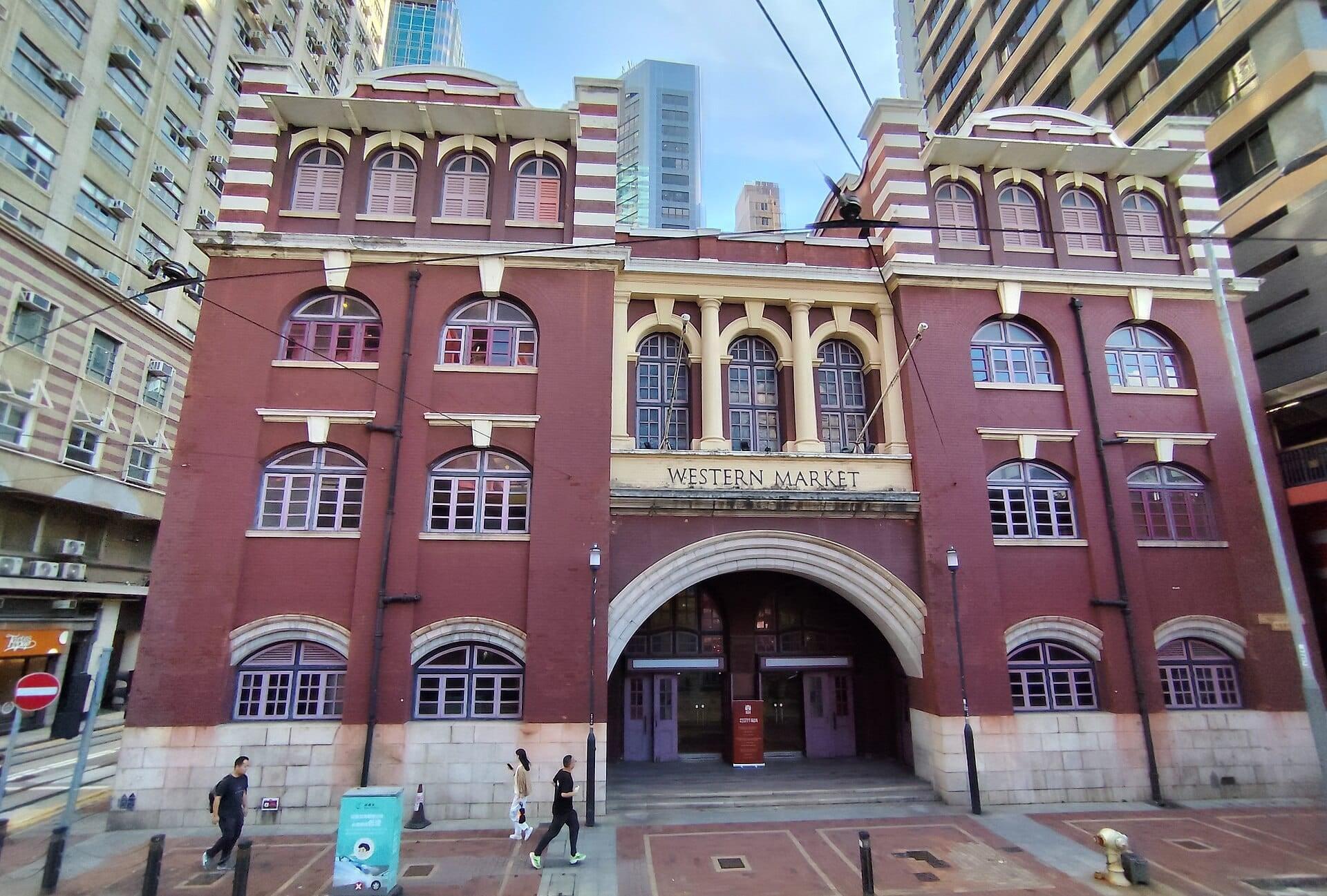
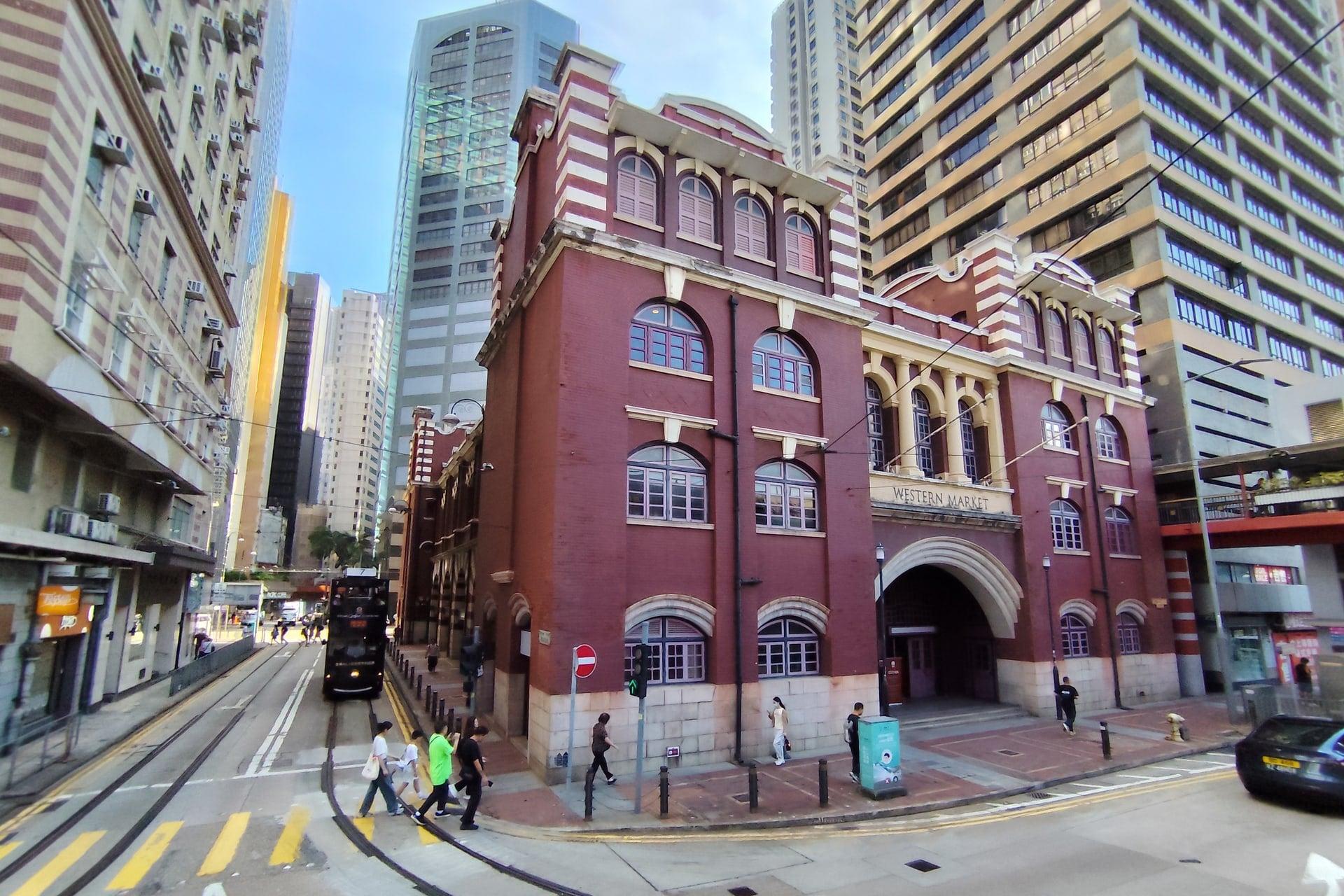
Western Market (西港城)
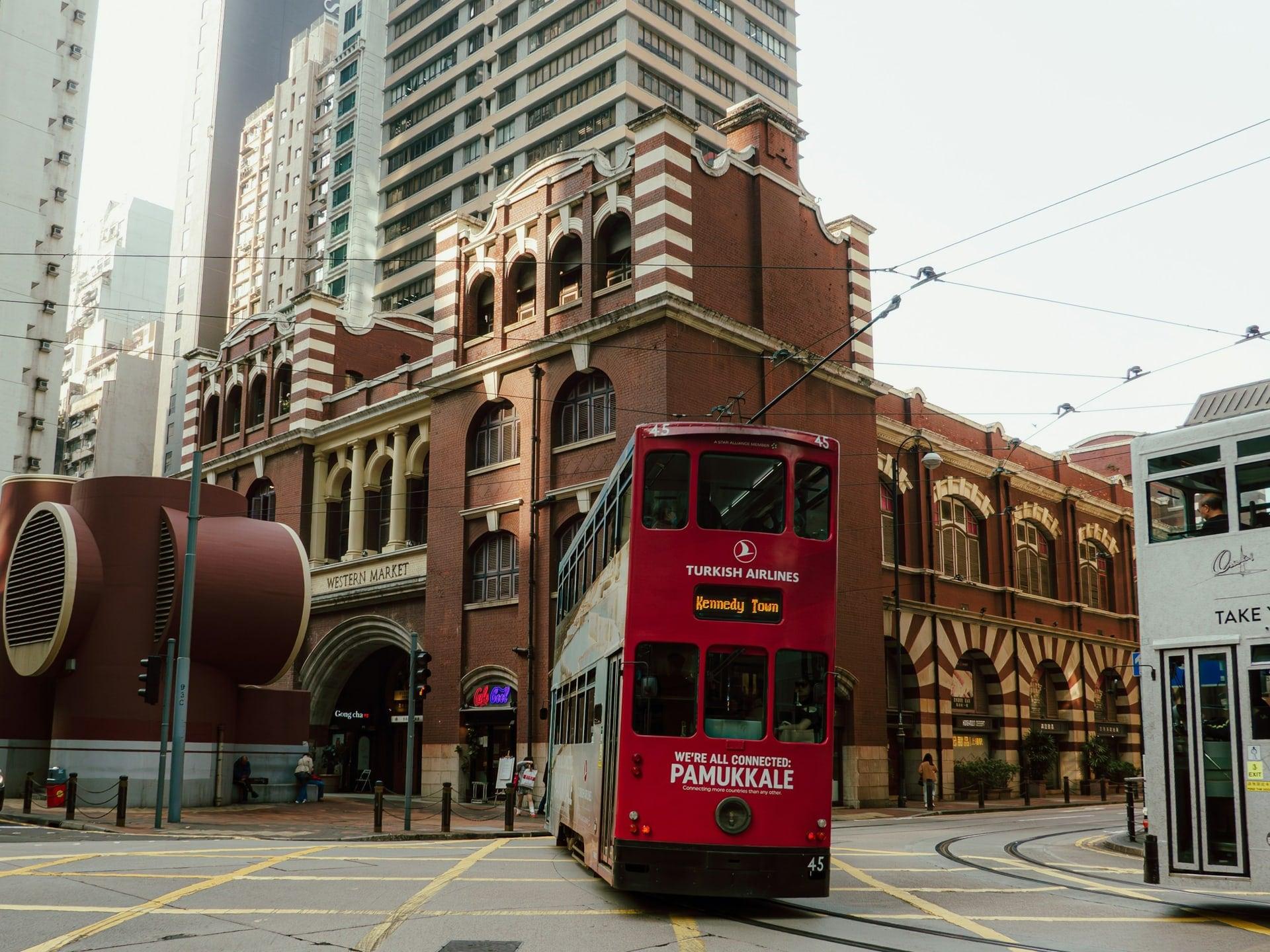
A market on the Harbour Office site. Western Market's North Block of 1906, red brick and granite on the site of the Harbour Office, closed for restoration since November 2025.
Details
Best Time to Visit
Monday to Saturday, about 10:00 to 17:00, when the trading streets are open; weekday mornings are busiest on Ko Shing Street and Des Voeux Road West, and many shops close on Sundays and public holidays. Man Mo Temple is open 8:00 to 18:00 and Kwong Fook I Tsz usually 8:00 to 17:00; the Museum of Medical Sciences is closed on Mondays. December sunset is about 17:40. Busy days: Lunar New Year, Saturday 6 February 2027 (crowds of worshippers at both temples, the museum closed for three days, many shops shut for several days); the 1st and 15th of each lunar month at the temples. Do not walk under a No. 8 typhoon signal or a black rainstorm warning. Checked 25 November 2026.
Pro Tips
- •Getting to the start: take the MTR to Central, follow the signs to the Central to Mid-Levels Escalator and ride it up to Hollywood Road (uphill from 10:00 to midnight, downhill 6:00 to 10:00, Transport Department), then walk about three minutes west to PMQ at Aberdeen Street. From our Central walk, PMQ is about three minutes west of the escalator along Hollywood Road. Checked 25 November 2026.
- •The walk ends on Des Voeux Road Central, across from Western Market. The Western Market tram terminus is a short way east; Sheung Wan MTR station is a few minutes' walk east.
- •Cat Street (stop 6) is a short look: the stalls run along Upper Lascar Row from the corner where the route touches it. Walk along it and come back to the same corner if you have time.
- •The Museum of Medical Sciences (stop 3) is worth an hour on its own: HK$20 adults, Tuesday to Sunday, closed Mondays. It is not part of this walk.
- •GPS can drift in the narrow lanes at stops 1, 2, 5, 8 and 10; if a stop has not started, tap it on the map.
- •The one climb (stop 2 to stop 3) is on steep sloping lanes; take it slowly in the heat. Everything after it is downhill or level.
Safety & Precautions
- •Traffic drives on the left, and almost every side street here is one way: at crossings without lights look the way the cars come. Hollywood Road is one way eastbound: crossing it toward the north side (legs 1 to 2 and 5 to 6) the cars come from your left; crossing toward the temple side (leg 2 to 3) they come from your right. At the top of Square Street (leg 2 to 3) cars come from your left, and Kui In Fong is two way. Lok Ku Road (leg 6 to 7) and Wing Lok Street (leg 11 to 12): cars from your left. The lane mouths of Pound Lane and Upper Station Street (leg 5 to 6) and the end of Bonham Strand West (leg 10 to 11): cars from your right.
- •Queen's Road West, Queen Street and the mouth of Possession Street are crossed only at the traffic lights (legs 7 to 8 and 9 to 10). Trams run down the middle of Des Voeux Road: the walk never crosses the tracks.
- •Steps: one flight of 87 steps down Pound Lane (leg 4 to 5), with a handrail. Stone steps and smooth paving are slippery in rain. The climb from Hollywood Road to Blake Garden is steep.
- •Tai Ping Shan Street, Po Yan Street, Ko Shing Street and Tung Loi Lane are narrow lanes with vans and hand trolleys: keep to the side and let them pass.
- •Two working temples, a hall for the dead and working shops: keep your voice low, ask before photographing worshippers, stallholders or anyone at work. Checked 25 November 2026.
Gallery
Read the walk
The full story of Sheung Wan and Hollywood Road: Temple Hill to the Old Shore, in words. Prefer to listen? Play it narrated, from home or on location.
Introduction
Sheung Wan is the old Chinese town of Hong Kong Island, just west of Central. In the nineteenth century its Chinese merchants and families built their own temples, halls, schools and a hospital, while below them the shore was pushed out into the harbor, street by street.
This walk starts high on Hollywood Road and works down the hill: a temple that was also a meeting hall, a laboratory built because of a plague, a hall for the dead that led to a hospital, then the old shorelines and their herb and dried seafood streets, ending by a market built where the harbor office stood.
There are twelve stops over about two point two kilometers, about one point four miles, and it takes about eighty minutes. There is one climb, near the start, up steep lanes, and later one flight of eighty seven steps down, with a handrail.
Nothing on the walk is entered. The two temples are free, living places of worship, and close in the late afternoon. The Museum of Medical Sciences charges admission, is closed on Mondays, and is not included. Western Market has been closed for restoration since November twenty twenty five. Many shops close on Sundays.
Traffic in Hong Kong drives on the left, and almost every side street here is one way, so at crossings without lights look the way the cars come, often from your left. Trams run down the middle of Des Voeux Road; the walk never crosses the tracks. In rain the stone steps are slippery, and if a number eight typhoon signal or a black rainstorm warning is up, wait until it is lowered.
To reach the start, take the MTR to Central and ride the Central to Mid Levels Escalator up to Hollywood Road, then walk about three minutes west. It runs uphill from ten in the morning.
When you arrive at PMQ, begin with stop one.
1. PMQ (元創方)
The granite steps and the old stone retaining wall beside you are older than every building you can see from here. PMQ's own heritage pages say both have stood on this corner since eighteen eighty nine, when the Central School moved up to this site.
The Central School opened in eighteen sixty two, and PMQ calls it the first government school in Hong Kong to give a western education to the public at upper primary and secondary level. It began down the hill on Gough Street. In eighteen eighty nine it was renamed Victoria College and moved here, to the corner of Aberdeen Street and Hollywood Road, and in eighteen ninety four it took the name it still has, Queen's College. During the Second World War the school buildings were badly damaged, and later they were pulled down.
In nineteen fifty one new blocks went up on the site: married quarters, homes for police officers and their families. That is what the letters P, M, Q stand for. There were a hundred and forty single units and twenty eight double ones. The blocks stood empty from two thousand, and in two thousand nine they were chosen for a new life. Today the two long blocks above the wall hold studios and small shops for designers, and the planters by the Aberdeen Street entrance are edged with stones dug from the old school's foundations.
The road under your feet is older still. Hong Kong's heritage office says Hollywood Road was built in eighteen forty four for the British army stationed nearby, and named after the holly that once grew along it. Not everyone agrees about the name.
From here the walk goes west and up to the old Chinese district on the hill, then down through the town that Hong Kong's Chinese residents built for themselves, through one old shoreline after another to the edge of the harbor.
Follow the route west along Hollywood Road, past its antique shops. You cross it without lights: it is one way, and the cars come from your left.
2. Man Mo Temple (文武廟)
Across the road stand three green brick fronts side by side, trimmed with granite. They are one compound: the Man Mo Temple, a hall called Lit Shing Kung, and a hall called Kung Sor. Look up at the temple's roof. Its ridge is crowded with small glazed ceramic figures, a Shiwan ceramic ridge made in eighteen ninety three and laid out as a Cantonese opera stage.
Two wealthy Chinese merchants, Lo Ah guo and Tam Ah choy, built the compound between eighteen forty seven and eighteen sixty two, to worship two gods: Man Cheong, the god of literature, and Mo Ti, the god of martial arts. Man and Mo, the civil and the martial, give the temple its name.
It was more than a temple. Kung Sor was added in eighteen sixty two for settling matters among the Chinese community of the district. The Tung Wah Group of Hospitals, which runs the temple today, says this was where Chinese people discussed issues and resolved disputes. A couplet at Kung Sor's door tells those who enter to leave their selfish interests and prejudices behind, and to be upright, just and clear headed.
The temple's income paid for more than incense. In eighteen eighty a free school opened on Hollywood Road, funded by the temple, and by nineteen oh three the temple's money supported eight free schools. In nineteen oh eight a law handed the temple to the Tung Wah Hospital, and in twenty ten it was declared a monument. Tung Wah calls it one of the oldest temples in Hong Kong. Inside, though this walk does not go in, two sedan chairs from eighteen sixty two and eighteen eighty five once carried the gods' statues through the streets in parades.
It is a living temple, open from eight in the morning to six in the evening. If you go in, go quietly, and ask before photographing anyone at prayer.
Follow the route uphill now, the walk's one climb. Cross Hollywood Road just past the temple; here the cars come from your right. Higher up, where Square Street meets Tai Ping Shan Street, they come from your left.
3. Hong Kong Museum of Medical Sciences (香港醫學博物館)
Up Caine Lane, the steep lane rising beside the garden, stands a building of red brick and granite. If the trees hide part of it, step a few paces up the lane. It opened in nineteen oh six as the Bacteriological Institute, and the Hong Kong Museum of Medical Sciences, which uses it now, calls it Hong Kong's first purpose built public health and clinical laboratory. It was built, the museum says, in response to the plague outbreak of eighteen ninety four.
In eighteen ninety four plague raged through Hong Kong. That June a Swiss born doctor of the Pasteur Institute, Alexandre Yersin, was sent to Hong Kong to study it. On the twentieth of June he isolated the bacterium that causes plague, which now carries his name. A Japanese team was working on the same problem at the same time, and the Pasteur Institute notes that Yersin found the agent despite the competition.
The laboratory on the hill took on the long work that followed. Its jobs, the museum says, were watching for plague and other infectious diseases and controlling them, producing vaccines, and running diagnostic tests. The heritage office adds that the institute moved to a new site in nineteen sixty, and that the old building went on making vaccines into the nineteen seventies. It was declared a monument in nineteen ninety and opened as the museum in nineteen ninety six.
Notice where it stands. This is high on Tai Ping Shan, the old Chinese district on this slope, and the museum describes the building as sited in that historic residential district. The open ground beside you is the rest of the story.
The museum charges admission, twenty Hong Kong dollars for adults, and is closed on Mondays. It is not included in this walk, and the stop works from outside.
Follow the route along the edge of the garden.
4. Blake Garden (卜公花園)
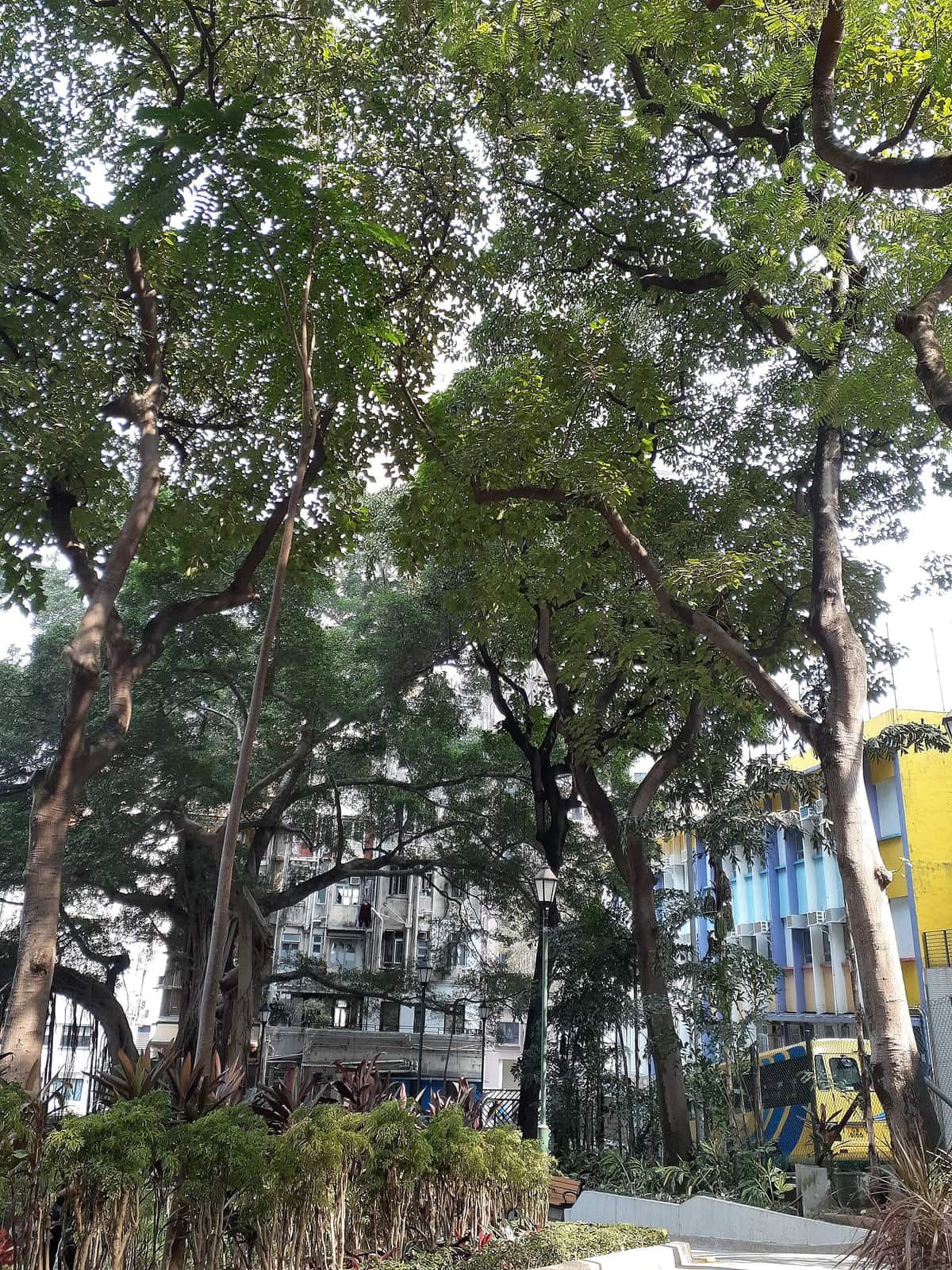
The sports courts and trees beside you fill ground where houses once stood, packed together on the hillside. This was Tai Ping Shan, a crowded Chinese neighborhood whose name, the heritage office notes, means peace.
When bubonic plague raged through Hong Kong in eighteen ninety four, the heritage office says, Tai Ping Shan was the worst hit area, because of its dense population and its very poor sanitary conditions. The government launched a campaign to clean up people's homes. It bought the buildings here and then demolished them, and later the cleared land was laid out as Blake Garden.
So the garden is the space the plague left behind. Look at the slope around it: building after building on every side, and here, one open square of light and air. The heritage office lists a commemorative plaque for the outbreak at Blake Garden, on Tai Ping Shan Street.
Put this stop beside the last one. The laboratory at the corner behind you was built because of the same outbreak, to watch for disease and to fight it.
Today the garden is the neighborhood's playground. After a refurbishment the courts reopened in twenty twenty three, with three basketball courts, two soccer pitches and a volleyball court. Keep to the path.
Follow the route to the far corner of the garden and down a long stair, eighty seven steps with a handrail. Take it slowly: the stone is slippery when wet.
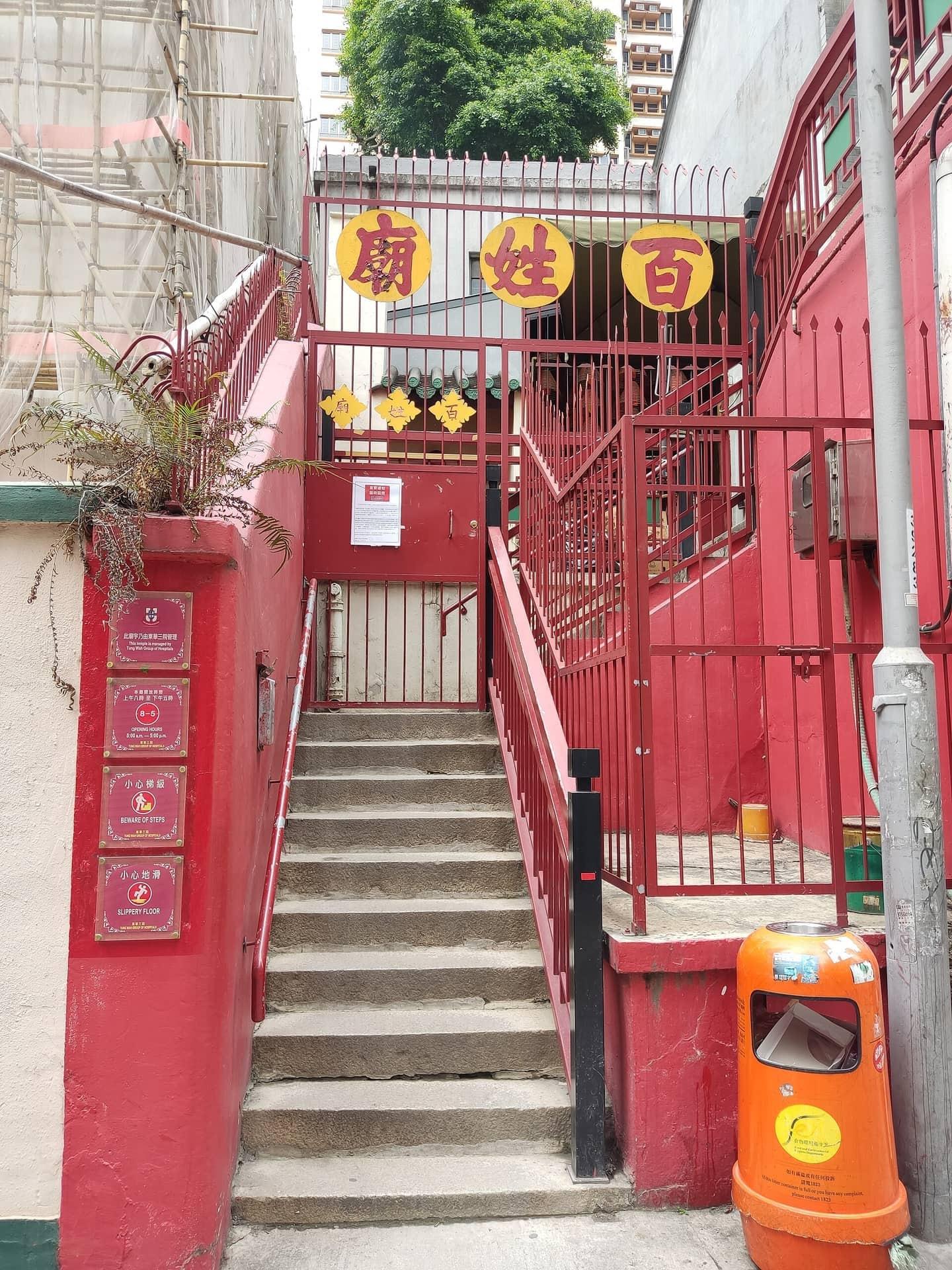
5. Kwong Fook I Tsz (廣福義祠)
Across the lane is the front of Kwong Fook I Tsz, with glazed ceramic figures along the ridge of its entrance hall. Many people call it the Pak Shing Temple. It was founded in the eighteen fifties, by the account of the Tung Wah Group of Hospitals, which manages it, to keep the…
Full narration for this stop unlocks with the tour.
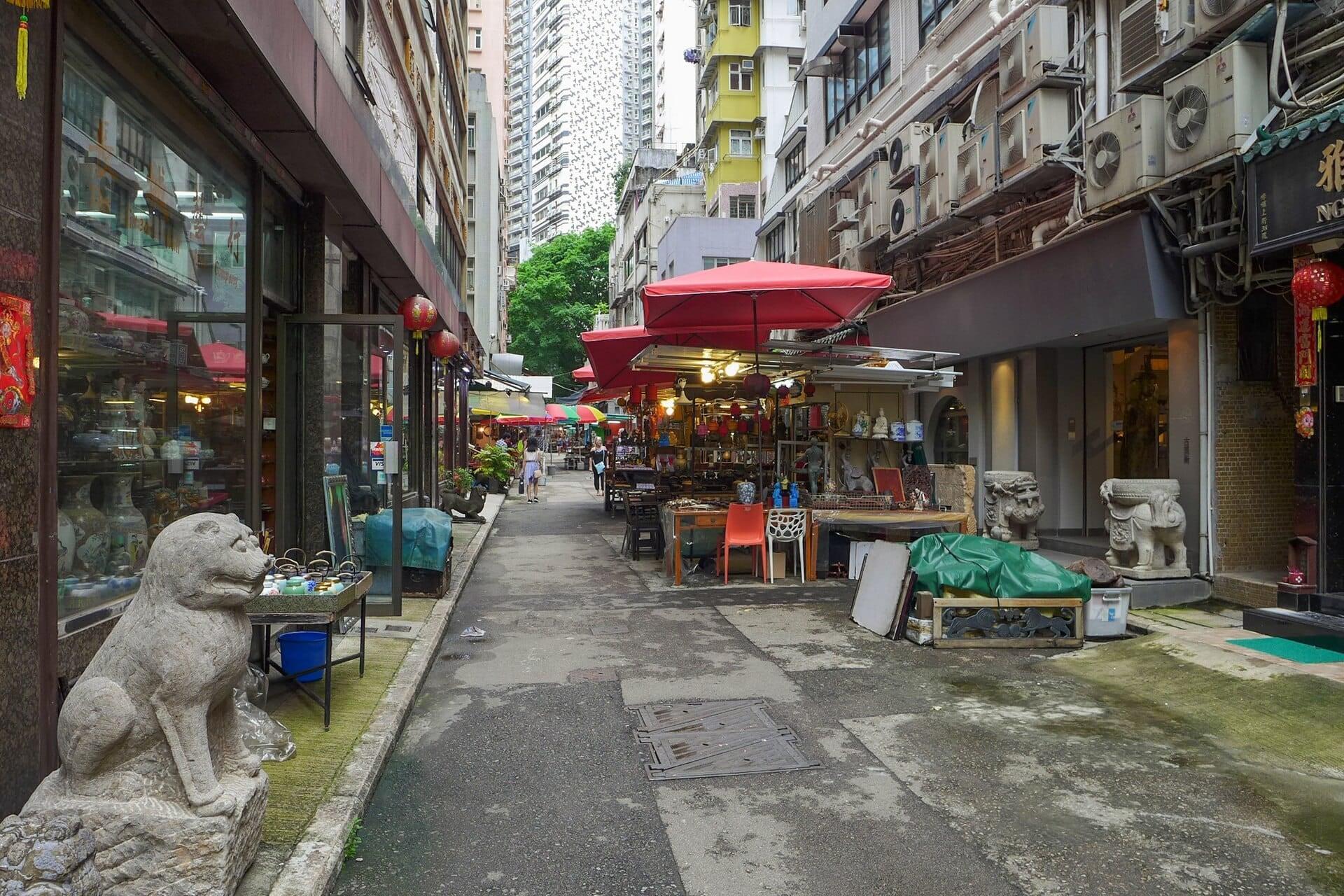
6. Upper Lascar Row (摩羅上街)
The pedestrian street opening beside you, lined with stalls and curio shops, is Upper Lascar Row, which everyone calls Cat Street. Look along it. The route does not walk its length, but it is worth a few minutes, and you can come back to this corner the same way. Nobody agrees…
Full narration for this stop unlocks with the tour.
7. Possession Street (水坑口街)
The street climbing in front of you is Possession Street. Look up it to the top, where it meets Hollywood Road beside the trees of Hollywood Road Park, the high ground you passed on Hollywood Road a few minutes ago. Before there was a city here, the heritage office says,…
Full narration for this stop unlocks with the tour.
8. Ko Shing Street (高陞街)
Look into the shop fronts on both sides of this narrow lane. On weekday mornings especially, you may see sacks and cartons out on the sidewalk and trolleys coming and going. This is Ko Shing Street, which Radio Television Hong Kong calls the Herbal Medicine Street: a narrow…
Full narration for this stop unlocks with the tour.
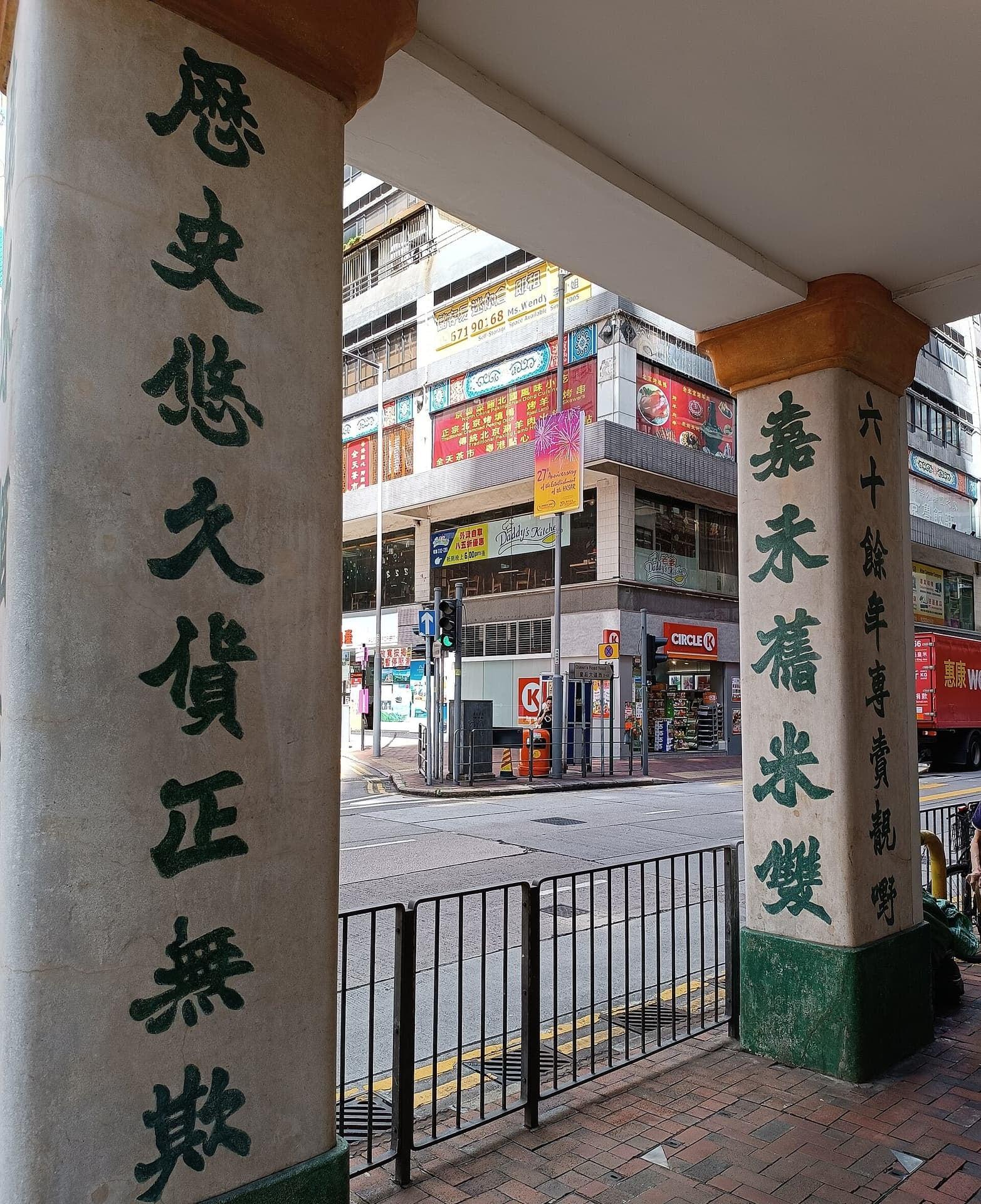
9. Des Voeux Road West (德輔道西)
Both sides of Des Voeux Road West are lined with dried seafood shops. You will probably see dried scallops, shrimps and oysters sorted into open boxes and jars. Down the middle of the road run the double deck trams. Stay on the sidewalk; the walk never crosses the tracks. The…
Full narration for this stop unlocks with the tour.
10. Bonham Strand West (文咸西街)
Bonham Strand West runs straight ahead of you. Hong Kong's heritage office says Bonham Strand was built in eighteen fifty one, when the stone beach along Sheung Wan's waterfront was redeveloped. So this straight street was laid along the old shore. Merchants from Guangzhou,…
Full narration for this stop unlocks with the tour.
11. Bonham Strand (文咸東街)
Three of the old trading streets meet at this corner: Bonham Strand West, the way you came, Bonham Strand running on ahead, and Wing Lok Street. Read the street signs on the corners to see which is which. Researchers at the Chinese University of Hong Kong describe the dried…
Full narration for this stop unlocks with the tour.
12. Western Market (西港城)
Across the road stands Western Market: four stories of red brick with bands of granite, in the Edwardian style, the Urban Renewal Authority says, with a staircase tower at one corner reached by big steps of local granite. You may see hoarding and scaffolding. The building has…
Full narration for this stop unlocks with the tour.
- File:PMQ Overview 201510.jpg | PMQ — Wpcpey, CC BY 4.0 · source
- File:Granite steps of the Central School 2014.jpg | PMQ Granite steps of the Central School_ — Wing1990hk, CC BY 3.0 · source
- File:Hong Kong Museum of Medical Sciences 2024.JPG | Hong Kong Museum of Medical Sciences — Fotointheworld, CC BY 4.0 · source
- File:Old Pathological Institute.JPG | This is a photo of a declared monument in Hong Kong identified by the ID — Regina800809, CC BY-SA 3.0 · source
- File:HK SW 上環 Sheung Wan 卜公花園 Blake Garden Chinese banyan tree entrance Upper Station Street Tai Ping Shan Street April 2021 SS2.jpg | HK SW — SammyLu Yoomepooa, CC BY-SA 4.0 · source
- File:HK SW 上環 Sheung Wan 居賢坊 Kui In Fong 卜公花園 Blake Garden January 2021 SS2 01.jpg | HK SW 上環 Sheung Wan 居賢坊 Kui In Fong 卜公花園 Blake Garden i — Wuinbcdxou NALIMZ, CC BY-SA 4.0 · source
- File:HK Sheung Wan 太平山街 Tai Ping Shan Street 廣福義祠 Kwong Fook I Tsz March-2012.jpg | zh:上環 太平山街 廣福義祠 — EctOnetm, CC BY-SA 3.0 · source
- File:HK Sheung Wan Upper Station Street Kwong Fook I Tsz April 2022 Px3 01.jpg | HK Sheung Wan Tai Ping Shan Street Kwong Fook I Tsz in Apri — Chong Hwa Shaung Sheung, CC BY-SA 4.0 · source
- File:Upper Lascar Row view 201705.jpg | Upper Lascar Row — Wpcpey, CC BY-SA 4.0 · source
- File:Upper Lascar Row 201705.jpg | Upper Lascar Row — Wpcpey, CC BY-SA 4.0 · source
- File:HK SW 上環 Sheung Wan 高陞街 Ko Sing Street October 2022 Px3 11.jpg | HK SW 上環 Sheung Wan zh:高陞街 Ko Sing Street in October 2022 — MOYAWIlrewppwlf 3008, CC BY-SA 4.0 · source
- File:HK Sai Ying Pun Ko Shing Street March 2021 SS2 01.jpg | HK Sai Ying Pun Ko Shing Street in March 2021 — Ngamna Dacherz 1002, CC BY-SA 4.0 · source
- File:HK SW 上環 Sheung Wan 永樂街 Wing Lok Street 天立行 shop 德輔道西 Des Voeux Road West January 2021 SS2 01.jpg | HK SW 上環 Sheung Wan 永樂街 Wing Lok St — OOSMGM Mangiedoo, CC BY-SA 4.0 · source
- File:HK SW 上環 Sheung Wan 永樂街 Wing Lok Street 永裕祥 shop 德輔道西 Des Voeux Road West January 2021 SS2 01.jpg | HK SW 上環 Sheung Wan 永樂街 Wing Lok St — OOSMGM Mangiedoo, CC BY-SA 4.0 · source
Images may be cropped or resized. Other photos via Unsplash and Pexels.