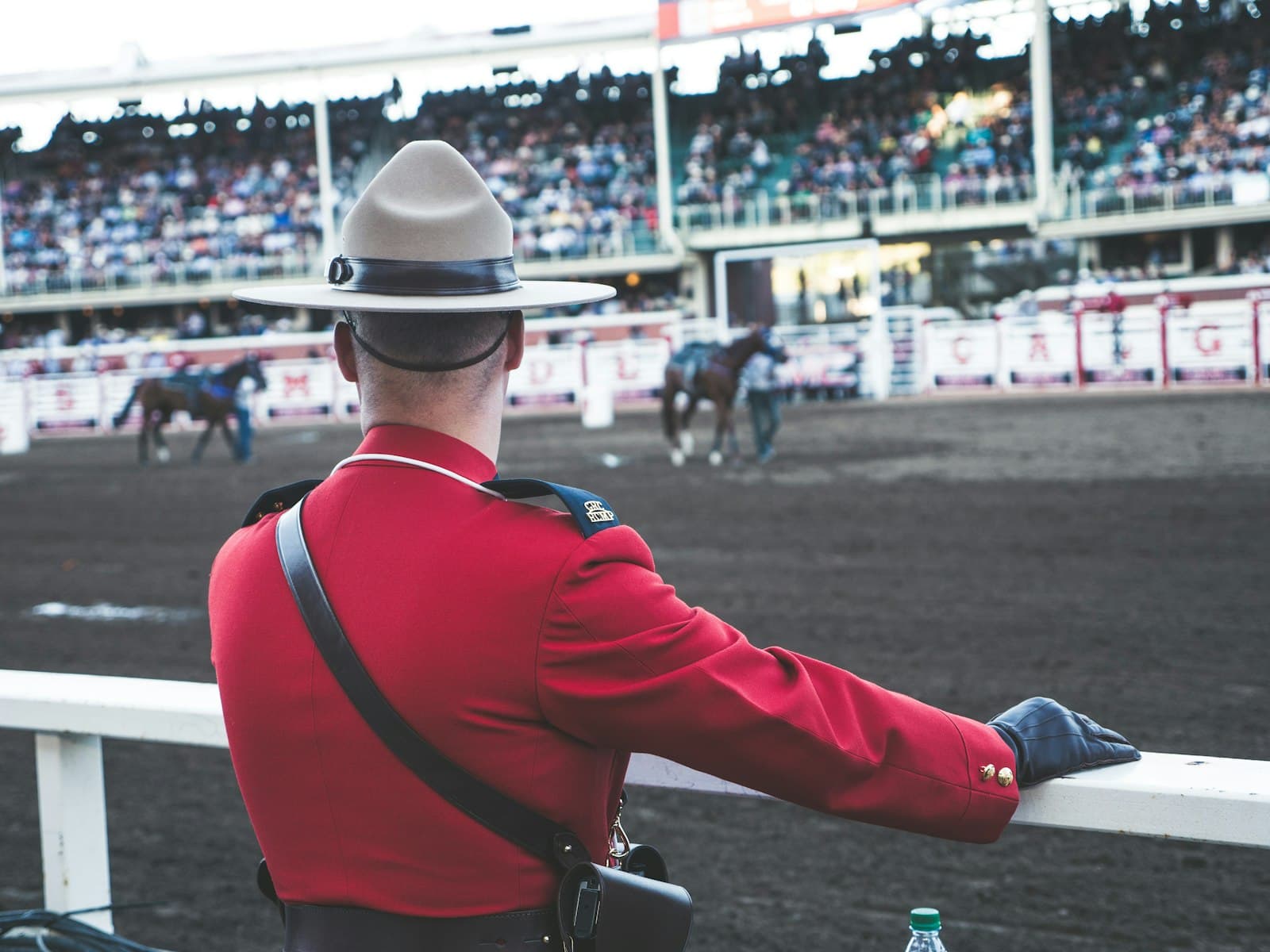
Cowtown, Performed: The Frontier Calgary Financed and the Neighbourhood It Erased
4.68·8 Stops·97 minutes·5 km
How Canada's oil capital performs a cattle-town frontier an American promoter financed into existence in 1912, staged on the ground of Victoria Park, a neighbourhood the show spent forty years buying out and paving over.
Start · Victoria Park/Stampede Station: The Name on the Platform
DirectionsStops
- 1
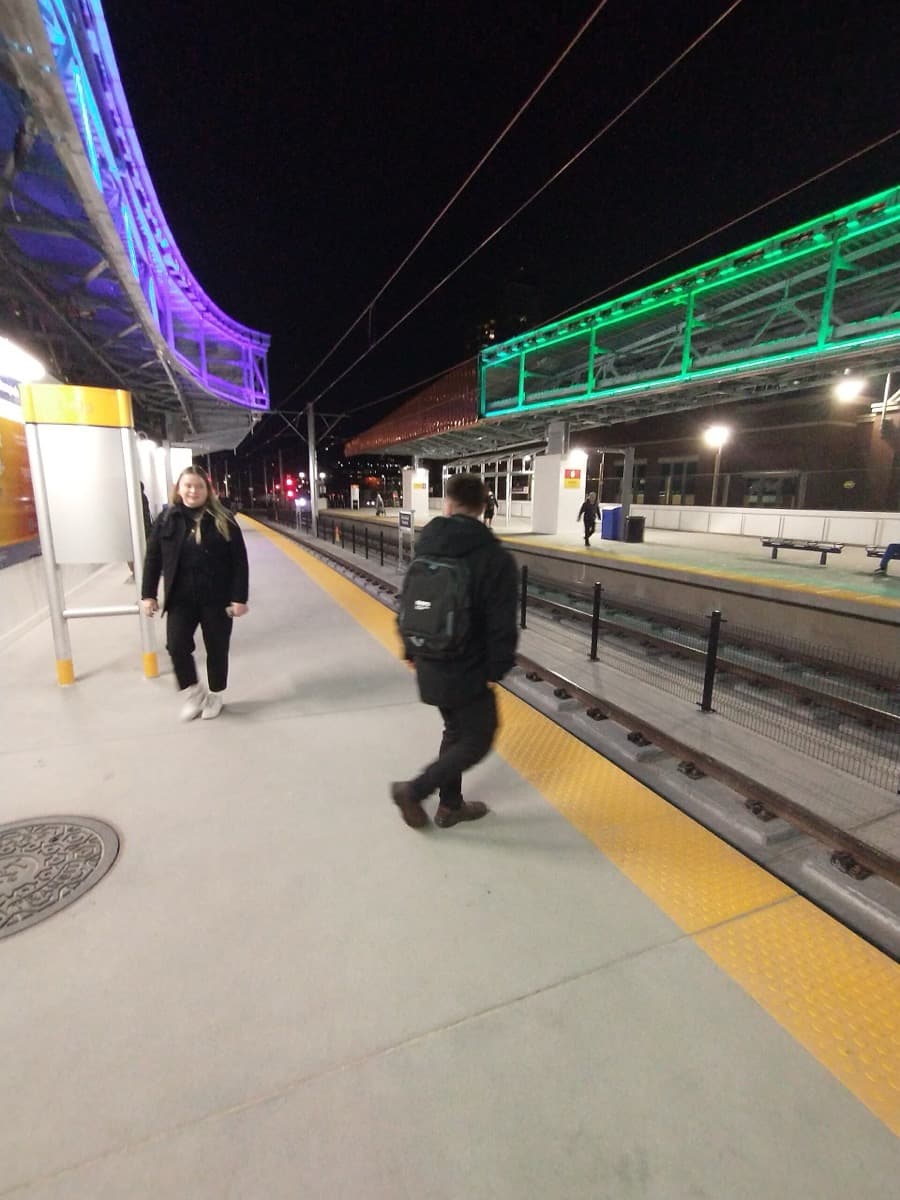
Victoria Park/Stampede Station: The Name on the Platform
A CTrain platform that carries the name of the neighbourhood the grounds erased, added to the station only after most of the neighbourhood was already gone.
- 2
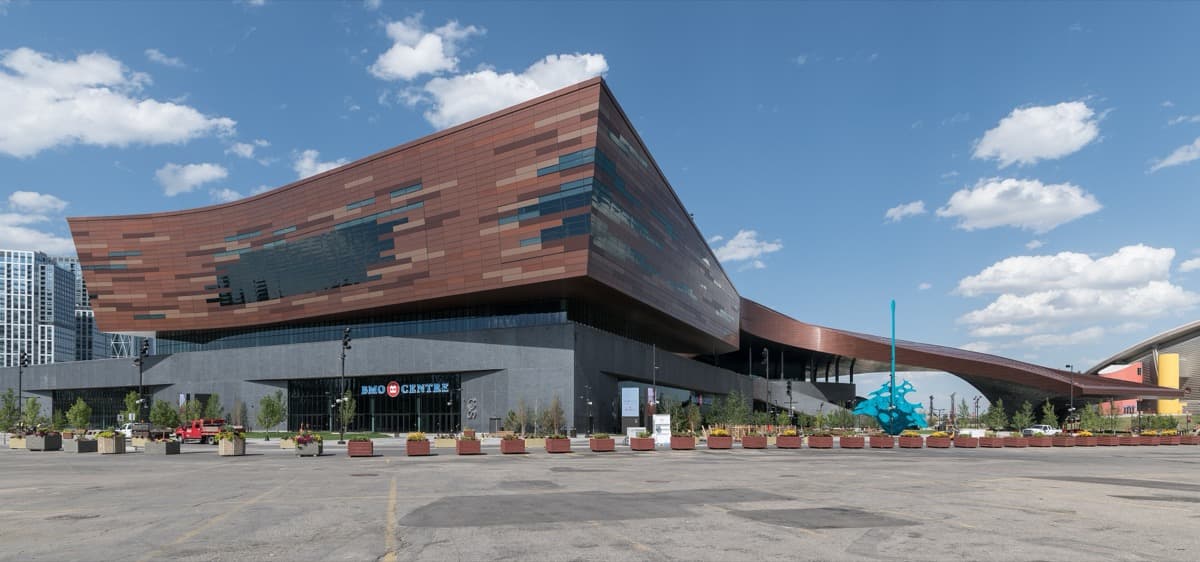
BMO Centre: The Convention Cathedral
Western Canada's largest convention centre, a million-square-foot machine for the energy economy, addressed 1912 Flores LaDue Parade SE.
- 3
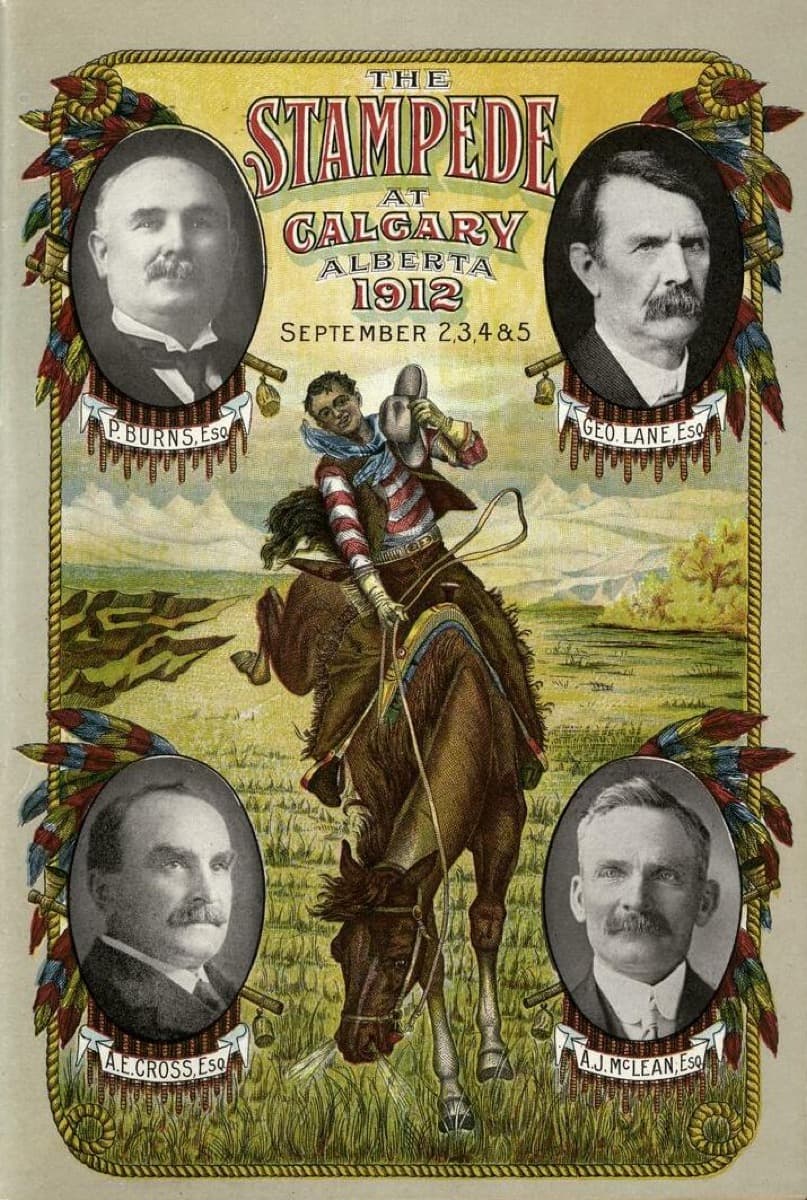
Big Four Building: The Money Behind the Myth
Named not for cowboys but for the four cattle barons who each staked $25,000 in 1912 to bankroll the first Stampede.
- 4
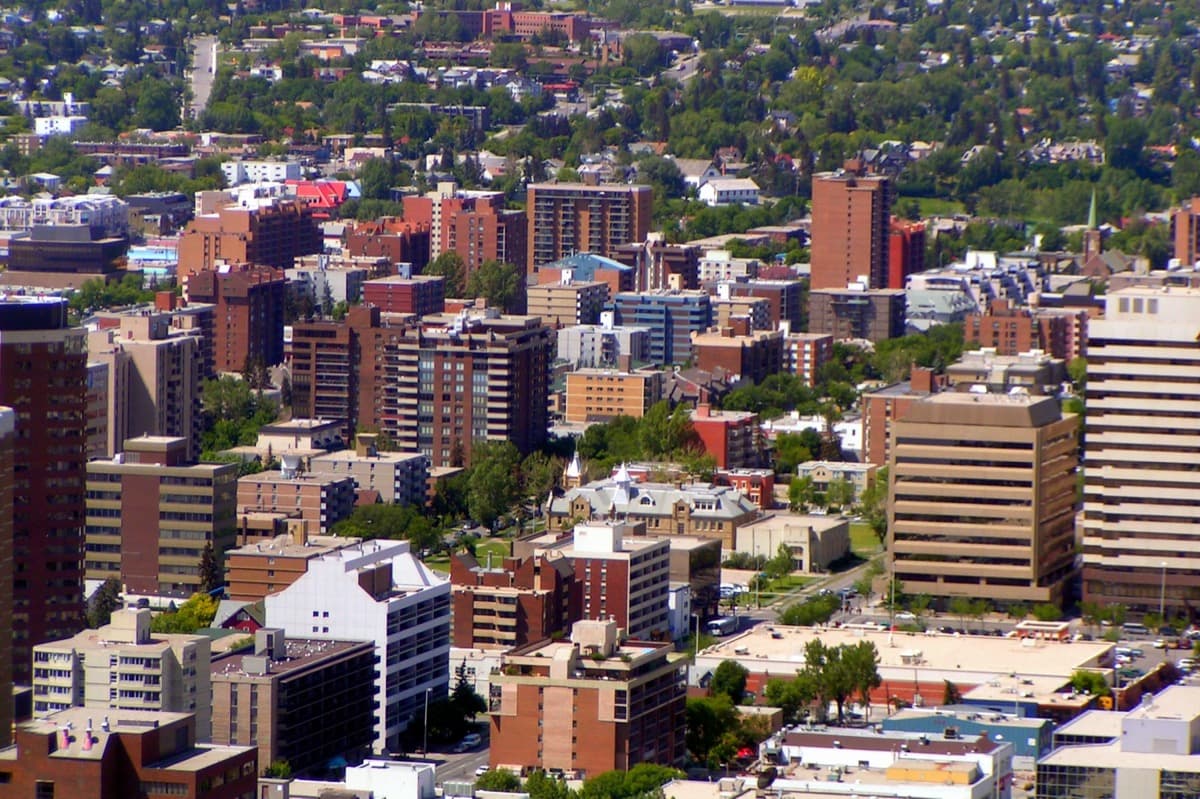
The Vanished Victoria Park: Forty Years of Waiting to Die
The engineered ground on Olympic Way where a residential neighbourhood stood until the Stampede's decades-long buyout emptied and paved it.
- 5
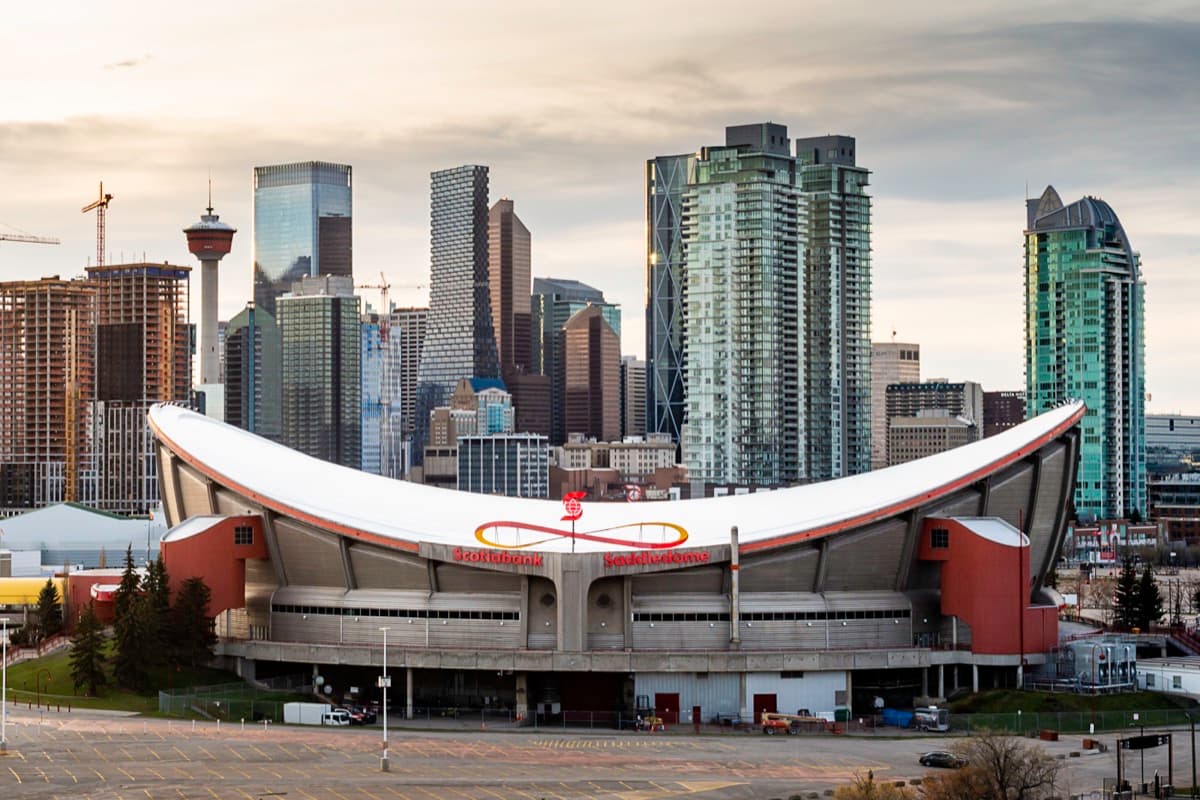
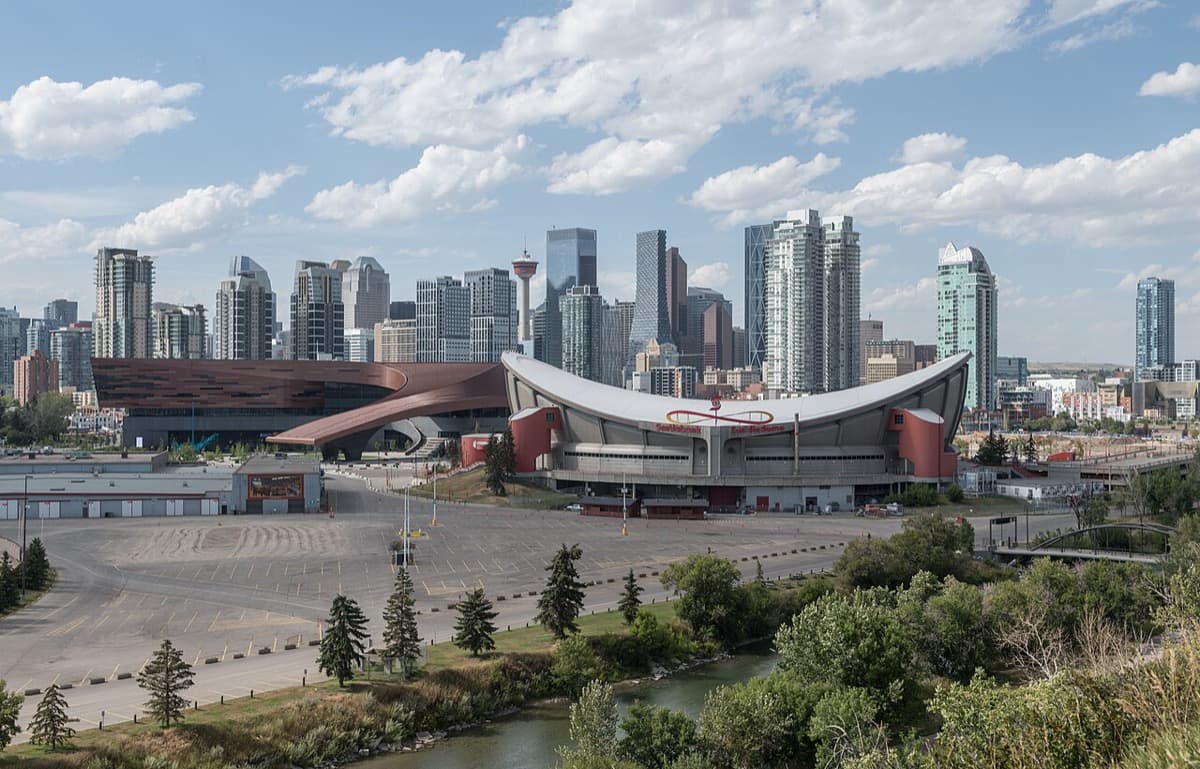
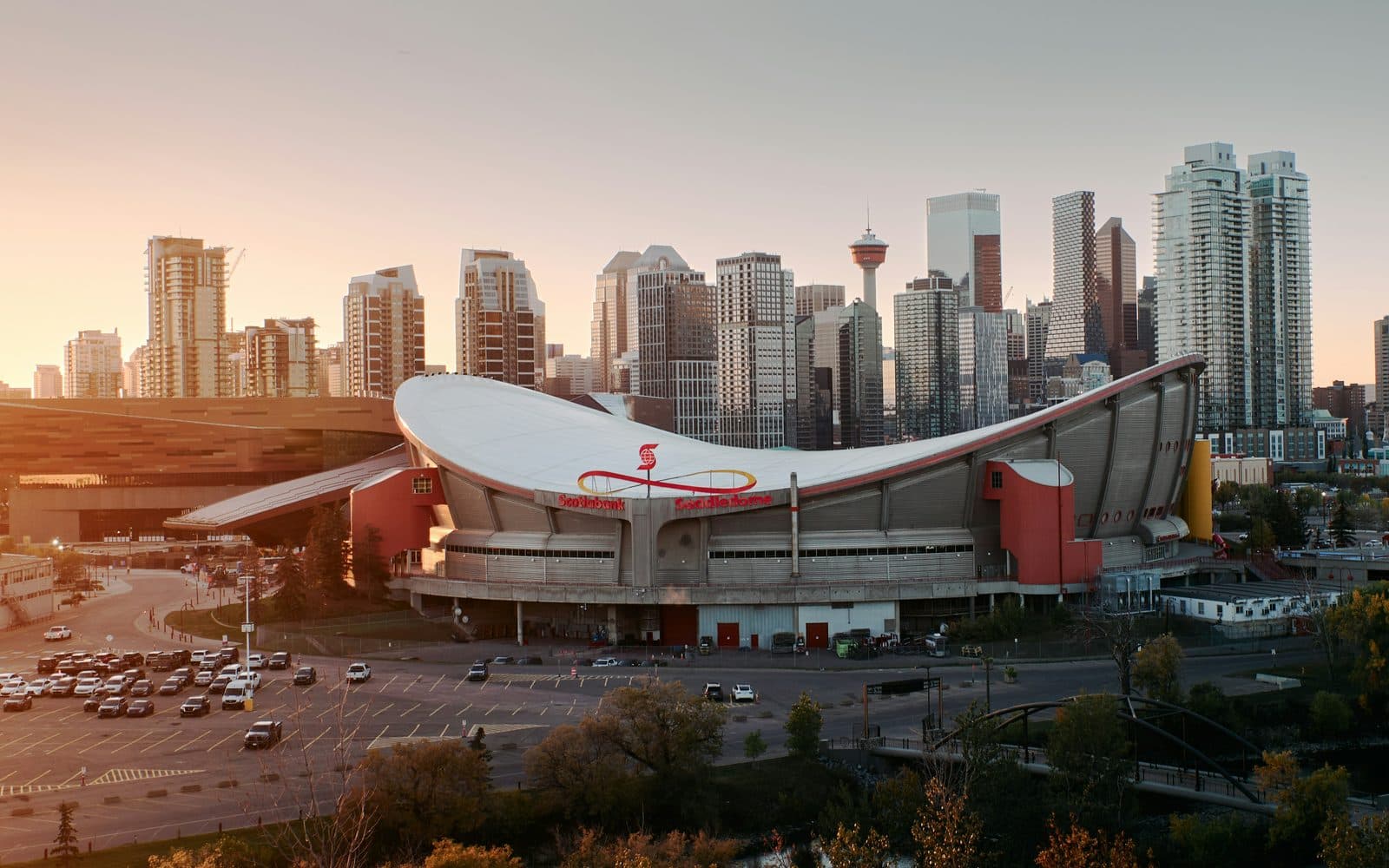
Scotiabank Saddledome: The Saddle in Concrete
A 1983 arena whose record-setting saddle-shaped shell writes the cowboy brand permanently into Calgary's skyline.
- 6
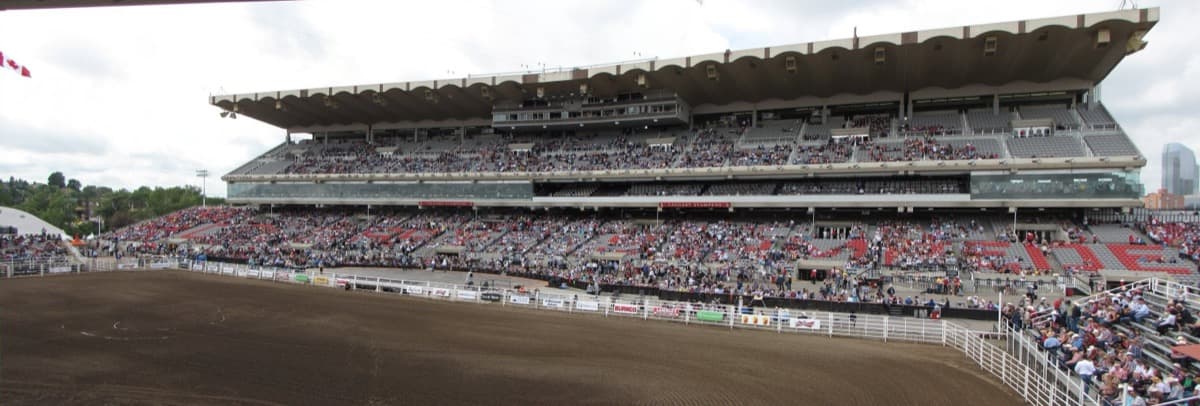
GMC Stadium: Weadick's Stage
The grandstand where an American trick-roper staged the first Stampede in 1912, with a $20,000 purse to import a frontier that was already ending.
- 7
ENMAX Park / Elbow River Camp: The Older Nation
A Treaty 7 tipi camp the tipi owners renamed from 'Indian Village' in 2018, on land the five Nations described by the river long before the frontier was drawn.
- 8
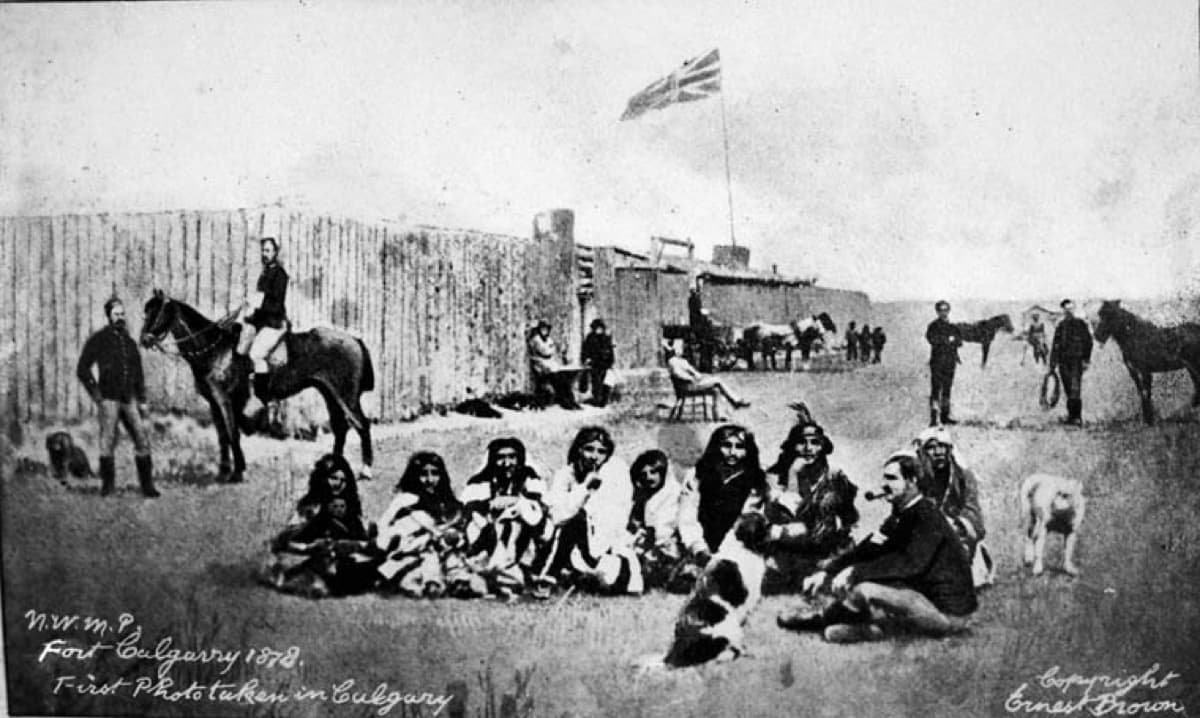
Fort Calgary: The Real Founding
The Bow-Elbow confluence where the North-West Mounted Police built the fort that founded Calgary in 1875, thirty-seven years before the first Stampede.
Details
Best Time to Visit
A weekday outside the ten days of the Stampede itself, which runs in early-to-mid July. During the festival the grounds are ticketed and fenced and the riverside pathways beside them close, which breaks the walking corridor this tour depends on. The rest of the year the grounds are open public realm and free to cross. Walk in daylight, especially the final two stops along the Elbow River, where the audio describes a view you need light to read. Late spring through early autumn is most comfortable; the corridor crosses open, largely unshaded ground.
Pro Tips
- •Avoid the ten days of the Stampede if you want the free version of this walk. During the festival the grounds are ticketed and the adjacent pathways close. Outside those ten days the whole corridor is open, free public realm.
- •Elbow River Camp at stop seven only has its tipis raised during the Stampede itself. Outside the festival, ENMAX Park is a quiet riverside green space, and the audio describes the camp that stands here in July.
- •The address detail at stop two is real and worth confirming with your own eyes. Look for 1912 Flores LaDue Parade SE on the BMO Centre signage or your map. Reading it yourself lands the point harder than hearing it.
- •Stop four has nothing to see, on purpose. Do not go hunting for a plaque. Stand on Olympic Way and let the empty, engineered ground be the exhibit.
- •The final leg, from ENMAX Park north to Fort Calgary at the confluence, is about a kilometre along the Elbow River pathway. It is the longest single stretch of the tour. Allow roughly fifteen minutes.
- •Fort Calgary is now The Confluence Historic Site and Parkland. The outdoor grounds and the point where the two rivers meet are walkable any time; the indoor exhibits keep their own hours if you want to go deeper.
Safety & Precautions
- •During the Stampede itself, early-to-mid July, the grounds are ticketed and fenced and the pathways beside them close. This tour is written for the rest of the year, when the corridor is open and free to walk.
- •Much of the route crosses large parking areas and service roads inside the grounds. Watch for vehicles and event traffic, especially on the approach to the Saddledome and the grandstand.
- •The last two stops run along the Elbow River. Walk them in daylight. The riverside pathway is unlit in stretches, and the audio describes a view you need light to read.
- •Stops seven and eight are separated by the longest walk on the tour, about a kilometre along the river. Wear comfortable shoes and carry water in summer; the pathway offers little shade.
Travel advisory: Exercise Normal Precautions (Level 1).
Gallery
Related Reading
Go deeper on what you'll see, hear, and walk through.
Read the walk
The full story of Cowtown, Performed: The Frontier Calgary Financed and the Neighbourhood It Erased, in words. Prefer to listen? Play it narrated, from home or on location.
Introduction
You are standing at a train station named Victoria Park, and if you go looking for the park itself, you will not find it. No houses, no corner stores, no kids on a stoop. It was a neighbourhood once, one of Calgary's oldest, built on land the North-West Mounted Police once grazed horses on. Then, for ten days every July, this city decided it would rather be a cowboy town. Over about forty years it quietly bought the neighbourhood out, emptied it, and paved it. What is left is a name on a platform.
Here is the argument this walk makes. Calgary is Canada's oil and gas capital, a thousand energy companies in glass towers minutes away. And every summer it performs a cattle-town frontier that an American promoter named Guy Weadick financed into existence in nineteen twelve. The cowboy town is a product with a founding date. The ground it is staged on is a residential neighbourhood the show spent decades erasing.
This is not a tour that sneers at the Stampede. The Stampede is loved, and the people who love it are not the point. The point is the format: a city performing a mythologized past so completely that it built over its own present. Over eight stops and about five kilometres, roughly ninety-seven minutes of walking, we cross the ground the show is standing on. When you reach the Victoria Park station, begin with stop one.
1. Victoria Park/Stampede Station: The Name on the Platform
Welcome to your first stop, the platform of the Victoria Park slash Stampede station. Stand on it and read the sign. Two names, bolted together. The station opened in nineteen eighty-one, and back then it carried just one word: Stampede. The neighbourhood name, Victoria Park, was added in nineteen ninety-five. Sit with that order for a moment. The grounds got the platform first. The neighbourhood was appended fourteen years later, after most of it was already gone.
Because there was a Victoria Park, and it was real. One of Calgary's oldest communities, laid out on land the North-West Mounted Police had used as grazing ground before the Canadian Pacific Railway carved it into lots and sold them off. People lived here. Corner stores, a school, houses, the ordinary furniture of a working neighbourhood on the edge of downtown. If you had stood on this spot a century ago, you would have been standing on a residential street, not a transit stop beside an exhibition ground.
Now look south and east, the direction you will walk. Exhibition halls. Parking. A convention centre. An arena. That is what replaced the houses. The neighbourhood did not move. It was absorbed, block by block, into the grounds you are about to cross.
This is the pattern the whole walk turns on, so notice it here at the start. A city that performs its past does not just tell a story. It clears a space for the story to be told in. The name on this platform is the receipt. Victoria Park survives mostly as two words on a sign, over the land that replaced it.
Now walk south into the grounds. The first building, a vast pale hall wearing a strange address, is the BMO Centre. That is stop two.
2. BMO Centre: The Convention Cathedral
You have reached the BMO Centre. Stand back and take in the scale, because scale is the point. This is a convention centre, over a million square feet of it after a five-hundred-million-dollar expansion that opened in June of twenty twenty-four, making it the largest in Western Canada. Ballrooms, exhibition floors, meeting rooms. Not a rodeo. Not a barn. A machine for conferences, and in Calgary the conferences are largely about one thing.
Because this is the tell the tour promised. Calgary performs a cattle town, but Calgary is an energy city. More than a thousand energy companies, the head offices of nearly every major oil and gas firm in the country, and a province that pumps roughly three-quarters of Canada's crude and natural gas. The real economy here wears a suit and works in a glass tower downtown. For ten days a year it puts on a hat. This building is where the suit and the hat shake hands.
Now, the detail I want you to catch, because someone chose it on purpose. Look for the address of this centre. It is nineteen twelve Flores LaDue Parade Southeast. Nineteen twelve is the year the first Stampede was staged. Flores LaDue was the wife of Guy Weadick, the American promoter who staged it, and a champion cowgirl in her own right. So the founding year of the myth and the name of the founder's wife are welded onto the postal address of a petro-conference hall. Nobody had to do that. They did it anyway.
That is the whole tour in one address. The frontier is not remembered here. It is branding, applied to the infrastructure of the actual economy. Hold that thought and walk south. The low brick building ahead, named for four men, is stop three.
3. Big Four Building: The Money Behind the Myth
You are standing at the Big Four Building. Read the name and ask the obvious question. The big four what? Not four cowboys. Four cattle barons. George Lane, Patrick Burns, A. E. Cross, and A. J. McLean. In nineteen twelve, each of them put up twenty-five thousand dollars, a fortune at the time, to bankroll the first Stampede. One hundred thousand dollars of ranching money, staked on a show.
Stop on that. The frontier had investors. The cowboy town you came to see was not a spontaneous celebration of a way of life. It was a financed event, with four names on the cheque. And when Calgary chose which part of the story to carve into a building, it did not pick the bronc rider or the roper. It picked the money. The financiers get the marquee. That is the tell, and it is an honest one. The myth was a business plan, and the building admits it.
The structure itself came later. It was built in nineteen fifty-nine, and in its day it was the largest exhibition building in Canada outside Toronto. For a while it held the world's largest curling rink under one roof. Which fits the pattern too. A city that stages a frontier also stages the largest, the biggest, the most, because the performance is competitive. The Stampede's own slogan is the greatest outdoor show on earth. Greatest. Not oldest, not truest. Greatest, as in top billing.
So here at stop three the shape is clear. Weadick supplied the spectacle. These four men supplied the capital. A promoter and his backers built a frontier the way you would build any other product, and Calgary has been running it every July since.
Now walk out onto Olympic Way, into the open ground north of here. The next stop has no building at all. That is the point of it.
4. The Vanished Victoria Park: Forty Years of Waiting to Die
You have reached stop four, and there is nothing here to look at. That is the stop. Stand on Olympic Way and take in the asphalt, the halls, the parking, the flat engineered ground. Now understand what you are standing on. This was Victoria Park. Not near it. On it. Houses stood…
Full narration for this stop unlocks with the tour.
5. Scotiabank Saddledome: The Saddle in Concrete
You have arrived at the Scotiabank Saddledome. Look up at the roof and you will see why it is named what it is named. That great sweeping curve, high at the sides and dipping in the middle, is shaped like a saddle. It is not an accident of engineering. It is the brand, poured in…
Full narration for this stop unlocks with the tour.
6. GMC Stadium: Weadick's Stage
You have reached the grandstand, the stadium at the heart of the grounds. It seats around seventeen thousand people, and this is the stage. The infield below you is where the rodeo runs, where the chuckwagons race, where the evening show plays out under the lights. If the…
Full narration for this stop unlocks with the tour.
7. ENMAX Park / Elbow River Camp: The Older Nation
You have crossed the Elbow River to ENMAX Park, sixteen acres of green on the east bank, across the water from the Saddledome. During the Stampede, this ground holds a camp of twenty-six tipis raised by families from the five Treaty seven Nations: the Kainai, the Tsuut'ina, the…
Full narration for this stop unlocks with the tour.
8. Fort Calgary: The Real Founding
You have reached the last stop, the confluence, where the Elbow River you have been following joins the Bow. This is where Calgary actually starts. Not in nineteen twelve. In eighteen seventy-five, thirty-seven years earlier, when the North-West Mounted Police built a fort right…
Full narration for this stop unlocks with the tour.