7 Hidden Gems in Antigua Guatemala: Beyond the Tourist Trail
While thousands of visitors flock to Parque Central and Santa Catalina Arch daily, Antigua's most magical experiences often hide in plain sight. Beyond the guidebook highlights lies a city of secret gardens, artisan workshops, and viewpoints known mainly to locals. These seven hidden gems reveal Antigua's authentic character—the places where residents actually live, work, and find beauty in everyday moments.
1. Casa Santo Domingo: The Secret Gardens
Everyone knows the Hotel Casa Santo Domingo, but few visitors venture beyond the lobby to discover the extensive museum complex and botanical gardens hidden within. This former Dominican monastery, largely destroyed in the 1773 earthquakes, has been transformed into a atmospheric cultural space where ruins merge with lush gardens.
Walk through underground tunnels filled with colonial-era artifacts, explore the crypt where monks were buried, and wander into the pharmacy museum showcasing 18th-century medical practices. But the real treasure is the tiered gardens rising up the hillside. Stone pathways wind through tropical plants, past bubbling fountains, and into quiet courtyards where you can sit beneath jacaranda trees and hear nothing but birdsong.
How to Visit:
- Location: 3rd Street East #28
- Hours: Daily 9am-6pm
- Cost: Q50 ($6.50 USD) for museums and gardens
- Insider Tip: Enter through the museum entrance (not the hotel) and explore before 11am to avoid tour groups
The gardens are particularly magical in February-March when jacaranda trees bloom purple, creating a lavender canopy over stone pathways.
2. Tanque La Unión: Where Locals Gather
This historic washing basin might seem like just another ruin, but it remains a vital community space where Antigua's working-class residents gather. Built in 1853, Tanque La Unión served as a public laundry facility for over a century. While most locals now have washing machines, the site retains its social function—women still meet here to wash clothes by hand while catching up on neighborhood news.
Visit early morning (6-8am) or late afternoon (4-6pm) to see the space in use. The rhythmic sound of clothes being scrubbed against stone, the chatter of conversations in Kaqchikel Maya, and the sight of brightly colored fabrics hanging to dry create a snapshot of daily life unchanged for generations.
How to Visit:
- Location: End of Tanque Street, Barrio de La Concepción
- Hours: Always accessible (most active early morning)
- Cost: Free
- Insider Tip: Ask permission before photographing people—and consider buying some handmade items from vendors who set up nearby
The surrounding neighborhood, Barrio de La Concepción, is residential and authentic. Walk the narrow streets to see typical Guatemalan homes with their interior patios and family-run tiendas (corner stores).
3. El Hato: The Locals' Viewpoint
While tourists crowd Cerro de la Cruz, locals escape to El Hato, a lesser-known viewpoint on the city's western edge. The 30-minute uphill walk is steeper and less maintained than Cerro de la Cruz, but rewards you with equally spectacular views and near-total solitude.
From El Hato's summit, you can see all three volcanoes simultaneously—Agua to the south, Acatenango and Fuego to the southwest—framing Antigua's red-tiled roofs below. Because fewer people make the trek, you're likely to have the viewpoint to yourself at sunset, when the sky turns pink and orange behind the volcanic silhouettes.
How to Visit:
- Location: Trail starts on Calle de Las Animas, western edge of city
- Hours: Best before 5pm while light remains
- Cost: Free
- Insider Tip: Bring water, wear sturdy shoes, and go with others for safety. The trail is unmarked—ask locals to point you toward "El Hato" if unsure
Some locals bring guitars and spend entire afternoons here. If you encounter them, they're usually happy to share the space and perhaps a song.
4. Jocotenango: The Pueblo Next Door
Just north of Antigua's center lies Jocotenango, a separate pueblo that most tourists walk through without stopping. Yet this working-class neighborhood preserves traditional Guatemalan life largely untouched by tourism. Here, families gather in the central plaza on Sundays after Mass, street vendors sell traditional foods like pepián and jocón, and children play fútbol in dirt lots.
Visit on Sunday morning for the weekly market, where farmers from surrounding villages sell fresh produce, herbs, and flowers. The selection is more local-oriented than Antigua's tourist markets—you'll find ingredients for Guatemalan cooking rather than handicrafts. Stop at one of the comedores (small family-run restaurants) lining the plaza for an authentic Guatemalan breakfast: frijoles, huevos, and fresh tortillas for a fraction of tourist-area prices.
How to Visit:
- Location: 1km north of Antigua's center (15-minute walk up Calzada Santa Lucía)
- Hours: Market Sunday mornings 7am-noon
- Cost: Free to explore
- Insider Tip: Try pupusas from the street vendors near the church—they're renowned among locals
The neighborhood also hosts the Casa K'ojom museum of Maya musical instruments (closed Mondays), worth visiting if you're interested in indigenous culture.
5. Earth Lodge: Wellness Retreat with Volcano Views
Hidden in the hills above Antigua, Earth Lodge is a holistic retreat center that welcomes day visitors to its yoga classes, temascal (Maya sauna) ceremonies, and restaurant with jaw-dropping views. While it's become somewhat known among the wellness community, it remains blissfully unknown to most tourists rushing between historical sites.
The property features meditation platforms overlooking three volcanoes, a vegetarian restaurant serving farm-fresh meals, and hammocks strung between trees—perfect for an afternoon of reading or simply absorbing the mountain tranquility. Even if you're not interested in yoga, come for lunch (reservations recommended) and enjoy some of the best sunset views in the Antigua region.
How to Visit:
- Location: Santa Catarina Barahona (20 minutes from Antigua by tuk-tuk)
- Hours: Daily 8am-8pm
- Cost: Day pass Q100 ($13 USD), yoga classes Q100, temascal Q250
- Insider Tip: Book the sunset yoga class (4:30pm) for the magical combination of movement and volcano views
The tuk-tuk ride itself is an adventure, climbing narrow mountain roads through coffee plantations and traditional villages.
6. Caoba Farms: Organic Farm and Restaurant
While coffee plantation tours attract crowds, Caoba Farms remains a quiet secret. This 100% organic farm grows everything from coffee and cacao to vegetables and herbs, all without chemicals. What makes it special is the intimate, educational experience—rather than bus-loads of tourists, you'll join small groups led by farmers who actually work the land.
Tours include walks through permaculture gardens, composting demonstrations, and explanations of sustainable farming practices. You'll taste fresh guavas, sample cacao pods, and learn how traditional Maya farming wisdom combines with modern organic techniques. Finish with lunch at their farm-to-table restaurant, where everything on the menu was grown on-site.
How to Visit:
- Location: 3rd Street West #13A (walking distance from Parque Central)
- Hours: Tuesday-Sunday 9am-6pm, tours at 10am and 2pm
- Cost: Tours Q150 ($19 USD) including lunch
- Insider Tip: Book tours in advance—they limit groups to 8 people maximum
The restaurant (open without tour) serves excellent vegetarian and vegan options, rare in meat-centric Guatemala. Their fresh juices use produce picked that morning.
7. Textile Co-ops: Where Tradition Lives
Antigua hosts several Maya women's textile cooperatives where you can watch weavers create intricate patterns using traditional backstrap looms—the same technique used for centuries. Unlike commercial shops, these co-ops welcome visitors to observe the process, ask questions, and understand the cultural significance of textile patterns.
Cada Cuerda (meaning "each thread") and Nim Po't (meaning "great blouse" in Kaqchikel Maya) are two cooperatives where artisans work in open studios. Watch as women stretch backstrap looms across their backs, creating tension with their body weight while their fingers fly across threads. Each pattern carries meaning—the diamond represents the four directions, the zigzag symbolizes mountains, and specific color combinations indicate the weaver's village of origin.
How to Visit:
- Locations: Nim Po't - 5th Avenue North; Cada Cuerda - ask locals as location sometimes changes
- Hours: Generally Monday-Saturday 9am-5pm
- Cost: Free to observe (purchases support artisans directly)
- Insider Tip: Buying directly from co-ops means your money goes to weavers, not middlemen. Prices are fixed and fair.
Many cooperatives also offer weaving classes where you can learn basic backstrap loom techniques. It's harder than it looks—these artisans possess incredible skill.
Exploring Antigua's Hidden Side
These seven gems share a common thread: they're places where Antigua's authentic character shines through, unmarred by tour buses and souvenir stands. Visiting them requires slightly more effort than checking off famous monuments, but the reward is experiencing how locals actually live, work, and find beauty in their daily routines.
Practical Tips for Hidden Gem Hunting:
- Speak Spanish: Even basic phrases open doors. Locals appreciate the effort and often share insider recommendations.
- Go Early: Many hidden spots are best experienced early morning when locals use them and tourists sleep in.
- Ask Locals: The best recommendations come from people who live here. Ask your hotel staff, restaurant servers, or shopkeepers about their favorite spots.
- Support Local: When you discover hidden gems, support them by making purchases or paying for services.
- Respect Privacy: These are real communities, not theme parks. Ask permission before photographing people and respect "no photos" signs.
Want guided exploration of Antigua's architecture and history? Our Antigua Architecture Audio Tour includes historical context for the colonial buildings you'll encounter in these neighborhoods, while the Historic Antigua Walking Tour provides comprehensive background on the city's development.
Beyond the Guidebook
The best travel experiences happen when you venture beyond the obvious. While Parque Central and Santa Catalina Arch deserve their fame, Antigua's true magic lives in these quieter spaces—the neighborhood washing basins, hillside retreats, and artisan workshops where tradition continues largely unchanged.
So skip the crowded photo spots occasionally. Instead, climb to a locals' viewpoint, watch weavers at work, or sit in a secret garden listening to fountains. These moments won't make dramatic Instagram posts, but they'll give you something more valuable: a glimpse of Antigua's authentic soul.
Ready to explore beyond the tourist trail? Download our Antigua audio tours for GPS-guided exploration with local insights and historical context.
Explore Antigua with Roamer
Take these audio tours to experience the stories mentioned in this guide
Historic Antigua Walking Tour
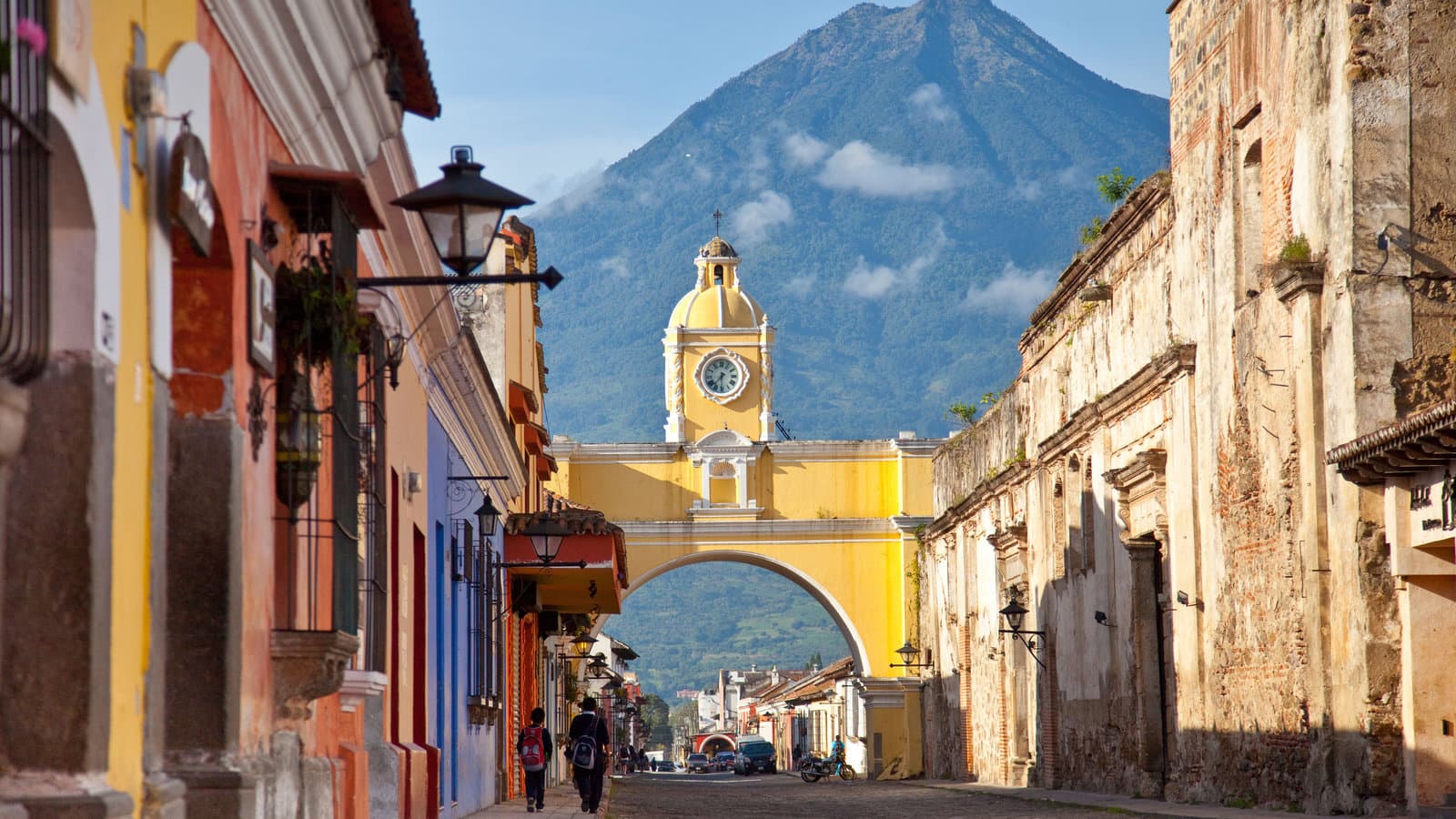
Explore the colonial architecture and rich history of Antigua Guatemala, a UNESCO World Heritage Site. Walk through cobblestone streets and discover iconic landmarks.
Baroque Architecture Masterclass
Discover Antigua's stunning colonial baroque architecture through intricate stucco work, earthquake-resistant design, and the fusion of European and indigenous craftsmanship. A visual journey through 300 years of architectural evolution.