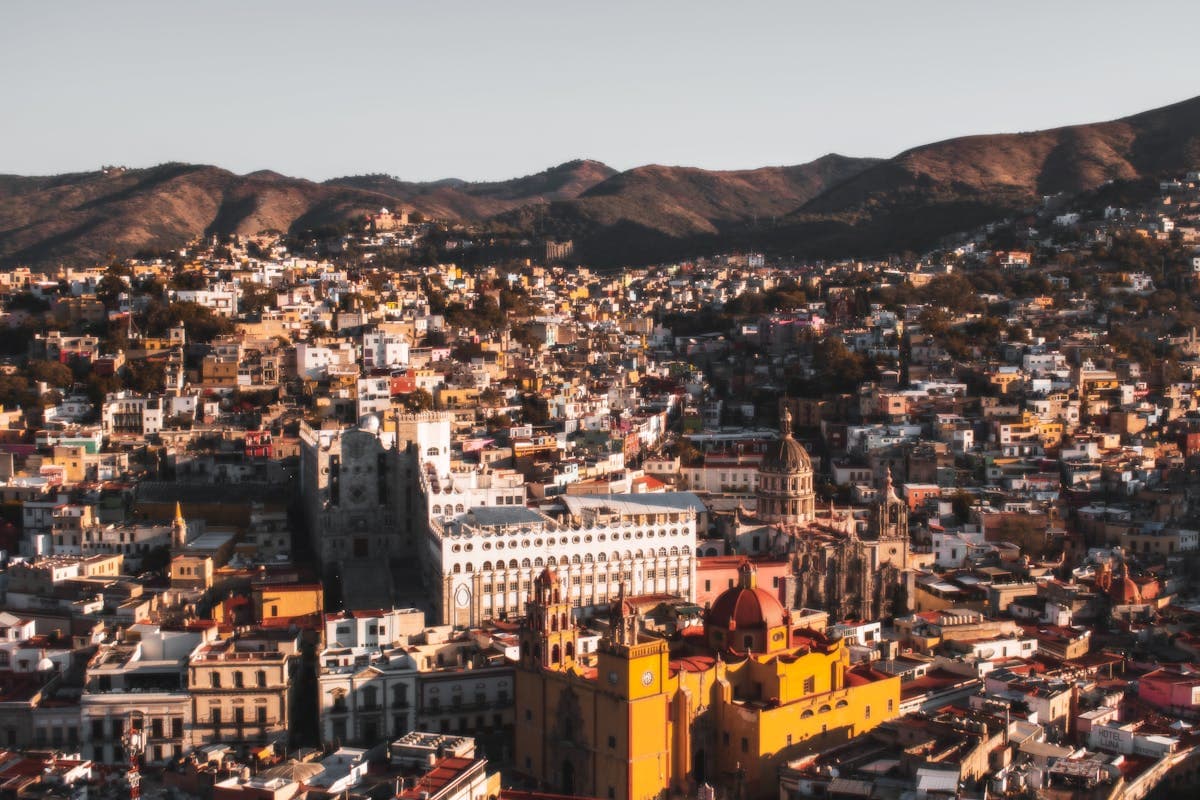
From the colonial dam that tamed a wild river to the richest silver mine in human history — walk the steep callejones where fortunes were made, revolutions were born, and severed heads hung in iron cages for a decade.
Start · Presa de la Olla
DirectionsStops
- 1
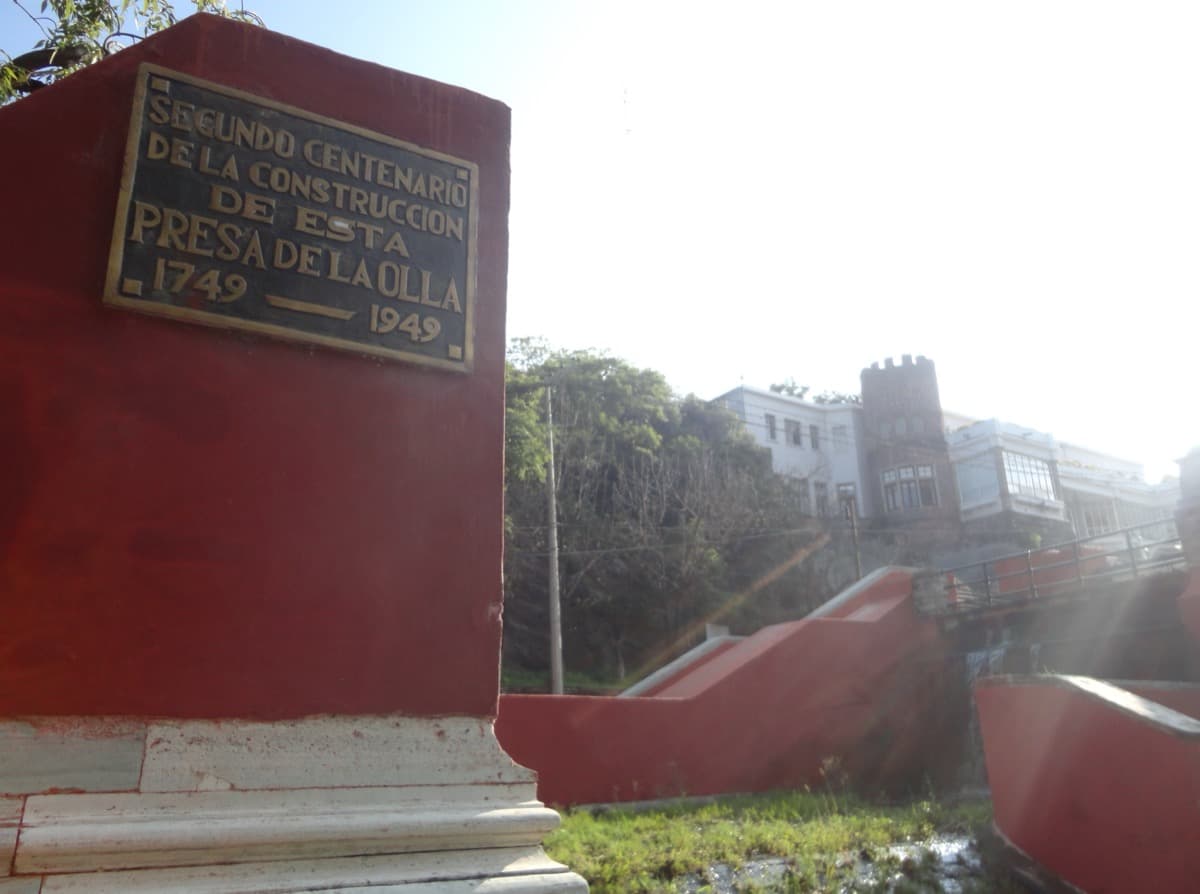
Presa de la Olla
The elegant colonial dam built in 1749 to control flooding in the canyon — now a beloved park and the starting point for understanding why Guanajuato exists.
- 2
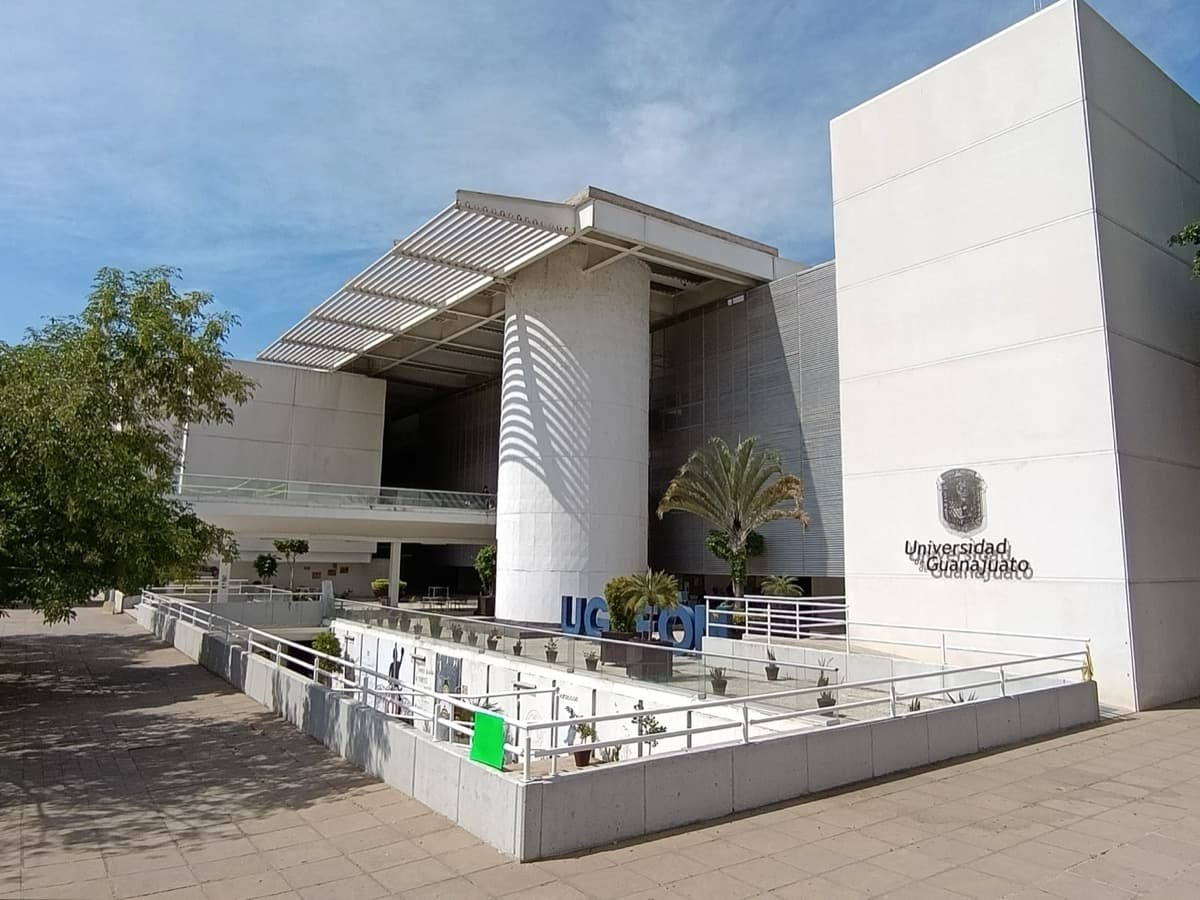
University of Guanajuato
The iconic white staircase and neoclassical facade of Mexico's most photographed university, founded by Jesuits in 1732.
- 3
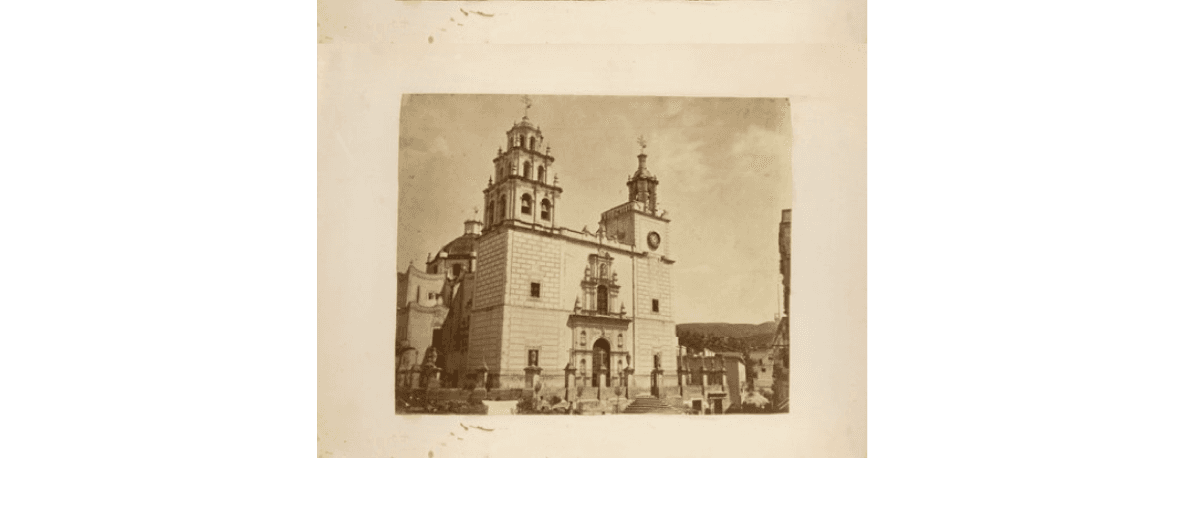
Basílica de Nuestra Señora de Guanajuato
The striking yellow baroque basilica housing a wooden Virgin statue gifted by King Philip II of Spain in 1557 — the oldest piece of Christian art in Mexico.
- 4
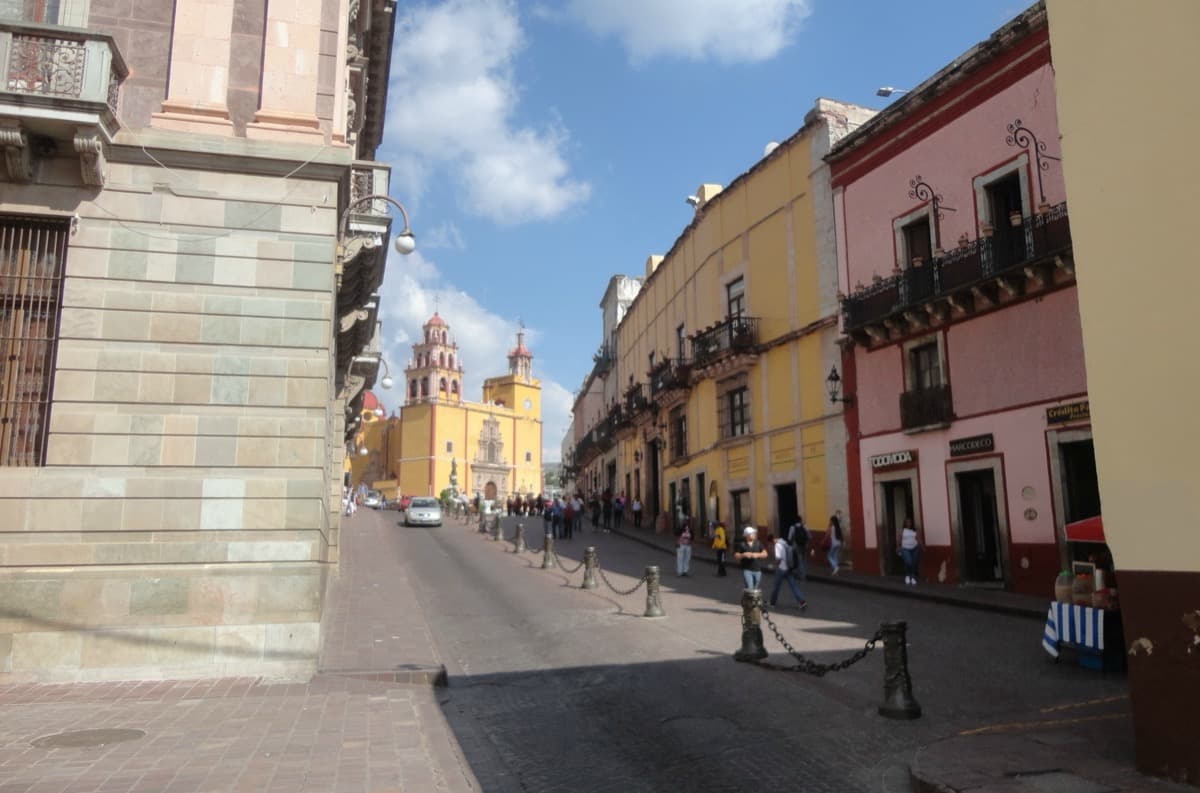
Plaza de la Paz
The elegant triangular plaza fronting the Basilica — once the center of colonial power, now the social heart of the city.
- 5
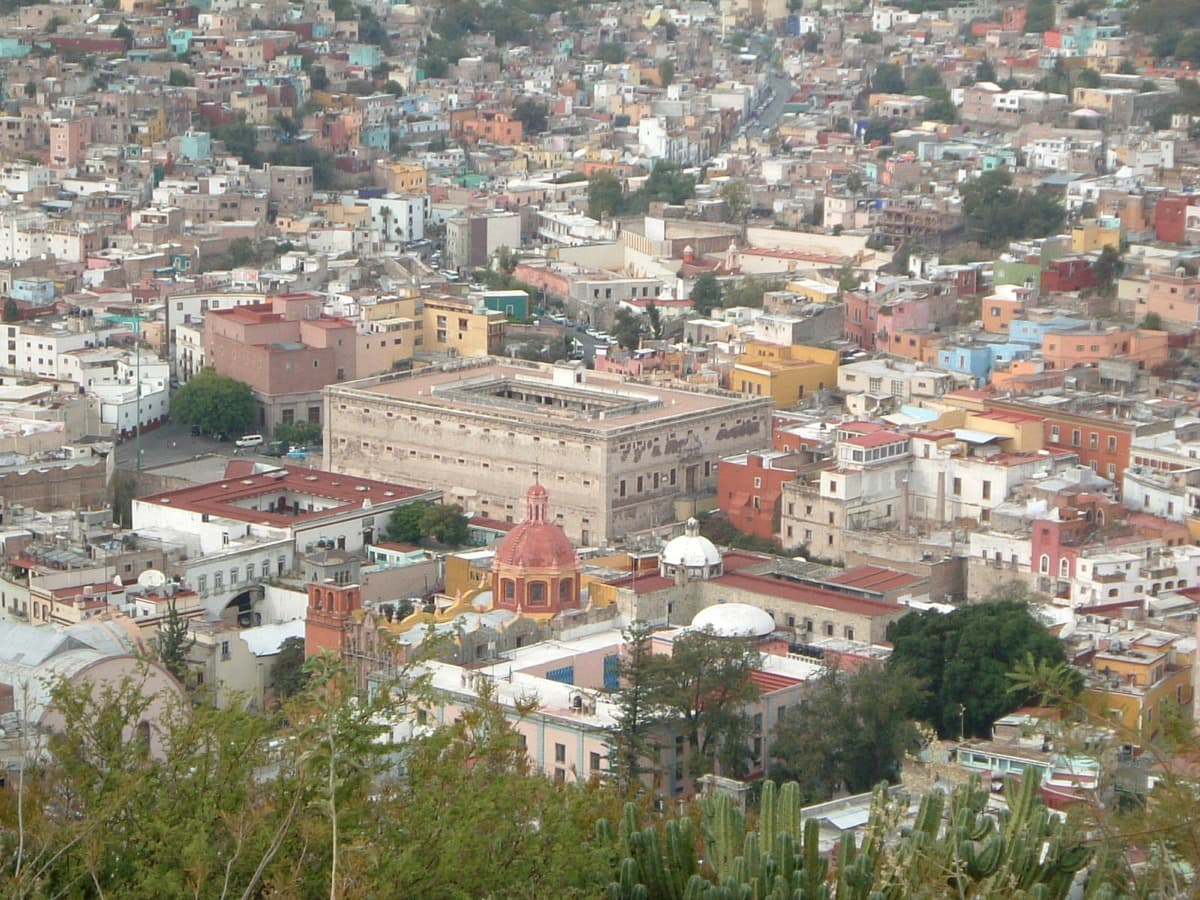
Alhóndiga de Granaditas
The massive stone granary where the first major battle of Mexican independence raged in 1810 — and where the severed heads of four rebel leaders hung in iron cages for ten years.
- 6
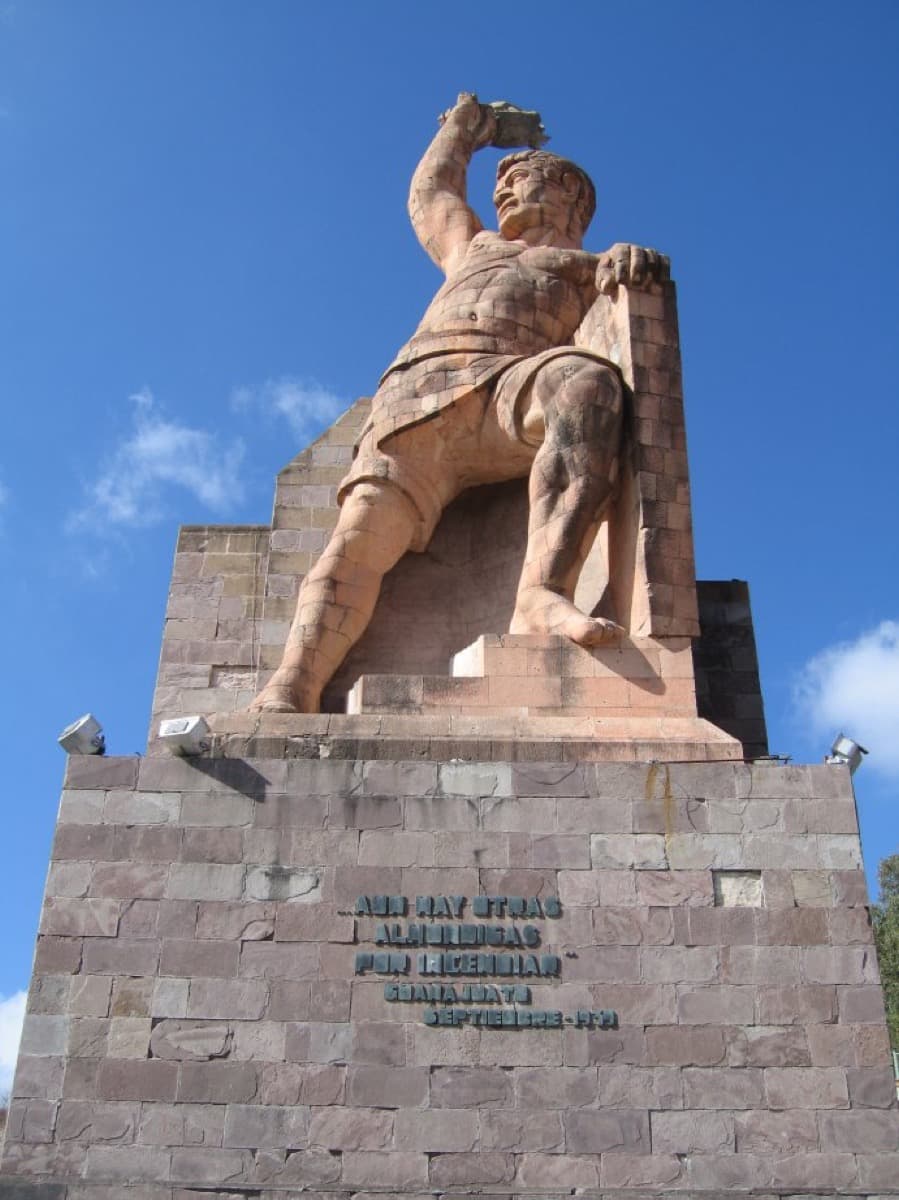
El Pípila Monument
The hilltop statue of the miner-hero who burned down the Alhóndiga door — offering the most spectacular panoramic view of Guanajuato's colorful canyon.
- 7
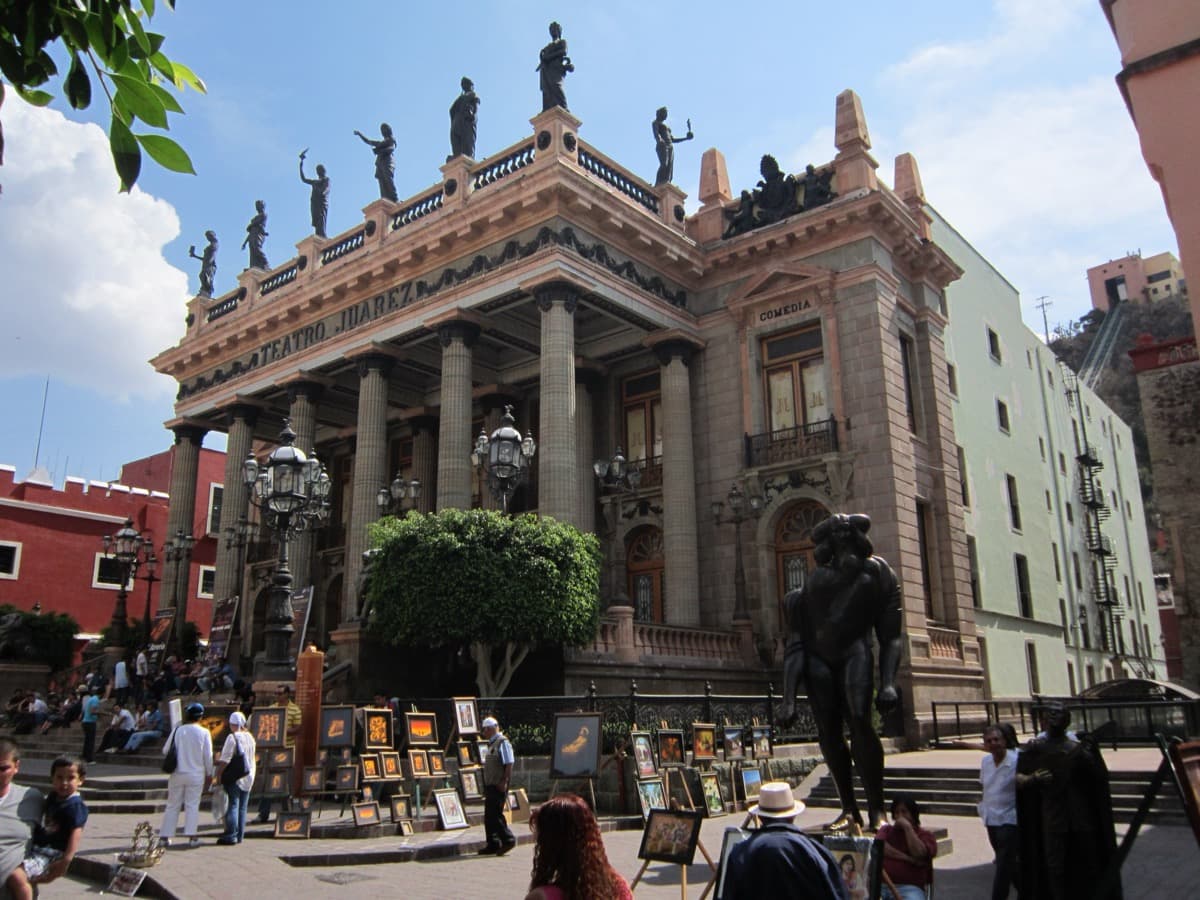
Teatro Juárez
Guanajuato's neoclassical jewel, inaugurated by dictator Porfirio Díaz in 1903, with a Moorish interior that rivals the Alhambra in decorative excess.
- 8
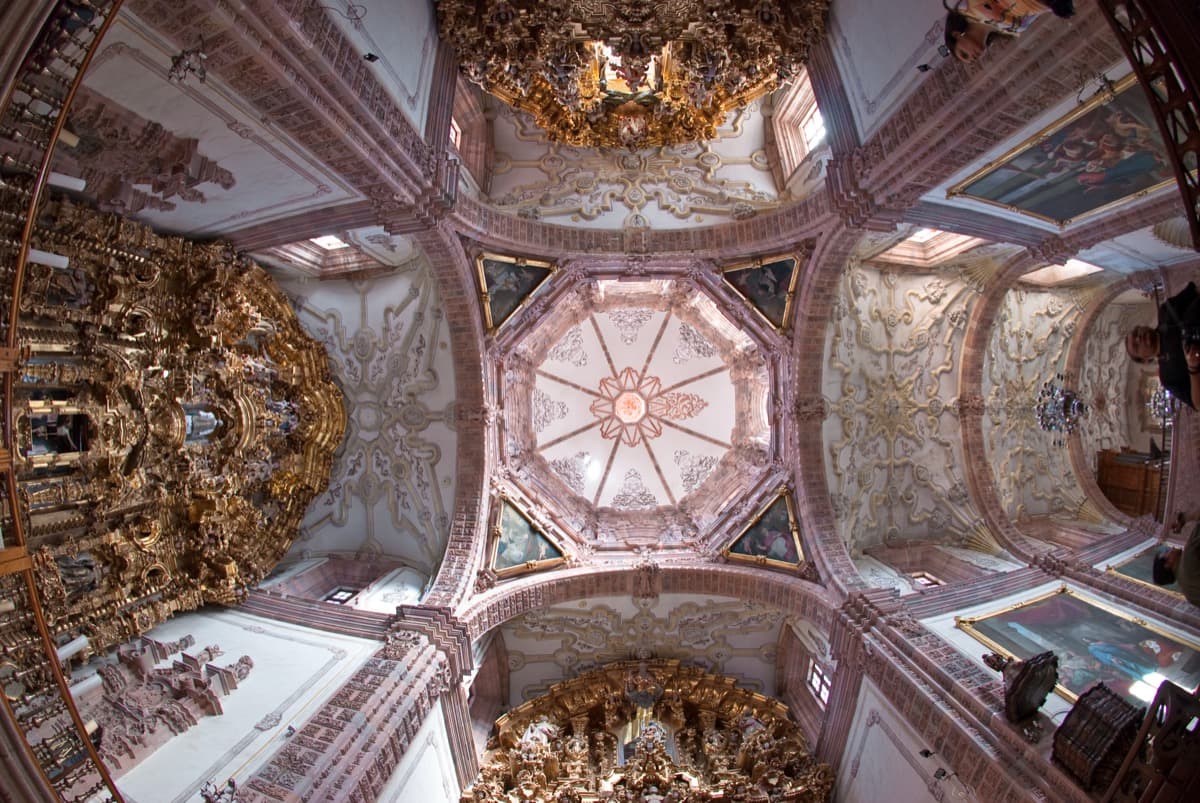
Templo de la Valenciana & La Valenciana Mine
The breathtaking Churrigueresque church and the entrance to what was once the richest silver mine in human history, producing two-thirds of the world's silver.
Details
Best Time to Visit
Weekday mornings between 9:00 and 11:00 AM are ideal — the light is warm on the colored facades, the callejones are not yet crowded, and you avoid the strongest midday sun on the uphill sections. The rainy season runs from June through September with afternoon showers — carry a light jacket during those months.
Pro Tips
- •Start at Presa de la Olla early while the park is quiet and the light is soft on the water.
- •Wear shoes with good grip — Guanajuato's cobblestones and staircases are slippery when wet, especially in the rainy season.
- •The climb to El Pípila is steep but a funicular railway runs from behind the Teatro Juárez if you prefer to save your knees.
- •Bring cash for the Valenciana mine descent and for street vendors — many do not accept cards.
- •The last stop at La Valenciana is about 2 km uphill from the city center — you can take a local bus or taxi if the walk is too much.
- •Try a guacamaya torta at Mercado Hidalgo before or after the tour — a local specialty of chicharrón, salsa, and lime on a crunchy roll.
Safety & Precautions
- •The terrain is steep and uneven throughout. This tour involves significant elevation changes and many staircases. Not recommended for anyone with serious mobility issues.
- •Stay hydrated. Guanajuato sits at 2,000 meters elevation and the sun is strong. Carry at least one liter of water.
- •Be cautious on the narrow callejones. Some have no sidewalks and vehicles squeeze through unexpectedly.
- •The Valenciana mine descent involves narrow, dimly lit tunnels with uneven surfaces. Skip it if you are claustrophobic.
Travel advisory: Exercise Increased Caution (Level 2).
Gallery
Related Reading
Go deeper on what you'll see, hear, and walk through.
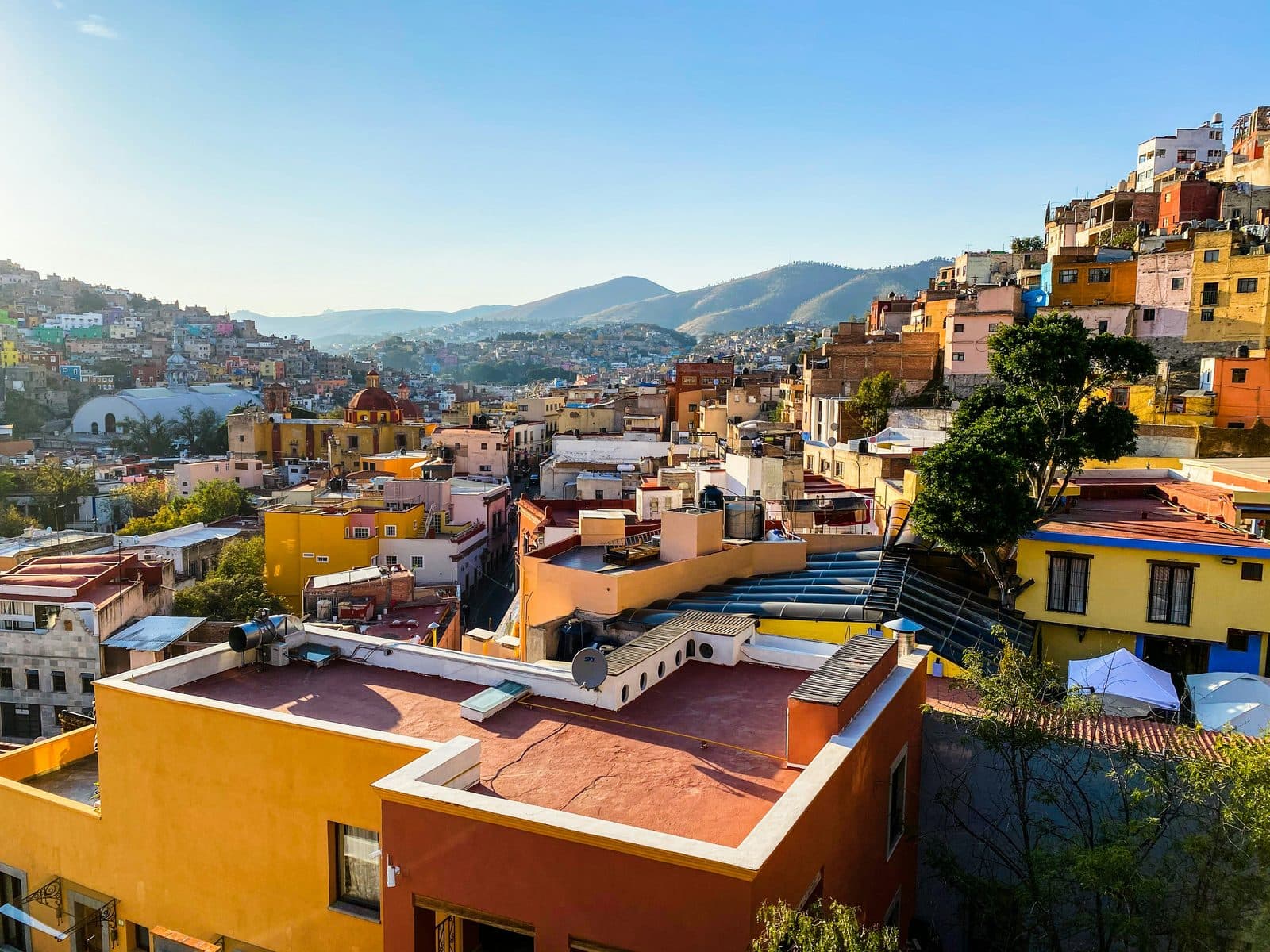
Read the walk
The full story of Silver, Blood & Independence, in words. Prefer to listen? Play it narrated, from home or on location.
Introduction
For two hundred and fifty years, the silver lifted out of the hills above Guanajuato funded the Spanish Empire. At one point in the late seventeen hundreds, this single ravine produced roughly sixty percent of the world's silver. The Crown's wealth, the Church's gold leaf, the marble plazas of Madrid, the cathedrals of Lima and Manila, all financed by what miners pulled out of these mountains.
Then in September of eighteen ten, in a granary on the main square, the silver town that built the Spanish Empire became the first place in Mexico where the Spanish Empire lost. That is the paradox. Both sides of the war were paid for from the same hole in the ground.
On September twenty-eighth, eighteen ten, ten days after the priest Miguel Hidalgo cried out for revolution in the town of Dolores, an insurgent army marched into Guanajuato. The Spanish defenders fled into a fortified granary called the Alhóndiga de Granaditas and sealed the doors. A young miner whose nickname was El Pípila strapped a flagstone to his back as a shield, crawled through musket fire, and set the wooden door on fire. Five hundred Spanish died inside. The revolution had its first victory.
The walk is eight stops, about three point two kilometres and one hundred minutes through Guanajuato's historic ravine in Mexico. The colonial dam that first tamed the river. The university and basilica the silver built. The plaza of peace. The granary where the war began. The hilltop monument to the miner who burned the door. And finally the mine itself, where the whole story started.
When you arrive at the Presa de la Olla, begin with stop one.
1. Presa de la Olla
You are standing at the Presa de la Olla, the Dam of the Pot, and this is where the story of Guanajuato's survival begins. Before this dam was built in 1749, the city was at the mercy of the river that carved the canyon. Every rainy season, floodwaters roared through the narrow streets, destroying homes and drowning miners. The Spanish authorities realized that if they wanted to keep extracting silver, and they very much did, they needed to control the water.
The dam you see was engineered by the colonial government and built largely with indigenous labor. It is a graceful stone arc, about fifteen meters high, that turned a wild arroyo into this tranquil reservoir. The park that surrounds it became the place where Guanajuato's elite came to promenade, the silver barons, the mine owners, the Spanish-born peninsulares who controlled the wealth.
Look at the water and the hills behind it. Those hills are riddled with mine shafts, over a thousand of them within a few kilometers of where you stand. The silver veins that run through this geology are part of the Sierra Madre Occidental, and they are among the richest mineral deposits ever discovered. When the Spanish arrived in the fifteen forties, local indigenous peoples, the Chichimecas, had no interest in the silver. They valued obsidian, not metal. The Spanish saw something entirely different, and within a generation, this empty canyon was one of the wealthiest places in the Americas.
Every year on the first Monday of July, this dam hosts a massive celebration with fireworks reflected in the water, a tradition that dates back to the colonial period. The city was giving thanks. Thanks for silver. Thanks for survival.
2. University of Guanajuato
Now we head into the historic center. Look up. That massive white staircase climbing the hillside, that is the University of Guanajuato, and it is one of the most recognizable buildings in all of Mexico. The staircase alone has one hundred and thirteen steps, and students have been climbing them since the Jesuits founded this institution in 1732 as the Hospicio de la Santísima Trinidad.
The Jesuits were the great educators of colonial Latin America, and they established this school to train the sons of Guanajuato's mining elite. But in 1767, King Carlos the Third expelled every Jesuit from the Spanish Empire, one of the most dramatic power moves in colonial history. Overnight, thousands of Jesuits across the Americas were rounded up and shipped back to Europe. Their properties, including this school, were seized by the Crown.
The building was repurposed multiple times before becoming a full university in 1945. The current neoclassical facade, that imposing green stone front with Moorish-influenced arches, was completed in 1955. But the staircase predates the facade by centuries. It was always the point. In a city where everything is vertical, the ability to build a grand entrance climbing an entire hillside was a statement of power and permanence.
Today the university is home to about fifteen thousand students, and it is the cultural engine of the city. Its music department supplies many of the performers for the Festival Internacional Cervantino, which fills Guanajuato every October. The estudiantinas, student musical groups dressed in medieval costumes, originated here and now lead callejoneadas through the city's alleys every weekend, singing and drinking and keeping a tradition alive that connects directly back to the student culture of eighteenth-century Spain.
3. Basílica de Nuestra Señora de Guanajuato
Step toward the church. This yellow baroque church in front of you is the Basílica de Nuestra Señora de Guanajuato, and inside it sits an object that connects this remote mining canyon directly to the court of the most powerful monarch in the sixteenth-century world. The wooden statue of the Virgin Mary on the altar was a personal gift from King Philip the Second of Spain, sent to Guanajuato in 1557 to protect the miners who were filling his treasury.
Think about that timeline. The city had barely existed for three years, and already the King of Spain was sending gifts. That tells you everything about how important Guanajuato's silver was to the Crown. Philip the Second was building the Escorial, fighting wars across Europe, and assembling the Spanish Armada, all of it funded in part by the silver flowing from this canyon.
The statue itself is believed to date to the seventh century, possibly carved in Granada before the Moorish conquest. If that dating is accurate, it would make this the oldest piece of Christian art in all of Mexico, a relic that traveled from Visigothic Spain to the heart of the New World. The Virgin was hidden in a cave in Spain for eight hundred years during the Moorish period before being rediscovered and eventually sent across the Atlantic.
The current basilica was built between 1671 and 1696, replacing an earlier chapel. Its vivid yellow facade, painted in a hue locals call amarillo Guanajuato, has become one of the city's defining colors. The interior is relatively restrained for a baroque church, because the real treasure is that single wooden figure on the altar. Every year on August 9th, the statue is paraded through the streets in a celebration that has continued unbroken since the sixteenth century.
4. Plaza de la Paz
Walk on into the plaza. You have stepped into the Plaza de la Paz, the Plaza of Peace, and the irony of that name will become clear when we reach our next stop. This elegant triangular space was the political and social center of colonial Guanajuato, the place where the silver…
Full narration for this stop unlocks with the tour.
5. Alhóndiga de Granaditas
And here we are at the Alhóndiga. The building in front of you is the Alhóndiga de Granaditas, and what happened here on September 28th, 1810 changed the course of Mexican history. This was a granary, a massive stone warehouse built in 1809 to store grain, and on that September…
Full narration for this stop unlocks with the tour.
6. El Pípila Monument
Now climb up to El Pípila. You have earned this view. The climb to El Pípila is steep, but look at what you get, the entire city of Guanajuato spread out below you, filling the canyon from wall to wall in a riot of color that has no equivalent anywhere in the Americas. From up…
Full narration for this stop unlocks with the tour.
7. Teatro Juárez
Walk on toward the theater. You are standing before the Teatro Juárez, and this building is a monument to the contradictions of Mexican history. It was inaugurated on October 27th, 1903 by President Porfirio Díaz, the dictator who modernized Mexico at the cost of democracy and…
Full narration for this stop unlocks with the tour.
8. Templo de la Valenciana & La Valenciana Mine
And for our final stop, we head to the mine itself. You have reached the summit of our tour, both literally and figuratively. The Templo de San Cayetano de la Valenciana is one of the finest examples of Churrigueresque architecture in all of Mexico, and it sits directly above…
Full narration for this stop unlocks with the tour.