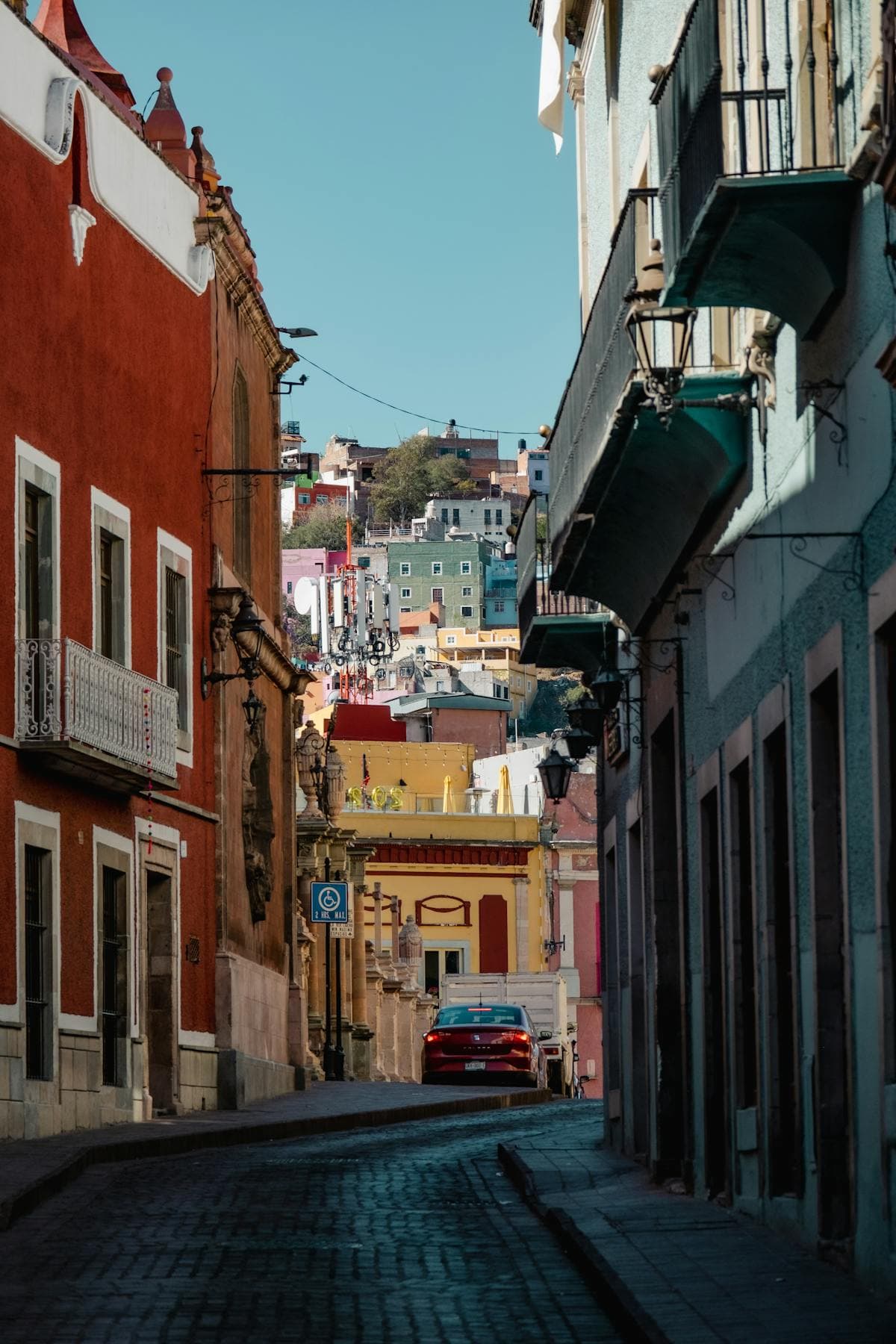
Kiss in an alley sixty-eight centimeters wide, meet one hundred and eleven mummies who refused to stay buried, and descend into tunnels where a river once flowed — this is Guanajuato after dark, where every shadow has a story.
Start · Callejón del Beso
DirectionsStops
- 1
Callejón del Beso
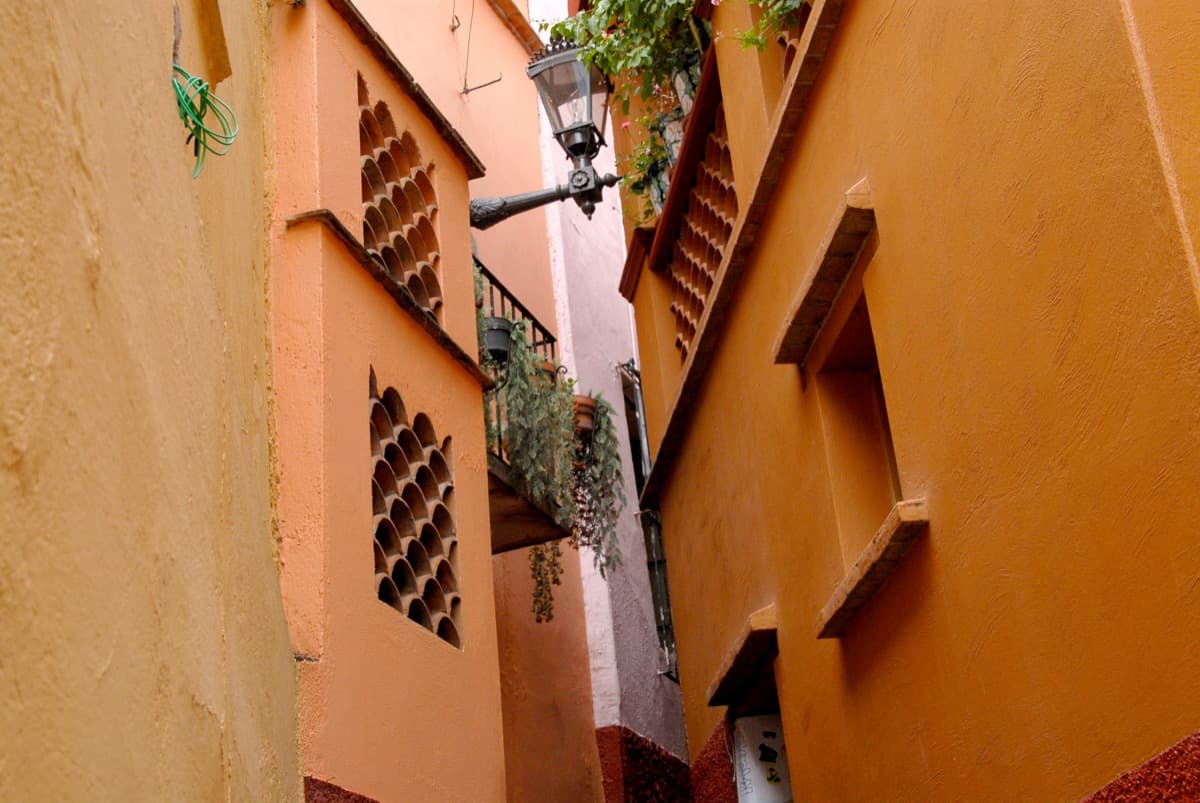
The Alley of the Kiss — just 68 centimeters wide, where a Romeo and Juliet legend draws couples from around the world to kiss from opposing balconies.
- 2
Plaza San Roque
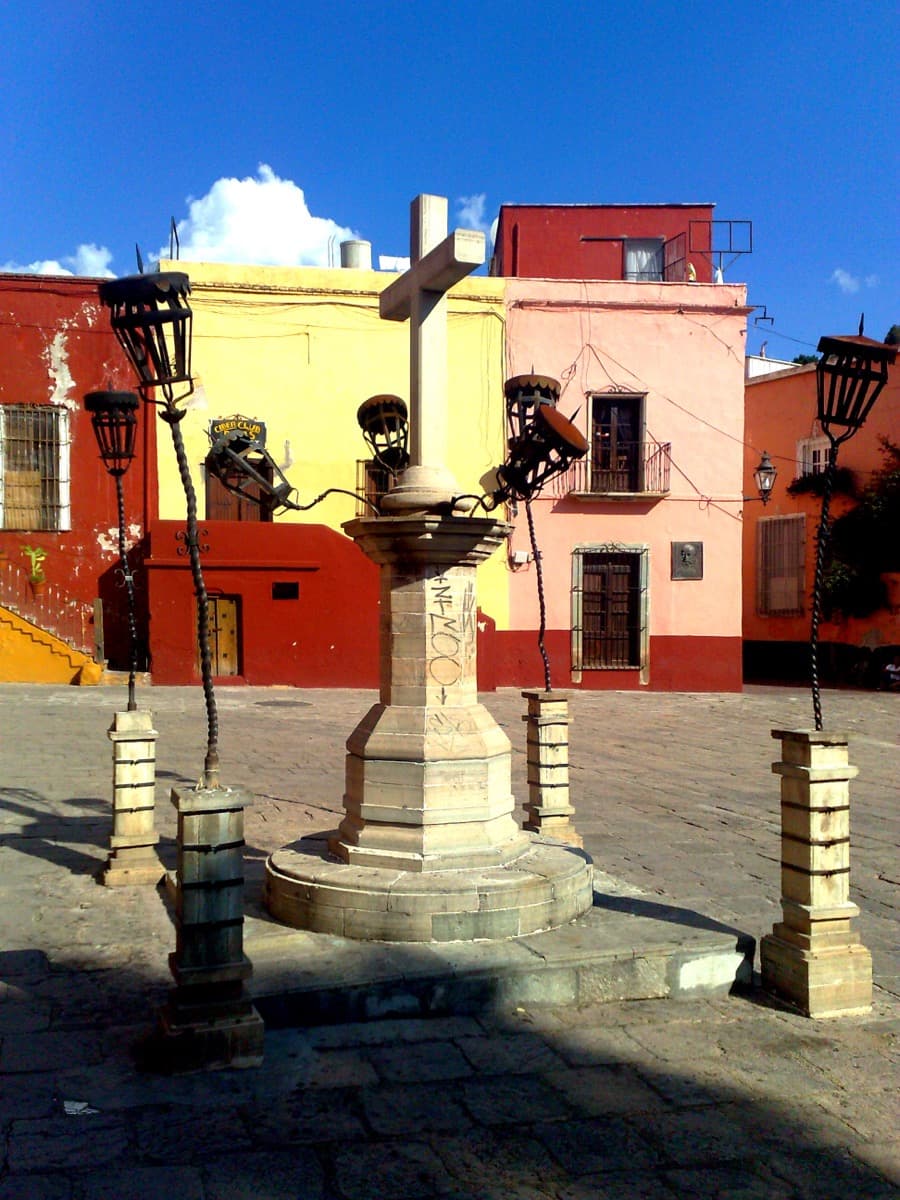
A former cemetery turned open-air theater, where student performances of Cervantes' plays in the 1950s sparked what became the largest performing arts festival in Latin America.
- 3
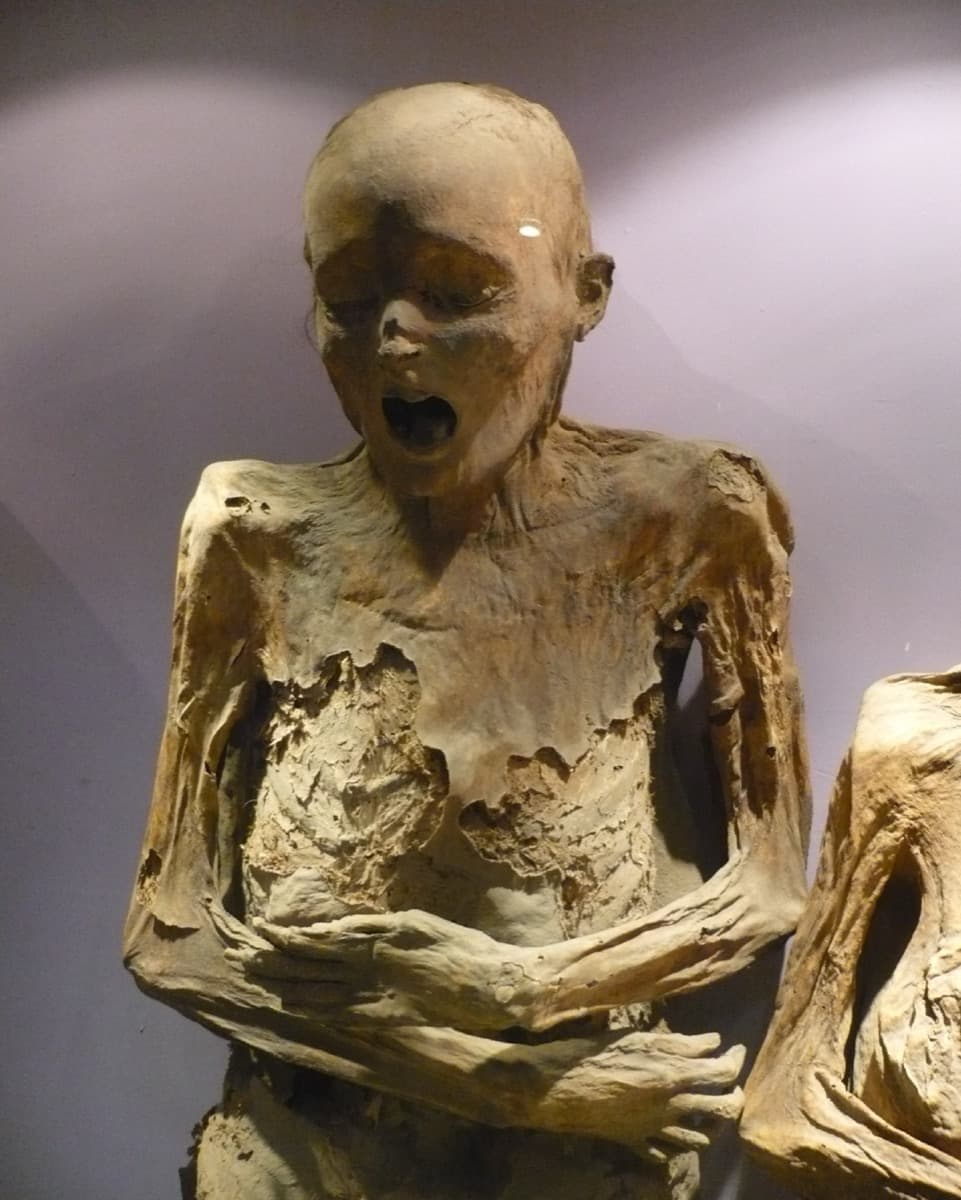
Museo de las Momias
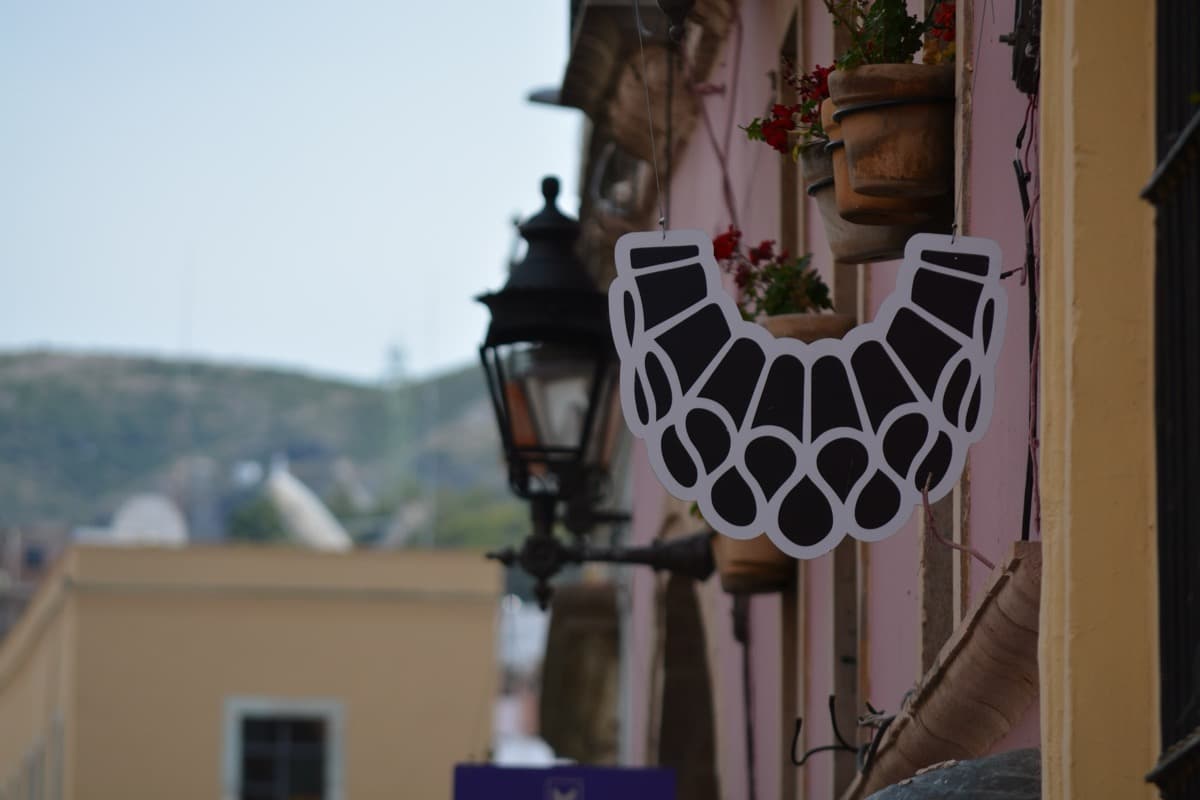
Home to 111 naturally mummified bodies exhumed from the local cemetery — victims of cholera, burial alive, and a grave tax that unearthed the dead.
- 4
Panteón de Santa Paula
The cemetery from which the mummies were exhumed — still active, still atmospheric, and still holding secrets beneath its stone slabs.
- 5
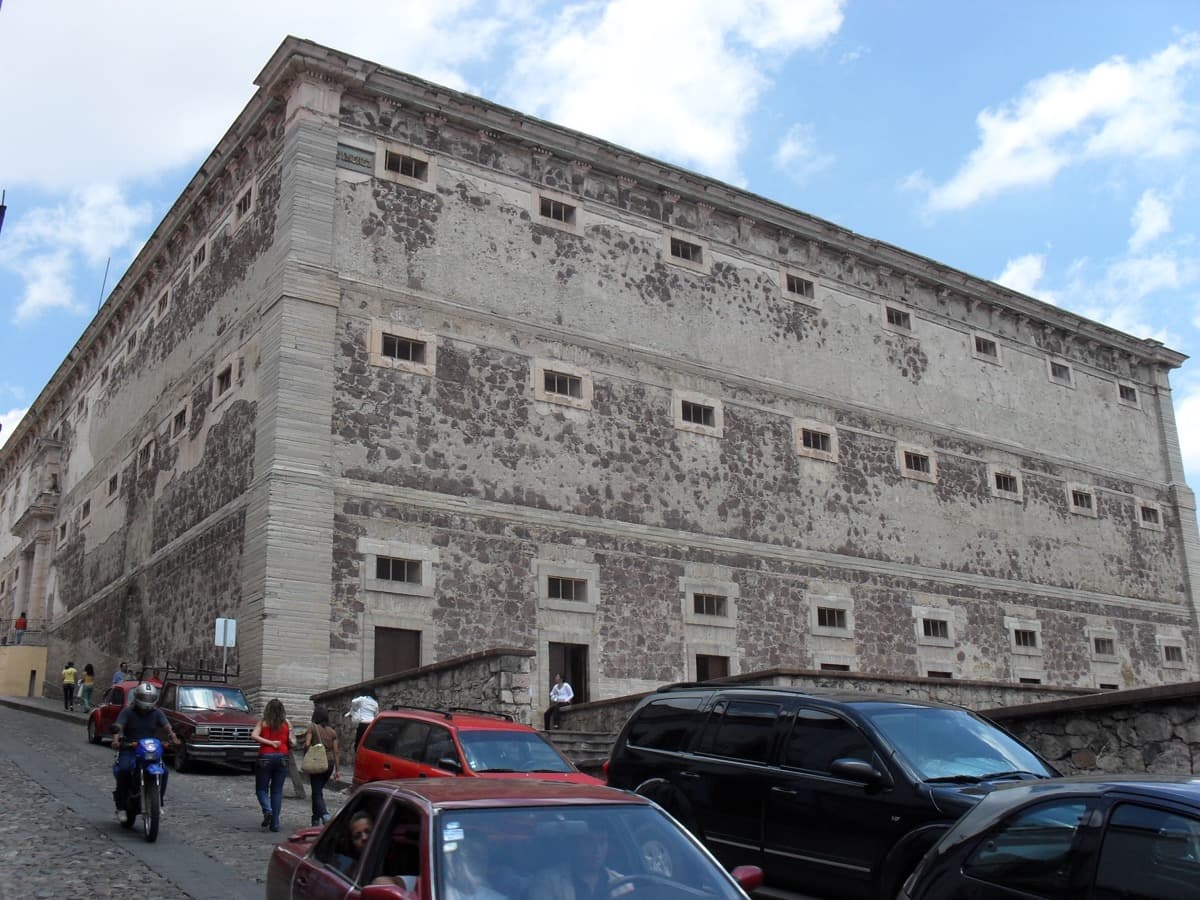
Alhóndiga de Granaditas (Exterior)
The massive granary where rebel leaders' severed heads hung in iron cages for ten years — seen from outside, where the ghost stories begin.
- 6
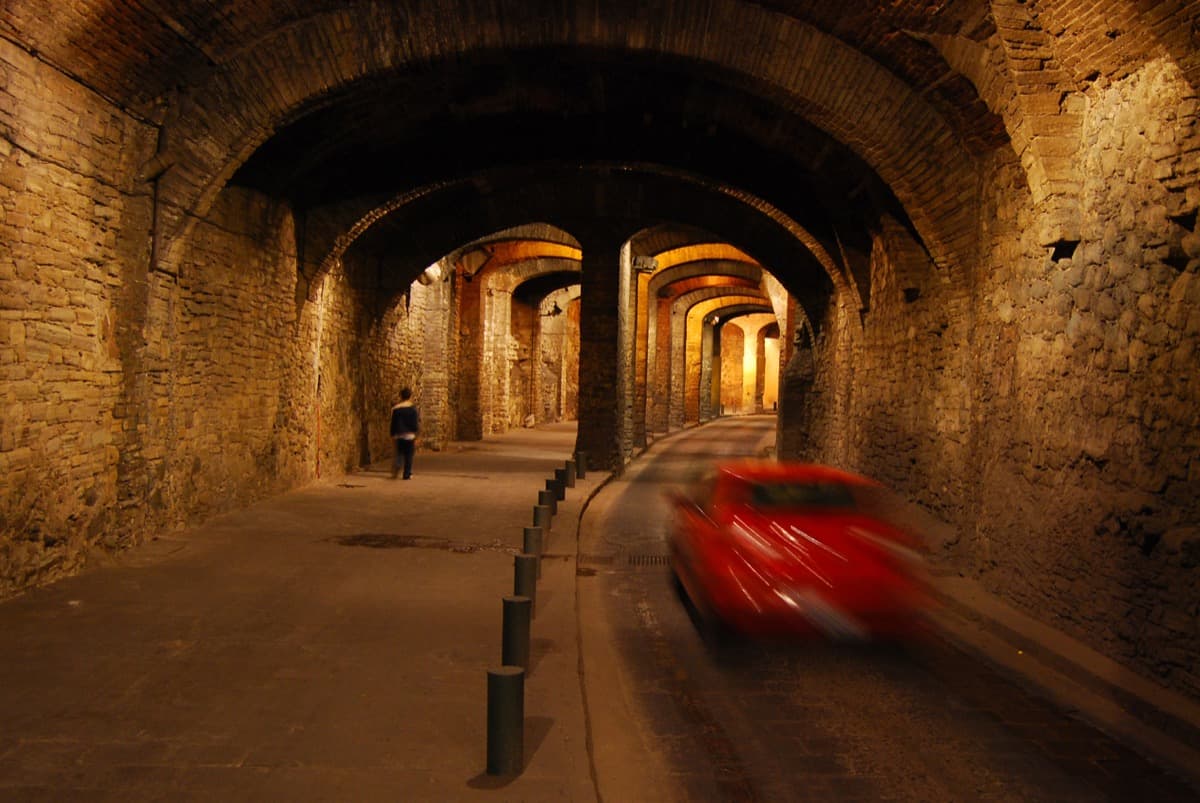
Underground Tunnels Entrance
The entrance to Guanajuato's nine-kilometer network of underground roads — former river channels turned subterranean highways, unique in the world.
- 7
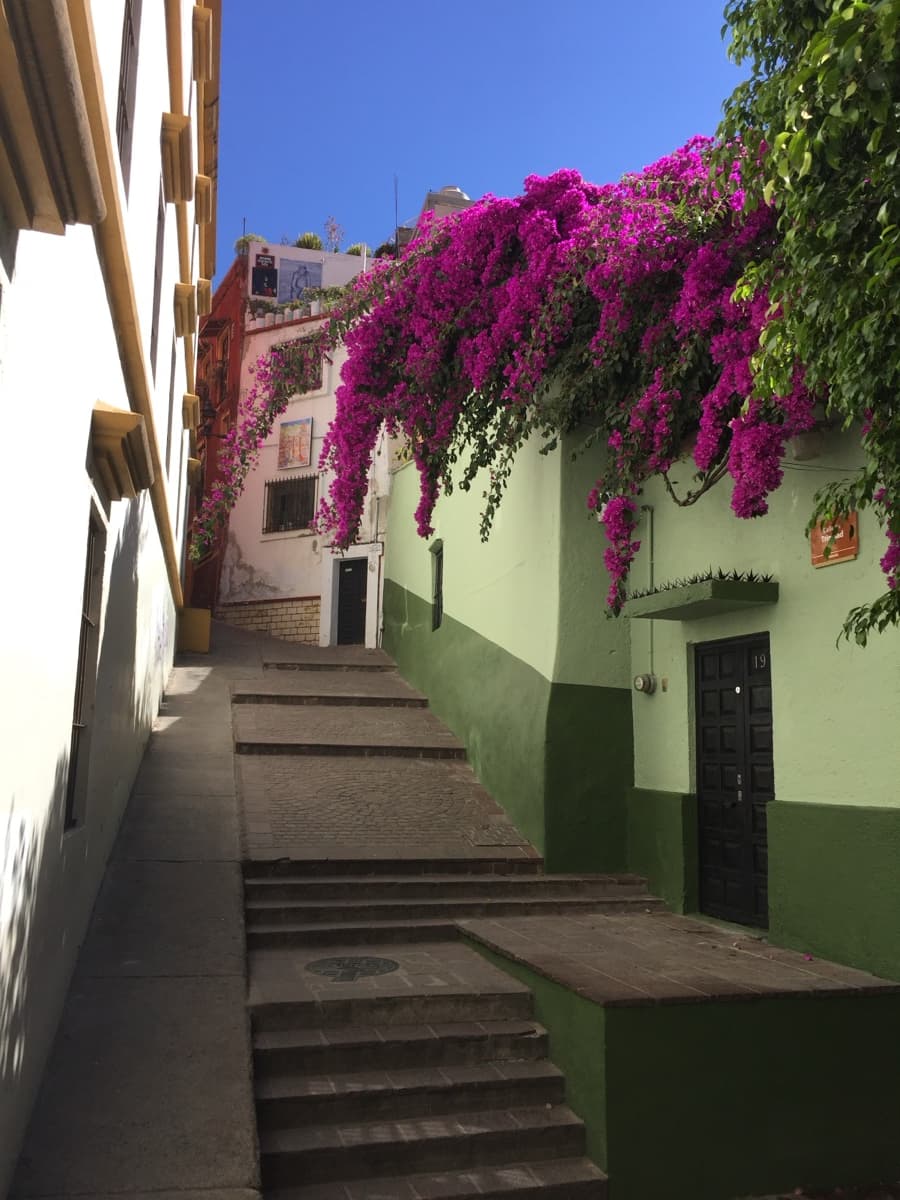
Callejón de los Muertos
The Alley of the Dead — a dark, narrow passage with a legend of plague victims whose bodies were stacked in doorways when the cemetery ran out of space.
- 8
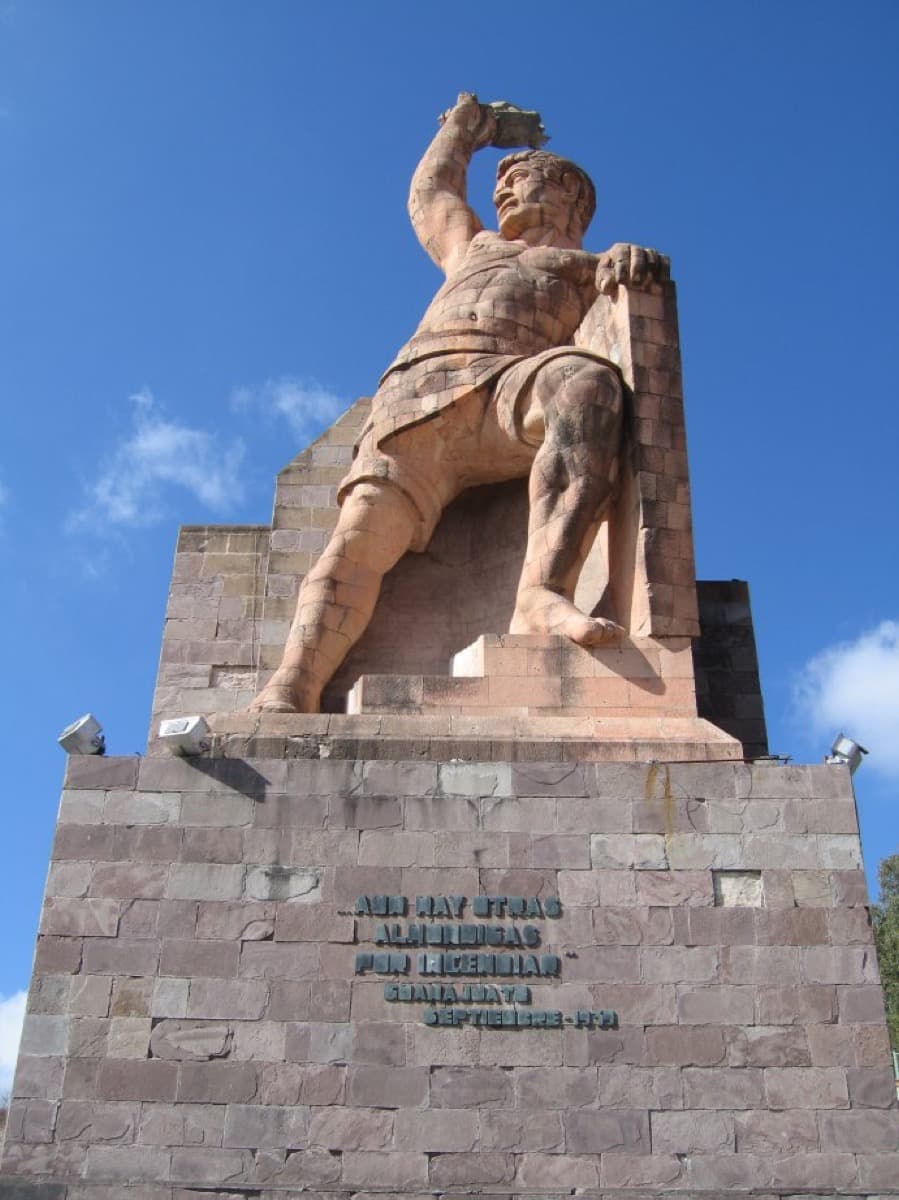
El Pípila at Dusk
The hilltop monument at golden hour — where the city lights up below and all the stories of love, death, and revolution come together in one breathtaking panorama.
Details
Best Time to Visit
Late afternoon, starting around 4:00 PM, is ideal — you walk through the alleys in the softening light and arrive at El Pípila for sunset. The Mummy Museum is open until 6:00 PM most days. During the Festival Cervantino in October, the evening atmosphere is at its peak but crowds are intense.
Pro Tips
- •Time the tour to arrive at El Pípila for sunset — the panoramic view at dusk is the emotional climax and worth planning around.
- •The Mummy Museum can be disturbing — decide in advance whether you want to enter, especially if traveling with children.
- •Join a callejoneada after the tour for the full experience — student troupes depart from near the Jardín de la Unión most evenings around 8:00 PM.
- •Bring a light jacket — the callejones lose their sun early and temperatures drop quickly after sunset at this altitude.
- •The underground tunnels have pedestrian sections but also vehicle traffic — stay close to the walls and watch for cars.
- •A small flashlight or phone light is useful for the darker callejones, especially if you walk back from El Pípila after dark.
Safety & Precautions
- •Some alleys are narrow, steep, and poorly lit. Watch your footing, especially after rain when cobblestones become slippery.
- •The Mummy Museum contains graphic displays including mummified infants and a woman believed to have been buried alive. It is not suitable for all visitors.
- •Be aware of your surroundings in the darker callejones after sunset. Stick to well-traveled routes and consider walking with others.
- •The climb to El Pípila involves a moderate uphill walk. A funicular is available if needed.
Travel advisory: Exercise Increased Caution (Level 2).
Gallery
Related Reading
Go deeper on what you'll see, hear, and walk through.
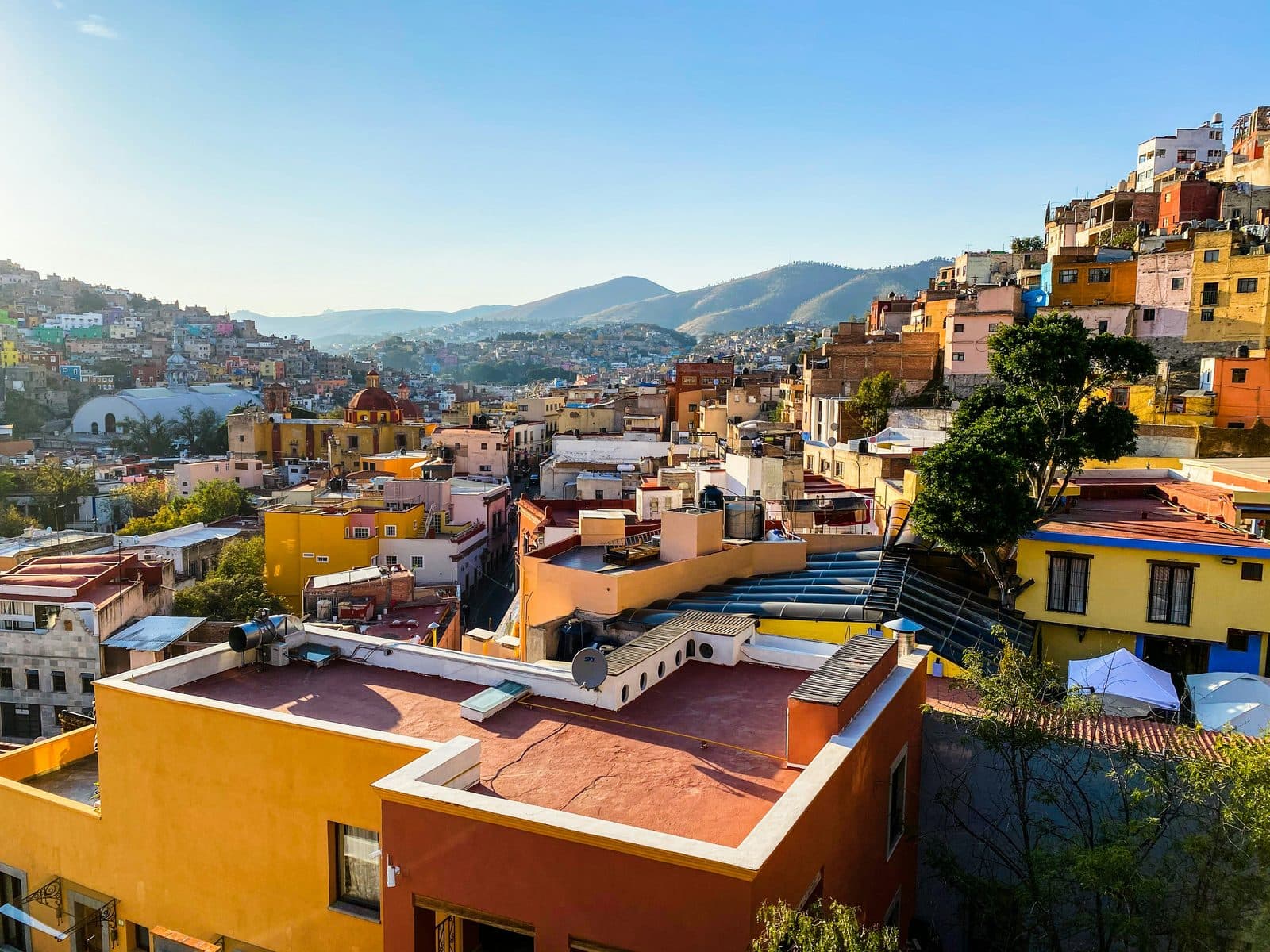

Read the walk
The full story of Legends of the Callejones, in words. Prefer to listen? Play it narrated, from home or on location.
Introduction
There is an alley in Guanajuato where two walls stand sixty-eight centimetres apart. You can lean out of one second-floor balcony and kiss someone leaning out of the second-floor balcony opposite, which is exactly how that alley got its name. That alley exists because the city had nowhere else to put it.
The thesis is geometric, not supernatural. Guanajuato's ghost stories are byproducts of the architecture. The city was forced into a ravine too tight for a grid, so it grew as callejones, alleys that twist and fork and climb and dead-end at a wall. In an alley, the city is closer to your body than anywhere else in Mexico. The legends followed.
The Alley of the Kiss exists because the alley is genuinely sixty-eight centimetres wide. The Mummies of Guanajuato exist because the soil chemistry of the local cemetery dehydrates bodies, and a nineteenth-century burial tax evicted unpaid graves. The underground tunnels exist because the river kept flooding the city until twentieth-century engineers diverted it under the streets. Every legend in Guanajuato is the byproduct of being built into a canyon.
The walk is eight stops, about two point five kilometres and ninety minutes through the historic centre of Guanajuato, Mexico. The Alley of the Kiss. The plaza where Cervantes comes alive every year. The cemetery where the mummies came from. The underground tunnels that used to be a river. The iron cages that once held the severed heads of the independence leaders. And the hilltop where the whole ravine glows orange at sunset.
When you arrive at the Callejón del Beso, begin with stop one.
1. Callejón del Beso
You are standing at the entrance to the Callejón del Beso, the Alley of the Kiss, and it is exactly as narrow as it sounds. At its tightest point, this alley is just sixty-eight centimeters wide. You could stretch out your arms and touch both walls. And the balconies on the second floor are so close that two people standing on opposite sides can lean forward and kiss.
Which brings us to the legend. In the colonial period, a young woman named Doña Carmen lived in one of these houses with her wealthy, controlling father. She fell in love with a poor miner named Don Carlos. Her father forbade the relationship, threatened to send her to a convent, and eventually locked her in her room. But Don Carlos rented the house directly across the alley, the one with the balcony just centimeters away from hers, and every night the two lovers would meet at their balconies and kiss across the gap.
It ended the way these stories always end. Her father discovered them. In a rage, he stabbed his daughter through the heart. Don Carlos, watching from his balcony, could only kiss her lifeless hand as she slumped against the railing. He was found dead the next morning, some say from grief, others say by his own hand.
Today, couples line up to stand on the third step of the alley and kiss. The tradition says that if you kiss on that step, you will have seven years of happiness. If you refuse, you will have seven years of bad luck. Watch the line, it moves slowly because everyone wants their photo. The legend may be embellished or even invented, but the alley is real, the distance is real, and the idea that love could bridge a gap this small and still end in tragedy, that feels very Guanajuato.
2. Plaza San Roque
Step on toward Plaza San Roque. This small, sloping plaza with its worn stone steps and shaded corners is Plaza San Roque, and it has an extraordinary double life. For most of the year it is a quiet neighborhood square. But every October, during the Festival Internacional Cervantino, it transforms into one of the most important open-air theaters in the Americas.
The story begins in the early nineteen fifties, when a young theater professor at the University of Guanajuato named Enrique Ruelas began staging short plays, entremeses, by Miguel de Cervantes right here in this plaza. Cervantes, the author of Don Quixote, also wrote these brief comic interludes, and Ruelas realized that the intimate scale of Plaza San Roque was the perfect stage. No curtain, no lighting rigs, just actors performing among the audience in a space that could have existed in Cervantes' own time.
Those student performances were so successful that they grew into the Festival Internacional Cervantino, which today is the largest performing arts festival in Latin America. Every October, the festival brings over five hundred thousand visitors to Guanajuato, filling every theater, plaza, and alleyway with music, dance, theater, and visual art from around the world. But it all started here, in this unassuming plaza, with a handful of students performing four-hundred-year-old Spanish comedies.
Before it was a theater, this plaza was a cemetery. The Templo de San Roque, the small church at the top of the steps, dates to the early colonial period, and burials took place in the churchyard for centuries. When you sit on these stone steps during a Cervantes performance, you are sitting on ground that held the dead long before it held an audience.
3. Museo de las Momias
Now we walk to the museum. What you are about to see is not for everyone, and I want to be honest about that before you walk through that door. The Museo de las Momias, the Mummy Museum, contains one hundred and eleven naturally mummified human bodies, including infants and children, displayed in glass cases. Some have expressions frozen on their faces. Some still have hair, fingernails, and clothing. One woman was almost certainly buried alive, her arms are raised and her mouth is open in what appears to be a scream.
Here is why these bodies exist. In 1833, a cholera epidemic swept through Guanajuato and killed hundreds of people in a matter of weeks. The dead were buried quickly in the Panteón de Santa Paula, the cemetery next door. Decades later, the municipal government imposed a grave tax, families had to pay a fee to keep their relatives buried. Those who could not pay had their loved ones exhumed. When the gravediggers opened the crypts, they discovered something extraordinary: many of the bodies had not decomposed. The combination of Guanajuato's dry climate, mineral-rich soil, and the airtight stone crypts had naturally mummified them.
The first mummies were exhumed in 1865, and by the early twentieth century, someone had the idea to put them on display. Today the museum is one of the most visited attractions in all of Mexico, drawing over six hundred thousand visitors a year. It is also one of the most controversial, critics argue that displaying human remains for entertainment is disrespectful, while defenders say the museum preserves an important piece of Guanajuato's cultural relationship with death.
The smallest mummy is a fetus. The oldest is believed to be a French doctor who was practicing in Guanajuato during the cholera epidemic. Between them lies a cross-section of nineteenth-century Mexican life, miners, women, children, foreigners, all preserved by an accident of geology.
4. Panteón de Santa Paula
Step into the cemetery itself. You are now standing at the Panteón de Santa Paula, the cemetery where every one of those mummies was once buried. This is the other side of the story, the side that most tourists skip because the museum is more dramatic. But this cemetery deserves…
Full narration for this stop unlocks with the tour.
5. Alhóndiga de Granaditas (Exterior)
Walk on toward the granary. You have seen the Alhóndiga de Granaditas from afar if you have been walking the city. Now look at its corners. Do you see the iron hooks? Those hooks held cages. And those cages held heads. We covered the battle in the history tour, but the legend…
Full narration for this stop unlocks with the tour.
6. Underground Tunnels Entrance
Now look down. Look down. You are about to enter a world that exists nowhere else on Earth. Beneath the streets of Guanajuato lies a network of tunnels, over nine kilometers of them, that were once the channels of the Río Guanajuato and are now functioning roads with traffic,…
Full narration for this stop unlocks with the tour.
7. Callejón de los Muertos
Step into the next alley. You have entered the Callejón de los Muertos, the Alley of the Dead, and if the name does not make you pause, the atmosphere will. This is one of the narrowest and most dimly lit alleys in the city, hemmed in by tall buildings on both sides that block…
Full narration for this stop unlocks with the tour.
8. El Pípila at Dusk
And for our final stop, climb up to the viewpoint. We end where the light ends. You are standing at the El Pípila monument as the sun drops behind the hills, and what happens next is one of the great spectacles in all of Mexico. The city below you is about to light up. Watch.…
Full narration for this stop unlocks with the tour.