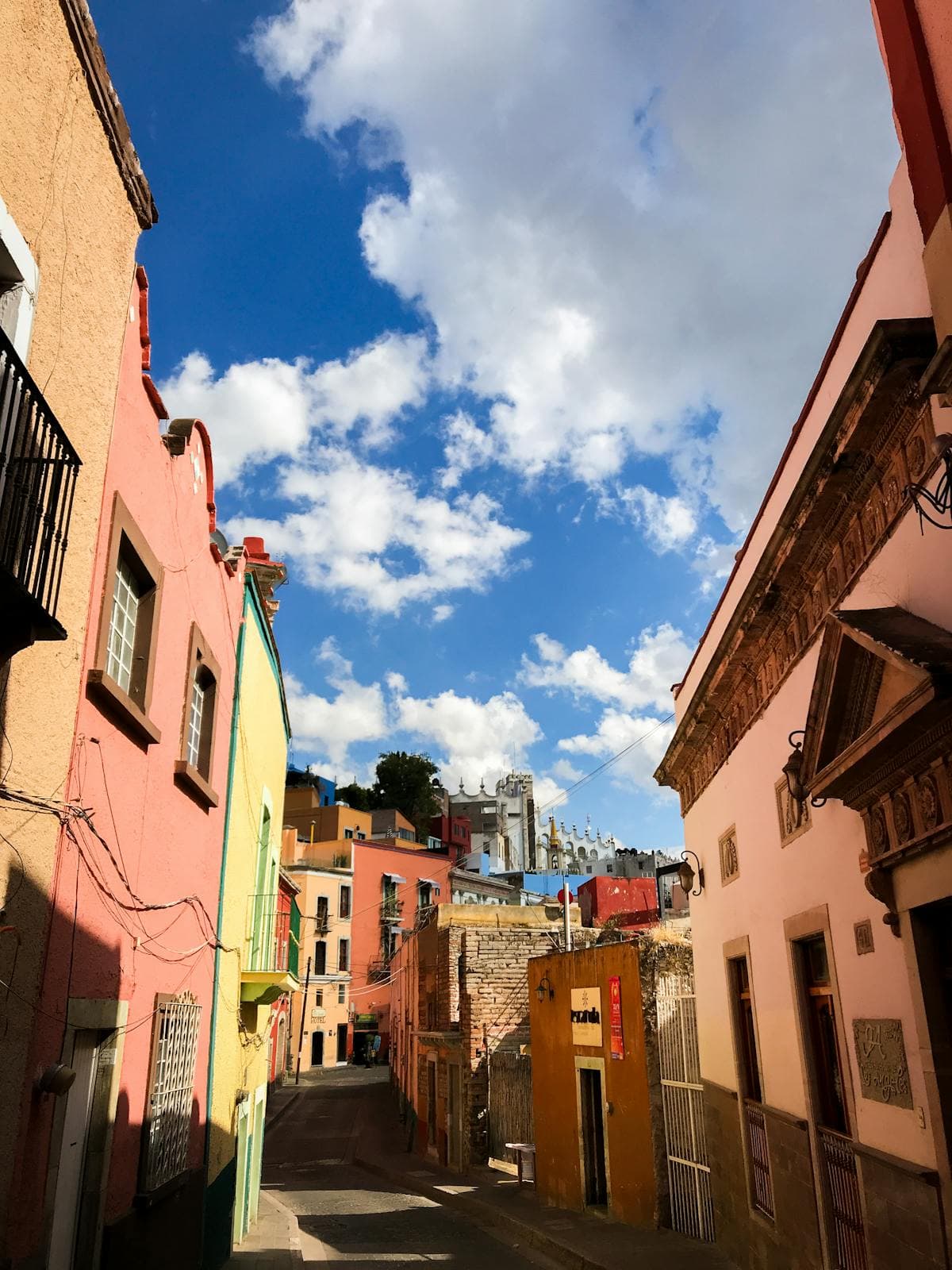
From the house where Diego Rivera first picked up a crayon to the world's only museum dedicated to Don Quixote — explore the artistic soul of Mexico's most colorful city, where muralism, literature, and food collide in a canyon painted every shade of the imagination.
Start · Museo Casa Diego Rivera
DirectionsStops
- 1
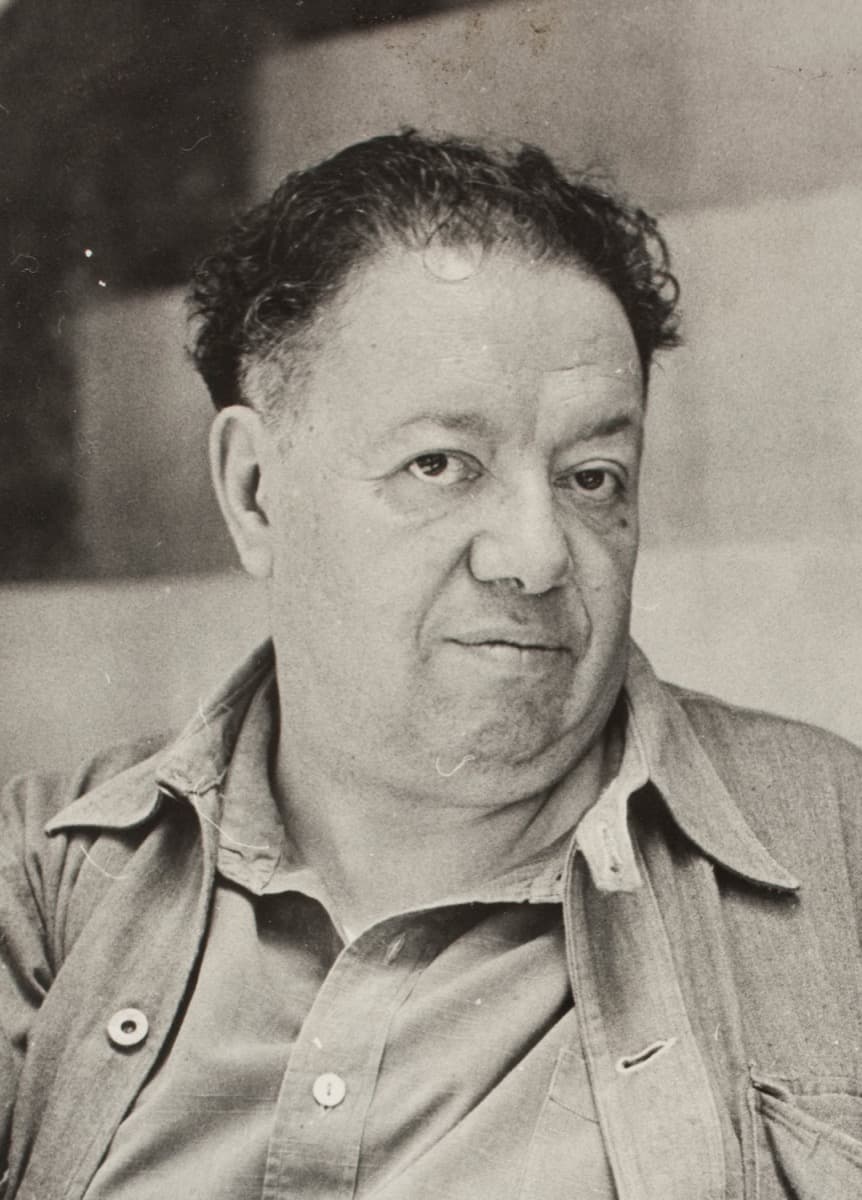
Museo Casa Diego Rivera
The birthplace and childhood home of Diego Rivera, Mexico's greatest muralist — now a museum housing his earliest sketches and family artifacts.
- 2
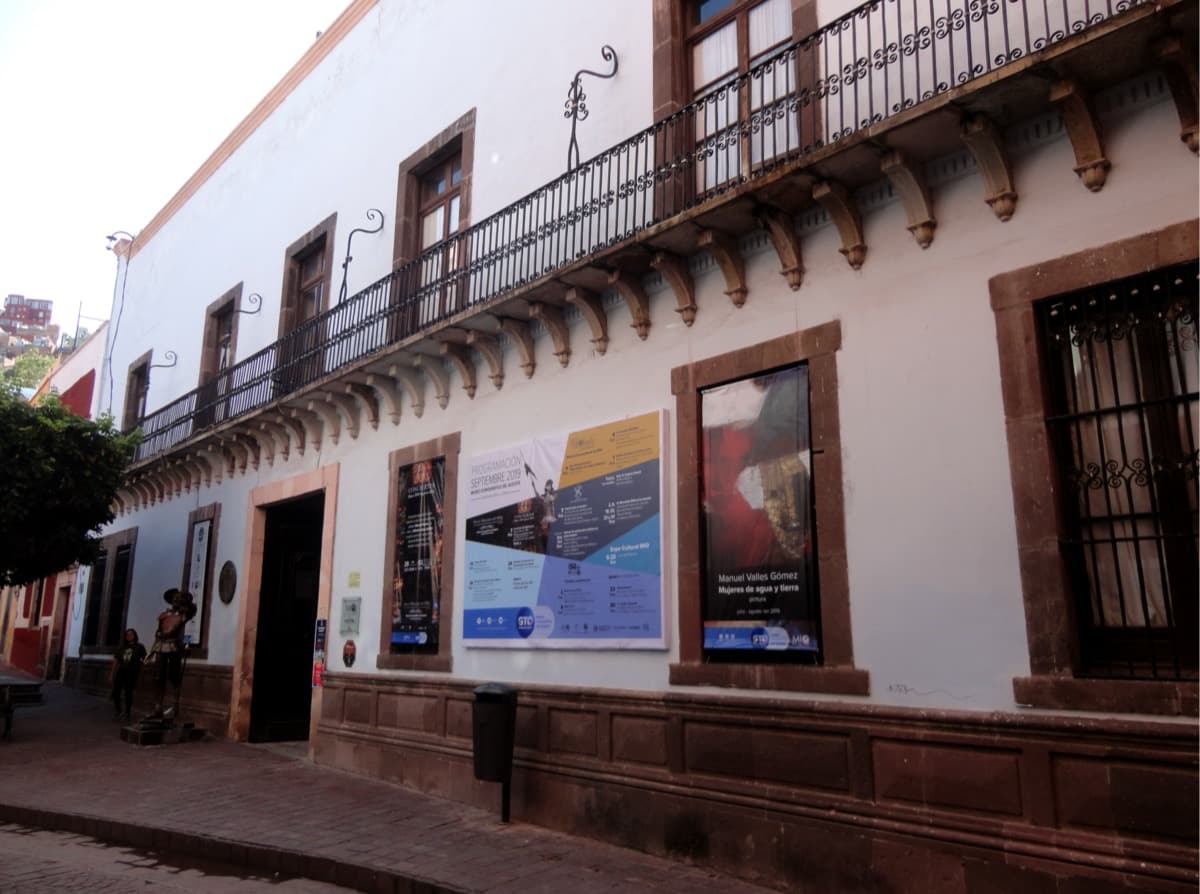
Museo del Pueblo de Guanajuato
A colonial mansion turned art museum, housing everything from 17th-century religious paintings to provocative contemporary installations.
- 3
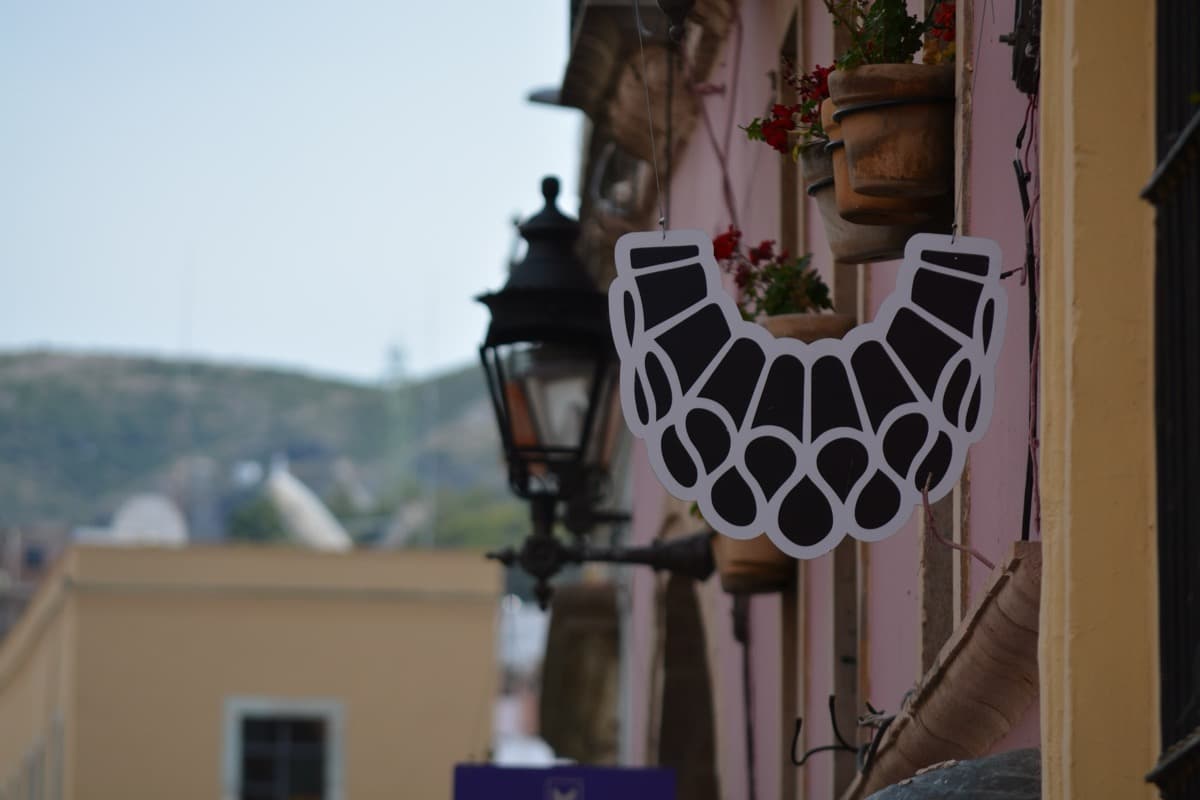
Museo Iconográfico del Quijote
The world's only museum dedicated entirely to Don Quixote — over 800 works depicting Cervantes' knight-errant across paintings, sculptures, stamps, clocks, and every medium imaginable.
- 4
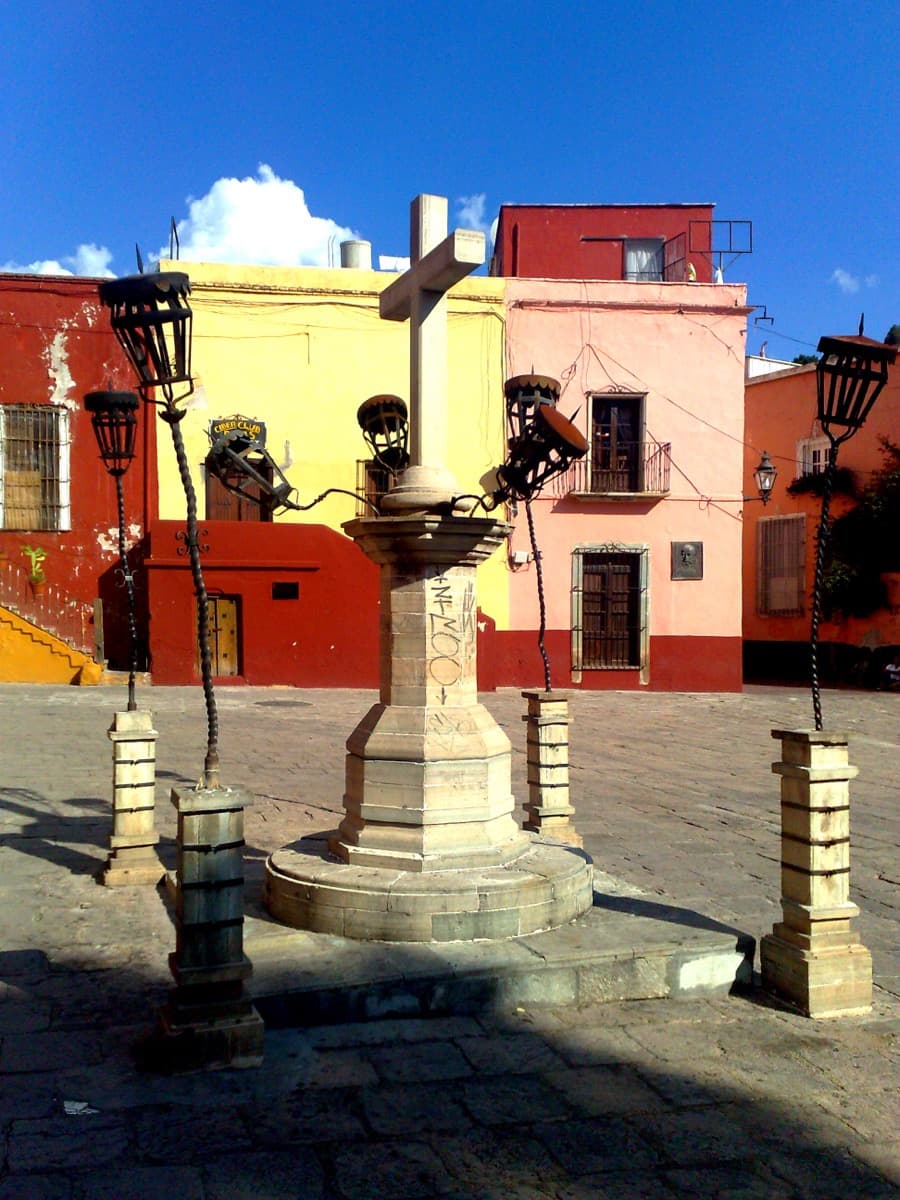
Plaza San Roque
The intimate stone plaza where university students first staged Cervantes' plays in the 1950s, accidentally creating the seed of the world's largest Spanish-language arts festival.
- 5
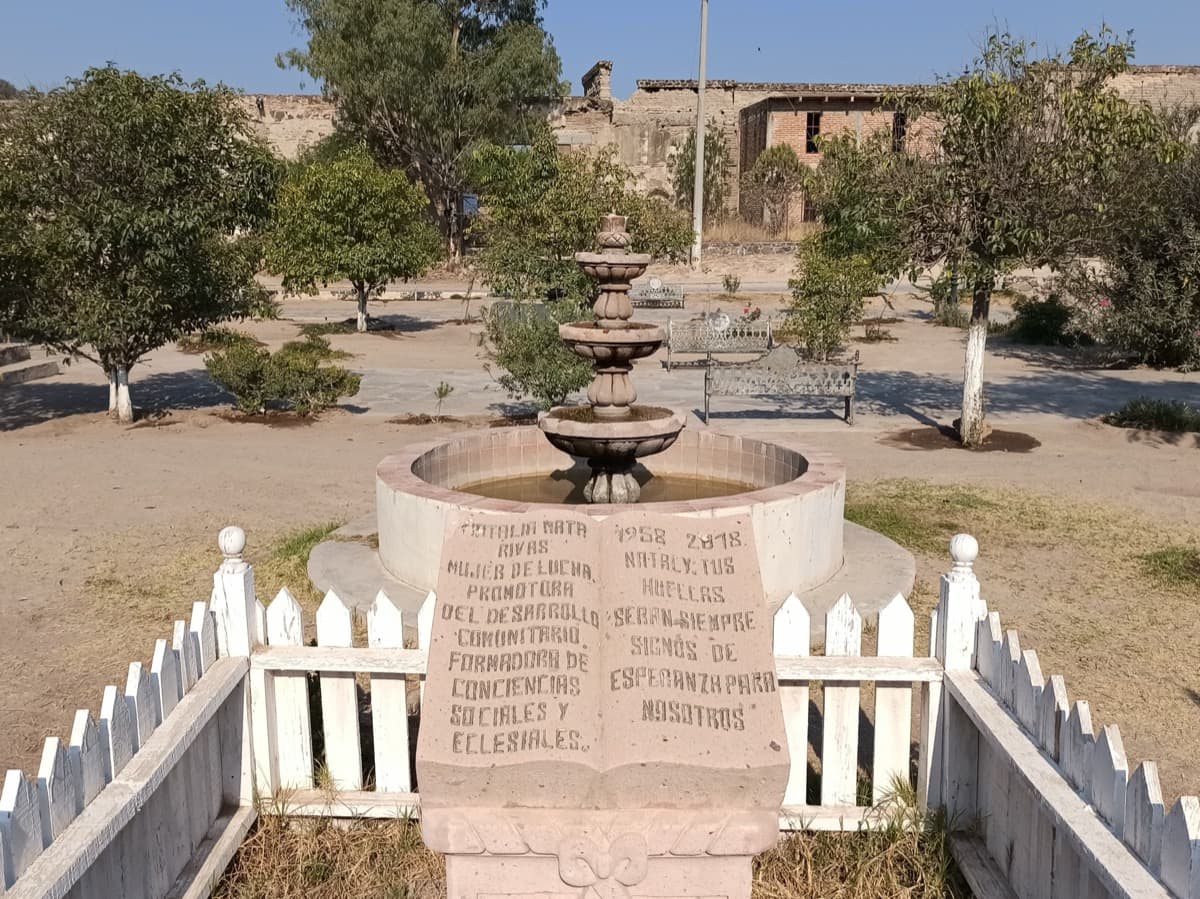
Jardín de la Unión
Guanajuato's social heart — a triangular garden with laurel trees, a bandstand, and the perpetual hum of live music, conversation, and the clinking of mezcal glasses.
- 6
Mercado Hidalgo
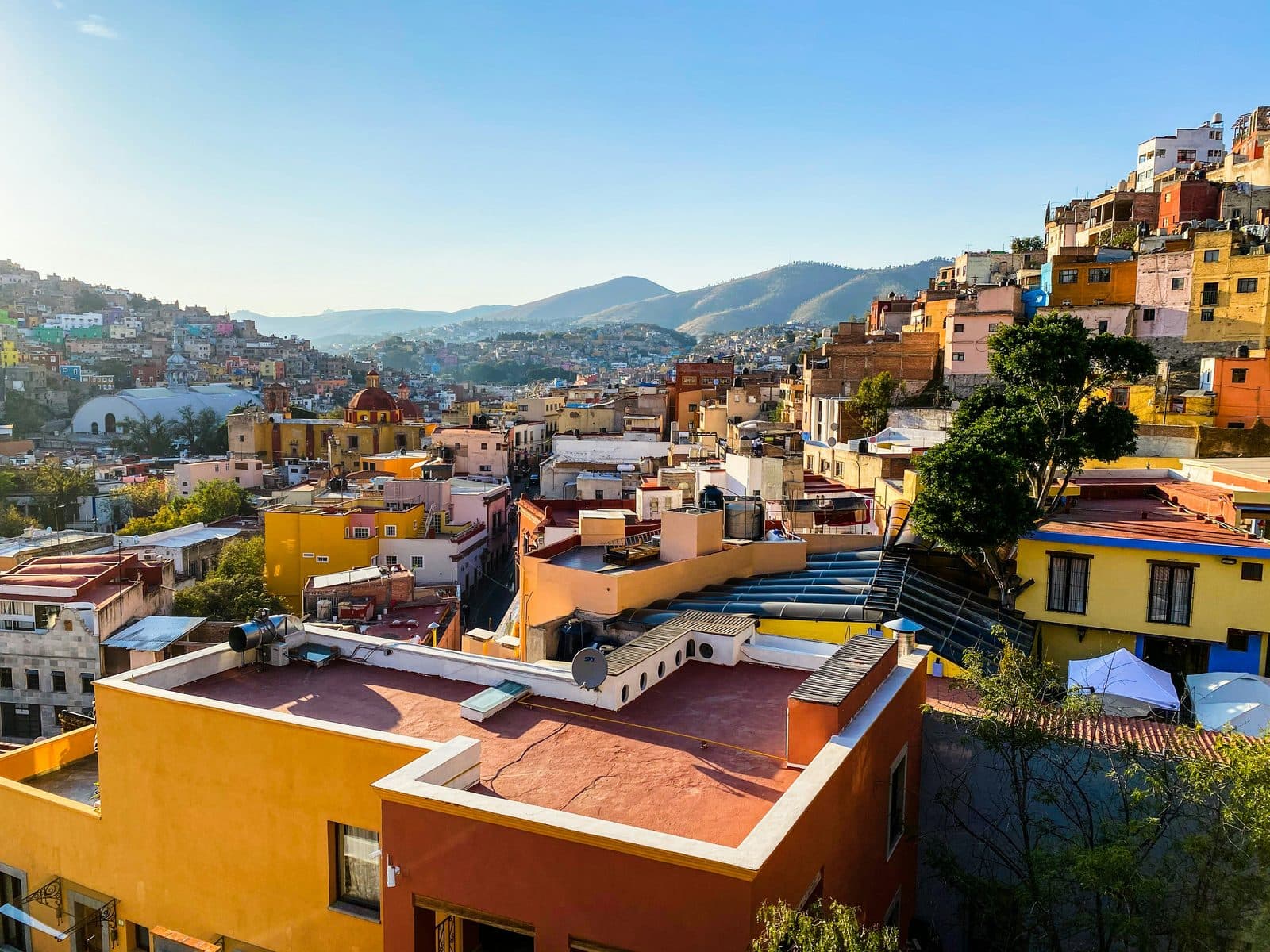
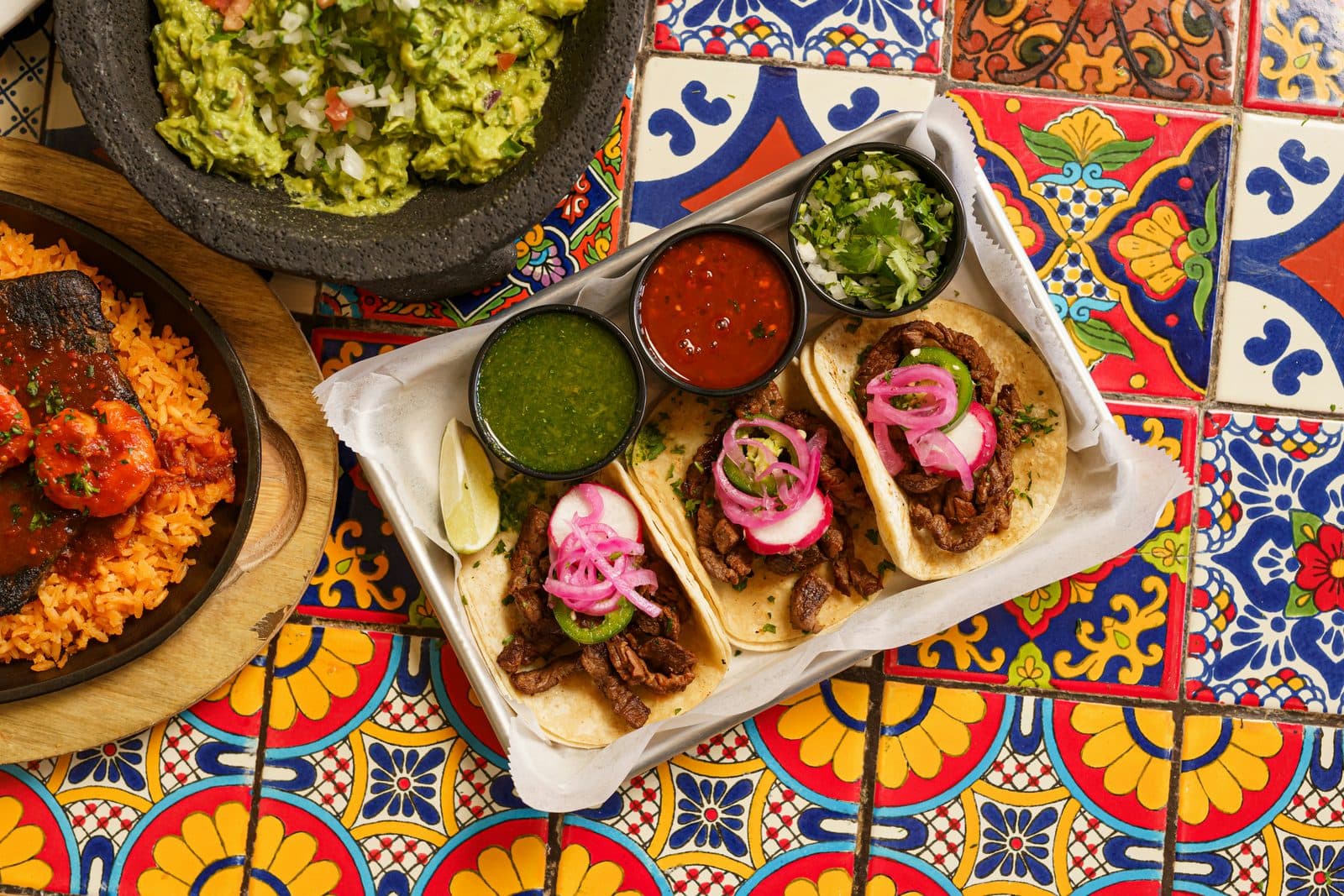
A stunning Eiffel-style iron market built in 1910, where guacamayas, enchiladas mineras, and candied fruits are as much art as anything in the museums.
- 7
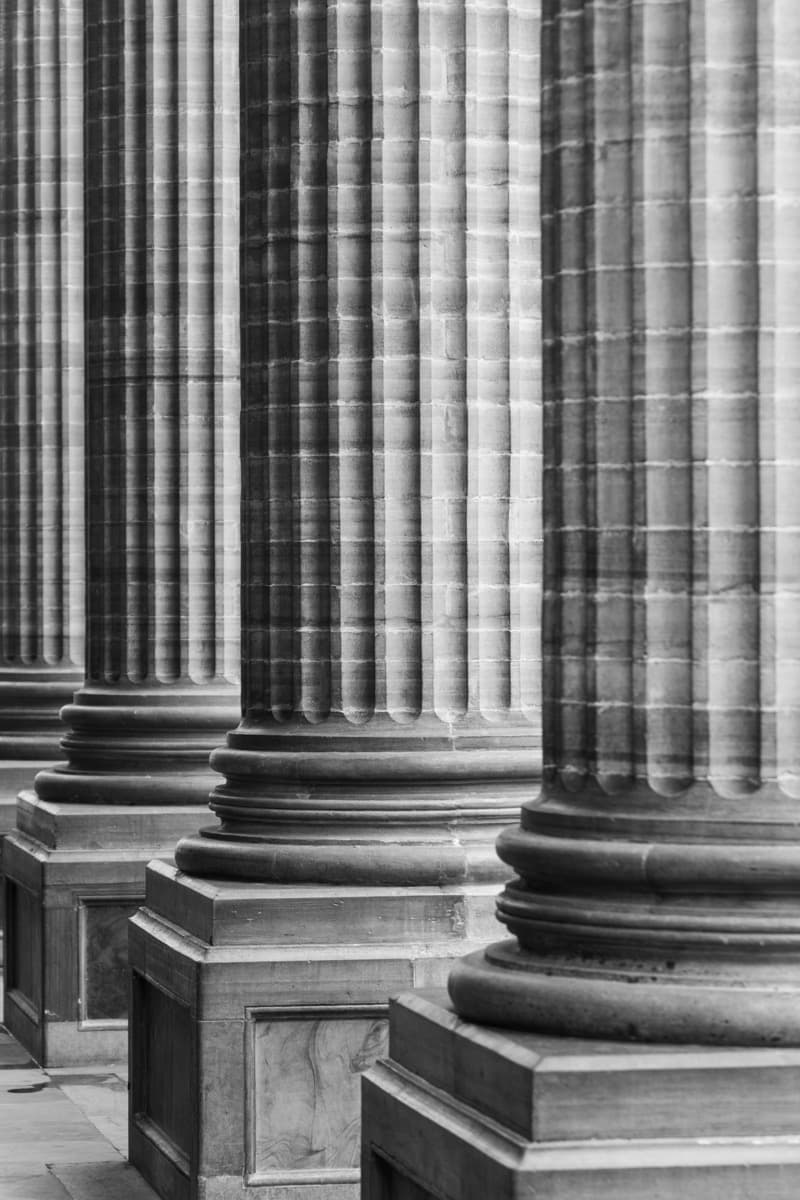
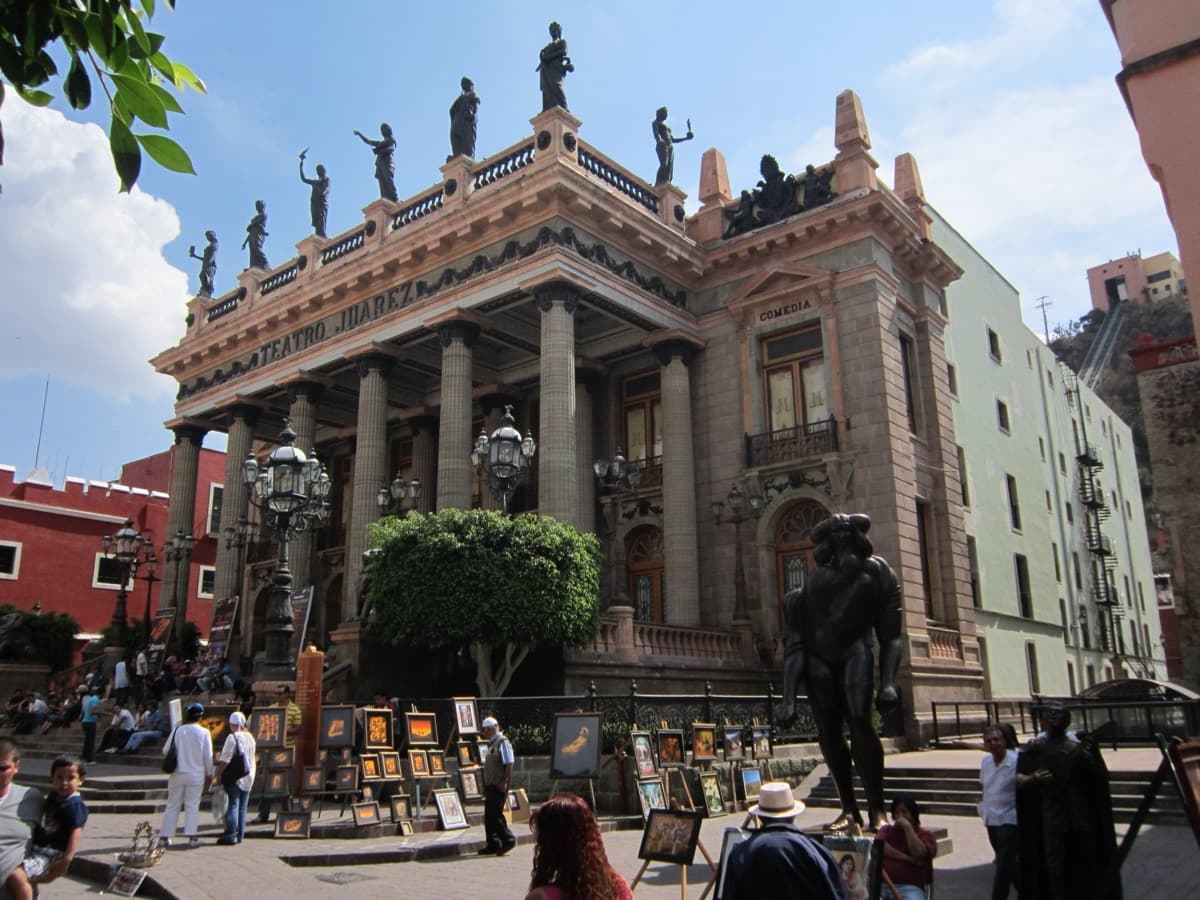
Teatro Juárez
Guanajuato's crown jewel and the flagship venue of the Festival Cervantino — where neoclassical columns meet Moorish fantasy inside Latin America's most important performing arts theater.
- 8
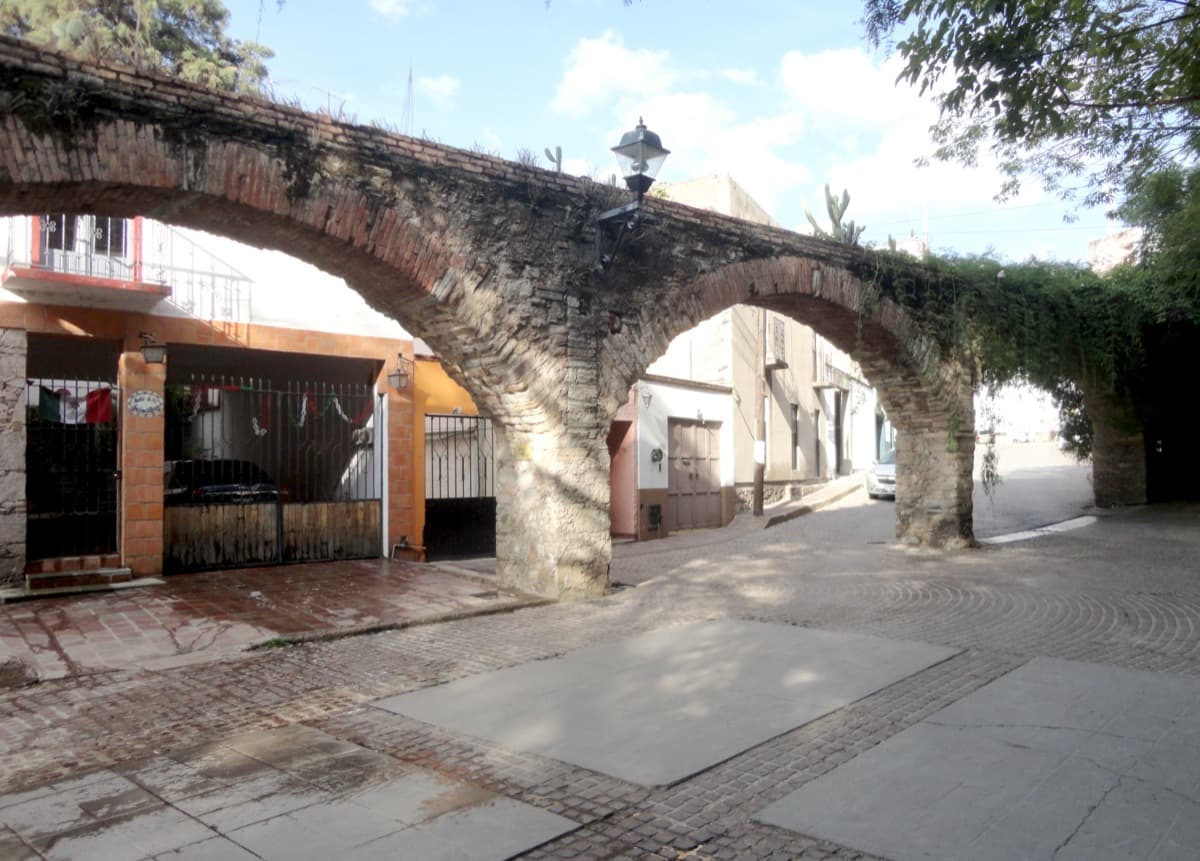
Pastita Neighborhood Callejones
The oldest barrio in Guanajuato, where the painted alleyways tell the story of why this city became the most colorful urban landscape in the Americas.
Details
Best Time to Visit
Mid-morning between 10:00 AM and noon offers the best light for appreciating the colors — the sun illuminates the facades without creating harsh shadows in the callejones. The Jardín de la Unión is best experienced in the late afternoon when live music begins. During the Cervantino festival in October, the entire tour route is at its most vibrant.
Pro Tips
- •Start at the Rivera museum when it opens to avoid crowds — it is small and can feel cramped when tour groups arrive.
- •The Quixote museum is free — budget extra time here, as the collection is larger and more fascinating than most visitors expect.
- •Order enchiladas mineras at Mercado Hidalgo's upper level — they are the authentic miner's meal and cost less than two dollars.
- •If the Jardín de la Unión has live music when you arrive, sit for a while. The bandstand performances are free and capture the city's artistic spirit better than any museum.
- •Bring a camera with good color saturation — the painted facades of Pastita are among the most photogenic scenes in Mexico.
- •Ask at the Teatro Juárez box office about evening performances — even non-festival shows in this venue are memorable.
Safety & Precautions
- •Pastita's callejones involve steep staircases. Take your time and watch your step, especially on the descent.
- •Mercado Hidalgo can be overwhelming at peak hours. Visit before noon or after 2:00 PM for a calmer experience.
- •Sun exposure is intense in the open plazas. Wear sunscreen and a hat, especially between 11:00 AM and 3:00 PM.
- •Some museums are closed on Mondays. Confirm opening hours if visiting on a Monday.
Travel advisory: Exercise Increased Caution (Level 2).
Gallery
Related Reading
Go deeper on what you'll see, hear, and walk through.
Read the walk
The full story of Color, Canvas & Cervantes, in words. Prefer to listen? Play it narrated, from home or on location.
Introduction
On December eighth, eighteen eighty-six, in a colonial townhouse six blocks from the Jardín de la Unión, a baby was born and named Diego María de la Concepción Juan Nepomuceno de la Rivera y Barrientos. The world would shorten it to Diego Rivera. Half a century later, his murals would tell Mexico's story to the world. Guanajuato is where the eyes that painted those murals first opened.
The thesis is one sentence. The most colorful city in the Americas is also the city that produced the painter who taught Mexico to see itself. Color and Rivera are not coincidence. They are the same lineage.
In nineteen seventy-two, Guanajuato adopted a second patron. The Festival Internacional Cervantino was founded, growing out of student stagings of Don Quijote on the steps of Plaza San Roque in the nineteen fifties. Today the Cervantino is the largest performing arts festival in Latin America. The city that gave Mexico its painter-of-record now gives Latin America its stage.
The walk is eight stops, about two point three kilometres and eighty-five minutes through the historic centre of Guanajuato, Mexico. The Rivera birth-house. The colonial-art museum he would have grown up looking at. The Quijote museum founded by his contemporary Eulalio Ferrer. The plaza where the Cervantino began. The Jardín de la Unión, the Mercado Hidalgo, the Teatro Juárez where the festival stages its nightly performances, and Pastita, the painted barrio where ordinary residents still live the color tradition.
When you arrive at the Museo Casa Diego Rivera on Calle Positos, begin with stop one.
1. Museo Casa Diego Rivera
You are standing in front of the house where Diego Rivera was born on December 8th, 1886, and where he spent the first six years of his life. This unassuming colonial townhouse on Calle Positos produced one of the most influential artists of the twentieth century, a man who would paint walls the size of buildings, marry Frida Kahlo twice, befriend Picasso, infuriate Rockefeller, and change the way the world thinks about public art.
The museum occupies the original family home, a narrow three-story building typical of Guanajuato's colonial architecture. The ground floor recreates the domestic life of a middle-class Guanajuato family in the late nineteenth century, furniture, photographs, and personal objects that belonged to the Rivera family. Diego's father was a schoolteacher and local politician, his mother a shopkeeper. They were not wealthy, but they were educated enough to recognize their son's talent early.
The upper floors display Rivera's earliest works, sketches he made as a child, student drawings from his time at the Academy of San Carlos in Mexico City, and small canvases from his years in Europe. What strikes you is how quickly his style evolved. The childhood drawings are precise and observational, a boy looking hard at the world around him. By the time he reached Europe, he was absorbing Cubism, Post-Impressionism, and Cézanne. And by the time he returned to Mexico in 1921, he had synthesized all of it into something entirely new: Mexican muralism.
Rivera left Guanajuato as a child, but the city never left him. The colors, the canyon walls, the working-class life of a mining town, all of it shows up in his murals. When you see his Detroit Industry murals or his Mexico City Ministry of Education frescoes, you are seeing a man who learned to look at the world in this canyon first.
2. Museo del Pueblo de Guanajuato
Now we walk to the next museum. The Museo del Pueblo de Guanajuato sits in a seventeenth-century mansion that once belonged to one of the city's silver families, and today it houses a collection that spans four centuries of Mexican art, from colonial religious paintings to contemporary installations that would not be out of place in Mexico City's most avant-garde galleries.
The colonial collection on the ground floor gives you a window into how art functioned in silver-age Guanajuato. These are not paintings made for private contemplation, they are religious works commissioned by mine owners to demonstrate their piety and their wealth. Elaborate scenes of saints and martyrs, painted in the European baroque style but with distinctly Mexican elements: local flowers in the backgrounds, indigenous faces among the angels, a palette that reflects the colors of the landscape outside these walls.
The standout piece is a collection of works by Hermenegildo Bustos, the self-taught portraitist from the nearby town of Purísima del Rincón. Bustos was a farmer who painted in his spare time, and his portraits of ordinary Mexicans, shopkeepers, farmers' wives, local officials, are among the most honest and technically brilliant artworks of nineteenth-century Mexico. He never left his small town, never studied formally, and died in obscurity. His work was rediscovered in the twentieth century and is now recognized as a national treasure.
The upper floors rotate contemporary exhibitions, and this is where the museum takes risks. You might see political installation art, experimental video, or work by emerging Guanajuato artists who are pushing against the tourist-friendly image of their city. The contrast between the colonial religious art downstairs and the contemporary provocation upstairs is the point, the museum is showing you that Guanajuato's artistic tradition is not frozen in time.
3. Museo Iconográfico del Quijote
Step on to the Quijote collection. This is the only museum in the world dedicated to a single fictional character, and it makes perfect sense that it exists here in Guanajuato, the city where Cervantes' plays launched a cultural festival that now draws half a million people every year.
The Museo Iconográfico del Quijote contains over eight hundred works of art depicting Don Quixote, Sancho Panza, Dulcinea, and scenes from Miguel de Cervantes' seventeen-century masterpiece. The collection spans every medium you can imagine and several you cannot: oil paintings, watercolors, tapestries, sculptures, ceramics, postage stamps, chess sets, stained glass, even a Dalí lithograph of the gaunt knight on his horse.
What makes this museum extraordinary is not just the quantity but the range. Artists from over thirty countries have contributed works, and each one interprets the Quixote through their own cultural lens. There is a Japanese woodblock print of Quixote that makes him look like a samurai. A Cuban painting where Quixote rides through a sugar cane field. An abstract expressionist canvas where the knight is nothing but angular lines and energy. The character is four hundred years old and still evolving.
The building itself is worth your attention, it is a beautifully restored colonial house with thick stone walls, vaulted ceilings, and interior courtyards that create natural light wells for the art. The museum was founded in 1987 by a private collector named Eulalio Ferrer, a Spanish Civil War refugee who came to Mexico and built a successful advertising career. Ferrer saw in Don Quixote the same thing Cervantes saw, a man who refuses to accept the world as it is, who insists on seeing beauty and justice where others see only windmills. For a refugee who had lost everything and rebuilt his life in a new country, that was not just fiction. It was a survival manual.
4. Plaza San Roque
Walk on toward Plaza San Roque. Sit down on these stone steps for a moment. You are in Plaza San Roque, and this humble, sloping square is the place where the Festival Internacional Cervantino was born, though nobody knew it at the time. In 1953, a theater professor named…
Full narration for this stop unlocks with the tour.
5. Jardín de la Unión
Welcome to the Jardín de la Unión, the social nucleus of Guanajuato and quite possibly the most pleasant public space in all of central Mexico. This triangular garden, shaded by carefully trimmed Indian laurel trees that form a green canopy over the walkways, is where everything…
Full narration for this stop unlocks with the tour.
6. Mercado Hidalgo
Now we head to the market. The building you are about to enter looks like it belongs in Paris, and there is a reason for that. Mercado Hidalgo was designed by the architect Ernesto Brunel and completed in 1910, the centennial of Mexican independence and the final year of the…
Full narration for this stop unlocks with the tour.
7. Teatro Juárez
Walk on to the theater. You have arrived at the Teatro Juárez, and on this tour we are looking at it through an artist's eyes rather than a historian's. This building is not just a theater, it is a statement about what art means to a city that was built on silver. Look at the…
Full narration for this stop unlocks with the tour.
8. Pastita Neighborhood Callejones
And for our final stop, we head into the painted barrio. We end our tour in Pastita, the oldest barrio in Guanajuato, and the place that answers the question you have been asking since you arrived: why is this city so colorful? Pastita was one of the first neighborhoods…
Full narration for this stop unlocks with the tour.