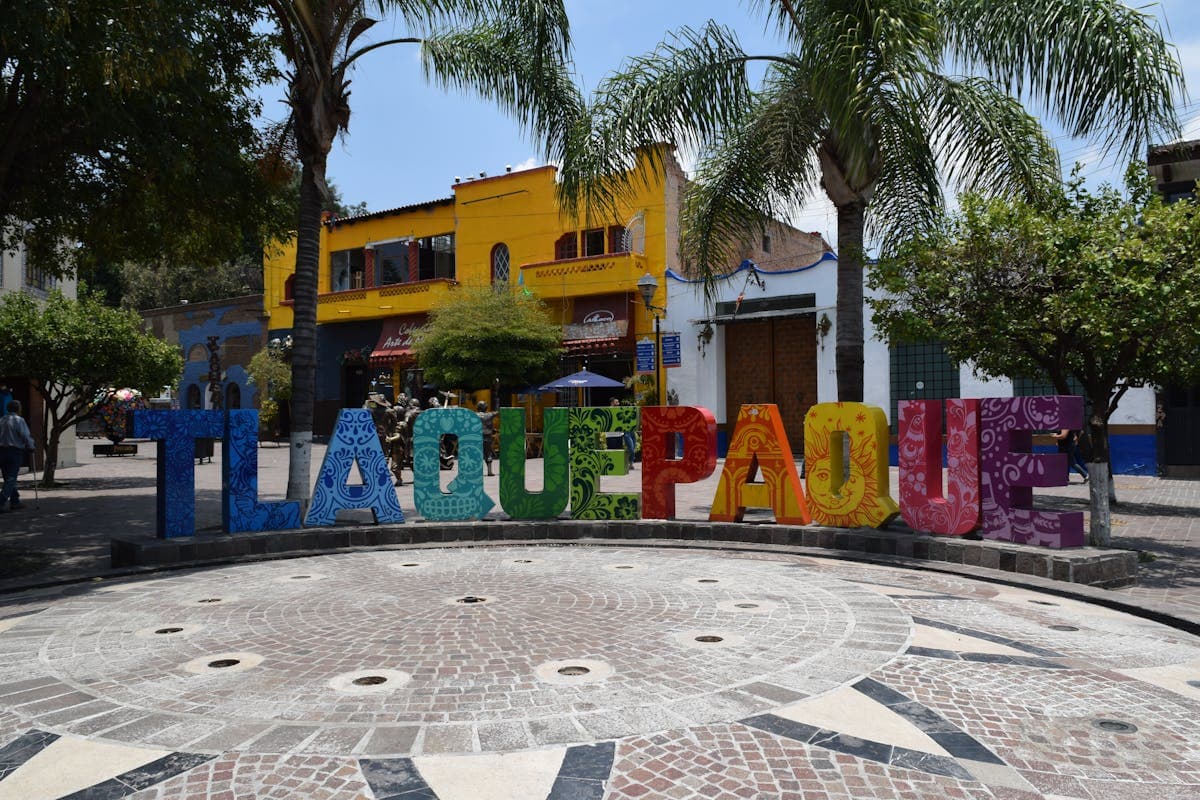
Wander the car-free colonial streets of Tlaquepaque — Mexico's folk art capital — where master potters fire clay using techniques older than the Aztec empire, surrealist sculptures fill hidden patios, and mariachi was born in a cantina that never closed.
Start · Parroquia de San Pedro Tlaquepaque
DirectionsStops
- 1
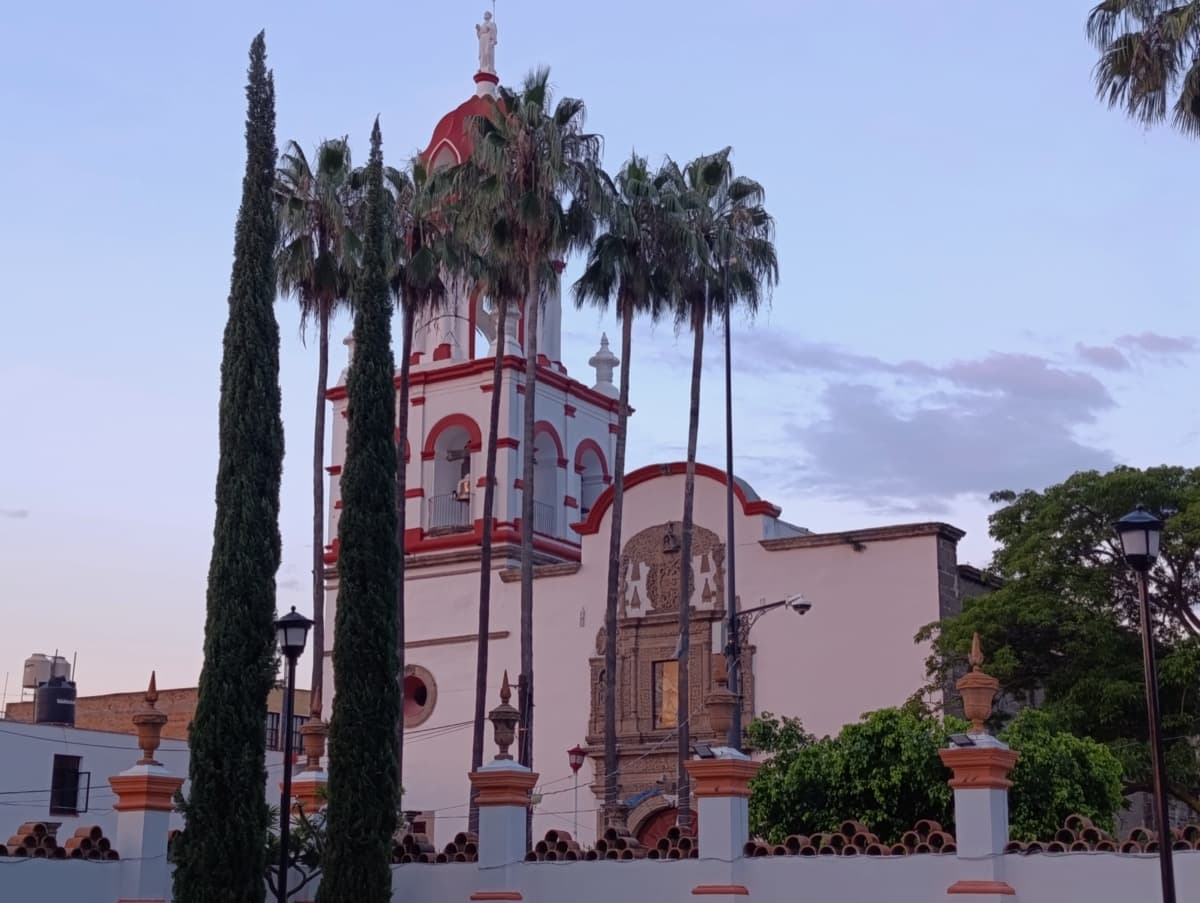
Parroquia de San Pedro Tlaquepaque
A Franciscan-built parish church blending Byzantine, Baroque, and Romanesque styles — the spiritual anchor of Tlaquepaque since the colonial era.
- 2
Calle Independencia
Tlaquepaque's car-free pedestrian spine — a colonial street lined with converted mansions housing galleries, boutiques, and artisan workshops.
- 3
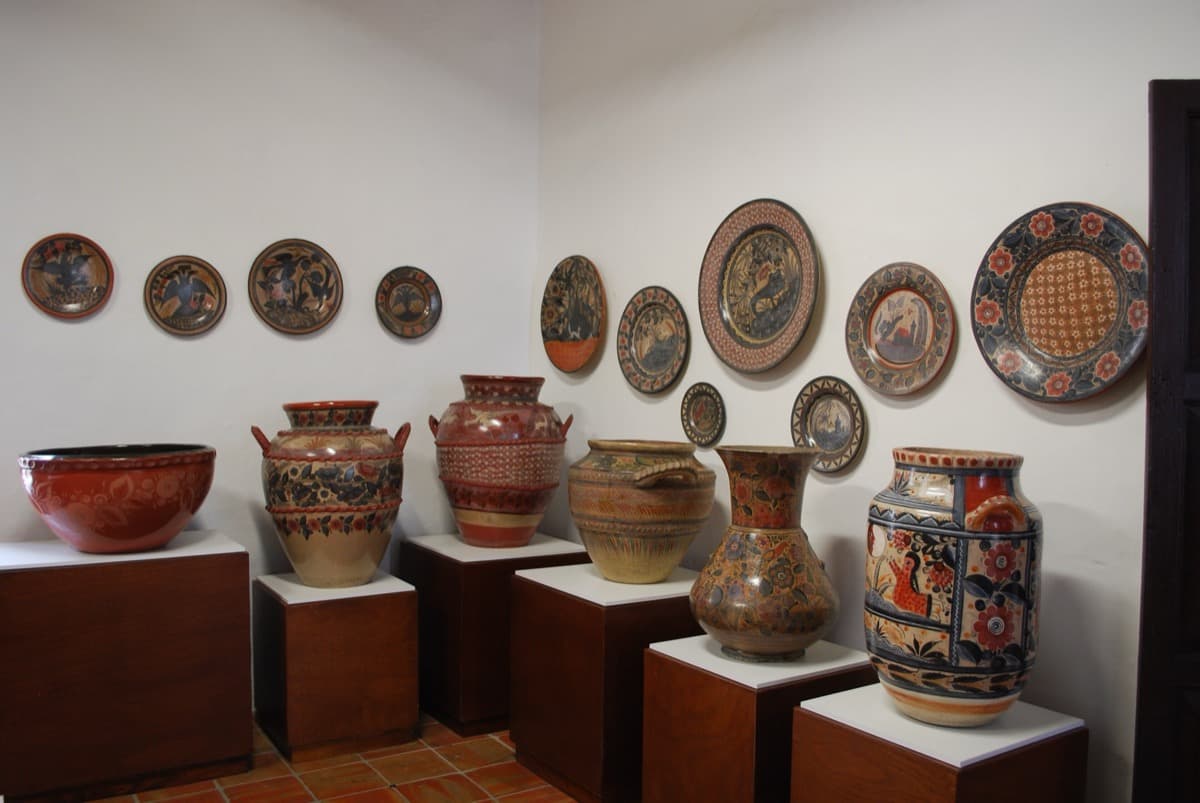
Museo Regional de la Cerámica
A free museum in a colonial house tracing Jalisco's pottery tradition from pre-Hispanic pit-fired vessels to contemporary art ceramics.
- 4
Sergio Bustamante Gallery
The flagship gallery of Mexico's most famous surrealist sculptor — intimate rooms and hidden patios filled with fantastical bronze, ceramic, and papier-mâché creatures.
- 5
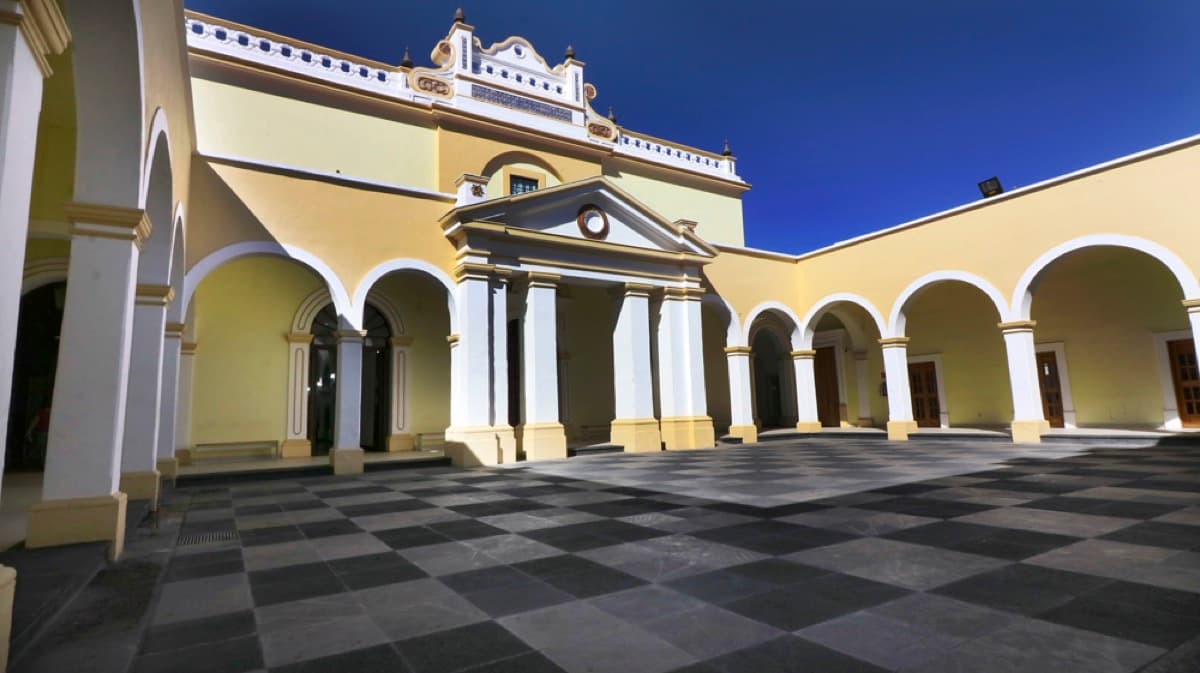
Centro Cultural El Refugio & Museo Pantaleón Panduro
A converted 18th-century convent housing galleries, the national ceramics prize museum, and mysterious underground tunnels connecting to the town's churches.
- 6
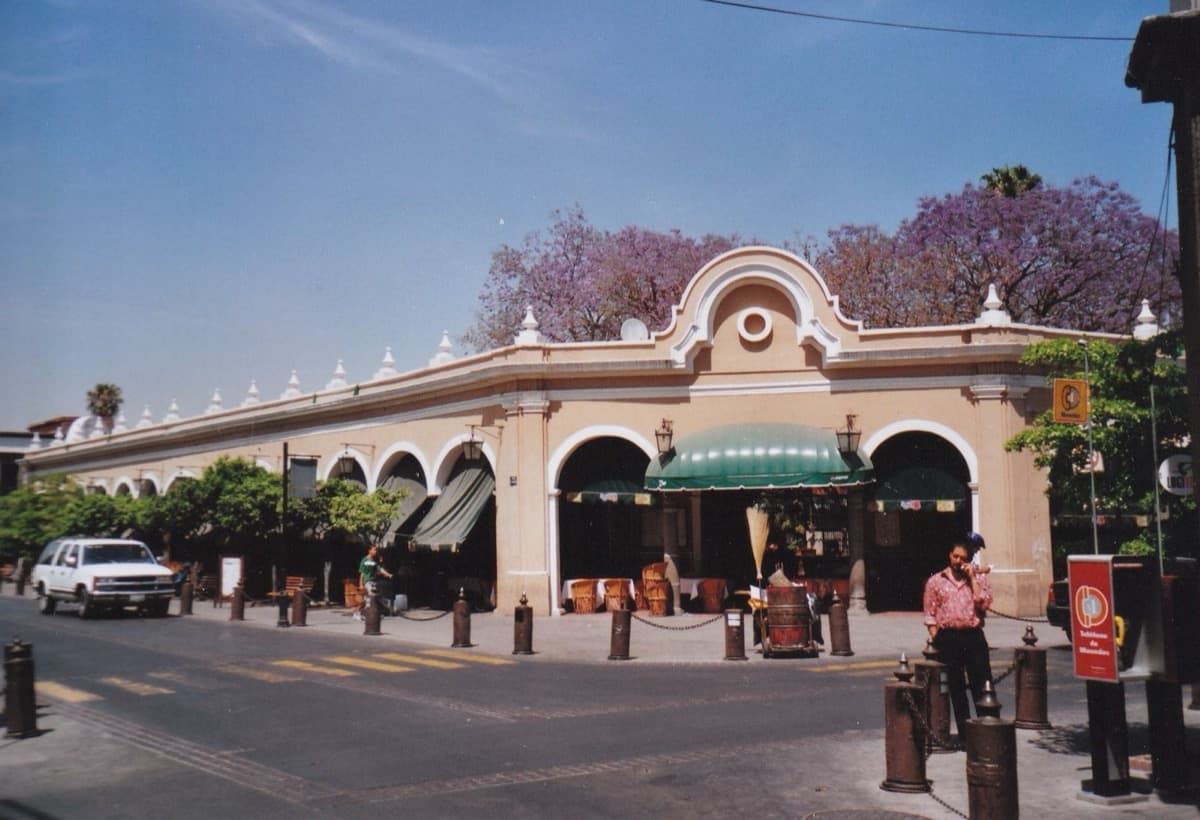
El Parián
A historic 1878 covered plaza ringed by eighteen bar-restaurants — self-proclaimed 'largest cantina in Latin America' and the birthplace of commercial mariachi since 1927.
- 7
Jardín Hidalgo
Tlaquepaque's central garden and community gathering point — a shaded plaza with a kiosk, weekend performers, and the heartbeat of daily life in the pueblo.
- 8
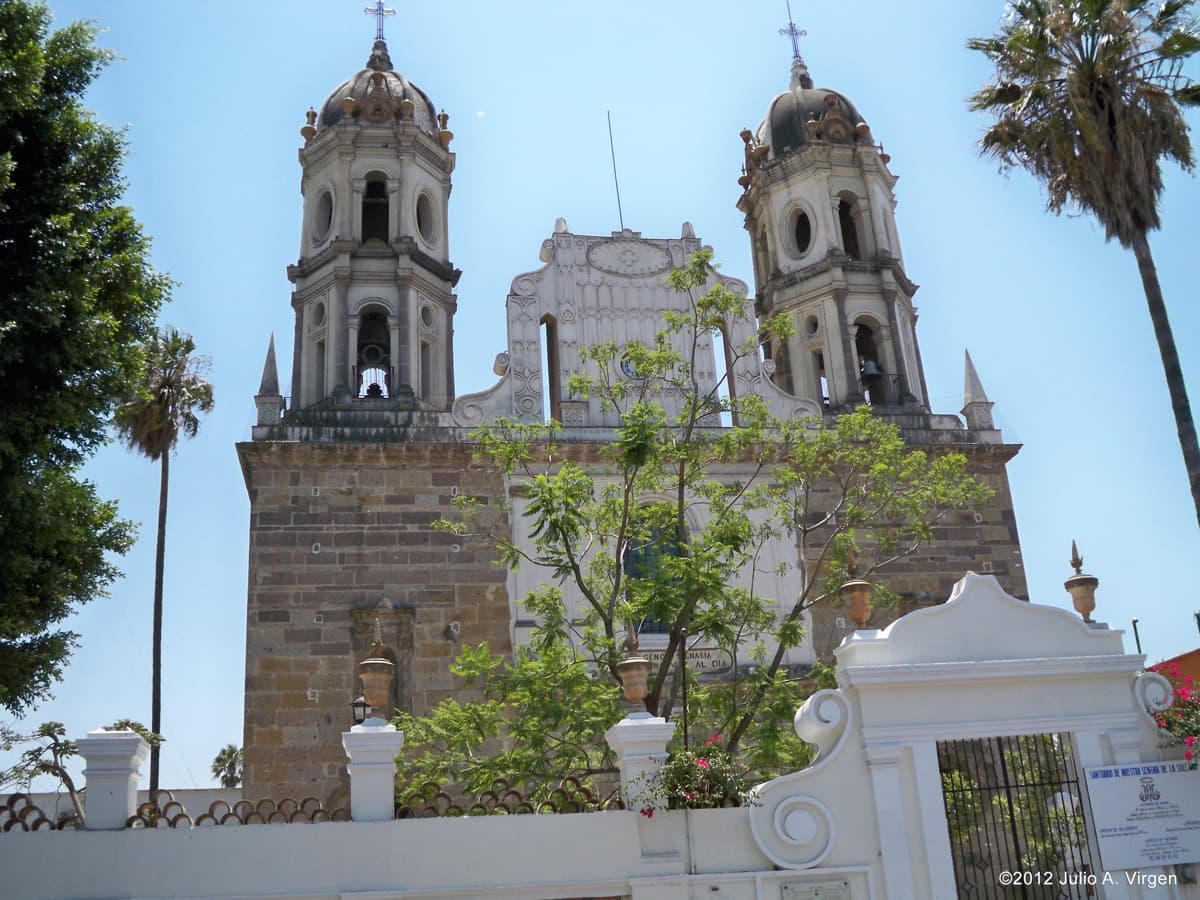
Santuario de Nuestra Señora de la Soledad
An 18th-century baroque sanctuary housing a revered image of the Virgin of Solitude — Tlaquepaque's patron saint and focus of intense local devotion.
Details
Best Time to Visit
Weekday mornings between 10:00 AM and noon are ideal — the galleries and museum are open, the streets are uncrowded, and the light in the colonial courtyards is beautiful. El Parián is liveliest on weekend afternoons and evenings with mariachi. Avoid Monday when the ceramic museum is closed. The June Fiestas de Tlaquepaque offer the fullest cultural experience if your timing aligns.
Pro Tips
- •Visit the ceramic museum first to understand what you're seeing in the galleries — it gives context that transforms shopping into cultural appreciation.
- •At El Parián, agree on the price per song with the mariachi group before they start playing — typical rates are fifty to one hundred pesos per song.
- •The Sergio Bustamante gallery is free to enter — take your time and explore the back patios where outdoor sculptures are displayed among the plants.
- •Ask at the Centro Cultural El Refugio reception about the underground tunnels — they're not always open but worth seeing if accessible.
- •If buying ceramics, ask the artisan about the technique — barro bruñido (burnished clay) and barro canelo are traditional Jalisco styles worth seeking out.
- •Combine this tour with lunch at one of the restaurants on Calle Independencia — the courtyard dining in the converted mansions is exceptional.
Safety & Precautions
- •Tlaquepaque is safe for tourists but keep valuables secure, especially in the crowded weekend market areas around El Parián.
- •The midday sun can be intense. Bring water, sunscreen, and a hat. Most of the route is shaded by buildings and trees, but some stretches are exposed.
- •Ceramic purchases are fragile. If buying, ask the shop to pack items carefully or arrange shipping. Carrying pottery through the rest of the walk risks breakage.
- •Respect the sacred spaces. The Parroquia and Santuario are active places of worship. Keep voices low, avoid flash photography, and dress modestly when entering.
Travel advisory: Exercise Increased Caution (Level 2).
Gallery
Related Reading
Go deeper on what you'll see, hear, and walk through.
Read the walk
The full story of Tlaquepaque: 600 Years of Mexican Ceramic Art, in words. Prefer to listen? Play it narrated, from home or on location.
Introduction
Tlaquepaque is a working laboratory of Mexican ceramic art. The name is Nahuatl. It means place above clay land, and the village was producing ceramics for the Aztec empire long before the Spanish arrived.
The laboratory has been open for at least six hundred years, and probably longer. Pre-Columbian ceramic fragments from this exact area have been carbon-dated to the ninth century. The Spanish brought European glazing techniques in the sixteenth century, the village absorbed and adapted them, and the result is a continuous craft tradition that crosses the conquest as one unbroken thread. Today the eight-block historic centre houses dozens of working studios where every major Mexican ceramic technique, barro, cerámica vidriada, talavera-influenced majolica, is still being made by hand, often by families who have been doing it for generations.
The walk is eight stops, about two and a half kilometres and ninety-five minutes through the centre of Tlaquepaque, Mexico, seven kilometres southeast of central Guadalajara, on mostly flat colonial-grid streets. The village's parish church anchor. The pedestrian street where most studios sit. The regional ceramic museum that contextualises the techniques. The Sergio Bustamante gallery. The cultural centre that houses additional craft programs. El Parián, the historic covered marketplace and oldest cantina-cluster in Mexico. The village plaza Jardín Hidalgo. And the Santuario de la Soledad that ties the religious life together.
When you arrive at the Parroquia de San Pedro Tlaquepaque, begin with stop one.
1. Parroquia de San Pedro Tlaquepaque
Welcome to the Parroquia de San Pedro Tlaquepaque, your first stop on this tour. You're standing before the Parroquia de San Pedro Tlaquepaque, and this church is a beautiful architectural puzzle. Look at the facade and try to assign it a single style, you can't. The arches feel Romanesque. The dome has Byzantine proportions. The decorative elements are baroque. And the overall effect is something entirely its own, a product of Franciscan missionaries building with local materials and local labor over several centuries, each generation adding its own aesthetic layer.
The Franciscans established a mission here in the sixteenth century, and this church grew around it. The current structure dates primarily from the eighteenth century, though portions are older. The bell tower is the landmark you can see from blocks away, and on Sunday mornings the bells ring out across the pedestrian center with a sound that has barely changed in three hundred years.
Step inside if the doors are open. The interior is more restrained than many Mexican colonial churches, the Franciscans were generally less ostentatious than the Jesuits or Dominicans, but look for the carved wooden altarpiece and the painted ceiling details. The church serves as the active parish for Tlaquepaque's centro, and on weekday mornings you'll find elderly women saying rosaries in the pews, completely undisturbed by tourists.
The church faces a small plaza that functions as the social starting point for the pedestrian zone. From here, Calle Independencia, the main car-free street, stretches north, and that's where we're heading next. But notice the ceramic tiles embedded in the church's exterior walls, a nod to the craft tradition that defines this town. In Tlaquepaque, even the sacred architecture acknowledges the clay.
2. Calle Independencia
Welcome to Calle Independencia. You've stepped onto Calle Independencia, and this is the spine of Tlaquepaque, a car-free pedestrian street that runs through the historic center, lined on both sides with colonial-era mansions that have been converted into galleries, shops, restaurants, and workshops. On a busy Saturday afternoon, this street hums with energy, but on a weekday morning, which is when I'd recommend walking it, you'll have space to look up and actually see the architecture.
These mansions were built in the nineteenth century by wealthy Guadalajara families who used Tlaquepaque as their summer retreat. The town sat far enough from the city to feel like countryside but close enough for a carriage ride. The homes they built are classic Mexican colonial, thick adobe walls painted in warm colors, heavy wooden doors with iron hardware, interior courtyards with fountains and bougainvillea. Many of them are now open to the public as commercial spaces, but the architecture remains intact.
As you walk, look for the hand-painted ceramic street signs, they're unique to Tlaquepaque and have become a symbol of the town. And look into the courtyards as you pass. Many galleries display their work in these interior patios, and the combination of colonial architecture and contemporary art creates something you won't find in a conventional museum.
The craft tradition on this street is genuine. Unlike tourist markets that sell mass-produced souvenirs, many shops on Calle Independencia are owned by the artisans themselves or by families who have been working with clay, glass, or metal for generations. The prices reflect that quality, this isn't a bargain market, it's a gallery district that happens to be outdoors.
Keep walking north. We're heading to the Museo Regional de la Cerámica, where you'll understand why the clay beneath this town has shaped its entire identity.
3. Museo Regional de la Cerámica
Welcome to the Museo Regional de la Cerámica. You've arrived at the Museo Regional de la Cerámica, and this free museum is the single best place to understand why Tlaquepaque exists. Housed in a restored colonial home, notice the beautiful courtyard with its stone arches and potted plants, the museum traces the ceramic tradition of Jalisco from its pre-Hispanic origins to the present day.
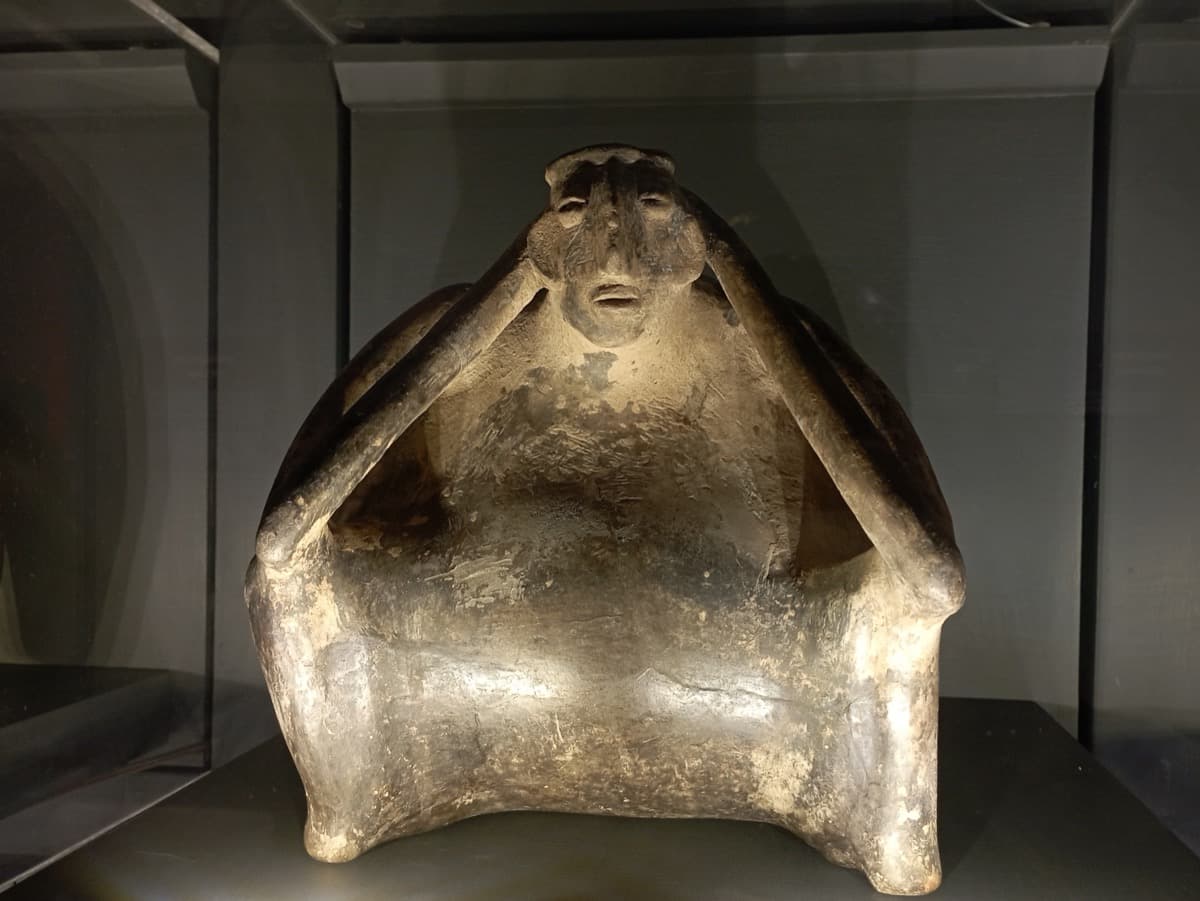
Start in the rooms dedicated to ancient techniques. Before the Spanish arrived, the indigenous peoples of this region were already master ceramicists. They didn't use potter's wheels, those came with the Europeans, but instead built vessels by coiling ropes of clay and smoothing them by hand. They fired their work in pit kilns dug into the earth, achieving temperatures high enough to create durable, watertight pottery. The pieces in these rooms are hundreds of years old, and their craftsmanship rivals anything produced with modern equipment.
The middle rooms show the colonial fusion period, when Spanish potters introduced the wheel, tin-glazing techniques from Talavera, and new decorative motifs. But what makes Jalisco ceramics distinctive is that the indigenous traditions didn't disappear. Instead, they merged with European methods to create hybrid styles that are unique to this region. The barro bruñido, burnished clay finished to a mirror shine without any glaze, is a technique that has survived essentially unchanged for a thousand years.
The final rooms showcase contemporary ceramics, including pieces that have won the Premio Nacional de la Cerámica Pantaleón Panduro, Mexico's most prestigious ceramics prize, which is awarded right here in Tlaquepaque every year. Some of these works are astonishingly ambitious, large-scale sculptures, conceptual installations, pieces that push clay beyond anything the ancient potters could have imagined while still honoring the tradition that made them possible.
The museum is small, you can see it in twenty minutes, but it will change how you look at every pottery shop on the street outside.
4. Sergio Bustamante Gallery
Welcome to the Sergio Bustamante Gallery. You're standing at Calle Independencia 238, and behind this unassuming colonial facade is one of the most extraordinary art spaces in Mexico, the flagship gallery of Sergio Bustamante. If you don't know the name, you'll recognize the…
Full narration for this stop unlocks with the tour.
5. Centro Cultural El Refugio & Museo Pantaleón Panduro
Welcome to the Centro Cultural El Refugio. You're entering the Centro Cultural El Refugio, and this building has one of the most layered histories in Tlaquepaque. It started life in the eighteenth century as a Franciscan convent, a cloistered religious house where friars lived,…
Full narration for this stop unlocks with the tour.
6. El Parián
Welcome to El Parián. Welcome to El Parián, and you've just walked into the most important cantina in the history of Mexican music. This covered plaza, a large open-air courtyard surrounded by eighteen bar-restaurants under a shared roof, has been the social center of…
Full narration for this stop unlocks with the tour.
7. Jardín Hidalgo
Welcome to Jardín Hidalgo. You've arrived at the Jardín Hidalgo, Tlaquepaque's central garden, and after the intensity of El Parián next door, this shaded plaza feels like a deep breath. The garden is named after Father Miguel Hidalgo, the same independence hero you'd meet on…
Full narration for this stop unlocks with the tour.
8. Santuario de Nuestra Señora de la Soledad
Welcome to the Santuario de la Soledad, your final stop on this tour. Your final stop is the Santuario de Nuestra Señora de la Soledad, the Sanctuary of Our Lady of Solitude, and this eighteenth-century church holds the spiritual heart of Tlaquepaque. While the Parroquia de San…
Full narration for this stop unlocks with the tour.