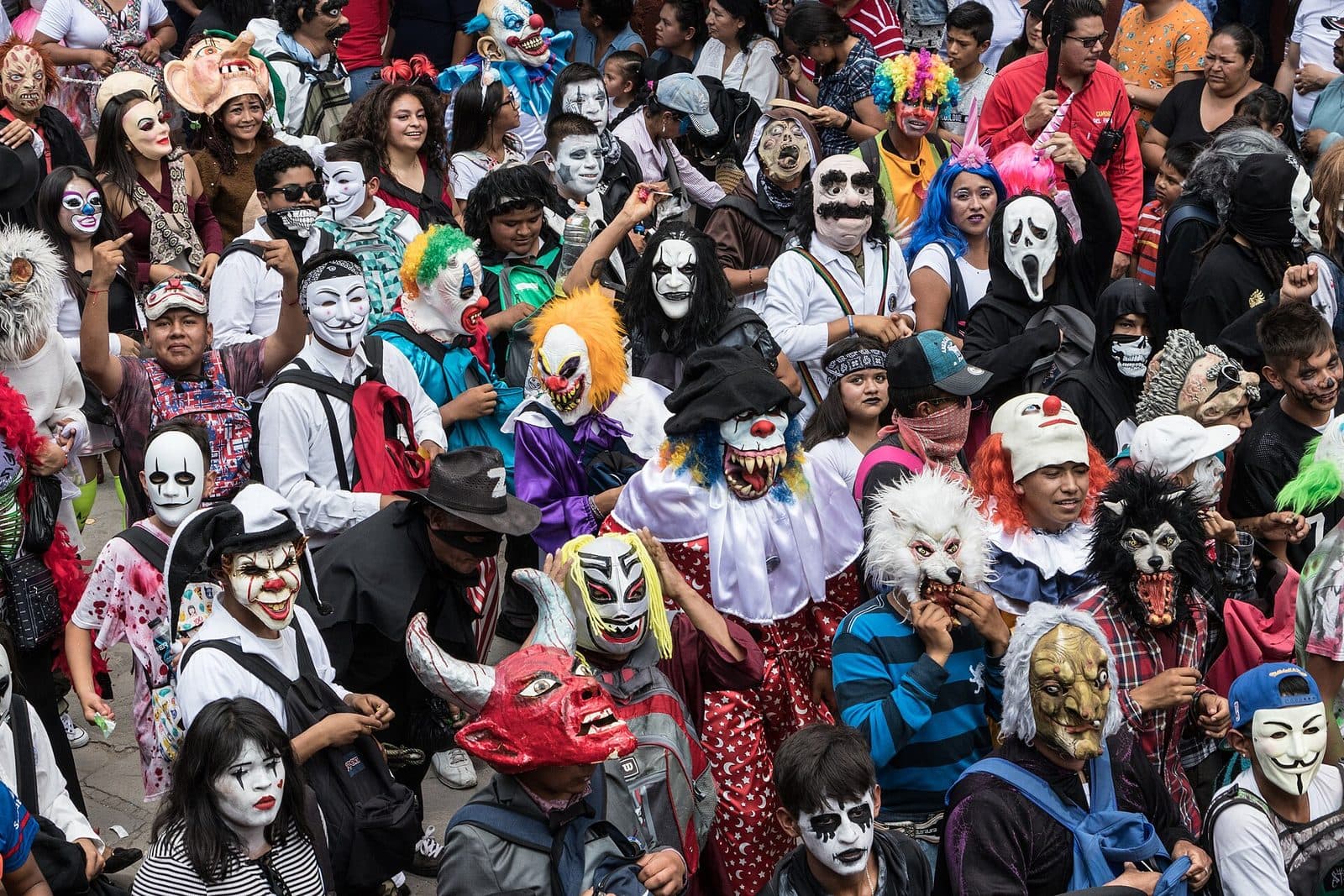
San Miguel de Allende has been named the best small city in the world by multiple travel publications so many times that locals have stopped keeping count. But the accolades, while deserved, risk turning the town into a brand rather than a place. The real San Miguel is more interesting than any ranking suggests. It is a colonial town that reinvented itself through art, preserved itself through stubbornness, and continues to evolve without losing what makes it remarkable.
A Town That Refused to Change (and Changed Everything)
San Miguel began in 1542 as an Indian village founded by a Franciscan friar beside a spring, and in 1555 the viceroy ordered a Spanish town here to protect the Royal Route to the silver mines of Zacatecas. It grew wealthy, built grand churches and mansions, produced a national independence hero (Ignacio Allende), and then, after the silver economy collapsed, it was largely forgotten. For nearly a century, San Miguel was a beautiful backwater, too poor to tear down its colonial buildings and too remote to attract development.
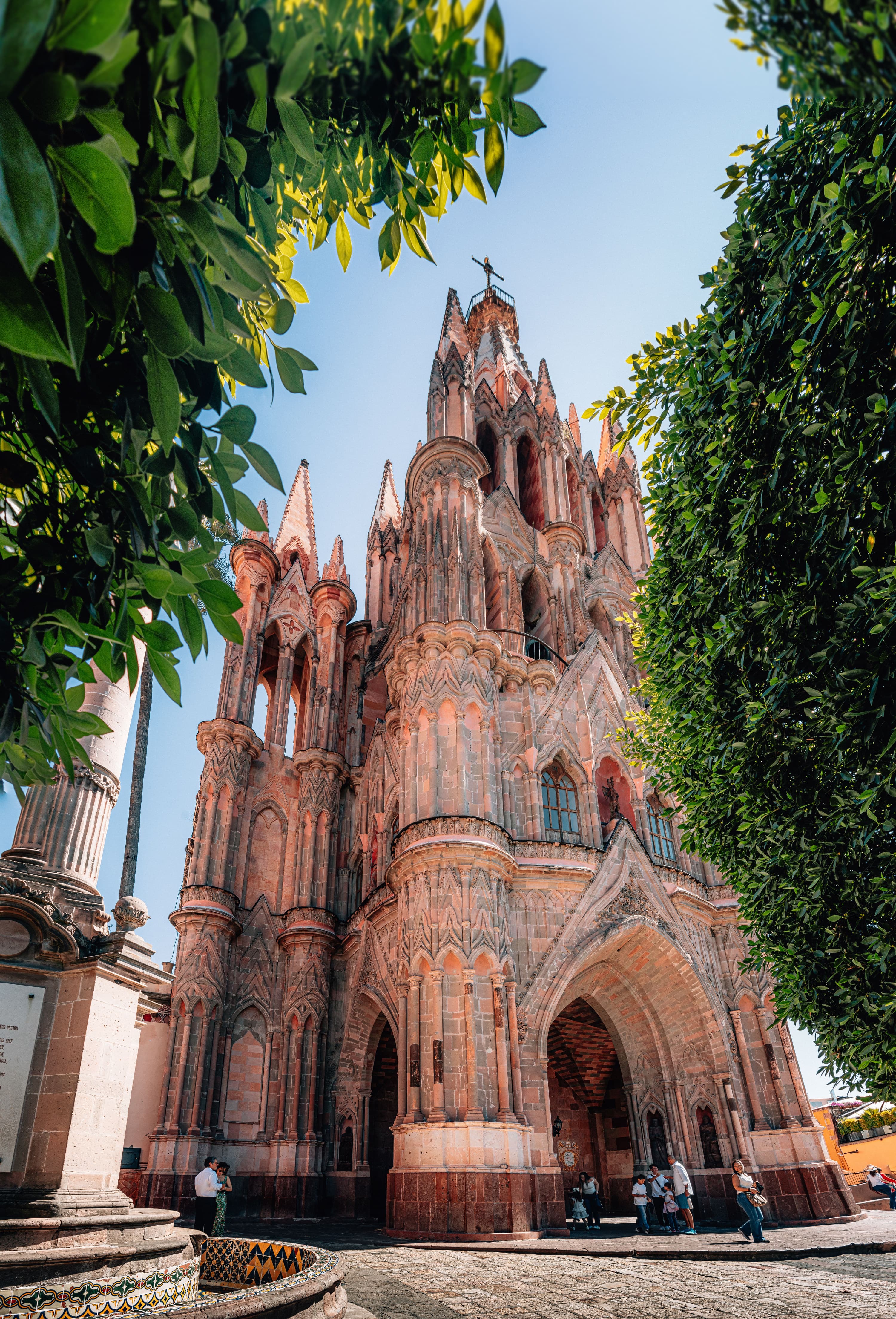
This accidental preservation is the foundation of everything the town is today. While other Mexican cities modernized their centers in the 20th century, San Miguel's historic core remained intact: cobblestone streets, baroque facades, interior courtyards hidden behind massive wooden doors, and the improbable pink spires of the Parroquia rising above it all.
The Art School That Changed Everything
Hear a stop from this walk
Bellas Artes: A Convent, a Dome and an Unfinished Mural
In 1938, Peruvian-born artist Felipe Cossio del Pomar founded an art school in San Miguel, in a former convent. After World War II, American GIs discovered they could use their GI Bill benefits to study art here. Suddenly, a sleepy colonial town was full of young American painters, sculptors, and writers. They brought energy, dollars, and an international perspective that mixed with San Miguel's existing Mexican cultural traditions.
The creative community that grew from this period never left. Today, San Miguel has more galleries per capita than almost any town in Mexico. Studios occupy former colonial mansions. Art walks draw crowds on weekends. The blend of Mexican craftsmanship and international contemporary art creates a scene that feels genuinely unique rather than imported.
What Makes It Different
Other Mexican colonial towns are beautiful. Guanajuato, Oaxaca, Morelia, and Queretaro all have stunning architecture and rich histories. What sets San Miguel apart is the concentration of creative energy within a walkable, human-scaled town.
The Light
Artists talk about the light in San Miguel the way winemakers talk about terroir. At 1,900 meters elevation in the central highlands, the air is thin and dry. Sunlight hits the ochre, terracotta, and pink facades with an intensity that shifts dramatically from morning gold to afternoon blaze to the soft warmth of sunset. Photographers love it. Painters never leave.
The Scale
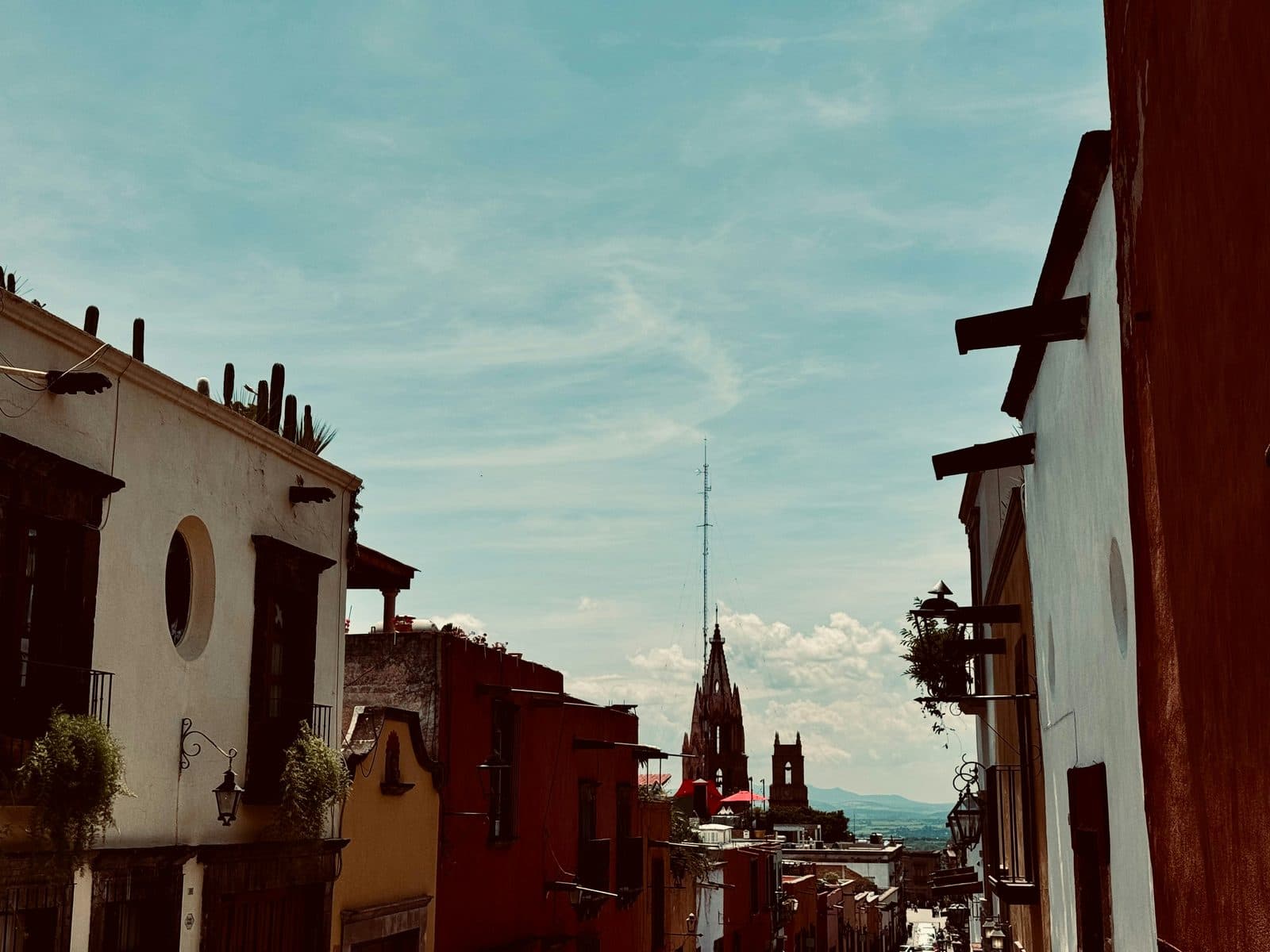
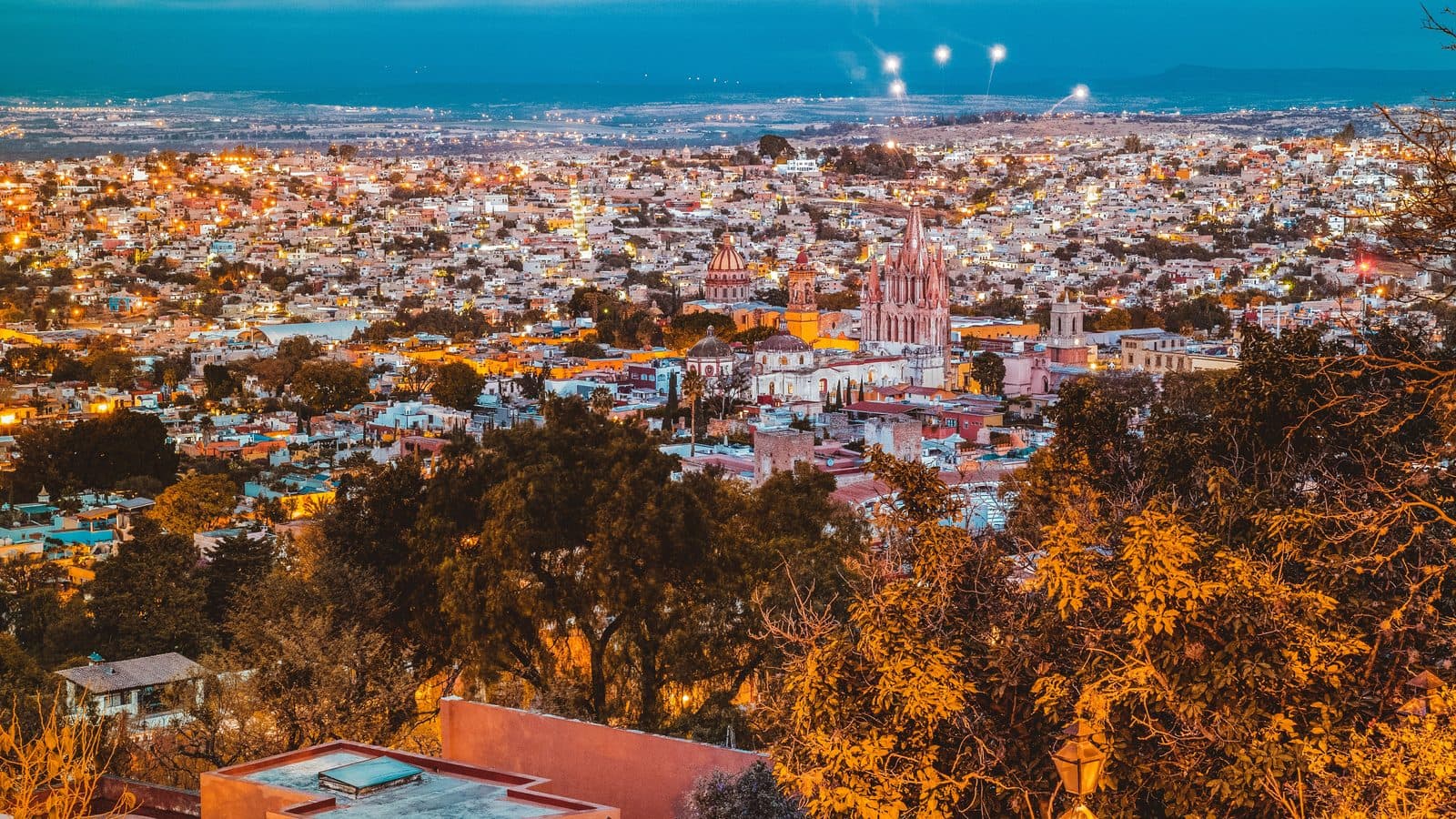
San Miguel is small enough to walk end to end in 30 minutes, but dense enough that you can spend days discovering hidden courtyards, rooftop terraces, and side streets that dead-end at unexpected views. There are no high-rises, no wide boulevards, no visual intrusions on the colonial skyline. The Parroquia is visible from almost everywhere, providing constant orientation.
The Mix
The town has a significant expatriate community, mostly American and Canadian retirees, which gives it a bilingual character. But San Miguel has absorbed this influence rather than being overwhelmed by it. Mexican families still live in the centro. Traditional markets operate alongside organic cafes. The annual festivals, including Semana Santa, Independence Day, and the Festival de San Miguel Arcangel, remain rooted in local tradition.
When to Visit
San Miguel is pleasant year-round, but the best times are October through April, when days are warm and dry and nights are cool. The rainy season (June-September) brings afternoon thunderstorms that clear quickly and leave the streets gleaming. Avoid the week around US Thanksgiving and Christmas if you prefer fewer crowds.
Walk It With Context
The charm of San Miguel is immediate. You feel it the moment you step onto the cobblestones. But the stories behind the facades take the experience deeper. Roamer's self-guided Historic Center tour, eleven stops in a loop of about 2.7 km from the Jardín, guides you through the historic center with audio narration triggered by your location, uncovering the history of the town's churches, plazas, and hidden landmarks at whatever pace feels right to you.
Frequently asked questions
- When was San Miguel de Allende founded and why?
- San Miguel began in 1542 as an Indian village founded by a Franciscan friar beside a spring. In 1555 the viceroy ordered a Spanish town here to protect the Royal Route to the silver mines of Zacatecas.
- How did San Miguel become an art town?
- In 1938, Peruvian-born artist Felipe Cossio del Pomar founded an art school in a former convent in San Miguel, and after World War II American GIs used their GI Bill benefits to study art there.
- Why do artists love the light in San Miguel?
- At 1,900 meters elevation in the central highlands, the air is thin and dry, and sunlight hits the ochre, terracotta, and pink facades with an intensity that shifts dramatically through the day.
Mexico eSIM· 10% off with ROAMER10
Ready to experience it?
Historic Center: San Miguel in Pink Stone
90 min · 2.7 km · easy
More from San Miguel
Explore more at your own pace.
How San Miguel Became an American Town in Mexico
One Day in San Miguel de Allende: A Walkable Itinerary (2026)
San Miguel de Allende Travel Guide: How Many Days, Getting Around, When to Go (2026)
What to Eat in San Miguel de Allende: A Food Guide (2026)
How San Miguel Stayed an Art Colony When Every Other Mexican Town Became a Souvenir