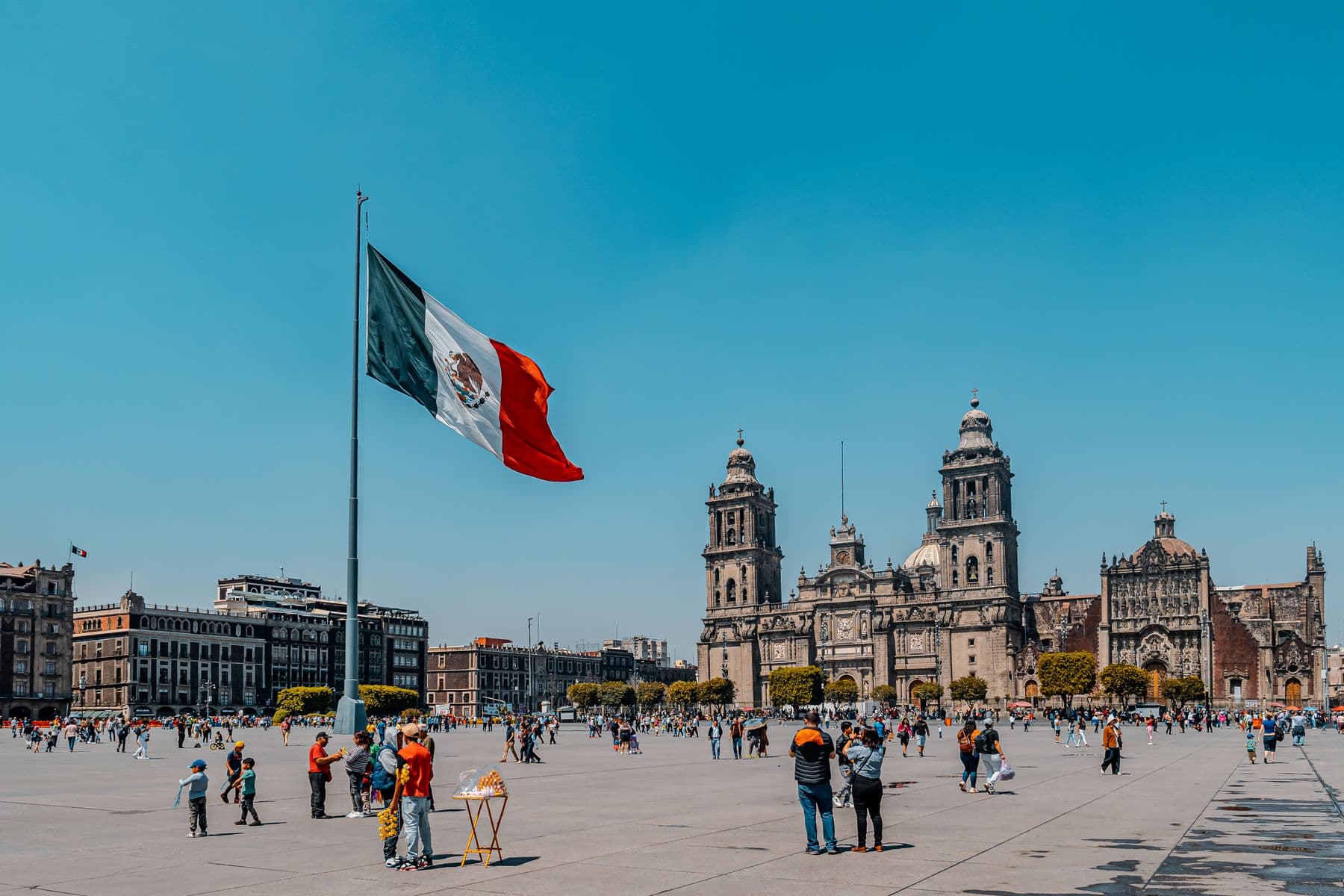
Stand in Mexico City's Zocalo and you are standing on three civilizations at once. Beneath your feet lie the foundations of Tenochtitlan, the Aztec capital that stunned Spanish conquistadors in 1519. Around you rise colonial cathedrals built from the very stones of demolished temples. And just beyond, glass towers and contemporary art museums push the skyline higher each decade. No other city on earth layers its history quite like this.
A Capital Built on a Capital
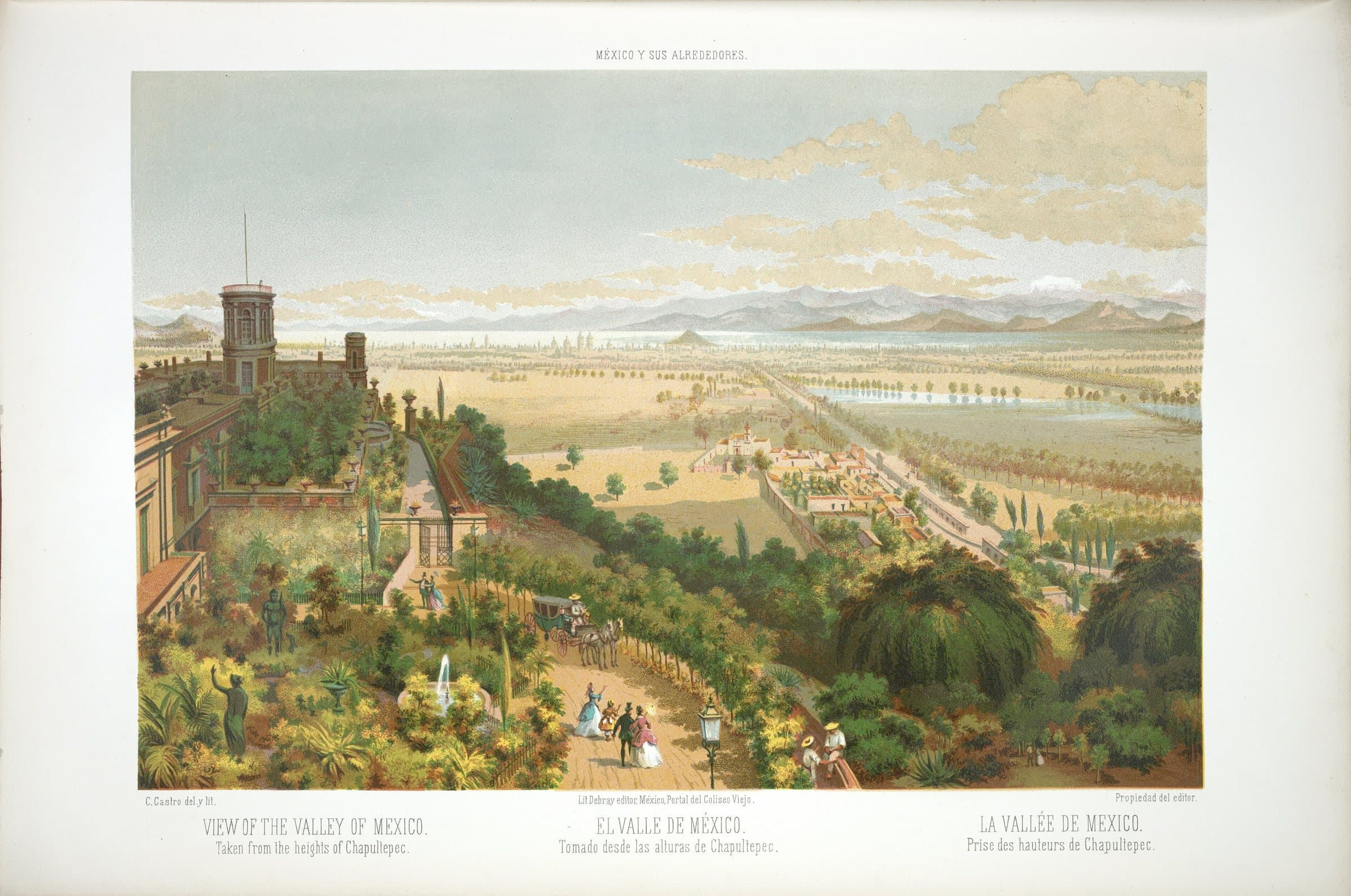
When the Mexica people founded Tenochtitlan around 1325, they chose an island in the middle of Lake Texcoco. By the time Hernan Cortes arrived, the city had a population rivaling any in Europe, with aqueducts, causeways, floating gardens, and a ceremonial center that dazzled visitors. The Spanish demolished the temples and drained the lake, but they could not erase what came before. Today, construction crews routinely uncover Aztec artifacts when digging new metro lines or laying fiber optic cable. The past refuses to stay underground.
Walking Through Time
Hear a stop from this walk
Palacio Nacional: Three Layers of Power
What makes Mexico City extraordinary for visitors is that these layers are not hidden in museums. They are the city itself. At the Templo Mayor, excavated ruins sit directly beside the Metropolitan Cathedral, which in turn faces a modern government complex. A five-minute walk takes you from pre-Hispanic stonework to baroque altarpieces to a street art mural commentary on globalization.
The Historic Center
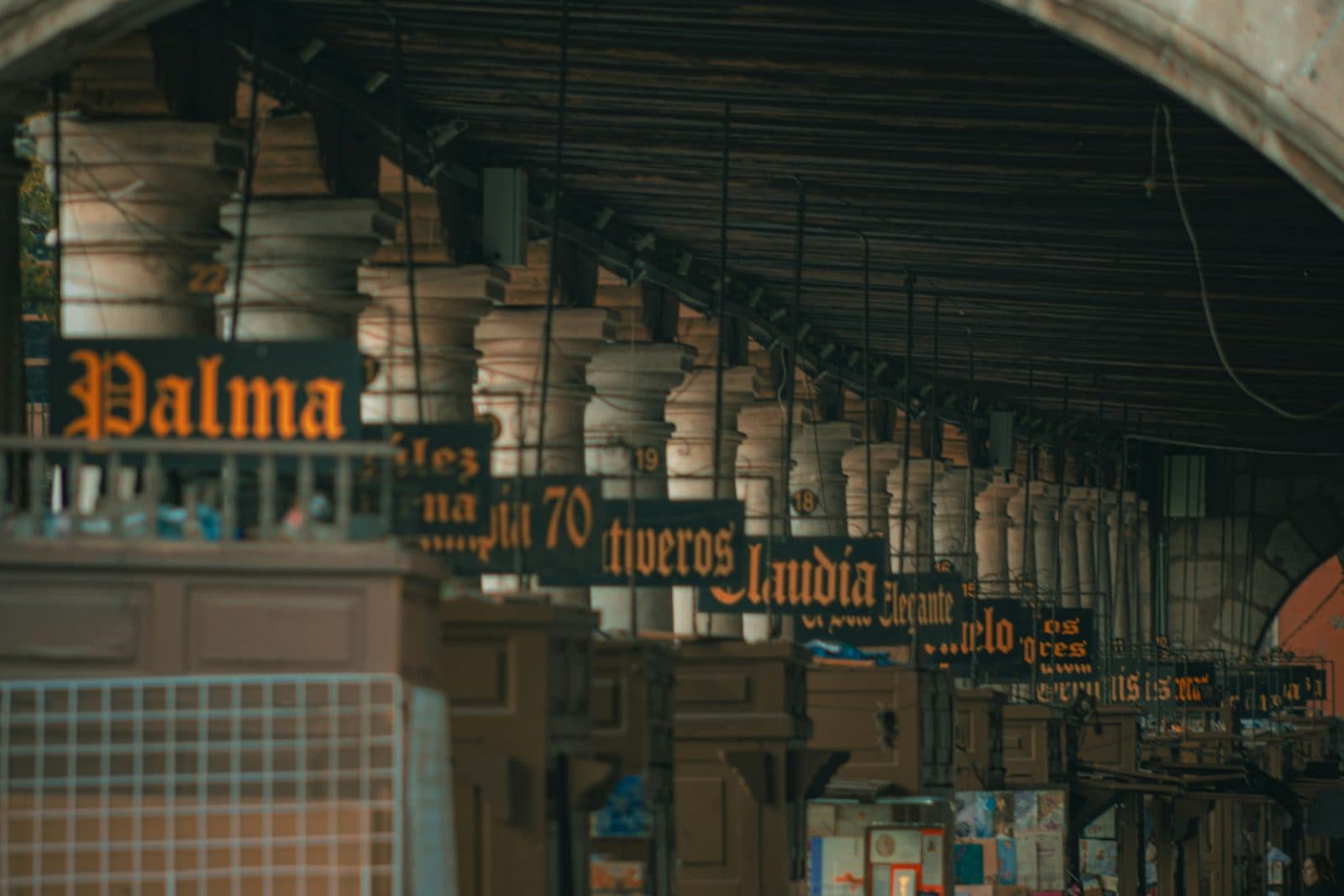
The 600-block historic center is a UNESCO World Heritage Site, but it is far from a frozen monument. Cantinas that have served mezcal since the 1800s operate next to concept restaurants. Jazz spills from Art Deco buildings. Street vendors sell tamales from carts that could have rolled down these same streets a century ago, though now they accept contactless payment.
Beyond the Centro
Neighborhoods like Roma and Condesa show another face of this ancient-meets-modern identity. Early 20th-century mansions have been converted into galleries and boutique hotels. Parks designed during the Porfiriato era fill with morning yoga classes and afternoon skateboarding. The architecture tells a story of constant reinvention without demolition.
Why It Matters for Travelers
Many world capitals have old quarters and new quarters. Mexico City is different because it does not separate its eras. A single building might have an Aztec foundation, colonial walls, a 19th-century facade, and a rooftop bar with a drone-delivered cocktail menu. This compression of time means that walking the city is not just sightseeing but time travel.
Understanding these layers transforms a visit from tourism into something deeper. When you learn that the cathedral sinks a few centimeters each year because it was built on a drained lakebed, the history becomes visceral. When you realize that the street grid follows Aztec causeways, the city starts to feel like a palimpsest you can read with your feet.
Experience It Yourself
The best way to grasp Mexico City's layered identity is to walk it with context. Roamer's historic center tour traces this exact timeline, guiding you from pre-Hispanic ruins to colonial landmarks to modern cultural sites, all with GPS-triggered audio that fills in the stories behind what you see. No guide to hire, no schedule to keep. Just you, the city, and seven centuries of history unfolding at your own pace.
Frequently asked questions
- When was Tenochtitlan founded and by whom?
- The Mexica people founded Tenochtitlan around 1325, choosing an island in the middle of Lake Texcoco.
- Why does the Metropolitan Cathedral in Mexico City keep sinking?
- The cathedral sinks a few centimeters each year because it was built on a drained lakebed.
- What can you see at the Templo Mayor?
- At the Templo Mayor, excavated ruins sit directly beside the Metropolitan Cathedral, which in turn faces a modern government complex.
Mexico eSIM· 10% off with ROAMER10
Ready to experience it?
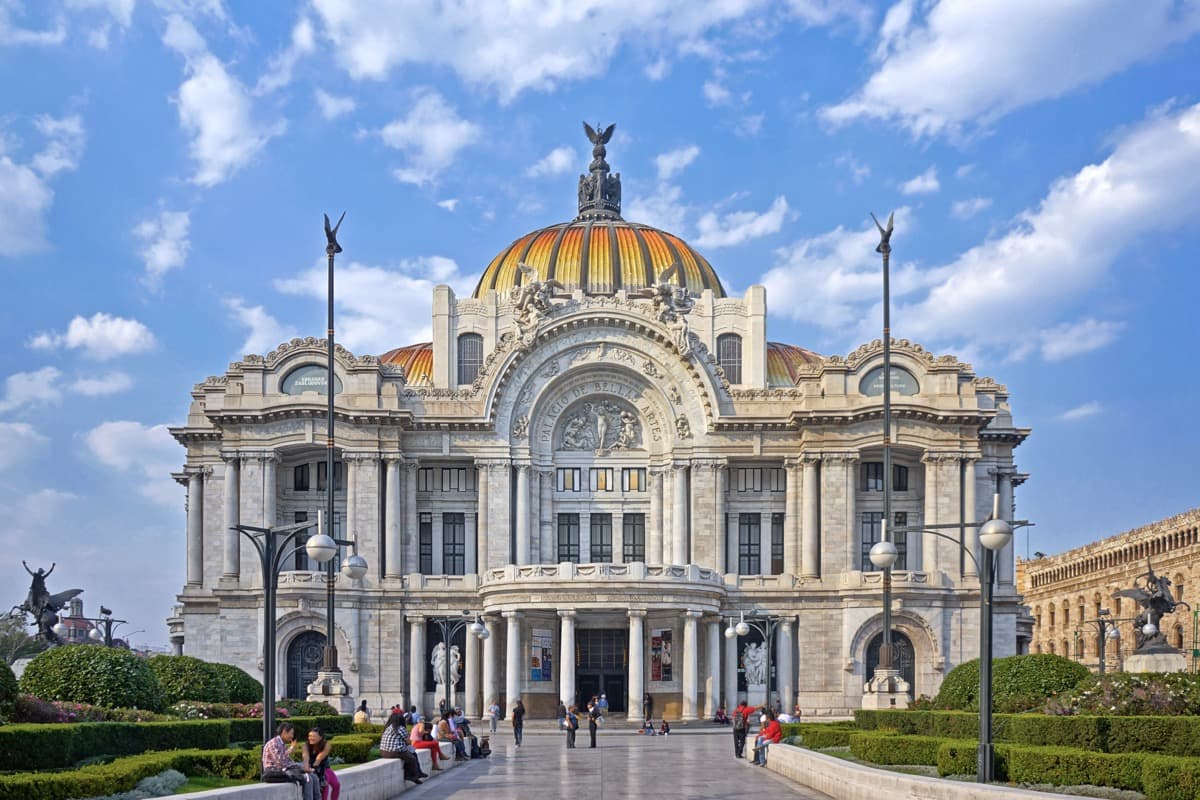
Centro Histórico: Three Civilizations Deep
90 min · 2 km · easy
More from Mexico City
Explore more at your own pace.
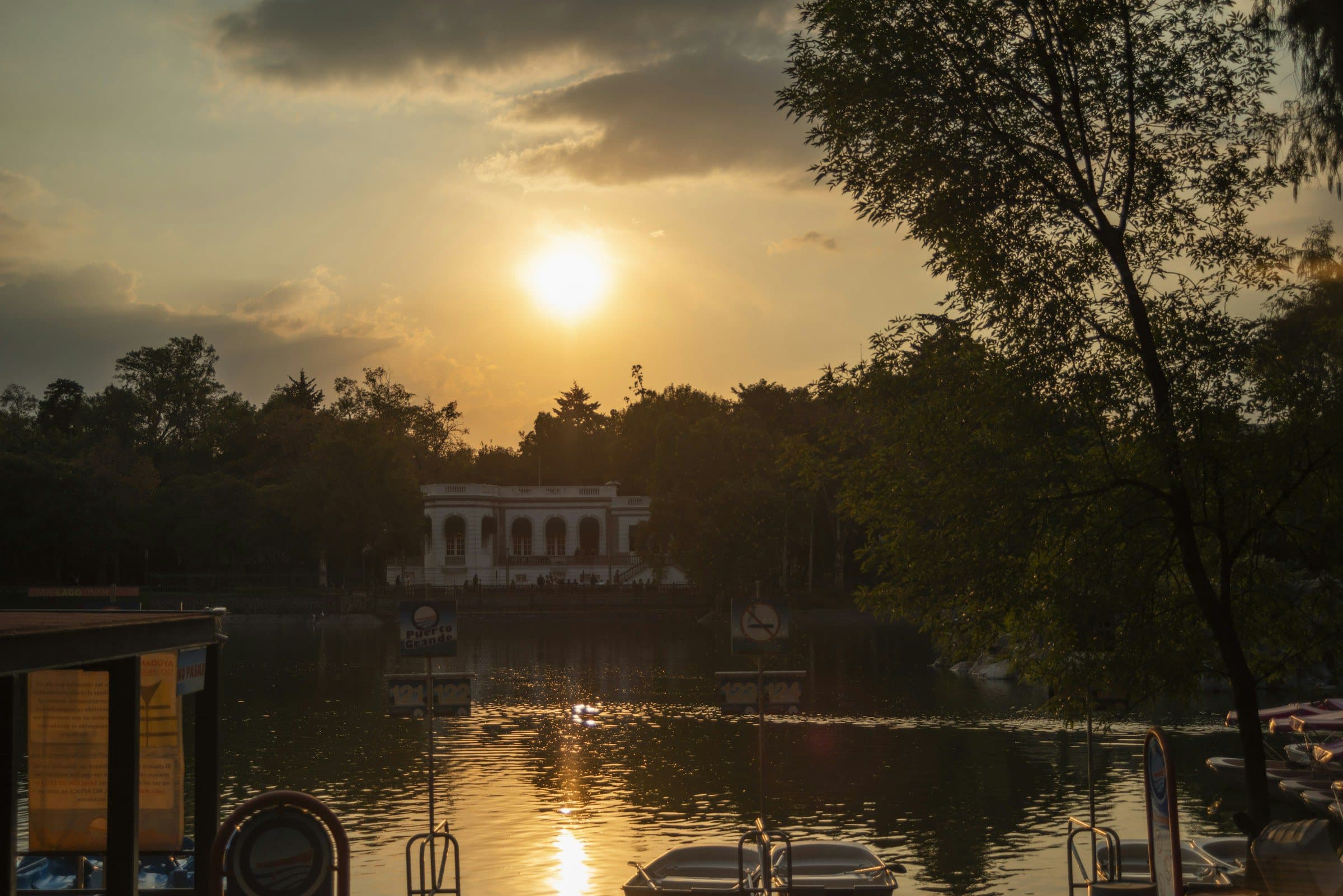
Chapultepec Park Guide: Hill, Lakes and Museum Row
Coatlicue: The Statue That Was Buried Twice
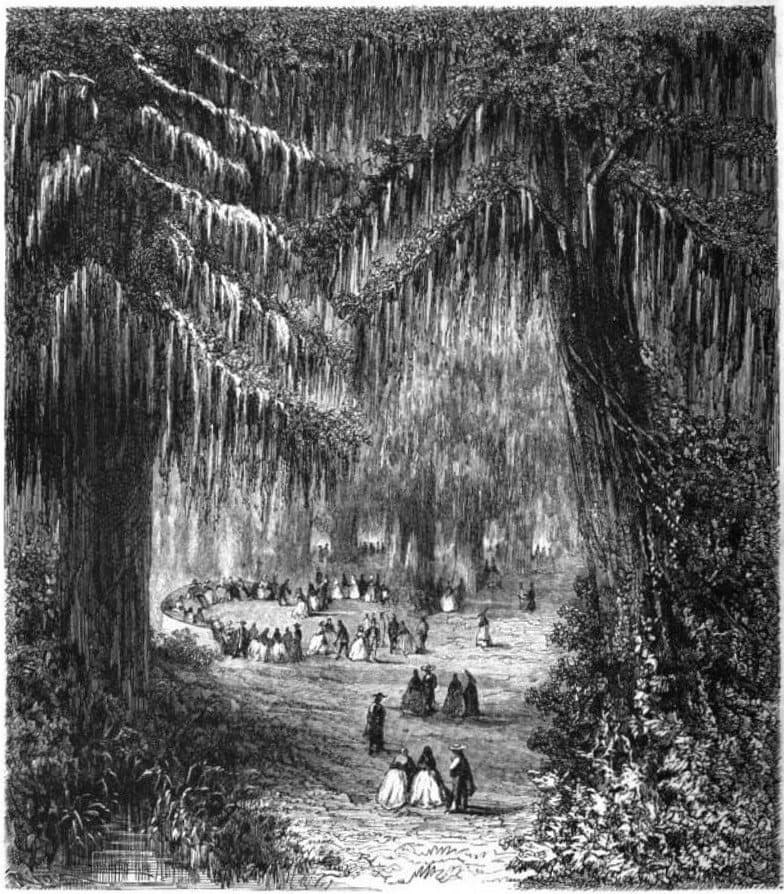
El Sargento: The Dead Ahuehuete Tree of Chapultepec
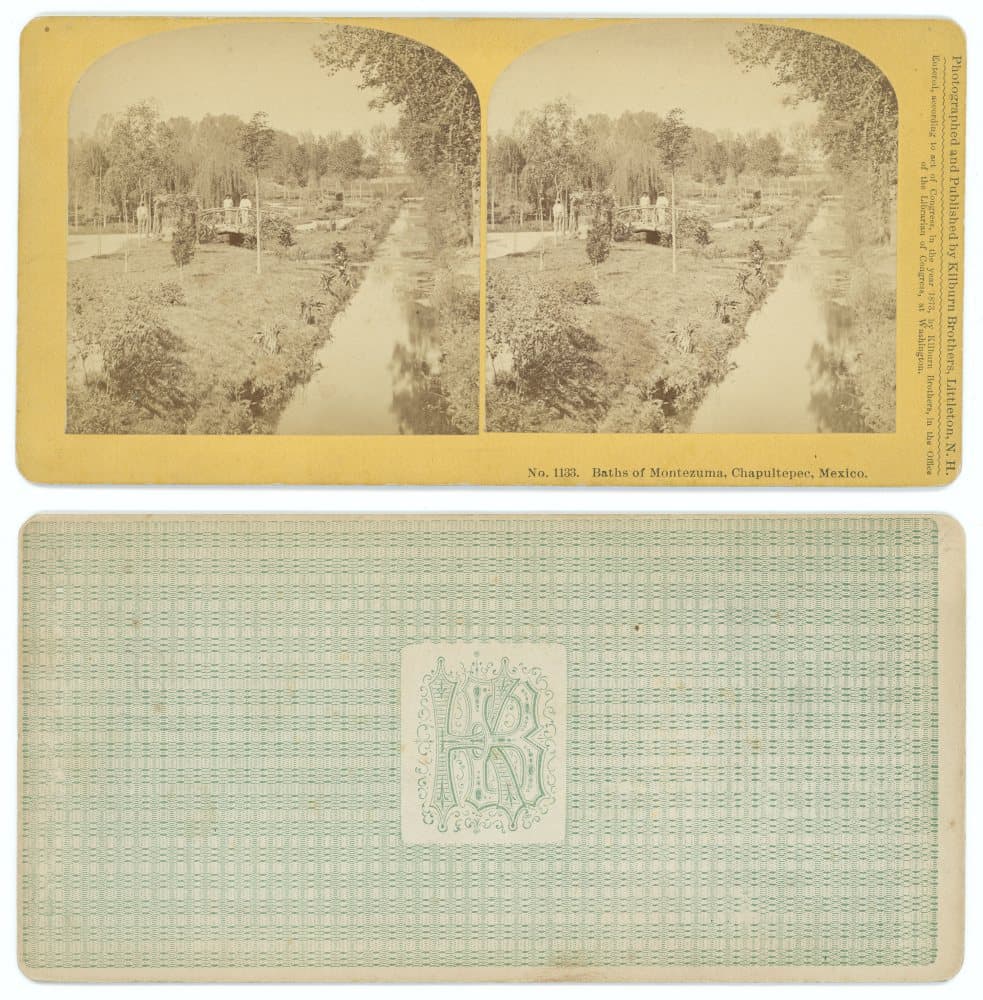
The Baños de Moctezuma: The Bath That Was Never Moctezuma's
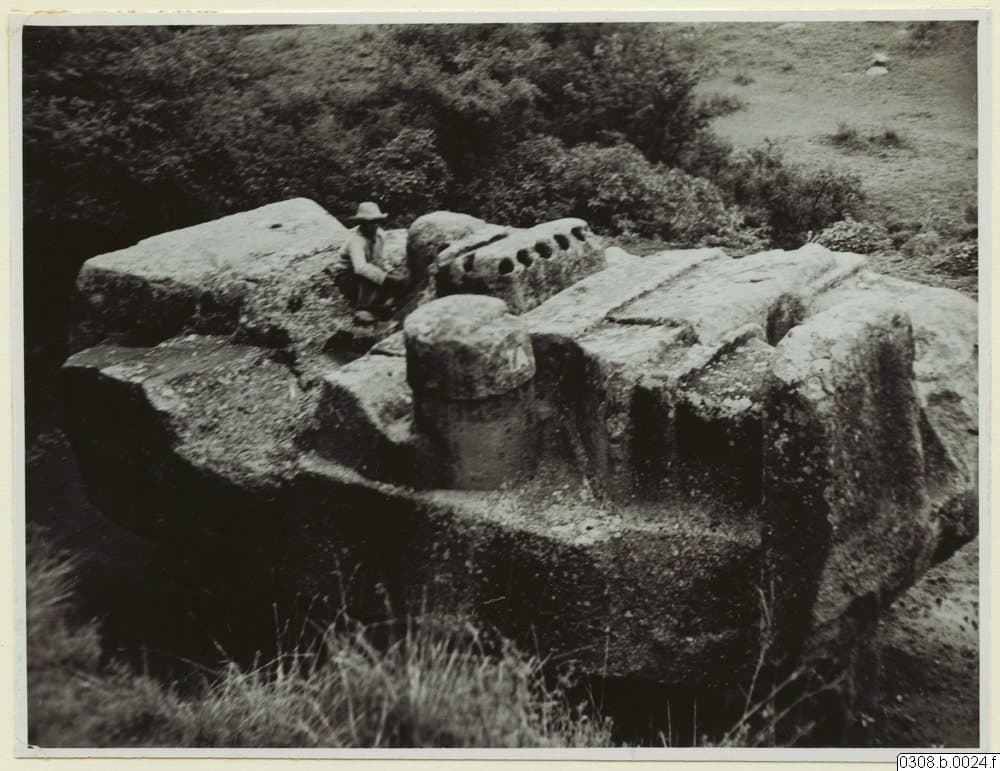
The Tlaloc Monolith: The Stone That Crossed Mexico City in 1964