Ecuador's Sweetest City
Every country has a city with a sweet tooth. In Ecuador, it's Ibarra. This northern highland city has built a culinary identity around handmade confections: fruit sorbets churned in copper basins, blackberry syrups cooked over open flame, and nougat candies sold from shops that haven't changed in decades.
The tradition isn't quaint nostalgia. These are living practices, passed through families, sold on streets and in markets, and consumed daily. In Ibarra, sweets aren't dessert. They're culture.
Helados de Paila: Ice Cream Before Electricity
Hear a stop from this walk
Santo Domingo: The Gothic Comeback
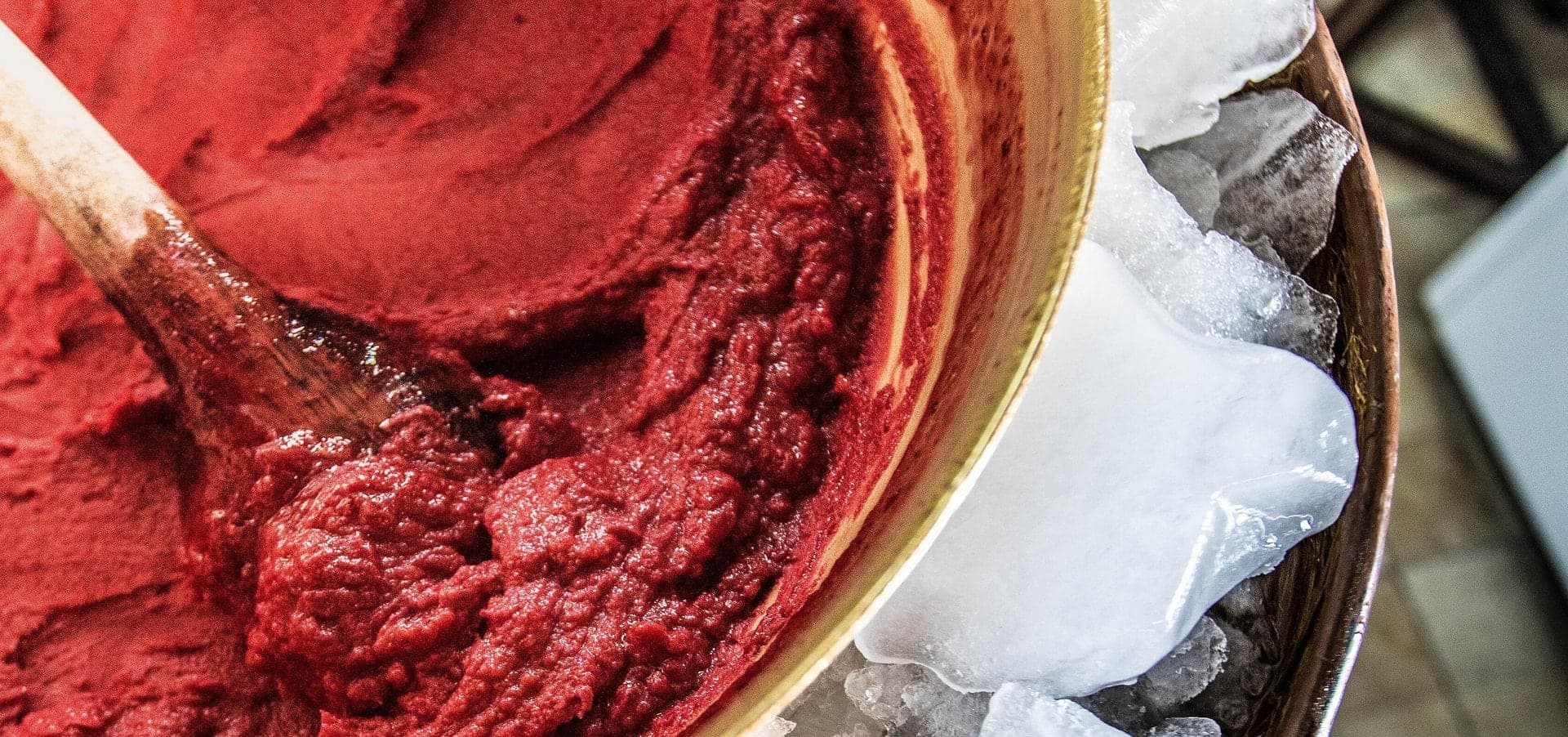
The flagship of Ibarra's sweet tradition is the helado de paila, a fruit sorbet churned by hand in a shallow copper basin (paila) set into a bed of ice and straw. The technique predates electric ice cream makers and produces a texture unlike anything from a machine: lighter than gelato, icier than soft-serve, intensely fruity.
How It's Made
The process is simple in concept and demanding in practice. A large copper paila, usually 50 to 80 centimeters across, sits in a nest of ice packed with salt and straw for insulation. The heladero pours a mixture of fruit juice, sugar, and sometimes egg white into the paila, then spins the basin with one hand while scraping the freezing mixture from the edges with a wooden paddle.
The spinning and scraping continues for ten to fifteen minutes. As the mixture freezes against the cold copper, the heladero folds it toward the center, creating layers of crystallized fruit that gradually merge into a smooth, scoopable sorbet. The entire process happens in the open, on a street corner, in a market stall, or in the front room of a shop, and watching it is half the experience.
The Flavors
Traditional flavors center on highland and tropical fruits: mora (blackberry), naranjilla, taxo (banana passionfruit), guanabana (soursop), coconut, and tomate de arbol (tree tomato). Mora is the most popular and arguably the best. The Andean blackberry has a deep, tangy sweetness that translates beautifully to sorbet.
More contemporary heladeros experiment with chocolate, coffee, and even savory combinations, but purists stick to fruit. A single-flavor scoop served in a cone or a small plastic cup costs next to nothing.
The Rosalia Suarez Legacy
Ibarra's most famous helado de paila shop traces its origins to Rosalia Suarez, who is credited with starting it in the 1890s; her family dates it to 1896. Two parlours carry her name today, facing each other on Calle Oviedo, and they are a stop on our White City walk. The technique hasn't changed. The copper pailas are the same shape and size. The flavors rotate with seasonal fruit availability. It's as close to tasting history as food gets.
Arrope de Mora
Arrope is a dark syrup made by slowly cooking mora (blackberry) juice with sugar. It stays liquid: an Ibarra maker told El Telégrafo in 2015 that it is not a jam and not a jelly, and that it keeps for a year. The process takes hours of patient stirring over low heat. The result is intensely flavored: sweet, tart, and deeply fruity.
Arrope is sold in bottles as a topping for helados, pancakes, and bread, or eaten by the spoonful as a candy. In Ibarra's markets, you'll see it ladled into small bags and tied with a knot, a portable sweet for a few cents.
Its makers say it came to Ibarra from Otavalo, a short bus ride to the south, and spread from there.
Nogadas
Nogadas are a nougat-like candy made from sugar, egg whites, and walnuts (nueces). The mixture is cooked until it reaches the soft-ball stage, then beaten vigorously until it turns white and fluffy. Walnuts are folded in, and the candy is shaped into bars or rounds and wrapped in wax paper.
The texture falls somewhere between marshmallow and taffy: soft, chewy, and sweet with a nutty crunch. Nogada shops cluster around Ibarra's central market, their windows stacked with paper-wrapped bars in various sizes. Some add fruit flavors or coconut, but the classic walnut version is the standard.
Empanadas de Viento
While not exclusively an Ibarra specialty, empanadas de viento (wind empanadas) are a highland tradition particularly beloved here. These are large, puffed pastries made from a simple wheat flour dough, filled with cheese, deep-fried until they balloon with hot air (hence "wind"), and dusted with sugar.
The combination of salty melted cheese inside a sweet, crispy shell is addictive. They're served hot from the fryer, often alongside a cup of morocho (a thick, sweet drink made from cracked corn, milk, cinnamon, and sugar). The pairing of crunchy empanada and warm morocho is an Ibarra afternoon ritual.
Why Sweets Matter Here
Ibarra's sweet traditions are more than culinary curiosities. They represent a form of cultural continuity that connects colonial-era sugar production, family recipes, and contemporary daily life. The heladero spinning sorbet in a copper paila is practicing a technique that has survived industrialization, globalization, and every other force that tends to homogenize food culture.
In a world of factory ice cream and mass-produced candy, Ibarra's sweets are handmade, hyper-local, and deeply personal. Each heladero has their own recipe. Each nogada shop has their own proportions. The variations are subtle but real, and debating which shop makes the best version is a legitimate social activity in Ibarra.
Where to Try Everything
The streets around Ibarra's central market and along Calle Oviedo are the sweet corridor. On any given afternoon, you can sample helados de paila, buy a bottle of arrope, pick up nogadas for the road, and eat a hot empanada de viento, all within a few blocks. Come hungry, and bring a sweet tooth.
Frequently asked questions
- What is helado de paila and how is it made?
- Helado de paila is a fruit sorbet churned by hand in a shallow copper basin set into a bed of ice and straw.
- What are the traditional flavors of helados de paila in Ibarra?
- Traditional flavors center on highland and tropical fruits, including mora (blackberry), naranjilla, taxo, guanabana, coconut, and tomate de arbol. Mora is the most popular.
- What is arrope de mora?
- Arrope is a dark syrup made by slowly cooking mora (blackberry) juice with sugar. It stays liquid: an Ibarra maker told El Telégrafo in 2015 that it is not a jam and not a jelly.
Ready to experience it?
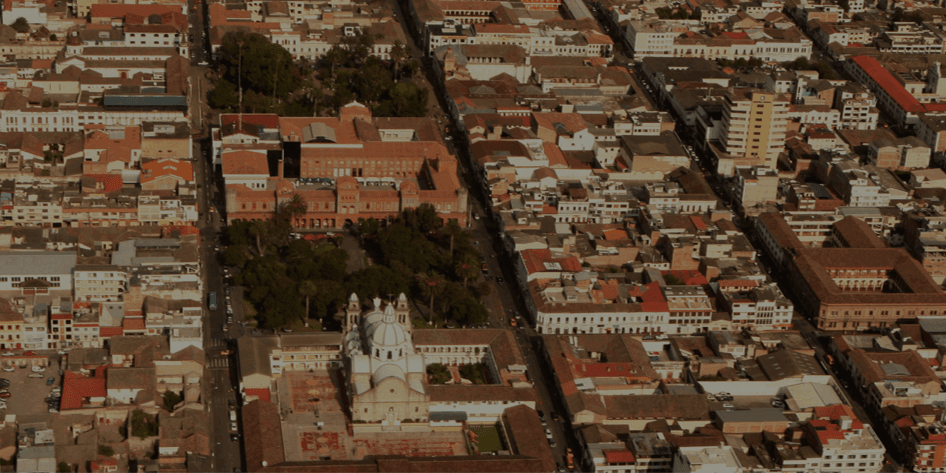
White City: The Town That Came Back
75 min · 1.8 km · easy
More from Ibarra
Explore more at your own pace.
Ibarra Travel Guide: How Many Days, Getting There, When to Go (2026)
One Day in Ibarra: A Walkable White-City Itinerary (2026)
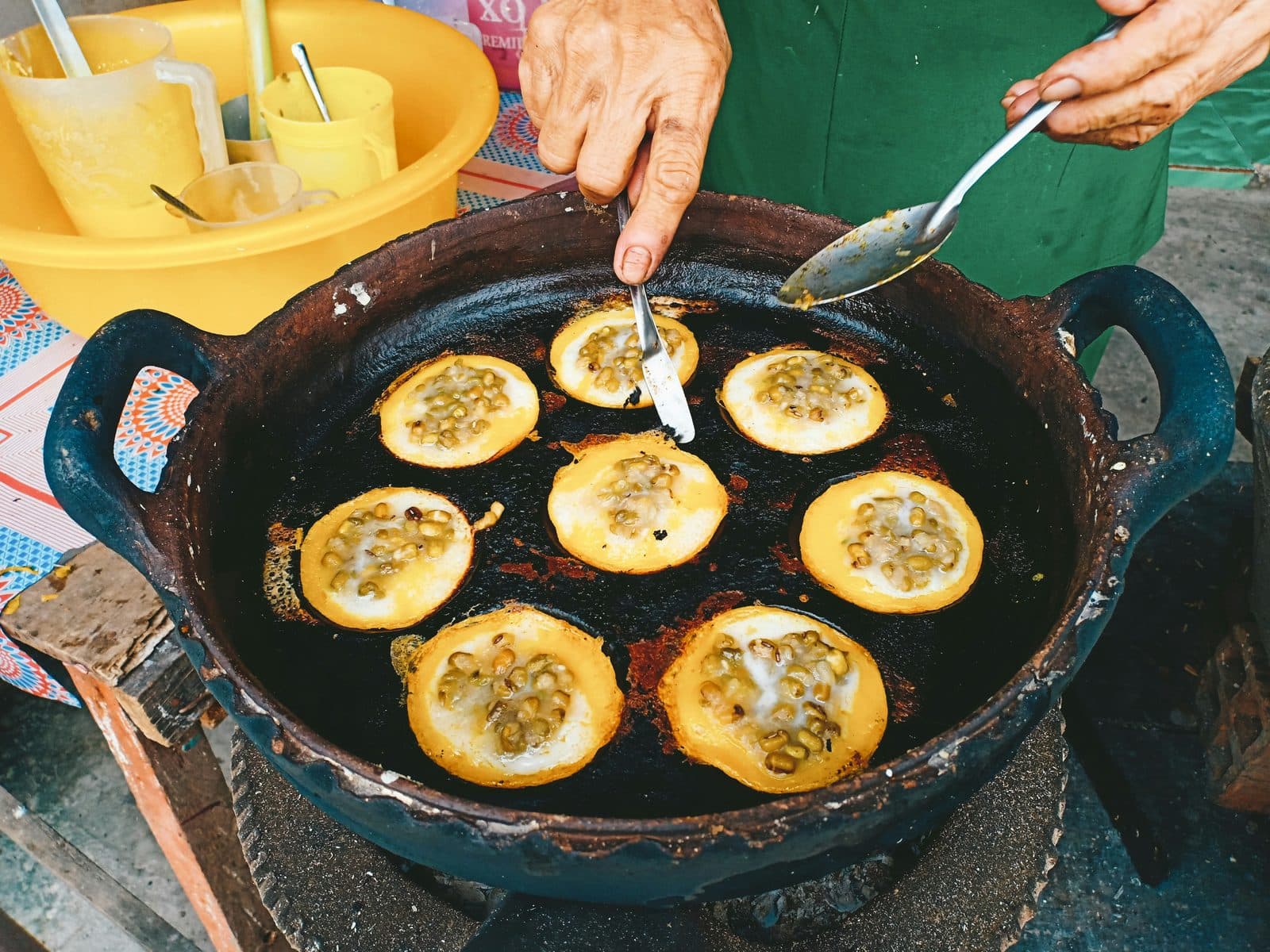
What to Eat in Ibarra: A Food Guide (2026)
Paila, Nogadas and Arrope: The Sweet Side of Ibarra's White City Walk
Rosalía Suárez and the Copper Bowl: How Paila Helado Became a Business