The first thing you notice in Guatemala City's Zone 4 is that the walls are watching you. Enormous faces (Maya elders, revolutionary figures, anonymous children) stare from concrete facades that were blank gray a decade ago. Jaguars leap across loading dock doors. Quetzal birds spread their emerald tails across three-story warehouses. Abstract geometries in electric colors interrupt rows of corrugated metal.
This is Guatemala City's street art movement, and it has a story worth telling. It's not just decoration. It's argument.
From Tags to Murals
Like street art movements worldwide, Guatemala City's began with graffiti: tags sprayed on walls, underpasses, and abandoned buildings during the 1990s and early 2000s. Most of it was territorial: crew names, individual signatures, territorial markers. The authorities treated it as vandalism. Residents treated it as blight.
The shift from tagging to muraling happened gradually, driven by a generation of young artists who grew up during Guatemala's transition from military dictatorship to fragile democracy. The 1996 Peace Accords, which ended a 36-year civil war that killed an estimated 200,000 people, opened cultural space that hadn't existed before. Artists who came of age in this new era used walls the way their predecessors used protest signs, as surfaces for public speech.
By the late 2000s, organized mural projects began appearing, particularly in Zone 4's Cuatro Grados Norte district. Building owners, initially hostile to unauthorized painting, started commissioning murals as an alternative to the tags that appeared anyway. What began as damage control became a neighborhood identity. Within a few years, Cuatro Grados Norte had transformed from a neglected industrial zone into Guatemala City's most visually striking neighborhood.
The Themes
Hear a stop from this walk
Mercado Central: The Invisible Economy
Guatemala City street art isn't random. Recurring themes connect most of the work:
Maya Identity
The most powerful murals draw on Maya iconography, not as nostalgic decoration but as contemporary assertion. A mural of an elder woman in traditional Ixil traje isn't celebrating folklore. It's insisting on indigenous visibility in a capital city that has historically marginalized Maya communities. Corn motifs, quetzal birds, jaguar imagery, and glyph-inspired lettering recur throughout the city, claiming urban space for indigenous identity.
Several prominent muralists are Maya themselves, working in a medium that bridges the gap between their heritage communities in the highlands and their daily lives in the capital. Their work often addresses specific issues like land rights, cultural preservation, and linguistic survival, using visual language that communicates across literacy levels.
Political Memory
Guatemala's civil war left deep scars, and street art serves as unofficial memorial. Murals depicting scenes from the conflict, such as displaced communities, military violence, and the 1982 genocide against Ixil Maya communities, appear in neighborhoods where survivors now live. These aren't sanctioned monuments. They're community-generated memory, painted on the walls of the communities that experienced the events.
The political dimension extends to contemporary issues. Corruption scandals, environmental destruction, migration, and femicide have all been addressed in murals that appear (and sometimes disappear) as events unfold. Street art becomes a form of journalism: fast, public, and uncensored.
Urban Pride
Not all the work is heavy. A significant portion of Guatemala City's street art celebrates the city itself: its chaos, its energy, its refusal to be tidy. Colorful portraits of market vendors, bus drivers, shoe shiners, and street musicians honor the working people who make the city function. Abstract geometric works transform monotonous commercial facades into visual surprises. Playful interventions like painted doorways, optical illusions, and hidden creatures add humor to the urban landscape.
This strand of the movement is about reclaiming a city that most Guatemalans have been taught to apologize for. "Guatemala City is ugly" is practically a national refrain. The muralists disagree, loudly and in full color.
Where to See It
Zone 4: Cuatro Grados Norte
The epicenter. The area roughly bounded by Ruta 1, Ruta 4, Via 5, and 2nd Calle concentrates the highest density of murals. Every visit reveals something new. Walls are regularly repainted, and new works appear without announcement. The neighborhood is walkable, relatively safe during the day, and anchored by restaurants and cafes that make lingering easy.
Notable works rotate, but look for the multi-story pieces on warehouse walls along Via 5. These are the showcase murals, often painted during organized festivals that bring in international artists alongside Guatemalans.
Zone 1: Historic Center
Street art in Zone 1 tends to be smaller scale and more guerrilla: unauthorized pieces on abandoned buildings, stencils on utility boxes, paste-ups on construction barriers. The content is often more explicitly political than Zone 4's commissioned pieces. Walk the blocks east and west of Paseo de la Sexta to find the most concentrated examples.
Zone 3: El Gallito Neighborhood
Less visited by tourists, Zone 3 has seen several community mural projects where residents collaborated with artists to paint their own neighborhood. These murals are the most personal, depicting local heroes, community events, and neighborhood history. Visiting requires more cultural sensitivity (ask before photographing, stay on main streets).
The Artists
Guatemala's street art scene is relatively small, which gives it coherence. A few names to know:
- Colectivo Caja Ludica. An arts collective that organizes festivals, workshops, and community arts projects, serving as one of the movement's institutional pillars.
- A local muralismo. Guatemala City's contribution to the global muralismo movement draws on Mexico's tradition (Rivera, Orozco, Siqueiros) but adapts it for a Guatemalan context: smaller scale, more Maya influence, less state sponsorship.
International artists regularly contribute through festivals and residencies. The cross-pollination between local and global styles creates a visual diversity that keeps the scene evolving. You might find a photorealistic portrait by a Colombian artist next to an abstract Maya glyph interpretation by a Guatemalan, next to a wildstyle piece by a visiting European crew.
The Tension
Street art exists in a gray zone between art and vandalism, sanctioned and illicit, permanent and temporary. In Guatemala City, this tension is heightened by class dynamics. Zone 4's murals are increasingly commissioned by property developers who understand that art increases real estate value. The same aesthetic that began as working-class expression becomes a gentrification tool.
Artists are aware of this contradiction. Some embrace the commissions as a way to make a living and reach larger audiences. Others maintain that real street art must be unauthorized, that asking permission removes the political edge. The debate plays out on the walls themselves, where commissioned showcase pieces coexist with illegal paste-ups and spray-painted political slogans.
This tension makes the scene alive rather than settled. It's not a gallery with fixed exhibitions. It's an ongoing argument conducted in paint.
Experiencing It
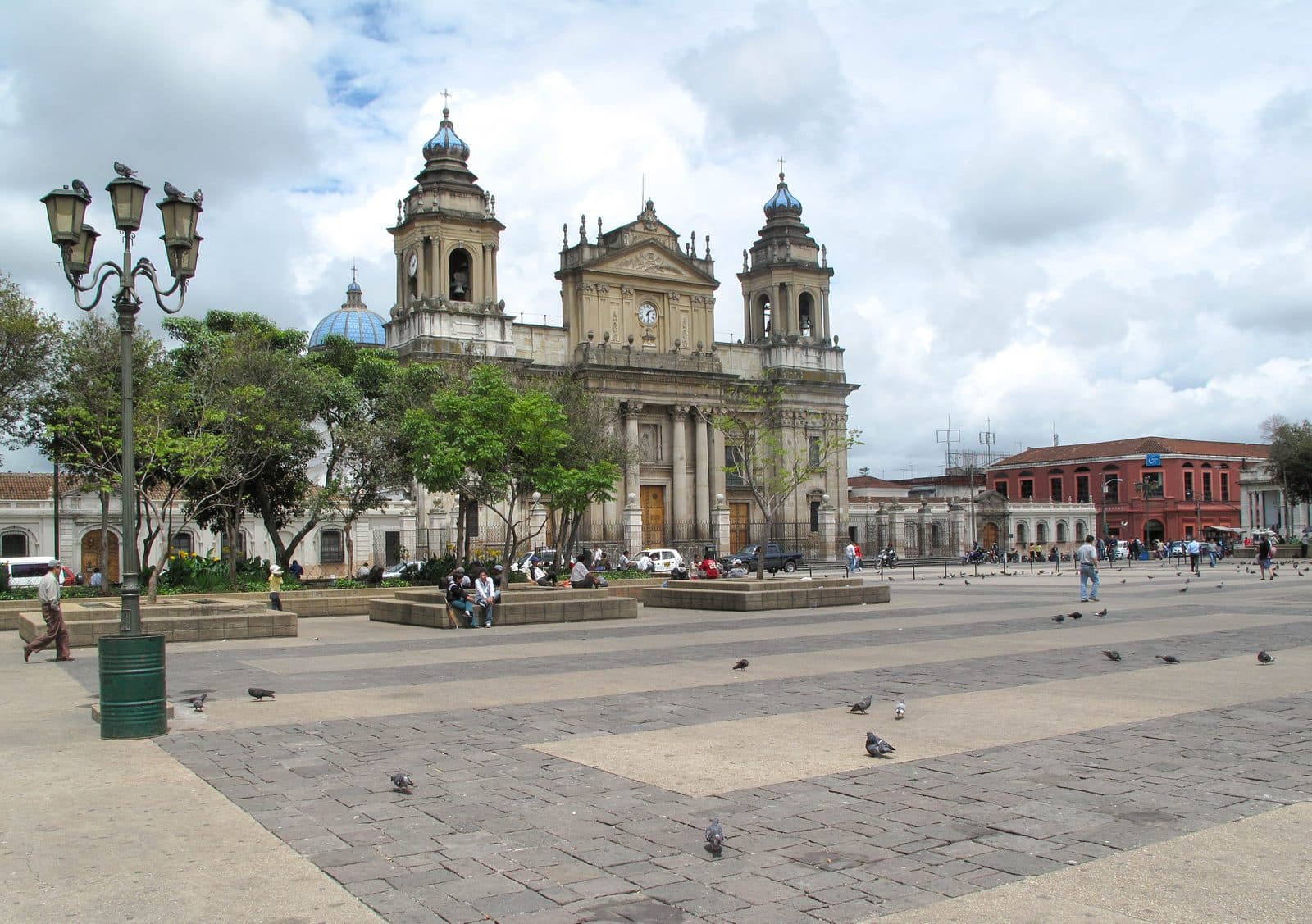
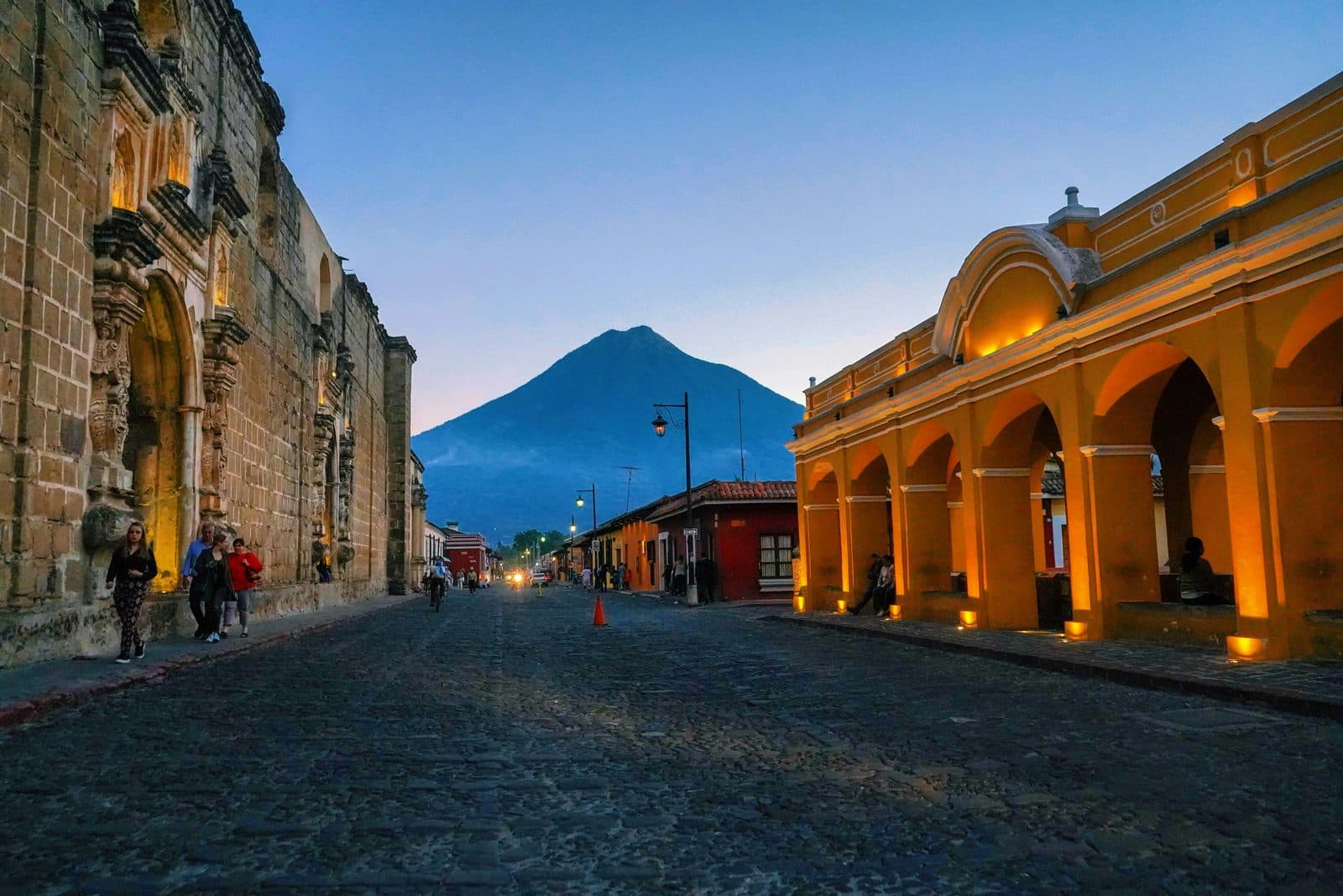
Our Guatemala City Historic Center Tour guides you through the heart of the old city, providing context for what you're seeing: who painted it, why, and what it means in Guatemala's cultural and political landscape. The difference between walking past a mural and understanding its story is the difference between seeing color on a wall and hearing a voice.
Bring a camera. Walk slowly. Look up, because some of the best pieces are above eye level, painted on second and third floors where they escape casual notice. And check back in six months, because the walls will have changed. That's the point.
Ready to experience it?
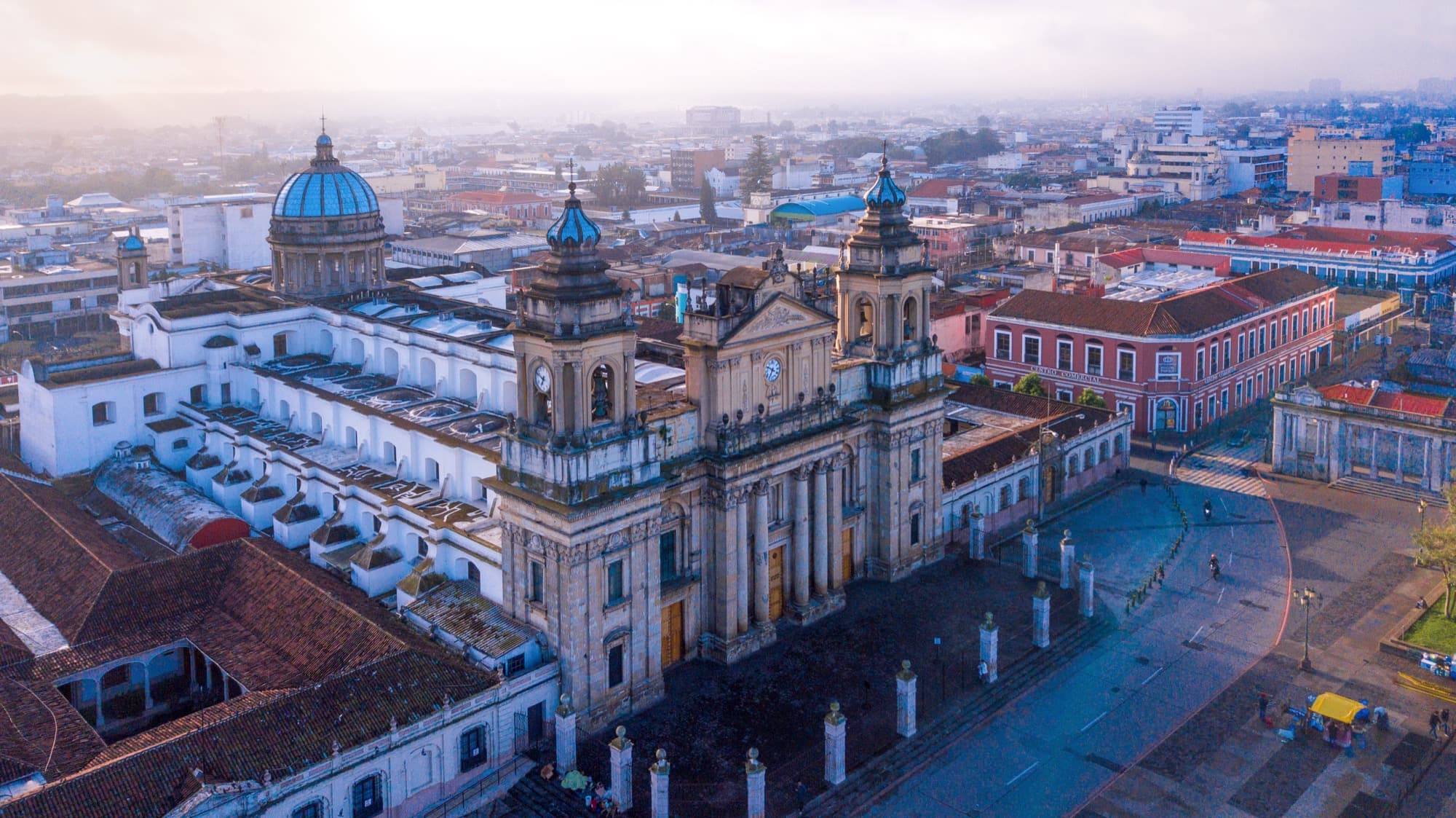
Historic Center: Who Rebuilt This City
75 min · 2.33 km · easy
More from Guatemala City
Explore more at your own pace.
Best Self-Guided Walking Tours in Guatemala City (2026)
Guatemala City Travel Guide: How Many Days, Getting Around, Is It Safe (2026)
One Day in Guatemala City: A Walkable Itinerary (2026)
Best History Walking Tours in Guatemala City (2026)
What to Eat in Guatemala City: A Food Guide (2026)