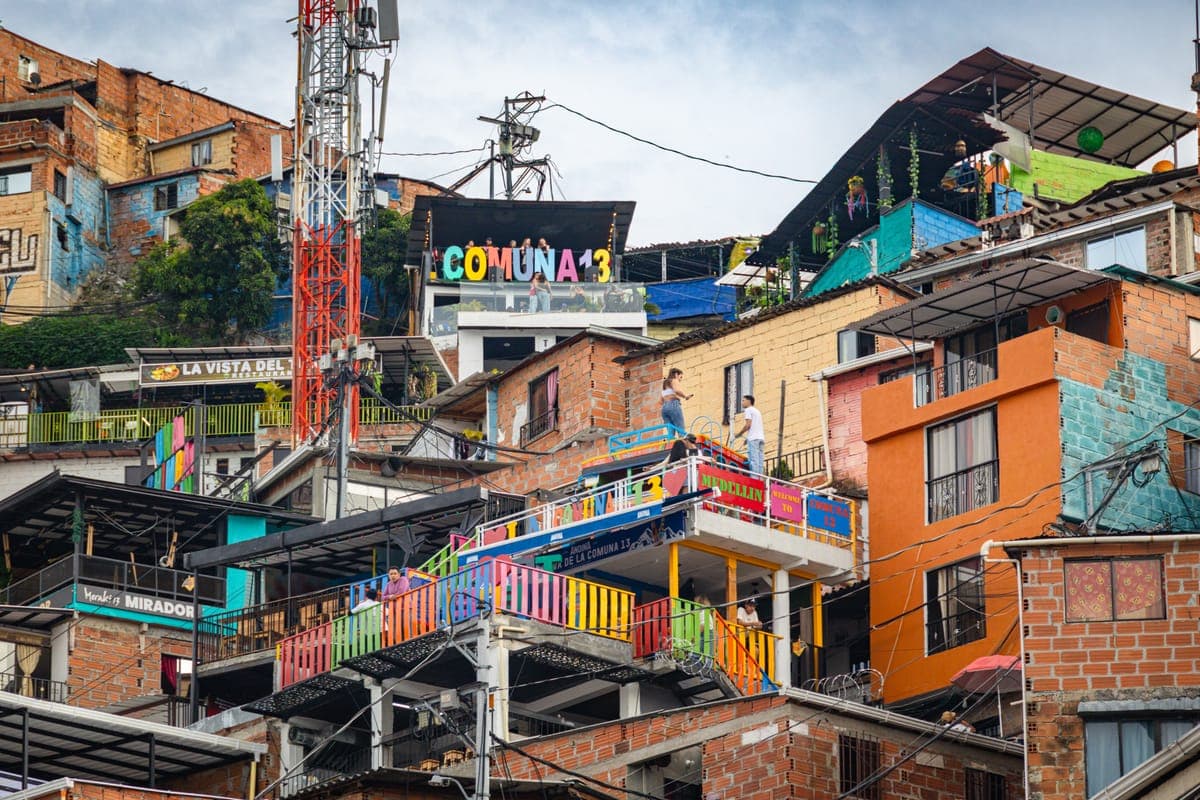
Climb through the neighborhood that wrote its story in murals — from the darkest chapter of Operation Orion to one of the most vibrant open-air galleries in Latin America.
Start · San Javier Metro Station
DirectionsStops
- 1
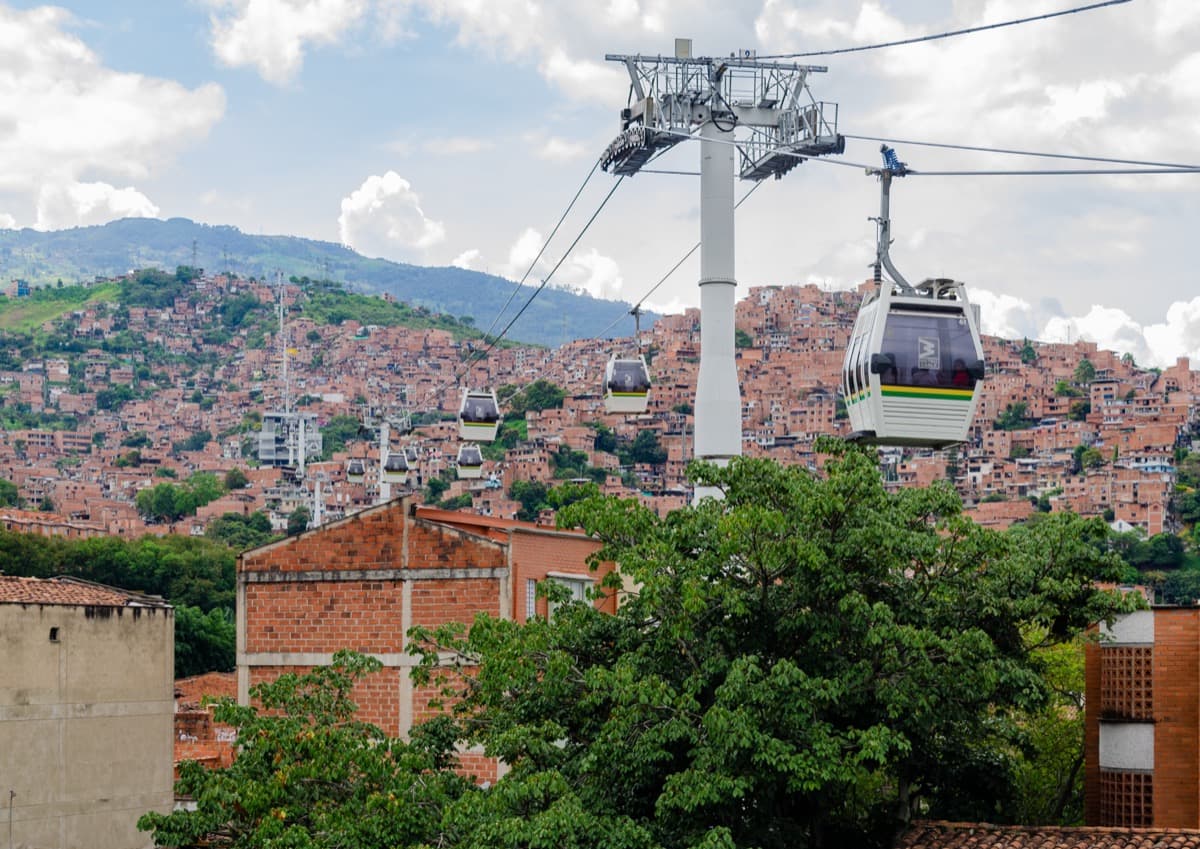
San Javier Metro Station
The western terminus of Medellín's Metro Line B, and the starting point where social urbanism becomes tangible.
- 2
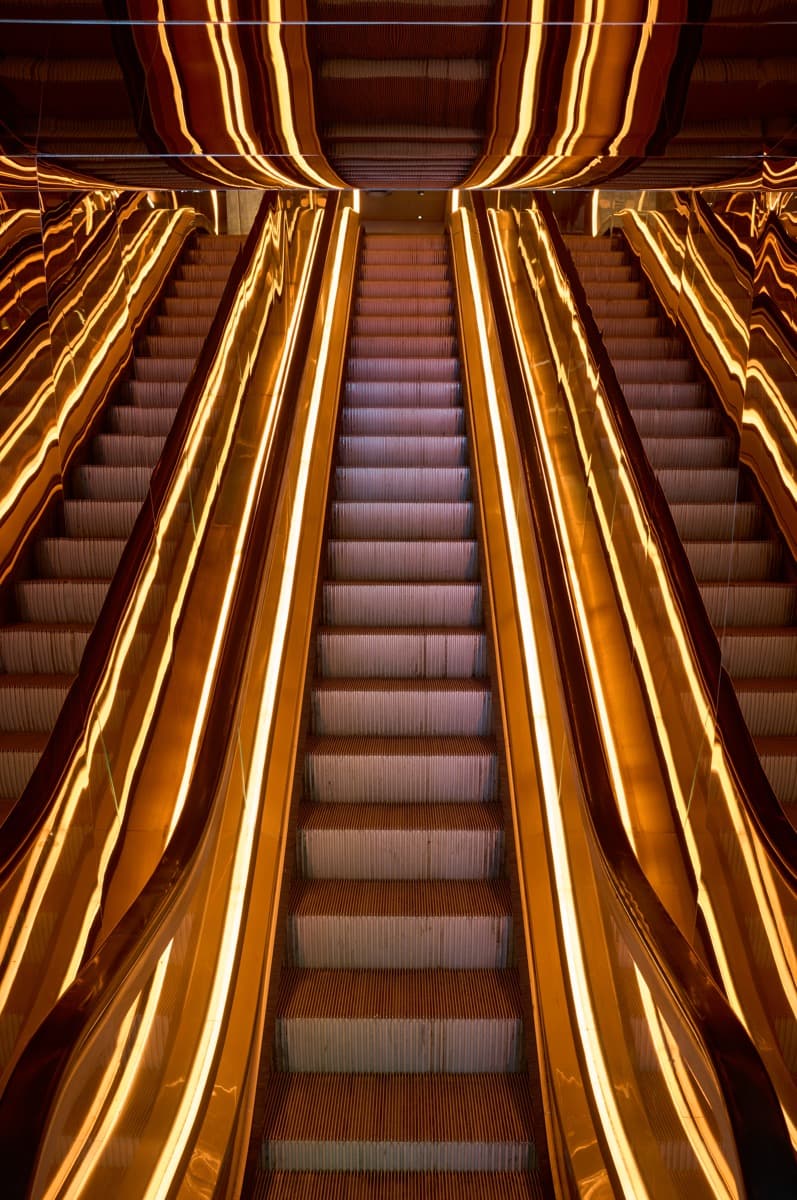
Escalator Entrance — Lower Station
The base of the world's first outdoor public escalators, built in 2011 to replace a grueling 35-minute stair climb.
- 3
First Mural Cluster — Operation Orion Memory
Murals commemorating Operation Orion, the 2002 military operation that left deep scars on this community.
- 4
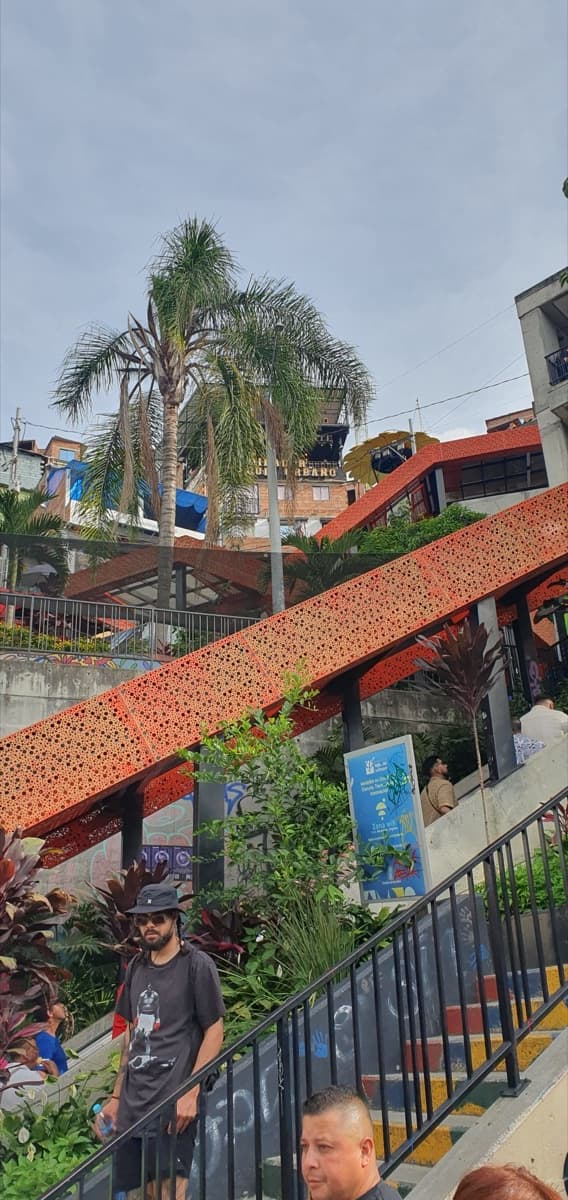
Mid-Escalator Viewpoint
A panoramic pause point where the geography of inequality becomes visible across the Aburrá Valley.
- 5
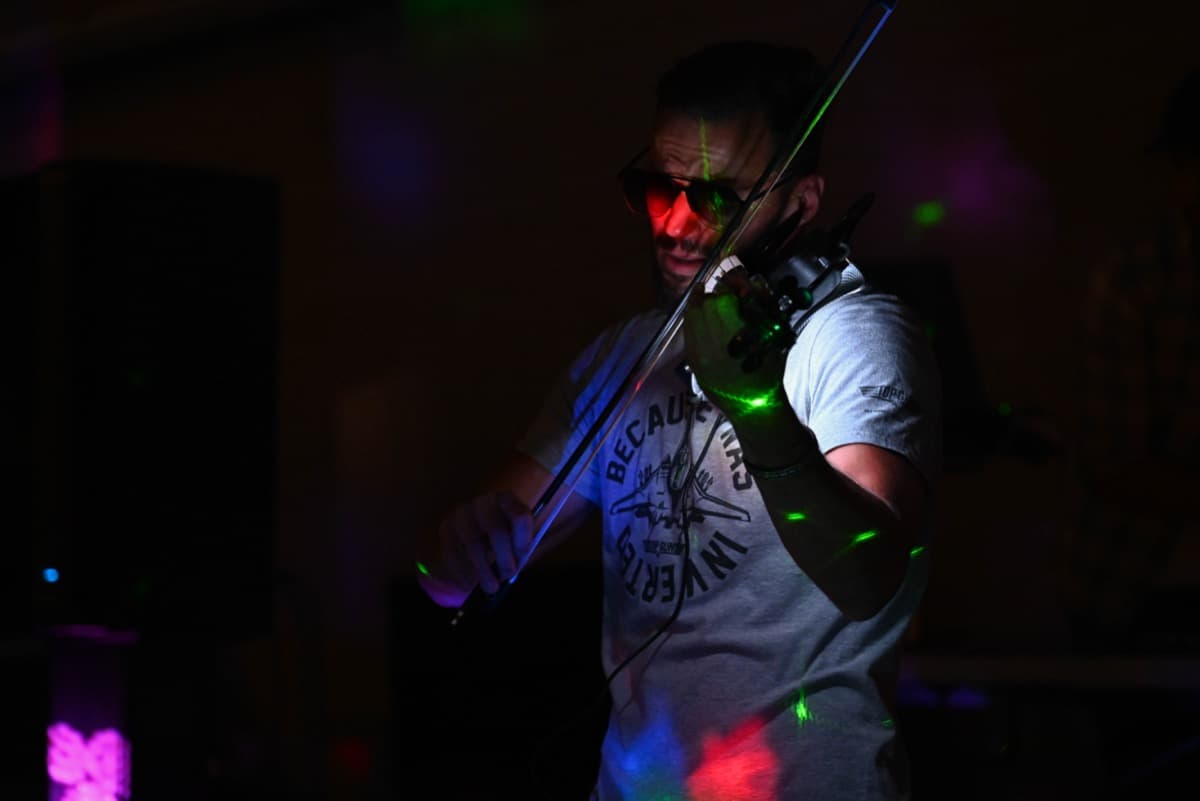
Hip-Hop Performance Area
The open-air stage where Comuna 13's hip-hop movement — born as resistance to violence — comes alive daily.
- 6
Upper Mural Zone — Transformation Art
The densest concentration of murals, where themes shift from memory and grief toward hope, identity, and renewal.
- 7
Top of Escalators — Community Viewpoint
The summit of the escalator route, offering a full panorama of the Aburrá Valley and a moment to reflect on the journey.
Details
Best Time to Visit
Weekday mornings between 8:00 and 10:00 AM offer the best combination of cooler temperatures, active community life, and fewer tour groups. The escalators operate from 6:00 AM to 8:00 PM. Avoid Sundays when the area can become extremely crowded with domestic tourists.
Pro Tips
- •Book a tour with Casa Kolacho or another community-run organization rather than an external operator — more money stays in the neighborhood and the guides have lived experience
- •Bring water and wear comfortable shoes with good grip — the streets between escalator sections are steep and can be slippery when wet
- •Ask before photographing residents, especially elderly people and children. The murals are fair game, the people are not
- •Try the mango biche (green mango with salt and lime) from the vendors along the escalators — it's a signature local snack
- •If you want to support the community financially, buy art directly from the artists painting along the route rather than from souvenir shops at the bottom
Safety & Precautions
- •Stay on the main escalator route and surrounding streets. Side alleys higher on the hillside are residential and not part of the tour area
- •Keep phones and cameras close to your body. Petty theft can occur, particularly in crowded areas around the escalators
- •Do not take photos of or near any individual who asks you not to. Some residents have personal safety concerns related to the conflict
- •Avoid visiting after dark. The escalators close at 8:00 PM and the area is not well-lit for tourists at night
- •Be mindful that this is a neighborhood with real trauma. Loud, celebratory selfie behavior at memorial murals is deeply disrespectful
Travel advisory: Reconsider Travel (Level 3).
Gallery
Related Reading
Go deeper on what you'll see, hear, and walk through.
Read the walk
The full story of Medellín: Comuna 13, The Escalator Intervention, in words. Prefer to listen? Play it narrated, from home or on location.
Introduction
Most cities try to police neighborhoods like Comuna 13. Medellín built escalators.
In two thousand and eleven, the city opened a three hundred and eighty-four metre outdoor escalator system in the hillside barrio of San Javier, a neighborhood that had spent the previous twenty years being one of the most violent places in Colombia. The escalators cut what had been a thirty-five-minute climb up the side of a mountain into a six-minute ride. They are bright orange, run continuously, and are free. They are urban policy disguised as transit.
In October two thousand and two the Colombian army's Operation Orion entered Comuna 13. Over a thousand troops, helicopters, armored vehicles. The army and police took the neighborhood. Hundreds of people disappeared. Many bodies were never found. The escalators, nine years later, were an offer. The city could not give the past back, but it could give twelve more minutes of every day, and be honest about what happened here. The murals, the hip-hop tours, the legitimate economy followed the escalator. Twenty years after Operation Orion, Comuna 13 is one of the most-visited tourist sites in Colombia.
The route is seven stops, about two kilometres and ninety minutes, climbing through San Javier from the metro station up to a community viewpoint at the top of the system. The escalators do most of the climbing, and they are free to ride. Tipping the artists is customary. When you arrive at San Javier Metro Station, begin with stop one.
1. San Javier Metro Station
Welcome to the San Javier Metro Station, your first stop on this tour. You're standing at San Javier Metro Station, and the first thing to understand about Medellín is that this metro system is not just transportation, it's a philosophy. When the Metro opened in 1995, the city was the murder capital of the world. Pablo Escobar had been dead for two years, but the violence he'd fueled was still burning through every neighborhood.
The city made a radical bet: instead of putting its finest infrastructure in wealthy neighborhoods, it would build the most beautiful, most dignified public spaces in the poorest communities. They called it social urbanism. This station, clean and orderly, connects to the MetroCable, a gondola system that carries hillside residents down to jobs in the valley in minutes instead of hours.
Watch the people around you. There's something called 'cultura Metro', Metro culture. No eating, no littering, people stand to the right on escalators. It sounds small, but in a city that had lost all sense of shared civic space, these small acts of mutual respect were revolutionary. The Metro became proof that Medellín could have nice things, that public space could belong to everyone, and that the poorest neighborhoods deserved the same dignity as the richest.
We're heading uphill now, toward the escalators. The neighborhood you're about to enter sits on a steep hillside to the west. For decades, the only way up was narrow concrete stairs, hundreds of them.
2. Escalator Entrance — Lower Station
Welcome to the escalator lower station. Look up. You're standing at the bottom of six connected electric escalators that climb 28 stories up this hillside. When they were installed in 2011, they were the first outdoor public escalators in the world, a concept so unusual that international media couldn't quite believe it. A neighborhood this poor, this stigmatized, getting an engineering project this ambitious.
Before these escalators, the only way up was 350 concrete steps. Imagine doing that every single day, carrying groceries, carrying children, in the rain, in the heat. A 35-minute climb each way. Elderly residents were essentially trapped in their homes. Children arrived at school exhausted before the day began. The escalators turned that into a six-minute ride.
But talk to anyone who lives here and they'll tell you something important: it wasn't just the escalators. The project included new public spaces, lighting, water infrastructure, and community centers along the route. The city didn't just drop a piece of engineering into a forgotten neighborhood, it invested comprehensively. That distinction matters to people here because it meant the government was saying: you are worth more than a single gesture.
The orange canopies you see above the escalators have become one of the most recognizable images of Medellín's transformation. As we ride up, you'll start to see the murals. Each one has a story. Each one was put there with intention.
3. First Mural Cluster — Operation Orion Memory
Welcome to the first mural cluster. Take a moment here. The murals around you are not decoration. They are testimony.
On October 16, 2002, the Colombian military launched Operation Orion in this neighborhood. Over a thousand troops entered Comuna 13 backed by helicopters and armored vehicles. The stated goal was to clear out guerrilla fighters, FARC and ELN militias had established control here because of the neighborhood's strategic position along trafficking corridors leading to the Urabá coast.
But what happened over those two days went far beyond a military operation. Civilians were caught in crossfire. Homes were raided. And people began to disappear. Neighbors, family members, young men taken from their houses and never seen again. Estimates of the disappeared range from 70 to over 300 people. Many are believed to be buried at La Escombrera, a massive rubble dump higher on the hillside that families have fought for over two decades to have excavated.
Look at this mural. You can see the helicopters. The families huddled together. The empty chairs representing the disappeared. These images were painted by people who lived through that night, who heard the gunfire from inside their homes, who are still waiting for answers about where their loved ones are buried.
This is why the word 'transformation' carries such weight here. This community didn't transform from some abstract difficult past. It transformed from this. From helicopters overhead and neighbors vanishing in the night. Remember that as we continue climbing.
4. Mid-Escalator Viewpoint
Welcome to the mid-escalator viewpoint. Stop here for a moment and look out across the valley. What you're seeing is a geography lesson in inequality, written in concrete and green hillside. Medellín sits in the Aburrá Valley, a narrow corridor running north to south, with…
Full narration for this stop unlocks with the tour.
5. Hip-Hop Performance Area
Welcome to the hip-hop performance area. Listen. If there's music playing right now, that's not an accident. This area has become a daily stage for the art form that arguably saved this neighborhood: hip-hop. In the late 1990s and early 2000s, when Comuna 13 was at its most…
Full narration for this stop unlocks with the tour.
6. Upper Mural Zone — Transformation Art
Welcome to the upper mural zone. As you've climbed higher, notice how the murals have changed. Down below, the art carried the weight of memory, helicopters, displaced families, empty chairs for the disappeared. Up here, the palette shifts. The stories shift. Look for the…
Full narration for this stop unlocks with the tour.
7. Top of Escalators — Community Viewpoint
Welcome to the community viewpoint, your final stop on this tour. You've made it to the top. Take a breath and turn around. The entire Aburrá Valley stretches below you, the city center, the eastern mountains, the sprawl of neighborhoods climbing every available slope. You've…
Full narration for this stop unlocks with the tour.